Reviewed · SEOUL TOURS
Discover Round Korea in 7days: All-Inclusive Experience
Korea’s best stories are spread far beyond Seoul, and this seven-day all-inclusive circuit reaches them by road: Baekje ruins in Gongju, a hanok village in Jeonju, Busan’s fish market, Silla treasures in Gyeongju, Andong’s old village, and Seoraksan’s mountain valleys. You get a broad look at the country without arranging six hotels, meals, admissions, and long-distance transport yourself.
I especially like the no-shopping format, which keeps the days focused on places rather than sales stops. I also like the mix of hands-on moments and serious history, from hanbok and dessert making to a quiet tea conversation with a Buddhist monk. The tradeoff is a full schedule with plenty of time on the road, so this suits you best if you prefer a guided sweep of Korea to a slow stay in one region.
Key points at a glance
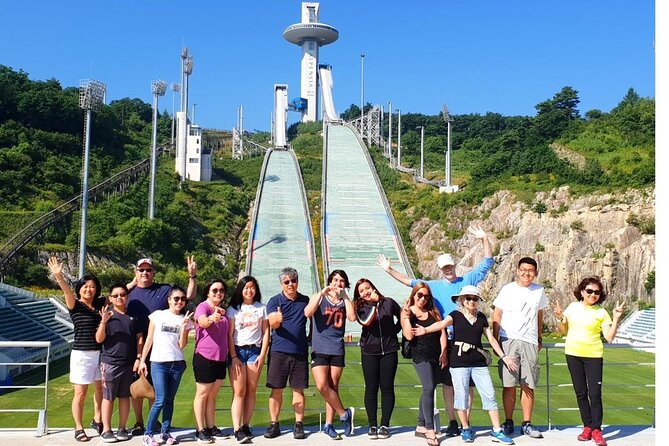
- Seven days around Korea: The route links Seoul, Gongju, Jeonju, Boseong, Suncheon, Busan, Gyeongju, Andong, Pyeongchang, and Seoraksan.
- No shopping stops: Your time is given to cultural sites, food, scenery, and local encounters.
- Meals are covered: Seven lunches, six breakfasts, and six dinners are included.
- Hands-on Korean culture: Wear hanbok in Jeonju and make a traditional dessert at Momyeongjae.
- Small enough to feel manageable: The maximum group size is 35, with air-conditioned transport sized to the group.
- A strong history-and-nature balance: UNESCO sites, royal tombs, wetlands, tea fields, coastline, temples, and mountain trails all appear.
What this Korea circuit does well
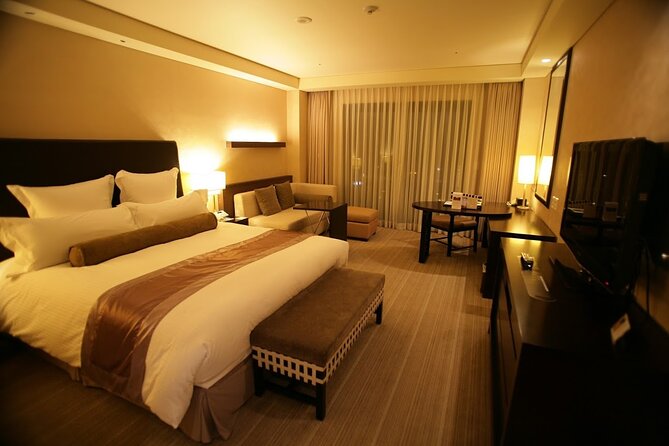
At $1,970 per person, this is not a budget bus tour, but the price covers a great deal: six nights of accommodation in twin or double rooms, every listed entrance fee, 19 included meals, an English-speaking guide or driver-guide, and transport in an air-conditioned vehicle. You also receive a welcome kit.
The real value is the planning. Korea’s rail and bus network is useful, but linking Gongju, Jeonju, Boseong, Suncheon, Busan, Gyeongju, Andong, and Seoraksan in one week takes time and care. Here, you can settle into the vehicle and let someone else handle the route.
You should still read all-inclusive carefully. Drinks, tips, laundry, phone charges, pay television, insurance, and other personal costs are not included. Hotel pickup on the first day and drop-off on the final day are also excluded. The meeting point is Amid Hotel Seoul at 8:00 a.m., and the tour ends back at that meeting point.
The pace is the main question. Most stops last from one to two hours, and some days include several major sights. I would not choose this plan if your idea of Korea is lingering over one neighborhood, sleeping late, or making spontaneous restaurant choices. I would choose it if you want a well-organized first look at the country and do not want to spend your holiday solving transport problems.
A few more Seoul half-days to weigh up
- 7 days Flexible Tour for Major Cities(Seoul,Busan,Gyeongju etc)
★ 5.0 · 5 reviews
Day 1: Gongju and the Baekje royal past
The first day begins in Gongju, an important former capital of the Baekje kingdom. At Gongsanseong Fortress, you walk through a UNESCO World Heritage site on a hillside. The one-hour visit offers old defensive walls and broad views, with enough time to understand why the site mattered without turning the morning into a museum lecture.
The next stop is the Songsan-ri Tombs and the Royal Tomb of King Muryeong. The tomb is known for its brick-built burial style, an unusual detail that makes the site more memorable than a standard royal grave. Artifacts from the tomb show the skill and taste of Baekje’s court.
Finish at the Gongju National Museum, where about 10,000 cultural objects are held. The strongest focus is on royal relics, gilt-bronze ornaments, and items connected with King Muryeong’s tomb. I like this order because the fortress gives you the setting, the tomb gives you the burial story, and the museum lets you see the objects up close.
You will need to be ready for history from the first morning. The three stops are tightly linked, but the day sets a serious tone before the more playful activities later in the week.
Day 2: Hanok lanes, hanbok, and temple tea

Jeonju Hanok Village is one of the trip’s most approachable stops. More than 800 traditional hanok houses fill the area, creating a setting of tiled roofs, narrow lanes, and old-style buildings. You have two hours to explore, which gives you time to walk rather than simply step off the bus, take a photo, and leave.
A one-hour hanbok experience adds a useful change of pace. Wearing traditional clothing in the village makes the architecture feel less like a backdrop and more like a place you are actively entering. The experience is especially suited to anyone who enjoys photographs, clothing, or a hands-on cultural activity.
Gyeonggijeon Shrine dates to 1410 and holds a portrait of King Tae-jo, founder of the Joseon Dynasty. The one-hour visit brings another layer to Jeonju, moving from ordinary homes and lanes to royal ceremony and dynastic memory.
Later, Baekyangsa Temple offers a quieter afternoon. You spend two hours at the temple and take part in a tea conversation with a Buddhist monk. This is one of the most meaningful parts of the route because it gives you time to slow down and listen, not just collect another landmark.
The day combines several kinds of culture, but it is also busy. If you become attached to Jeonju’s food stalls or side streets, you may wish you had more free time. The tour does include different kinds of traditional Korean food throughout the week, so meals help carry the local flavor even when the schedule keeps moving.
Day 3: Boseong tea fields and Suncheon wetlands
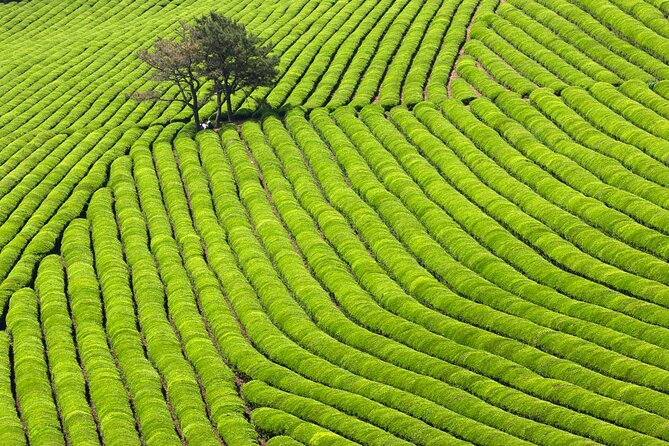
At Daehan Dawon in Boseong, you walk through Korea’s largest green tea field. The visit lasts about two hours, giving you time among the carefully planted rows and a chance to take in the changing views. This is a scenic break after two days of fortresses, tombs, shrines, and museum objects.
The tea plantation is also a good reminder that Korean culture is not only found in palaces and temples. Agriculture, regional food, and working countryside are part of the picture. You can expect the visit to involve walking, so comfortable shoes are sensible.
After lunch, the route turns toward Suncheon Bay Wetland Reserve. The reserve lies where river water meets the sea and supports more than 250 species. You spend about two hours here, with the open marsh and coastal setting providing a sharp contrast to the enclosed historic sites earlier in the trip.
I like this day for its breathing room. There are only two main stops, and both give you time outdoors. The drawback is that the appeal depends on weather and season. The tour requires good weather, and the appearance of the tea fields and wetlands will naturally change during the year.
A different way to spend a day from here:
- Best DMZ Tour Korea from Seoul (Red Suspension Bridge Optional)
★ 5.0 · 41,422 reviews - DMZ Tour: 3rd Tunnel, Option(Suspension Bridge, Boat) from Seoul
★ 5.0 · 21,373 reviews - DMZ tour south Korea from Seoul (NK experience hall, defector)
★ 5.0 · 20,599 reviews - Seoul: DMZ Tour with Optional Suspension Bridge
★ 4.8 · 5,277 reviews
Day 4: Busan’s war memory, seafood, and coastline
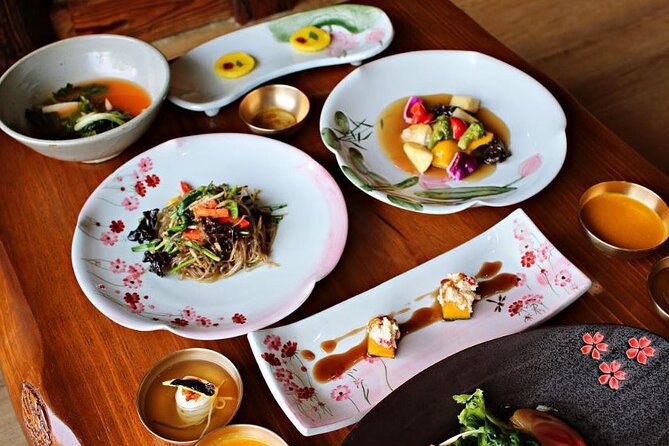
The day starts at the UN Memorial Cemetery, a solemn site for the soldiers from the United Nations who died during the Korean War. About 2,300 graves are arranged by nation. It is a quiet, respectful stop and an important counterweight to Busan’s more energetic attractions.
At Jagalchi Market, you get a very different view of the city. Fresh seafood and local specialties fill the stalls, and the market shows Busan as a working port rather than only a seaside destination. You have about an hour, enough to look around and absorb the atmosphere, though not enough for an unhurried market expedition.
The Songdo Cable Car then carries you about 1.6 kilometers from Songdo Beach Station to Songdo Sky Park. The two-hour allocation allows time for the ride and the views over the coast. I like the way this stop closes the day: after the cemetery and market, the cable car gives you a broad, simple view of Busan and the water.
The first two Busan stops are listed without admission charges, while the cable car ticket is included. You should expect a day with emotional variety, from military remembrance to seafood stalls and a popular view point.
Day 5: From Busan’s APEC hall to ancient Gyeongju
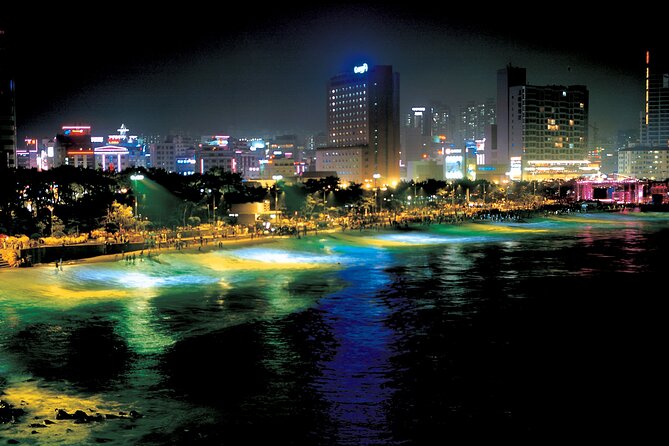
Morning begins on Dongbaekseom Island at Nurimaru APEC House, the modern glass-walled venue used for the 2005 APEC Summit. The one-hour visit offers a look at recent Korean history and international diplomacy before the tour turns to much older sites.
Bulguksa Temple in Gyeongju is a UNESCO World Heritage site and one of the week’s major highlights. You have 90 minutes to see its architecture and understand its place in Korea’s Buddhist tradition. The time is useful, but the stop may feel brief if you want to study every detail.
Gyeongju was Korea’s ancient capital for about a thousand years, and the next three stops make that clear. At Daereungwon Tomb Complex, large burial mounds mark the resting places of Silla royalty. Gold crowns and other precious objects show the wealth of the court without requiring you to imagine it from bare earth alone.
The Gyeongju National Museum gives you two hours with Silla artifacts, including golden crowns and other works from a millennium ago. This is the day when the museum visits pay off most clearly, because the tombs and temple have already given you a sense of the period.
Cheomseongdae Observatory takes only about 20 minutes, but it is an appealing final stop. The ancient structure is associated with star watching and has become one of Gyeongju’s best-known symbols. Do not expect a long visit. Think of it as a concise outdoor finish to a dense day of royal and religious history.
Day 6: Traditional sweets and living heritage in Andong
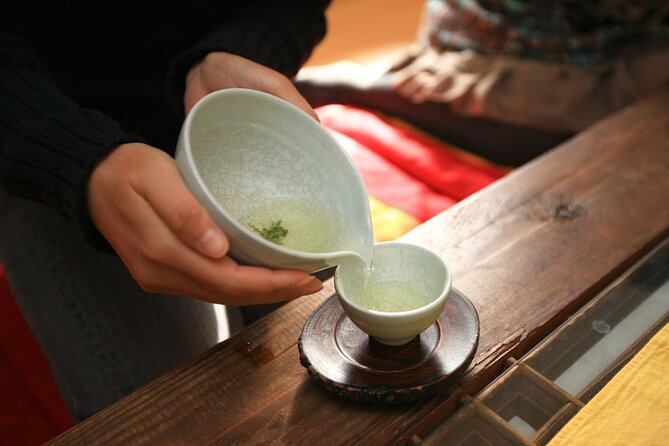
The morning’s Momyeongjae program is the tour’s main food activity. At a Korean Traditional Culture Center, expert instructors guide you through making a traditional Korean dessert. The 90-minute session gives you something to do with your hands, and it breaks up the succession of sightseeing stops.
This is also where the promise of local food becomes more than a meal served at a restaurant. You learn part of the preparation process and leave with a clearer sense of how traditional sweets fit into Korean culture. Exact dessert details are not specified, so you should regard the activity as a cultural cooking session rather than book it for one particular recipe.
Andong Hahoe Folk Village follows, with about two hours to explore one of Korea’s best-preserved traditional villages. The village has more than 600 years of history and remains a living cultural setting, not simply a collection of restored buildings.
I like the pairing. Dessert making gives you a personal activity, while Hahoe provides the wider setting of old homes, customs, and village life. The route does not treat tradition as something locked behind glass.
Day 7: Seoraksan and a mountain finish
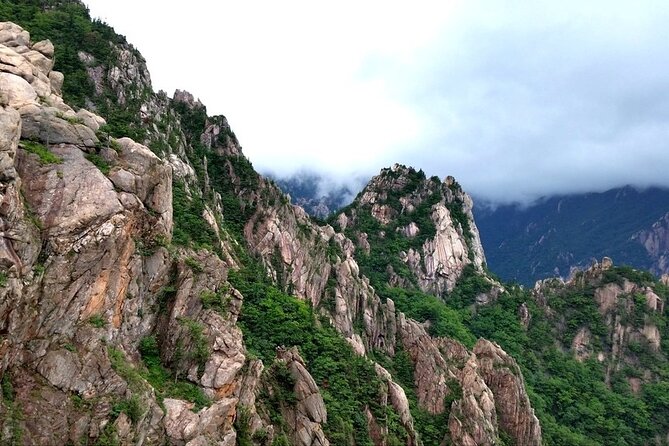
The final day begins in Pyeongchang before heading to Jujeongol Valley in Seoraksan National Park. You spend about two hours among rock formations, high peaks, and clear streams. After a week of royal sites, markets, museums, and villages, the park gives the itinerary a strong outdoor ending.
This is a moderate-fitness tour, and Seoraksan is one reason why. The exact level of walking is not specified, but a valley visit in a national park calls for practical shoes and comfort on uneven ground. If you dislike walking outdoors, ask the operator for current details before booking.
The weather policy matters most here. If poor weather cancels the activity, you are offered another date or a full refund. The final stop is scenic by design, so a clear day can make a real difference.
Meals, hotels, and the all-inclusive question
Six nights of accommodation are included in twin or double rooms. The specific hotels are not named in the supplied information, so you should confirm the hotel list, room setup, and any single supplement before paying if those details affect your choice.
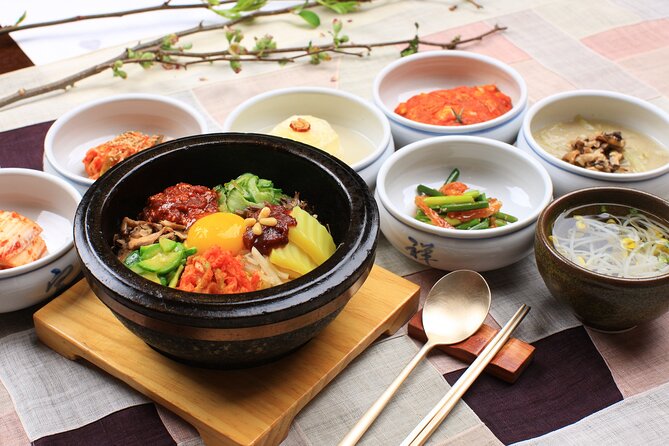
Food is a major part of the package. You receive seven lunches, six breakfasts, and six dinners, with a focus on different kinds of traditional Korean food. That saves money and removes the daily task of finding a meal for a group, though it also means less freedom to choose every restaurant yourself.
The package includes every entrance fee during the tour. That is useful on a route with fortresses, tombs, museums, temples, the hanbok program, dessert making, and the cable car. Tips, drinks, insurance, laundry, phone charges, pay television, and personal purchases remain your responsibility.
Group size, guide service, and practical comfort
The maximum group size is 35, and the vehicle changes according to the number of people booked. That is large enough for a proper coach-style trip, but not so large that the operator has no limit. One group had 16 people, and guide Jay was specifically praised for being friendly, fun, kind, and attentive through the trip.
Your guide may be an English-speaking guide or a driver-guide. That distinction can affect how much commentary you receive while moving between stops, so ask if detailed guiding is important to you.
The tour starts at 8:00 a.m. at Amid Hotel Seoul, 38 Insadong 5-gil, Jongno District. Since first-day pickup is not included, staying at or near that hotel makes the morning easier. The route is near public transportation, but you must arrange your own way to the start and back from the end point.
A welcome kit is provided to each participant. Confirmation normally arrives at booking, but bookings made within one day of departure are subject to availability. Cancellation brings a full refund if made at least six full days before the start time, a 50 percent refund when made two to six full days ahead, and no refund inside two days.
Who should book this seven-day route?
I would recommend it to a first-time visitor who wants to see much more than Seoul, values fixed meals and hotels, and prefers a guide to explain the past. It is also a good fit for someone who wants both major sights and less obvious activities, such as monk-led tea, dessert making, a wetland reserve, and a traditional village.
It may not suit you if you want nightlife, long free periods, independent food hunting, or the ability to change plans each morning. The days are full, and the route covers a large part of Korea in only one week.
Should you book Discover Round Korea in 7 Days?
Book this tour if your priority is coverage with minimal planning. The combination of included meals, hotels, transport, admissions, and an English-speaking guide gives you a clear value at $1,970, especially when you price six nights, long road transfers, and the many paid activities separately.
Skip it if you would rather choose your own hotels, eat independently, or spend several days in one city. For everyone else, this is a practical way to see Korea’s royal past, Buddhist traditions, regional food, coastline, wetlands, and mountain scenery in one tightly organized trip.
FAQ
Where does the tour start?
It starts at Amid Hotel Seoul, 38 Insadong 5-gil, Jongno District, Seoul, South Korea.
What time does the tour start?
The scheduled start time is 8:00 a.m.
Where does the tour end?
The activity ends back at the meeting point.
Is hotel pickup included on the first day?
No. Hotel pickup on the first day is not included. The recommended place to stay is Amid Hotel Seoul.
How many nights of accommodation are included?
Six nights are included, in twin or double rooms.
Which meals are included?
The package includes seven lunches, six breakfasts, and six dinners.
Are entrance fees included?
Yes. Entrance fees for all listed sites and activities are included, including the Songdo Cable Car.
Is transportation provided?
Yes. Transport is provided in an air-conditioned vehicle. The vehicle type varies according to group size.
How large can the group be?
The maximum group size is 35 participants.
What level of fitness is required?
A moderate level of physical fitness is recommended. The schedule includes walking at historic sites and a visit to Jujeongol Valley in Seoraksan National Park.
Is travel insurance included?
No. Traveller’s insurance is not included.
What happens if bad weather cancels the tour?
If the experience is canceled because of poor weather, you are offered a different date or a full refund.
Recently added around Seoul
- Nami & Maple Road & Theatre des Lumieres Day Tour from Seoul★ 4.8 · 4 reviews
- Gyeongbokgung Palace Photo Session with your own phone★ 5.0 · 4 reviews
- Private Tour around Suwon UNESCO Fortress and Korea Folks Village★ 4.5 · 4 reviews
- N Seoul Tower + Namsan Cable Car Ticket (Collect in Myeongdong)★ 3.5 · 4 reviews
- Jisan Forest Resort: Ski Full-Day Tour or Shuttle from Seoul★ 5.0 · 4 reviews
- Seoul: Deoksugung Palace Night Tour★ 4.5 · 4 reviews
- Seoul Private Walking Tour with a Local★ 5.0 · 4 reviews
- Private Jeonju Hanok Village – Culinary tour★ 5.0 · 4 reviews
Seoul Tours, compared.
Best DMZ Tour Korea from Seoul (Red Suspension Bridge Optional)
Read the review →
DMZ Tour: 3rd Tunnel, Option(Suspension Bridge, Boat) from Seoul
Read the review →
DMZ tour south Korea from Seoul (NK experience hall, defector)
Read the review →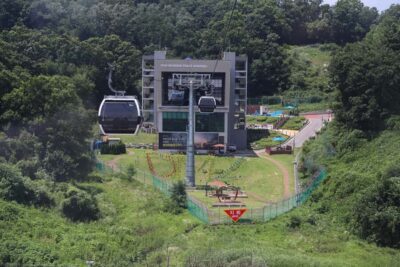
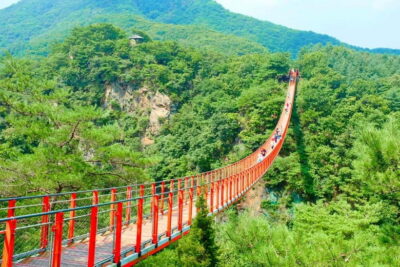
DMZ The 3rd Tunnel and Suspension Bridge Tour
Read the review →
Signature DMZ Tour: Exclusive Defector Talk & Suspension Bridge
Read the review →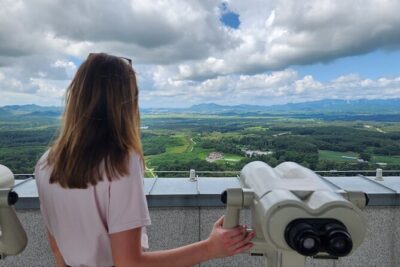
Thrilling Korean DMZ 3rd Tunnel Tour from Seoul + Red Bridge Rush
Read the review →