Reviewed · SEOUL TOURS
7 days Flexible Tour for Major Cities(Seoul,Busan,Gyeongju etc)
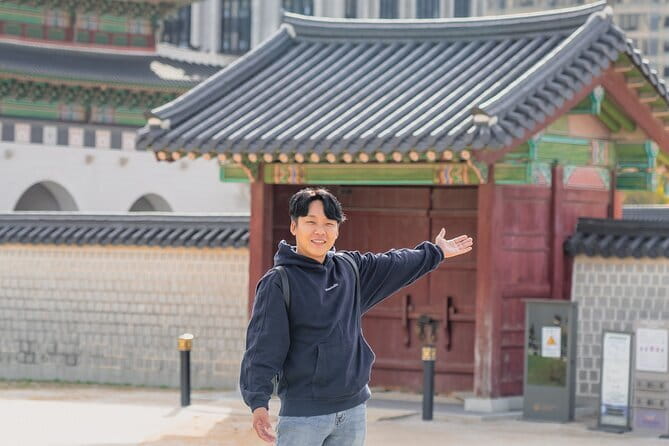
The best thing about this seven-day private tour is its reach. In one trip, you move from Seoul’s royal palaces and war memorials to the DMZ, ancient Gyeongju, and Busan’s seaside temples. Guides Hun and Sean handle the driving, tickets, timing, and local explanations, so you can focus on Korea rather than its logistics.
I like the flexible schedule, which lets you take days off or add places that matter to you. I also like the personal feel: Hun and Sean have been praised for adjusting plans around food, interests, family needs, and special occasions. The main drawback is the pace. This covers a lot of ground in seven days, and some days include long drives and several hours on your feet.
Key points at a glance
- Seoul to Busan in one private trip: See major sights in three of Korea’s best-known destinations without arranging separate transport.
- A real mix of Korea: The route includes royal palaces, markets, museums, a war memorial, ancient tombs, temples, beaches, and modern city icons.
- DMZ access with a public bus transfer: Your group remains private except for the required bus ride inside the DMZ area.
- Flexible by design: The seven tour days do not have to be consecutive, and you can request extra tours or finish in Busan instead of returning to Seoul.
- Airport transport and a private minivan included: Fuel, tolls, parking, bottled water, and listed entrance tickets are covered.
- Food is up to you: Meals are not included, but your guide can help shape stops around the dishes and markets you want to try.
Why this route works for a first visit
This is not a narrowly themed tour. It is a broad introduction to South Korea, built for someone who wants the famous sights but also wants help making sense of them.
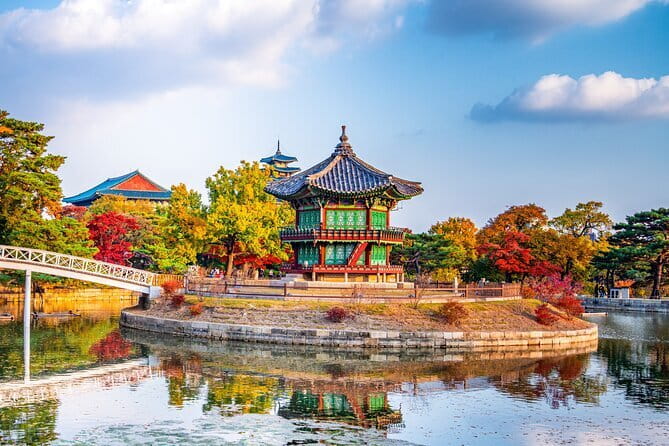
In Seoul, you see the Joseon royal court, traditional homes, street food, modern Gangnam, and the Han River. The DMZ adds difficult modern history. Suwon brings in fortress architecture and royal-era military planning. Gyeongju then shifts the story back many centuries, while Busan closes the trip with markets, ocean views, hillside neighborhoods, and a temple by the sea.
I especially like that the guide is with you for the entire trip rather than handing you off to a different guide in every city. That matters on a seven-day journey. You do not have to repeat your preferences, explain mobility concerns again, or figure out a new transport plan each morning.
The five published ratings are all 5 out of 5, with repeated praise for Hun’s energy, kindness, flexibility, and driving. One family described Hun and Sean as warm enough to feel like friends, and another praised the care they gave an older mother. Those details suggest this works particularly well for families and private groups that want human help, not just a vehicle and a printed schedule.
A few more Seoul half-days to weigh up
- Discover Round Korea in 7days: All-Inclusive Experience
★ 5.0 · 157 reviews
Day 1: Seoul’s royal past, local streets, and wartime memory
The opening day packs in five very different parts of Seoul. At Gyeongbokgung Palace, you spend about two hours with a full guided visit to the main royal palace of the Joseon Dynasty. Since the complex is large, having a guide point out the key areas and explain the stories saves time and gives the buildings more meaning.
Bukchon Hanok Village follows with an hour among traditional homes associated with Seoul’s noble class. This is a useful counterpoint to the palace. The palace shows how the royal court lived and ruled, while Bukchon helps you picture the residential world around it.
You then walk through Insadong, a traditional shopping and café district known for pottery, artwork, antiques, and Korean-style tea. Lunch is not included, so this is one of the places where you can shape the day around your own appetite. The planned tea break gives the schedule a welcome pause before the afternoon’s heavier history.
The War Memorial of Korea takes about two hours. Its displays include weapons, tanks, and memorials connected to the Korean War. I consider this one of the most valuable stops because it gives context to the division you will see more directly on Day 3 at the DMZ.
The day ends at Gwangjang Market, where your guide introduces local foods and explains the market’s background. You can try snacks and traditional dishes, but you pay for meals yourself. Since this is a private tour, tell the guide what you want to eat rather than treating the market as a quick photo stop.
Day 2: Seoul views, temples, Gangnam, and the Han River
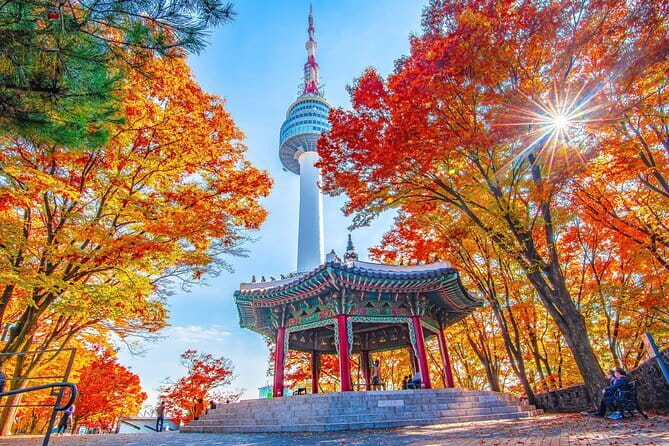
Day 2 shifts from old Seoul to modern city life. At N Seoul Tower, you spend about two hours on Namsan Mountain and at the tower. The cable car fare is not included, so budget separately for that ticket. If you prefer, the guide can discuss another way up.
Bongeunsa Temple gives you a quiet hour among lanterns, lotus flowers, and historic Buddhist buildings in the middle of Seoul’s busy Gangnam district. I like the contrast here. Within the same day, you move from a city lookout to a working religious site, then into Seoul’s polished commercial center.
Starfield Library is the most modern stop. The giant indoor library holds more than 50,000 books and is well suited to photographs. You may replace it with a traditional Korean village, which is a useful option if you prefer culture and old architecture over a social-media-famous interior.
The Gangnam Style statue is a brief ten-minute stop. It is free and intentionally lighthearted, commemorating the song that first pushed Korean pop culture into a truly global spotlight.
The evening ends with an E-Land cruise on the Han River. A meal of chicken or noodles is planned before boarding, but meals are not included in the tour price. The cruise takes about two hours and offers views of bridges and the river after dark. It is a relaxed way to finish a busy day, though you should expect another full schedule overall.
Day 3: The DMZ and the everyday story of modern Korea
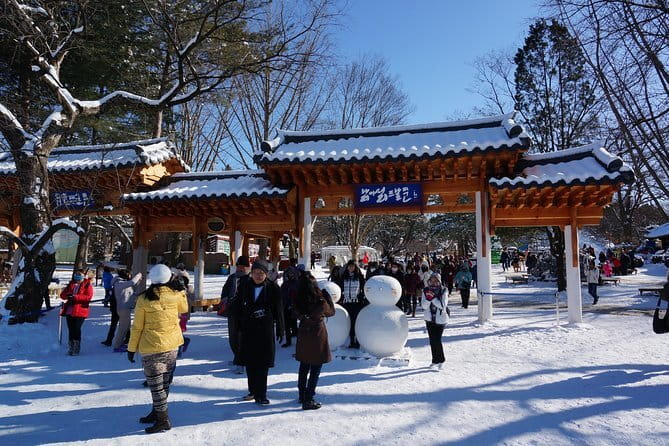
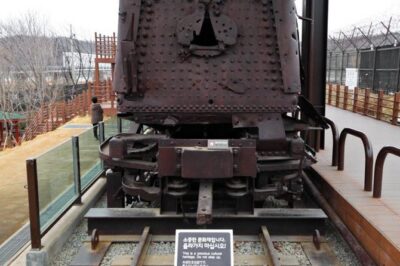
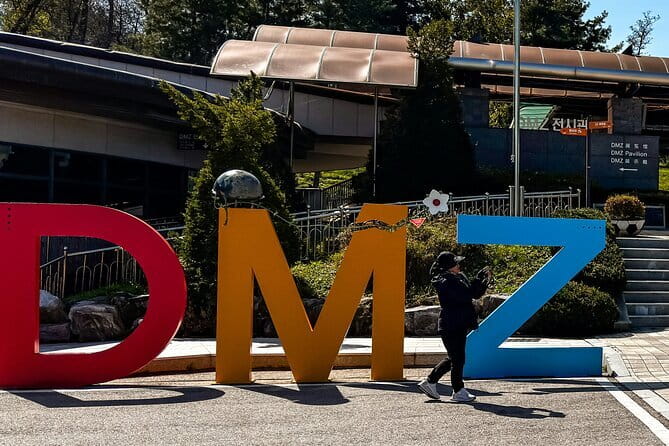
The DMZ day begins at Imjingak Pyeonghoa-Nuri Park, where you see the Bridge of Freedom, an abandoned steam train, and other reminders of the Korean division. This opening stop helps frame the visit before you enter the restricted area.
Private cars cannot drive inside the DMZ, so you transfer to a public bus. The rest of the day remains private, with your guide explaining what you are seeing, but the bus portion is shared. That is an important practical detail for anyone expecting a completely private vehicle from start to finish.
The Third Tunnel requires a moderate level of fitness. It reaches about 73 meters below ground, and the round trip takes around 20 minutes. The tunnel is narrow and involves walking, so this is not just a sightseeing stop from the comfort of the van. It was built as part of North Korea’s efforts to create routes south, and the tour explains its claimed military purpose.
At Dora Observatory, you look toward North Korea. The description of this stop takes a strongly critical view of life north of the border, so you should expect an interpretive presentation rather than a neutral geographic lookout alone.
The final stop is the Museum of Modern History of Korea. Its displays recreate everyday South Korean life from the 1950s onward. After the War Memorial and DMZ, this museum helps you see how ordinary life developed on the southern side of the border.
A different way to spend a day from here:
- Best DMZ Tour Korea from Seoul (Red Suspension Bridge Optional)
★ 5.0 · 41,422 reviews - DMZ Tour: 3rd Tunnel, Option(Suspension Bridge, Boat) from Seoul
★ 5.0 · 21,373 reviews - DMZ tour south Korea from Seoul (NK experience hall, defector)
★ 5.0 · 20,599 reviews - Seoul: DMZ Tour with Optional Suspension Bridge
★ 4.8 · 5,277 reviews
Day 4: Suwon Hwaseong and a living history set
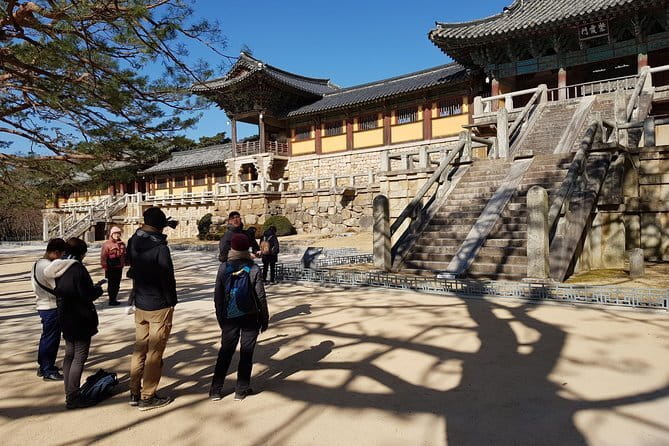
Day 4 is based around Suwon’s fortress sights. Banghwasuryujeong Pavilion, also called Dongbukgakru, takes about 30 minutes. It was both a scenic pavilion and a place used for royal entertainment during the reign of Joseon’s 22nd king.
Janganmun Gate adds a darker note. The gate’s name connects with the tragic story of that same king, and bullet holes from the Korean War can still be seen. This is exactly the kind of detail that is easy to miss without a guide.
At Yeonmudae, the former military command center, you can try archery. The site also offers good fortress views and photo opportunities. Changryongmun Gate shows how the eastern entrance fitted into the wider defensive design. Each stop is short, about 30 minutes, so expect a series of focused visits rather than a long uninterrupted walk along the walls.
The Korean Folk Village takes about three hours and is the day’s main attraction. It includes traditional homes, farming scenes, performances, and buildings used as locations for Korean historical dramas. The guide walks with you and explains what you are seeing.
This day has a gentler rhythm than the DMZ day, but there is still plenty of walking. The tour states that you should have moderate physical fitness, and that applies especially to the fortress and folk village sections.
Day 5: The long move south and Pohang’s Space Walk
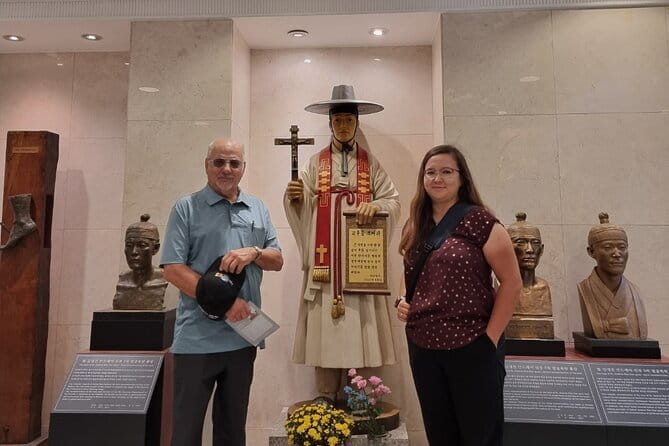
Day 5 begins the journey toward Gyeongju and Busan. The drive to Gyeongju includes one or two attractions and lunch in Pohang, with about six hours listed for the Gyeongju travel portion. This is a transit day, not a compact sightseeing day in Seoul.
The Space Walk in Pohang provides an hour to stretch after the long drive and enjoy broad views. It is described as safe and suitable for walking, with the guide joining you. Because this is an outdoor structure, anyone uneasy with heights should raise that concern before confirming the day’s plan.
The value of this day comes from having a private vehicle and driver. On a standard group itinerary, moving between Seoul, Pohang, Gyeongju, and Busan can mean juggling trains, local taxis, luggage, and check-in times. Here, the guide manages the route and parking. The tradeoff is clear: you spend substantial time on the road.
Day 6: Gyeongju after dark
Gyeongju is the historical heart of this journey, and Day 6 gives it a full day. At Daereungwon Tomb Complex, you see large burial mounds dating mainly from the fourth to sixth centuries. One open tomb can be entered, offering a closer look at the construction methods and objects connected with the Silla period.
Hwanglidangil is the food and shopping break. You can sample local specialties, including coin bread, a popular snack. Again, food is not included, but the stop gives you a chance to choose what appeals to you.
Woljeonggyo Bridge is especially effective at night. The original bridge dates to 760, though the current structure was rebuilt using historical documents and site research. The evening lighting makes this a strong photography stop.
Donggung Palace and Wolji Pond is another night visit. The palace complex was abandoned after a new dynasty came to power and later reconstructed from historical records. Reflections on the pond and the illuminated buildings give this stop a calm, almost theatrical quality.
Cheomseongdae Observatory dates to 633 and is described as possibly the world’s oldest surviving observatory. The visit is short, about 30 minutes, but it adds a clear link between ancient astronomy and agricultural life.
Finish at Gyeongju National Museum, where original crowns and other Silla artifacts are displayed. I would pay close attention here. After seeing tombs and reconstructed buildings, the museum provides the actual objects that make Gyeongju’s past feel concrete.
Day 7: Busan markets, sea views, and hillside neighborhoods
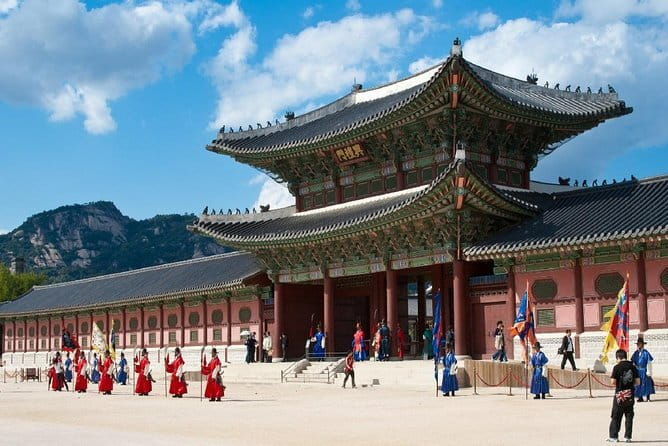
The final day introduces Busan through several distinct settings. Gukje Market is a large traditional market with affordable goods, blankets, clothing, and food. Its development is tied to Busan’s role during the Korean War, when the city was not occupied by North Korea. Your guide can connect the market’s commercial growth with that period.
At Songdo Cable Car, you ride over the ocean for about an hour. The cable car ticket is listed as free in the itinerary, but you should confirm current arrangements with the operator before your visit. If heights are a concern, the tour offers a lower Sky Capsule alternative with a transparent floor.
Haedong Yonggungsa is one of Korea’s most scenic temples, set beside the sea. It is relatively new compared with many Korean temples, but the coastal setting makes it memorable. Bring shoes suited to steps and uneven walking surfaces.
Busan Gamcheon Culture Village has colorful homes and a difficult refugee history. The guide explains how displaced people settled here, built homes on the hillsides, and formed a community that still functions today. The painted streets are photogenic, but the human story is more important than the colors.
The final stop, Ahopsan Forest, offers a quiet walk through bamboo. Bamboo has long represented qualities such as straightness and nobility in Korean culture. After a week of cities, museums, and busy sights, this hour gives you a peaceful finish.
What the $2,000 price really covers
At $2,000 per person, this is a major purchase. The value depends on group size. For a private group, the price includes an experienced English-speaking driving guide, one or two guides for the full tour, a private minivan, airport transport, listed entrance tickets, fuel, tolls, parking, and bottled water.
Hotels and meals are not included. That keeps the package flexible, but your final budget will be higher than the advertised price. You should also allow for the N Seoul Tower cable car and any food you buy at Gwangjang Market, Hwanglidangil, the Han River stop, or elsewhere.
I see the strongest value in the driving and planning. Seoul, Suwon, Gyeongju, Pohang, and Busan cover a large part of the country. A private vehicle makes the route possible without forcing you to manage every transfer. It also lets you alter the plan, take a day off, add tours, or return to Seoul after Busan.
Who should book this private Korea tour
I would choose this for a family, multigenerational group, or group of friends that wants personal help and broad coverage. It is also a good fit if you want to include the DMZ and Gyeongju but do not want to arrange long-distance transport yourself.
The tour suits people with moderate fitness who can handle palace grounds, fortress paths, the Third Tunnel, temple steps, and village streets. It is less suitable if you prefer slow mornings, long unplanned meals, or one city explored in great depth.
The strongest praise has centered on Hun and Sean’s warmth, flexibility, and attention to individual needs. If you want a guide who can adjust food stops and daily plans, that is a real advantage. If you want a fixed group itinerary with every cost prepaid, this is not that product.
Practical details before you reserve
The listed start time is 10:00 am. Airport pickup is offered, and you can either return to Seoul with the group or finish in Busan. Hotel booking help is available, but the hotel itself is your responsibility.
The seven days do not need to run in a row. You can add rest days or extra tours, which is useful after the long DMZ and intercity driving days. Confirmation is sent within 48 hours, subject to availability.
Cancellation is generous only if you plan ahead. Cancel at least six full days before the start time for a full refund. Cancel two to six full days ahead for a 50 percent refund. Cancellations less than two full days before the start time are not refunded, and late changes are not accepted.
Should you book it?
Book this tour if you want to see Seoul, the DMZ, Suwon, Gyeongju, and Busan in one private journey, with airport transport and a guide who can adjust the schedule. The range is impressive, and the minivan removes much of the strain from a complicated route.
Think twice if your ideal holiday is slow and independent. The seven days are full, the price excludes hotels and meals, and Day 5 involves a long drive. For families and private groups that value care, flexibility, and a wide view of Korea, the cost can make sense. For everyone else, compare it with arranging trains and local guides separately.
FAQ
How long does the tour last?
The tour lasts approximately seven days. The days do not have to be consecutive, and you can add rest days or extra tours.
Where does the tour start?
The tour is based in Seoul and lists a 10:00 am start time. Airport pickup is offered.
Can the tour finish in Busan?
Yes. You can leave from Busan or return to Seoul with the tour. This choice should be arranged with the provider.
Are hotels included?
No. Hotels are not included, though the guide can help with hotel bookings.
Are meals included?
No. Meals are not included. You pay separately for food at markets, restaurants, and planned meal stops.
Is the DMZ visited by private vehicle?
No. Private cars cannot enter the DMZ area. You transfer to a public bus for movement inside the DMZ, while the rest of the tour remains private.
Are entrance tickets included?
Yes. Entrance tickets listed in the itinerary are included. The N Seoul Tower cable car ticket is specifically excluded and must be paid separately.
What cancellation terms apply?
You receive a full refund if you cancel at least six full days before the start time. A cancellation two to six full days ahead receives a 50 percent refund. Cancellations less than two full days before the start time are not refunded.
Recently added around Seoul
- Nami & Maple Road & Theatre des Lumieres Day Tour from Seoul★ 4.8 · 4 reviews
- Gyeongbokgung Palace Photo Session with your own phone★ 5.0 · 4 reviews
- Private Tour around Suwon UNESCO Fortress and Korea Folks Village★ 4.5 · 4 reviews
- N Seoul Tower + Namsan Cable Car Ticket (Collect in Myeongdong)★ 3.5 · 4 reviews
- Jisan Forest Resort: Ski Full-Day Tour or Shuttle from Seoul★ 5.0 · 4 reviews
- Seoul: Deoksugung Palace Night Tour★ 4.5 · 4 reviews
- Private Jeonju Hanok Village – Culinary tour★ 5.0 · 4 reviews
- Seoul Private Walking Tour with a Local★ 5.0 · 4 reviews
Seoul Tours, compared.
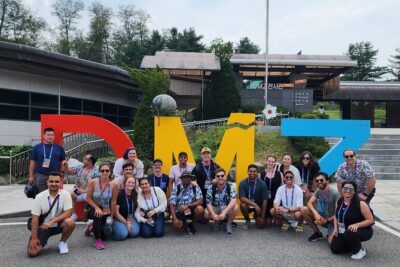
Best DMZ Tour Korea from Seoul (Red Suspension Bridge Optional)
Read the review →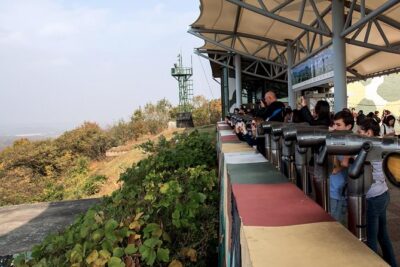
DMZ Tour: 3rd Tunnel, Option(Suspension Bridge, Boat) from Seoul
Read the review →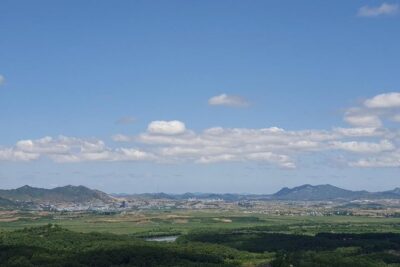
DMZ tour south Korea from Seoul (NK experience hall, defector)
Read the review →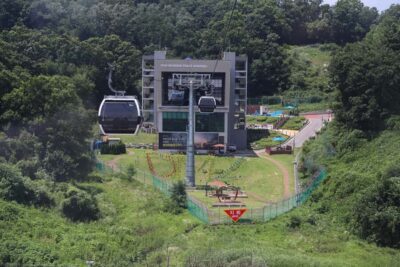
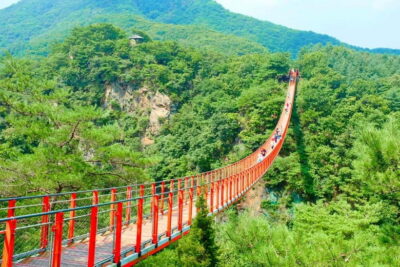
DMZ The 3rd Tunnel and Suspension Bridge Tour
Read the review →
Signature DMZ Tour: Exclusive Defector Talk & Suspension Bridge
Read the review →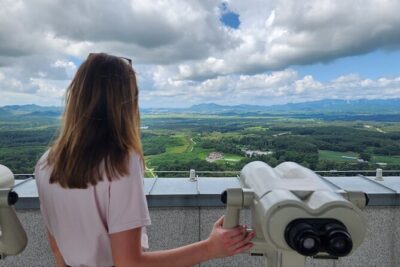
Thrilling Korean DMZ 3rd Tunnel Tour from Seoul + Red Bridge Rush
Read the review →