
Reviewed · SEOUL TOURS
Blood & Tears: Korea Dark History Guided Walking Tour
Seoul’s darkest chapters are easier to understand when you stand where they happened. This tour takes you into Seodaemun Prison, Dilkusha, former KCIA sites, and places tied to the 1919 independence movement and Korea’s later fight for democracy. The stories are painful, direct, and far removed from a polished palace tour.
I like the small groups, limited to 10, because guides such as Joseph, Laura, Gina, and Chuck can answer questions and adjust the pace. I also like the way the tour connects museums with ordinary streets and Tongin Market, where you can stop for a traditional lunch instead of spending the whole day behind display cases.
The main consideration is emotional weight. Torture rooms, executions, political imprisonment, and state violence are not easy subjects. Public transportation also makes the route less effortless than a private coach tour, and the longer option requires a full day of attention.
Key points to know before you book
- Two different chapters: Choose the independence-focused route or the road-to-democracy route.
- Seodaemun Prison: Walk through cells and torture rooms tied to Korea’s colonial resistance.
- Dilkusha and Albert Taylor: Learn how an American journalist reported Japanese repression abroad.
- Tongin Market lunch: Buy your own meal in a local market during the democracy route.
- Small English-speaking groups: Up to 10 people, with time for questions and conversation.
- $61 includes the essentials: Admissions, public transportation during the tour, and the guide, but not lunch or insurance.
Why this tour matters in Seoul
Seoul can be easy to read as a city of palaces, shopping streets, cafés, and glossy towers. That picture is real, but incomplete. Korea’s modern identity was shaped by occupation, imprisonment, military rule, public protest, and ordinary people willing to risk their lives for political freedom.
This tour gives you a way to connect those events to actual places. You are not only hearing dates and names. You are entering prison buildings, walking past former centers of surveillance, and seeing locations tied to journalism, protest, and national independence.
You can choose one route or take both on separate days. Package 1 focuses on the struggle against Japanese colonial rule. Package 2 follows the later road from postwar reconstruction and military government toward democracy. Taken together, they explain why modern South Korea carries such a strong sense of civic memory.
I would not choose this as a light first activity if you want a relaxed introduction to Seoul. I would choose it if you want to understand the country beyond K-pop, palaces, and food.
More Historical Tours in Seoul
- Seoul: Evening Dark History, Folklore & Ghost Story Walking Tour
★ 5.0 · 593 reviews - Hanbok Photoshoot and History Tour at Gyeongbokgung Palace
★ 5.0 · 276 reviews - From Seoul: Dae Jang Geum Park Historic K-Drama Set Tour
★ 4.9 · 143 reviews
Package 1: Seodaemun Prison at 9:30 AM
The independence route begins at 9:30 AM at Dongnimmun Station Exit 5. Meeting at a subway station is practical, though you should allow enough time to find the correct exit and arrive ready to walk.
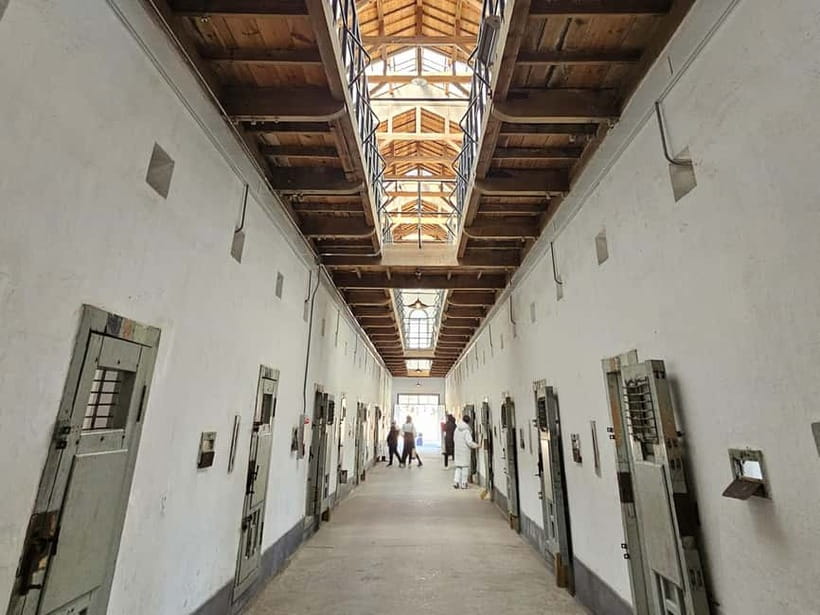
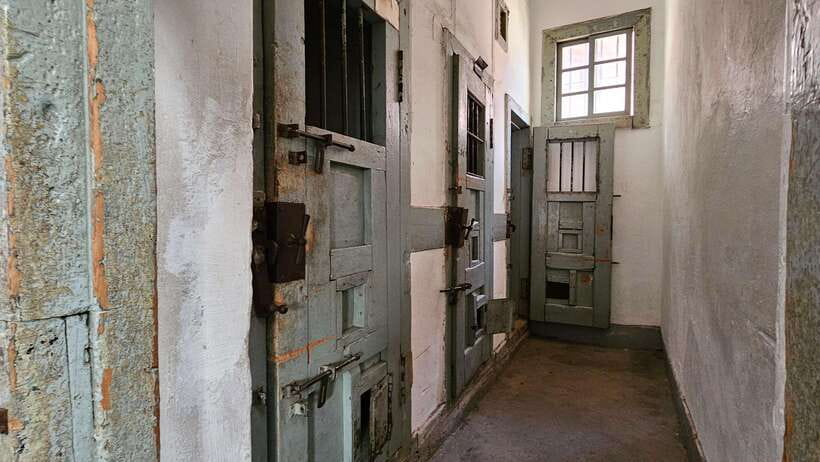
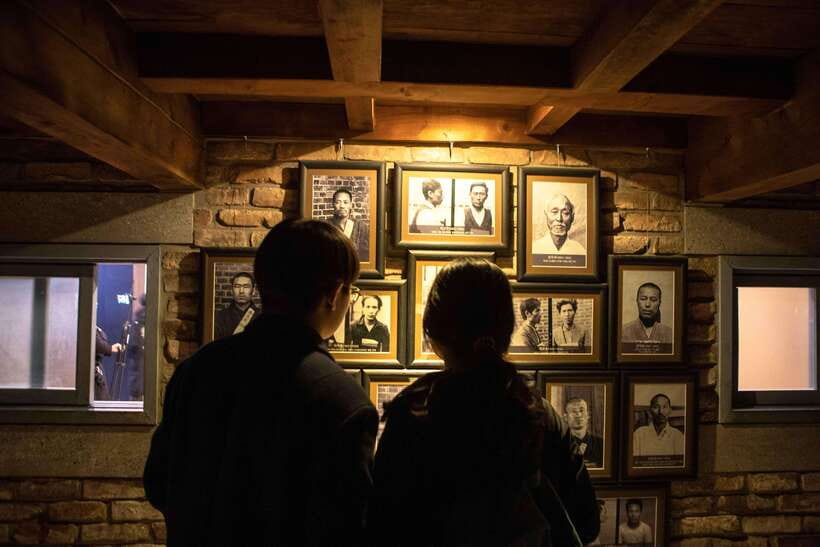
The first major stop is Seodaemun Prison History Hall. This is the emotional center of Package 1. Korean independence activists were held, tortured, and executed here under Japanese colonial rule. The setting is not softened for comfort. Cold cells and dim interiors give the place a physical sense of confinement, while the torture rooms force you to face the cruelty used against people who resisted foreign rule.
Your guide’s role matters greatly here. A basic museum visit can leave you with photographs and dates, but an English-speaking guide can explain who the prisoners were, why they were targeted, and how their actions fit into the larger independence movement. Laura has been especially praised for explaining colonial history through clear stories, while other guides have used background details and even references to Korean dramas to make difficult material easier to follow.
You should expect this stop to be serious rather than theatrical. The goal is not shock for its own sake. It is to help you understand the price paid by people whose names are often reduced to a line in a textbook.
Dongnimmun Arch and the uneasy meaning of symbols
After the prison, the route continues to Dongnimmun Arch. It was built as a symbol of national independence, but its setting also recalls how Korean hopes for self-rule were crushed under Japanese colonial control.
This is a useful stop because it shows how public monuments can carry more than one meaning. A structure linked to independence can also bring you face to face with the reality of occupation. Your guide can connect the arch to the political mood of the period and explain why symbols mattered to a population living under foreign authority.
The route is not simply a series of isolated buildings. That is one of its strengths. Seodaemun Prison shows the machinery of repression. Dongnimmun shows the public desire for independence. Together, the two stops help you see both the violence of colonial rule and the ideas that resisted it.
Dilkusha and the journalist who told the world
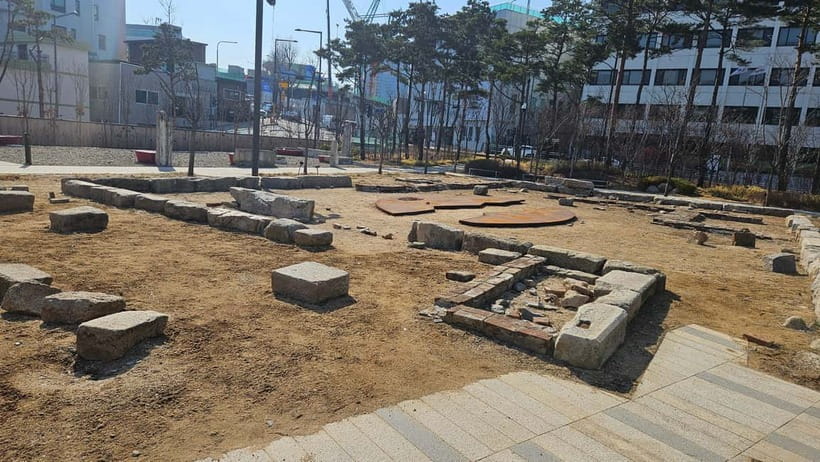
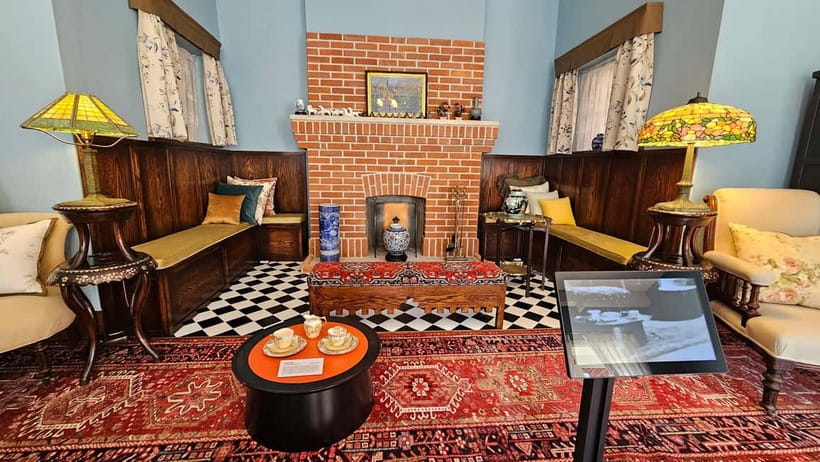
Package 1 then reaches Dilkusha, the former residence of American journalist Albert W. Taylor. Taylor reported on Japanese rule and helped bring news of colonial violence to an international audience.
This stop adds an important outside perspective. The story is no longer only about prisoners and resistance within Korea. It also asks how information crossed borders, who was willing to report what was happening, and why foreign witnesses could matter during a period of censorship and repression.
You may need to remove your shoes inside Dilkusha to help protect the historic residence. Slippers are provided, so the practical point is simple: wear socks you are comfortable walking in and expect the visit to follow preservation rules.
The building offers a quieter change of pace after Seodaemun Prison. That contrast works well. Instead of another site of direct physical suffering, you are looking at a home connected to reporting, international awareness, and the spread of information.
The route ends at Tapgol Park at about 1:00 PM. This timing makes Package 1 a manageable half-day activity, leaving you an afternoon for another part of Seoul.
A different way to spend a day from here:
- Best DMZ Tour Korea from Seoul (Red Suspension Bridge Optional)
★ 5.0 · 41,422 reviews - DMZ Tour: 3rd Tunnel, Option(Suspension Bridge, Boat) from Seoul
★ 5.0 · 21,373 reviews - DMZ tour south Korea from Seoul (NK experience hall, defector)
★ 5.0 · 20,599 reviews - Seoul: DMZ Tour with Optional Suspension Bridge
★ 4.8 · 5,277 reviews
Tapgol Park and the first cries of 1919
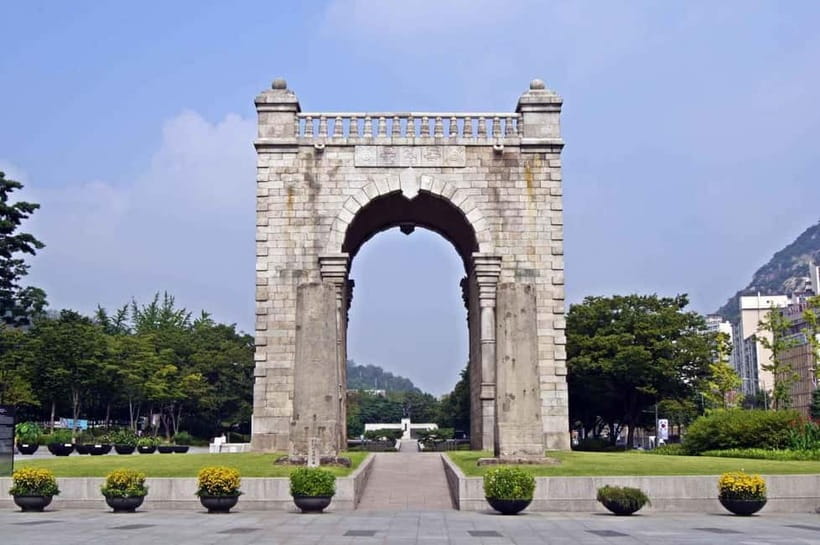
Tapgol Park is tied to the March 1st Movement of 1919, when calls for Korean independence spread through the streets and sparked a nationwide uprising.
The importance of this stop lies in the change from private resistance to public action. At Seodaemun Prison, you see what could happen to people who defied the colonial government. At Tapgol Park, you learn how independence ideas became a mass movement.
Your guide can give this event human scale by explaining that political awakening did not happen only in government offices or among famous leaders. It spread through public spaces and communities. That makes the park more than a pleasant green stop. It becomes a place to think about how protest grows, and how quickly a demand for freedom can reach far beyond its starting point.
Package 2: Korea’s road to democracy
The second route begins at 9:50 AM at Gwanghwamun Station Exit 7. It covers a later period, moving from postwar reconstruction and military regimes to citizen resistance and democratic change.
The opening stop is the National Museum of Korean Contemporary History. This is where you get the background needed for the rest of the day. Korea’s postwar development was rapid, but it came with political control, restrictions on dissent, and conflict over the direction of the country.
I like beginning here because the museum can give you a framework before the walking route becomes more specific. Without that context, former government offices and protest sites can feel like disconnected addresses. With it, you can better follow how economic growth, military rule, political fear, and public resistance overlapped.
The guide also helps keep the subject approachable. Joseph has been praised for creating an open conversational atmosphere, especially when a group is small. That matters with modern political history, because you may have questions about why certain events happened and how Korean society changed afterward.
Tongin Market, with lunch built into the history lesson
The route continues through the alleys of Tongin Market, where you have time to buy a traditional lunch. Meals are not included, so you should bring money for food.
This is one of the best practical touches in the tour. You get a break from museums and memorial sites, but the pause does not feel like a random detour. A market places modern daily life beside the political history you have been studying. You can eat among local shops, look at familiar Korean food in a less formal setting, and experience a part of Seoul that is easy to miss if you stay only on major sightseeing routes.
The market stop also gives the group a chance to talk. Several guides have been praised for making the tour feel conversational rather than like a one-way lecture. You can ask about Korean political movements, compare what you have seen so far, or simply take a breath before the more difficult sites later in the day.
Plan your expectations correctly. This is not a dedicated food tour, and lunch is not covered in the $61 price. The value is in the setting and the break, not in a planned meal or tasting menu.
Namsan KCIA headquarters and the mechanics of fear
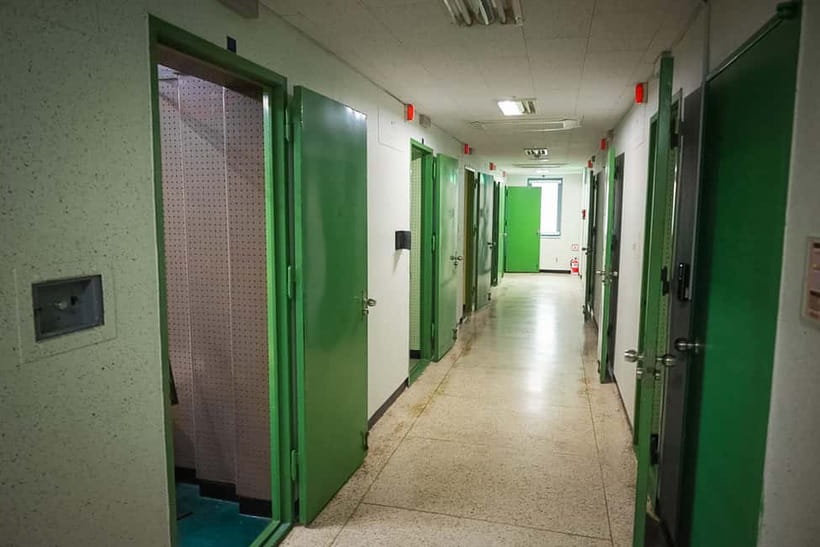
After lunch, the route turns toward darker sites connected to the Korean Central Intelligence Agency, commonly known as the KCIA. The former Namsan headquarters was associated with surveillance, political oppression, and torture.
This part of the experience brings Korea’s modern authoritarian period into focus. The colonial era can feel distant to many people, but the democracy route deals with more recent events and institutions. You are looking at the tools used by a state to monitor opponents and silence dissent.
The emotional effect can be different from Seodaemun Prison. Package 1 shows colonial violence imposed by a foreign power. Package 2 examines repression within the South Korean state during its own political development. That distinction is essential if you want to understand why democracy became such a hard-won cause.
A strong guide is particularly valuable here. Chuck has been praised for making history feel alive, and Joseph for answering questions while letting the group move at its own pace. The best version of this tour gives you facts without flattening the subject into a simple story of good people and bad people. Political history is usually more complicated, and the guide can explain how fear, power, protest, and change worked together.
Korea Democracy Foundation and a changed meaning
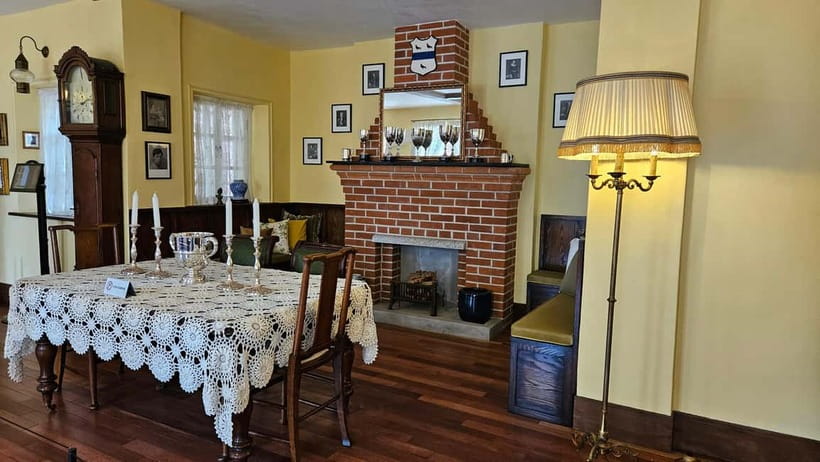
The route ends at the Korea Democracy Foundation at about 4:00 PM. It occupies former sites linked to surveillance, political repression, and torture, yet now helps preserve the memory of Korea’s democratic struggle.
That change in purpose is the key idea here. A place once used to silence dissent can later become a place for teaching, remembrance, and public reflection. You are seeing how a society chooses to preserve painful evidence rather than pretend those years did not happen.
The visit may be adjusted depending on on-site conditions. Treat the foundation as an important planned stop, but not one that can be guaranteed in exactly the same form every time. The route still has value because the museum and other locations provide the wider context.
Package 2 is the more demanding choice. Its later finish, longer schedule, walking, public transportation, and difficult subject matter require energy. In return, it gives you a fuller explanation of modern Korea’s political transformation.
What $61 gets you, and what it does not
At $61 per person, the price is fair for a small-group guided history walk in Seoul. Admission fees and public transportation during the tour are included, along with an English-speaking guide. You are paying for interpretation and structure, not just entry tickets.
That distinction matters. Seodaemun Prison and the contemporary history museums can be visited independently, but the guide connects the evidence across several locations. You also avoid having to work out how the sites relate to one another while navigating Seoul.
Lunch and personal expenses are not included. For Package 2, plan to pay separately for food at Tongin Market. Insurance is also your responsibility.
The small-group limit of 10 is a real advantage. Some departures may be much smaller, even just two people, which allows a more personal conversation. That can make the tour feel less formal and lets the guide adjust explanations to your interests.
Walking, transit, weather, and accessibility
Both packages use public transportation as part of the route. That keeps the experience connected to ordinary Seoul life, but it also means you should expect transfers, stations, and walking between stops.
The activity is listed as wheelchair accessible, yet the practical note about public transportation is important. Strollers or wheelchairs may be inconvenient on this route. If mobility is a major concern, contact the operator before booking and ask exactly how the selected package can be handled.
Weather and traffic can change the itinerary. Wear comfortable shoes and bring clothing suited to the forecast. Package 1 is shorter, but it still includes several stops. Package 2 asks more of you simply because it runs later and covers more ground.
The route is conducted in English. The guides named in the feedback include Joseph, Laura, Gina, Chuck, and Park, and the strongest qualities reported across the group are clear explanation, patience, enthusiasm, and a willingness to answer questions.
Who should choose each package?
Choose Then: Fight for Independence if you are most interested in Japanese colonial rule, the independence movement, prison history, journalism, and the events of 1919. It is also the better choice if you want a half-day activity that ends around lunchtime.
Choose Now: Road to Democracy if you want to understand military regimes, political surveillance, torture, public protest, and Korea’s movement toward democracy. The museum, market break, Namsan KCIA site, and democracy foundation create a broader day, but the material is more recent and may feel especially immediate.
If you have enough time, taking both gives you the clearest picture. The first route explains the struggle against colonial control. The second shows how the country later confronted authoritarian rule within its own government.
Should you book Blood & Tears?
Book this tour if you want history with places, people, and moral weight. You will get far more than a list of dates, particularly with a guide who welcomes questions and relates the material to Korean society and culture.
I would recommend Package 1 to first-time visitors who want a focused introduction to Korea’s independence movement. I would choose Package 2 for a longer, more demanding look at the country’s modern political life. If you are sensitive to descriptions of torture and executions, read the route carefully before booking.
The $61 cost is reasonable because it covers admissions, transit, and a small English-speaking group. Free cancellation up to 24 hours ahead and reserve-now, pay-later booking also make planning easier. Just remember that this is not a casual sightseeing walk. It is a serious day of learning, reflection, and respect.
FAQ
How much does the tour cost?
The tour costs $61 per person. Admission fees, public transportation during the tour, and an English-speaking guide are included.
Which packages can I choose from?
You can choose Then: Fight for Independence or Now: Road to Democracy. The first covers colonial rule and the independence movement. The second covers postwar reconstruction, military regimes, political oppression, and Korea’s road to democracy.
Where does Package 1 begin and end?
Package 1 begins at 9:30 AM at Dongnimmun Station Exit 5 and ends at about 1:00 PM at Tapgol Park.
Where does Package 2 begin and end?
Package 2 begins at 9:50 AM at Gwanghwamun Station Exit 7 and ends at about 4:00 PM at the Korea Democracy Foundation. The foundation visit may change depending on on-site conditions.
Is lunch included?
No. Meals are not included. Package 2 includes time to eat at Tongin Market, but you pay for your own lunch and personal expenses.
Is the tour wheelchair accessible?
The activity is listed as wheelchair accessible, but public transportation may make strollers or wheelchairs inconvenient. The operator also notes that traffic and weather can affect the itinerary.
More Walking Tours in Seoul
- Seoul moonlight walking tour with local historian
★ 5.0 · 940 reviews - Seoul: Nighttime Hidden Gems Walking Tour
★ 5.0 · 775 reviews - Seoul: Dark Side of the City and Ghost Stories Walking Tour
★ 4.8 · 484 reviews - Gangnam Walking Tour on Youth and Society in Seoul Korea
★ 5.0 · 401 reviews
Recently added around Seoul
- Nami & Maple Road & Theatre des Lumieres Day Tour from Seoul★ 4.8 · 4 reviews
- Gyeongbokgung Palace Photo Session with your own phone★ 5.0 · 4 reviews
- Private Tour around Suwon UNESCO Fortress and Korea Folks Village★ 4.5 · 4 reviews
- Jisan Forest Resort: Ski Full-Day Tour or Shuttle from Seoul★ 5.0 · 4 reviews
- N Seoul Tower + Namsan Cable Car Ticket (Collect in Myeongdong)★ 3.5 · 4 reviews
- Seoul: Deoksugung Palace Night Tour★ 4.5 · 4 reviews
- Private Jeonju Hanok Village – Culinary tour★ 5.0 · 4 reviews
- Seoul Private Walking Tour with a Local★ 5.0 · 4 reviews
Seoul Tours, compared.
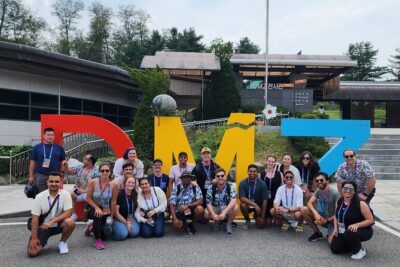
Best DMZ Tour Korea from Seoul (Red Suspension Bridge Optional)
Read the review →
DMZ Tour: 3rd Tunnel, Option(Suspension Bridge, Boat) from Seoul
Read the review →
DMZ tour south Korea from Seoul (NK experience hall, defector)
Read the review →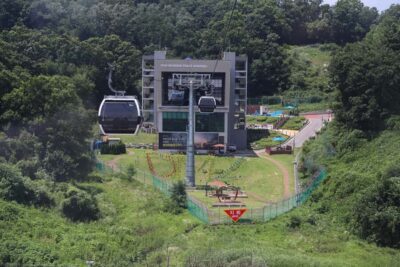
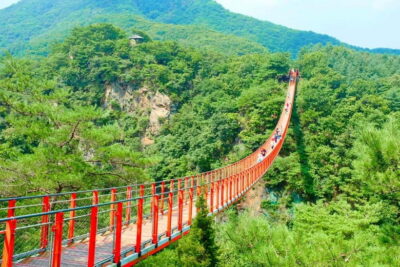
DMZ The 3rd Tunnel and Suspension Bridge Tour
Read the review →
Signature DMZ Tour: Exclusive Defector Talk & Suspension Bridge
Read the review →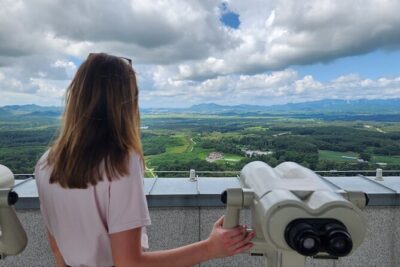
Thrilling Korean DMZ 3rd Tunnel Tour from Seoul + Red Bridge Rush
Read the review →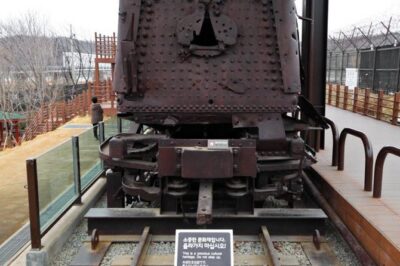
DMZ Past and Present: Korean Demilitarized Zone Tour from Seoul
Read the review →Browse the lists this tour appears in