
Reviewed · SEOUL TOURS
Seoul: Traditional Korean Dessert Workshop with Korean Tea
Dasik turns a small Korean tea sweet into a hands-on cultural lesson. At K-Vibe Studio in Seoul, you shape natural grains and nuts into neat patterned pieces, then learn why these tiny desserts have been served since the Joseon Dynasty. The patterns carry meaning, so this is more than a cooking stop.
I like the calm tea setting and the mix of old and new flavors, from omija and injeolmi to chocolate and pistachio. I also like the practical finish: you take your handmade sweets home in a premium box, ready to share or photograph. The main consideration is the short 90-minute format, which gives you a focused introduction rather than a full Korean cooking course.
Key points at a glance
- Make traditional dasik by hand: Shape Korean tea sweets from grains, nuts, and flavored ingredients.
- Learn the meaning behind the patterns: Each stamped design has a special significance in Korean culture.
- Taste old and new flavors: Work with omija and injeolmi alongside chocolate and pistachio.
- Enjoy Korean tea in a quiet setting: The tea tasting gives the class an unhurried cultural pause.
- Take home a polished gift box: Your finished sweets leave with you instead of being eaten only at the studio.
- Allow 90 minutes: The class fits neatly into a Seoul day, with English instruction and wheelchair access.
What makes dasik worth your time
Dasik is a traditional Korean tea dessert made from ingredients such as grains, soybean, almond, and other nuts. It has been enjoyed since the Joseon Dynasty, when tea sweets were part of formal hospitality and quiet social gatherings.
The appeal is visual as much as culinary. Dasik is often called a dessert for the eyes because each piece is pressed into a mold that leaves a clear pattern. Those designs are not random decoration. They can carry special meanings, making the sweets useful for celebrations, gifts, and ceremonial occasions.
I find this gives the workshop more substance than a standard make-and-eat class. You are not simply mixing ingredients and hoping the result looks good. You are learning why the dessert is shaped in a particular way and how presentation fits into Korean tea culture.
The sweets are also small, which matters in a 90-minute class. You can focus on careful shaping and decoration without needing to wait for baking, cooling, or complicated cooking stages. That makes the activity friendly to first-time cooks and to anyone who wants a cultural experience without spending half a day indoors.
Other Seoul days people book on the same trip:
- Best DMZ Tour Korea from Seoul (Red Suspension Bridge Optional)
★ 5.0 · 41,422 reviews - DMZ Tour: 3rd Tunnel, Option(Suspension Bridge, Boat) from Seoul
★ 5.0 · 21,373 reviews - DMZ tour south Korea from Seoul (NK experience hall, defector)
★ 5.0 · 20,599 reviews
Arriving at K-Vibe Studio
The meeting point is the first floor of K-Vibe Studio. That simple arrangement is useful in Seoul, where some activities require finding a café, a street-side entrance, or a meeting point inside a large building.
You should plan to arrive with enough time to locate the studio before the session begins. The supplied details do not give a neighborhood description or transportation directions, so check the exact meeting information when you book and use the studio name in your map app.
The class is conducted in English. That makes the cultural explanation easier to follow if you do not speak Korean. AI-powered translation support is available for other languages, though the advertised instruction language remains English.
The setting is described as calm and traditionally styled. That matters here. Dasik is a delicate food, and the tea portion works best when the class is not rushed or noisy. The atmosphere also helps separate this activity from Seoul’s faster city rhythm.
The 90-minute class, step by step
The first part introduces dasik and its place in Korean tea culture. You learn what the dessert is made from and why the molded patterns matter. This background is brief enough to keep the class practical, but it gives your finished sweets a cultural context.
Next comes the hands-on preparation. You work with traditional ingredients, including omija and injeolmi. Omija is associated with a distinctive Korean flavor profile, while injeolmi brings a familiar Korean rice-cake character to the selection. The class also includes modern options such as chocolate and pistachio.
That combination is one of the smartest parts of the program. Traditional flavors give you a connection to Korean food culture, while chocolate and pistachio make the sweets approachable if you are new to Korean desserts. I would choose a mix rather than sticking only to familiar flavors. The point is to notice how a traditional form can handle newer tastes.
You then press the mixture into molds to create the final patterns. This is where patience helps. Dasik is compact and decorative, so small details show clearly. The process has an almost meditative quality, as you repeat the same careful actions and watch plain ingredients become finished sweets.
The class ends with Korean tea and time to look at what you have made. Tea is not just a drink added to fill out the schedule. It explains why dasik exists in the first place. These sweets are designed to be served with tea, so tasting them together lets you understand their intended pairing.
Finally, your handmade pieces are placed in a premium box. You can take them home as a gift, save them for later, or use the box to protect them during the rest of your Seoul visit.
Traditional ingredients meet chocolate and pistachio
The ingredient list gives this class a useful balance. Dasik has a long Korean tradition, but the flavor choices are not limited to ingredients that may be unfamiliar to you.
Omija and injeolmi provide the traditional side of the lesson. Chocolate and pistachio add a modern touch and make the finished box look and taste more varied. This is helpful if you are attending with someone who is curious about Korean culture but not ready for a strongly unfamiliar food experience.
The available information identifies grains and nuts, including soybean and almond, as ingredients used in dasik. If you have a food allergy or dietary restriction, you should ask the provider for current ingredient details before booking. No separate allergy accommodation is specified.
Since the activity is about making a shaped tea dessert, do not expect a large meal. The sweets are small and the session is designed as a cultural workshop with tea, not as a replacement for lunch or dinner. I would schedule it between meals.
More hands-on workshops in Seoul:
- Local Home Korean Cooking Class & Market Adventure in Seoul
★ 5.0 · 1,024 reviews - Seoul: Korean Cooking Class at a Local Home and Market Tour
★ 5.0 · 348 reviews - Yongpyong Ski Resort from Seoul with Optional Lesson and Packages
★ 5.0 · 217 reviews - Seoul: Kpop Dance Class Including Video Shooting & Editing
★ 4.8 · 185 reviews
Why the tea tasting matters
The tea portion gives the workshop its sense of place. In Korea, tea and small sweets have long been linked with hospitality, conversation, and formal presentation. Dasik makes sense when you see it beside tea rather than as an isolated candy.
You get a chance to slow down after the hands-on work. Several comments about the experience point to the pleasant, friendly atmosphere, with one visitor noting that the hosts offered extra tea and dessert. That suggests the tea service can feel generous, though the included details promise the tasting rather than a fixed amount or specific tea menu.
The traditional room is also a good setting for photographs. The sweets are designed to look attractive, and the molded patterns should show well in close-up pictures. If you use social media, photograph the pieces before you pack them away. You get the visual appeal without needing to stage an elaborate food shoot.
The tea tasting may be especially welcome in cold or wet weather. One person attending on a very cold day received a hand warmer when leaving, and another described the class as a good rainy-day option. Those small touches cannot be guaranteed, but the workshop itself is a reliable indoor plan when Seoul weather turns unpleasant.
A friendly, low-pressure social activity
This class suits solo visitors, couples, friends, and small family groups with children aged six and older. You have a shared task, so conversation comes naturally without requiring anyone to be a skilled cook.
The English instruction also makes it easier to meet people from different countries. One attendee found the group full of like-minded people from around the world. That is a useful feature for solo visitors who want a social experience but do not want the commitment of a long group tour.
The instructors have been described as friendly, helpful, polite, and professional. One French-speaking participant also highlighted the warm welcome and clear explanations. I would expect the class to be guided closely enough for beginners, though the available information does not specify the group size or the number of instructors.
The tone appears convivial rather than formal. You should still expect to follow instructions and handle food carefully, but you do not need prior baking or confectionery experience.
Who gets the best value for $58
The price is $58 per person. That is not the cheapest way to spend 90 minutes in Seoul, so the value depends on what you want from the activity.
If you only want a snack, the cost is high. You can buy Korean sweets and tea for much less. But this price includes instruction, cultural explanation, hands-on preparation, tea tasting, and a premium box for your finished desserts. You are paying for the setting and the activity, not just the ingredients.
I think the price works best for visitors who value a personal souvenir and a guided cultural lesson. The take-home box adds real value because you leave with something you made yourself. It can also serve as a gift, although you should remember that handmade sweets may have a limited shelf life. The supplied information does not state how long they keep, so ask the instructor if you plan to carry them for several days.
The class is also efficient. At 90 minutes, it does not take over your day. You can fit it around palace visits, shopping, a café stop, or an evening meal. For a short Seoul stay, that compact schedule may make the price easier to justify.
The practical drawbacks to consider
The biggest limitation is the fixed scope. You will learn one dessert rather than a broad range of Korean dishes. If your goal is to master kimchi, noodles, barbecue, or a full Korean meal, this is the wrong class.
The class also centers on appearance. That is part of the fun, but people who want a serious pastry lesson may find the process too short. You are learning the basics of dasik, its flavors, and its patterns, not training as a confectioner.
The use of grains and nuts is another point to check. Dasik commonly includes soybean, almond, and other nuts. If allergies are a concern, contact K-Vibe Studio before reserving because the activity description does not promise substitutions or a separate preparation area.
Children under six cannot join. Older children may enjoy the molds and colorful ingredients, but adults should decide if they can handle a careful, food-focused session. The experience is accessible to wheelchair users, which makes it a stronger choice for many visitors than activities held in older buildings with stairs.
The class is in English. Translation support is available through AI for other languages, but anyone who wants a fully native-language lesson should confirm how much assistance is offered before booking.
Booking flexibility and timing
You can cancel up to 24 hours before the activity for a full refund. You can also reserve now and pay later, which helps if your Seoul schedule is still moving around.
Starting times depend on availability. Since the class lasts 90 minutes, check the exact slot before arranging other plans. I would leave a little room around the session for finding the studio and for enjoying the finished tea experience without checking the clock.
The activity works particularly well as a morning or afternoon stop. It is an indoor option for cold or wet days, and the short format leaves the rest of your day open. You do not need to build a full day around it.
My recommendation: book it for culture, not a full meal
I recommend the Dasik workshop if you want a compact, hands-on look at Korean food culture. The best parts are the meaning behind the patterns, the choice of traditional and modern flavors, the calm tea setting, and the premium box you take away.
I would book it for a first visit to Seoul, a rainy afternoon, a solo traveler seeking an easy social activity, or anyone who enjoys making attractive food. It is also a thoughtful choice if you want a souvenir with a personal story rather than another shop-bought trinket.
I would skip it if you want a substantial meal, a long cooking course, or a wide tour of Korean cuisine. At $58, the value rests on the cultural explanation and the guided making process. For the right visitor, that is a fair trade: 90 quiet minutes, a taste of Korean tea tradition, and a box of sweets shaped by your own hands.
FAQ
Where does the Korean dessert workshop take place?
The meeting point is on the first floor of K-Vibe Studio in Seoul, South Korea.
How long does the dasik workshop last?
The activity lasts 90 minutes.
What is included in the price?
The experience includes a hands-on session making traditional Korean dasik, an experience with Korean tea culture, and a premium box for your handmade sweets.
What is dasik?
Dasik is a traditional Korean tea dessert made from natural grains and nuts, including ingredients such as soybean and almond. It has been enjoyed since the Joseon Dynasty.
Which flavors will I make?
The workshop uses traditional ingredients such as omija and injeolmi, along with modern flavors including chocolate and pistachio.
Is the workshop taught in English?
Yes. The program is conducted in English. AI-powered translation support is available for other languages.
Can I take the desserts home?
Yes. Your handmade dasik is packed in a premium box that you can take home as a gift or souvenir.
Is the activity wheelchair accessible?
Yes, the activity is listed as wheelchair accessible.
Can young children join the workshop?
Children under six cannot participate.
Can I cancel the booking for a refund?
Yes. You can cancel up to 24 hours in advance for a full refund. You can also reserve now and pay later.
Recently added around Seoul
- Nami & Maple Road & Theatre des Lumieres Day Tour from Seoul★ 4.8 · 4 reviews
- Gyeongbokgung Palace Photo Session with your own phone★ 5.0 · 4 reviews
- Private Tour around Suwon UNESCO Fortress and Korea Folks Village★ 4.5 · 4 reviews
- N Seoul Tower + Namsan Cable Car Ticket (Collect in Myeongdong)★ 3.5 · 4 reviews
- Jisan Forest Resort: Ski Full-Day Tour or Shuttle from Seoul★ 5.0 · 4 reviews
- Seoul: Deoksugung Palace Night Tour★ 4.5 · 4 reviews
- Private Jeonju Hanok Village – Culinary tour★ 5.0 · 4 reviews
- Seoul Private Walking Tour with a Local★ 5.0 · 4 reviews
Seoul Tours, compared.
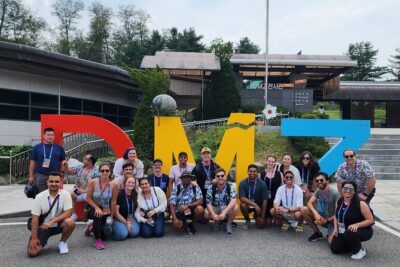
Best DMZ Tour Korea from Seoul (Red Suspension Bridge Optional)
Read the review →
DMZ Tour: 3rd Tunnel, Option(Suspension Bridge, Boat) from Seoul
Read the review →
DMZ tour south Korea from Seoul (NK experience hall, defector)
Read the review →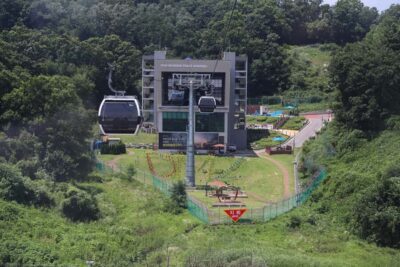

DMZ The 3rd Tunnel and Suspension Bridge Tour
Read the review →
Signature DMZ Tour: Exclusive Defector Talk & Suspension Bridge
Read the review →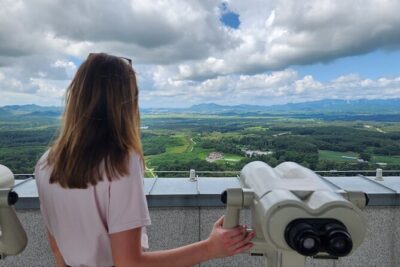
Thrilling Korean DMZ 3rd Tunnel Tour from Seoul + Red Bridge Rush
Read the review →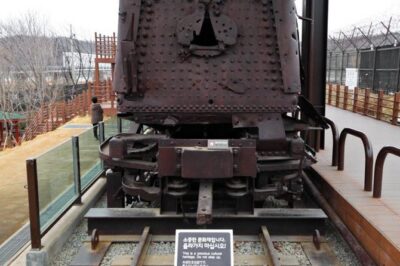
DMZ Past and Present: Korean Demilitarized Zone Tour from Seoul
Read the review →Browse the lists this tour appears in