
Reviewed · SEOUL TOURS
Seoul: Herbal Tea Class & Korean Medicine Tour
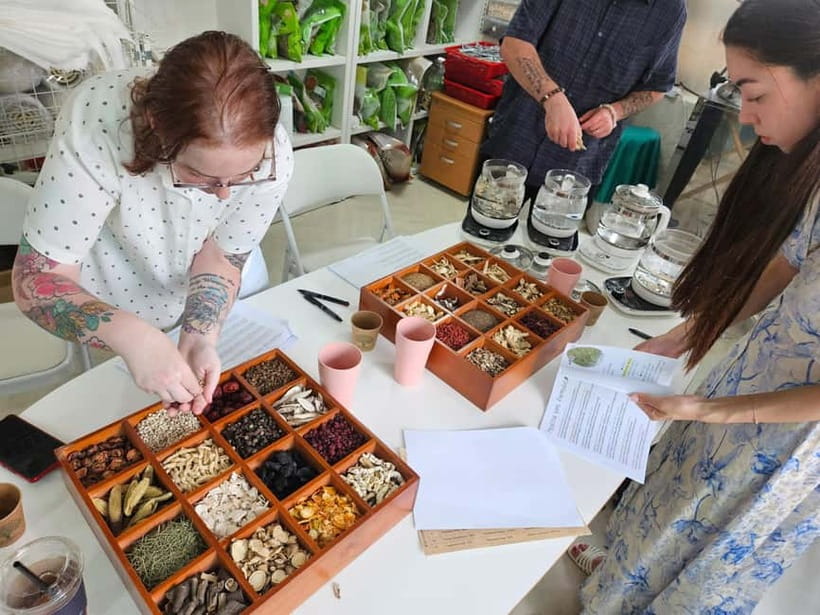
The most hands-on part of this Seoul experience is also the most useful: you handle around 40 traditional Korean herbs, then choose ingredients for a tea made to suit your interests. Sungil Choi, an herbal specialist working in Korea since 2017, adjusts the lesson for beginners or people who already know about traditional Korean medicine.
I like the personal tea blending, since you do more than watch a demonstration. I also like the practical follow-up: you can take your tea home in a bottle, and Choi says you can stay in touch with questions after the tour. The main caution is that the museum portion may depend heavily on his explanations, and one account found the English guidance there too limited.
Key points to know before booking
- Handle 40 traditional herbs: See, smell, and touch commonly used ingredients rather than simply hearing a lecture about them.
- Make a tea for your own interests: Choi helps you select and blend herbs, then provides a bottle for taking it home.
- Learn Korean medicine in plain language: The class covers Yin-Yang, the Five Elements, and basic differences between Eastern and Western medicine.
- Visit Yaknyeong Market’s K-medi Center: The tour includes entry to the Traditional Korean Medicine Museum and commentary from Choi.
- Budget for optional treatments: Foot baths, massage, acupuncture, moxibustion, shopping, and clinic treatment cost extra.
- Expect a flexible format: Choi shapes the session around your level and interests, but the exact balance between workshop, museum, and optional activities can vary.
Starting at Room 401 with herbal specialist Sungil Choi
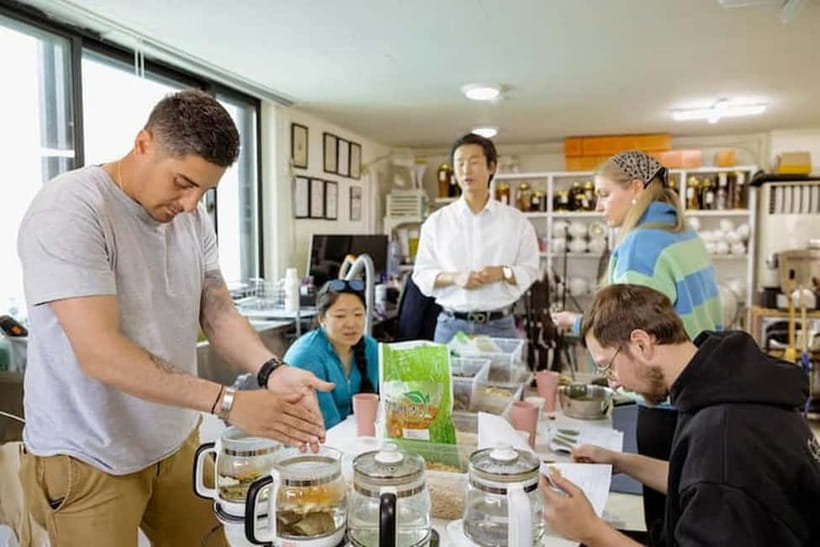
The afternoon begins at 2:00 p.m. in Choi’s workshop, listed as Room 401. If Seoul’s addresses make your eyes cross, do not worry too much. Detailed directions are sent on the day of the tour, which is useful because the meeting point may not be instantly obvious to someone unfamiliar with the area.
Choi studied herbal medicine at university and has worked as an herbal specialist since 2017. His work includes selling medicinal herbs in Korea, so this is not a general sightseeing tour with a few dried leaves placed on a table. The focus is Korean medicine and the way herbs are selected and used within that tradition.
The flexible teaching style is important. You might arrive knowing almost nothing about Korean medicine, or you might already have a strong interest in traditional herbal practice. Choi says he adjusts each session to the people in front of him. That can make the experience more useful than a fixed lecture, especially if you want to ask about certain plants or compare Korean ideas with medicine in your own country.
The tradeoff is that a flexible class can feel less tightly scripted. If you prefer a precise, minute-by-minute itinerary, this may feel loose. If you prefer asking questions and following your own curiosity, the format should suit you better.
More hands-on workshops in Seoul:
- Local Home Korean Cooking Class & Market Adventure in Seoul
★ 5.0 · 1,024 reviews - Seoul: Korean Cooking Class at a Local Home and Market Tour
★ 5.0 · 348 reviews - Yongpyong Ski Resort from Seoul with Optional Lesson and Packages
★ 5.0 · 217 reviews
Examining 40 herbs before making your tea
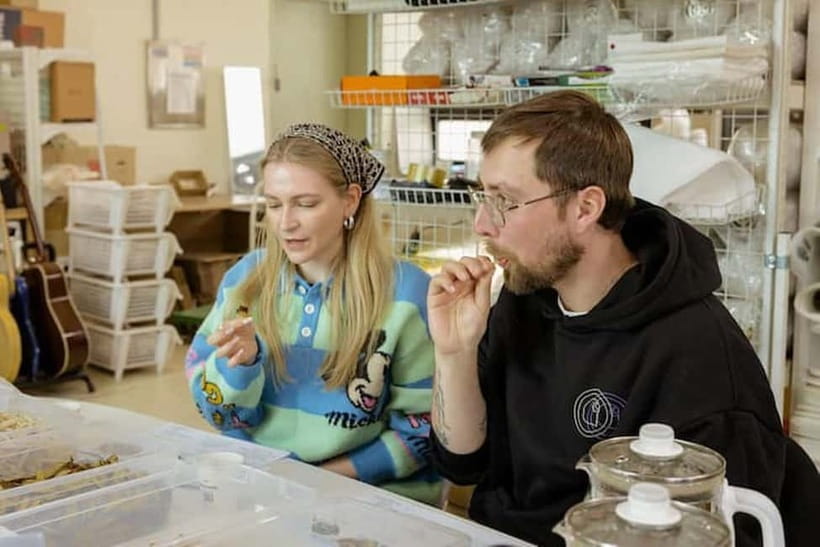
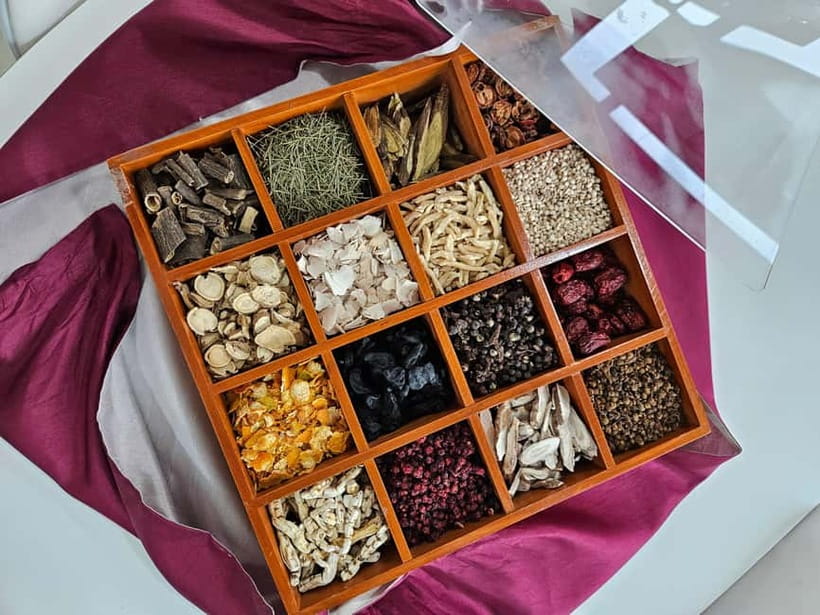
The workshop is the heart of the activity. You will see, touch, and experience about 40 commonly used medicinal herbs in traditional Korean medicine. The sensory element matters. Herbs that sound abstract in a lecture become easier to remember when you can examine them directly.
Choi explains what the ingredients are used for within the Korean medicine tradition, then helps you select a combination for your own tea. The information provided does not specify a fixed recipe or a set list of ingredients, so your blend should be treated as a personal learning exercise rather than a medical prescription.
That distinction is worth keeping clear. The tour introduces traditional Korean medicine, but it is not a replacement for advice from a licensed medical professional. If you take medication, have a health condition, or are pregnant, ask appropriate medical advice before using unfamiliar herbs.
I especially like that the tea-making activity gives you something concrete to do. You are not just taking photographs of an herb shop or listening to terms you may forget by dinner. You make choices, discuss them with Choi, and leave with a bottle of tea.
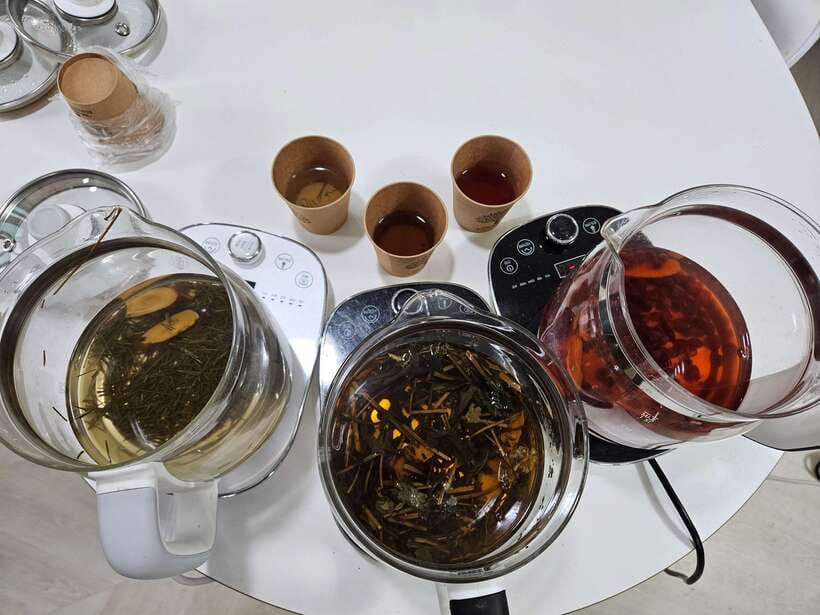
The welcome drink is also an herbal medicine tea. Herbs and the teapot needed for blending are included, along with the bottle you can take home. These small inclusions make the $50 price easier to justify, since the workshop provides both instruction and materials rather than only admission to a museum.
Yin-Yang and Five Elements without a heavy lecture
Traditional Korean medicine can be difficult to approach because its vocabulary and concepts do not line up neatly with modern Western medicine. Choi introduces the basic ideas of Yin-Yang and the Five Elements, then explains some differences between Eastern and Western approaches in simple language.
Do not expect a university seminar in comparative medicine. The point is to give you enough context to understand why particular herbs are discussed in certain ways. With that foundation, the tea-blending portion has more meaning. You begin to see that the ingredients are not simply chosen for flavor.
The class seems best for someone who wants an introduction with room for questions. It also has value for people who already know something about herbs, since Choi can adjust the discussion to their interests. One particularly positive account described the session as useful for both beginners and people with more background.
The English-language format is another practical point. The tour is offered in English, but the museum itself may not provide much English text. At least one person found that the museum visit required using a phone translation tool, rather than relying entirely on English signs.
Walking into the K-medi Center and TKM Museum
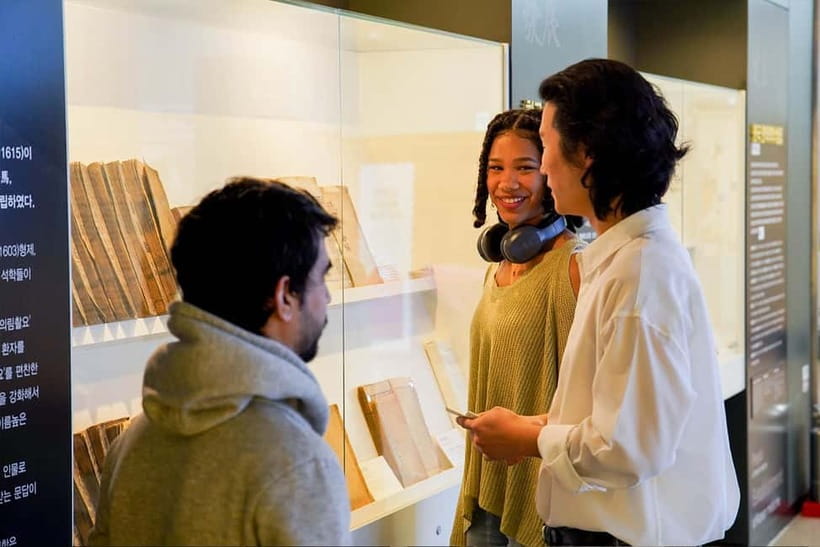
After the tea and a short break, the group heads to the K-medi Center. The included museum visit gives you a wider look at Korean medicine after the close-up workshop.
The museum entry ticket and commentary from a traditional Korean medicine expert are included in the price. Choi is meant to guide you through the exhibits and explain what you are seeing. When that commentary is detailed, it adds real value because museum displays about medical traditions can be hard to interpret on your own.
You should keep your expectations realistic, though. The quality of this portion appears to depend on how actively the guide explains the exhibits. One very critical account said the museum was largely a self-guided walk, with little explanation. Another account found the museum explanations useful, while a separate account said the lack of English text made phone translation necessary.
That mixed experience suggests a simple strategy: ask questions as you go. If you want more context about an instrument, herb, or treatment, speak up rather than quietly reading the displays. The tour is designed around direct contact with Choi, so the museum works best when you treat it as a conversation rather than a silent gallery visit.
The museum is not the only reason to book this activity. Think of it as the second part of a two-stage lesson. First, you work directly with herbs. Then you see how Korean medicine is presented in a wider cultural and medical setting.
A few more Seoul half-days to weigh up
- Best DMZ Tour Korea from Seoul (Red Suspension Bridge Optional)
★ 5.0 · 41,422 reviews - DMZ Tour: 3rd Tunnel, Option(Suspension Bridge, Boat) from Seoul
★ 5.0 · 21,373 reviews - DMZ tour south Korea from Seoul (NK experience hall, defector)
★ 5.0 · 20,599 reviews - Seoul: DMZ Tour with Optional Suspension Bridge
★ 4.8 · 5,277 reviews
Optional treatments after the museum
After the museum, you can choose from several additional activities, depending on your interests. These may include:
- An outdoor foot bath
- Meridian massage
- Acupuncture
- Moxibustion
- A visit to a Korean medicine clinic
- Shopping for medicinal herbs
These are optional and are not covered by the $50 tour price. That matters because a low starting price can look different once you add treatment or shopping costs.
The listed prices provide a useful guide:
- Outdoor foot bath: 6,000 KRW per tub, with space for two people
- Meridian massage: 5,000 KRW per person
- Moxibustion or acupuncture: about 50,000 KRW
- Korean medicine clinic treatment: about 50,000 KRW without health insurance
Prices may vary slightly. Shopping is also separate, so decide in advance how much you want to spend. The inexpensive foot bath and massage can be easy add-ons, while acupuncture, moxibustion, and clinic treatment require a more serious budget and a greater time commitment.
Choi can help interpret your symptoms for the doctor and guide you through the consultation and treatment process. He says he can connect you with an appropriate specialist based on your needs. That could be useful if you are curious about Korean medicine but would struggle with language during a clinic visit.
Still, do not treat the optional medical services as casual sightseeing. Acupuncture and moxibustion are treatments, not just cultural demonstrations. If you choose one, make sure you understand what is being offered and share relevant health information with the practitioner.
The optional section is also where the experience can become more personal. One highly positive account described receiving extra help with traditional treatments on the following day. That kind of support is not guaranteed as part of the scheduled tour, but it reflects Choi’s stated interest in staying available for questions and helping people understand the system.
What the $50 price really includes
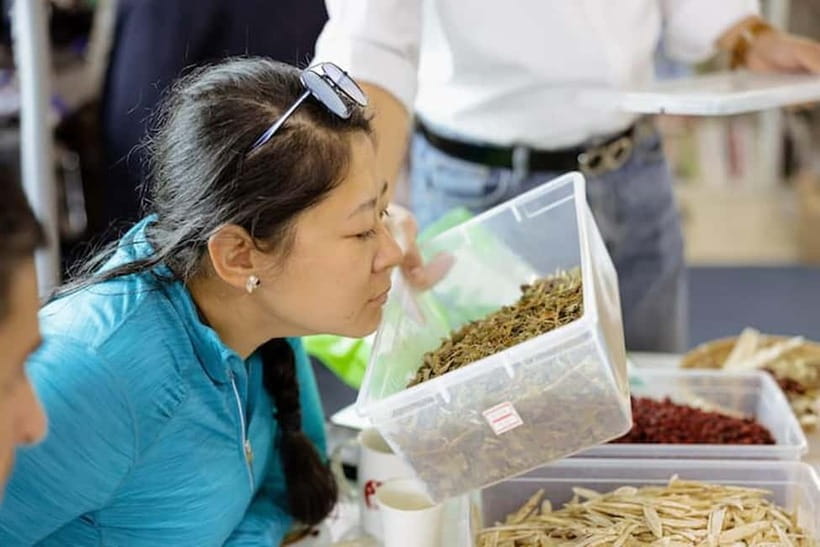
At $50 per person, this is not the cheapest way to visit a museum in Seoul. But that is the wrong comparison. You are paying for a workshop, an herbal drink, ingredients, use of a teapot, a take-home bottle, a basic lecture, museum entry, and guided museum commentary.
The value is strongest if you actively want to learn about Korean medicine. You receive materials to handle, make, and take home. The experience also gives you a local specialist to question, which is more useful than simply browsing packaged herbs in a shop.
The value is weaker if your main goal is a full guided market tour or a treatment session. Shopping expenses and medical activities cost extra. One dissatisfied participant felt the price amounted to museum admission, a foot soak, and a bottle of tea, with too little teaching. That criticism points to the main risk: the tour needs strong explanations to feel worth the fee.
I would book it for the workshop first and regard the museum as a bonus. If you are hoping for a polished medical consultation, compare the extra charges and consider booking a clinic visit separately. If you want a gentle introduction, the included class makes the price reasonable.
Who will get the most from this afternoon
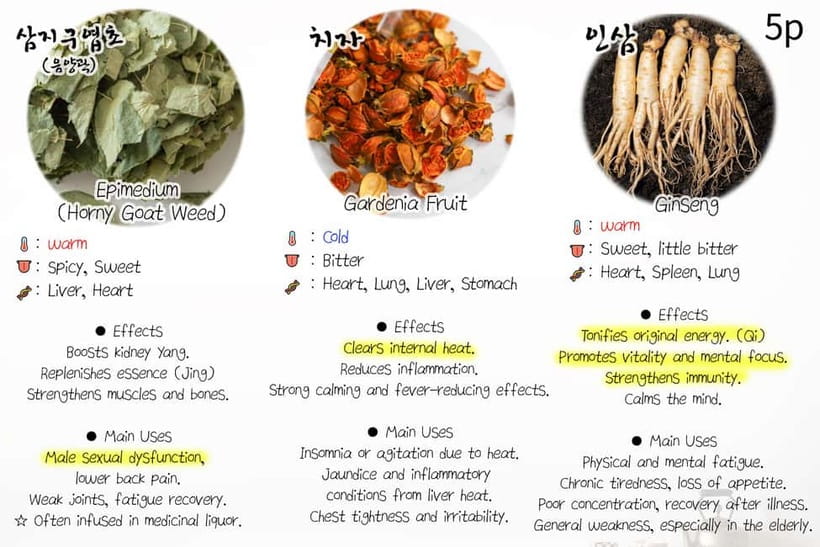
This activity suits you if you like learning by doing. You should enjoy asking questions, handling ingredients, and thinking about how different medical traditions describe health.
It is a particularly good fit for:
- First-time visitors curious about Korean medicine
- People already interested in herbs and tea
- Medical or herbal professionals seeking an introductory cultural comparison
- Couples who want to create personalized tea blends
- Anyone interested in adding a foot bath, massage, or clinic visit
- Visitors who value a direct connection with a local specialist
It may not suit you if you want a fast sightseeing route through Seoul. The experience is centered on one subject, and some of the discussion may be more technical or philosophical than a standard city tour.
It may also disappoint you if you expect every museum display to be explained in polished English without needing translation. Ask Choi for help, and keep your phone ready for translation at the K-medi Center.
Timing, meeting point, and booking details
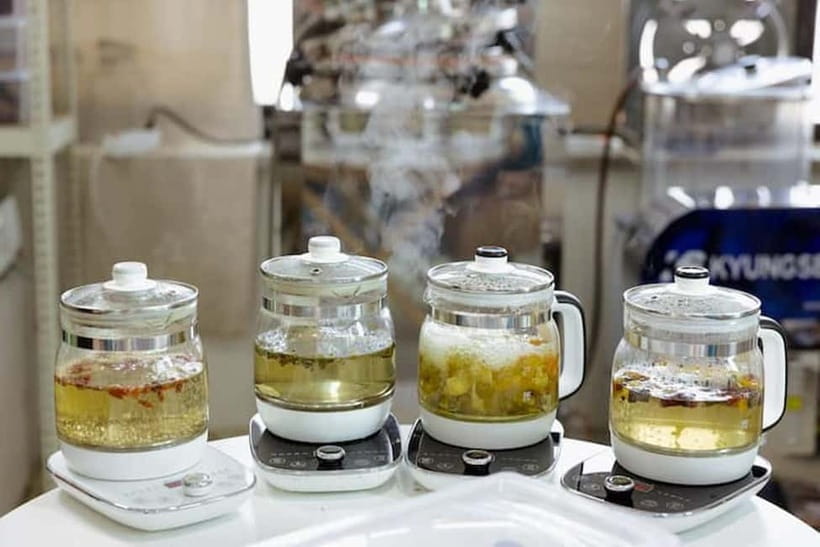
The scheduled start is 2:00 p.m., and the activity ends back at the meeting point. The meeting point is Room 401, with detailed directions sent on the day for people unfamiliar with the address.
The tour is conducted in English. You can reserve now and pay later, which keeps your plans flexible. Cancellation is allowed up to 24 hours in advance for a full refund.
No specific tour duration is provided, so leave your late afternoon open. This is especially important if you plan to add a clinic consultation, acupuncture, moxibustion, massage, or foot bath after the museum.
Should you book the Korean medicine tour?
Book this experience if you want more than a quick taste of Korean culture. The tea-making session, the chance to handle 40 herbs, and Choi’s personalized approach give the afternoon a clear purpose.
I would book with two expectations in mind. First, the best part is likely the workshop, not simply the museum entry. Second, the museum commentary may require active questions and phone translation because English text is limited.
For $50, it is a fair choice for anyone genuinely interested in herbs, tea, and Korean medicine. Add optional treatments only after checking the extra prices. If that sounds like the right balance, this is a thoughtful way to spend an afternoon in Seoul and take home something you made yourself.
FAQ
Where does the Korean medicine tour begin?
The tour begins at Room 401. Detailed directions are sent on the day of the tour for people who are unfamiliar with the address.
What time does the activity start?
The scheduled start time is 2:00 p.m.
Who leads the experience?
The experience is led by Sungil Choi, who studied herbal studies at university and has worked as an herbal specialist since 2017.
Is the tour offered in English?
Yes. English is the listed tour language.
How many herbs will I see?
You will see, touch, and experience around 40 commonly used medicinal herbs in traditional Korean medicine.
Can I make my own tea?
Yes. You can select and blend herbs for a personalized traditional Korean herbal tea. The necessary herbs and teapot are included, and you receive a bottle to take tea home.
Is museum admission included?
Yes. The TKM Museum entry ticket and museum commentary from a traditional Korean medicine expert are included.
Are acupuncture and moxibustion included?
No. Acupuncture and moxibustion are optional activities after the museum and cost approximately 50,000 KRW.
How much do the optional activities cost?
An outdoor foot bath costs 6,000 KRW per tub, with space for two people. Meridian massage costs 5,000 KRW per person. Korean medicine clinic treatment costs around 50,000 KRW without health insurance. Shopping expenses and other individual activity costs are separate.
Recently added around Seoul
- Nami & Maple Road & Theatre des Lumieres Day Tour from Seoul★ 4.8 · 4 reviews
- Gyeongbokgung Palace Photo Session with your own phone★ 5.0 · 4 reviews
- Private Tour around Suwon UNESCO Fortress and Korea Folks Village★ 4.5 · 4 reviews
- Jisan Forest Resort: Ski Full-Day Tour or Shuttle from Seoul★ 5.0 · 4 reviews
- N Seoul Tower + Namsan Cable Car Ticket (Collect in Myeongdong)★ 3.5 · 4 reviews
- Seoul: Deoksugung Palace Night Tour★ 4.5 · 4 reviews
- Seoul Private Walking Tour with a Local★ 5.0 · 4 reviews
- Private Jeonju Hanok Village – Culinary tour★ 5.0 · 4 reviews
Seoul Tours, compared.
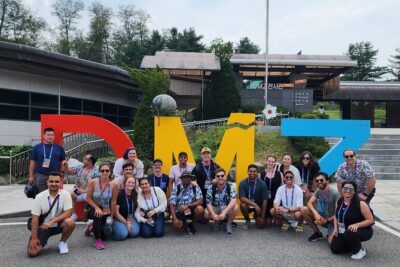
Best DMZ Tour Korea from Seoul (Red Suspension Bridge Optional)
Read the review →
DMZ Tour: 3rd Tunnel, Option(Suspension Bridge, Boat) from Seoul
Read the review →
DMZ tour south Korea from Seoul (NK experience hall, defector)
Read the review →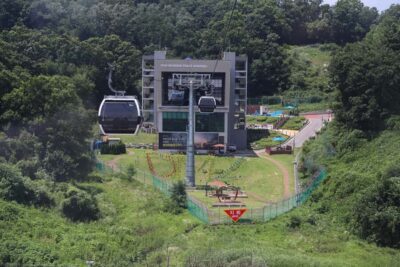
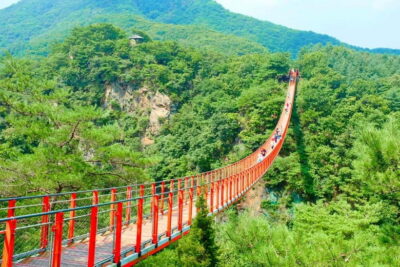
DMZ The 3rd Tunnel and Suspension Bridge Tour
Read the review →
Signature DMZ Tour: Exclusive Defector Talk & Suspension Bridge
Read the review →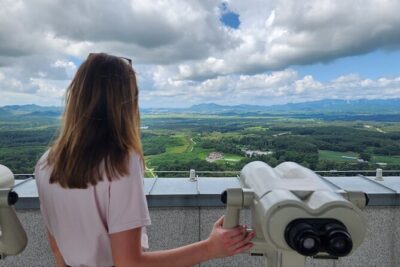
Thrilling Korean DMZ 3rd Tunnel Tour from Seoul + Red Bridge Rush
Read the review →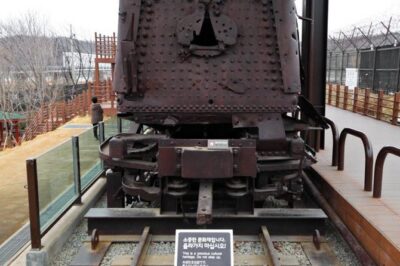
DMZ Past and Present: Korean Demilitarized Zone Tour from Seoul
Read the review →Browse the lists this tour appears in