
Reviewed · SEOUL TOURS
Seoul: Ganghwa Island UNESCO World Heritage Private Tour
Ganghwa Island gives you a sharp change of scene in about an hour from Seoul. In one long day, you can see UNESCO-listed dolmens, old royal sites, a fortress by the water, a temple in the woods, and the coast, with your guide shaping the day around your interests.
I like the private vehicle and flexible pace, especially when a site deserves extra time or you want to skip one. I also like the mix of history and ordinary island life, from seaweed snacks and a local lunch to the unusual Joyang Bangjik textile cafe. The catch is the 10-hour length, plus possible weekend traffic and a lunch stop where choices may be limited.
Key points to know before you book
- The UNESCO stop is Ganghwa’s dolmen site, where you see enormous ancient stone burial monuments in an open setting.
- The Peace Observatory adds a modern border perspective, with a guided visit and views toward the North.
- Peter and Charlie are named guides associated with this experience, and both are praised for strong preparation, local knowledge, and flexible help.
- The day covers a lot of ground, including Goryeo-era sites, churches, fortresses, temples, a beach, and a textile cafe.
- Lunch costs extra, and you may want to bring food if you have strict dietary needs.
- A private group makes the schedule adaptable, but the price is $180 per person, so the value improves with a fuller party.
Why Ganghwa Island makes a strong Seoul day trip
Ganghwa Island is close enough for a day trip but broad enough to feel far removed from central Seoul. The route brings together several layers of Korean history without asking you to plan separate taxis, buses, and admission stops.
The most useful feature is control. You are not locked into one fixed list of attractions. You can choose from places such as the Peace Observatory, Ganghwa Hwamunseok Culture Center, Ganghwa Anglican Church, Yongheung-gung Palace, Goryeo-gung Palace Site, Gwangseongbo Fortress, Jeondeung-sa Temple, Dongmak Beach, and Joyang Bangjik.
Your guide can set the order and help you decide how long to stay. That matters on a 10-hour day. You may want more time at the fortress or temple, while another person in your group may care more about the dolmens, cafe, or coast.
The private format also makes this a better fit for families and small groups than a rigid bus excursion. Hotel pickup and drop-off within Seoul are included, along with tolls and an air-conditioned vehicle. You wait in your hotel lobby 10 minutes before pickup, then leave the city behind.
More Historical Tours in Seoul
- Seoul: Evening Dark History, Folklore & Ghost Story Walking Tour
★ 5.0 · 593 reviews - Hanbok Photoshoot and History Tour at Gyeongbokgung Palace
★ 5.0 · 276 reviews - From Seoul: Dae Jang Geum Park Historic K-Drama Set Tour
★ 4.9 · 143 reviews
The Peace Observatory gives the island a serious opening
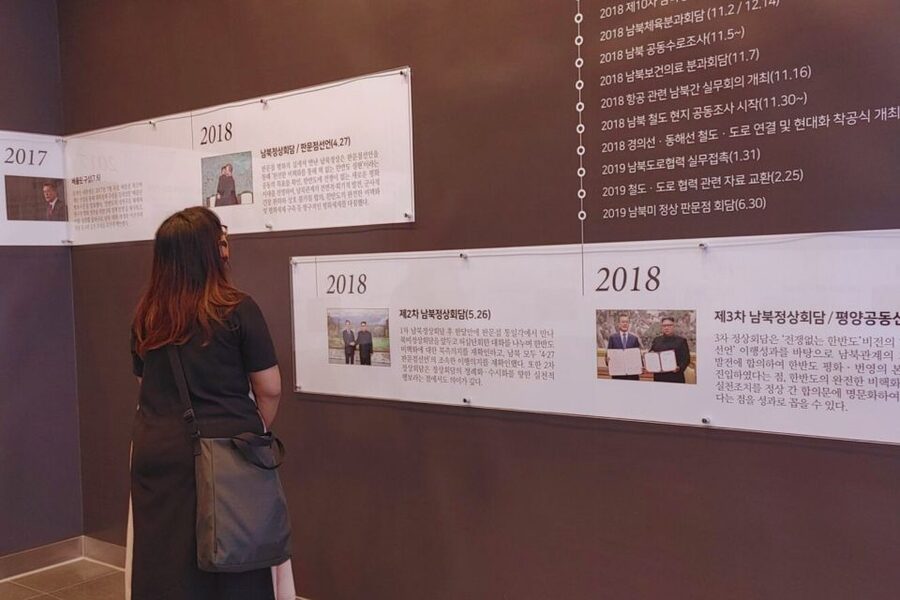
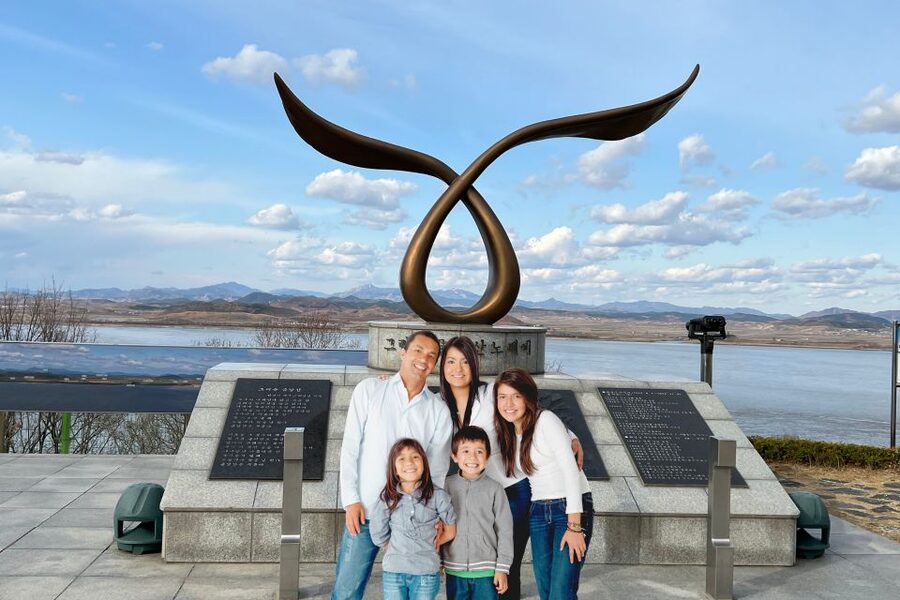
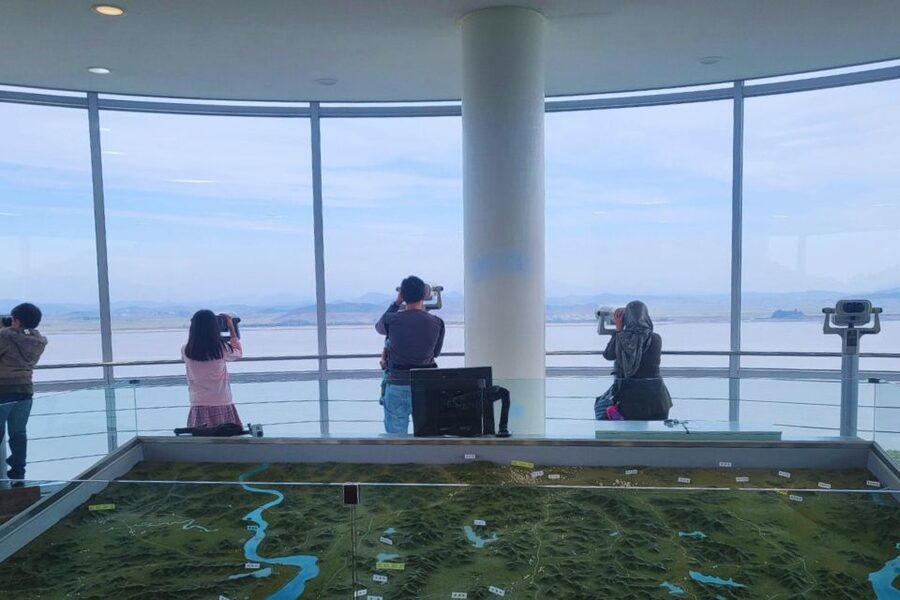
The Ganghwa Peace Observatory is scheduled for about 45 minutes with a guide. This is not just a scenic first stop. It gives you a way to understand Ganghwa as a place shaped by its position near the border and by the division of the Korean Peninsula.
You can learn how South Koreans honor family members and ancestors in the North when visiting their graves is not possible. That human detail adds weight to the view and keeps the stop from feeling like a quick lookout photo opportunity.
The observatory is also a good place to ask questions early in the day. If your guide is Peter, you can expect detailed explanations and help with photos, points specifically praised during this tour. Charlie is also named as a guide who brings strong preparation and energy to the day.
The stop is relatively short, so do not expect a long museum visit. Its value comes from the setting, the explanation, and the chance to connect modern Korean life with the island’s older sites.
Ganghwa’s dolmens connect you with prehistory
The Ganghwa dolmen site is one of the clearest reasons to choose this trip. These large stone monuments are thousands of years old and form part of a UNESCO World Heritage Site.
You do not need to be an archaeology specialist to appreciate the stop. The scale of the stones is the point. They make ancient engineering feel physical and immediate, not like a date on a museum label.
The visit lasts about 30 minutes. That should be enough for a look and an explanation, though anyone who wants a long archaeological walk may find the timing brief. Ask your guide to explain what you are seeing and how this site fits into Ganghwa’s wider past.
This is one of the day’s best contrasts. Within a few hours, you move from ancient stone monuments to royal residences, military walls, and religious buildings. The route works because it shows change over time rather than focusing on only one period.
Palaces and churches show Ganghwa’s changing identity
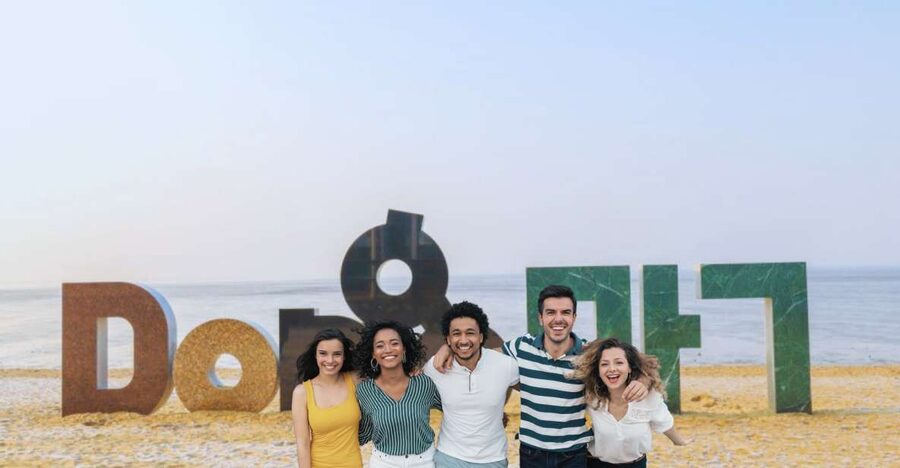
The main Ganghwa visit lasts around 4.5 hours and can include several historic places. The exact balance depends on your choices, pace, traffic, and the time spent at earlier stops.
At the Goryeo-gung Palace Site, you can explore a former royal setting linked with a period when the court was based on the island. The site is a useful counterpoint to the fortresses because it shows Ganghwa as a place of government, not only defense.
Yongheung-gung Palace offers another royal connection. It is described as the home in exile of a future king, making it one of the more personal stops on the route. You are not simply looking at walls. You are seeing how political life and royal residence were tied to Ganghwa.
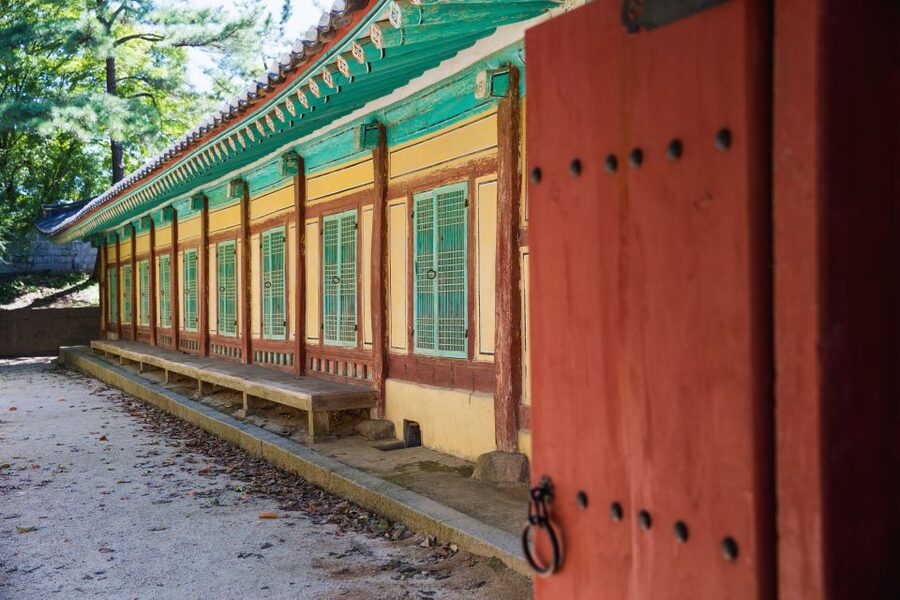
Ganghwa Anglican Church adds a different layer. Its inclusion broadens the day beyond ancient monuments and military sites, showing the island’s religious and architectural variety. Your guide can help connect the church with the other buildings you see, so it does not feel like a random photo stop.
These sites may appeal most to you if you like history explained in place. If you prefer a relaxed nature day, the amount of heritage material may feel heavy. The private format helps because you can tell your guide where your attention lies.
A different way to spend a day from here:
- Best DMZ Tour Korea from Seoul (Red Suspension Bridge Optional)
★ 5.0 · 41,422 reviews - DMZ Tour: 3rd Tunnel, Option(Suspension Bridge, Boat) from Seoul
★ 5.0 · 21,373 reviews - DMZ tour south Korea from Seoul (NK experience hall, defector)
★ 5.0 · 20,599 reviews - Seoul: DMZ Tour with Optional Suspension Bridge
★ 4.8 · 5,277 reviews
Gwangseongbo Fortress puts history beside the water

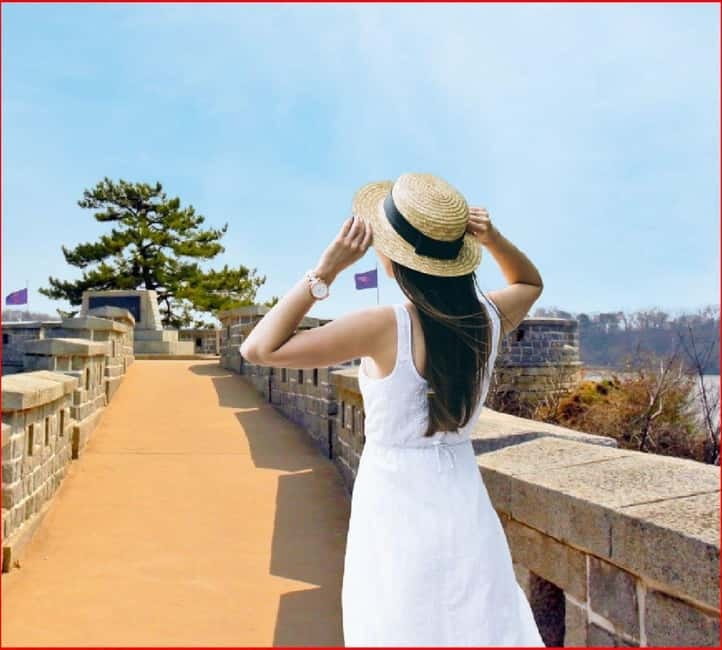
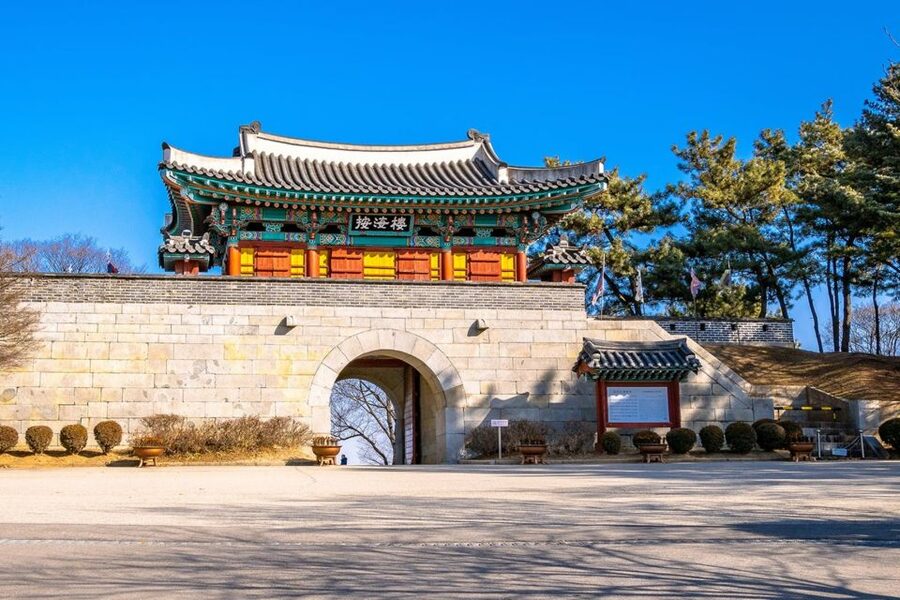
Gwangseongbo Fortress is one of the day’s most scenic historic stops. You walk around a fortified site with views over the water, combining open air, old defenses, and a strong sense of place.
The route includes sightseeing and walking, so wear comfortable shoes. The supplied schedule does not give a fixed duration for the fortress, which is actually useful in a private group. You can take a quick look or spend longer on the paths and viewpoints, depending on the day.
This is also where a good guide earns the private-tour price. The walls and views are pleasant on their own, but the story of why the island mattered as a strategic location makes the stop more meaningful. Peter is noted for explaining the sites clearly and knowing good photo spots, a practical advantage at a place where views are part of the appeal.
Weather matters here. Wind, rain, or extreme conditions can change the experience, and the company makes the final decision about weather cancellations on the day. A full refund is provided if the trip is canceled for weather reasons.
Jeondeung-sa Temple brings a quieter change of pace
Jeondeung-sa Temple gives the day a calm, wooded stop after the more exposed observatory and fortress. The temple is described as a forested monastery, and the timing may allow you to see a ceremony if the schedule works.
That possibility adds an appealing sense of chance. You are not only checking off a building. You may arrive when the site is active, with ritual and daily use making it feel more authentic.
The temple is especially useful for anyone who wants a cultural break from military history. It also gives you a place to walk and slow down. At sunset, the setting can be particularly memorable, though the actual timing depends on traffic, your chosen stops, and the season.
Do not assume every attraction receives equal time. This is a broad island tour, not a slow temple retreat. Tell the guide if Jeondeung-sa is a priority so the day can be shaped around it.
Joyang Bangjik is the day’s most unexpected stop
Joyang Bangjik, also called Joyang Textile, is a former textile-related space now known as a cafe. It offers a very different experience from dolmens, palaces, and fortresses.
The stop is valuable because it connects Ganghwa with more recent local industry and design. It also gives you a place to pause, look around, and enjoy a drink or snack if you choose. The setting has enough character to make it more than a standard coffee break.
One traveler specifically noted finding the Fashion Cafe and having lunch at a traditional restaurant with fish. That detail is useful because it shows how the day can include small local touches beyond the headline attractions. Still, food and drinks at the cafe are personal expenses, so budget accordingly.
If you are choosing between every listed stop, Joyang Bangjik may appeal more to you than another formal historic site. The private arrangement makes that choice possible.
Hwamunseok introduces Ganghwa’s craft tradition
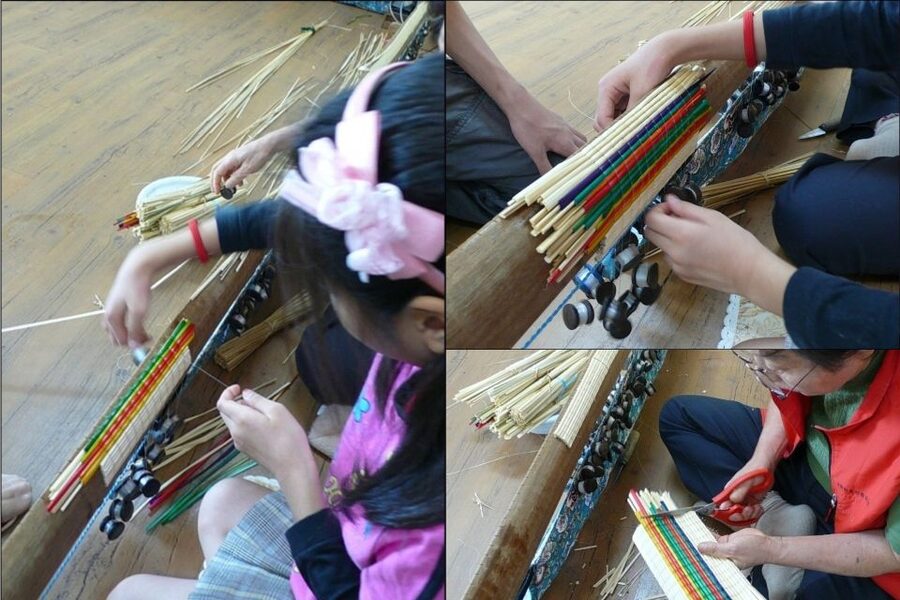
The Ganghwa Hwamunseok Culture Center, also written as 강화도령화문석 in the supplied program, adds local craft to the day. Hwamunseok refers to Ganghwa’s traditional mat-making culture, and the center gives you a chance to see that part of the island’s identity.
This stop matters because the tour is not limited to royal power and military conflict. Craft traditions tell you how people worked and made useful objects in everyday life.
The schedule lists a visit and sightseeing stop, but does not promise a specific demonstration or workshop. Keep your expectations at that level. You will have the chance to learn about the tradition, but the precise presentation may vary.
A sample of Korean seaweed snacks may also be offered during the tour. The snacks can be purchased at the end, but buying them is optional. You never need to treat the sales stop as part of the tour price.
Dongmak Beach finishes the island portion by the sea
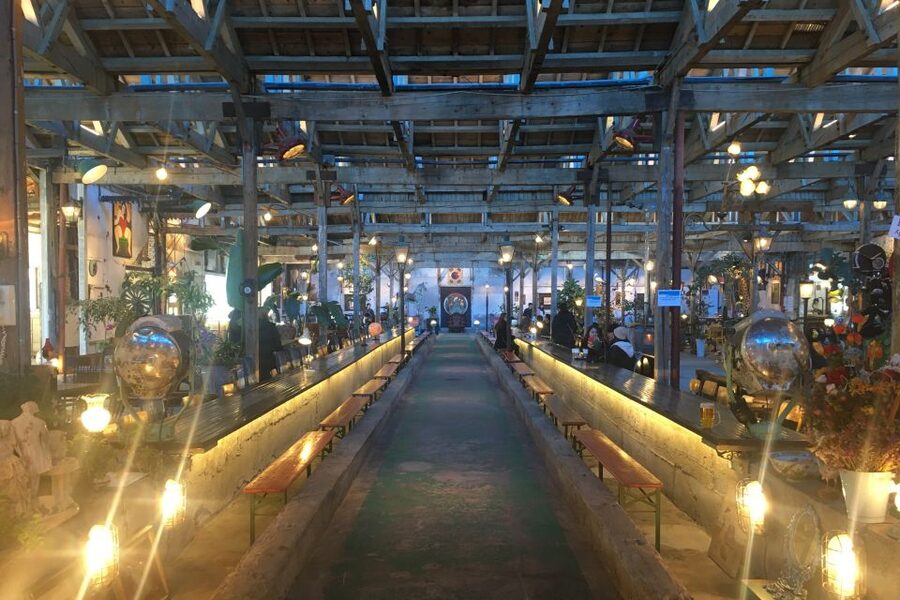
Dongmak Beach gives you a coastal ending to the main Ganghwa route. After a day of monuments, religious sites, and old defenses, the shore offers a simple change of rhythm.
The beach is a good reason to pack practical clothing and shoes. The program lists a visit rather than a set of water activities, so think of it as a scenic coastal stop, not a beach resort day.
The value depends heavily on the weather and your personal interests. If you want a final walk and open views, it can be a pleasant finish. If your priority is historic architecture, you may prefer to spend more time at the palace, fortress, or temple.
Your guide can help decide how long to stay. Because the tour returns to Seoul after the island visits, keep an eye on the clock. Ganghwa traffic and weekend crowds can reduce time at the final stop and lengthen the journey home.
Lunch is simple, flexible, and not included
Lunch is scheduled for about one hour at a local restaurant, but you pay separately. The guide recommends a place, and the meal may include local seafood or fish, based on the options described for this experience.
The main limitation is choice. Restaurant options may be limited, so bring your own lunch if you have strict dietary restrictions. This is also sensible if you dislike making a quick food decision after a busy morning.
For most people, the extra cost is easy to manage, but remember that the $180 price covers transport, guide service, tolls, and hotel transfers, not meals or drinks. Snacks, cafe purchases, and personal expenses are also separate.
Is $180 per person a fair price?
At $180 per person, this is not the cheapest way to reach Ganghwa Island. You are paying for a full 10-hour private day, an English-speaking guide, door-to-door Seoul transport, tolls, and the ability to adjust the route for your own group.
The value is strongest when you are traveling with family or friends and want a private vehicle. It is also strong if you would otherwise need to organize several connections across a spread-out island.
The value is weaker if you are happy with a fixed group tour, public transport, or a shorter visit focused on just one or two sites. You also need to account for lunch and other purchases.
The guide is central to the calculation. Peter receives repeated praise for his explanations, local suggestions, photo help, and ability to make the day run smoothly. Charlie is also singled out for his commitment and preparation. Guide assignment may vary, so do not book on the assumption that you will receive one specific person unless the provider confirms it.
Timing, comfort, and practical limits
Ten hours is a serious day out. The air-conditioned transport makes it easier, but you will still walk at forts, temples, historic sites, and the beach. Comfortable shoes are a must.
Weekend traffic and high passenger volumes can affect the schedule. The company does not accept responsibility for delays or inconveniences linked to weekend holiday groups, so I would choose a weekday if your dates allow.
Pickup and drop-off must be at the same location within Seoul city. The tour is wheelchair accessible, but you should confirm your exact needs when booking, since the route includes walking at several outdoor and historic sites.
Children under two years old travel free without occupying a seat. You must give the exact number of participants when booking so the vehicle can accommodate everyone.
You can cancel up to 24 hours before departure for a full refund, and reserve now while paying later. Those terms help if your Seoul schedule is still changing.
Who should book this private island day?
I would choose this tour if you want to see more than Seoul but do not want to build a complicated independent itinerary. It suits first-time visitors who want context, families who need flexibility, and small groups who enjoy mixing major sites with less predictable stops.
History fans will get the most from the dolmens, palace sites, church, fortress, and observatory. Culture-focused visitors will appreciate the temple and Hwamunseok center. Anyone who needs a cafe, coast, and slower walking break will like Joyang Bangjik and Dongmak Beach.
I would hesitate if you dislike long day trips, want to spend a whole day at one site, or need highly specialized meals. The schedule is broad, and the island cannot be experienced at a truly leisurely pace when so many stops are included.
Should you book the Ganghwa Island tour?
Book it if you want a private, well-supported day that joins ancient monuments, Korean royal history, border views, religious culture, local craft, and the sea. The guide can make a major difference, and the strongest evidence from this experience points to Peter and Charlie as especially capable hosts.
Choose a weekday when possible, bring lunch if your diet is restricted, and decide your top three stops before pickup. If you treat the day as a flexible sampler rather than a slow retreat, $180 per person can be a reasonable price for the transport, time, and personal guidance.
FAQ
How long is the Ganghwa Island private tour?
The tour lasts 10 hours, including pickup in Seoul, the island visits, and the return to Seoul.
Is hotel pickup included?
Yes. Round-trip hotel pickup and drop-off within Seoul city are included. Pickup and drop-off must be at the same location.
What language does the guide speak?
The live tour guide service is in English.
Is the tour private?
Yes. This is a private group tour, so your group can choose from the recommended attractions and adjust the pace with the guide.
Is lunch included in the price?
No. Lunch and drinks are not included. The guide recommends a local restaurant, but you pay for the meal separately.
What happens if I have dietary restrictions?
Restaurant choices may be limited. If you have dietary restrictions, you may want to bring your own lunch.
Is the Ganghwa dolmen site a UNESCO World Heritage Site?
Yes. Ganghwa dolmen is identified as a UNESCO World Heritage Site and is included in the tour.
Is the tour wheelchair accessible?
Yes. The activity is listed as wheelchair accessible.
Can I cancel the tour for a refund?
You can cancel up to 24 hours in advance for a full refund. If the company cancels the trip because of weather, a full refund is provided.
Recently added around Seoul
- Nami & Maple Road & Theatre des Lumieres Day Tour from Seoul★ 4.8 · 4 reviews
- Gyeongbokgung Palace Photo Session with your own phone★ 5.0 · 4 reviews
- Private Tour around Suwon UNESCO Fortress and Korea Folks Village★ 4.5 · 4 reviews
- Seoul: Deoksugung Palace Night Tour★ 4.5 · 4 reviews
- N Seoul Tower + Namsan Cable Car Ticket (Collect in Myeongdong)★ 3.5 · 4 reviews
- Jisan Forest Resort: Ski Full-Day Tour or Shuttle from Seoul★ 5.0 · 4 reviews
- Seoul Private Walking Tour with a Local★ 5.0 · 4 reviews
- Private Jeonju Hanok Village – Culinary tour★ 5.0 · 4 reviews
Seoul Tours, compared.
Best DMZ Tour Korea from Seoul (Red Suspension Bridge Optional)
Read the review →
DMZ Tour: 3rd Tunnel, Option(Suspension Bridge, Boat) from Seoul
Read the review →
DMZ tour south Korea from Seoul (NK experience hall, defector)
Read the review →
DMZ The 3rd Tunnel and Suspension Bridge Tour
Read the review →
Signature DMZ Tour: Exclusive Defector Talk & Suspension Bridge
Read the review →
Thrilling Korean DMZ 3rd Tunnel Tour from Seoul + Red Bridge Rush
Read the review →
DMZ Past and Present: Korean Demilitarized Zone Tour from Seoul
Read the review →Browse the lists this tour appears in