
Reviewed · DMZ TOURS
Seoul: DMZ 2nd Tunnel and Suspension Bridge Tour
The most striking part of this tour is the chance to stand at Cheorwon Peace Observatory, look across the DMZ, and sometimes spot North Korean military posts through a telescope. Then you walk into the 2nd Tunnel, a wartime passage carved beneath the border, before moving on to cranes, basalt cliffs, and a suspension bridge.
I like the mix of serious Korean history and open countryside, which gives the day more depth than a quick military-site visit. I also like the small-group feel reported on some departures, with seven people traveling by minivan and guides such as Leo, Sophie, Winnie, Henry, and Dragon giving the trip a personal touch.
The main drawback is the long 10-hour day and the lack of included lunch. You have free time to find a meal near the tunnel, but one participant found that arranging food on the spot could be inconvenient when a restaurant was closed.
Key points at a glance
- Walk 500 meters into the 2nd Tunnel, one of the most memorable and physical parts of the day.
- Look toward North Korea from Cheorwon Peace Observatory, where telescopes may reveal military posts across the border.
- Visit a quieter DMZ area than Seoul’s better-known 3rd Tunnel route, with fewer crowds reported on some days.
- See winter cranes at the Migratory Bird Sanctuary, a protected natural monument of Korea when seasonal conditions cooperate.
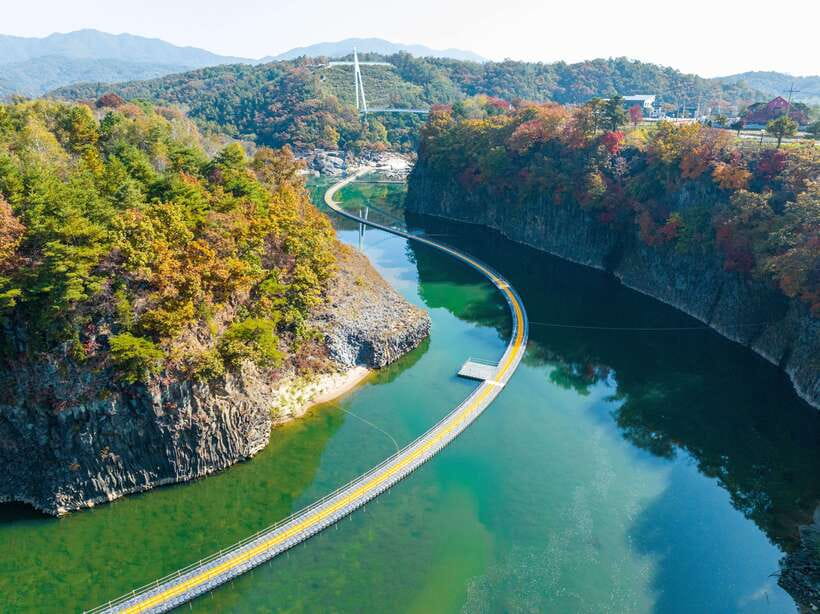
- Cross the Sky Bridge above Hantangang Geopark, a scenic change after the weightier border sites.
- End at Bidulginang Falls, a basalt gorge location used in Korean television dramas.
Why Cheorwon makes a strong DMZ day trip
Many day trips from Seoul focus on the DMZ as a single military story. This one gives you a broader picture by heading to Cheorwon in Gangwon Province, where fortified border history sits beside river gorges, farmland, bird habitat, and volcanic rock.
That combination matters. You do not spend the entire day moving from one gray concrete site to another. The morning deals with the division of Korea and the Korean War. The afternoon shifts toward old ruins and the Hantangang river area, giving you time to process what you have seen.
The tour costs $87 per person and lasts about 10 hours. That is a fair price if you want transportation from central Seoul, entry tickets, a guide, and several stops that would be difficult to connect independently. The value is strongest for first-time visitors who want context as much as photographs.
The meeting point is outside Exit 10 of Myeong-dong subway station. Hotel pickup is not included, so you need to reach the station yourself. The final drop-off is at Myeongdong Station, which is handy for continuing an evening in central Seoul.
More DMZ Tours in Seoul:
- Best DMZ Tour Korea from Seoul (Red Suspension Bridge Optional)
★ 5.0 · 41,422 reviews - DMZ Tour: 3rd Tunnel, Option(Suspension Bridge, Boat) from Seoul
★ 5.0 · 21,373 reviews - DMZ tour south Korea from Seoul (NK experience hall, defector)
★ 5.0 · 20,599 reviews
The 2nd Tunnel: a physical reminder of the border
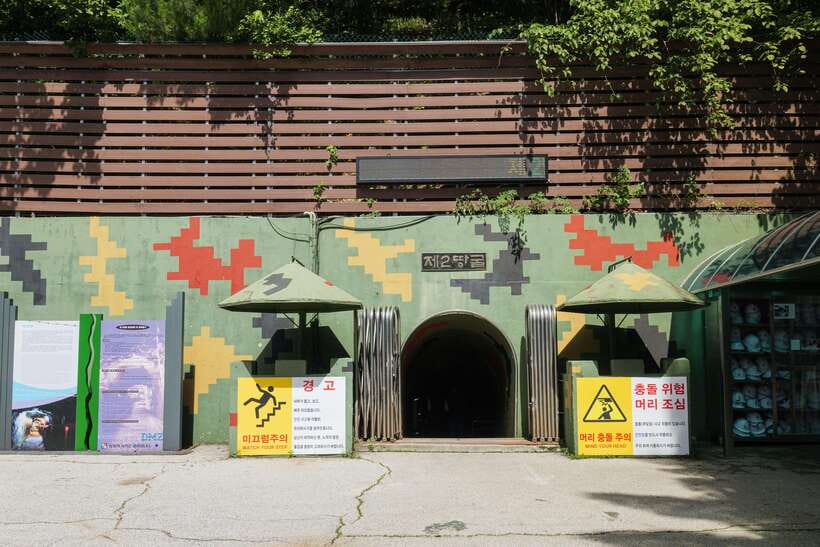
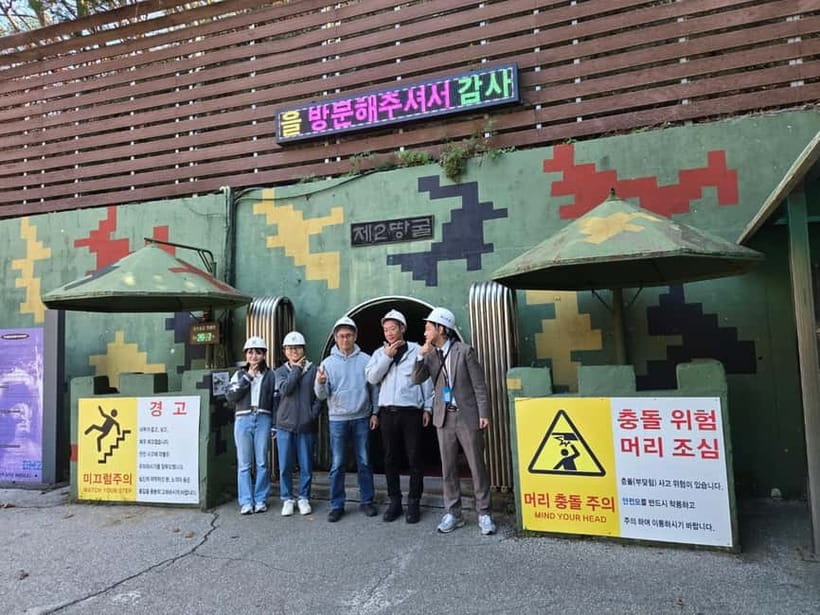
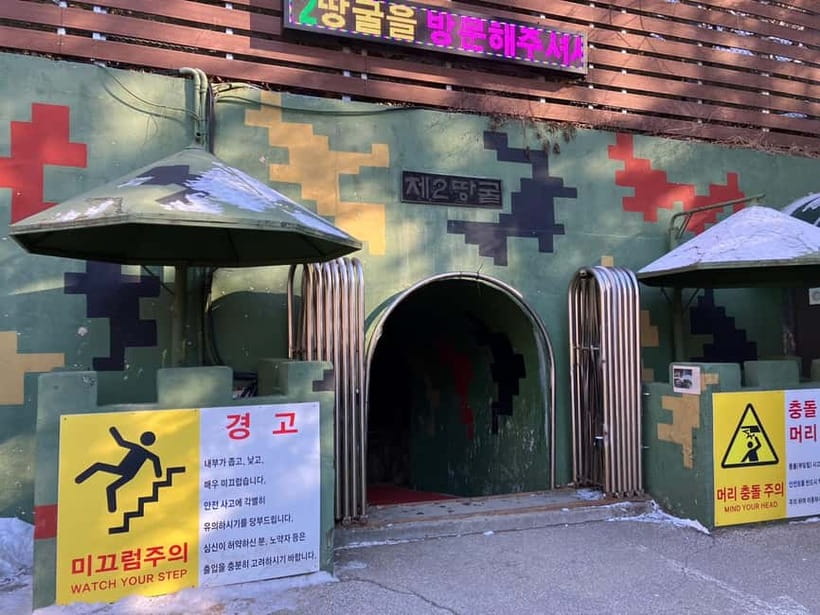
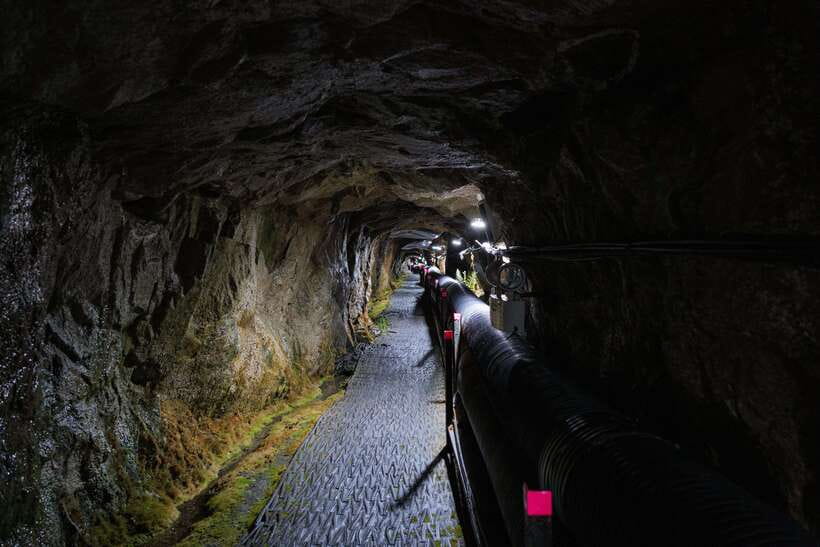
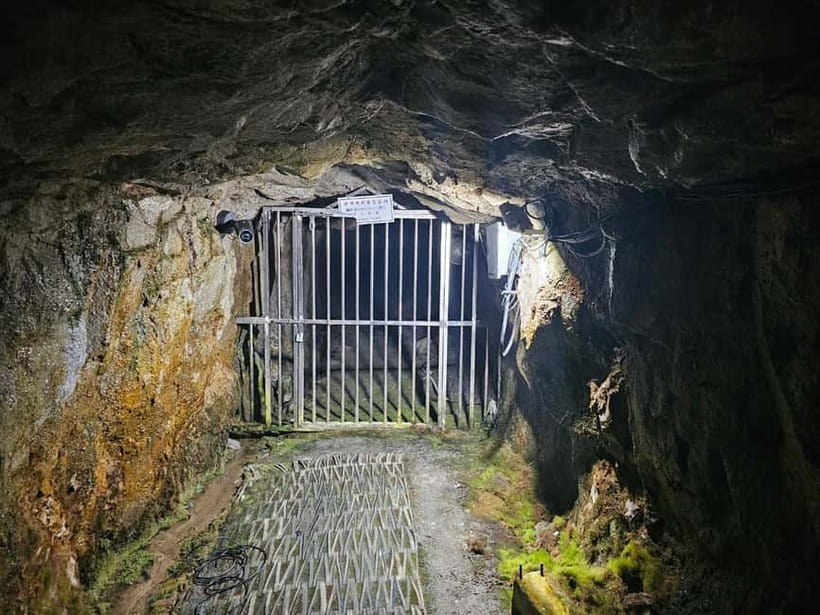
The 2nd Tunnel is the tour’s most unusual stop. Built by North Korea as an underground route toward the South, it was discovered by South Korean forces in 1975. The visit takes you below ground and along part of the tunnel, with a walk of about 500 meters mentioned for this route.
You should expect a more physical visit than the surface observatory stops. The information warns participants to enter carefully and patiently, and the tour is not suitable for wheelchair users. It is also not recommended for people with heart problems, other serious medical conditions, or pregnancy.
The tunnel does not need much decoration to make an impression. Its narrow passage and military purpose do the work. Your guide helps explain how the tunnel was found and why these underground routes mattered during the tense years after the Korean War.
One useful advantage of the Cheorwon route is that it can feel less crowded than the better-known 3rd Tunnel area. One participant specifically noted that there were no long lines for the 500-meter walk. Conditions can change, but the 2nd Tunnel gives you a different DMZ experience from the standard Seoul day trip.
Free time for lunch follows around the 2nd Tunnel area. Food is not part of the tour price, and you should not expect a prearranged meal. Allow yourself some patience here, since restaurant availability may vary. Guides have helped participants find vegetarian food, and one lunch included a North Korean-style dish, but neither should be treated as guaranteed.
Cheorwon Peace Observatory and the view north
At the Cheorwon Peace Observatory, the tour turns from underground history to the modern border. The view across the DMZ shows why this zone has such a strange character. It is heavily guarded, yet large stretches have remained free from ordinary development.
The supplied telescope detail is important. You may be able to spot North Korean military outposts, and one participant even heard music being broadcast across the DMZ while looking toward the other side. Such moments are not staged for the tour, which makes them feel especially direct.
Your guide provides the needed background about North and South Korea, the armistice, and daily life on both sides. The strongest praise for this experience centers on guides who explain without burying you in facts. Leo was repeatedly singled out for clear historical explanations, while Winnie was praised for staying attentive to the group. Sophie was noted for her energy, humor, and ability to keep everyone moving comfortably between stops.
Conditions at the observatory can affect what you see. Visibility, weather, and security procedures are outside the tour operator’s control. You should come for the setting and explanation first, with a clear view of North Korea treated as a bonus.
Woljeong-ri Station and the Migratory Bird Sanctuary
Woljeong-ri Station is a quiet, poignant stop. The abandoned railway site points to a Korea that once had more movement between north and south. The station’s remains are not a grand architectural attraction, but they help make the division feel human and practical. Railways connect people, goods, and families, so a halted station says a great deal without requiring a long speech.
The Migratory Bird Sanctuary adds an entirely different note. In winter, you might see flocks of cranes, which are protected as a natural monument of Korea. The wording matters: bird sightings depend on the season and conditions. Do not book the tour solely for cranes, but if you visit in winter, keep your eyes open.
This is one of the tour’s best contrasts. You move from military history to a place where wildlife has found room in a restricted border zone. The DMZ is not simply a line on a map. It is also an unusual habitat shaped by decades of limited human access.
The guide’s role is valuable here because the stops can otherwise seem brief or understated. With good explanation, Woljeong-ri Station becomes part of the larger story rather than just another photo stop.
More Suspension Bridge Tours in Seoul:
- Seoul: DMZ Tour with Optional Suspension Bridge
★ 4.8 · 5,277 reviews - Seoul: DMZ The 3rd Tunnel and Suspension Bridge Tour
★ 5.0 · 4,656 reviews - Signature DMZ Tour: Exclusive Defector Talk & Suspension Bridge
★ 5.0 · 4,459 reviews - Ultimate Korea DMZ Tour from Seoul (Gondola & Suspension Bridge)
★ 5.0 · 2,396 reviews
The Former Korean Workers’ Party Headquarters
The Former Korean Workers’ Party Headquarters is a stark concrete ruin linked to the North Korean administration that once operated in the area. Its damaged walls and empty rooms convey the violence and political division of the Korean War more effectively than a polished museum display might.
You will not need a great deal of time here to understand its importance. The building is a physical reminder that Cheorwon was once caught directly between competing governments and armies. It also shows how quickly ordinary civic structures can become military and political symbols.
This stop works best when your guide gives the local context. Several guides, especially Leo and Winnie, have been praised for explaining Korean history in a way that remained manageable rather than overloaded with dates. That balance helps if you are interested but do not already know much about the war.
Crossing the Sky Bridge above Hantangang Geopark
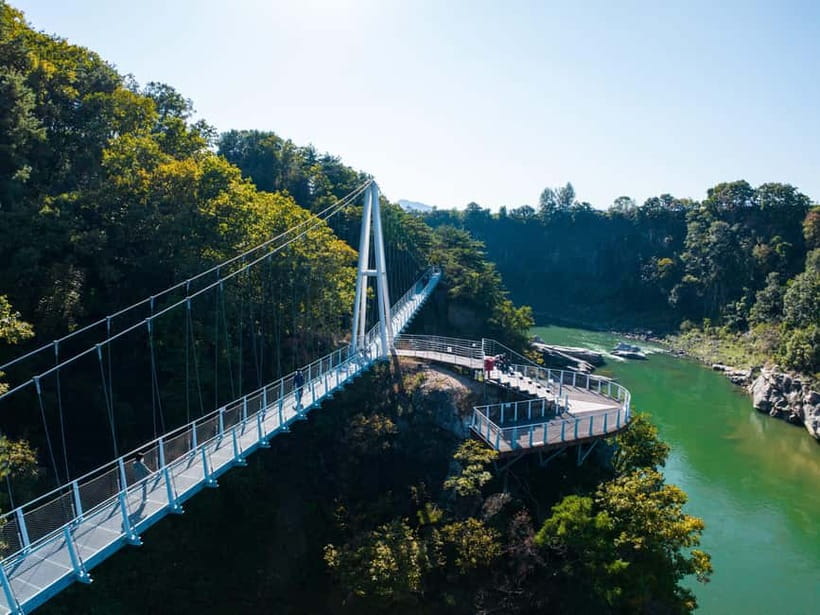
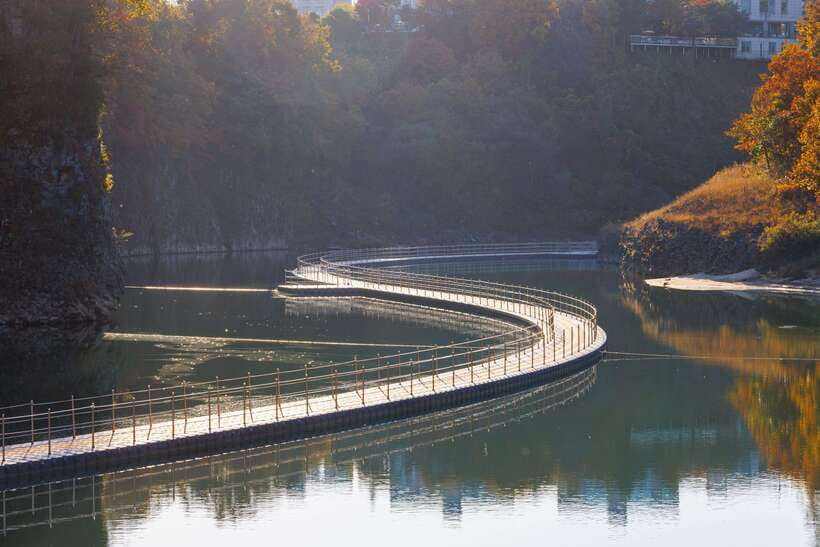
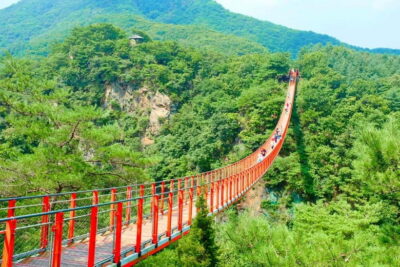
The afternoon brings a welcome change of pace at the Sky Bridge, a suspension bridge above the Hantangang area. It has appeared in Korean dramas including Crash Landing on You and What’s Wrong with Secretary Kim, so television fans may recognize the setting.
The bridge is not just a drama location. It gives you broad views over the Hantangang river and the surrounding rock formations. The area forms part of the Hantangang UNESCO Global Geopark, which protects and interprets the region’s volcanic geology.
After the enclosed tunnel and guarded border viewpoints, the bridge offers fresh air, open views, and a little more freedom to move at your own pace. If heights make you uneasy, you may find the crossing less relaxing than the photographs suggest. The tour data does not give a bridge length or height, so I would not promise a specific level of intensity, but a suspension bridge naturally requires some comfort with open space.
This is also where the tour’s title can cause confusion. The experience includes a suspension-style Sky Bridge, but the supplied details do not identify it as a separate attraction called a suspension bridge beyond that site. You should think of it as a scenic bridge walk within the Hantangang area, not as an isolated thrill ride.
Bidulginang Falls and the basalt gorge
Bidulginang Falls is the final sightseeing stop. The waterfall sits within the Pocheon Hantangang Basalt Gorge, listed as Natural Monument No. 537. Its name refers to the doves that once nested behind the falls.
The rock setting gives this stop its character. Basalt formations frame the water and show the volcanic forces that shaped the Hantangang region. After a day focused on military history, the falls provide a calmer finish and another view of northern Gyeonggi Province and nearby Gangwon Province.
Korean television fans may recognize the location from The Slave Hunters (Chuno), Queen Seondeok, and Warrior Baek Dong-soo. Even if you have not seen those dramas, the location works on its own. You get a natural site with a specific local name and story, rather than a generic waterfall stop.
The final location also reinforces why this tour is different from a standard DMZ circuit. You leave the border area with a better sense of the region’s geology and scenery, not only its political history.
Guides, vehicles, and the pace of the day
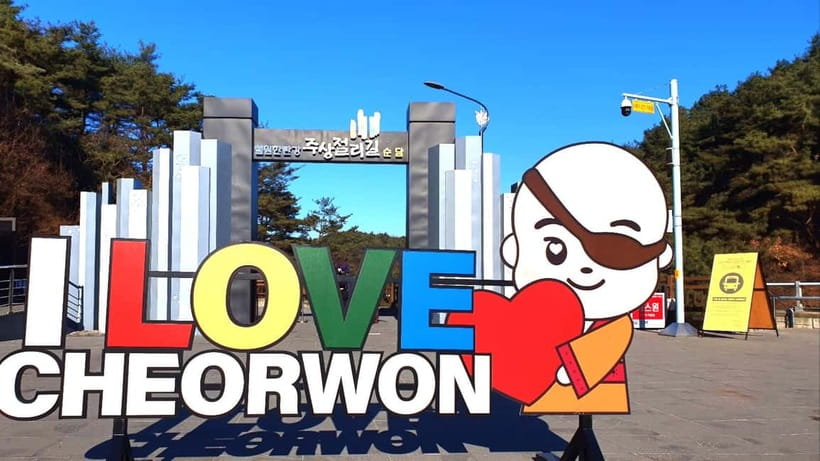
Guide quality is a major part of this experience. English and Japanese tours are available, and the guide travels with you between stops to explain what you are seeing. Names praised in the supplied feedback include Leo, Sophie, Winnie, Henry, Dragon, Grace, and Heidi.
You cannot choose a particular guide with certainty, but the repeated comments about clear explanations, humor, patience, and personal care suggest that guiding is a real strength of the operation. Leo received especially frequent praise for his English, historical background, flexibility, and help with food choices. Sophie was noted for looking after the whole group and allowing enough time at each stop.
Transport is included, with departures sometimes using a small minivan. A group of seven had extra attention on one outing, while another family appreciated the professional driver. A 93 percent perfect score for transport points to generally strong performance on the road, though Seoul traffic can still make the day feel long.
The schedule is full. You will visit several major sites, travel out from Seoul, stop for lunch, and return in the evening. The benefit is that you see a lot in one day. The tradeoff is limited flexibility and a long period in the vehicle.
Who should book this tour?
I would recommend it to families with older children, couples, solo visitors, and small groups who want a serious but varied day outside Seoul. It works particularly well if you want a guide to explain the Korean conflict instead of simply taking you to a viewpoint and handing you a map.
It also suits repeat visitors to South Korea. One person who had lived in Korea for eight months called it the best day trip they had done, largely because Cheorwon felt less touched by ordinary tourism. The mix of border sites and countryside makes this more rewarding than another city excursion.
You should think twice if you need a relaxed schedule, guaranteed restaurant arrangements, or step-free access. The tunnel requires careful walking, the day lasts 10 hours, and lunch is on your own. Pregnant women, people with heart problems or other serious medical conditions, and wheelchair users should not book this activity.
Bring an ID card. A copy is accepted. Pets are not allowed, smoking in the vehicle is prohibited, and alcohol and drugs are forbidden. The tour requires at least two participants and can be canceled if that minimum is not reached, in which case an alternative or full refund is offered.
The activity runs on Saturdays and is not available on Tuesdays or national holidays. You can cancel up to 24 hours ahead for a full refund, and reserve now while paying later, which is useful when your Seoul plans are still changing.
Is the $87 price good value?
At $87, this is not the cheapest way to see a border viewpoint, but it covers transportation, admission fees, a professional guide, and a full day of sightseeing. Buying each transfer or admission separately would also take time and require careful planning across a wide area.
The strongest value comes from the explanation. The 2nd Tunnel, Woljeong-ri Station, and Workers’ Party Headquarters can feel disconnected without context. A strong guide links them to the division of Korea, while the observatory gives you a direct view of the present-day border.
The price is less appealing if you mainly want a quick DMZ photo. You spend 10 hours on the outing, and the natural sites add time beyond the core military attractions. For me, that is a benefit, but you should know you are buying a full regional day trip rather than a short border visit.
Should you book it?
Book this tour if you want the 2nd Tunnel rather than the usual 3rd Tunnel route, value clear historical explanation, and like the idea of pairing the DMZ with a UNESCO geopark, a suspension bridge, and a waterfall.
Skip it if a long day, an independently arranged lunch, or the tunnel’s physical demands would make the outing stressful. For most visitors with a free Saturday, the $87 cost is reasonable, and the Cheorwon route offers a more varied look at Korea’s border country than a simple observatory stop.
FAQ
Where does the tour meet?
Meet outside Exit 10 of Myeong-dong subway station in Seoul.
Where does the tour finish?
Drop-off is at Myeongdong Station.
How long does the tour last?
The tour lasts about 10 hours, including transportation and visits to the Cheorwon DMZ area and Hantangang attractions.
What languages are available?
Live guiding is available in English and Japanese.
Is lunch included?
No. You have free time to find lunch near the 2nd Tunnel area, but the meal is not included in the price.
What is included in the $87 price?
The price includes transportation, admission tickets, a professional guide, and pickup and drop-off at the designated meeting points.
What should I bring?
Bring an ID card. A copy of your ID is accepted.
Is the tour wheelchair accessible?
No. The tour is not wheelchair accessible and is not suitable for pregnant women or people with heart problems or other serious medical conditions.
Recently added around Seoul
- Nami & Maple Road & Theatre des Lumieres Day Tour from Seoul★ 4.8 · 4 reviews
- Gyeongbokgung Palace Photo Session with your own phone★ 5.0 · 4 reviews
- Private Tour around Suwon UNESCO Fortress and Korea Folks Village★ 4.5 · 4 reviews
- Jisan Forest Resort: Ski Full-Day Tour or Shuttle from Seoul★ 5.0 · 4 reviews
- N Seoul Tower + Namsan Cable Car Ticket (Collect in Myeongdong)★ 3.5 · 4 reviews
- Seoul: Deoksugung Palace Night Tour★ 4.5 · 4 reviews
- Private Jeonju Hanok Village – Culinary tour★ 5.0 · 4 reviews
- Seoul Private Walking Tour with a Local★ 5.0 · 4 reviews
DMZ Tours, compared.
Best DMZ Tour Korea from Seoul (Red Suspension Bridge Optional)
Read the review →
DMZ Tour: 3rd Tunnel, Option(Suspension Bridge, Boat) from Seoul
Read the review →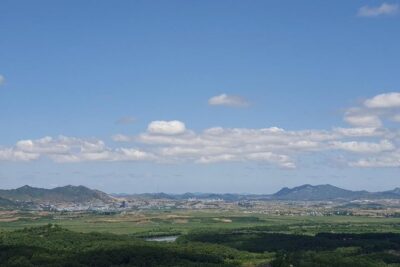
DMZ tour south Korea from Seoul (NK experience hall, defector)
Read the review →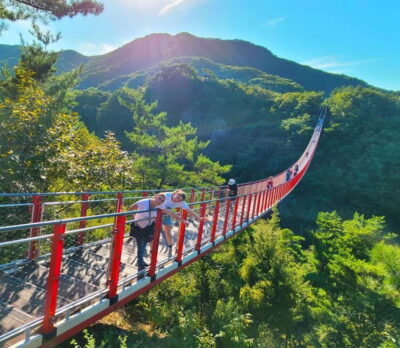
DMZ Insider Tour: 3rd Tunnel, NK Defector Meet & Red Bridge
Read the review →
DMZ The 3rd Tunnel and Suspension Bridge Tour
Read the review →
Signature DMZ Tour: Exclusive Defector Talk & Suspension Bridge
Read the review →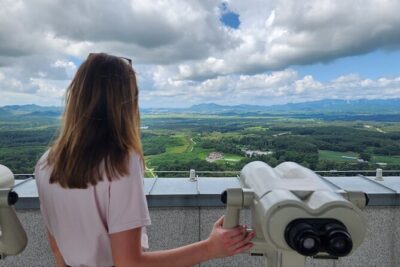
Thrilling Korean DMZ 3rd Tunnel Tour from Seoul + Red Bridge Rush
Read the review →Browse the lists this tour appears in