Reviewed · DMZ TOURS
Private Tour: DMZ Aegibong & Korean Culinary Workshop Experience
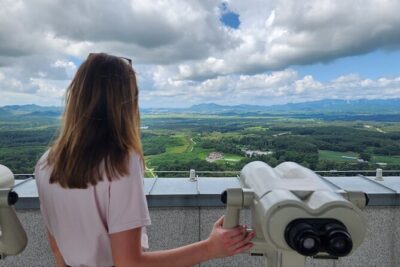
Aegibong gives this tour its real pull: you reach a military-restricted border point where North Korean villages and soldiers may be visible across the water. Instead of spending the whole day at a crowded standard DMZ stop, you combine that serious history with a small food workshop in the countryside.
I like the private pickup and vehicle, which makes a long day outside Seoul much easier. I also like the mix of subjects: Korea’s division, a family-run rice and gochujang operation, a proper bibimbap lunch, and optional hand-drip coffee. The main drawback is the travel time. About two and a half of the six and a half hours go to driving, and Aegibong can close or cancel access for weather or other security reasons.
Key points at a glance
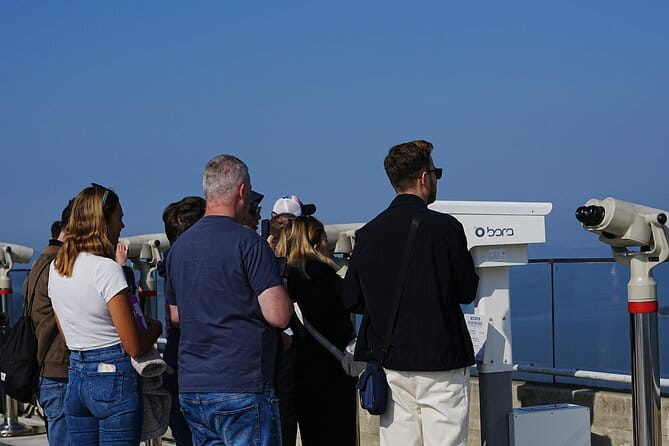
- Aegibong is close to North Korea: Reach one of the nearest accessible viewpoints from Seoul, with viewing equipment for the opposite shore.
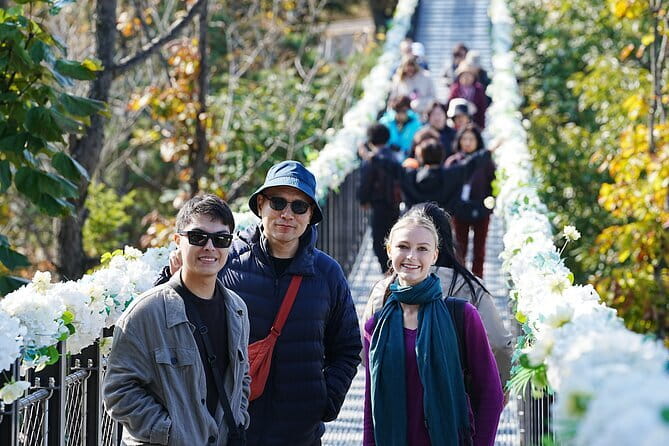
- Private touring keeps the day flexible: Pickup, drop-off, and an air-conditioned vehicle are included for your group alone.
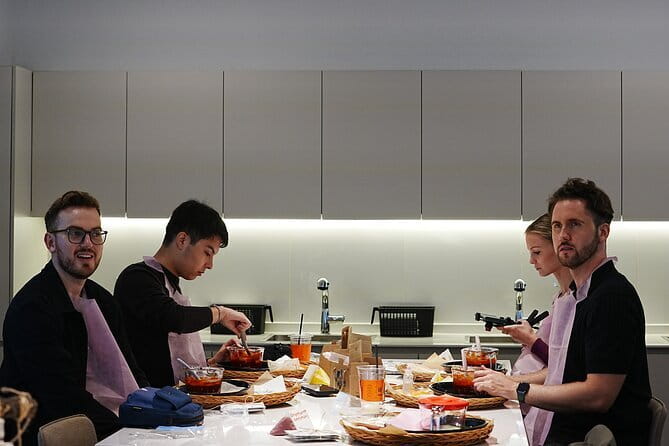
- Make your own 200-gram jar of gochujang: The hands-on workshop gives you a useful food souvenir, not just another postcard.
- Lunch is traditional bibimbap: The meal uses organic, locally sourced ingredients, with dietary needs best reported ahead of time.
- Guides add political context: Xander, Chuck, and Jun have led this experience, with particular praise for clear explanations and friendly service.
- Hand-drip coffee is optional: You can grind and brew your own cup, but confirm the coffee arrangement if it matters to you.
Why Aegibong changes the usual DMZ day
Many Seoul border trips focus on a set of major DMZ attractions. Aegibong Peace Eco Park offers a different scale and mood. It is at the northern tip of Gimpo City, roughly an hour from central Seoul, and its high position gives you broad views toward both South Korea and North Korea.
The view is the point, but it is not a sightseeing backdrop without weight. This mountain saw fighting during the Korean War, and its position now reflects the division that followed. With the viewing equipment, you may see North Korean villages and soldiers. Conditions matter, so do not expect a perfectly clear view every time.
The location also carries an older story. Aegibong refers to a tragic romance involving a Pyeongyang governor and his mistress, separated during the 1636 Sino-Korean War. The name combines words for love, mistress, and peak. In 1968, President Park Chung Hee used the story to describe the pain of a divided Korea.
That combination of personal loss, military history, and present-day politics gives your guide plenty to explain. I would give this part your full attention rather than treating it as a quick photo stop. The significance is easier to grasp when the guide connects the site’s past to the current political situation, something guests especially appreciated from guides such as Xander.
More DMZ Tours in Seoul:
- Best DMZ Tour Korea from Seoul (Red Suspension Bridge Optional)
★ 5.0 · 41,422 reviews - DMZ Tour: 3rd Tunnel, Option(Suspension Bridge, Boat) from Seoul
★ 5.0 · 21,373 reviews - DMZ tour south Korea from Seoul (NK experience hall, defector)
★ 5.0 · 20,599 reviews
What you can expect at the peace park
Plan on about two hours at Aegibong Peace Eco Park, including time for the viewpoint and the surrounding grounds. The tour information describes panoramic views of both countries, but the exact quality of the sightline depends on weather and visibility.
You may find the park calmer than a more heavily visited DMZ route. That does not mean the place is casual. Aegibong is a restricted military area, so access rules can change. The operator warns that the visit may be canceled for unpredictable reasons, and poor weather can also force a cancellation or date change.
This is a good place for you if the border itself interests you, not just the novelty of saying you visited the DMZ. Your guide can help explain why the boundary remains tense and why ordinary-looking villages across the water are part of a much larger story.
Keep your expectations practical. You are not promised a close look at North Korea, a particular soldier sighting, or ideal weather. The value is in reaching this specific viewpoint and understanding its setting. Bring patience, listen closely, and let the view reveal itself.
The private vehicle makes the distance manageable
The trip lasts about six and a half hours, but only around four hours are devoted to the two main stops. The remaining two and a half hours are travel time. That is a substantial part of the day, yet the private air-conditioned vehicle makes it less tiring than managing several separate buses or trains.
Pickup and drop-off are offered, which is especially useful for a morning departure from Seoul. You do not need to find your way to a large meeting point, and your group does not share the vehicle with strangers. Private touring also gives you a quieter setting for asking questions about the border, food, and Korean life.
The private format is one of the strongest reasons to consider the $219 per-person price. It is not a cheap half-day outing, especially if you are traveling alone. For a couple, family, or small group, the cost covers transportation, entrance, lunch, a guide, and activities without the stop-and-go feel of a large coach tour. Group discounts are offered, so ask about them if several people are booking together.
The long drive remains the tradeoff. If you want several major Seoul sights in one day, this is not the right choice. If you want a focused outing with a serious border visit and food activities, the driving is a fair part of the package.
Inside the three-generation rice and food stop
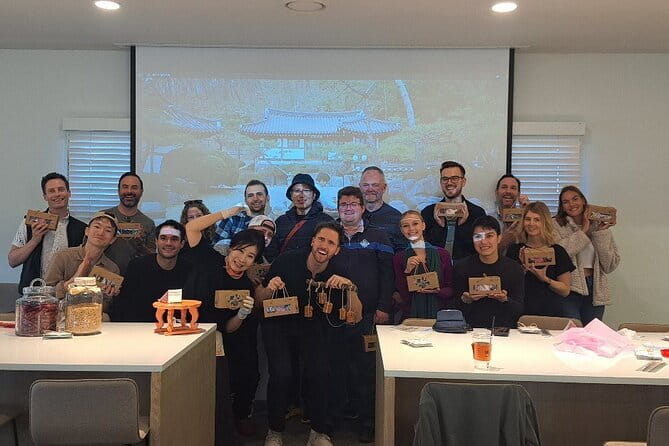
After Aegibong, the tour heads into rural Gyeonggi-do for a visit to a family-operated rice facility spanning three generations. The setting connects the food on your plate with farming, rice production, and the traditions that support Korean cooking.
The site includes cultural displays, farming activities, seasonal festivals, and a farming museum. The details of your visit may depend on the day and season, so think of these as part of the setting rather than a guaranteed full museum program.
The main activity is the gochujang workshop. Gochujang is Korea’s familiar red chili paste, with a balance of heat, sweetness, salt, and fermented flavor. You make your own 200-gram jar to take home. That size is small enough to pack and large enough to share or use in several meals.
I like this workshop because it gives you a physical connection to Korean food. You are not simply tasting a finished dish and moving on. You handle the ingredients, learn how the paste fits into Korean cooking, and leave with something you made.
Do check your luggage and airline rules before packing the jar, particularly if you are carrying only hand luggage. The tour supplies the food souvenir, but the provided details do not specify packaging or transport arrangements.
More hands-on workshops in Seoul:
- Local Home Korean Cooking Class & Market Adventure in Seoul
★ 5.0 · 1,024 reviews - Seoul: Korean Cooking Class at a Local Home and Market Tour
★ 5.0 · 348 reviews - Yongpyong Ski Resort from Seoul with Optional Lesson and Packages
★ 5.0 · 217 reviews - Seoul: Kpop Dance Class Including Video Shooting & Editing
★ 4.8 · 185 reviews
Bibimbap lunch with a rural setting
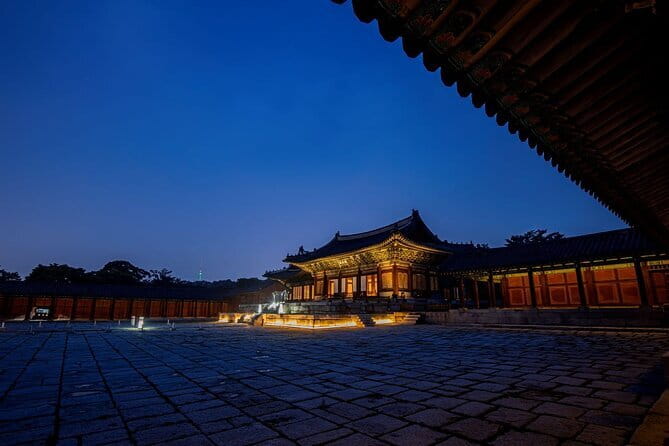
Lunch is traditional bibimbap prepared with organic, locally sourced ingredients. Bibimbap is a useful dish for this kind of outing because it brings together rice, vegetables, and seasoning in one bowl, while showing how central rice is to Korean meals.
The rural setting gives the meal more meaning than a quick restaurant stop in Seoul. You have just seen where Korean farming traditions are preserved, then eat a dish built around rice and fresh produce. That connection makes the lunch feel like part of the day’s subject, not merely a break between activities.
The menu specifically includes bibimbap, so you should notify the company in advance about dietary restrictions. Do not assume the standard meal can be changed on the spot. This is particularly important for allergies, vegetarian needs, or other restrictions.
The food is included in the tour price, which improves the overall value. You are not left to search for lunch in an unfamiliar rural area, and the meal is tied to the local food experience. Still, if you dislike bibimbap or need a highly specialized diet, ask before booking.
Brewing coffee to finish the afternoon
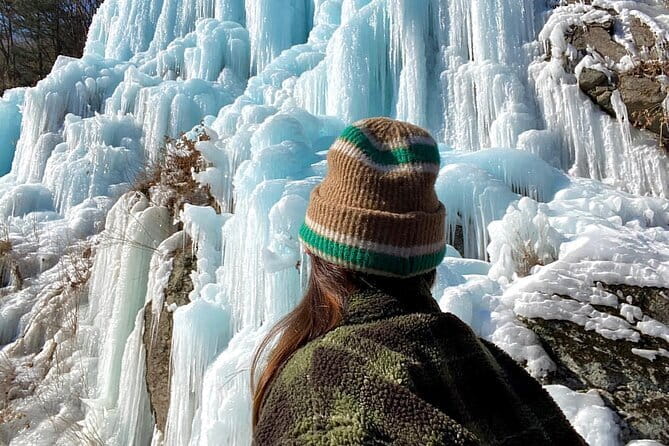
The final food element is a hand-drip coffee experience. You grind premium beans and brew your own cup, creating a slower finish after the border visit and gochujang workshop.
This is a pleasant contrast to the weighty subject of Aegibong. The border stop asks you to think about conflict and division. The food workshop gets your hands busy. Coffee gives you a quiet final task before the drive back to Seoul.
The wording around coffee matters: it is described as optional, while the tour inclusions list coffee or tea and note that hand-drip coffee is optional. If brewing your own cup is one of your main reasons for booking, confirm exactly what will be provided. You should still expect a coffee or tea element, but the hands-on brewing may not be mandatory.
The guide can shape the whole day
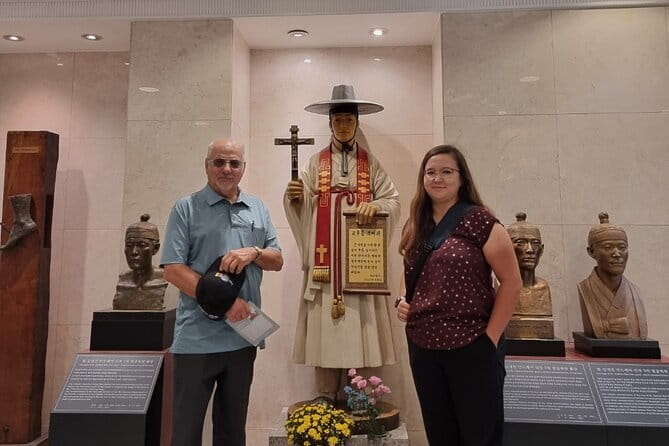
This tour depends heavily on the guide because the day involves more than transport and scheduled stops. At Aegibong, you need someone who can explain the Korean War, the border, the local setting, and the connection to current politics without turning the visit into a lecture.
Guides named in feedback include Xander, Chuck, and Jun. Xander received particular praise for his patient explanations of the DMZ’s history and politics. Chuck was noted for hotel pickup, a comfortable vehicle, and useful background information during the drive. Jun was praised for making the gochujang activity and North Korea view memorable.
Your assigned guide may be different, so treat these names as examples rather than a promise. The consistent strength is the guide’s role in making the day personal. Since this is a private tour, you can ask questions at your own pace instead of waiting for a whole bus group to move on.
An English-speaking guide is included. The best use of that time is to ask direct questions: how the border works, what you are seeing through the viewer, why Aegibong matters, and how gochujang fits into everyday Korean meals.
Is $219 a fair price?
At $219 per person, this costs more than a basic shared DMZ excursion. The comparison is not quite like for like. You are paying for private transportation, pickup and drop-off, entrance admission, an English-speaking guide, lunch, and a cooking activity.
The private vehicle is the biggest value point. Aegibong is outside central Seoul, and the tour includes a long round trip. If you are splitting the experience with a partner or family, the comfort and privacy become easier to justify.
The food portion also helps. You get lunch and a 200-gram jar of gochujang, rather than paying separately for a meal and a short souvenir-making class. The coffee activity adds another hands-on element, though its optional status means it should not be the deciding factor unless confirmed.
Solo visitors should think harder about the price. The private format is comfortable, but the per-person cost is high for one person. Couples and small groups are likely to see better value, especially if a group discount applies.
Who should book this private day?
I would choose this tour if you want a border visit with context, dislike large groups, and enjoy food activities that involve doing rather than watching. It suits couples, families, and small private groups that want a full day outside Seoul without arranging transport themselves.
It is also a good fit if the standard DMZ route sounds too crowded or formulaic. Aegibong offers a different viewpoint and a quieter rural setting, though you give up the certainty of visiting a military site that operates on a fixed schedule.
You should think twice if you need a tightly packed sightseeing day, cannot eat bibimbap, or have a schedule that cannot handle a possible cancellation. A moderate level of physical fitness is recommended, and access can change because Aegibong is a military-restricted area.
The tour allows service animals and is near public transportation, but pickup is already provided. The easiest plan is to use the included vehicle and let the guide handle the route.
Practical details before you reserve
Confirmation is provided when you book. The tour is private, so only your group participates, and larger groups can contact Jung Ho Travel directly.
Free cancellation is available up to 24 hours before the start time for a full refund. Changes or cancellations inside that 24-hour window are not accepted for a refund. Cutoff times follow local time in South Korea.
Weather and security are the two details I would take seriously. If poor weather cancels the tour, you are offered another date or a full refund. Since Aegibong access can also be affected by unpredictable conditions, avoid placing this tour on the final day of a short Seoul visit.
Should you book it?
Book this experience if you want the North Korea viewpoint and Korean food workshop in one private outing. The day has a strong rhythm: border history at Aegibong, hands-on gochujang making, bibimbap, and optional coffee.
The best reasons to book are the private vehicle, guide-led context, and unusual Aegibong location. The main reasons to hesitate are the $219 price, long driving time, fixed bibimbap meal, and chance that military or weather conditions will cancel the border stop.
For couples or small groups with room in their Seoul schedule, I think the combination offers solid value. For a solo visitor seeking the lowest-cost DMZ trip, a shared tour will likely make more sense.
FAQ
How long does the tour last?
The tour lasts approximately six hours and 30 minutes. About two hours are scheduled at Aegibong Peace Eco Park, two hours at the rural Gyeonggi-do food site, and about two and a half hours are travel time.
Is transportation included?
Yes. The tour includes an air-conditioned private vehicle, with pickup and drop-off service offered.
Can I see North Korea from Aegibong?
Aegibong offers views toward North Korea, including possible views of North Korean villages and soldiers through viewing equipment. Visibility and access can vary.
Is lunch included?
Yes. Traditional bibimbap is included. You should notify the company in advance about dietary restrictions.
Do I take gochujang home?
Yes. The workshop lets you make your own 200-gram jar of gochujang to take home.
Can the tour be canceled because of weather?
Yes. Aegibong is a military-restricted area, and the tour can also be canceled for unpredictable reasons. If poor weather causes cancellation, you are offered a different date or a full refund.
Recently added around Seoul
- Nami & Maple Road & Theatre des Lumieres Day Tour from Seoul★ 4.8 · 4 reviews
- Gyeongbokgung Palace Photo Session with your own phone★ 5.0 · 4 reviews
- Private Tour around Suwon UNESCO Fortress and Korea Folks Village★ 4.5 · 4 reviews
- Jisan Forest Resort: Ski Full-Day Tour or Shuttle from Seoul★ 5.0 · 4 reviews
- N Seoul Tower + Namsan Cable Car Ticket (Collect in Myeongdong)★ 3.5 · 4 reviews
- Seoul: Deoksugung Palace Night Tour★ 4.5 · 4 reviews
- Private Jeonju Hanok Village – Culinary tour★ 5.0 · 4 reviews
- Seoul Private Walking Tour with a Local★ 5.0 · 4 reviews
DMZ Tours, compared.
Best DMZ Tour Korea from Seoul (Red Suspension Bridge Optional)
Read the review →
DMZ Tour: 3rd Tunnel, Option(Suspension Bridge, Boat) from Seoul
Read the review →
DMZ tour south Korea from Seoul (NK experience hall, defector)
Read the review →
DMZ Insider Tour: 3rd Tunnel, NK Defector Meet & Red Bridge
Read the review →
DMZ The 3rd Tunnel and Suspension Bridge Tour
Read the review →
Signature DMZ Tour: Exclusive Defector Talk & Suspension Bridge
Read the review →