
Reviewed · BUKCHON AND INSADONG WALKS
Play Gayageum in Hanbok Cultural Experience in Bukchon
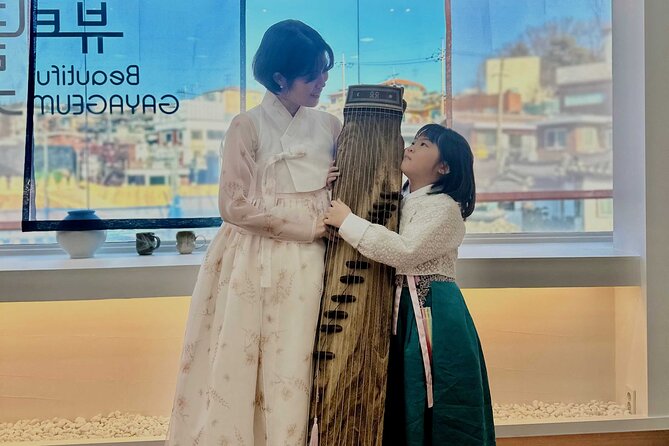
The most unusual part of this Bukchon outing is that you do not just watch Korean tradition, you play the gayageum yourself. In about 80 minutes, you put on hanbok, learn a folk song on the 12-string instrument, and pose for photos in a quiet hanok-style music hall.
I like the friendly, beginner-focused teaching and the fact that the music lesson includes both hanbok and a printed photo. I also like its location near Gyeongbokgung and Samcheong-dong, making it easy to pair with a palace visit or a walk through Bukchon. The main consideration is price: at $72.19 per person, it costs more than a simple costume rental or short cultural demonstration.
Key points to know
- You play a real 12-string gayageum: The lesson uses easy sheet music and is designed for people with no musical background.
- Hanbok is included: You wear traditional Korean clothing during the lesson and photo session.
- English instruction is provided: Japanese and Traditional Chinese subtitles are also available.
- The setting is part of the appeal: Beautiful Gayageum is in a hanok-style music hall at 43 Bukchon-ro 5ga-gil.
- You leave with a printed keepsake: The photo session comes after the music lesson.
- It is a private activity: Only your own group takes part, which gives the lesson a more personal feel.
A hands-on way to meet Korea’s traditional music
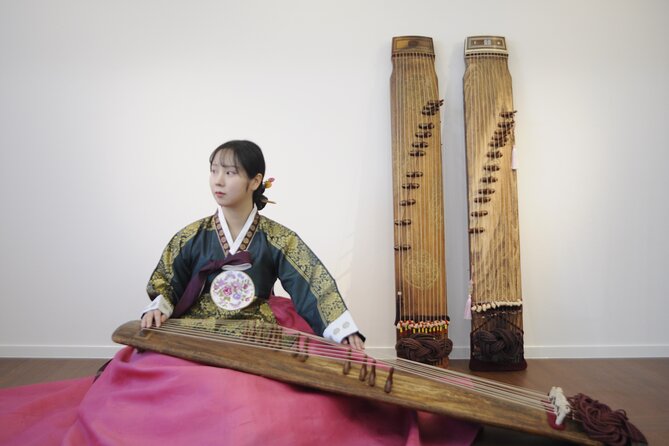
Many cultural activities in Seoul ask you to watch, dress up, or take a picture. This one gives you a small job to do. You sit with a gayageum, follow the instructor, and work toward playing a Korean folk song.
The gayageum is a traditional 12-string zither with more than 1,500 years of history. Its long wooden body and rows of strings make it look formal and difficult, but the lesson is built for beginners. You do not need to read music or play another instrument before arriving.
That matters because the appeal here is not a polished concert. It is the pleasure of making a sound yourself. You will likely make mistakes, pause, and try again. That is part of the point. The instructor uses easy-to-follow sheet music and offers English instruction, with Japanese and Traditional Chinese subtitles to support the lesson.
The activity takes place at Beautiful Gayageum, on the third floor at 43 Bukchon-ro 5ga-gil in Jongno District. It is close to Gyeongbokgung and Samcheong-dong, two of the most useful places to combine with a traditional music visit.
More Bukchon and Insadong walks:
- Seoul: Gyeongbok Palace, Bukchon Village, and Gwangjang Tour
★ 4.9 · 2,321 reviews - Best Seoul City Tour (Gyeongbokgung Palace,Insadong,Namsan Tower)
★ 5.0 · 1,647 reviews - Seoul: Gyeongbok Palace, Bukchon Village, and Gwangjang Tour
★ 5.0 · 1,044 reviews
What happens during the 80-minute lesson
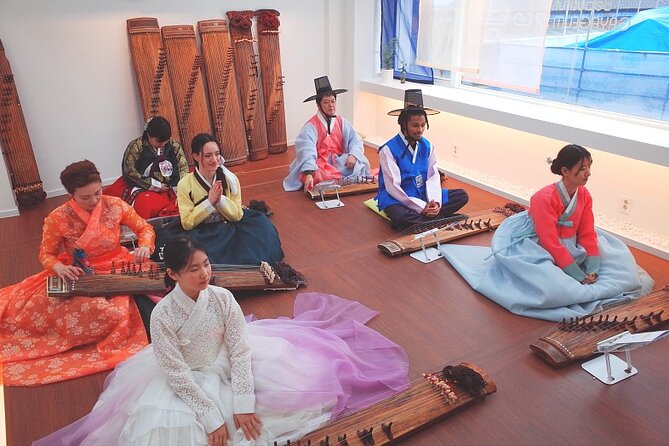
The schedule is compact but gives the activity a clear beginning, middle, and end. You arrive at the meeting point, change into hanbok, learn the basics of the instrument, practice a folk song, and finish with photographs and a printed souvenir.
The exact teaching sequence is not listed minute by minute, so you should expect a guided lesson rather than a rigid performance timetable. The instructor’s role is especially important here. One participant described the instructor as fun, kind, and highly experienced, and said the teaching made the lesson comfortable despite having no previous experience with instruments.
That is useful information for anyone who feels nervous. The gayageum may look delicate and unfamiliar, but the class is not aimed at trained musicians. The sheet music is simplified, and the instruction is meant to help you make progress within one sitting.
Hanbok before the music begins
Wearing hanbok changes the feel of the activity. It is not simply a costume photo stop added to a music class. You wear the clothing while learning and playing, so the photographs show you taking part in the cultural setting rather than posing beside it.
The available description does not list specific colors, styles, or sizes, so you should not book expecting a particular outfit. Still, hanbok is included in the music lesson, which improves the value compared with activities that charge separately for clothing.
Allow a little patience while getting dressed and settled. Traditional clothing can feel less casual than ordinary sightseeing clothes, especially when you are also learning an instrument. The result should be more memorable than another quick palace snapshot, but the experience is best approached as a cultural activity, not a fast photo booth.
Meeting the 12-string gayageum
The central part of the lesson is learning a Korean folk song on the gayageum. This instrument has 12 strings and a long tradition in Korea, but the class does not require you to master its full technique.
You work from beginner-friendly sheet music and follow the instructor’s guidance. The goal is not to become a gayageum player in 80 minutes. The goal is to understand how the instrument feels, hear its distinctive tone, and play enough of a song to feel that you have taken part.
For a first-time musician, that limited goal is a strength. You can focus on hand position, rhythm, and following the notes instead of worrying about a difficult recital. If you already play an instrument, you may find the lesson quite basic. That is the trade-off for keeping it accessible to families and people who have never touched a gayageum.
The activity is private, so only your group participates. That is helpful if you are shy about making mistakes, or if you want to ask questions without a large class waiting. It also makes this a reasonable pick for couples and families who want to share one activity rather than split up.
More Hanbok Rental in Seoul:
- Seoul Half-Day City Highlight, Palace Tour with Hanbok
★ 4.9 · 764 reviews - Seoul: Hanbok Rental with Gyeongbokgung Palace Entry
★ 4.6 · 611 reviews - Small Group Seoul Highlight Tour opt. Hanbok & Tea Ceremony
★ 5.0 · 318 reviews - Seoul: Gyeongbok Palace with Gigibebe Hanbok Rental
★ 4.5 · 289 reviews
Why the instructor matters more than musical skill
A one-day music lesson succeeds or fails on teaching style. The supplied information does not give the instructor’s name, but the available personal account describes an instructor who was kind, fun, and able to make a nervous beginner feel at ease.
That point deserves emphasis. You are not buying a concert ticket. You are paying for patient guidance, a cultural setting, clothing, a photo session, and the chance to try an instrument that most people cannot easily access at home.
English instruction is available. Japanese and Traditional Chinese subtitles are also provided. The subtitles may be especially useful when the instructor is explaining musical terms or showing how to follow the sheet music. Still, language support does not remove the need to pay attention. You will get more from the class if you are willing to copy the instructor’s movements and repeat a short passage several times.
I would choose this activity for someone who wants a gentle introduction rather than an academic lesson. You will learn enough to understand the basic appeal of the gayageum, but not enough to judge the full range of Korean traditional music.
The hanok-style music hall adds atmosphere
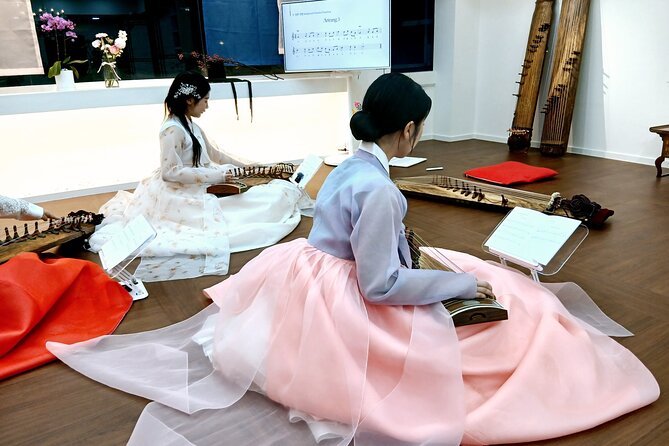
The location is more than a practical address. The lesson takes place in a serene, hanok-style music hall in Bukchon, an area known for traditional Korean homes and narrow streets.
That setting supports the lesson without requiring a long transfer outside central Seoul. You can visit Gyeongbokgung before the class, walk through Samcheong-dong afterward, or use the activity as a quiet break from palace grounds and city traffic.
The activity begins and ends at the same meeting point. That makes planning simple. It also means you should check your route carefully before the start time, since the address is on Bukchon-ro 5ga-gil and the venue is on the third floor. The meeting point is listed as Beautiful Gayageum3층, with the Korean floor notation meaning third floor.
Public transportation is nearby, and most people can participate. Service animals are allowed. No special physical requirements are listed, but the activity involves dressing, sitting for the lesson, handling the instrument, and taking part in a photo session. If anyone in your group has a specific mobility or seating need, confirm the details before booking.
The photo session and printed keepsake
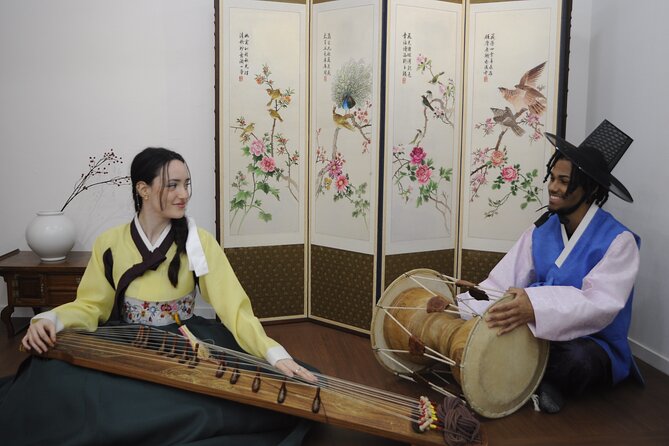
After the lesson, you have a photo session in hanbok. This is a useful ending because it gives you a clear souvenir of the activity, not just a memory of trying to follow the notes.
The printed photo is included in the music lesson price. That helps justify some of the cost, especially for couples or families who would otherwise pay separately for traditional clothing and photographs.
The information does not specify how many photographs you receive, what size the print is, or how long the photo session lasts. Keep your expectations reasonable. This is a keepsake attached to a music lesson, not a full professional portrait package.
The photos also serve as a record of the entire activity. You are not only dressed in hanbok near a famous building. You are shown in a traditional music setting, after learning to play an instrument with a long Korean past. That gives the souvenir more meaning.
Is $72.19 a fair price?
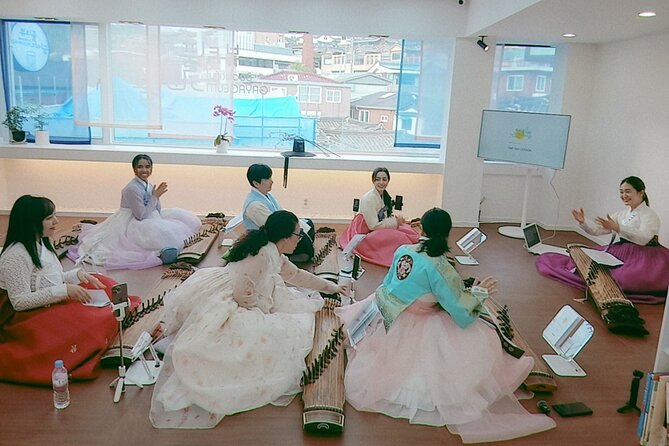
At $72.19 per person, this is not a budget activity. The value depends on what you want from a cultural stop in Seoul.
If you only want to wear hanbok for photographs, cheaper options may exist. If you only want to hear traditional music, a concert or performance may offer more music for less money. This experience earns its price by combining several parts: private instruction, use of the gayageum, hanbok, a hanok-style venue, English support, a photo session, and a printed keepsake.
The private format also matters. A large class can lower the price, but it can make it harder to ask questions or receive attention. Here, your group is the only group taking part, which gives the lesson a more personal shape.
I see the strongest value for someone who has already planned a palace and Bukchon visit and wants one activity with real participation. Families may also find the price easier to accept because children can do something active instead of simply looking at historic buildings.
Solo visitors should think about the photo element. You still receive the music lesson and printed photo, but the social feel may be different from joining a larger group. Couples may appreciate the private setting and the chance to share a small performance.
Who will enjoy this most
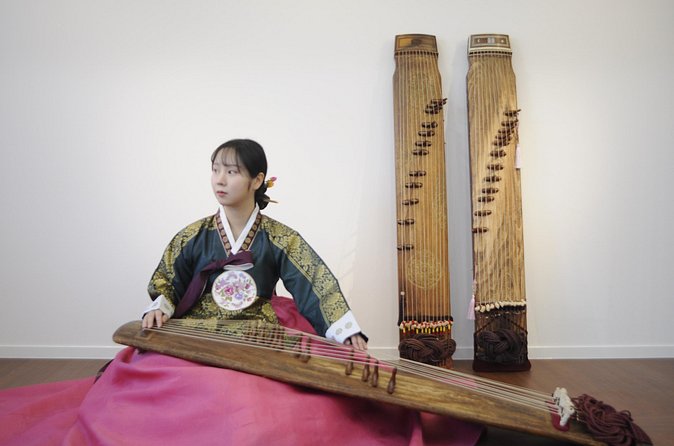
I would recommend the activity to you if you fit one or more of these descriptions:
- You want an authentic cultural activity that involves doing, not only observing.
- You have never played a musical instrument and want a gentle first try.
- You are visiting Gyeongbokgung, Bukchon, or Samcheong-dong and want a nearby activity.
- You enjoy photographs in traditional clothing but want more substance than a costume rental.
- You are traveling as a couple or family and prefer a private session.
- You value a physical souvenir that captures the experience.
It may be less suitable if you want a serious music course, a long performance, or the lowest possible price. The lesson is short by design. You will get an introduction and a memory, not professional-level training.
The same applies if your group dislikes structured activities. You need to follow an instructor, use sheet music, and practice a song. The class is beginner-friendly, but it is still a lesson.
Practical planning for Bukchon
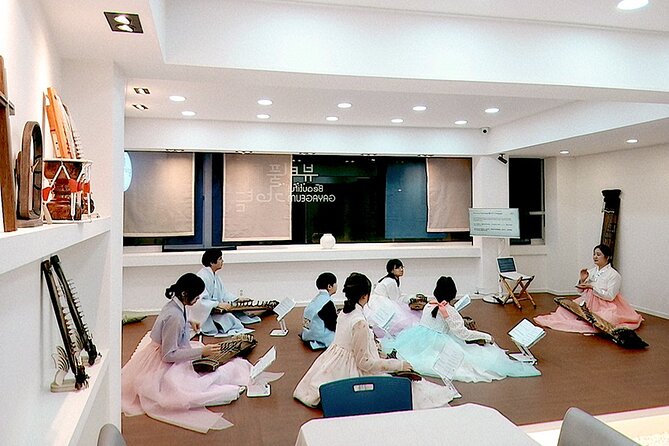
The experience lasts approximately 1 hour and 20 minutes. That is short enough to fit between major sightseeing plans, but leave extra time for reaching the building and finding the correct floor.
The activity is near public transportation, yet Bukchon streets can be confusing, especially if you are moving from a palace gate or another neighborhood. Use the full address, 43 Bukchon-ro 5ga-gil, Jongno District, and look for Beautiful Gayageum on the third floor.
Since the activity ends where it begins, you can keep your plans simple afterward. Samcheong-dong is close by, and Gyeongbokgung is also within the same general sightseeing area. Avoid scheduling a distant timed ticket immediately afterward. The lesson itself is about 80 minutes, and dressing, arrival, and departure add a little breathing room.
Confirmation is provided at booking. The activity requires good weather and a minimum number of participants. If poor weather or insufficient participation causes cancellation, you are offered another date or experience, or a full refund.
You can cancel for a full refund up to 24 hours before the start time. Cancellations or changes made within 24 hours are not accepted and are not refunded. That is a reasonable policy, but keep it in mind before placing the activity between other fixed plans.
My verdict on playing gayageum in hanbok
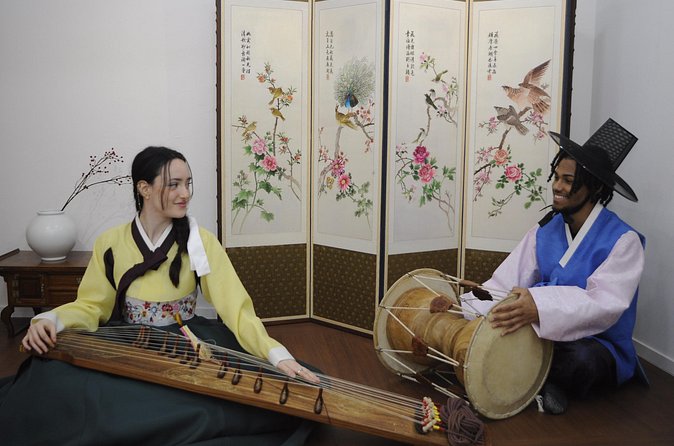
This is one of Seoul’s better choices for a small, personal cultural activity. The strongest feature is the combination of real participation and clear beginner support. You are not expected to arrive with musical training, and the private class gives you room to make mistakes without an audience.
I also like the way the hanbok, hanok-style music hall, photo session, and printed keepsake fit around the lesson. They support the main activity instead of replacing it. The price is high for 80 minutes, but it is easier to defend if you would otherwise pay separately for clothing, photographs, and a cultural class.
Book it if you want to leave Bukchon with more than palace photographs. Skip it if your main goal is a concert, a long music workshop, or a low-cost attraction. For solo visitors, couples, and families who want to hear and play a small piece of Korea’s musical tradition, this is a thoughtful use of part of an afternoon.
FAQ
Where does the gayageum lesson take place?
It takes place at Beautiful Gayageum, on the third floor at 43 Bukchon-ro 5ga-gil, Jongno District, Seoul, South Korea.
How long does the activity last?
The gayageum lesson lasts approximately 80 minutes, or 1 hour and 20 minutes.
What instrument will I play?
You will learn to play the gayageum, a traditional Korean 12-string zither with more than 1,500 years of history.
Do I need previous musical experience?
No. The lesson uses easy-to-follow sheet music and is intended for beginners, including people who have never played an instrument.
Is instruction available in English?
Yes. English instruction is provided. Japanese and Traditional Chinese subtitles are also available.
Is hanbok included?
Yes. Hanbok is included in the music lesson, and you wear it during the activity and photo session.
Is a photograph included?
Yes. The activity includes a photo session and a printed keepsake.
Is this a group activity?
No. It is a private activity, so only your group participates.
Where does the activity end?
It ends back at the meeting point at Beautiful Gayageum.
Can I cancel for a full refund?
Yes, if you cancel at least 24 hours before the experience start time. Cancellations or changes made less than 24 hours before the start are not refunded or accepted.
Recently added around Seoul
- Gyeongbokgung Palace Photo Session with your own phone★ 5.0 · 4 reviews
- Private Tour around Suwon UNESCO Fortress and Korea Folks Village★ 4.5 · 4 reviews
- Nami & Maple Road & Theatre des Lumieres Day Tour from Seoul★ 4.8 · 4 reviews
- Jisan Forest Resort: Ski Full-Day Tour or Shuttle from Seoul★ 5.0 · 4 reviews
- N Seoul Tower + Namsan Cable Car Ticket (Collect in Myeongdong)★ 3.5 · 4 reviews
- Seoul: Deoksugung Palace Night Tour★ 4.5 · 4 reviews
- Private Jeonju Hanok Village – Culinary tour★ 5.0 · 4 reviews
- Seoul Private Walking Tour with a Local★ 5.0 · 4 reviews
Bukchon and Insadong Walks, compared.
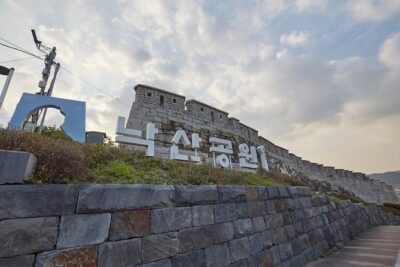
Gyeongbok Palace, Bukchon Village, and Gwangjang Tour
Read the review →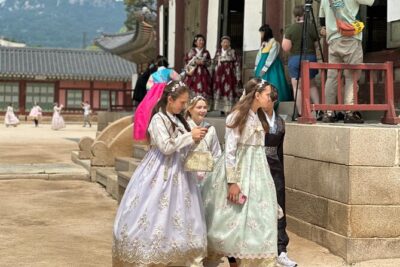
Best Seoul City Tour (Gyeongbokgung Palace,Insadong,Namsan Tower)
Read the review →Gyeongbok Palace, Bukchon Village, and Gwangjang Tour
Read the review →
Seoul Highlights: Gyeongbok Palace, Insadong & N Seoul Tower
Read the review →
Korean Palace and Market Tour in Seoul Including Insadong and Gyeongbokgung Palace
Read the review →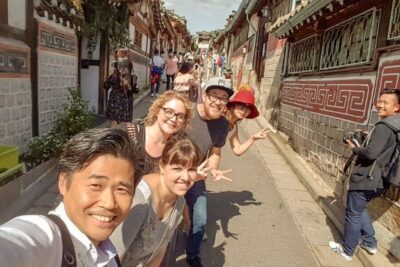
Gyeongbok Palace and Bukchon Hanok Walking Tour
Read the review →
Best Walking Tour to Gyeongbok Palace Bukchon Hanok Village
Read the review →
Carve Your Personal Korean Stone Seal with Jeongju in Insadong
Read the review →Browse the lists this tour appears in