
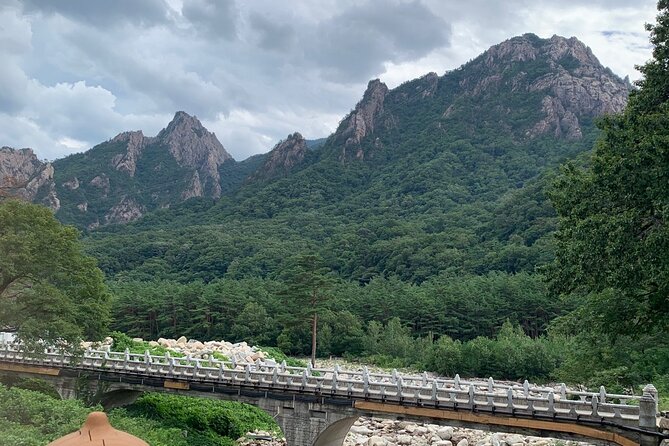
Reviewed · DMZ TOURS
Missionary Memorial Hall and Goseong DMZ Observatory from sokcho
Korea’s modern story comes into sharp focus on this private trip north from Sokcho. You’ll connect the work of missionary doctors who treated poor Koreans in the Joseon era with the Korean War, then look toward North Korea from Goseong Unification Observatory.
I like the small private format, which lets guide Tony adjust the pace and tailor his English commentary to your interests. I also like the mix of places: a quiet lagoon walk, a memorial to the Sherwood Hall family, and two serious DMZ sites rather than one quick photo stop.
The main consideration is timing. You’ll spend much of the day indoors at museums and in the vehicle, and the tour does not run on Mondays because the museum is closed. Meals are not included, so you’ll need to use the free time provided for food.
Key points to know before booking
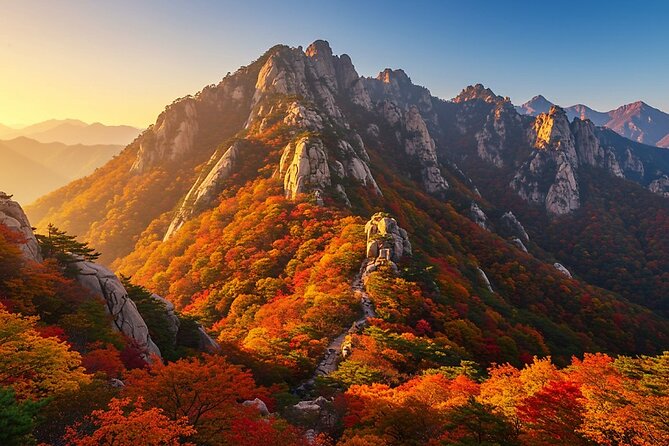
- Sherwood Hall memorial: Learn how two generations of one missionary family fought tuberculosis and taught ordinary Koreans when medical care was scarce.
- Two DMZ stops: The DMZ Museum explains the war and its aftermath, while Goseong Observatory gives you a direct view toward North Korea.
- Private pickup from Sokcho: Tony provides a private vehicle, hotel pickup, and drop-off, with schedule adjustments possible for cruise passengers.
- A calm opening walk: Yeongnangho Lake offers about 30 minutes beside a natural lagoon before the heavier history begins.
- Useful English guidance: Tony’s commentary helps connect Christian missions, medicine, education, the Korean War, and present-day Korea.
- Good value for history-minded visitors: At $90 per person, admission and private transport are included, but meals are extra.
Why this short trip explains so much about Korea
You can see plenty of Korea without understanding how it became modern Korea. This tour takes a different route. It focuses on two forces that changed daily life and national identity: Christian missionary work and the Korean War.
The first part looks at outsiders who arrived in a country with very limited medical care and education. Missionaries established hospitals and schools, often serving poor people without charge. Institutions linked to this work later developed into major universities and hospitals, including Yonsei University and Catholic University hospitals.
The second part moves to the Korean War and the border that still divides the peninsula. The war was not only a military conflict between North and South Korea. It also reflected the wider Cold War struggle of the 20th century, with lasting effects on politics, families, cities, and ordinary life.
I like that the subject is handled through physical places rather than only a guide’s lecture. You begin with a local lake, see the memory of a medical and educational mission, then reach museums and an observation point tied to the division of Korea. The route gives the story a clear shape.
This is a private activity, so you are not placed with a large mixed group. That matters here. The subject can raise questions, and Tony can spend more time on the parts that interest you, from missionary medicine to the history of the DMZ.
More DMZ Tours in South Korea:
- Best DMZ Tour Korea from Seoul (Red Suspension Bridge Optional)
★ 5.0 · 41,422 reviews - DMZ Tour: 3rd Tunnel, Option(Suspension Bridge, Boat) from Seoul
★ 5.0 · 21,373 reviews - DMZ tour south Korea from Seoul (NK experience hall, defector)
★ 5.0 · 20,599 reviews
Yeongnangho Lake gives you a gentle start
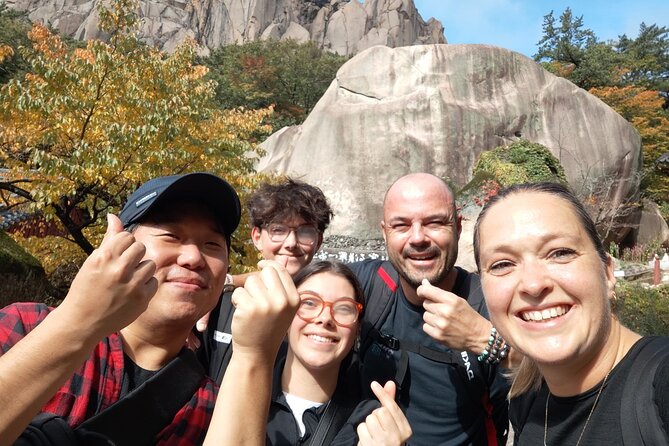
The day begins at Yeongnangho, a natural lagoon in Sokcho. The stop lasts about 30 minutes and is free, making it a pleasant way to get moving before the more serious history begins.
You can expect a short wellness walk with photo opportunities around the water. This is not a major hike or a long nature excursion. Think of it as a quiet local introduction to Sokcho, with enough time to stretch your legs and take in the setting.
I like the order of the stops. Starting at the lake prevents the morning from feeling like a rapid march through museums. It also gives you a little breathing room before the tour turns toward disease, poverty, war, and division.
The drawback is that the stop is brief. If you want a long walk around the lagoon, this tour will not provide it. You get a compact visit, not a full morning at Yeongnangho.
The Sherwood Hall memorial puts missionary work in human terms
At Hwajinpo Pine Forest Road, you visit a memorial to the Sherwood Hall family. The stop lasts about an hour, and admission is included.
The Halls spent two generations working against tuberculosis and educating ordinary people during the impoverished Joseon era. That detail gives this part of the tour its force. Instead of treating missionary history as a broad religious subject, you see it through practical work: medical treatment, schooling, and service to people who had few other options.
This stop helps explain why hospitals and universities founded or influenced by missionaries became important parts of Korea’s modern development. You are not simply looking at an old building or a memorial plaque. You are examining how medicine and education began to change the country.
I especially like the contrast between the setting and the subject. A pine forest road sounds peaceful, yet the story involves tuberculosis, poverty, and the demanding work of serving people in difficult conditions. The quieter location may help the history sink in.
Keep in mind that this is a memorial visit, not a hands-on medical museum. If you want displays packed with artifacts, the DMZ Museum will likely provide more conventional museum material. The Hall memorial is more valuable for its personal story and the larger questions it raises about Korea’s transition into the modern era.
Two hours at the DMZ Museum gives the war room to breathe
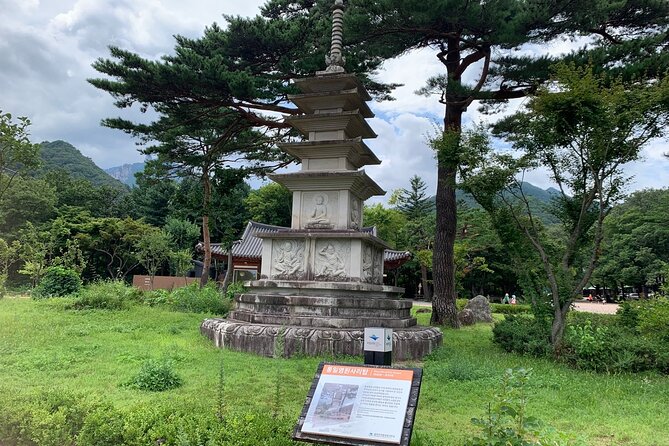
The DMZ Museum is the longest stop, at about two hours. Admission is included, and this is where the tour turns fully toward the Korean War and the division of the Korean Peninsula.
You can use the museum to follow the course of the war and learn how the DMZ came to shape modern Korea. The subject deserves time. A quick stop at a border photo point can show you a fence and a distant hillside, but it cannot explain why the border exists or why it remains such an important part of Korean life.
Two hours is useful because you can move beyond the basic timeline. The museum helps connect the conflict to the wider Cold War structure of the 20th century. It also gives context for the observatory visit that follows.
I would pay attention to the transition between the missionary stop and the war museum. The first shows efforts to build schools and hospitals in a poor country. The second shows how war and division interrupted development and set the direction for decades. Together, the stops make a stronger lesson than either one alone.
This is also the part of the day that may feel heaviest. You are dealing with conflict, separation, and the human cost of national division. The tour suits you best if you want more than a scenic outing and are willing to give the subject your attention.
A different way to spend a day from here:
- DMZ Insider Tour: 3rd Tunnel, NK Defector Meet & Red Bridge
★ 4.9 · 15,214 reviews - Seoul: DMZ Tour with Optional Suspension Bridge
★ 4.8 · 5,277 reviews - Seoul: DMZ The 3rd Tunnel and Suspension Bridge Tour
★ 5.0 · 4,656 reviews - Signature DMZ Tour: Exclusive Defector Talk & Suspension Bridge
★ 5.0 · 4,459 reviews
Goseong Unification Observatory brings the border into view
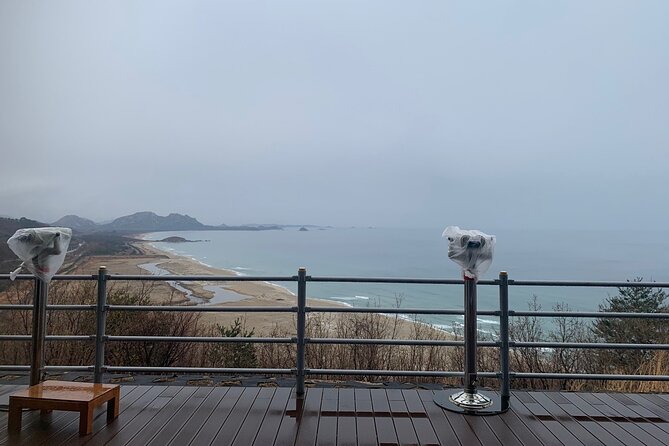
The final major stop is Goseong Unification Observatory, with about an hour allocated for the visit. It is the point where the history becomes visible in front of you.
From the observatory, you look toward North Korea and the divided coastline. The view gives physical meaning to the material you have just seen indoors. After learning about the war and the DMZ, you can see the direction of the border rather than treating it as an abstract line on a map.
The observatory also lets you think about the contrast between past and present. Korea rose from one of the poorest countries in the world after the war, yet the peninsula remains divided. That tension is central to understanding South Korea today.
I like having the museum before the observatory. Without context, an observation deck can become a quick look through binoculars. With the museum fresh in your mind, the view has more weight.
Weather may affect what you can see. One past outing continued in rain after Tony offered cancellation and a refund, and the day still included the planned sites. That shows the value of discussing conditions with him, but you should not expect clear distant views on a wet or cloudy day. If your main goal is the panorama, weather is an important factor.
Tony’s private guiding is a real part of the value
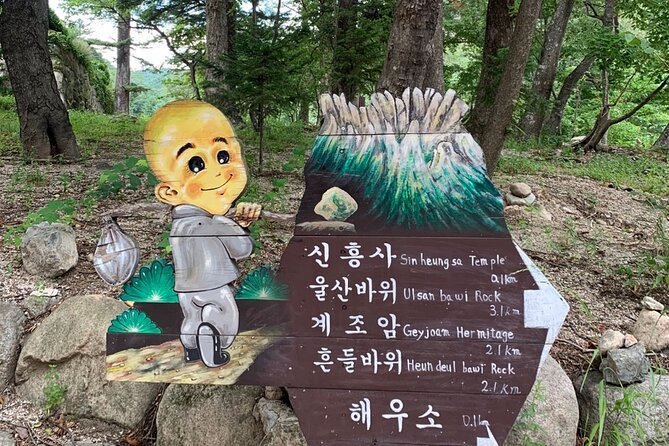
The experience is operated by Tony’s Eastern DMZ Tour, and Tony is the guide named in the supplied guest feedback. He provides English commentary, private transport, and direct pickup and drop-off in Sokcho.
That combination matters more than it might first appear. The sites are spread out, and public transport would not give you the same simple connection between Yeongnangho, Hwajinpo, the DMZ Museum, and the observatory. A private vehicle keeps the day focused and avoids the work of arranging several separate rides.
Tony’s style also appears flexible. Past arrangements included start times between 9 a.m. and 1 p.m. for some hotel pickups, while the stated start time for this experience is 8:30 a.m. Treat 8:30 as the regular plan, then ask about alternatives before booking if you need a later departure.
The private format is useful for couples, families, and small groups with a shared interest in history. You can ask for more explanation, move at a comfortable pace, and avoid spending the day waiting for strangers. It is also available to cruise passengers, with the schedule adjusted to fit the ship’s timing.
One caution: private does not mean leisurely at every stop. The full route still takes about four to five hours, and the DMZ Museum alone uses two hours. If you want a slow day with long café breaks, this is not that kind of outing.
Is $90 a fair price?
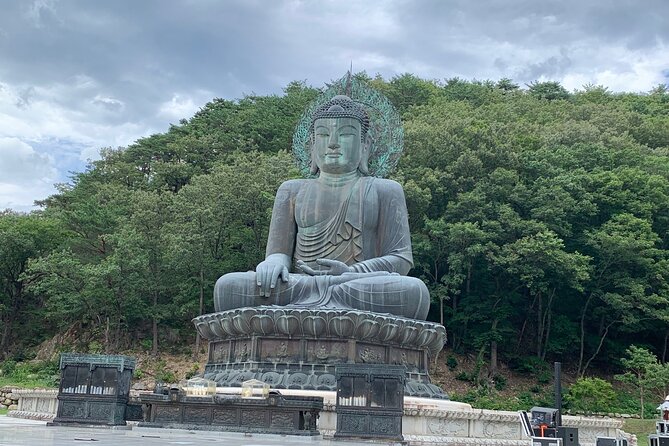
At $90 per person, the value depends on what you want from a half-day in Sokcho. The price includes admission fees and private transport, and it gives you a guide who can explain the sites in English. Meals are not included.
For a visitor interested in Korea’s modern history, that is a reasonable package. You are not paying only for entry to one museum. You are paying for the vehicle, the route between several sites, the border access, and the guide’s interpretation of a complicated subject.
The value is stronger for a small group because the activity is private. You get the benefits of a dedicated vehicle and guide without joining a large coach group. If you are traveling alone, the per-person cost may feel higher, but the convenience still removes a difficult transport problem.
The price is less appealing if your main goal is a relaxed nature trip. Yeongnangho is the only clearly scenic walking stop, and the rest of the day focuses on memorials, museums, and the DMZ. This is a history tour first.
Plan for food separately. The tour gives you designated free time to eat at your own convenience, but no meal is built into the price. Ask Tony how that time will fit into your particular schedule.
Who should book this Sokcho experience?
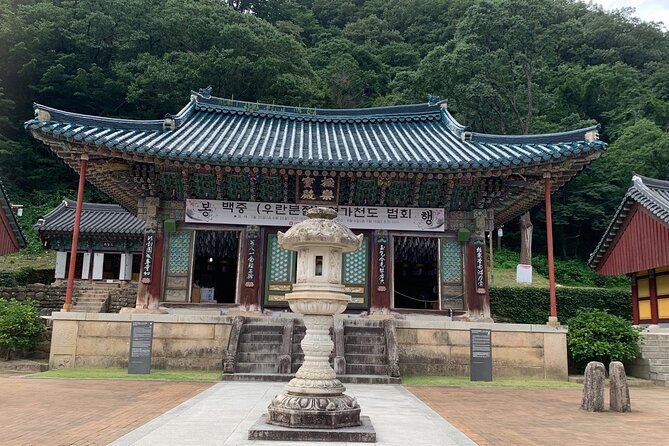
I would choose this tour if you want to understand how Korea changed through medicine, education, war, and division. It is especially useful if you have already seen Seoul’s palaces and markets and now want a clearer view of the forces that shaped present-day South Korea.
It also suits cruise passengers who need a private route with an adjustable schedule. Hotel pickup and drop-off in Sokcho make the day easier for visitors without a rental car.
Families with older children may appreciate the direct explanations and private pace. The subject is serious, so younger children may not find it engaging, especially during the two-hour museum visit.
You should have moderate physical fitness. The tour includes walking at Yeongnangho and around the memorial and museum sites, though the supplied details do not describe a strenuous hike for this experience. Wear comfortable shoes and be ready for changing weather near the coast.
The tour is not available on Mondays because the museum is closed. That is the key scheduling restriction. Confirmation is provided when you book, and free cancellation is available up to 24 hours before the start time. Inside 24 hours, the payment is not refunded, and changes are not accepted.
Should you book it?
Book this tour if Korea’s modern history matters to you and you want the DMZ explained rather than simply photographed. The best feature is the connection between the Sherwood Hall family’s medical and educational work, the Korean War, and the continuing division visible from Goseong.
Choose another outing if you want a full day of hiking, food, or scenery. This is a compact, serious history trip with a calm lake walk at the start. For the right audience, the private vehicle, English guidance from Tony, included admissions, and flexible planning make the $90 cost sensible.
FAQ
How long does the tour last?
The experience takes approximately four to five hours.
What time does the tour start?
The stated start time is 8:30 a.m. Some arrangements described a choice of start times between 9 a.m. and 1 p.m., so ask about timing when booking.
Is hotel pickup available?
Yes. Pickup and drop-off in Sokcho are available. The schedule can also be adjusted for cruise passengers.
Does the tour run on Mondays?
No. The tour is not available on Mondays because the museum is closed.
Are meals included?
No. Meals are not included, but you receive designated free time to eat at your own convenience.
Is this a private tour?
Yes. Only your group participates in the activity.
What admission fees are included?
Admission fees for the included attractions are covered. The route includes Yeongnangho Lake, the Sherwood Hall memorial, the DMZ Museum, and Goseong Unification Observatory.
Can I cancel for a full refund?
Yes, if you cancel at least 24 hours before the experience start time. Cancellations or changes made less than 24 hours before the start time are not refunded or accepted.
Recently added around South Korea
- Gyeongbokgung Palace Photo Session with your own phone★ 5.0 · 4 reviews
- Nami & Maple Road & Theatre des Lumieres Day Tour from Seoul★ 4.8 · 4 reviews
- Private Tour around Suwon UNESCO Fortress and Korea Folks Village★ 4.5 · 4 reviews
- Jisan Forest Resort: Ski Full-Day Tour or Shuttle from Seoul★ 5.0 · 4 reviews
- Seoul: Deoksugung Palace Night Tour★ 4.5 · 4 reviews
- N Seoul Tower + Namsan Cable Car Ticket (Collect in Myeongdong)★ 3.5 · 4 reviews
- Private Jeonju Hanok Village – Culinary tour★ 5.0 · 4 reviews
- Seoul Private Walking Tour with a Local★ 5.0 · 4 reviews
DMZ Tours, compared.
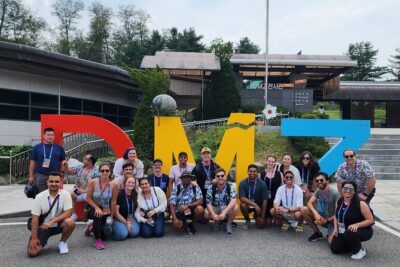
Best DMZ Tour Korea from Seoul (Red Suspension Bridge Optional)
Read the review →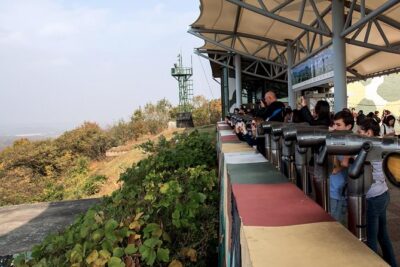
DMZ Tour: 3rd Tunnel, Option(Suspension Bridge, Boat) from Seoul
Read the review →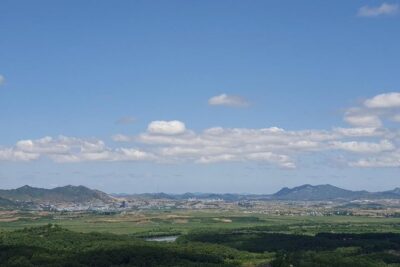
DMZ tour south Korea from Seoul (NK experience hall, defector)
Read the review →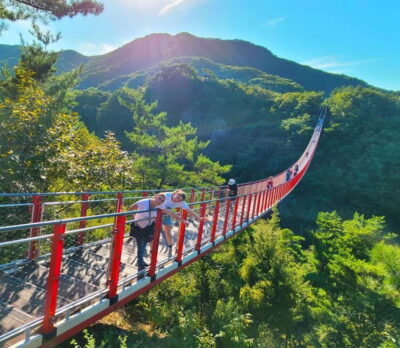
DMZ Insider Tour: 3rd Tunnel, NK Defector Meet & Red Bridge
Read the review →
DMZ The 3rd Tunnel and Suspension Bridge Tour
Read the review →
Signature DMZ Tour: Exclusive Defector Talk & Suspension Bridge
Read the review →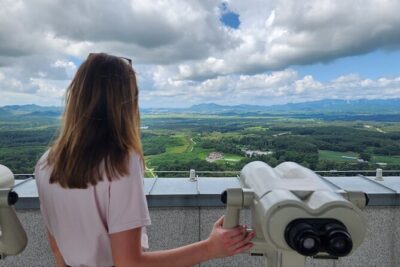
Thrilling Korean DMZ 3rd Tunnel Tour from Seoul + Red Bridge Rush
Read the review →Browse the lists this tour appears in