
Reviewed · GYEONGBOKGUNG PALACE TOURS
Korean Palace and Temple Tour in Seoul: Gyeongbokgung Palace and Jogyesa Temple
Gyeongbokgung Palace gives this morning tour its main event: broad courtyards, ornate royal halls, palace gardens, and a direct link to the Joseon Dynasty. You also visit Jogyesa Temple, where modern Seoul meets Korean Zen Buddhism, and the National Folk Museum, which explains daily life beyond the royal court. I especially like the hotel pickup and the way the tour joins royal history with living religion. The main catch is the 30-minute ginseng-center stop, which several visitors found more like a sales pitch than sightseeing.
The tour costs $40 per person and lasts about three and a half hours. That is a fair price if you want transport, admission, and a guide to explain what you are seeing, especially on a first morning in Seoul. It is less appealing if you prefer to explore at your own pace, since the palace visit is short and the schedule can feel rushed when traffic or a reordered itinerary gets in the way.
Key points at a glance
- Gyeongbokgung Palace takes center stage: Spend about an hour in Seoul’s largest and most impressive royal palace.
- The National Folk Museum adds everyday context: A brief visit shows how Korean life changed from ancient times through modernization.
- Jogyesa Temple offers a living religious experience: This is an active Zen Buddhist temple, not simply a historic building.
- Guides make or break the morning: AJ, Katie, Grace, Chloe, Lizzy, Jun, and others received especially warm praise for clear explanations, humor, and care with the group.
- The ginseng stop is the weak link: It is included in the schedule, but the shopping pressure may not suit everyone.
- You finish near City Hall: Hotel pickup is included, but hotel drop-off is not.
Why this half-day tour works in Seoul
Seoul can feel like several cities layered on top of one another. Glass towers and busy streets sit close to palace gates, traditional neighborhoods, and temples where people still pray. This tour gives you a useful first look at that contrast without asking you to plan every transfer yourself.
The morning begins with pickup from your Seoul hotel at about 8:30 a.m. You ride in an air-conditioned vehicle with a local guide, then make your way toward the historic center. The group can include up to 20 people, so this is not a private tour, but the size remains manageable if the guide keeps everyone together.
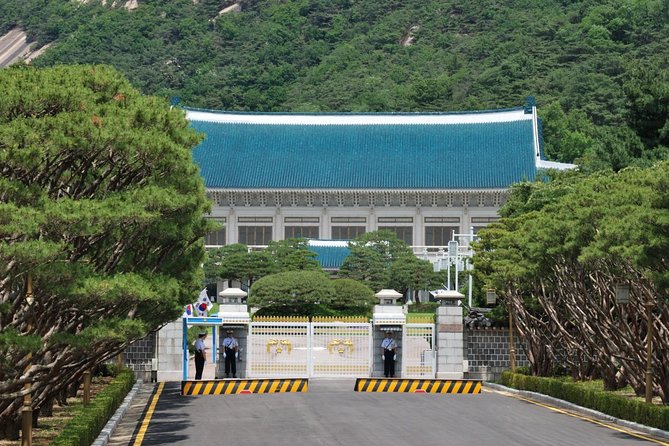
The route is designed for orientation as much as sightseeing. You pass the Blue House, or Cheongwadae, the former executive office and residence of South Korea’s president. It is a quick outside view rather than a full visit, but it helps place the royal palace and government district in the larger story of Seoul.
I like this opening because it gives you a sense of the city before the walking begins. You are not simply dropped at a palace with no explanation. At the same time, your time is limited, so anyone wanting a close look at every building or museum display will need to return independently.
More Gyeongbokgung Palace visits:
- Best Seoul City Tour (Gyeongbokgung Palace,Insadong,Namsan Tower)
★ 5.0 · 1,647 reviews - Seoul City Sightseeing Tour Including Gyeongbokgung Palace, N Seoul Tower, and Namsangol Hanok Village
★ 5.0 · 1,423 reviews - Seoul: Hanbok Rental with Gyeongbokgung Palace Entry
★ 4.6 · 611 reviews
Gyeongbokgung Palace: an hour among Joseon royal buildings
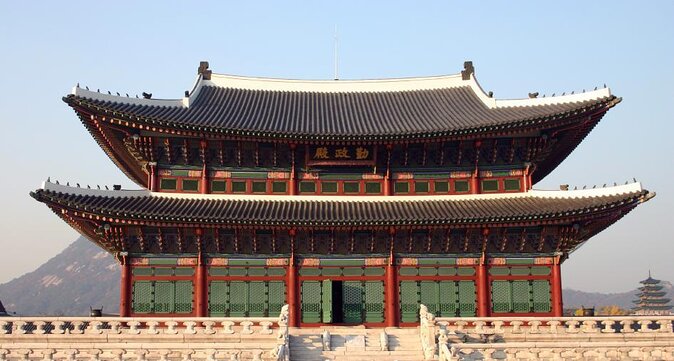
Gyeongbokgung was the primary residence of the royal family during the Joseon Dynasty. It is also the largest of Seoul’s Five Grand Palaces, and its scale is immediately clear once you enter the compound.
Expect about one hour here, including walking through the grounds and listening to your guide. The best part of a guided visit is not just identifying halls and gates. A good guide helps you picture court life, points out details you might pass without noticing, and explains why the palace matters to Korean identity.
AJ received particularly strong praise for making royal life easy to imagine. Other guides, including Grace, Katie, Chloe, Lizzy, and Jun, were also praised for clear history lessons, humor, patience, and attention to the group. Since the guide assigned to you can vary, I would treat those names as examples of the tour’s strongest reported guiding style, not as a guarantee that one particular person will lead your departure.
The palace grounds are spread out, so comfortable walking shoes matter. The tour calls for a moderate amount of walking, with time on foot between courtyards and buildings. You should also expect the pace to be fairly brisk. One visitor found the palace portion rushed after the guide changed the order of the stops, while another appreciated how much the group managed to see in one morning.
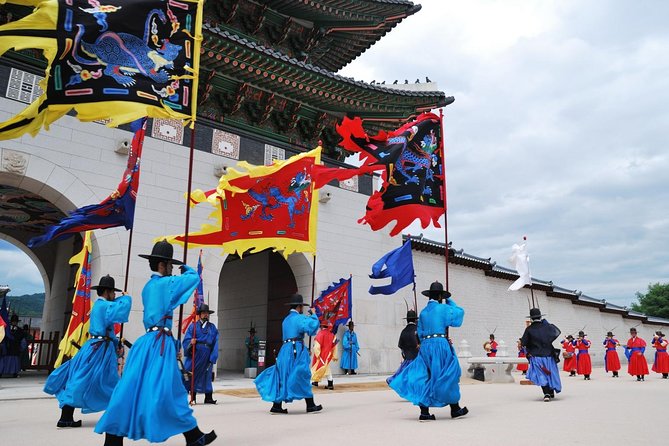
If the changing of the guard matters to you, listen carefully to the guide’s timing. The schedule may be arranged to reach the front gate in time for the ceremony, but the order can change. That flexibility may help the group catch the event, though it can also shorten another stop.
For a first visit, one hour is enough to understand why Gyeongbokgung is a must-see. It is not enough for a slow photographic study of the entire complex. If you already know you want extensive palace time, plan a separate return visit.
The National Folk Museum: from court life to ordinary homes
The National Folk Museum sits within the Gyeongbokgung compound, making it a logical second stop. You spend about 20 minutes here, with admission included.
The museum shifts the focus from kings and formal ceremonies to the customs and routines of ordinary Korean life. The tour explains how people lived from ancient times through the period of rapid modernization. That contrast is valuable: a palace can show you how rulers lived, but a folk museum helps explain how society worked beyond the royal court.
Twenty minutes is a short visit, so you should think of this as an introduction rather than a full museum tour. Your guide leads you through selected material and points out the main ideas. One guide was praised for using an exhibition to explain ancient Korean life, and that is likely where the stop has the most value. Without interpretation, a quick walk through displays could feel thin.
I like the museum because it prevents the morning from becoming only a parade of grand buildings. You get a little social and cultural context before moving to the Buddhist temple. If museums are your main interest, though, you will want more time than this tour allows.
Jogyesa Temple: a short look at Korean Zen Buddhism
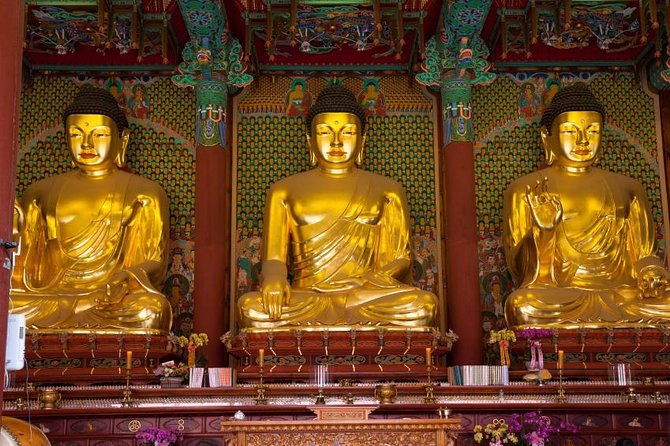
Jogyesa Temple is the leading temple for Zen Buddhism in Korea and offers a different mood from Gyeongbokgung. Instead of royal ceremony and formal courtyards, you see an active place of worship tied to daily religious life in Seoul.
The scheduled visit lasts about 20 minutes. Your guide explains the role of Buddhism during the Joseon Dynasty and helps you understand why the temple remains important. The stop can be especially memorable when prayers or religious activity are taking place. One visitor described the temple as overwhelming in the best sense after arriving during a prayer service, while another noted that floral offerings made the grounds especially colorful.
Because this is an operating temple, your visit is not just about architecture. You may see people praying and should follow the guide’s instructions about respectful behavior. The available information does not promise a ceremony on every departure, so consider any prayer service an occasional bonus rather than part of the guaranteed schedule.
The short time works well if you want a first introduction. You can see the main setting, ask questions, and understand Buddhism’s place in Korean culture. It will not satisfy someone hoping for a long, quiet period of reflection or detailed study of temple art.
A practical point: one departure visited Jogyesa before Gyeongbokgung rather than following the listed order. That change caused one visitor to feel the palace portion became rushed. The lesson is simple: the route can be adjusted, often for timing, but the overall experience depends on the guide managing the clock well.
A few more Seoul half-days to weigh up
- Best DMZ Tour Korea from Seoul (Red Suspension Bridge Optional)
★ 5.0 · 41,422 reviews - DMZ Tour: 3rd Tunnel, Option(Suspension Bridge, Boat) from Seoul
★ 5.0 · 21,373 reviews - DMZ tour south Korea from Seoul (NK experience hall, defector)
★ 5.0 · 20,599 reviews - Seoul: DMZ Tour with Optional Suspension Bridge
★ 4.8 · 5,277 reviews
The ginseng center: useful context, unwanted pressure
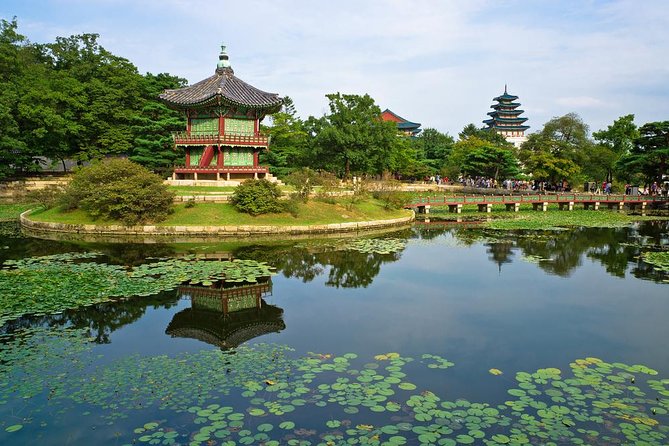
The itinerary includes a 30-minute stop at a ginseng center. It is presented as a shopping visit, not one of the core heritage sights.
You may learn something about Korean ginseng and its place in local commerce. For some people, that makes the stop mildly interesting. The problem is that several visitors found the sales approach uncomfortable or too forceful. One person felt that an hour was lost at a ginseng center that was out of the way, while another called it the least worthwhile part of the morning.
This is the clearest drawback of the tour, and you should know about it before booking. The ginseng stop is not an optional detail buried in the fine print. It takes a planned 30 minutes, and the experience may feel more commercial than cultural.
I would not book this tour expecting a pure palace-and-temple visit. You are buying a packaged sightseeing route that includes shopping. If you can tolerate a short sales stop in exchange for hotel pickup and a guided introduction to Seoul, the tradeoff may be acceptable. If shopping pitches irritate you, use the tour only if the convenience is worth that compromise.
Transport, timing, and the City Hall finish
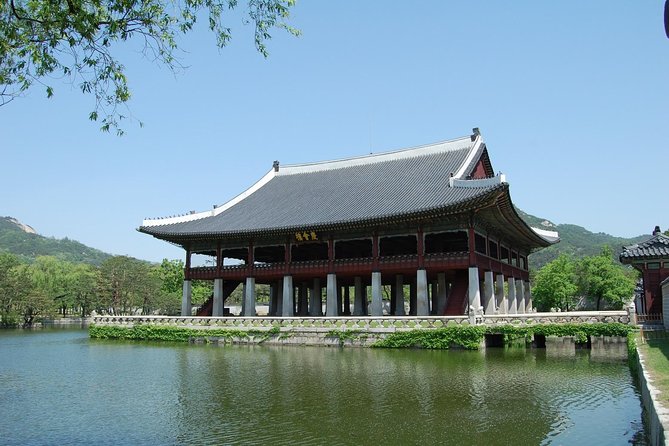
The air-conditioned vehicle is a real benefit during a short Seoul visit. You do not need to work out the best subway route first thing in the morning, and you can leave larger items on the vehicle during the stops, something one visitor appreciated.
Hotel pickup is included, but hotel drop-off is not. After the final portion of the route, you are taken to City Hall. That ending is practical because it leaves you in a central part of Seoul, but it means you should plan your next move from there rather than assuming you will return to your hotel.
The published schedule totals about three and a half hours:
- Morning hotel pickup and city drive
- Blue House pass-by
- About one hour at Gyeongbokgung Palace
- About 20 minutes at the National Folk Museum
- About 20 minutes at Jogyesa Temple
- About 30 minutes at the ginseng center
- Drop-off near City Hall
The timing looks tidy on paper, but Seoul traffic and the order of the sights can affect the morning. Some visitors felt they packed a great deal into a short period, while one person felt the tour was squeezed into closer to two and a half hours after an itinerary change. I would keep your afternoon plans flexible, especially if you want lunch at a fixed time.
The tour includes admission fees and transport. Food and drinks are not included, so carry water and plan to eat afterward. Since no meal break is listed, this is best treated as a morning sightseeing outing, not a food tour.
What the guides add to the experience
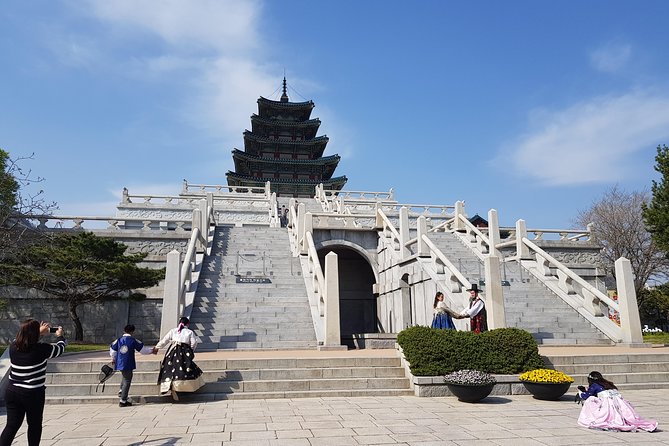
The guide is the most important variable here. The strongest guide comments describe people who do more than recite dates. AJ was praised for deep knowledge, warm humor, picture-taking help, and storytelling that made palace life easier to picture. Katie was repeatedly described as punctual, organized, and full of useful recommendations. Grace was praised for a pleasant manner and clear explanations of palace history.
Other guides received similar approval. Chloe was described as energetic and committed to making the places come alive. Lizzy was noted for kindness, humor, and practical help. Jun was praised for polite English, patience, and thorough explanations. Rebecca kept a group engaged even in heavy rain, answered questions, and helped with photos.
That range of comments tells you what this tour does best when it is working properly: it turns a fast route into a readable story. A good guide also watches the group, keeps people together, and helps when someone is upset or needs extra assistance.
There is less consistency in the lower-rated experiences. One person felt the guide provided little information and that public transport would have been cheaper. That criticism is fair. The palace and temple are accessible sights, and you can visit them independently for less money if you are comfortable researching the context and arranging transport yourself.
Is $40 a good value?
At $40 per person, the tour offers a reasonable convenience package. You receive hotel pickup, an English-speaking local guide, air-conditioned transport, and admission. For a first morning in Seoul, those elements save planning time and help you connect the sights into one story.
The value is strongest when you are staying outside the central historic area, have only a short visit, or want a guide to explain what you are seeing. It is also useful for people who prefer not to navigate Seoul’s transport system on their first day.
The value is weaker if you are staying near Gyeongbokgung, enjoy self-guided museum visits, or dislike fixed schedules. You will have only brief periods at the folk museum and temple, and the ginseng stop reduces the amount of time devoted to the main sights.
I would compare the price not only with admission costs, but with the cost of your time. You are paying for someone else to organize the morning and provide historical context. You are also accepting a group itinerary and a shopping stop.
Who should book this Seoul morning tour?
I think this tour suits a first-time visitor who wants a quick cultural foundation. You see a royal palace, a folk museum, and a working Buddhist temple in one morning, with enough explanation to make later independent sightseeing more meaningful.
It is also a good match for you if:
- You want hotel pickup and air-conditioned transport.
- You have only a half-day available.
- You prefer a guide to explain Korean history and customs.
- You are comfortable with moderate walking and a brisk schedule.
- You do not mind ending near City Hall instead of returning to your hotel.
I would look elsewhere if your priority is slow palace exploration, extended museum time, or a shopping-free itinerary. Independent visits may cost less and give you more control, though you will need to arrange the transport and find your own explanations.
Free cancellation is available when you cancel at least 24 hours before the start time. After that cutoff, refunds are not available, and late changes are not accepted.
Final call: book it for orientation, not depth
Book this tour if you want an efficient introduction to Seoul’s royal, folk, and Buddhist traditions, and if hotel pickup is worth paying for. The best guides bring the sites to life, and the combination of Gyeongbokgung and Jogyesa gives you two very different sides of Korean culture.
Skip it if the ginseng-center sales stop would sour the morning or if you want to linger at the palace. For everyone else, $40 is a sensible price for a guided first look, provided you treat the tour as an orientation and save extra time for returning to the sights that catch your interest.
FAQ
How long does the Korean Palace and Temple Tour last?
The tour lasts approximately three hours and 30 minutes.
What time does the tour start?
The stated start time is 8:30 a.m.
Is hotel pickup included?
Yes. Pickup from your Seoul hotel is included. Hotel drop-off is not included, and the tour ends near City Hall.
Which main sights does the tour visit?
The tour visits Gyeongbokgung Palace, the National Folk Museum of Korea, and Jogyesa Temple. It also passes the Blue House and includes a stop at a ginseng center.
Is admission included in the price?
Yes. Admission fees are included, along with an English-speaking local guide and transport in an air-conditioned vehicle. Food and drinks are not included.
How much walking is involved?
A moderate amount of walking is involved, particularly at Gyeongbokgung Palace. Comfortable walking shoes are recommended.
Recently added around Seoul
- Nami & Maple Road & Theatre des Lumieres Day Tour from Seoul★ 4.8 · 4 reviews
- Gyeongbokgung Palace Photo Session with your own phone★ 5.0 · 4 reviews
- Private Tour around Suwon UNESCO Fortress and Korea Folks Village★ 4.5 · 4 reviews
- N Seoul Tower + Namsan Cable Car Ticket (Collect in Myeongdong)★ 3.5 · 4 reviews
- Jisan Forest Resort: Ski Full-Day Tour or Shuttle from Seoul★ 5.0 · 4 reviews
- Seoul: Deoksugung Palace Night Tour★ 4.5 · 4 reviews
- Seoul Private Walking Tour with a Local★ 5.0 · 4 reviews
- Private Jeonju Hanok Village – Culinary tour★ 5.0 · 4 reviews
Gyeongbokgung Palace Tours, compared.
Best Seoul City Tour (Gyeongbokgung Palace,Insadong,Namsan Tower)
Read the review →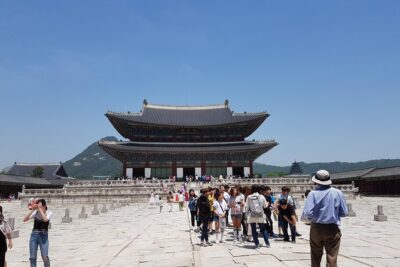
Seoul City Sightseeing Tour Including Gyeongbokgung Palace, N Seoul Tower, and Namsangol Hanok Village
Read the review →
Hanbok Photoshoot and History Tour at Gyeongbokgung Palace
Read the review →
Korean Palace and Market Tour in Seoul Including Insadong and Gyeongbokgung Palace
Read the review →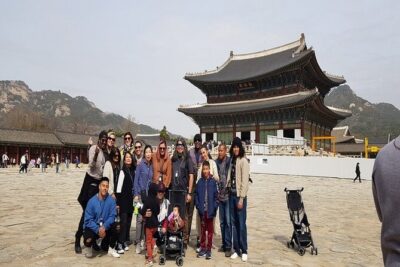
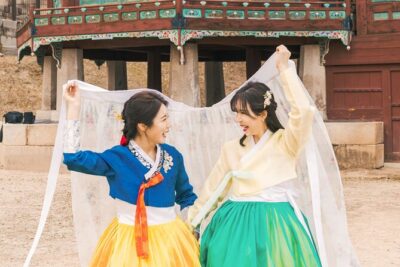
Gyeongbokgung Palace Hanbok Rental Experience in Seoul
Read the review →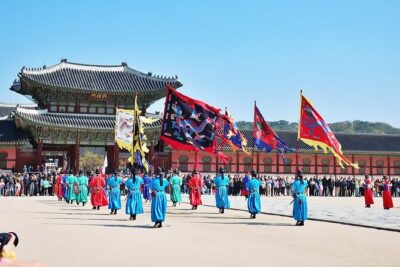
Small-Group Seoul Tour with Gyeongbokgung Palace (hotel pick-up)
Read the review →Browse the lists this tour appears in