
Reviewed · KOREAN FOLK VILLAGE TOURS
Hwaseong Fortress and Korean Folk Village Tour from Seoul
Hwaseong Fortress gives this day trip its real punch. Built in the late 18th century by King Jeongjo, its walls, gates, towers, and mountain setting offer a clear look at Joseon-era military design and royal ambition. I like the comfortable small-group coach and the chance to pair a serious historic site with the more hands-on Korean Folk Village.
I also like having an English-speaking guide to explain why the fortress was built and what you are seeing inside the village. Guides such as Richard have been praised for clear explanations, practical Seoul tips, and thoughtful care. The main catch is that the day can feel rushed, and the guide quality may vary. Lunch is described as part of the day’s flow, but the current terms say food is not included, so budget for it separately.
Key points to know before booking
- A two-part Joseon experience: See real fortress walls in Suwon, then explore restored homes, craft workshops, and performances at the Korean Folk Village.
- Small group transport: The tour has a maximum of nine people and uses a climate-controlled coach or van.
- Useful guide support: Richard has received especially strong praise, though one account found the fortress explanation too basic.
- Lunch costs extra: Plan to buy bibimbap or another Korean dish at the village market.
- Expect walking: The day calls for moderate physical fitness, with outdoor walking at both major stops.
- Return details matter: Pickup is offered from your Seoul hotel, while the included drop-off is specified as Myeongdong Station.
Why this pairing works from Seoul
Suwon sits about 30 kilometers from Seoul, far enough that transport saves you the trouble of arranging buses or trains and working out the fortress on your own. The road trip also gives your guide time to set the scene for the day.
The two stops have different strengths. Hwaseong Fortress is an actual historic defensive complex, built between 1794 and 1796. The Korean Folk Village is a recreated cultural site, with more than 260 traditional houses restored to show daily life in the late Joseon period. One gives you grand architecture and royal purpose. The other shows household objects, customs, crafts, and performances.
That contrast is useful. If you visited only the folk village, you could come away with a pleasant but somewhat staged picture of old Korea. If you visited only the fortress, you would see the bones of Joseon power but less of ordinary life. Together, the sites give you both ends of the story.
The tour lasts about eight hours, so this is a full day rather than a quick side trip. The overall rating is 3.8 from nine recorded ratings, which points to a generally enjoyable experience with some inconsistency in guiding and pacing. I would book it for convenience and coverage, not because it promises a perfectly tailored private tour.
More Korean Folk Village Tours in Seoul:
- Seoul: Suwon Hwaseong Fortress & Korean Folk Village Tour
★ 4.7 · 214 reviews - Korean Folk Village and Suwon Hwaseong Fortress Day Tour(EG Tour)
★ 4.5 · 80 reviews - Seoul: Suwon Hwaseong, Folk Village, & Starfield Library
★ 4.8 · 55 reviews
Walking the walls of Hwaseong Fortress
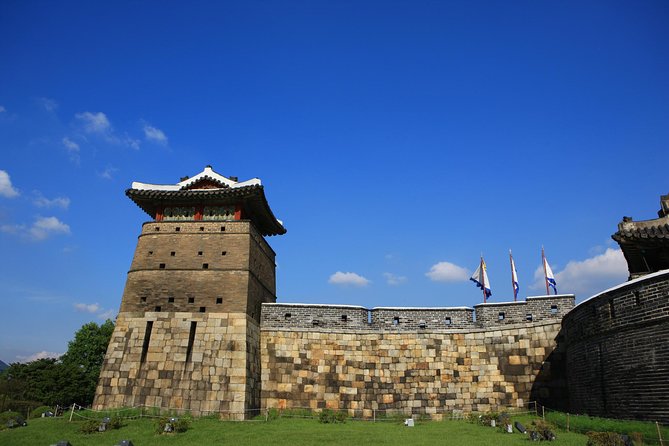
Hwaseong Fortress is the morning’s strongest stop. Suwon was one of four main regional government centers during the Joseon dynasty, and the fortress was built to protect the city. King Jeongjo also intended it to honor his father and support a new city with its own economic strength.
That backstory gives the stonework more meaning. You are not simply looking at old walls. You are seeing a royal project tied to family duty, military planning, and urban development.
Your guide leads you around sections of the fortified walls, stopping at gates and artillery towers. The site includes defensive structures and battlements, with Paldalsan Mountain at the center. The walls are listed as stretching 5,700, though the supplied tour information does not clarify the unit. You will see only a section during the one-hour visit, not every part of the complex.
The fortress received UNESCO World Heritage status in 1997 for its historic value. That designation matters, but the setting matters just as much. The walls give you open views and a sense of how the city’s defenses fit the terrain. Bring shoes suitable for walking and be ready for outdoor conditions.
One hour is enough for an introduction, especially with transport and another major stop later in the day. It is not enough for a slow, independent circuit of the entire fortress. If you like lingering over architecture, taking photos, or walking every wall section, you may wish for more free time.
The guide makes a big difference here. Richard has been singled out for explaining the fortress clearly and looking after the group. Another account found the guide friendly but lacking solid information about Hwaseong. That is an important distinction: the site itself is excellent, but your understanding of it depends heavily on who leads the morning walk.
Ask questions as you go. The construction dates, King Jeongjo’s plans, the gates, and the artillery towers give the guide plenty to work with. If your guide moves quickly, asking about the purpose of each structure may help slow the visit to a useful pace.
Lunch at the Korean Folk Village market
After Hwaseong Fortress, the coach continues to the Korean Folk Village. The day’s description directs you to the traditional market for a Korean-style lunch, with bibimbap suggested as the classic choice.
Bibimbap is a practical midday meal for this kind of tour: rice, vegetables, and meat combined in one bowl. You can also find Korean rice cakes and traditional liquor, but those cost extra. Since the inclusion details specifically say food and drinks are not included, bring money or a suitable payment method for lunch and any snacks.
There is a small inconsistency in the tour information. The general description says a typical Korean lunch is included, while the detailed inclusion section says lunch is not included. Treat the meal as your own expense unless the operator confirms otherwise before departure. That simple check avoids an awkward surprise at the market.
The market is more than a place to eat. It helps connect the reconstructed homes and cultural displays with food traditions. Still, keep an eye on the clock. You have a large site to explore afterward, and the day is structured around a return coach rather than open-ended wandering.
Inside the Korean Folk Village
The Korean Folk Village opened in 1974. Its purpose is to present traditional culture from the late Joseon period through restored homes, household items, seasonal customs, shaman practices, and craft demonstrations.
This is the more accessible stop for most people. You can walk through traditional houses, look at domestic objects from different regions, and watch artisans work with materials such as pottery, baskets, bamboo, paper, brass, fans, musical instruments, and embroidery.
I like the fact that the craft workshops give the visit a working quality. You are not only looking at buildings behind barriers. You might see how traditional goods were made, which helps explain why the homes contain the objects they do.
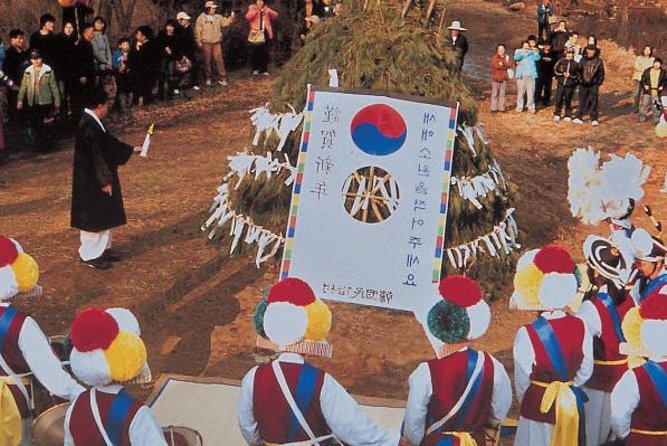
The village also schedules cultural performances. Nongak, or farmer’s music, is one example. Depending on the season, you might also see martial arts on horseback, a traditional wedding ceremony, jultagi tightrope acrobatics, or other special events.
Schedules can change. One account found that performances had been canceled, while another felt the guide hurried past the shows. If a performance matters to you, check the day’s program as soon as you arrive and tell your guide that you want time to watch it.
The village is family-friendly and includes 15 amusement attractions, though the tour’s main focus is the cultural side. You can also find seasonal programs, including an event called Welcome to Joseon in May. The supplied information does not promise that any one performance or event will run on your date, so think of the shows as a possible bonus rather than the central guarantee.
The site is large enough to reward curiosity. You could spend much longer than the allocated visit examining homes and workshops. The tradeoff is that this organized excursion gives you only a guided introduction. One person who took a private version would have preferred more time to shop or wander independently. That is a fair criticism for anyone who dislikes being moved from one sight to the next.
More day trips out of Seoul:
- Best DMZ Tour Korea from Seoul (Red Suspension Bridge Optional)
★ 5.0 · 41,422 reviews - DMZ Tour: 3rd Tunnel, Option(Suspension Bridge, Boat) from Seoul
★ 5.0 · 21,373 reviews - DMZ tour south Korea from Seoul (NK experience hall, defector)
★ 5.0 · 20,599 reviews - Thrilling Korean DMZ 3rd Tunnel Tour from Seoul + Red Bridge Rush
★ 5.0 · 3,097 reviews
Transport, group size, and the daily rhythm
Pickup begins around 8:30 a.m. from your Seoul hotel. The coach or van is climate-controlled, and transport is one of the tour’s clearest benefits. Suwon is outside central Seoul, and the Folk Village is farther on, so arranging both stops independently would require more planning.
The maximum group size is nine people. That is small enough for a more personal feel than a large sightseeing bus, though the experience may be private or nearly private depending on bookings. One recorded outing had only two people, which can make the day feel flexible, but it also means the guide’s strengths and weaknesses become more obvious.
The return information needs attention. The overview refers to hotel transport, but the included services specifically name drop-off at Myeongdong Station. Confirm the final drop-off point before booking if returning directly to your hotel is important.
The schedule begins with Hwaseong Fortress, moves to the Folk Village after lunch, and ends with the return to Seoul. Weather can affect the day. Rain shortened one outing, and both sites involve outdoor walking, so a light rain layer and sensible footwear are good ideas.
The tour requires moderate physical fitness. You do not need to be an athlete, but you should be comfortable walking around a historic fortress and a broad cultural park. The one-hour fortress visit may include uneven ground, gates, walls, and inclines connected with Paldalsan Mountain.
What the $91 price really buys
At $91 per person, the main value is convenience. You receive hotel pickup, round-trip transport for the main route, an English-speaking guide, and admission to both attractions. For a first visit to Seoul, that removes several decisions from the day.
The price is less compelling if you want long periods of free time. The fortress visit is about one hour, and the Folk Village is also listed as about one hour in the stop details, although the overall afternoon schedule may allow more time around the visit. The supplied timing is not perfectly clear, so ask how much time is actually allocated at the village.
Lunch is another cost to add. Bibimbap, rice cakes, drinks, and traditional liquor are not covered according to the detailed terms. You should also treat shopping and any optional food as extra.
I see the tour as good value for a visitor who wants an organized introduction to Suwon and traditional Korean culture without managing transport. It is weaker value for someone who has already visited Seoul’s major historic sites and wants a slow, specialist-led architectural study.
Which guide experience should you expect?
The best reports focus on the guide’s personal care and practical help. Richard is praised for explaining Hwaseong Fortress well, responding to needs, and offering suggestions about Seoul and Korean food. That kind of local advice can make the day more useful than a string of memorized dates.
But you should not assume every guide will deliver the same depth. One account describes a friendly, talkative guide who knew little about the fortress and offered only basic cultural information at the Folk Village. Another account says the guide was too eager to move on while performances were available.
That variation is the tour’s biggest weakness. If you care deeply about Joseon architecture or want detailed historical interpretation, a specialist guide or a private custom tour may suit you better. If you mainly want transport, entry, orientation, and a pleasant day outside Seoul, the risk is smaller.
A useful approach is to tell the guide early what interests you most. Ask for fortress history if that is your priority, or ask to stop for a full performance if the Folk Village is your main reason for booking. The group size should make such a request easier than it would be on a large bus.
Who should book this day trip?
I would recommend it to first-time visitors who want more than Seoul’s palace district but do not want to solve the transport puzzle alone. It also suits visitors interested in Joseon architecture, traditional homes, Korean food, craft production, and cultural performances.
Families may appreciate the mix of open space, shows, workshops, and optional amusement attractions. Older visitors should consider the moderate fitness requirement and the amount of walking. Anyone sensitive to weather should remember that rain can cut the outdoor program short.
I would hesitate if you want a relaxed day with plenty of independent time. The schedule covers two sizeable attractions, and several accounts point to hurried pacing. I would also hesitate if you need a guaranteed expert lecture at Hwaseong Fortress, since the guide’s historical depth may vary.
The tour accepts travelers aged three and older at the adult rate, with children two and under excepted. A minimum of two people is required, and the operator may cancel if that minimum is not met. Free cancellation is available up to 24 hours before the start time, but late cancellations and changes are not refunded or accepted.
Should you book it?
Book this tour if you want an easy, full-day introduction to Suwon and late Joseon culture, with transport and entry arranged for you. The strongest reasons are the excellent setting of Hwaseong Fortress, the variety of the Folk Village, and the small vehicle size.
Before paying, confirm two points: who will guide your date, and whether lunch and hotel return are included. The supplied details conflict on both the meal and the final drop-off. If you are happy to pay for lunch, return to Myeongdong Station, and accept a brisk schedule, $91 is a reasonable price for the coverage.
If you want deep historical detail, guaranteed performances, or hours to explore at your own pace, choose a more flexible private outing instead. This is a practical overview of two worthwhile places, not a slow study tour.
FAQ
How long is the Hwaseong Fortress and Korean Folk Village tour?
The full experience lasts about eight hours, including the morning fortress visit, the afternoon Folk Village visit, and transport from Seoul.
What time does the tour start?
The stated start time is 8:30 a.m.
Is hotel pickup available?
Yes. Hotel pickup service in Seoul is included.
Where does the tour end?
The included services specify drop-off at Myeongdong Station. Confirm the final arrangement if you need to return directly to your hotel.
Is lunch included in the price?
The detailed terms say food and drinks are not included. The day’s description suggests eating bibimbap at the Folk Village market, so plan to pay for lunch unless the operator confirms otherwise.
What food can I buy at the Korean Folk Village?
The market offers Korean dishes such as bibimbap. You can also buy Korean rice cakes and traditional liquor for an additional cost.
Are admission tickets included?
Yes. Admission to Hwaseong Fortress and the Korean Folk Village is included.
Is the tour suitable for people with limited mobility?
The tour requires a moderate physical fitness level. It includes walking at both sites, so anyone with mobility concerns should confirm suitability with the provider.
How many people can join the tour?
The maximum group size is nine people. A minimum of two people per booking is required.
What is the cancellation policy?
You can cancel at least 24 hours before the start time for a full refund. Cancellations or changes made less than 24 hours before the start time are not accepted or refunded.
Recently added around Seoul
- Nami & Maple Road & Theatre des Lumieres Day Tour from Seoul★ 4.8 · 4 reviews
- Gyeongbokgung Palace Photo Session with your own phone★ 5.0 · 4 reviews
- Private Tour around Suwon UNESCO Fortress and Korea Folks Village★ 4.5 · 4 reviews
- N Seoul Tower + Namsan Cable Car Ticket (Collect in Myeongdong)★ 3.5 · 4 reviews
- Jisan Forest Resort: Ski Full-Day Tour or Shuttle from Seoul★ 5.0 · 4 reviews
- Seoul: Deoksugung Palace Night Tour★ 4.5 · 4 reviews
- Private Jeonju Hanok Village – Culinary tour★ 5.0 · 4 reviews
- Seoul Private Walking Tour with a Local★ 5.0 · 4 reviews
Korean Folk Village Tours, compared.
Suwon Hwaseong Fortress & Korean Folk Village Tour
Read the review →
Korean Folk Village and Suwon Hwaseong Fortress Day Tour(EG Tour)
Read the review →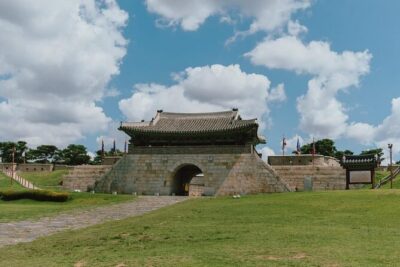
Hwaseong Fortress/Folk Village/Starfield Library Suwon
Read the review →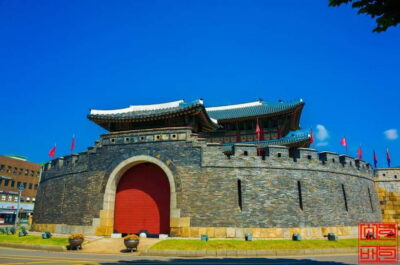
Suwon Hwaseong, Folk Village, & Starfield Library
Read the review →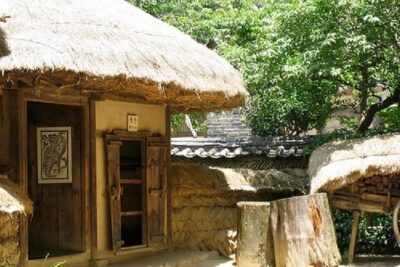
Namhansanseong UNESCO Historical Sites and Korean Folk Village-Private Tour
Read the review →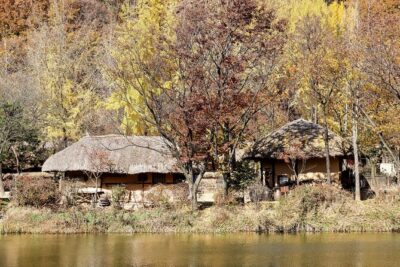
Private Day Trip to Korean Folk Village and Hwaseong Fortress
Read the review →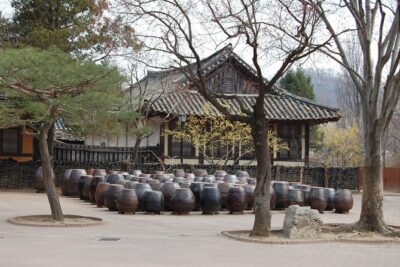
Browse the lists this tour appears in