
Reviewed · SEOUL TOURS
From Forest to Table: A Hansik Cooking Journey in Seoul
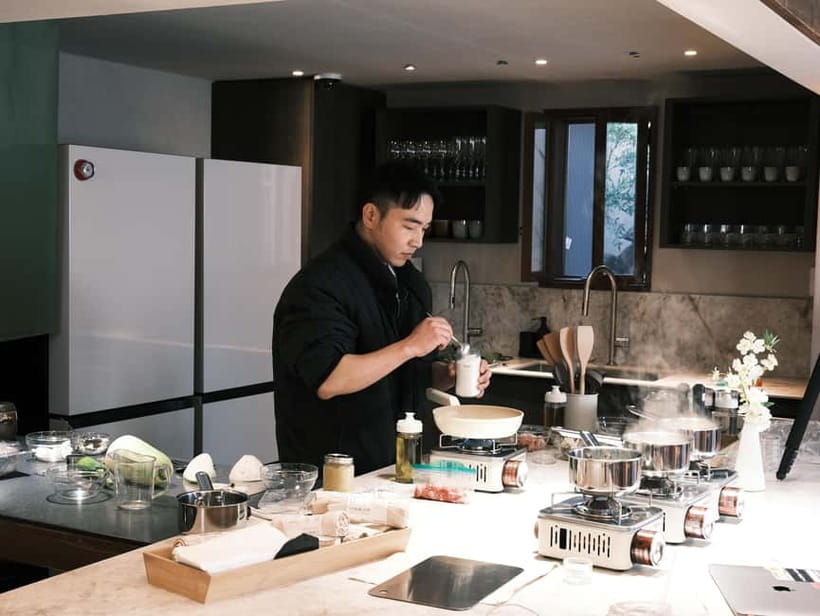
Korean home cooking is the heart of this 210-minute class. At Soop Table, Woody leads you through four side dishes, bibimbap, soup, and a main dish you choose yourself. I like the calm, beautifully designed studio, and I like that each person can pick a different soup and main instead of being locked into one menu. The host also grills samgyeopsal for the table, a welcome bonus when you are already busy at the stove.
The main limitation is dietary: this is not suitable for vegans, vegetarians, children under 10, or people with food allergies. You should also arrive ready for a full meal, not a quick demonstration. By the end, you will have eaten a lot.
Key points at a glance
- Choose your own soup and main dish: Each person selects from available options, so a family or small group can explore several Korean dishes.
- Cook a complete meal: You prepare four side dishes, bibimbap, soup or stew, and your chosen main from scratch.
- Woody teaches in English: His calm, patient approach suits both beginners and people with some cooking experience.
- Samgyeopsal is cooked for you: The host grills Korean pork belly and serves it with seasonal ssam vegetables for lettuce wraps.
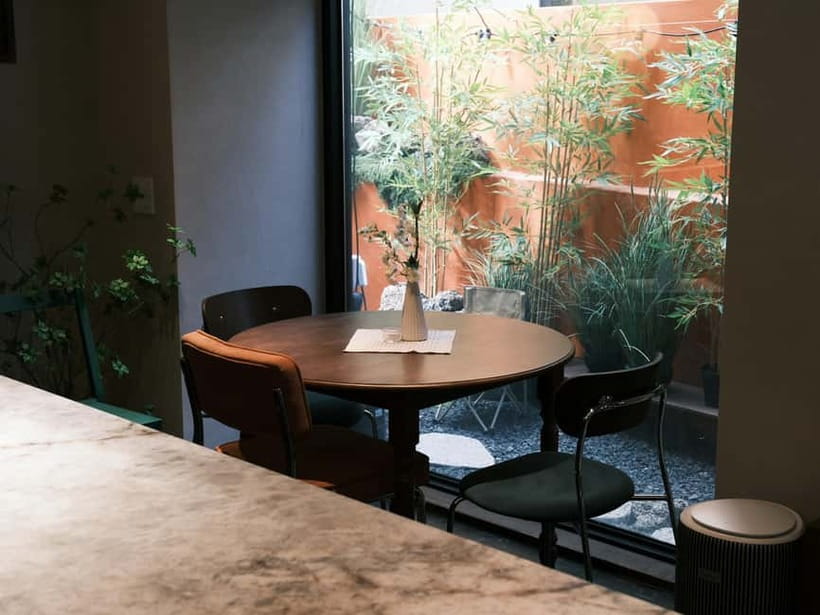
- A peaceful Hanok-inspired setting: The clean, cozy studio uses soft music and a relaxed layout rather than a loud classroom feel.
- You leave with recipes and a small gift: A digital recipe is sent by photo after class, and a souvenir is included.
A Korean cooking class built around choice
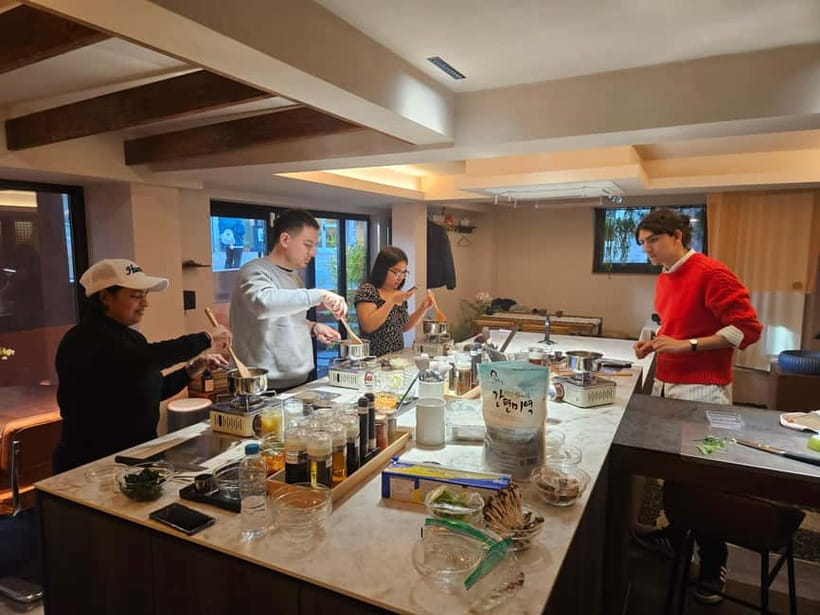
Many cooking classes hand you a printed menu and march everyone through the same recipe. Soop Table takes a more personal route. Each person chooses a main dish and a soup or stew from the available options, with three choices mentioned for each category in the class details and individual accounts.
That matters if you are visiting with family or friends who have different tastes. One person can focus on bulgogi, another can choose dakgalbi, and someone else can try a different Korean specialty. You then taste across the table, which gives you a broader sense of Korean cooking than preparing one dish alone.
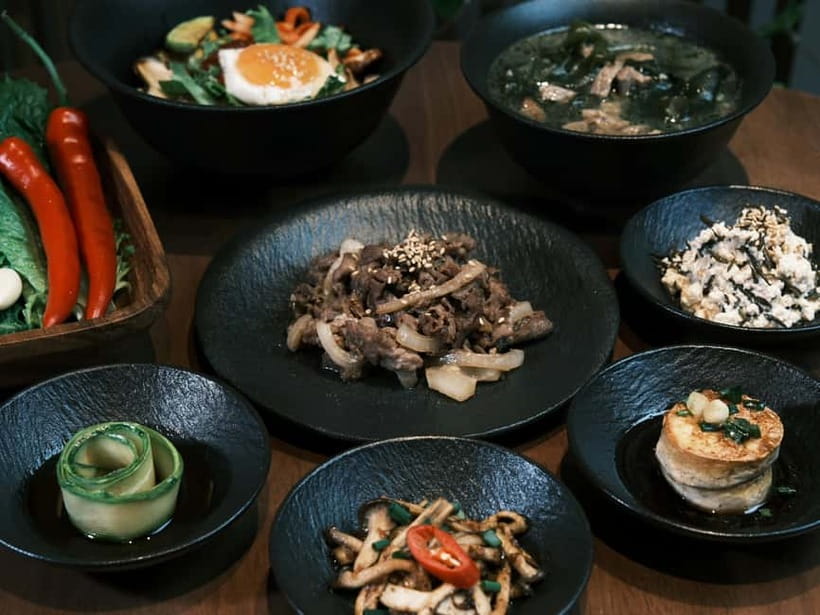
The class still has a shared backbone. Everyone works on four side dishes and a carefully plated bibimbap. The meal feels like a proper Korean table, with several small plates, rice, soup, a main dish, pork belly, vegetables, and dessert. You are not just learning a single recipe for lunch.
Woody’s teaching style is especially useful for mixed-ability groups. A family with a 14-year-old found the instruction easy to follow, while another group included someone studying culinary arts alongside complete beginners. The pace remained patient rather than competitive. That is important in a class with several recipes in motion.
More Cooking Classes in Seoul:
- Local Home Korean Cooking Class & Market Adventure in Seoul
★ 5.0 · 1,024 reviews - Master Korean traditional cooking with a Kimchi chef
★ 5.0 · 385 reviews - Seoul: Korean Cooking Class at a Local Home and Market Tour
★ 5.0 · 348 reviews
Entering Soop Table in Seoul
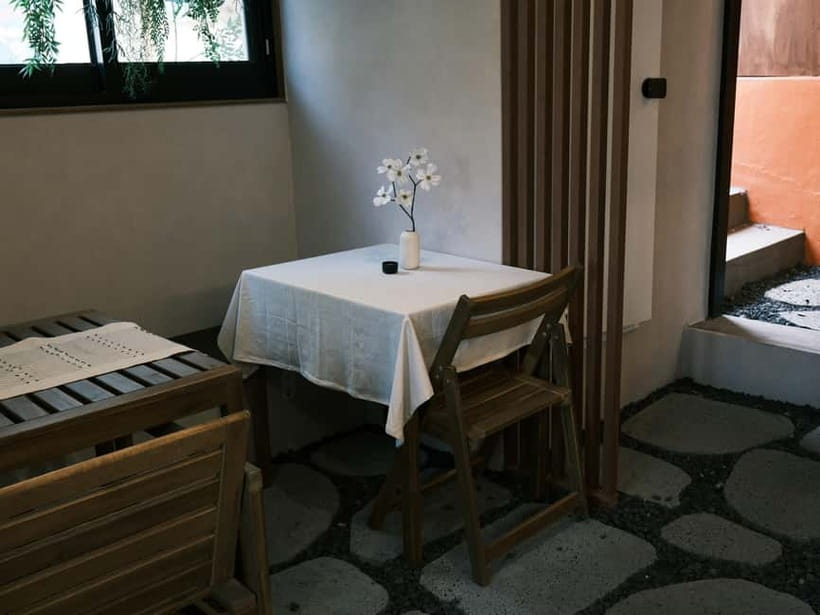
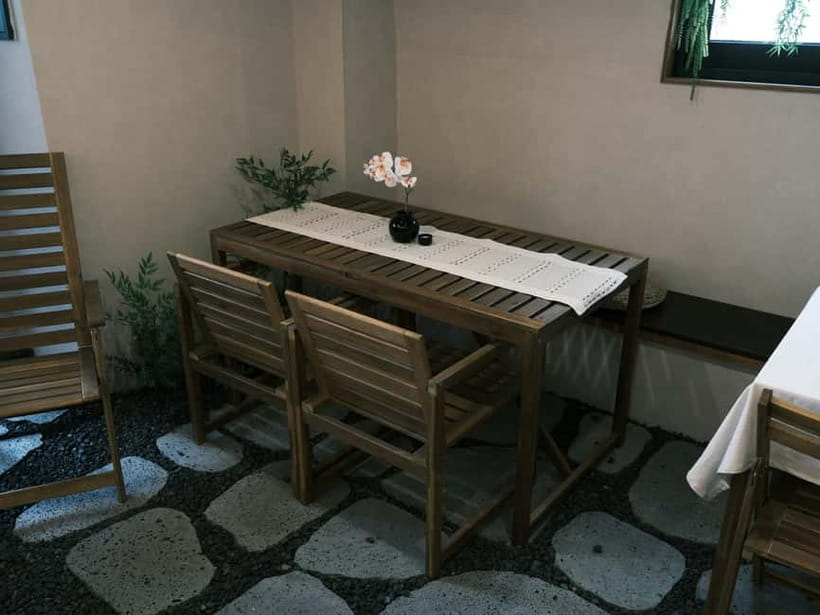
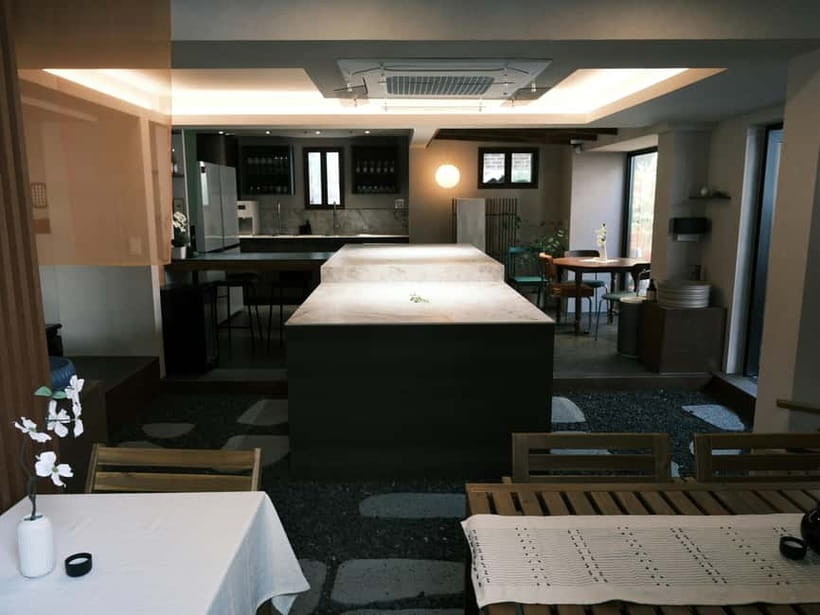
The meeting point is Soop Table, The Hansik Atelier. The studio is Hanok-inspired, warm, and carefully arranged for cooking. You will use the supplied apron, tools, and ingredients, so you do not need to arrive with equipment or a special kitchen kit.
The setting is part of the appeal. The room is described as modern, spotlessly clean, and designed by Woody himself. Soft background music and a Korean-style interior give the class a quieter mood than the typical large cooking school. You can expect a compact group of no more than eight participants, which leaves room for questions and individual guidance.
Start with comfortable clothes. You will be cooking for several hours, and practical clothing is more useful than anything dressy. Transportation is not included, so you need to make your own way to the studio. The exact starting times depend on availability when you book.
Tea and a short introduction to Korean food
The session begins with traditional Korean tea. This is not a long lecture, and that is a good thing. You get a gentle introduction to Korean food culture before the knives, cutting boards, and cooking heat take over.
Woody grew up learning from his mother, a respected Korean food artisan. He later traveled across all six continents, exploring food and culture before returning to Seoul to open this cooking experience. That background gives him useful perspective: he can explain Korean customs while also understanding the questions that visitors bring to the table.
I would pay attention during this opening. Korean food depends on more than a list of ingredients. The meal works through balance: rice with seasoned vegetables, soup with a main dish, and small side dishes that add different tastes and textures. The class gives you a chance to see how those parts fit together in a home-style meal.
The English instruction is included, with Korean also available. Translation in other languages is not offered, so you should be comfortable following a class in English if that is your chosen language.
Four side dishes and a meal with variety
The side dishes are a practical part of the class because they show how Korean meals gain variety without requiring one giant centerpiece. You prepare four of them, learning how ingredients are seasoned and handled rather than simply watching Woody do the work.
This is also where the class earns much of its value. A restaurant can introduce you to Korean flavors, but a cooking lesson helps you understand what creates them. Woody explains the main ingredients and traditional techniques as you work, and the preparation is designed for beginners.
The ingredients are fresh and prepared for the class. You use all cooking tools and ingredients on site, with Woody guiding you through each step. One useful feature is that you remain hands-on. This is not a demonstration where you sit back while an instructor makes the impressive parts.
The side dishes also give you something realistic to repeat at home. Four recipes may sound like a lot, but the digital recipe is sent afterward by photo. That makes the class more than a pleasant afternoon in Seoul. You have a record of what you made, though you may need to find Korean ingredients or suitable substitutes once home.
A few more Seoul half-days to weigh up
- Best DMZ Tour Korea from Seoul (Red Suspension Bridge Optional)
★ 5.0 · 41,422 reviews - DMZ Tour: 3rd Tunnel, Option(Suspension Bridge, Boat) from Seoul
★ 5.0 · 21,373 reviews - DMZ tour south Korea from Seoul (NK experience hall, defector)
★ 5.0 · 20,599 reviews - Seoul: DMZ Tour with Optional Suspension Bridge
★ 4.8 · 5,277 reviews
Build your own bibimbap bowl
Bibimbap is one of the most familiar Korean dishes outside Korea, but assembling it yourself adds useful context. You learn how separate ingredients come together in one bowl, then take time to plate it attractively.
The visual element is not just decoration. Bibimbap is meant to bring together color, vegetables, rice, seasoning, and often a central topping. Preparing your own bowl lets you adjust the arrangement and see how Korean food can be both practical and carefully presented.
The class includes bibimbap in addition to your selected main and soup. That makes the meal especially generous. If you are hoping to sample a broad range of Korean home cooking, this is one of the strongest parts of the schedule.
It also creates a nice choice for less confident cooks. You do not need advanced knife skills or restaurant experience. Woody’s instructions are step by step, and the class is intended for people starting from scratch.
Pick a main dish and soup that suit you
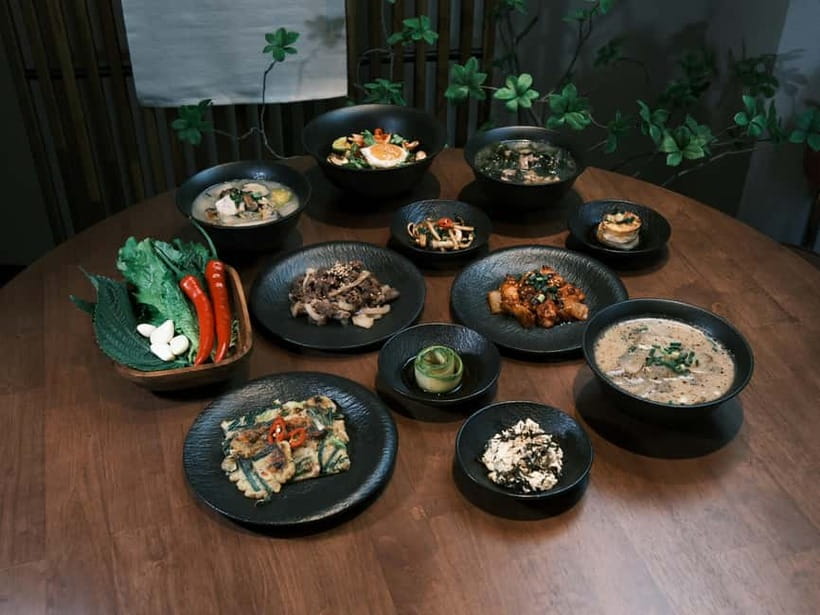
Your chosen main and soup are the most personal part of the experience. Available options include dishes such as bulgogi and dakgalbi, with three options noted for the main and soup categories. The exact menu can vary, so check the choices when you book or contact the provider if a particular dish matters to you.
I like this format because it avoids a common cooking-class problem: paying for a dish you already know you will not eat. It also lets a group compare dishes. You can taste a friend’s soup, ask about the technique, and leave with more than one idea for your own kitchen.
Woody is particularly good at keeping the instruction clear without making it complicated. The recipes are approachable, but the class still covers traditional cooking methods and culinary customs. One person described the bulgogi as among the best they ate during their time in Korea, but your results will depend partly on how closely you follow the steps and how comfortable you are in the kitchen.
Do not expect a private lesson for every person. The group can include up to eight people, and everyone may be working on different dishes. The advantage is variety and conversation. The tradeoff is that you may need to listen carefully and ask when you want extra help.
Samgyeopsal and ssam at the table
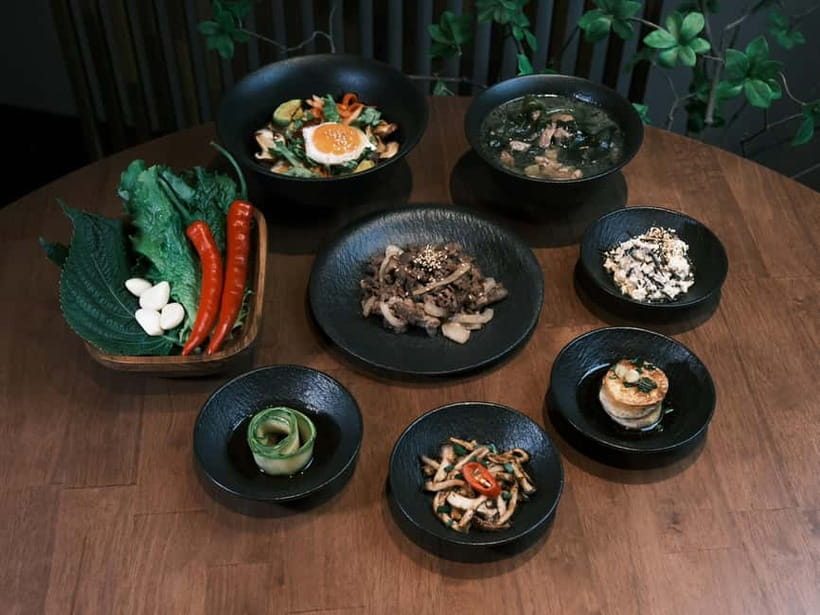
While you prepare the main meal, Woody personally grills samgyeopsal, Korean pork belly. It is served with fresh seasonal ssam vegetables, allowing you to wrap the meat in lettuce and eat it in the familiar Korean style.
This is a smart addition. It gives you a dish that is cooked by an experienced hand while you concentrate on your own recipes. It also adds a social part to the meal, since wrapping pork and vegetables is naturally shared and informal.
The pork belly is included, as is a glass of traditional Korean distilled liquor for adults. Filtered water is available during the meal. Extra alcoholic drinks are not included, so the experience is better understood as a food class with one traditional drink, not an evening drinking event.
If you avoid pork, this is a point to consider before booking. The activity is specifically described as unsuitable for vegans, vegetarians, and people with food allergies. The available information does not promise substitutions, so you should not assume that dietary changes can be arranged.
Sit down and eat what you made
After the cooking, you sit together and eat the meal at an unhurried pace. This shared table is where the separate tasks make sense: side dishes, soup, main dish, bibimbap, pork belly, ssam vegetables, and dessert form a complete Korean dining experience.
The meal is part of the class price, not an extra charge. That makes the afternoon feel substantial, especially in Seoul, where a full meal plus a three-and-a-half-hour guided activity can quickly cost more than expected. You also get the satisfaction of eating food you prepared yourself, which is different from simply visiting a restaurant.
A simple Korean dessert finishes the meal. In one session, hotteok was also prepared, but dessert details may vary, so I would not book solely for that particular sweet. The regular promise is a simple Korean dessert.
The pace is one of the better reasons to choose this class. You are not rushed out after taking a few bites. Time is set aside for conversation and appreciation, and Woody can share local food recommendations and his path from family cooking to opening the studio.
What the $89 price really covers
At $89 per person, this is not the cheapest way to eat Korean food in Seoul. A restaurant meal will cost less, and a market visit can give you quick bites for a fraction of the price.
The value comes from what is bundled together. You receive a welcome tea, English-guided instruction, fresh ingredients, apron and tools, a full shared meal, host-prepared samgyeopsal, ssam vegetables, one glass of Korean distilled liquor, dessert, filtered water, a digital recipe, and a small souvenir.
The menu is also unusually broad for a class of this length. Four side dishes, soup or stew, a chosen main, and bibimbap create a lot of food and instruction. You are paying for the meal, but also for the time, guidance, use of the studio, and recipes you can try again.
I see the strongest value for food-focused visitors, families with older children, and small groups who want an activity that combines eating with learning. It is less compelling if you only want a cheap lunch or if you dislike structured cooking.
The class allows free cancellation up to 24 hours ahead for a full refund. You can also reserve now and pay later, which helps if your Seoul schedule is still moving around.
Who should book this experience
I would recommend Soop Table to beginners who want clear instruction without being talked down to. The class also suits experienced home cooks, since you can ask about ingredients and techniques while trying several dishes.
Families should note the age limit: children under 10 cannot join. A 14-year-old enjoyed the class, so older children and teenagers may find it engaging, especially if they like hands-on activities.
This is a good pick for couples, friends, and families who enjoy eating together. The maximum group size of eight keeps the room small, but it is still a shared class rather than a private booking.
You should skip it if you are vegan, vegetarian, or managing a food allergy. The activity does not include food containers for leftovers, either. Since the meal is large, bring a healthy appetite and do not count on packing the extra food for later.
Practical tips before you go
Check the main and soup options before you commit if you have a particular Korean dish in mind. The menu offers choice, but the exact selection is not fully fixed in the information provided.
Wear comfortable clothes and expect to be active for several hours. Aprons are provided, but ordinary comfortable clothing is still the sensible choice.
Plan your route to Soop Table in advance because transportation is not included. The meeting point is clearly named, but the booking information does not include transfers.
Use the class as a chance to ask questions. Woody is known for sharing local recommendations, ingredient tips, and cooking guidance. If you are curious about Korean kitchen tools, ask during the session. One participant received help ordering tools to take home, though that kind of assistance is not listed as a formal inclusion.
The digital recipe arrives by photo after class. Save it somewhere useful before your holiday ends. A small souvenir is also included, while handmade craft items at the venue cost extra.
Final verdict: is Soop Table worth your time?
Book this experience if you want Korean food to become more than something you order. The combination of four side dishes, bibimbap, a chosen soup, a chosen main, host-grilled samgyeopsal, and dessert gives you a full afternoon of cooking and eating in a calm Seoul setting.
I especially like the personal menu choices and Woody’s patient teaching. The beautiful studio, small group, recipes, and souvenir add polish without taking attention away from the food.
The drawbacks are clear: $89 is a premium price for a meal, the class lasts 210 minutes, and the food restrictions are firm. But for a food-focused afternoon with hands-on instruction and plenty to eat, the price is reasonable. If you meet the dietary requirements and have the time, Soop Table is a strong choice for discovering the home-cooking side of Seoul.
FAQ
How long does the cooking experience last?
The experience lasts 210 minutes, or three and a half hours.
How much does the class cost?
The price is $89 per person.
Where does the class meet?
The meeting point is Soop Table, The Hansik Atelier, in Seoul.
What languages are available?
Instruction is available in English and Korean. Translation support in other languages is not included.
How many people can join the class?
It is a small-group experience limited to eight participants.
What food will I prepare?
You prepare four side dishes, bibimbap, one soup or stew, and one main dish of your choice. The host also prepares grilled samgyeopsal with seasonal ssam vegetables, and a simple Korean dessert is included.
Is the class suitable for dietary restrictions or young children?
The class is not suitable for vegans, vegetarians, people with food allergies, or children under 10.
Recently added around Seoul
- Gyeongbokgung Palace Photo Session with your own phone★ 5.0 · 4 reviews
- Private Tour around Suwon UNESCO Fortress and Korea Folks Village★ 4.5 · 4 reviews
- Nami & Maple Road & Theatre des Lumieres Day Tour from Seoul★ 4.8 · 4 reviews
- Seoul: Deoksugung Palace Night Tour★ 4.5 · 4 reviews
- Jisan Forest Resort: Ski Full-Day Tour or Shuttle from Seoul★ 5.0 · 4 reviews
- N Seoul Tower + Namsan Cable Car Ticket (Collect in Myeongdong)★ 3.5 · 4 reviews
- Private Jeonju Hanok Village – Culinary tour★ 5.0 · 4 reviews
- Seoul Private Walking Tour with a Local★ 5.0 · 4 reviews
Seoul Tours, compared.
Best DMZ Tour Korea from Seoul (Red Suspension Bridge Optional)
Read the review →
DMZ Tour: 3rd Tunnel, Option(Suspension Bridge, Boat) from Seoul
Read the review →
DMZ tour south Korea from Seoul (NK experience hall, defector)
Read the review →

DMZ The 3rd Tunnel and Suspension Bridge Tour
Read the review →
Signature DMZ Tour: Exclusive Defector Talk & Suspension Bridge
Read the review →
Thrilling Korean DMZ 3rd Tunnel Tour from Seoul + Red Bridge Rush
Read the review →
DMZ Past and Present: Korean Demilitarized Zone Tour from Seoul
Read the review →Browse the lists this tour appears in