
Reviewed · BUSAN TOURS
From Busan: Echoes of Silla Gyeongju Historical Day Tour
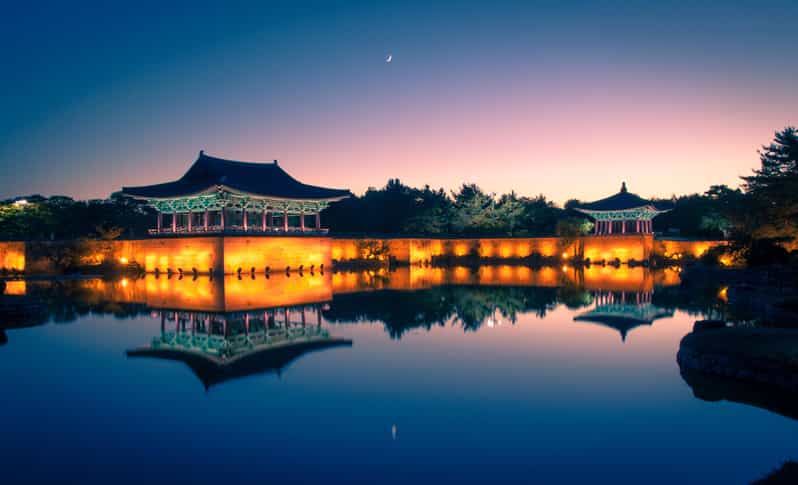
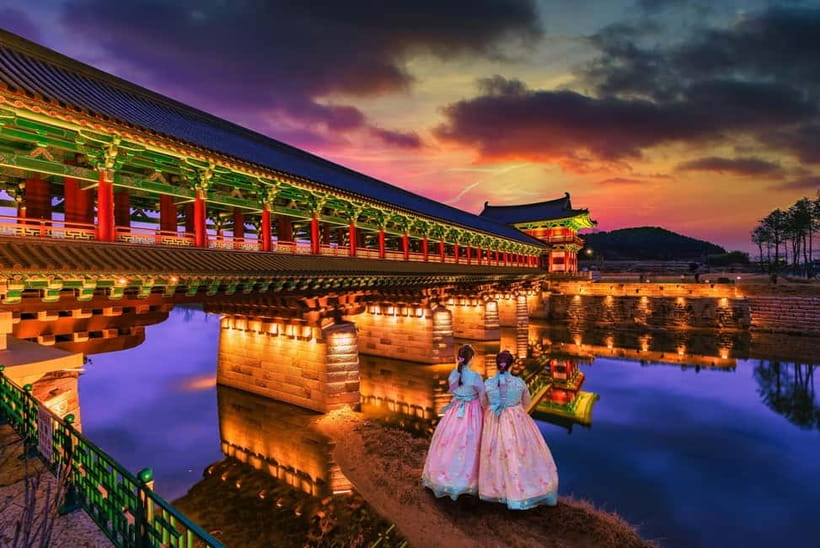
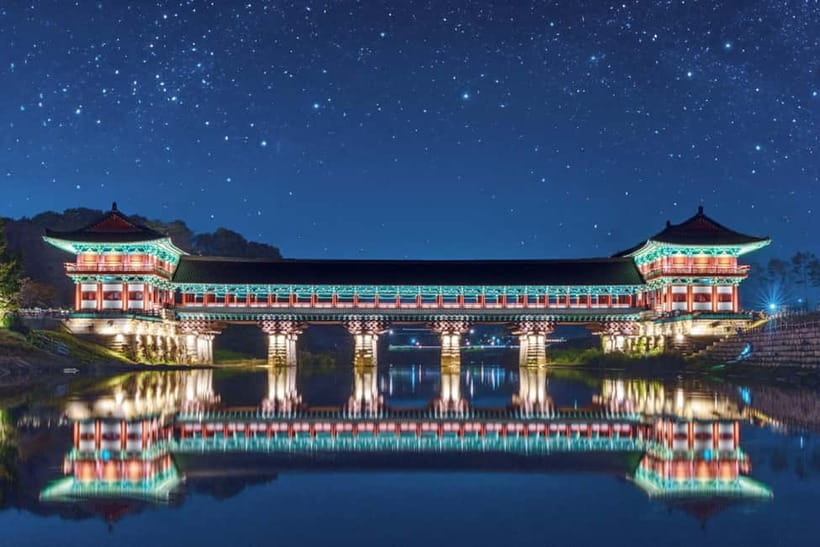
Gyeongju is where Korea’s Silla-era past feels close enough to touch, and this long day from Busan saves you the trouble of arranging several separate visits. The best part comes after sunset, when the lights of Donggung Palace and Wolji Pond ripple across the water and Woljeonggyo Bridge takes on a storybook look.
I like the smart route, which moves from Bulguksa Temple and traditional village streets to tombs, cafes, and evening monuments. I also like the guides’ practical care: guides such as Yoona, Lucy, Rico, Bobby, and Kang have been praised for clear history talks, photo help, toilet directions, and keeping everyone together.
The tradeoff is simple: this is a 12-hour day with a lot of time on the road. You will see far more than you could manage easily on your own from Busan, but the schedule can feel full, especially at the start or during heavy traffic.
Key points at a glance
- Six very different Gyeongju stops: Visit a Buddhist temple, old village, royal tomb complex, cafe street, palace pond, and historic bridge in one day.
- The evening finale is the star: Donggung Palace, Wolji Pond, and Woljeonggyo Bridge are timed for twilight and nighttime views.
- Three Busan pickup points: Choose KTX Busan Station Exit 1, Seomyeon Station Exit 12, or Haeundae Station Exit 5.
- Guided in English, Chinese, or Korean: The guide adds context at the major monuments and helps with meeting times and photo locations.
- Comfortable coach travel: The bus ride takes about 90 minutes each way, and several people specifically praised the comfortable seats.
- Good value at $64: Transport, staff, and Donggung and Wolji admission are included, while lunch and personal spending are extra.
Why this Busan to Gyeongju day trip works
Gyeongju was the capital of the Silla dynasty, and its sights are spread across a broad area rather than packed into one compact old town. That makes a guided coach trip useful. You can see the major locations without figuring out local transport between each one, and you get a guide to explain what you are looking at.
The route also has a nice rhythm. Bulguksa gives you temple architecture and gardens. Gyochon offers traditional homes and village life. Daereungwon shifts the focus to royal burial customs, while Hwangnidan-gil supplies cafes and small shops. The final two stops use darkness as part of the experience.
That variety is important. If you visited only temples and tombs, the day could feel like a string of monuments. Here, the village and cafe street break up the formal sights and give you room to walk at your own pace.
The tour has a rating of 4.8 from 55 reviews, with 93 percent of ratings giving the transport a perfect score. The strongest pattern is not one particular monument. It is the organization, timing, guide service, and comfortable coach. That matters on a full-day trip with several meeting points.
More Historical Tours in Busan
- From Busan: Gyeongju UNESCO World Heritage Guided Day Tour
★ 4.8 · 1,250 reviews - Gyeongju UNESCO World Heritage Guided Day Tour from Busan
★ 5.0 · 660 reviews - Old Korea Thousand History Tour of Gyeongju from Busan
★ 5.0 · 518 reviews
Starting in Busan and settling into the coach
You can meet the group at one of three places:
- KTX Busan Station Exit 1
- Seomyeon Station Exit 12
- Haeundae Station Exit 5
Your exact meeting point can depend on the option you book, so check the confirmation carefully. The operator has also been praised for sending clear meeting information in advance, including photographs of the meeting point in one case. That kind of help is useful when you are unfamiliar with Busan’s large stations.
The ride to Gyeongju takes about 1.5 hours. The return trip is listed at about 100 minutes, though traffic and weather can change the timing. This is not dead time. It gives you a chance to rest between walking stops, but you should still bring water, a phone charger, and comfortable shoes.
The coach is one of the quiet strengths of the experience. Several direct accounts describe it as very comfortable, with seats that allow you to recline. That makes a real difference when you are leaving early, walking through several historic sites, and returning to Busan after dark.
Infants can join free of charge, but no seat is provided for an infant. If you plan to bring a stroller or wheelchair, tell the operator in advance. The schedule and vehicle arrangements may need attention.
Bulguksa Temple: begin with Silla architecture
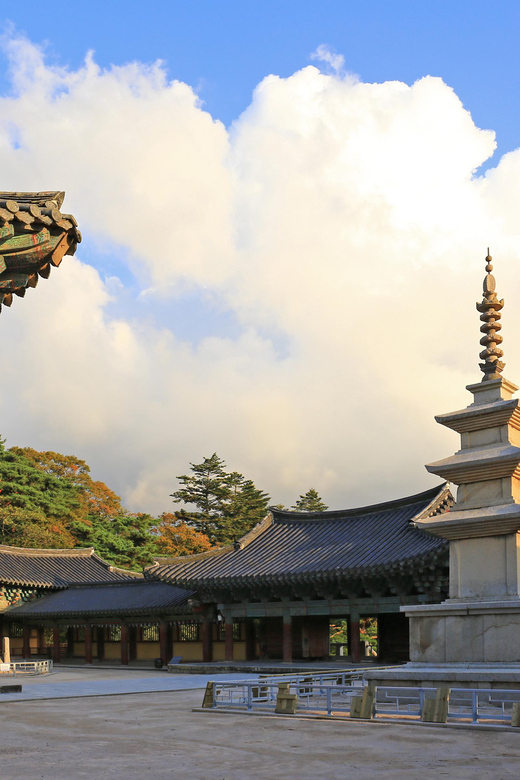
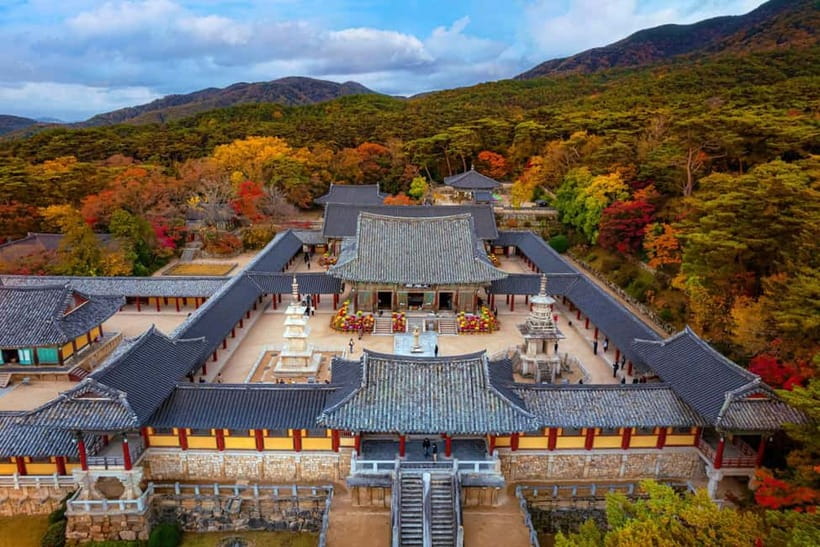
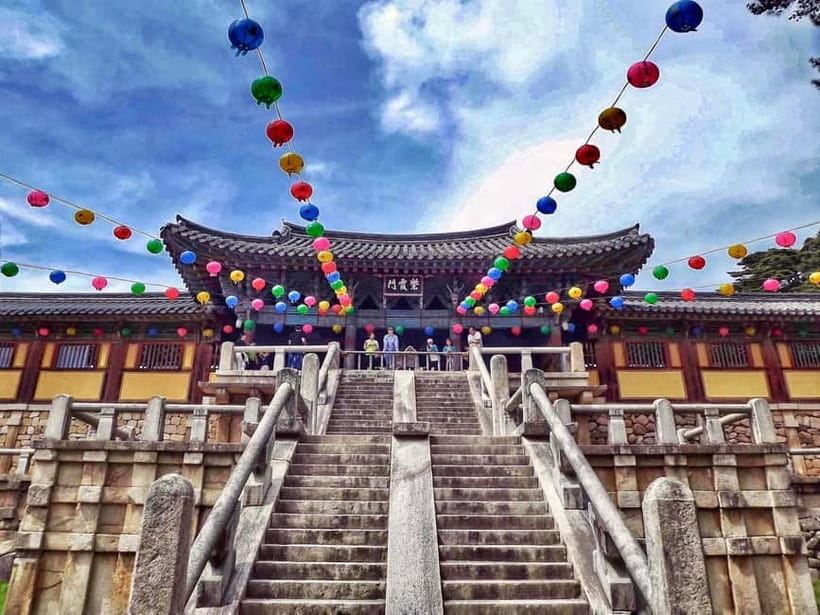
The first major stop is Bulguksa Temple, with about 80 minutes for a guided visit. The temple is a UNESCO World Heritage site and gives you the clearest introduction to Silla craftsmanship on this route.
Expect a calm start, with gardens and carefully built structures rather than a rushed list of photo stops. The setting gives the guide room to explain the temple’s religious and architectural meaning, while you can also take time to look at stone details and the surrounding grounds.
The 80-minute visit is enough for a useful first look, but it is not an exhaustive study of every corner. You will want to stay aware of the meeting time. The day has several later stops, and the guide needs to keep the group moving.
I would pay attention to the contrast between the temple’s formal stonework and its quieter garden areas. This is also a good place to wear shoes with a solid sole. Comfortable footwear is specifically recommended, and you will appreciate it before the day is over.
Lunch near Bulguksa, with the meal paid separately
Lunch lasts about one hour at a local restaurant. The food is not included in the $64 price, so plan for a separate meal budget and ask your guide about the available choices.
This arrangement has one advantage: you are not locked into a prepaid menu described in advance. A guide can explain the choices and help you get oriented. Bobby, one guide, was specifically praised for explaining food options and pointing out facilities at each stop.
The lunch break also gives you a needed pause before the walking resumes. Keep the meal reasonably efficient, since the afternoon includes three substantial areas and the evening sights are tied to the light.
A different way to spend a day from here:
- Busan: Gyeongju Guided Day Trip to Three Kingdoms Capital
★ 4.8 · 1,925 reviews - Small Group Full Day Busan Tour (Max 6 Pax)
★ 5.0 · 1,464 reviews - Busan Private Tour with licensed tour guide + private vehicle
★ 5.0 · 1,143 reviews - Busan: Coastal Treasures Beach Train, Culture Village & More
★ 4.7 · 832 reviews
Gyochon Traditional Village and the feel of old Gyeongju
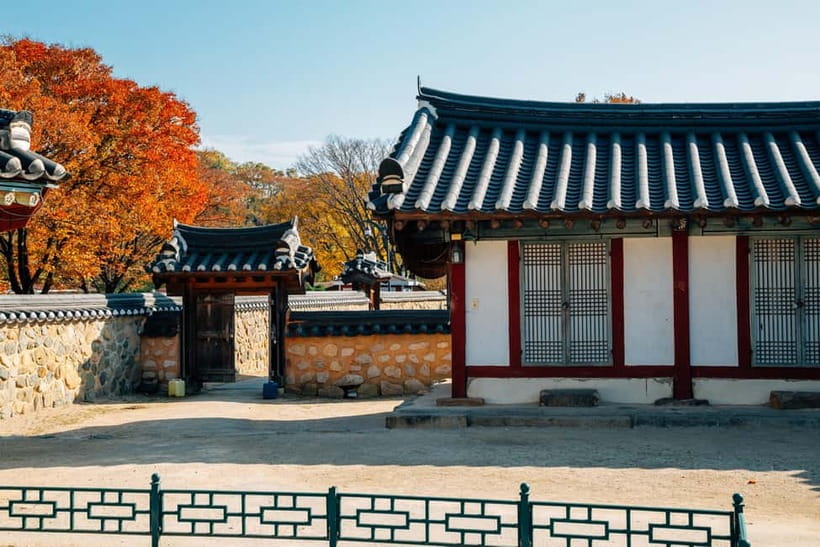
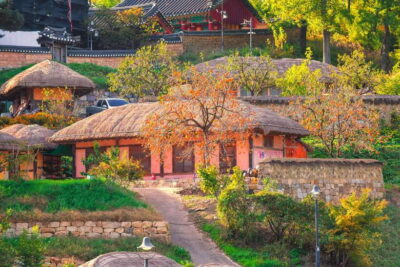
After lunch, you spend around 100 minutes at Gyeongju Gyochon Traditional Village. This is one of the best stops for understanding daily life rather than only royal or religious buildings.
The village is presented as a living museum of traditional customs and homes connected with Gyeongju’s old culture. You can expect a slower walk through traditional streets, with time to listen to the guide and look at the buildings without the grand scale of Bulguksa.
The long stop is welcome. One recurring strength of this tour is that guides give you free time instead of talking continuously from arrival to departure. You might walk with the guide for the main explanation, then split off briefly to take photographs or examine the village at your own pace.
This is also a good point to ask questions. Guides such as Victoria, Sunny, Yakin, Jun-a, and Kang were praised for adding small cultural details and answering questions clearly. The quality of a day like this depends heavily on how well the guide connects the buildings to ordinary life.
Daereungwon Tomb Complex: ancient burial mounds in the city
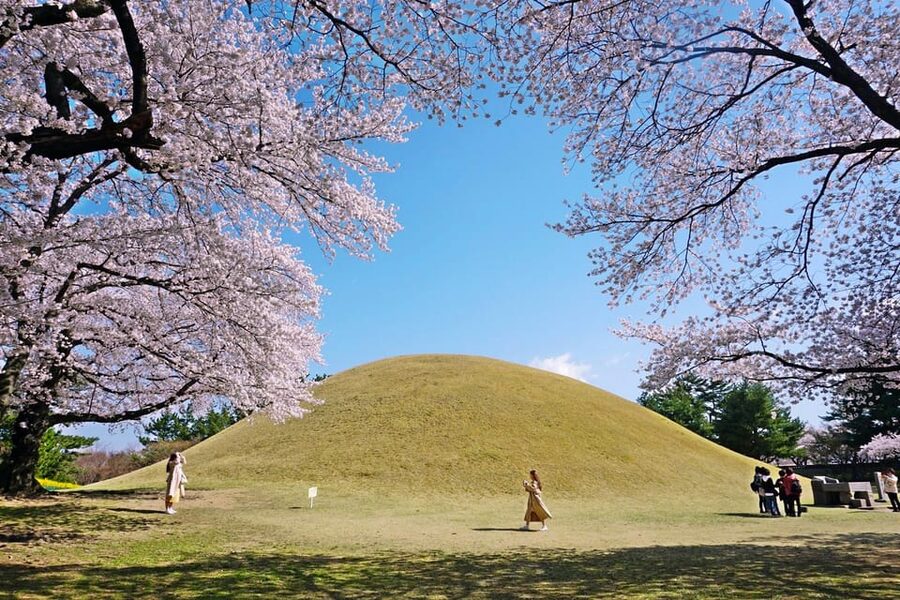
Daereungwon offers a different view of Silla. The complex contains large ancient tombs associated with kings and nobles, and the rounded burial mounds give the area a distinctive appearance.
You have about an hour here with a guided visit. The site is visually simple compared with Bulguksa, but that is part of its appeal. The grassy mounds make the scale of the ancient kingdom easier to grasp, and the guide can explain why these tombs matter.
This stop rewards a slower eye. Look at the shape and size of the mounds, the spacing between them, and the way the site fits into modern Gyeongju. You are not just seeing isolated ruins. You are seeing how the city preserves major royal burial grounds within its present-day streets.
The main caution is weather. Much of the appeal comes from walking outdoors, so cold, rain, or heat can affect your comfort. The operator notes that the route can change with weather and traffic. Bring layers in colder months, especially because the tour continues into the evening.
Hwangnidan-gil: a modern pause in an old city
Hwangnidan-gil gives you about 50 minutes to walk through one of Gyeongju’s best-known cafe and shopping streets. Its small businesses, cafes, and artisan shops create a clear change of pace after the tomb complex.
I like this stop because it lets you see how Gyeongju’s old setting is used today. You can browse, pick up a drink, or simply walk and take photographs. The time is short, so treat it as a taste of the area rather than a full shopping session.
If you want souvenirs, this is a sensible place to ask your guide for suggestions. One guide, Jun-a, went out of her way to help a participant buy souvenirs and Gyeongju cake. That sort of practical assistance can be useful when labels or shop choices are unfamiliar.
Keep an eye on the clock here. It is easy to lose 10 minutes in a cafe or shop, and the final monuments are the reason this tour runs into the evening.
Donggung Palace and Wolji Pond after sunset
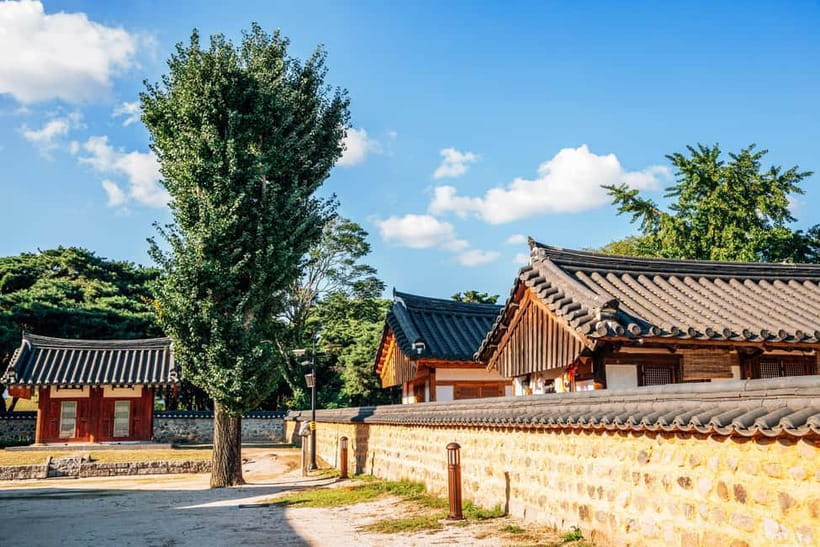
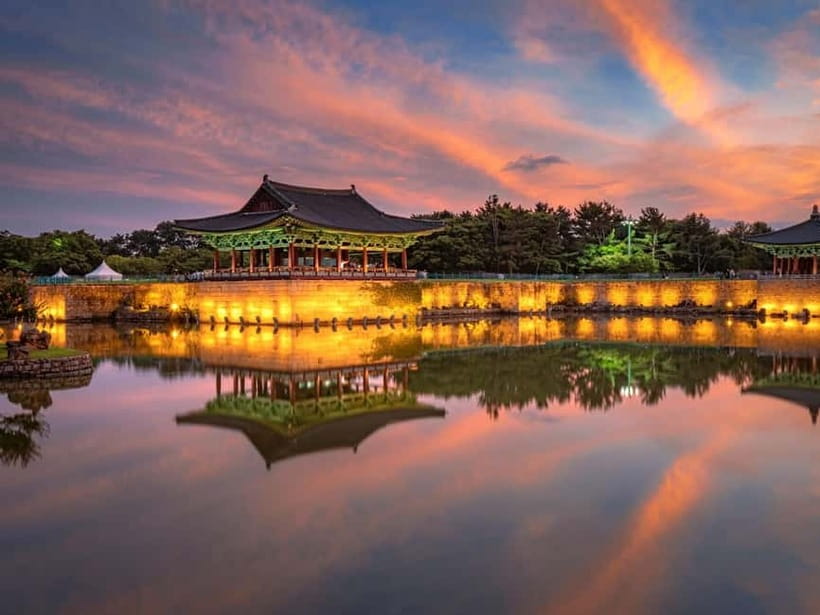
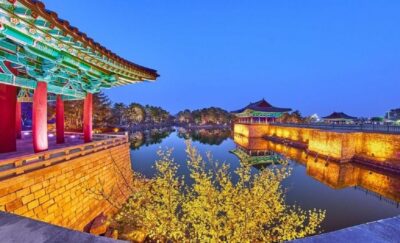
The 40-minute visit to Donggung Palace and Wolji Pond is the visual high point for many people. This former royal garden is especially attractive at twilight, when the illuminated structures reflect across the pond.
The stop is listed partly as a photo stop, but it is more than a quick roadside picture. You get a guided visit and time to take in the water, pavilions, and evening lights. The reflections change as the sky darkens, so the timing is valuable.
This is where the route feels carefully planned. Many historic places look impressive in daylight, but Donggung and Wolji gain something from darkness. If your day is cold, remember that the final stops are outdoors and you may be standing still while taking photographs.
The admission fee is included, which helps the $64 price make sense. Your guide can also point out better angles and make sure the group regathers before moving on. Rico and Bobby were both praised for helping with photo spots and keeping people informed about meeting times.
Woljeonggyo Bridge under the night sky
The final stop is a 20-minute visit to Woljeonggyo Bridge. This reconstructed Silla-era bridge is compact compared with the earlier sites, but the nighttime setting gives it strong visual impact.
You will have time for photographs and scenic views as the tour makes its way across or around the bridge area. The short visit works well after Donggung and Wolji because you have already had a longer evening photo stop. Here, the goal is to appreciate the illuminated structure and finish the day with one last memorable view.
Do not expect a long, quiet walk. Twenty minutes passes quickly, especially if the group is taking photos. Stay close to the guide and note the return location before wandering toward a better angle.
The bridge is a fitting final image because it links the old Silla story with present-day Gyeongju. It also avoids ending the day inside a coach after a final ordinary street stop. You get one last outdoor look before the ride back to Busan.
How the guides shape the day
A guide can make or break a schedule this full. The most praised qualities here are clear English, good timing, friendly attention, and practical help.
Yoona and Jan were praised for creating a warm atmosphere and explaining the sites well. Lucy May was noted for keeping the group on schedule without making the day feel rushed. Rico was praised for history explanations, fluent English, and advice on good photo locations.
Bobby’s approach was especially practical. He explained food choices, pointed out toilets, gave exact meeting instructions, and took photographs for people in the group. Ken was praised for adding the right amount of information and finding a local restaurant that would be difficult to locate without help.
Guide assignments can change, so you cannot choose a particular person when booking. Still, the repeated pattern is encouraging. The staff includes English, Chinese, and Korean speakers, and the strongest service comes from guides who give enough background without taking away all your free time.
Is $64 good value?
At $64 per person, the tour is a good buy if you want to see several parts of Gyeongju in one day from Busan. The price includes round-trip coach transport, tour staff, and admission to Donggung Palace and Wolji Pond.
Lunch, insurance, and personal expenses are not included. You should also factor in the value of your time. A self-guided visit could cost less in some circumstances, but arranging transport to Bulguksa, Gyochon, Daereungwon, Hwangnidan-gil, Donggung, and Woljeonggyo would take planning and would be harder to coordinate after dark.
The tour is not ideal if you prefer one or two sites explored at great length. It is designed for range. You get a well-organized introduction to Gyeongju, with a guide handling the route and timing.
Free cancellation up to 24 hours ahead and reserve-now, pay-later booking make it easier to fit into a changing Busan schedule. Check the exact pickup and drop-off option before you pay, since the meeting point can vary by booking choice.
Who should book this Gyeongju day trip?
I would choose this for a first visit to Busan when you want to add Gyeongju without changing hotels. It suits anyone who values historical context, efficient transport, and a full day that ends with attractive night views.
It is also a good fit for solo visitors and couples who want help with photos and navigation. Several guides have been praised for taking group photographs and suggesting the best angles, which saves you from relying on strangers.
Families can join, but the long duration and outdoor walking deserve thought. Infants are free but do not receive a seat, and strollers or wheelchairs should be reported in advance. Anyone with limited mobility should ask about the practical route before booking.
You should skip it if you want a late start, a relaxed lunch, or plenty of time in one cafe district. The day is tightly arranged, even though the guides generally leave enough time to explore each place.
Should you book it?
Book this tour if you want the widest useful introduction to Gyeongju in a single day from Busan. Bulguksa, the traditional village, royal tombs, Hwangnidan-gil, Donggung and Wolji, and Woljeonggyo Bridge give you a well-rounded visit rather than six versions of the same sight.
Just accept the long coach rides and the full schedule. Wear comfortable shoes, bring money for lunch, check your pickup point, and save energy for the final two stops. If moonlit palace reflections and a lit historic bridge sound worth a late return to Busan, this is a strong-value choice.
FAQ
How long is the tour from Busan to Gyeongju?
The tour lasts about 12 hours. The coach ride to Gyeongju takes around 1.5 hours, and the return journey is listed at approximately 100 minutes.
Where can I meet the tour in Busan?
Pickup options are KTX Busan Station Exit 1, Seomyeon Station Exit 12, and Haeundae Station Exit 5. The exact meeting point may depend on the option you book.
Which languages are available?
Live guiding is available in English, Chinese, and Korean.
Is lunch included in the price?
No. Transportation, tour staff, and Donggung and Wolji admission are included, but lunch is paid separately. Personal expenses and travel insurance are also excluded.
What should I bring?
Bring comfortable shoes. The tour includes several walking visits and outdoor stops, including the evening visits to Donggung and Wolji and Woljeonggyo Bridge.
Can infants, strollers, or wheelchairs join?
Infants are free of charge, but no seat is available for an infant. You should inform the operator in advance if you are bringing a baby stroller or wheelchair.
Recently added around Busan
- Full Day Busan and Gyeongju Guided Tour★ 5.0 · 4 reviews
- Andong Hahoe Folk Village Day Tour From Busan★ 5.0 · 4 reviews
- Make your own Makgeolli (Rice Wine) in Busan★ 5.0 · 4 reviews
- Best Busan night views : Mountain observatory streets★ 5.0 · 4 reviews
- Busan: Naejangsan National Park Autumn Foliage One Day Tour★ 4.8 · 4 reviews
- Gyeongju private tour with an official tour guide (Unesco)★ 4.5 · 4 reviews
- 5 Highlights Pohang Tour from Busan (Group Tour)★ 5.0 · 5 reviews
- Busan: Winter Healing Park and (Gyeongju/Daegu) One Day Tour★ 5.0 · 5 reviews
Busan Tours, compared.
Gyeongju Guided Day Trip to Three Kingdoms Capital
Read the review →
Gyeongju UNESCO World Heritage Guided Day Tour
Read the review →
Busan Private Tour with licensed tour guide + private vehicle
Read the review →
Coastal Treasures Beach Train, Culture Village & More
Read the review →
Busan’s Cultural Wonders with Beach Train & Gamcheon Village etc
Read the review →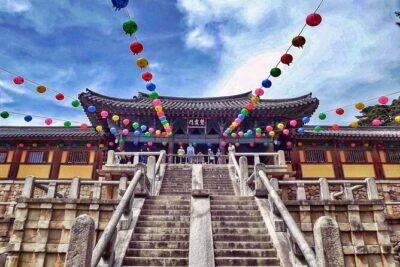
Gyeongju UNESCO World Heritage Guided Day Tour from Busan
Read the review →
Private Busan Tour -Explore Cultural Landmarks with a Local Guide
Read the review →Browse the lists this tour appears in