
Reviewed · BUSAN TOURS
Echoes of Silla Gyeongju Historical Guided Day Tour from Busan
Gyeongju is where Korea’s Silla kingdom feels most alive, and this long day from Busan gives you a well-planned sweep of its finest sights. You move from an eighth-century Buddhist temple to royal burial mounds, old hanok homes, and palace ruins lit after dark. Bulguksa Temple and Donggung Palace and Wolji Pond provide the strongest historical bookends.
I like the route for two clear reasons. First, it mixes major monuments with everyday-looking streets, especially Gyochon Traditional Village and Hwangnidan-gil. Second, the guides, including Lucy, Sophie, Bobby Kim, Amy, and Juna on different departures, have earned praise for lively storytelling and friendly group management.
The catch is the length. At 10 to 11 hours, with transport from Busan and stops across Gyeongju, this is a full day with little spare time. Lunch and personal purchases are also on you, so plan for a busy schedule rather than a slow, independent wander.
Key points to know before booking
- Six very different stops: See a UNESCO-listed temple, Silla tombs, a traditional village, cafés and food stalls, a palace pond, and an illuminated bridge.
- A full-day Busan outing: The 10 to 11-hour schedule includes travel between sites, so you cover a lot without arranging separate trains, buses, or taxis.
- Strong guide element: English and Chinese-speaking staff explain the sites, with past departures led by guides such as Lucy, Sophie, Bobby Kim, Amy, and Juna.
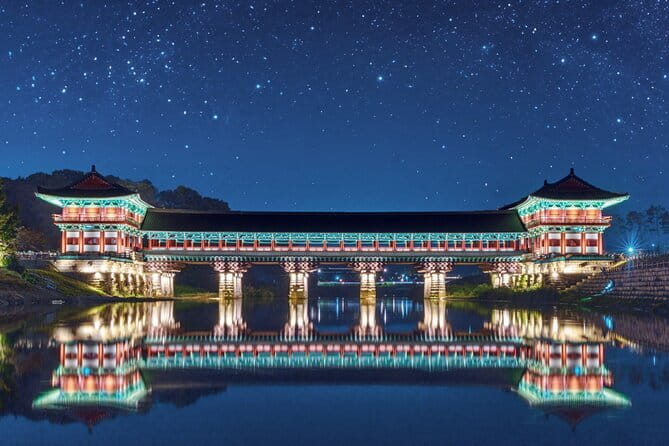
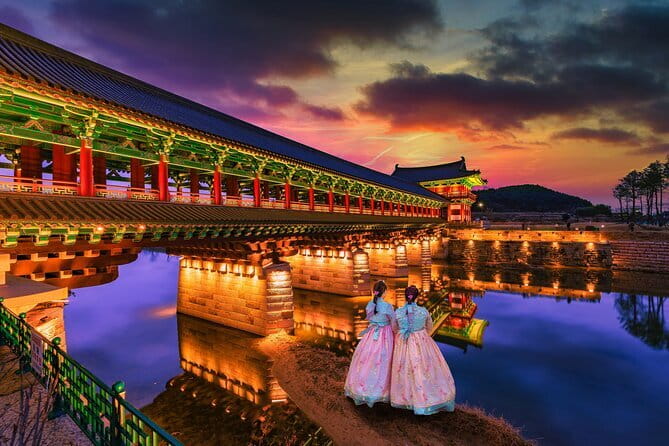
- Evening scenery matters: Donggung Palace and Wolji Pond come late in the day, followed by Woljeonggyo Bridge, giving the tour a quieter and more photographic finish.
- Good value at $64: Transport and Donggung and Wolji admission are included, while meals and other admissions or personal costs are not.
- Large-group possibility: The vehicle may carry up to 43 people, which keeps the price down but can make the day less personal.
Why Gyeongju makes a strong day trip from Busan
Gyeongju was the capital of Silla, a kingdom that lasted roughly 1,500 years ago and shaped much of the Korean Peninsula. Its remains are not gathered in one compact museum district. Temples, burial mounds, village homes, ponds, and bridges are spread across the city.
That spread is the main reason I see value in taking a guided vehicle from Busan. You can visit the same places independently, but arranging each connection takes time and local transport know-how. This tour links six major stops in one day and lets you focus on the setting and stories instead of the route.
The schedule also follows a sensible arc. You begin with Bulguksa Temple, shift to village life and royal tombs, pause in a modern dining and shopping area, then finish with water, palace remains, and evening lights. It is not simply a list of monuments. Each stop shows a different side of Gyeongju.
Still, keep your expectations in check. The tour cannot give every site the leisurely attention it deserves. Travel time is included in the total, and traffic or weather can change the pace. You are paying for coverage and convenience, not a private guide setting the day around your own interests.
More Historical Tours in Busan
- From Busan: Gyeongju UNESCO World Heritage Guided Day Tour
★ 4.8 · 1,250 reviews - Gyeongju UNESCO World Heritage Guided Day Tour from Busan
★ 5.0 · 660 reviews - Old Korea Thousand History Tour of Gyeongju from Busan
★ 5.0 · 518 reviews
Bulguksa Temple, Silla architecture in stone
The first major stop is Bulguksa Temple, with about 2 hours and 20 minutes set aside. Built originally in the eighth century, the temple is one of Korea’s most important Buddhist sites and has UNESCO World Cultural Heritage status.
This is the place where the tour’s historical focus becomes concrete. Stone stairways, pagodas, courtyards, and timber buildings show how Silla builders joined religious purpose with careful design. The complex rewards a slow look at details, so the generous time here is welcome.
I would use this stop to listen closely to the guide before exploring on your own. The architecture can look familiar at first glance if you have visited other Korean temples, but the Silla setting gives it particular weight. A good explanation helps you understand why the temple matters, rather than reducing the visit to a few attractive buildings.
The temple is also a useful early test of the group pace. You may have time to take photographs and inspect the grounds, but you will still need to return to the meeting point on schedule. Comfortable shoes are sensible, since historic temple grounds can involve walking between buildings and over uneven surfaces. That advice is practical rather than a claim about any one route detail.
Admission to Bulguksa is listed as free, which helps the $64 price stretch further. The main cost here is your time and the transport that brings you from Busan.
Gyochon Village and the Choi family story
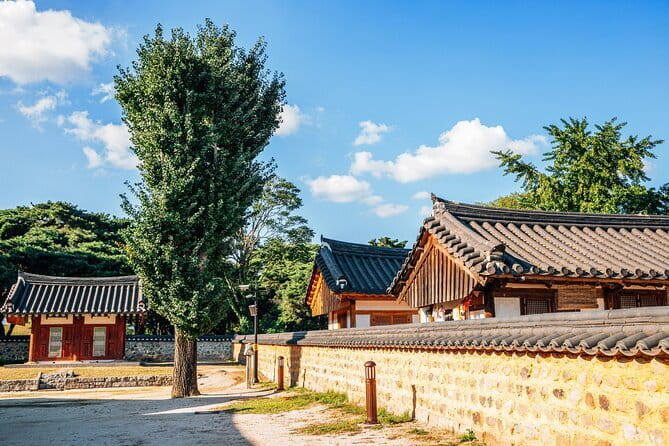
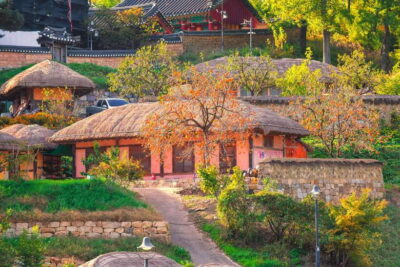
Gyochon Traditional Village receives about 1 hour and 40 minutes. This is a useful change of pace after Bulguksa. Instead of focusing on a temple complex, you see hanok houses, traditional crafts, and the setting connected with the Gyeongju Choi Clan.
The Choi family is known for preserving its wealth across 12 generations and producing influential figures. That detail gives the village a social angle. Silla and later Korean history were not shaped only by kings and temples. Family homes, education, money, and local customs also helped form the city.
You can expect time to walk through the village and take in its traditional atmosphere. The stop is not presented as a formal craft workshop, so do not book this tour expecting a hands-on class. Its value is in seeing a historic residential setting and hearing how one family fits into the story of Gyeongju.
This is one of the places where a guide can make a real difference. Without context, hanok streets may look simply picturesque. With a clear explanation, you begin to see how the buildings connect to status, family life, and local tradition.
The 1 hour and 40 minutes is fairly generous, though the day’s later stops still require you to watch the clock. If you want a long café break or detailed shopping, Hwangnidan-gil is better suited for that.
Daereungwon, where royal tombs shape the city
Daereungwon Tomb Complex, also called the Park of Royal Tombs, is scheduled for about 50 minutes. It contains 23 tombs from the Silla Dynasty, with large grassy mounds spread through an open park.
The scale is striking because the tombs are not tucked away in a distant archaeological site. They form part of the city you are exploring. Their rounded shapes make the past visible without walls, statues, or grand ruins.
The best-known tomb here is Cheonmachong, or the Heavenly Horse Tomb. It is included among the significant tombs in the complex and is a key reason the site matters. Your guide can connect the burial mounds to Silla burial practices and the objects found inside, giving the green mounds a much clearer purpose.
Fifty minutes is enough for a guided walk and photographs, but it is not enough for an exhaustive visit to all 23 tombs. I would treat this as a focused introduction. Stay near the guide at the start, then use any free minutes for your own pictures.
The open setting can also feel calmer than the temple and the commercial street. It is a good moment to slow down, even though the overall tour remains tightly timed.
A different way to spend a day from here:
- Busan: Gyeongju Guided Day Trip to Three Kingdoms Capital
★ 4.8 · 1,925 reviews - Small Group Full Day Busan Tour (Max 6 Pax)
★ 5.0 · 1,464 reviews - Busan Private Tour with licensed tour guide + private vehicle
★ 5.0 · 1,143 reviews - Busan: Coastal Treasures Beach Train, Culture Village & More
★ 4.7 · 832 reviews
Hwangnidan-gil, old houses with a modern pulse
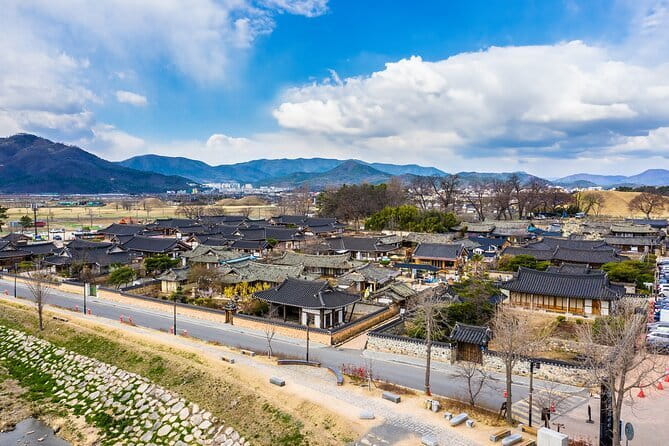
Next to Daereungwon, Hwangnidan-gil offers about an hour. The street blends Gyeongju’s traditional look with modern cafés, food shops, and small retail businesses. Hanok-style buildings house specialty coffee spots and places serving street food, creating one of the city’s most popular contrasts.
I like this stop because it keeps the tour from becoming a string of solemn heritage sites. You get a chance to see how Gyeongju’s old architecture is being used in present-day life. It also gives you a practical opportunity to buy a snack or drink, though those costs are not included.
One hour is enough to sample the atmosphere and make a few choices, but it is short for a full meal and serious shopping. Since lunch is not included anywhere in the tour price, you should think ahead about how you want to use this break. If you prefer a proper sit-down meal, ask the guide about the schedule and local options rather than assuming there will be ample free time.
This is also the most obvious place where the interests of a group can split. Some people will want coffee, others food, and others photographs. The guide’s job is mainly to keep everyone moving for the next stop, so do not count on extended personal time.
Donggung Palace and Wolji Pond after dark
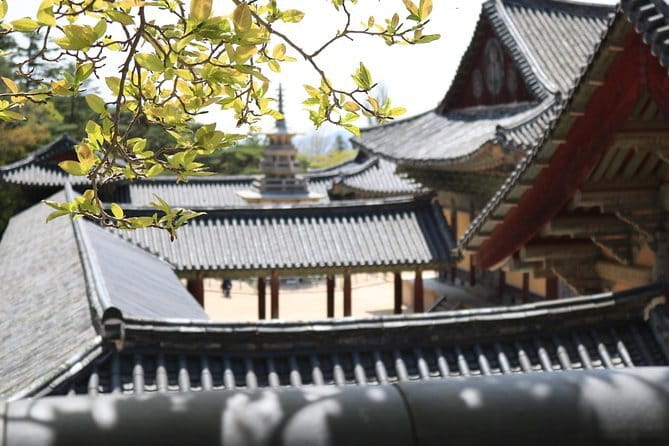
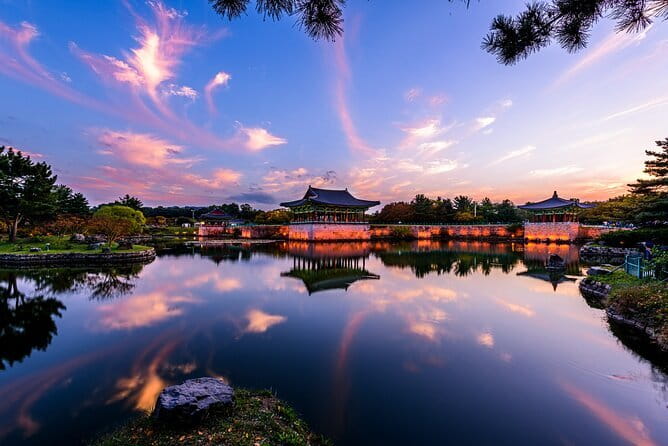
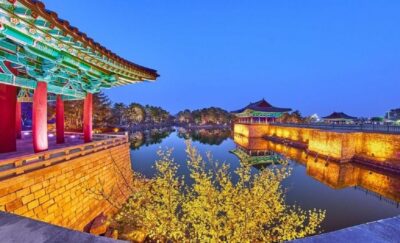
Donggung Palace and Wolji Pond comes later, with about 40 minutes scheduled and admission included. The pond was first built in 674 as an artificial pond, and it formed part of a Silla palace complex.
The setting changes as evening arrives. Water reflects the structures and lights, and the site feels quieter and more composed than the daytime streets. This is one of the tour’s strongest visual moments, especially if you like photographs that combine ruins, reflections, and evening color.
The pond also has an important archaeological story. In 1972, the Korean government temporarily drained it, revealing thousands of Silla artifacts that had fallen into the water. That discovery helped show how much material remained beneath what looked like a peaceful ornamental pond.
Forty minutes is enough to walk the main viewing area and hear the key facts, but it will feel brief if the site is especially busy or you want to photograph every angle. I would listen to the explanation first, then use the remaining time for views.
The included admission is a small but meaningful part of the tour’s value. You do not need to arrange this ticket separately, and the visit gives the day a strong historical finish before the final bridge walk.
Woljeonggyo Bridge, a short illuminated finale
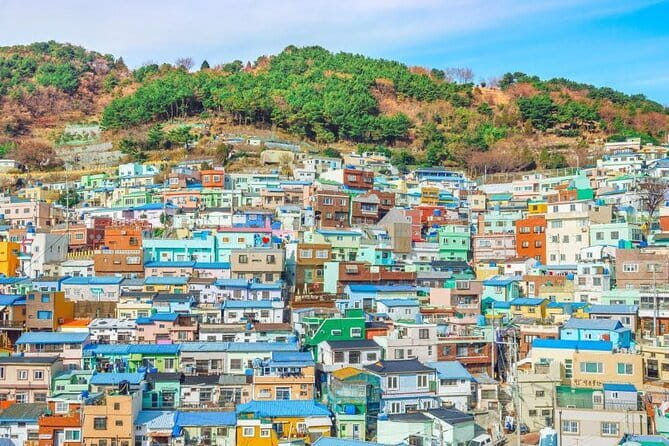
The final stop is Woljeonggyo Bridge, with about 20 minutes. The bridge crosses Woljeongcheon Stream and is linked with ancient construction and stone arches. In the evening, its illumination gives you a final set of photographs and a peaceful walk.
This is a short stop, so it works best as a closing scene rather than a major educational visit. You will not have time for a long riverside exploration. Instead, expect a compact walk across or near the bridge, a few pictures, and a final look at Gyeongju after dark.
The sequence is well chosen. After the crowds and activity of Hwangnidan-gil, the lit bridge and stream offer a calmer end to the day. It also prevents the tour from finishing on a bus parking lot or a rushed departure from the previous attraction.
How the guides shape the day
The tour includes English and Chinese-speaking staff, and guide quality is especially important on a history-heavy route. Names associated with different departures include Lucy, Kelvin, Bobby Kim, Amy, Sophie, Cindy, and Juna. You should not assume a specific guide will lead your date, but the range of direct praise points to the central role the guide plays in the experience.
The strongest guide descriptions focus on clear English, energy, useful facts, and a sense of pride in Korea. Bobby Kim is described as talkative and passionate about explaining each place. Sophie is noted for friendly group control and strong English. Lucy and Kelvin are praised for making the history enjoyable, while Amy is described as helpful and pleasant. Juna is credited with keeping the day informative without dull stretches.
That tells you what to look for. A good guide here should explain connections between the sites, not simply announce names and dates. They should also keep a large group together, which matters when the vehicle capacity can reach 43 people.
The tradeoff is personal attention. A group of that size may feel less flexible than a small walking tour. If you want long conversations about a particular king, Buddhist artwork, or archaeological find, a private guide would give you more room. If you want the main story and efficient transport, this format makes sense.
Is $64 good value from Busan?
At $64 per person, the tour is priced as an accessible full-day outing rather than a luxury excursion. You receive air-conditioned van or coach transport, English or Chinese-speaking staff, and admission to Donggung Palace and Wolji Pond.
The value lies mainly in the distance covered. Bulguksa, Gyochon, Daereungwon, Hwangnidan-gil, Donggung, and Woljeonggyo are not one small attraction. Having one vehicle link them saves you the trouble of working out every transfer from Busan and between Gyeongju’s sites.
You should budget extra for meals, drinks, snacks, shopping, and any personal expenses. Travel insurance is also not included. Other attraction admissions are not listed as included, so check with the operator if a particular site raises a question.
For a first visit to Gyeongju, I think the price is fair if you value structure and broad coverage. Independent visitors who already know Gyeongju, prefer a slow pace, or want to linger over cafés may find the schedule too fixed.
The practical shape of a 10 to 11-hour day
The tour lasts approximately 10 to 11 hours, including travel between stops. That makes it easy to underestimate the physical and mental demand. You are not spending ten hours inside attractions, but you are moving, listening, walking, and returning to the vehicle throughout the day.
Wear shoes suited to a day of sightseeing and carry what you need for changing weather. The schedule can change with traffic and weather conditions, so allow some flexibility around the end of the day.
Most people can participate, and the tour is near public transportation. Confirmation is provided at booking, and the mobile ticket is convenient for a day when you do not want to manage printed paperwork.
The group maximum of 43 is worth noting before you reserve. A full coach can mean a lower price and a lively atmosphere, but boarding and regrouping take longer. Listen carefully to meeting instructions, especially at open sites such as Daereungwon and Gyochon.
Free cancellation is available if you cancel at least 24 hours before the experience start time. Cancellations or changes made within 24 hours are not accepted for a refund, and the cut-off follows local time.
Who should book this Gyeongju tour?
I would recommend it most strongly to a first-time visitor staying in Busan who wants a clear introduction to Silla history. It is also a good fit if you like having a guide explain what you are seeing and do not want to organize several local connections.
History fans will appreciate the range: Buddhist architecture, royal tombs, family tradition, palace archaeology, and historic engineering all appear in one day. You also get modern Gyeongju at Hwangnidan-gil, so the tour does not treat the city as a museum frozen in the past.
The day suits active sightseers who are happy to keep moving. It is less suitable if you need frequent rest, want a long lunch, or prefer to explore each location at your own pace. The 10 to 11-hour duration is the main consideration, not a minor footnote.
Should you book the Echoes of Silla tour?
Book it if you want the efficient version of Gyeongju from Busan: major Silla sites, a helpful guide, evening scenery, and transport in one package for $64. The best parts are the well-balanced route, the informative guide style, and the contrast between Bulguksa’s temple grounds, Daereungwon’s tombs, Hwangnidan-gil’s cafés, and the lights around Wolji Pond and Woljeonggyo Bridge.
Skip it if your ideal day includes long meals, independent wandering, or detailed time inside every historic site. For most first-time visitors, though, this is a practical way to see why Gyeongju is one of Korea’s most rewarding history cities without spending a night away from Busan.
FAQ
How long does the tour from Busan to Gyeongju last?
The tour lasts approximately 10 to 11 hours. Travel time between the stops is included in that total.
What places does the tour visit?
The route includes Bulguksa Temple, Gyeongju Gyochon Traditional Village, Daereungwon Tomb Complex, Hwangnidan-gil Street, Donggung Palace and Wolji Pond, and Woljeonggyo Bridge.
Is admission included?
Admission to Donggung Palace and Wolji Pond is included. Bulguksa Temple, Gyochon Traditional Village, Daereungwon Tomb Complex, Hwangnidan-gil Street, and Woljeonggyo Bridge are listed with free admission.
Are meals included in the price?
No. Meals are not included, and personal expenses such as food, drinks, or shopping are paid separately.
What languages are supported?
The tour includes English and Chinese-speaking staff.
How many people can join the tour?
The maximum group size is 43 people. Transport is provided by air-conditioned van or coach.
Can I cancel for a full refund?
Yes, if you cancel at least 24 hours before the experience start time. Cancellations or changes made less than 24 hours before the start time are not accepted for a refund.
Recently added around Busan
- Full Day Busan and Gyeongju Guided Tour★ 5.0 · 4 reviews
- Andong Hahoe Folk Village Day Tour From Busan★ 5.0 · 4 reviews
- Make your own Makgeolli (Rice Wine) in Busan★ 5.0 · 4 reviews
- Best Busan night views : Mountain observatory streets★ 5.0 · 4 reviews
- Busan: Naejangsan National Park Autumn Foliage One Day Tour★ 4.8 · 4 reviews
- Gyeongju private tour with an official tour guide (Unesco)★ 4.5 · 4 reviews
- 5 Highlights Pohang Tour from Busan (Group Tour)★ 5.0 · 5 reviews
- Busan: Winter Healing Park and (Gyeongju/Daegu) One Day Tour★ 5.0 · 5 reviews
Busan Tours, compared.
Gyeongju Guided Day Trip to Three Kingdoms Capital
Read the review →
Gyeongju UNESCO World Heritage Guided Day Tour
Read the review →
Busan Private Tour with licensed tour guide + private vehicle
Read the review →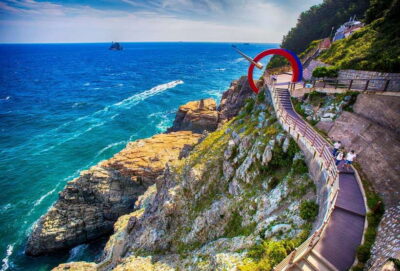
Coastal Treasures Beach Train, Culture Village & More
Read the review →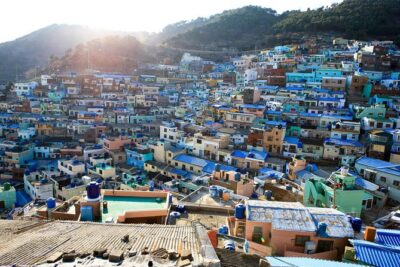
Busan’s Cultural Wonders with Beach Train & Gamcheon Village etc
Read the review →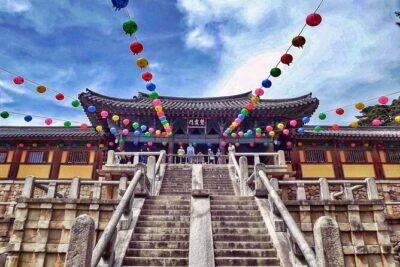
Gyeongju UNESCO World Heritage Guided Day Tour from Busan
Read the review →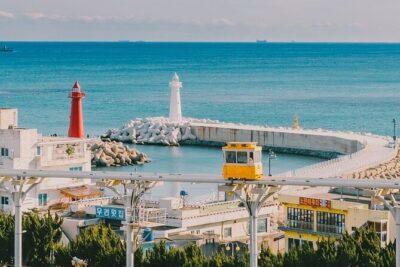
Private Busan Tour -Explore Cultural Landmarks with a Local Guide
Read the review →Browse the lists this tour appears in