
Reviewed · DMZ TOURS
DMZ One Day Tour in Gyeonggi-do with English or Spanish
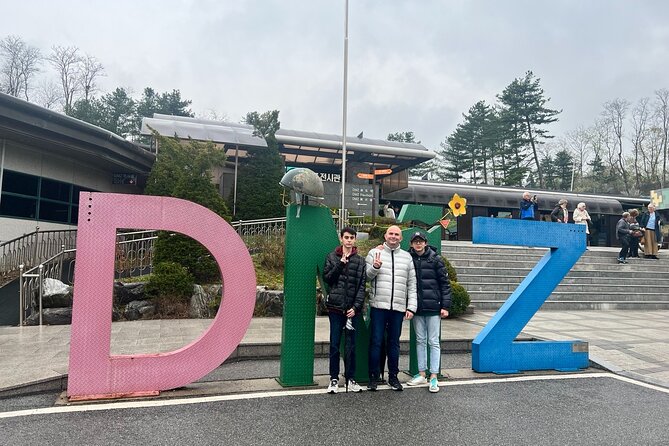
The most striking part of this DMZ day tour is the shift from Seoul’s busy streets to a heavily guarded border zone in Paju. You will visit places tied to separation, war, divided families, and the uneasy peace between North and South Korea, rather than simply viewing displays in a city museum.
I like the clear route, which joins Imjingak, the 3rd Infiltration Tunnel, and Dora Observatory in one long day. I also like the choice of English or Spanish guidance, since the subject carries enough political and historical detail to make a guide useful. The main drawback is the price, $250 per person, and the fact that lunch and dinner are not included.
Key points to know before you book
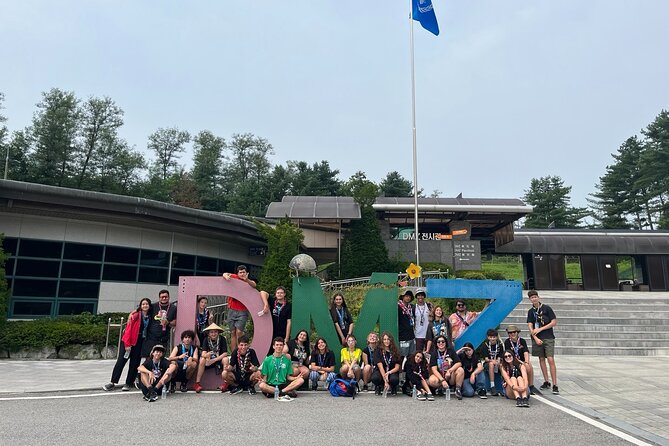
- City Hall Station is the meeting point: The day begins in central Seoul before the roughly 90-minute drive to Paju.
- The 3rd Infiltration Tunnel is a physical visit: You go into the tunnel only as far as the restricted visitor area, so expect walking as well as interpretation.
- Dora Observatory gives you a direct view toward North Korea: The setting helps turn a complex political story into something you can see for yourself.
- Imjingak provides an emotional starting point: Its memorials and park setting focus on people separated by the Korean conflict.
- Transport and entrance fees are covered: You need to budget separately for food.
- The tour takes about nine hours: It is a full day, not a quick side trip from Seoul.
Why this nine-hour DMZ tour matters
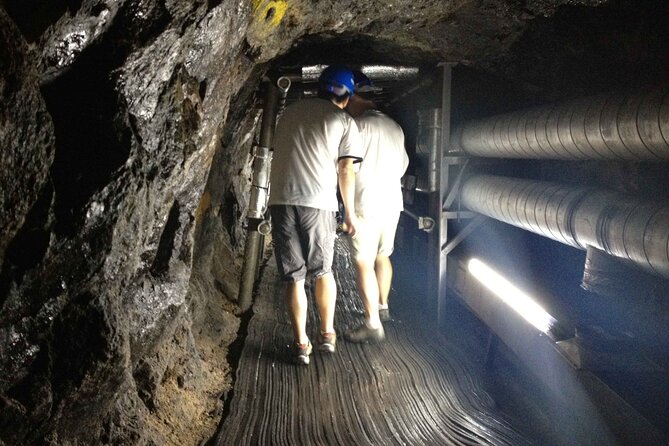
The Korean Demilitarized Zone is often treated as a quick photo stop, but this route gives you several ways to understand it. At Imjingak, the focus is on separation and remembrance. At the 3rd Infiltration Tunnel, the concern is military strategy. At Dora Observatory, you look across the border itself.
That progression is useful. You are not just moving from one attraction to another. You first meet the human cost of division, then see the threat that shaped the border, and finally view the territory beyond it.
Your certified guide leads in English or Spanish. That matters because the DMZ is full of terms, dates, and political context that are easy to miss when you visit independently. A guide can also help explain what you are seeing at each stop and keep the day moving within the access rules of the area.
The tour begins at City Hall Station. From there, the drive to Paju takes about 90 minutes by car. That transfer is a meaningful part of the day. Seoul quickly gives way to a less urban setting, and the distance helps you understand that the DMZ is not a neighborhood attraction tucked behind a city landmark.
The listing also notes pickup is offered, but the stated meeting point is City Hall Station. I would confirm the exact pickup arrangement before paying, especially if you are staying outside central Seoul.
More DMZ Tours in Seoul:
- Best DMZ Tour Korea from Seoul (Red Suspension Bridge Optional)
★ 5.0 · 41,422 reviews - DMZ Tour: 3rd Tunnel, Option(Suspension Bridge, Boat) from Seoul
★ 5.0 · 21,373 reviews - DMZ tour south Korea from Seoul (NK experience hall, defector)
★ 5.0 · 20,599 reviews
Imjingak Pyeonghoa-Nuri Park and the human cost of division
Imjingak is the first major stop and the starting point for the border visit. The park was built in 1972 to console people separated from family and home on the other side of the border.
That purpose gives the stop a different feel from a standard military attraction. You are beginning with the lives affected by the division of Korea, not with maps and hardware. The name Pyeonghoa-Nuri refers to peace, and the park presents the border question through remembrance as well as politics.
You should give this stop your full attention. It is easy to treat the first stop as a place to stretch your legs after the drive from Seoul, but it sets the emotional frame for everything that follows. The DMZ is not only a line between two states. It also represents families who could not return home, communities divided by war, and a conflict that has never been formally resolved by a peace treaty.
The stop includes admission, so you do not need to buy a separate entrance ticket. The exact balance of park areas, exhibits, and guide commentary is not specified, so the experience may depend on the day’s operating conditions and the access available to your group.
I like having Imjingak first because it gives the tunnel and observatory more meaning later. Without that context, the day could feel like a series of guarded viewpoints. With it, you can connect the military sites to the people whose lives remain shaped by the border.
The 3rd Infiltration Tunnel and the limits of access
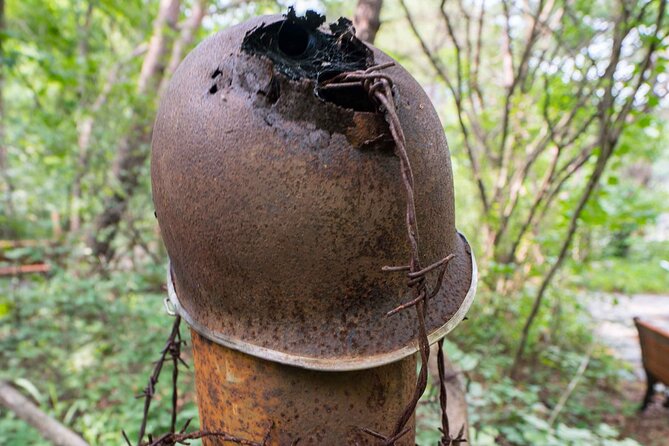
The tour then continues to the 3rd Infiltration Tunnel. It was apparently designed for a surprise attack on Seoul from North Korea, and the visit takes you inside the tunnel as far as the limited public area.
This is the most physical portion of the day. You are not only looking at an exhibit about a tunnel. You are entering part of the underground passage, though access stops at the designated limit. That distinction is important: you will see the tunnel, but you should not expect to walk through its full length or cross into North Korea.
The tunnel adds a practical dimension to the border story. A map can show distance, but walking below ground gives you a better sense of the kind of threat South Korea was preparing against. The experience is direct without pretending that you can access every part of a military site.
Admission is included. The information provided does not give details about the walking distance, slope, temperature, or required equipment, so you should be ready for a physical visit and follow your guide’s instructions closely. If you prefer attractions that require little walking, this may be the part of the day that gives you pause.
The two-and-a-half-hour allocation for the DMZ portion gives the group time for more than a rushed look at one exhibit. It also means the schedule is not especially flexible. Border access can be controlled, and the group needs to stay together, so this is not a good outing if you want to linger wherever you choose.
Dora Observatory and the view across the 38th parallel
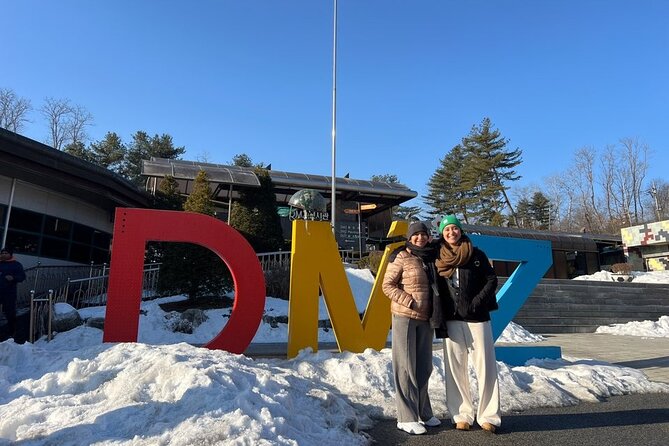
Dora Observatory sits on Mount Dora in Paju, on the South Korean side of the 38th parallel. From here, you can look across the Demilitarized Zone toward North Korea.
This is the stop that makes the geography easiest to understand. At Imjingak, the border story is personal. In the tunnel, it is underground and military. At Dora Observatory, the division becomes visible in the distance.
Do not expect a city skyline or a conventional sightseeing view. The importance is the direction you are facing and what the view represents. You are looking from South Korea toward a neighboring country that is physically close but politically difficult to reach.
The visit is allocated two and a half hours, the same length as the broader DMZ stop listed in the schedule. That suggests the observatory is treated as a substantial part of the day rather than a brief photo opportunity. Your guide can help point out the wider setting and explain why the site matters.
Weather and visibility will affect what you can see. The supplied details do not promise a particular view on the day, so I would book this for the historical and geographic setting, not only for clear-distance sightseeing.
Dora Observatory also helps balance the darker parts of the visit. The tunnel is about attack and security. The observatory gives you a quiet place to consider how close the two Koreas are despite the barriers between them.
A few more Seoul half-days to weigh up
- Mt. Seorak+Nami Island+Garden of Morning Calm Day Trip from Seoul
★ 5.0 · 959 reviews - Seoul: Gangwon-do Day Trip with Alpaca World & Nami Island
★ 4.7 · 581 reviews - Day Trip to Nami Island with Rail bike and The Garden of Morning Calm
★ 4.5 · 459 reviews - Day Trip to Nami Island with The Garden of Morning Calm
★ 4.5 · 215 reviews
English or Spanish guidance for a complicated subject
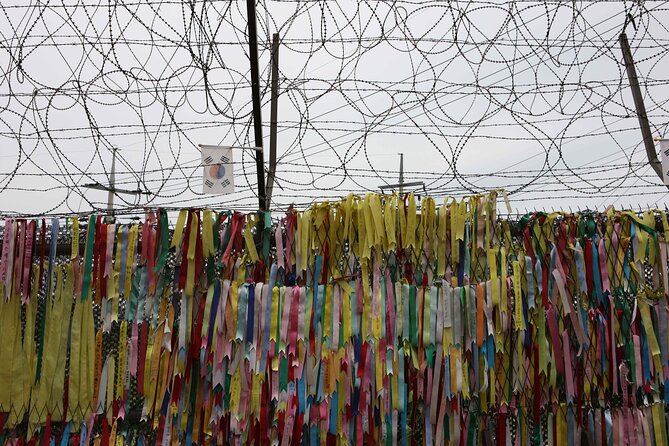
A certified guide fluent in English or Spanish leads the tour. This is one of the stronger reasons to choose a guided visit rather than trying to piece the area together on your own.
The DMZ carries layers of military, political, and human meaning. A sign may tell you what a tunnel is, but a guide can connect that site to the larger story of Seoul, the 38th parallel, divided families, and the continuing separation of North and South Korea.
The language choice is useful for couples, families, and small groups who want to discuss the subject comfortably during the day. No individual guide names are provided, so you should not book expecting a particular person. What is clear is that the service is designed for English or Spanish speakers and includes certified guiding.
The tour is a group experience, with group discounts offered. That can make the $250 price easier to justify for several people booking together, although the actual discount amount is not specified. A group also means you will follow a shared timetable rather than setting your own pace.
What the $250 price includes
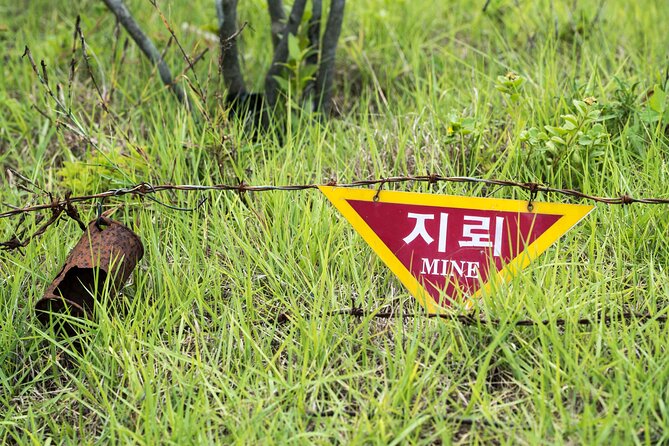
At $250 per person, this is not a budget outing. The value comes from the long transfer from Seoul, the air-conditioned vehicle, the certified guide, and entrance fees for the main sites.
Transport matters here. Paju is outside central Seoul, and the drive takes about 90 minutes each way by car. Having a vehicle arranged removes the need to plan the route independently and makes the nine-hour schedule more practical.
Entrance fees are included for the listed stops. That keeps the day’s cost more predictable, especially in a controlled border area where access is not as simple as arriving at an ordinary public attraction.
Food is not included. Lunch and dinner are both excluded, so plan to pay separately for meals. The information provided does not state where or when food stops occur, so ask the guide at the start of the day if you need to manage dietary needs or medication schedules.
A mobile ticket is offered, which is convenient for a phone-based booking. Pickup is also listed as available, but City Hall Station remains the stated meeting place. Confirm the meeting instructions so you know exactly where to begin.
Who will get the most from this experience
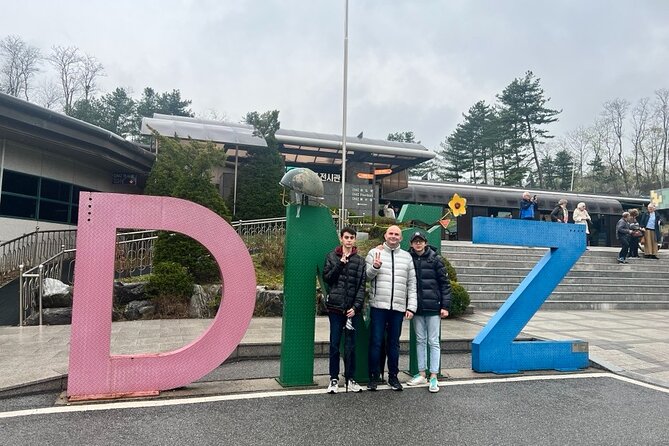
I would choose this tour if you want the DMZ explained in context and prefer a planned day from Seoul. It suits first-time visitors to South Korea who want to understand the division of the peninsula without arranging several separate transfers and admissions.
It is also a good fit if you want more than a viewpoint. The combination of the park, tunnel, and observatory gives you three distinct angles on the border.
History students, families with older children, and anyone interested in modern Korean politics may find the day especially worthwhile. The English and Spanish options also make the experience accessible to people who do not read Korean.
I would think twice if you dislike long day trips, group schedules, or sites with restricted access. The nine-hour duration includes a substantial drive, and the tunnel and border area are not places where you can wander freely.
The $250 cost deserves a careful look. If you value the guide, vehicle, and included admissions, the package may be sensible. If you mainly want a distant view of North Korea, a lower-cost option may suit you better, though the supplied details do not compare this tour with other operators.
Practical tips for making the day easier
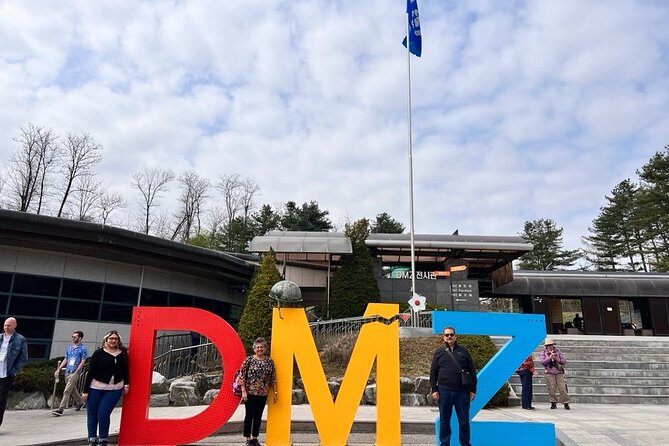
Meet at City Hall Station and allow enough time to find your guide before departure. Since the transfer to Paju takes about 90 minutes, a late start could affect the carefully timed border visits.
Wear comfortable clothing and shoes. The 3rd Infiltration Tunnel requires you to go underground as far as the public limit, so this is not a day for treating every stop as a drive-up viewpoint.
Bring money for lunch and dinner because neither meal is included. An air-conditioned vehicle is provided, which should make the long road portion more comfortable, but the day remains full and active.
Use the guide’s explanations to connect the stops. At Imjingak, focus on separated families and remembrance. At the tunnel, consider the military purpose. At Dora Observatory, look across the border with that earlier context in mind.
Should you book this DMZ tour?
Book it if you want a structured, guide-led day that combines human stories, military history, and a direct border view. The route is well suited to you if you want transport from Seoul, admissions handled, and explanations in English or Spanish.
Skip it if $250 feels too high for a nine-hour group outing or if you want a relaxed schedule with plenty of free time. The tour is long, food costs extra, and access at the tunnel and DMZ is limited.
For the right visitor, the strength is the complete progression from Imjingak to the tunnel and then Dora Observatory. You leave with more than a photograph of a distant border. You see how the division is remembered, defended, and viewed from the South Korean side.
FAQ
Where does the tour begin?
The tour begins at City Hall Station in Seoul. Pickup is also listed as offered, so confirm the exact meeting arrangement before the tour.
How long does the tour last?
The experience lasts approximately nine hours.
How long is the drive from Seoul to Paju?
The transfer from City Hall Station to Paju takes about 90 minutes by car.
Which languages are available?
The tour is led by certified guides fluent in English or Spanish.
Is transportation included?
Yes. An air-conditioned vehicle is included.
Are entrance fees included?
Yes. Entrance fees are included in the tour price.
Is lunch included?
No. Lunch is not included.
Is dinner included?
No. Dinner is not included.
Can you enter the 3rd Infiltration Tunnel?
You can go into the 3rd Infiltration Tunnel as far as the limited public area. Access beyond that point is restricted.
Recently added around Seoul
- Nami & Maple Road & Theatre des Lumieres Day Tour from Seoul★ 4.8 · 4 reviews
- Gyeongbokgung Palace Photo Session with your own phone★ 5.0 · 4 reviews
- Private Tour around Suwon UNESCO Fortress and Korea Folks Village★ 4.5 · 4 reviews
- N Seoul Tower + Namsan Cable Car Ticket (Collect in Myeongdong)★ 3.5 · 4 reviews
- Jisan Forest Resort: Ski Full-Day Tour or Shuttle from Seoul★ 5.0 · 4 reviews
- Seoul: Deoksugung Palace Night Tour★ 4.5 · 4 reviews
- Seoul Private Walking Tour with a Local★ 5.0 · 4 reviews
- Private Jeonju Hanok Village – Culinary tour★ 5.0 · 4 reviews
DMZ Tours, compared.
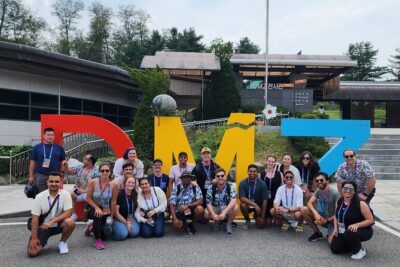
Best DMZ Tour Korea from Seoul (Red Suspension Bridge Optional)
Read the review →
DMZ Tour: 3rd Tunnel, Option(Suspension Bridge, Boat) from Seoul
Read the review →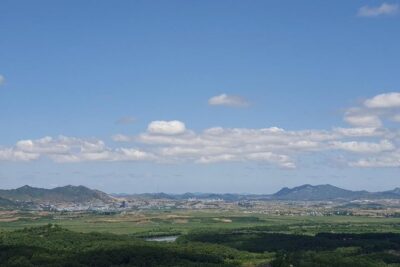
DMZ tour south Korea from Seoul (NK experience hall, defector)
Read the review →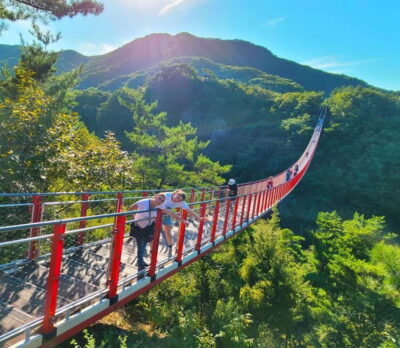
DMZ Insider Tour: 3rd Tunnel, NK Defector Meet & Red Bridge
Read the review →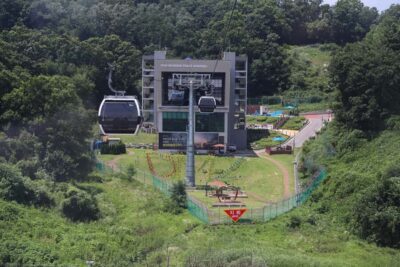
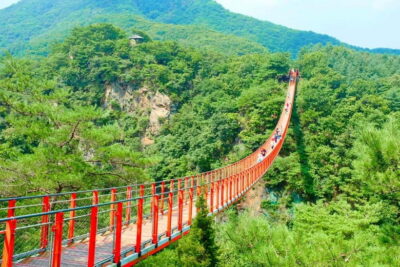
DMZ The 3rd Tunnel and Suspension Bridge Tour
Read the review →
Signature DMZ Tour: Exclusive Defector Talk & Suspension Bridge
Read the review →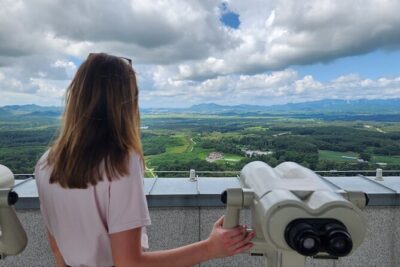
Thrilling Korean DMZ 3rd Tunnel Tour from Seoul + Red Bridge Rush
Read the review →Browse the lists this tour appears in