
Reviewed · DMZ TOURS
DMZ Guided Tour with Suspension Bridge / Gondola from Seoul
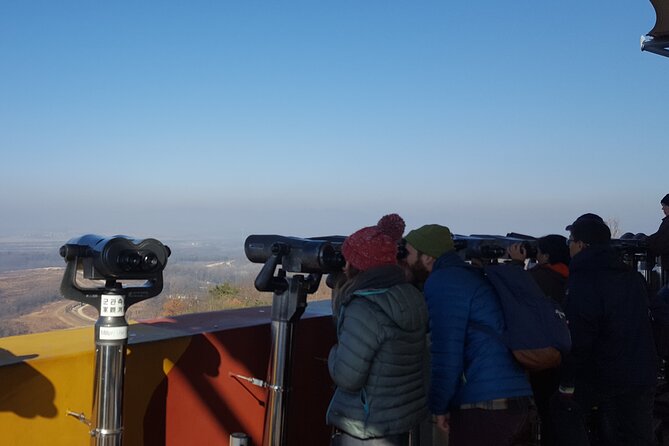
The most striking part of this day is walking into the Third Tunnel, a narrow passage built secretly beneath the border by North Korea. It is steep, damp, and physically demanding, but it gives the Korean conflict a scale that no museum display can match. On a clear day, Dora Observatory adds a quiet, sobering view across the border into North Korea.
I like that the tour removes the hard parts of planning a DMZ visit, including transport, timed entry, and access rules. I also like the range of guides, with Patrick, Roy, Ki, April, and Andrew praised for clear explanations and an engaging manner. The main drawback is the strict schedule, plus a long day that can run from seven to eleven hours depending on traffic and selected stops.
Key points to know before booking
- The Third Tunnel requires a steep walk: You descend and climb back up through a tunnel about 1,635 meters long, though the accessible visitor section is shorter.
- Dora Observatory depends on weather: Clear conditions may allow you to see North Korea, while fog, rain, or haze can reduce the view.
- Monday uses a different route: The Second Tunnel, Peace Observatory, and Woljeongri Station replace the usual Third Tunnel and Dora route.
- The gondola and suspension bridge are optional: Choose the add-on that fits your interests and budget when booking.
- Timing matters: DMZ entry uses fixed time slots, so late arrivals can affect the whole day.
- The $35 starting price is strong value: Round-trip transport, an air-conditioned vehicle, a guide, and attraction admissions are included, with optional extras handled separately.
Why the DMZ makes such a powerful day trip
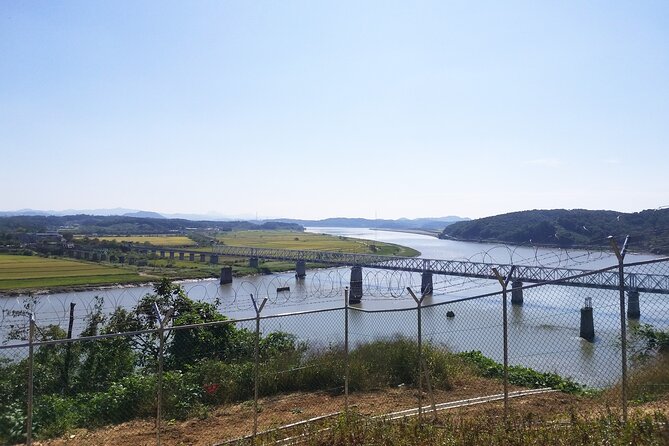
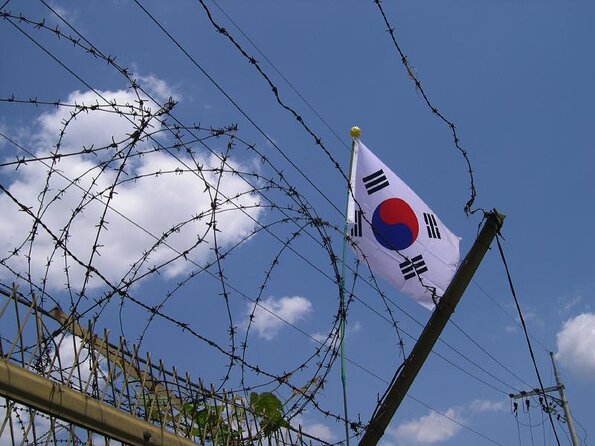
The Korean Demilitarized Zone is not a normal sightseeing district. It is a buffer zone between North and South Korea, stretching about 248 kilometers from the west coast near Paju to the east coast near Goseong. The area is heavily controlled, and access can change because of weather or political conditions.
That uncertainty is part of the experience. You are not simply touring an old battlefield. You are visiting a living border where the Korean War remains tied to present-day politics, families, and military tension. A guide makes a major difference here because the sites are more meaningful when you understand what happened around them.
I would book this as a full-day excursion rather than trying to squeeze it between Seoul attractions. The drive out of the city, security procedures, timed admissions, and distance between stops all add up. The advertised duration is about seven to eleven hours, and traffic can change the return time.
The tour uses round-trip transfers in an air-conditioned vehicle. The vehicle type can change with the number of people, so do not assume a particular bus or van. The maximum capacity is listed as very large, but the actual feel of the day depends on the departure group and vehicle assigned.
More DMZ Tours in Seoul:
- Best DMZ Tour Korea from Seoul (Red Suspension Bridge Optional)
★ 5.0 · 41,422 reviews - DMZ Tour: 3rd Tunnel, Option(Suspension Bridge, Boat) from Seoul
★ 5.0 · 21,373 reviews - DMZ tour south Korea from Seoul (NK experience hall, defector)
★ 5.0 · 20,599 reviews
Walking into the Third Tunnel
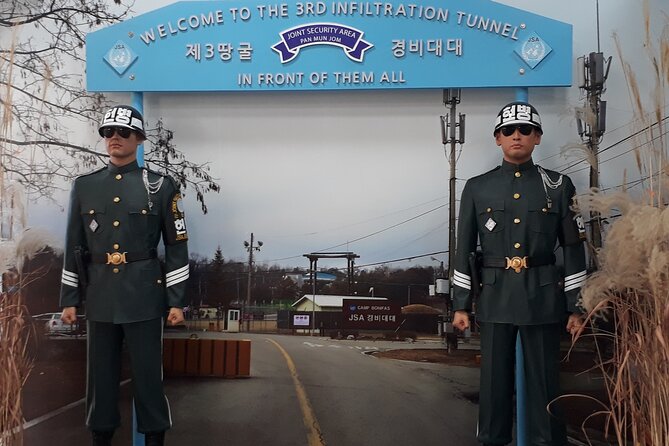
For most of the week, Tuesday through Sunday, the central physical experience is the Third Tunnel. South Korea discovered it in 1978, about 52 kilometers from Seoul. The passage measures roughly 1,635 meters in length, two meters in width, and two meters in height.
The tunnel was believed to be capable of moving about 30,000 soldiers per hour. That figure helps explain why the site matters. You are not just looking at an abandoned passage. You are seeing part of a military plan designed to move forces under the border.
The walk is the part you need to take seriously. The route goes downhill first, then requires a steep climb back out. The tunnel is damp and can feel slippery, and the total walk is described as similar to about 30 minutes of intermediate-level hiking. Several people found this to be the highlight of the tour, but it was also the most tiring section.
If you have heart disease or problems affecting your legs, back, or breathing, you cannot enter the Third Tunnel. A slow walk through the tunnel can be difficult even for people who are generally active. You can skip the walk, but you will miss the strongest hands-on part of the day.
The monorail is not available. That detail matters because you should not book this expecting a powered ride into the tunnel. Wear shoes with a firm grip, bring water, and save your energy for the climb out.
If the Third Tunnel is unavailable, the operator may replace it with another destination. That can happen because of access restrictions or other unexpected conditions.
Dora Observatory and the view toward North Korea
Dora Observatory offers the most memorable visual moment on the regular route. From the viewing area, you may be able to see across the border into North Korea when visibility is good. On foggy or hazy days, the view can be limited, so keep your expectations realistic.
The uncertainty actually suits the place. A perfectly clear panorama is impressive, but a curtain of fog also reminds you that the border is not a theme-park attraction with guaranteed scenery. Bring your camera, but do not judge the entire outing by the visibility on one morning.
Your guide will add context to what you are looking at. Without explanation, the distant hills and border installations can appear abstract. With a clear account of the division, the war, and the peninsula’s continuing separation, the view carries more weight.
Some departures also include a gondola option near the DMZ. The gondola gives you a different angle and can be a good choice if you want photos without adding another strenuous walk. It is an optional selection, so check the booking choice and included admission before you pay.
Dorasan Station and the meaning of a last stop
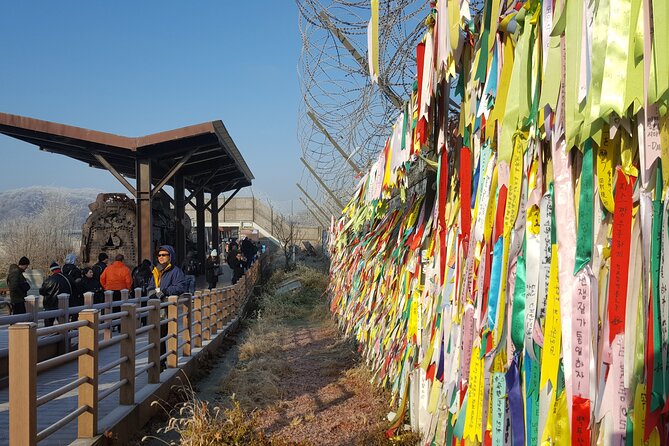
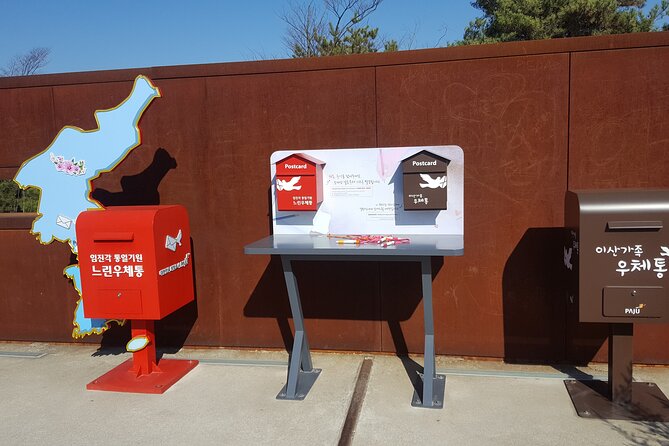
Dorasan Station is described as the last station in South Korea, with the possibility of seeing signs connected to Pyongyang. Its importance is less about trains arriving today and more about the idea of a railway that could one day connect the two Koreas.
The stop works best when you give it a moment instead of treating it as a quick photo break. It represents an unfinished connection. South Korea built infrastructure that points north, but the political divide prevents the route from operating as a normal cross-border railway.
The tour may also include Unification Village. The exact order and duration can change, especially when optional activities are added or when security procedures take longer than expected.
More Suspension Bridge Tours in Seoul:
- Seoul: DMZ Tour with Optional Suspension Bridge
★ 4.8 · 5,277 reviews - Seoul: DMZ The 3rd Tunnel and Suspension Bridge Tour
★ 5.0 · 4,656 reviews - Signature DMZ Tour: Exclusive Defector Talk & Suspension Bridge
★ 5.0 · 4,459 reviews - Ultimate Korea DMZ Tour from Seoul (Gondola & Suspension Bridge)
★ 5.0 · 2,396 reviews
Monday’s Second Tunnel route
Monday follows a different program. Instead of the usual Third Tunnel and Dora Observatory route, the tour visits the Second Tunnel, Peace Observatory, Woljeongri train station, and the suspension bridge.
The Second Tunnel gives you another look at underground military construction and the division of the peninsula. Peace Observatory provides a border-facing viewpoint, while Woljeongri Station adds another reminder of rail lines interrupted by conflict.
This Monday route is not a lesser version of the tour. It is simply different. If the Third Tunnel is your top reason for booking, avoid Monday if you can. If the suspension bridge and a broader set of border-related stops appeal to you, Monday may work well.
The Monday program is listed at about three hours for the listed attraction sequence, but the overall excursion still includes transport time and can take much of the day. Confirm the route shown for your selected date before booking.
Choosing the suspension bridge or gondola
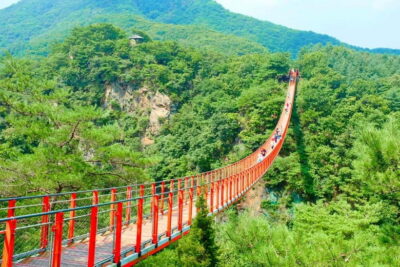
The Gamaksan Chulleong Bridge option takes you to a suspension bridge near the DMZ. It connects two sides of a mountain valley and adds a scenic outdoor element to a day that otherwise focuses heavily on war history and border politics.
The bridge visit lasts about an hour and a half in the stated schedule. Admission is included when the suspension bridge option is selected. You should expect more walking, but the stop can break up the serious tone of the DMZ sites.
The gondola offers a different kind of add-on. It provides a higher viewpoint and good photo opportunities, according to the tour information. The cable car ticket is included only if you select that option.
You cannot assume both the gondola and bridge are included together. They are optional choices, and the price may vary depending on what you select. One useful detail from the day’s operation is that people who initially skipped the gondola were given free time while the rest of the group rode it, then were able to add it later. I would not rely on that arrangement, but it shows that the guide may try to keep the group together when practical.
For scenery, choose the gondola or bridge. For a more focused historical day, skip the add-on and use the extra time to absorb the DMZ stops.
Guides who bring structure to a serious subject
The strongest part of this experience is the guide. Patrick is repeatedly described as entertaining, precise with timing, and strong in English. Roy is praised for friendly explanations and good communication. Ki kept younger members engaged while treating the war stories seriously, and April was noted for clear explanations of the politics and culture.
Andrew and Mac are also named as guides who added useful local context and kept the day moving. Your assigned guide may be someone else, but the experience depends heavily on how well that person explains the sites.
A good guide matters because the DMZ can otherwise become a string of checkpoints and photo stops. The best guiding here mixes facts with human meaning. You should learn what the tunnels were for, why the rail stations matter, and how the division continues to shape Korea.
There is also an optional meeting with a North Korean defector. It is not included as a required part of every booking, so check the selection details if this is important to you. This option can add a personal perspective to the larger political story.
The strict schedule is part of the deal
DMZ access is controlled, and entry slots are not flexible in the way a city walking tour might be. You need to arrive on time for pickup and return promptly after breaks. A guide who keeps a tight schedule is protecting the group from missing its next admission.
That structure can feel rushed. You may have only a set amount of time at each stop, and some people find the repeated reminders about punctuality irritating. Others appreciate that the tour runs efficiently and avoids long waits.
I would treat the schedule as a trade-off for access. The same system that limits your freedom also helps the group visit sites that cannot be entered casually. Keep your belongings close, listen for meeting instructions, and do not assume lunch will happen at a convenient hour.
Meals and drinks are not included. One useful plan is to bring a small amount of food, since the day can stretch toward the later end of the seven to eleven hour range. The schedule includes a lunch stop where you can purchase a meal, but the timing may not suit everyone.
Is $35 good value for a full day?
At $35 per person, the starting price is attractive for a day that includes round-trip transportation from Seoul, an air-conditioned vehicle, an English-speaking guide and driver, and admission to the listed attractions. Seoul excursions can be inexpensive, but the DMZ involves controlled access and distant sites that are awkward to arrange independently.
The main point to check is the option price. Gondola and suspension bridge access are not automatically bundled into the base fare. If you choose one, the cable car ticket or bridge admission is included for that selected option.
The value is strongest if you want the Third Tunnel, Dora Observatory, and transport handled in one booking. It is less compelling if you dislike fixed schedules, long drives, or group movement. You are paying for access and coordination more than luxury.
The exact drop-off location and time can change with traffic. Do not schedule a tight evening reservation after the tour. Weather and political conditions can also cancel the outing, in which case you are offered another date or a full refund. Free cancellation is available up to 24 hours before the start time, but late cancellations and late changes are not refunded or accepted.
Who should book this DMZ tour?
I would recommend it to you if you want a clear introduction to the Korean War and the continuing division of the peninsula, especially during a short Seoul visit. It suits people who value explanation, structured sightseeing, and access to places that are difficult to reach alone.
Families with older children and teenagers can enjoy it, provided everyone can handle the walking. The guide’s stories and occasional humor help keep a serious subject approachable. The gondola or bridge option can also add variety for people who want more than military history.
I would hesitate if you have a heart, leg, back, or respiratory condition, or if steep walking is a concern. The Third Tunnel is the key physical challenge, but the full day also involves repeated walking at multiple stops.
This is not the tour for you if you want a slow morning, an unplanned lunch, or lots of time at each viewpoint. It is a better fit if you can accept a firm timetable in exchange for a well-organized introduction to the border.
Final booking advice
Book this tour if the DMZ is high on your Seoul list and you want the history explained as you go. Choose Tuesday through Sunday for the Third Tunnel, Dora Observatory, and Dorasan Station route. Choose Monday only if the Second Tunnel, Peace Observatory, Woljeongri Station, and suspension bridge appeal more.
Pick the gondola for a higher viewpoint and photographs, or the suspension bridge for a walk through a mountain valley. Bring water, a small snack, sturdy shoes, and patience with the clock. If you prepare for a long, controlled day rather than a relaxed outing, the $35 starting price offers a strong and meaningful use of your time in Korea.
FAQ
How long does the DMZ guided tour take?
The experience lasts approximately seven to eleven hours, including transportation. Traffic and the selected attractions can affect the exact return time.
What does the $35 price include?
The starting price includes round-trip transfers, an air-conditioned vehicle, an English-speaking guide and driver, and admission to the included attractions. Optional gondola or suspension bridge access depends on the selection made when booking.
Can I see North Korea on this tour?
You may see North Korea from Dora Observatory when the weather and visibility are clear. Fog, rain, or haze can limit the view.
Which DMZ route operates on Mondays?
On Mondays, the tour visits the Second Tunnel, Peace Observatory, Woljeongri train station, and the suspension bridge.
Which route operates from Tuesday through Sunday?
From Tuesday through Sunday, the usual route includes the Third Tunnel, Dora Observatory, and Unification Village, with gondola or suspension bridge options depending on your selection.
Is the Third Tunnel physically demanding?
Yes. It requires an intermediate level of hiking, including a steep descent and climb. The tunnel is about two meters high and two meters wide, and the walk can be damp or slippery.
Is a monorail available in the Third Tunnel?
No. The monorail is not available, so you should expect to walk through the accessible section of the tunnel.
Are meals and drinks included?
No. Meals and beverages are not included. You can purchase a meal during a lunch stop, and bringing a small amount of food may be useful.
Can the tour be canceled?
Yes. The tour may be canceled because of extreme weather, political conditions, unexpected events, or an insufficient minimum number of participants. You will be offered another date or a full refund in those cases.
More day trips out of Seoul
- Thrilling Korean DMZ 3rd Tunnel Tour from Seoul + Red Bridge Rush
★ 5.0 · 3,097 reviews - DMZ Past and Present: Korean Demilitarized Zone Tour from Seoul
★ 5.0 · 2,481 reviews - DMZ Tour from Seoul – Optional Suspension Bridge Experience
★ 5.0 · 1,918 reviews - Half-Day DMZ Tour Led by a Retired Military Officer from Seoul
★ 5.0 · 1,774 reviews
Recently added around Seoul
- Nami & Maple Road & Theatre des Lumieres Day Tour from Seoul★ 4.8 · 4 reviews
- Gyeongbokgung Palace Photo Session with your own phone★ 5.0 · 4 reviews
- Private Tour around Suwon UNESCO Fortress and Korea Folks Village★ 4.5 · 4 reviews
- N Seoul Tower + Namsan Cable Car Ticket (Collect in Myeongdong)★ 3.5 · 4 reviews
- Jisan Forest Resort: Ski Full-Day Tour or Shuttle from Seoul★ 5.0 · 4 reviews
- Seoul: Deoksugung Palace Night Tour★ 4.5 · 4 reviews
- Seoul Private Walking Tour with a Local★ 5.0 · 4 reviews
- Private Jeonju Hanok Village – Culinary tour★ 5.0 · 4 reviews
DMZ Tours, compared.
Best DMZ Tour Korea from Seoul (Red Suspension Bridge Optional)
Read the review →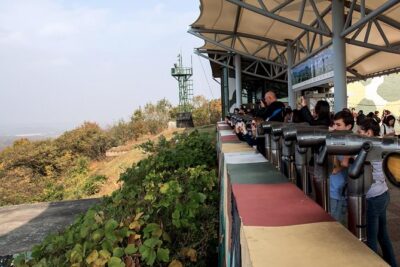
DMZ Tour: 3rd Tunnel, Option(Suspension Bridge, Boat) from Seoul
Read the review →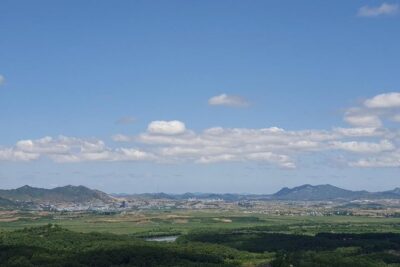
DMZ tour south Korea from Seoul (NK experience hall, defector)
Read the review →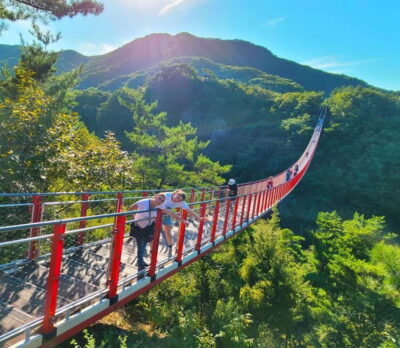
DMZ Insider Tour: 3rd Tunnel, NK Defector Meet & Red Bridge
Read the review →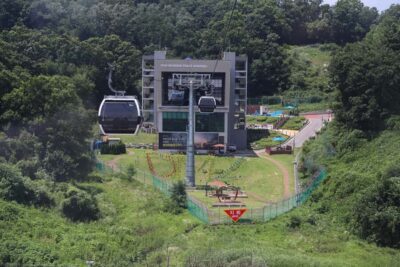
DMZ The 3rd Tunnel and Suspension Bridge Tour
Read the review →
Signature DMZ Tour: Exclusive Defector Talk & Suspension Bridge
Read the review →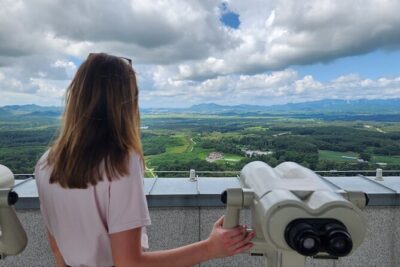
Thrilling Korean DMZ 3rd Tunnel Tour from Seoul + Red Bridge Rush
Read the review →Browse the lists this tour appears in