Reviewed · SEOUL TOURS
Discover Western Korea in 4days: All-Inclusive Experience
Western Korea comes into focus on this four-day trip from Seoul to Busan. You’ll move from Baekje royal tombs and fortress walls to Jeonju’s old lanes, a Buddhist temple, tea fields, a coastal wetland, and a quiet war memorial. It is a good way to see places that are awkward to link by yourself.
I like the no-shopping policy, which keeps the days pointed toward sights, food, and local culture. I also like the generous meal plan, including four lunches, three dinners, and three breakfasts, with traditional Korean dishes chosen along the way. The main consideration is pace: several days pack multiple stops into long hours on the road.
Key points
- Baekje treasures in Gongju: Walk the UNESCO-listed Gongsanseong Fortress, royal tombs, and a museum filled with artifacts from King Muryeong’s burial site.
- Jeonju’s traditional core: Explore more than 800 hanok houses, visit Gyeonggijeon Shrine, and wear hanbok in the old village.
- A rare temple encounter: At Baekyangsa, a Buddhist monk leads a tea conversation designed for quiet reflection.
- Two very different natural sites: See the ordered rows of Boseong tea plants, then the broad marshes of Suncheon Bay.
- Strong value for a four-day package: The price includes hotels, meals, transport, admission fees, taxes, and an English-speaking guide.
- A practical return by rail: The group is taken to Busan Station for the estimated 2:31 pm KTX to Seoul, arriving around 5:14 pm.
What this four-day western Korea route actually gives you
This is not a quick city tour with a countryside photo stop. It is a point-to-point journey through the western and southern parts of Korea, ending in Busan before you return to Seoul by high-speed train.
The route covers several periods of Korean history. Gongju introduces the Baekje kingdom. Jeonju turns to the Joseon dynasty and traditional architecture. Baekyangsa brings in Buddhist practice, while the UN Memorial Cemetery recalls the Korean War. Between these historical stops, you get tea-growing hills and a major coastal wetland.
The tour costs $1,200 per person. That is a substantial price, but it covers three nights of accommodation, an air-conditioned vehicle, all listed entrance fees, seven included meals, taxes, and a professional English-speaking guide or driver-guide. You are paying for a managed route across several regions, not just sightseeing in one city.
The lack of shopping stops matters. Many packaged tours build in factory visits or sales presentations. This one is designed around visits, meals, scenery, and cultural activities instead. If you prefer independent wandering and choosing every restaurant yourself, the fixed schedule may feel restrictive. If you want the logistics handled, it makes more sense.
A few more Seoul half-days to weigh up
- Discover Eastern Korea in 4days: All-Inclusive Experience
★ 4.5 · 16 reviews
Day 1: Baekje history at Gongsanseong Fortress and King Muryeong’s tomb
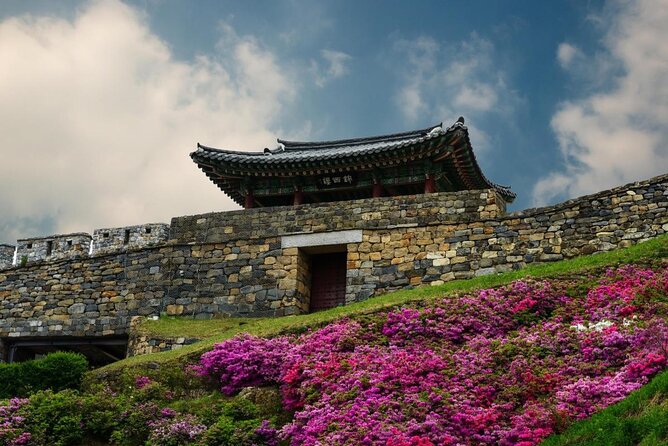
The first day takes you to Gongju, an important center of the ancient Baekje kingdom. Begin at Gongsanseong Fortress, a hillside defensive site included on the UNESCO World Heritage list in 2015.
Allow about 90 minutes here. The fortress setting gives you more than stone walls. You get raised views and a clear sense of why this location mattered for defense. The terrain is not completely flat, so bring shoes suitable for uneven paths and moderate walking.
Next comes the Songsan-ri Tombs and the Royal Tomb of King Muryeong. The tomb is especially notable for its brick construction, which differs from the simple image many people have of an ancient Korean burial site. The displays help explain royal burial customs and the skill needed to make the tomb and its objects.
Another 90 minutes is planned for this stop. Take time to look closely at the decorative work rather than rushing from one room to the next. The visit works best when your guide explains how the artifacts connect to the Baekje court.
The final Gongju stop is the Gongju National Museum. Its collection includes around 10,000 cultural artifacts, with special attention to objects found in King Muryeong’s tomb. Gilt-bronze ornaments and royal relics make this a useful follow-up to the tomb visit because you see the actual craftsmanship behind the earlier explanations.
You spend about an hour at the museum. By the end of the day, the three sites fit together well: fortress, tomb, and collection. The drawback is that this is a history-heavy opening, with little free time for simply exploring Gongju on your own.
Day 2: Hanok lanes, royal portraits, and tea at Baekyangsa
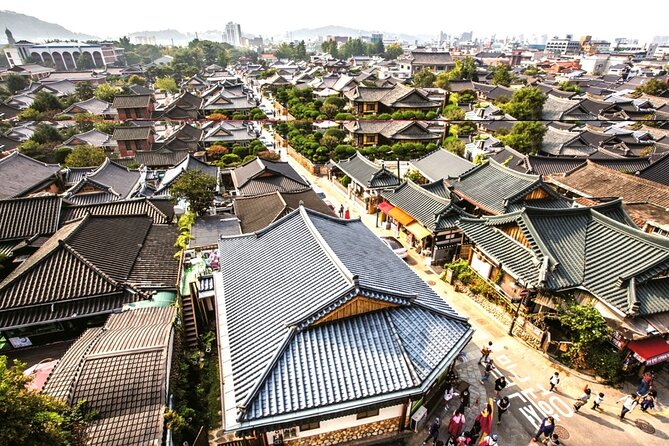
The second day shifts to Jeonju Hanok Village, one of the most photogenic sections of the route. More than 800 traditional hanok houses fill the area, creating narrow lanes and a much slower feel than modern Korean city centers.
You begin at Gyeonggijeon Shrine, then have time in the village and a scheduled hanbok experience with Hanboknam Jeonju Hanok Village. Wearing the traditional clothing adds a physical element to the visit. You are not only looking at old buildings, you are moving through them in clothing linked to Korea’s court and cultural traditions.
The hanbok portion lasts about an hour. The village visit is planned for two hours, with another hour at Gyeonggijeon Shrine. The timing gives you a structured introduction, but it may not leave much room for independent browsing if you enjoy stopping at every small shop or café.
Gyeonggijeon was built in 1410 and holds a portrait of King Tae-jo, founder of the Joseon Dynasty. The shrine offers a useful counterpoint to the Baekje sites from Day 1. Here, the focus shifts to the dynasty that shaped Korea’s later royal and cultural identity.
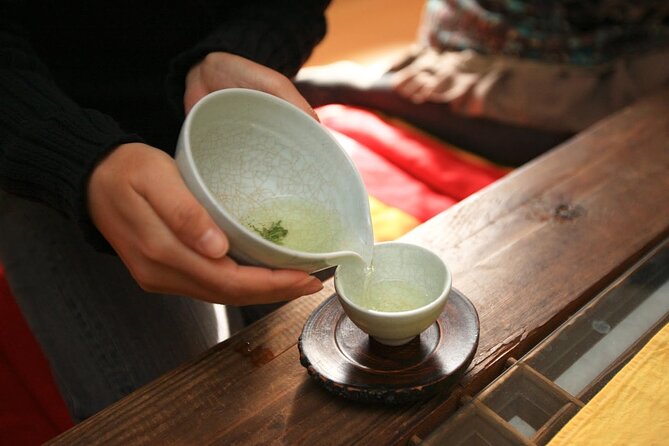
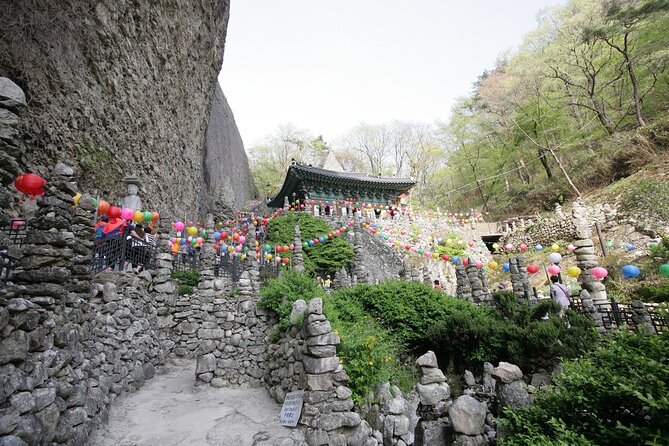
After Jeonju, you travel to Baekyangsa Temple. The temple is known for changing character with the seasons, and its wooded setting gives the day a quieter finish. The most unusual part is the tea conversation with a Buddhist monk, scheduled for about two hours.
This is not simply a tea tasting squeezed between bus stops. It is intended as a calm conversation and time for reflection. The experience may appeal to you if you enjoy cultural encounters that are less performative and more personal. It may feel slow if you want a packed list of monuments.
The second day combines architecture, clothing, royal history, and Buddhist practice. That variety is one of the strongest parts of the trip. It also makes this a full day, so expect to be ready for an early start and continued walking.
Day 3: Boseong tea rows and Suncheon Bay wetlands
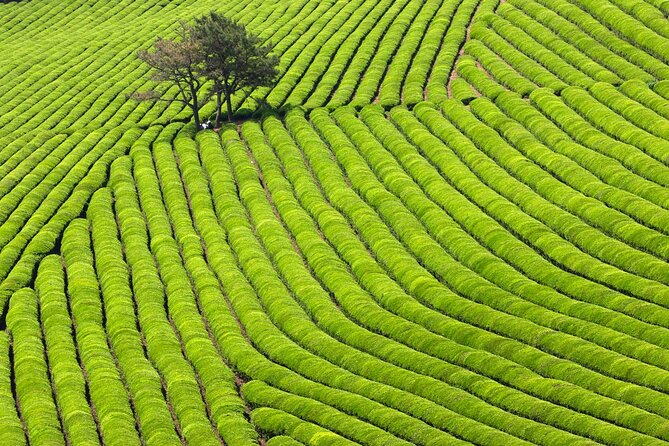
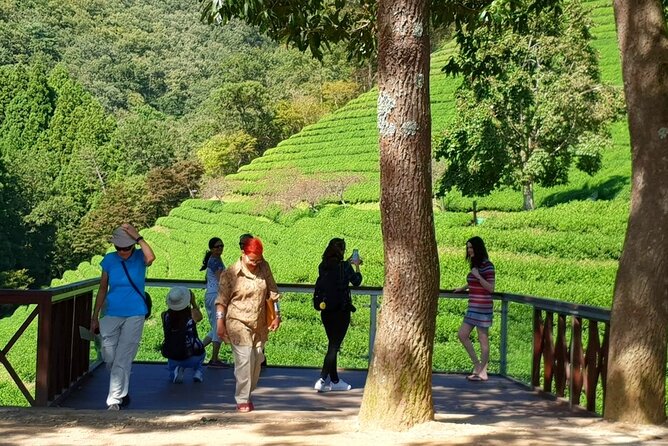
Day 3 is the route’s best day for open scenery. At Daehan Dawon in Boseong, you walk through Korea’s largest green tea plantation. The tea plants grow in long, shaped rows across the hills, giving you a very different view from the tiled roofs and fortress walls earlier in the trip.
About two hours are planned at the plantation. You’ll have time to walk among the tea bushes and take in the changing views. The site is outdoors, so weather will affect how enjoyable it feels. Comfortable shoes and protection from sun or rain are sensible choices.
The plantation is also a good reminder that Korean food culture is tied to working land, not only restaurants and markets. The tour’s meal plan helps build that connection, since you are served different kinds of traditional Korean food rather than being left to arrange every meal yourself.
After lunch, continue to Suncheon Bay Wetland Reserve. The wetland lies where the river meets the sea and supports more than 250 species. It is recognized as one of the world’s five major coastal wetlands.
Plan about two hours here. The appeal is space and wildlife habitat, not a single grand building. The reserve lets you see another side of Korea, one shaped by tides, reeds, water, and migrating or resident birdlife.
Boseong and Suncheon work well as a pair. The tea plantation is orderly and cultivated. The wetland is broad and natural. If you have spent most of your Korean holiday in Seoul, this day gives you a welcome change of scale.
The limitation is weather. The experience requires good conditions, and both stops are more rewarding when you can walk outside comfortably. The operator may offer a different date or a full refund if poor weather forces cancellation, but you should still pack for changing conditions.
A different way to spend a day from here:
- Best DMZ Tour Korea from Seoul (Red Suspension Bridge Optional)
★ 5.0 · 41,422 reviews - DMZ Tour: 3rd Tunnel, Option(Suspension Bridge, Boat) from Seoul
★ 5.0 · 21,373 reviews - DMZ tour south Korea from Seoul (NK experience hall, defector)
★ 5.0 · 20,599 reviews - Seoul: DMZ Tour with Optional Suspension Bridge
★ 4.8 · 5,277 reviews
Day 4: A quiet morning at Busan’s UN Memorial Cemetery
The final listed visit is the UN Memorial Cemetery in Busan. It honors UN soldiers who died during the Korean War, with about 2,300 graves arranged by nation.
Allow 90 minutes. This is a solemn place, and the value comes from taking your time rather than treating it as a quick photo stop. The cemetery gives the modern history of Korea a human scale after several days focused on dynasties, temples, and traditional architecture.
The stop is free, but it is emotionally weightier than a standard sightseeing attraction. You should expect a respectful atmosphere and plan your morning accordingly.
After the cemetery, your guide takes you to Busan Station. The estimated KTX departure is 2:31 pm, with arrival at Seoul Station around 5:14 pm. If the group has nine or fewer people, KTX tickets are provided. You arrange your own onward transportation from Seoul Station.
This ending is practical, but note that Seoul Station is not the same as your original meeting point in Insadong. If you have luggage, a late flight, or a hotel far from central Seoul, allow time for the final transfer.
Meals and hotels: where the $1,200 price earns its keep
The package includes three nights of accommodation, four lunches, three dinners, and three breakfasts. That takes away much of the daily guesswork, especially on days when the route moves between smaller cities and rural sights.
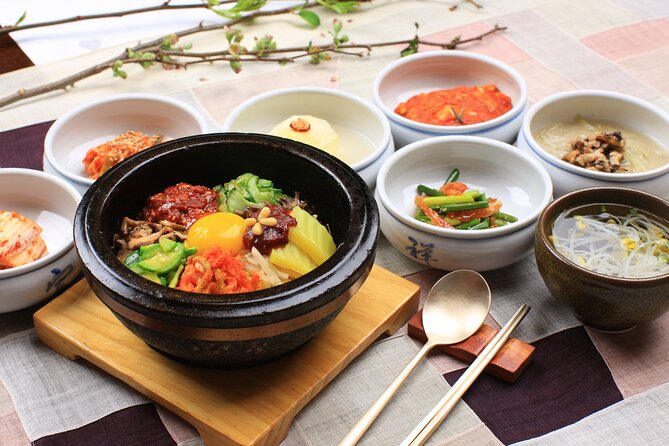
Food is a major part of the experience. The program is designed to serve different types of traditional Korean dishes, and one particularly positive detail is that restaurant choices are planned rather than left to chance. You should still check whether the menu fits your dietary needs before booking, since no specific substitutions are listed.
The hotel standard is described as high quality, with clean and pleasant rooms noted in the available feedback. Specific hotel names are not provided, so you cannot compare room size, neighborhood, or facilities in advance. If the exact properties matter to you, ask Hanatour ITC before paying.
The included meals and hotels make the cost easier to understand. Paying for three nights, seven meals, transport across several regions, entrance tickets, and a guide separately would take time and could produce a similar total. The tradeoff is that you give up control over hotel selection and restaurant timing.
Transport, group size, and the daily pace
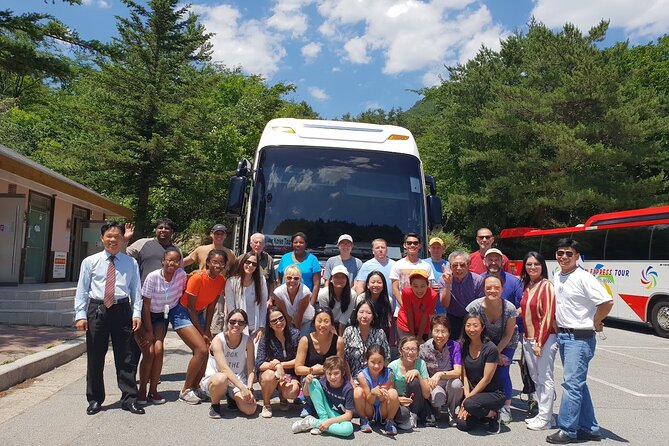
The vehicle is air-conditioned, with its size depending on the group. The maximum group size is 35 people. A group of that size can make departures and meal service slower, although the vehicle arrangement should match the number of people.
You need a moderate level of physical fitness. The route includes a hillside fortress, walking through a traditional village, outdoor tea fields, and a wetland reserve. The tour is listed as suitable for people from age one to over 80, but suitability does not mean every stop is effortless. Anyone with walking concerns should ask for current details before booking.
The first morning starts at 8:00 am. Hotel pickup is not included on the first day, and the information gives Center Mark Hotel in Insadong as the pickup point. Another meeting-point entry names AMID Hotel Seoul, also in Insadong, so confirm the exact place and arrival time with the operator before the tour.
On the final day, you arrange your own transportation from Seoul Station. These details are small, but they matter. A package can feel easy during the main route and still become awkward if you arrive late at the starting point or fail to plan the last hotel transfer.
The tour is booked, on average, 35 days ahead. That suggests you should not leave it until the week before your trip, particularly if you need a certain date or room arrangement.
How the guide affects the experience
A professional English-speaking guide, or a driver-guide, accompanies the trip. That role is important here because the meaning of the sites is not always obvious from the buildings alone. The Baekje tombs, Gyeonggijeon Shrine, and UN cemetery all benefit from clear explanation.
Guide Jay is specifically associated with caring service, and that detail may help you know what kind of support the company aims to provide. Your actual guide may be someone else, so treat Jay’s name as a useful reference rather than a guarantee.
A guide also helps with the practical side of a four-day route: keeping the group on schedule, handling admissions, directing you to meals, and getting everyone to the KTX station. The cost of that convenience is less free time. You will follow the group’s timetable rather than deciding to stay longer at Jeonju or skip a museum.
Who should book this western Korea tour?
I would look closely at this tour if you want to see several regions without changing the plan yourself. It suits first-time visitors to Korea who want history, food, scenery, and cultural activities in one short trip.
It is also a good match if you prefer:
- A no-shopping itinerary
- Included meals and hotel nights
- English-language support
- A moderate amount of walking
- Traditional Korean sites beyond Seoul
- A clear route ending with KTX service back to Seoul
I would hesitate if your main goal is independent travel. The days are structured, the group may reach 35 people, and the schedule leaves limited room for spontaneous detours. You may also prefer another option if you need detailed hotel information, strict dietary planning, or a very relaxed pace.
The cancellation terms are worth noting before you book. Cancel at least six full days before the start for a full refund. Cancellation two to six full days ahead receives a 50 percent refund, while cancellation less than two full days ahead is not refunded. Weather-related cancellation brings a different date or full refund.
Should you book it?
Book this trip if you want a well-supported introduction to western Korea and value seeing many distinct places over lingering in one. The best parts are the thoughtful route, the absence of shopping stops, the mix of meals and cultural activities, and the unusual tea conversation at Baekyangsa.
At $1,200, it is not a bargain-basement tour. It earns its price through transport, three hotel nights, seven meals, admissions, taxes, and a guide across a demanding route. Just confirm the first-day meeting hotel, ask for the accommodation names, and decide if the full schedule suits your energy.
If those details work for you, this is a strong choice for reaching Gongju, Jeonju, Boseong, Suncheon, and Busan in four days without wrestling with Korea’s intercity connections on your own.
FAQ
How long is the tour?
The experience lasts approximately four days, beginning at 8:00 am on Day 1 and ending after arrival at Seoul Station on Day 4.
What meals are included?
The package includes four lunches, three dinners, and three breakfasts.
Are hotels included?
Yes. Three nights of accommodation are included, although specific hotel names are not provided in the tour details.
Is transportation included?
An air-conditioned vehicle is included during the tour, with the vehicle type based on group size. For groups of nine or fewer, KTX tickets are provided for the return from Busan to Seoul. You arrange your own transportation to Seoul Station after arrival.
What is the group size?
The tour can have a maximum of 35 people.
Can I cancel for a refund?
You receive a full refund if you cancel at least six full days before the experience begins. Cancellation two to six full days ahead receives a 50 percent refund. Cancellations less than two full days before the start are not refunded.
Recently added around Seoul
- Nami & Maple Road & Theatre des Lumieres Day Tour from Seoul★ 4.8 · 4 reviews
- Gyeongbokgung Palace Photo Session with your own phone★ 5.0 · 4 reviews
- Private Tour around Suwon UNESCO Fortress and Korea Folks Village★ 4.5 · 4 reviews
- Seoul: Deoksugung Palace Night Tour★ 4.5 · 4 reviews
- N Seoul Tower + Namsan Cable Car Ticket (Collect in Myeongdong)★ 3.5 · 4 reviews
- Jisan Forest Resort: Ski Full-Day Tour or Shuttle from Seoul★ 5.0 · 4 reviews
- Seoul Private Walking Tour with a Local★ 5.0 · 4 reviews
- Private Jeonju Hanok Village – Culinary tour★ 5.0 · 4 reviews
Seoul Tours, compared.
Best DMZ Tour Korea from Seoul (Red Suspension Bridge Optional)
Read the review →
DMZ Tour: 3rd Tunnel, Option(Suspension Bridge, Boat) from Seoul
Read the review →
DMZ tour south Korea from Seoul (NK experience hall, defector)
Read the review →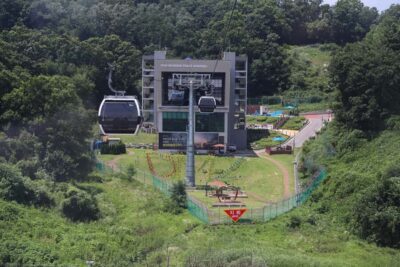
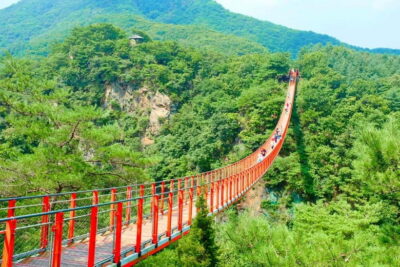
DMZ The 3rd Tunnel and Suspension Bridge Tour
Read the review →
Signature DMZ Tour: Exclusive Defector Talk & Suspension Bridge
Read the review →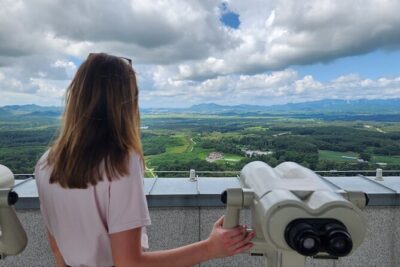
Thrilling Korean DMZ 3rd Tunnel Tour from Seoul + Red Bridge Rush
Read the review →