
Reviewed · SEOUL TOURS
Bike tour, Travel back in time to Old Seoul
Seoul’s Joseon-era heart is easier to understand from a bicycle. In three hours, you move from a restored stream and royal gates to quiet stone walls, old churches, palace grounds, cafe lanes, and a Jongno food alley. The history is tied to the streets you are riding through, not delivered as a string of dates in a lecture hall.
I like the small maximum group of eight, which should make city riding and questions easier. I also like the local snack, water, helmet, and lights included in the price. The main point to check is timing: the tour is promoted around cooler evening air and sunset, but the listed start time is 10:00 am, so confirm the current departure time before booking.
Key points about this Seoul bike ride
- Ten stops in about three hours: You cover major Joseon sites without spending a full day inside one attraction.
- A gentle pace: The ride is described as not strenuous, though you should have moderate physical fitness for city cycling.
- A maximum of eight people: This keeps the group more personal than a large bus or mass walking tour.
- History and present-day Seoul together: Palace walls, churches, cafes, boutiques, alleys, and food stalls all fit into the route.
- One local street-food snack is included: Possible examples include hotteok, a fish-shaped red-bean pastry, or a Korean corn dog.
- Bad weather changes the format: The experience may become a walking tour, or be canceled with a choice of a new date or full refund.
Why a bicycle works for old Seoul
The Joseon dynasty left Seoul with an unusual gift: five royal palaces from one era sit within the modern city. That makes central Seoul especially well suited to a short history tour. You do not need to choose between a palace visit and a look at everyday city life. This route links both.
A bicycle also helps with scale. The stops are close enough to form one story, but far enough apart that walking between all of them can eat up time. You ride past office districts, broad civic spaces, side roads, and palace edges, then stop for short explanations. The format gives you movement and context without turning the whole day into exercise.
The tour lasts about three hours. Most stops are brief, with longer pauses at places such as Cheonggyecheon Stream, Gyeonghuigung, Gwanghwamun Square, and the palace area. That balance works well for a first look at central Seoul. It also means you should not expect detailed interior visits to every palace. The focus is on the setting, the stories, and the connections between sites.
The group limit of eight matters here. Seoul is a busy city, and a guide needs to keep track of bikes, traffic, and questions. A small group should feel safer and less awkward than trying to hear a story while standing behind twenty people.
More bike rides around Seoul:
- From Seoul: Nami Island, K-drama Garden & Rail Bike Day Tour
★ 4.6 · 724 reviews - Seoul E-bike Tour
★ 5.0 · 536 reviews - Day Trip to Nami Island with Rail bike and The Garden of Morning Calm
★ 4.5 · 459 reviews
Cheonggyecheon Stream and the making of Seoul
The first stop is Cheonggyecheon Stream, where your guide introduces the stream as a key water source chosen by Korean ancestors when the capital was established. That gives you a useful first lesson in how the city was selected and organized.
The stream you see today is not the stream older residents remember. Until the 1960s, this area had a very different character, including homeless people and beggars. The modern channel is now a neat central waterway, so the stop offers a quick reminder that Seoul has changed sharply within living memory.
This is a good opening because it moves beyond palace walls. You begin with geography, city planning, and social change before turning to kings and royal families. The stop lasts about 15 minutes, free of admission, and gives you time to get settled on the bike.
Seoul City Hall and the old center of power
At Seoul City Hall, the guide connects today’s powerful neighborhoods, such as Gangnam and Hannam, with the political center of an earlier dynasty. The question is simple: where did the wealthy and powerful live before the modern city spread south of the river?
The answer brings the focus back to central Seoul. The stop itself is only about five minutes, so do not expect a long visit. Its value is as a bridge between present-day Seoul and Joseon Seoul. You are looking at a modern civic district while considering how central power once worked in the same broad part of town.
I like this kind of comparison. It helps you read Seoul as a city with layers, rather than treating old palaces as isolated museums.
Deoksugung and the final years of Joseon
Deoksugung is one of the more serious stops. The palace is tied to the end of the Joseon era, and the last king lived here as the kingdom gradually faded. The guide presents the palace as a place connected to political pressure, loss, and the difficult transition into a new age.
The stop lasts around 10 minutes. You may only pause at the entrance or nearby rather than spend time touring the full palace grounds, so set your expectations accordingly. This is a story stop, not a complete Deoksugung visit.
Afterward, the route follows Deoksugung Doldam-gil, the famous stone-wall road. The wall is attractive in every season, with spring blossoms, summer greenery, and autumn leaves noted as part of its appeal. The road also carries a city legend connected with couples, though the supplied details do not explain the full story.
The five-minute pause is short, but the setting gives you a welcome change from broad streets and office buildings. It is one of the places where a bicycle tour feels especially pleasant: stop, look, hear the local story, then continue.
A few more Seoul half-days to weigh up
- Best DMZ Tour Korea from Seoul (Red Suspension Bridge Optional)
★ 5.0 · 41,422 reviews - DMZ Tour: 3rd Tunnel, Option(Suspension Bridge, Boat) from Seoul
★ 5.0 · 21,373 reviews - DMZ tour south Korea from Seoul (NK experience hall, defector)
★ 5.0 · 20,599 reviews - Seoul: DMZ Tour with Optional Suspension Bridge
★ 4.8 · 5,277 reviews
Jung-dong’s churches and the opening of Korea
Jung-dong adds another surprise. Many people picture old Seoul only through royal buildings, but this neighborhood has churches and cathedrals linked with the first Western churches built during the enlightenment movement at the end of Joseon.
The area is described as peaceful, and the five-minute stop gives the route a different mood. Here, the story shifts from court life to the arrival of new ideas and outside influences. That makes the tour more than a palace checklist.
You will not get a long religious architecture tour at this pace. Instead, you get a compact explanation of why these buildings matter and how the end of Joseon was not simply a change of rulers. It was also a period when Korea encountered new institutions, beliefs, and political pressures.
Gyeonghuigung and the troubled story of Gwanghae
Gyeonghuigung is another palace linked with a complicated royal story. The guide discusses Gwanghae, who faced great insecurity because of his origins. He had played an important role during the Japanese invasion in the late 16th century and eventually became king, but his position remained uncertain.
The stop lasts about 15 minutes, giving the guide more room to explain the character and political setting. This should appeal to you if you enjoy history with human tension. Kings here are not presented as distant names. Their family backgrounds, fears, and choices affected the direction of the country.
As with Deoksugung, the tour’s format is mainly an outdoor introduction. If you want to examine palace buildings at length, return later on your own. The bike ride helps you find these places, but it does not replace a full palace admission and visit.
Gwanghwamun Square and the people Korea remembers
Gwanghwamun Square was once a major power center, and the tour uses the open space to discuss two of Korea’s most respected historical figures. The supplied description does not name them, so you should expect the guide to provide that detail during the tour.
The stop lasts about 20 minutes, one of the longest on the route. That makes sense. The square is broad and symbolic, and it connects directly with the palace district. You have room to pause, look toward the gates, and place the royal center within modern Seoul.
This is also a useful photo stop, though the tour is built around listening and interpretation rather than a formal photography session. The guide can explain why the square mattered then and why it still matters now.
Gyeongbokgung, the great royal entrance
Gyeongbokgung is the route’s clearest image of old Seoul. The palace is one of the places where you can feel the age of the royal capital simply by facing the entrance and its architecture.
The planned pause is around 10 minutes. That is enough for an introduction and exterior views, but not enough for the full palace grounds. You should plan a separate visit if you want courtyards, halls, and a slower look at the complex.
Still, seeing Gyeongbokgung in sequence with Deoksugung and Gyeonghuigung is valuable. Each palace carries a different story, and the guide uses them to explain how royal power changed over time. The route also helps you understand that the palace district is not a single attraction. It is a connected part of the city.
Admission tickets are not listed among the included items. The experience supplies the bicycle, guide, safety equipment, water, and snack, so budget separately if you decide to enter palace grounds on your own.
Samcheongdong-gil and Seoul’s everyday style
After the royal sites, the route turns toward Samcheongdong-gil Road. This is where the experience shifts from formal history to the way people use central Seoul today.
You ride through smaller lanes lined with cafes, boutiques, and restaurants. The guide presents these places as local hangouts rather than simply tourist photo points. The stop lasts about 10 minutes, so you will get a taste of the district, not a long shopping break.
I like this change of pace. A palace-only tour can leave you with an accurate but narrow picture of Seoul. Samcheongdong shows how old neighborhoods continue to support modern city life. It also gives you ideas for places to return to after the bike tour.
The narrow streets are one reason moderate fitness and basic comfort on a bicycle matter. The ride is described as gentle, but city cycling still requires attention.
Jongno 3 food stalls and the included snack
The final listed stop is Jongno 3 Stalls Alley, where you can pause, talk, and take in a food area used by locals. The route includes one street-food snack, with possible examples of hotteok, a fish-shaped pastry filled with red bean, or a Korean corn dog.
You also receive bottled water. One practical point: the snack is a sample, not dinner. The food portion has been described as modest, and the tour does not include a full meal or extended market time. If you want to eat your way through Jongno, plan to stay in the area afterward.
That is not a serious flaw, but it is important for value. The snack works as a pleasant local taste during the ride. It should not replace lunch or dinner.
The bike drop-off is close to the market area, and the location information can help you return later. Since the activity ends back at the starting meeting point, check the exact route and end arrangements when you book, especially if you intend to continue exploring Jongno afterward.
Guide style, safety, and physical effort
The guides are passionate UCANKOREA team members who lead the tour in English. Names associated with this experience include Sangwoo and Hyun. The strongest praise centers on the guides making the ride safe, relaxed, fun, and easy to follow.
That matters more than it might on a simple sightseeing walk. A bicycle guide must explain history while managing streets, stops, and the group’s pace. Hyun has been specifically noted for making the ride feel safe and enjoyable, while Sangwoo has been praised for an easygoing ride and clear historical focus.
Helmets and lights are provided. The ride is described as gentle and not strenuous, but the operator still asks for moderate physical fitness. You should be comfortable cycling for roughly three hours with repeated stops and city movement.
If you are nervous about cycling in Seoul, the maximum of eight people is reassuring. It does not remove every city-riding concern, but it should allow the guide to keep the group together and respond to questions.
Sunset claims, weather, and the best time to book
The experience is presented as a way to avoid hot summer conditions by beginning as the sun goes down and enjoying cooler temperatures and sunset. Yet the supplied meeting information lists a 10:00 am start. That mismatch is the one logistical detail I would confirm before paying.
The season also affects the feel of the route. Spring blossoms, summer greenery, and autumn leaves are specifically associated with Deoksugung Doldam-gil. Good weather should make the ride more comfortable and the outdoor stops more appealing.
In poor weather, the experience may be replaced by a walking tour. If conditions force a cancellation, you are offered another date or a full refund. Free cancellation is available up to 24 hours before the start time. Changes or cancellations inside that window are not accepted for a refund.
Is $76.99 a fair price?
At $76.99 per person, this is not the cheapest way to see central Seoul. You are paying for a bicycle, helmet, lights, bottled water, one snack, and an English-speaking guide for about three hours. You are also paying for a route that links ten stops without asking you to plan the connections yourself.
The value is strongest if you want interpretation and movement. A self-guided palace day may cost less, but you would need to research the Joseon period, map the route, rent a bike, and decide how to connect the palaces with the stream, churches, civic square, cafes, and food alley.
The value is weaker if your main goal is long palace visits or a substantial food tour. The short stops give you an overview, while palace admissions and dinner are separate. You should see this as a guided orientation to old Seoul, not a replacement for every major attraction.
The tour is often booked about 26 days ahead, which suggests you should not wait until the last minute if your Seoul dates are fixed. Confirmation is normally immediate, though bookings made within two days of departure may take up to 48 hours and depend on availability.
Who should book this tour?
I would choose this ride for a first or second day in Seoul, especially if you want a clear sense of how the historic center fits together. It suits active adults, couples, solo visitors, and small groups who prefer an informal guide to a large coach.
It is also a good match if you enjoy stories about rulers, political change, city planning, and the meeting of old and new Korea. The route includes enough cafes, boutiques, churches, and street food to keep the experience from feeling like a palace lecture.
I would hesitate if you dislike bicycles, need a fully indoor activity, or want to spend an hour inside each palace. Families should also consider the moderate fitness requirement, though the supplied information does not set a minimum age.
Should you book the Old Seoul bike tour?
Book it if you want a compact, story-led introduction to central Seoul and like the idea of moving between royal sites instead of visiting them one at a time. The small group, gentle pace, safety gear, local snack, and guides such as Sangwoo and Hyun add real practical value.
Before booking, confirm the start time because the sunset description and the listed 10:00 am departure do not match. Also bring enough appetite and time for your own meal afterward. With those points understood, this is a smart way to see the Joseon center, learn why the city grew where it did, and leave with a useful map of places to revisit.
FAQ
How long does the Old Seoul bike tour last?
The activity lasts approximately three hours.
What time does the tour start?
The listed start time is 10:00 am. The experience description also refers to an evening start for cooler temperatures and sunset, so confirm the current departure time before booking.
Where does the tour begin?
The meeting point is 123 Euljiro 2(i)-ga, Jung District, Seoul, South Korea.
Where does the tour end?
The activity ends back at the meeting point.
What places does the bike tour visit?
The route includes Cheonggyecheon Stream, Seoul City Hall, Deoksugung, Deoksugung Doldam-gil, Jung-dong, Gyeonghuigung Palace, Gwanghwamun Square, Gyeongbokgung Palace, Samcheongdong-gil Road, and Jongno 3 Stalls Alley.
Is food included?
One local street-food snack is included. Possible examples are hotteok, a fish-shaped red-bean pastry, or a Korean corn dog. Dinner is not included.
Are bicycles and helmets provided?
Yes. The bicycle, helmet, and lights are provided, along with bottled water.
Is the tour difficult?
The ride is described as gentle and not strenuous, but participants should have a moderate level of physical fitness.
What happens if the weather is bad?
The tour may be changed to a walking tour. If the experience is canceled because of poor weather, you can choose another date or receive a full refund.
Recently added around Seoul
- Nami & Maple Road & Theatre des Lumieres Day Tour from Seoul★ 4.8 · 4 reviews
- Gyeongbokgung Palace Photo Session with your own phone★ 5.0 · 4 reviews
- Private Tour around Suwon UNESCO Fortress and Korea Folks Village★ 4.5 · 4 reviews
- N Seoul Tower + Namsan Cable Car Ticket (Collect in Myeongdong)★ 3.5 · 4 reviews
- Jisan Forest Resort: Ski Full-Day Tour or Shuttle from Seoul★ 5.0 · 4 reviews
- Seoul: Deoksugung Palace Night Tour★ 4.5 · 4 reviews
- Private Jeonju Hanok Village – Culinary tour★ 5.0 · 4 reviews
- Seoul Private Walking Tour with a Local★ 5.0 · 4 reviews
Seoul Tours, compared.
Best DMZ Tour Korea from Seoul (Red Suspension Bridge Optional)
Read the review →
DMZ Tour: 3rd Tunnel, Option(Suspension Bridge, Boat) from Seoul
Read the review →
DMZ tour south Korea from Seoul (NK experience hall, defector)
Read the review →
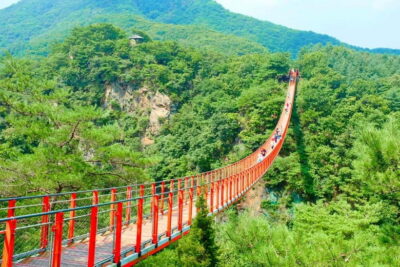
DMZ The 3rd Tunnel and Suspension Bridge Tour
Read the review →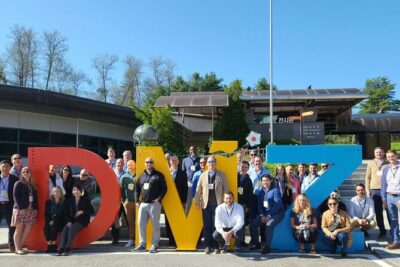
Signature DMZ Tour: Exclusive Defector Talk & Suspension Bridge
Read the review →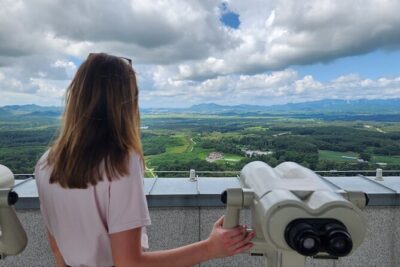
Thrilling Korean DMZ 3rd Tunnel Tour from Seoul + Red Bridge Rush
Read the review →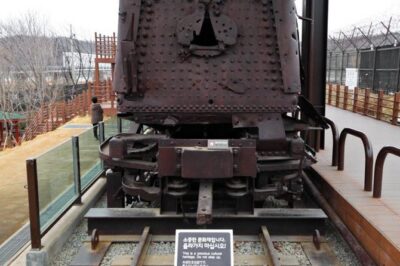
DMZ Past and Present: Korean Demilitarized Zone Tour from Seoul
Read the review →Browse the lists this tour appears in