
Reviewed · SEOUL
Andong: UNESCO Sites, Mask Dance, and Secret Garden & Bridge
Andong’s greatest strength is its mix of quiet sacred places and living folk culture. In one long day, you’ll visit Bongjeongsa Temple, a Joseon-era Confucian academy, a river overlook, Hahoe Folk Village, and a traditional mask dance performance.
I like the private format, especially for a group of up to five, and the way the route links famous sites with the quieter Buyongdae viewpoint. I also like the practical care built into the day, including bottled water and a snack from guide Greg. The main drawback is the pace: eight hours, plenty of driving, and a lot of walking can feel tiring, while Monday visitors miss the mask dance.
Key points to know before booking
- Bongjeongsa Temple offers a calm start among Korea’s oldest wooden temple buildings.
- Byeongsan Seowon shows how Joseon scholars studied, taught, and practiced moral discipline.
- Buyongdae gives you the classic view over the Nakdong River and Hahoe area.
- The Hahoe mask dance is the cultural centerpiece, but it is not performed on Mondays.
- Wolyeonggyo Bridge is best after sunset, yet late-night viewing requires an advance overtime reservation.
- The $401 private rate covers up to five people, making the cost more reasonable when shared by a small group.
Why Andong deserves a full day
Andong is one of the best places in South Korea to connect architecture with the ideas that shaped traditional society. The day is not just a parade of old buildings. Buddhist practice, Confucian learning, village life, shamanic performance, river scenery, and regional food all appear in sequence.
That variety is the reason I find this route appealing. Seoul and Busan offer plenty of grand sights, but Andong gives you a slower look at Korea’s cultural foundations. You’ll see places where people prayed, studied, governed family estates, performed village rituals, and wrote important political works.
The private van matters here. These sites are spread across the Andong area, and one traveler specifically noted that the route would be difficult without a private vehicle. You avoid piecing together several local connections and can spend your energy looking out the window instead of checking transport schedules.
Pickup is available at Gyeongdong-ro, Andong train station, the bus terminal, or a nearby hotel lobby. A yellow hand-shaped sign helps with the meeting, and WhatsApp contact lets you recognize the guide before you arrive. English and Korean guiding are available.
Other South Korea days people book on the same trip:
- Best DMZ Tour Korea from Seoul (Red Suspension Bridge Optional)
★ 5.0 · 41,422 reviews - DMZ Tour: 3rd Tunnel, Option(Suspension Bridge, Boat) from Seoul
★ 5.0 · 21,373 reviews - DMZ tour south Korea from Seoul (NK experience hall, defector)
★ 5.0 · 20,599 reviews
Bongjeongsa Temple: quiet wood and mountain air
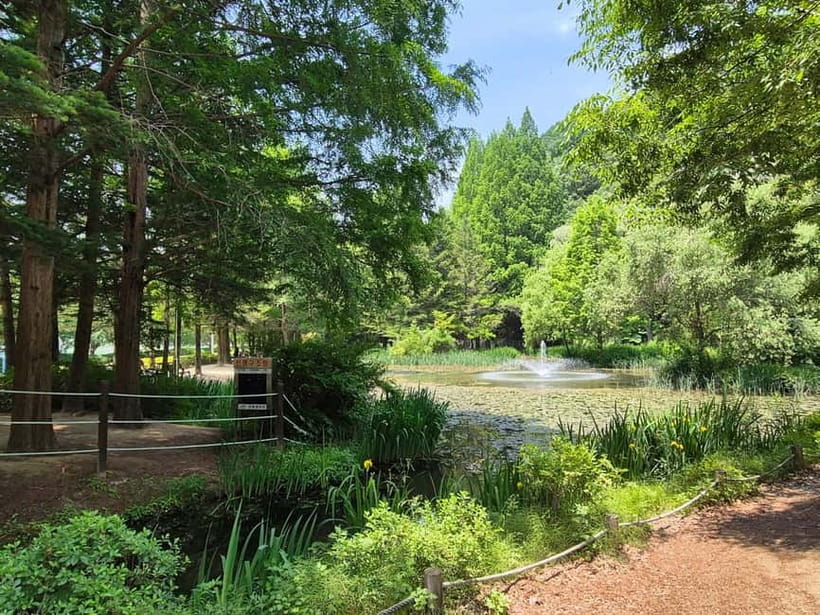
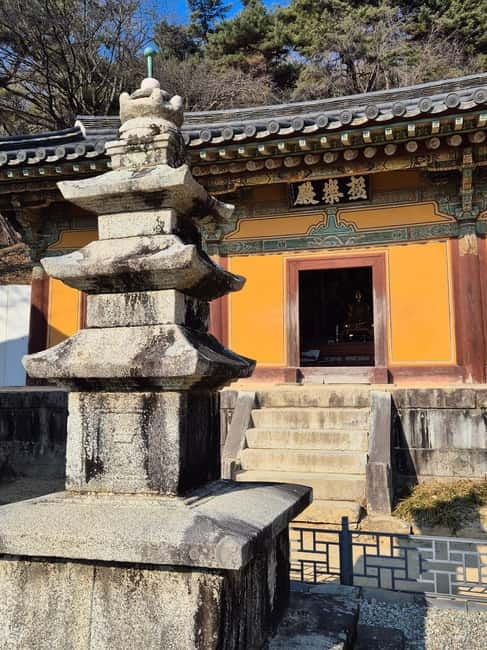
Your first major stop is Bongjeongsa Temple, reached after about 30 minutes in the van. You’ll have roughly 80 minutes here, enough time for a guided visit, photographs, a walk, and a look at the surrounding scenery.
Bongjeongsa is known for its old wooden structures and peaceful setting. The value of the stop is not only the age of the buildings. It is the chance to see how a Buddhist complex fits into its natural surroundings, with courtyards, timber architecture, and a quieter rhythm than the major temples near Korea’s largest cities.
I would begin by listening to the guide’s explanation of the temple layout, then allow time to walk without rushing. Photography is allowed, but this is still a place of worship, so keep voices low and avoid treating every doorway as a photo prop.
The 80-minute stop should suit most visitors, though the ground can be uneven and the tour involves walking. Comfortable shoes are essential. The experience is not suitable for people with mobility impairments, and children under five are not accepted.
Byeongsan Seowon and the world of Joseon scholars
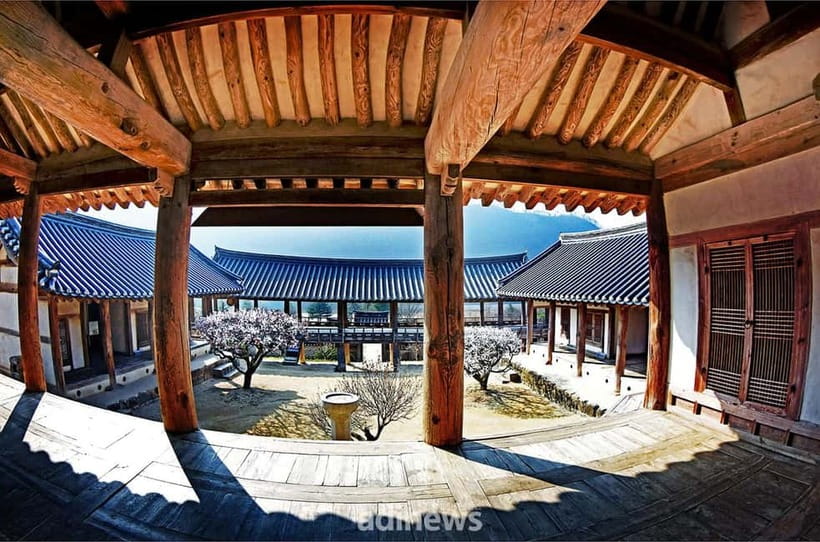
After another 30-minute drive, you’ll spend about 70 minutes at Byeongsan Seowon Confucian Academy. This is one of the most thoughtful stops because it explains a different side of Korea’s past.
A seowon was a place for Confucian education, scholarship, and moral training during the Joseon Dynasty. At Byeongsan Seowon, you’ll see historic buildings and monuments set in a natural setting chosen to support study and reflection. The atmosphere helps explain why scholars valued distance from crowded towns.
I like this stop because it puts Korea’s traditional values into physical form. The buildings were not simply classrooms. They reflected a system built around learning, discipline, respect for teachers, and service to society.
You’ll have time for a guided walk, photographs, and a short break. The surrounding area may also offer scenic views and glimpses of local wildlife. Bring water and sunscreen, particularly on a warm day, since the route includes outdoor walking.
Buyongdae: the best wide view of the river
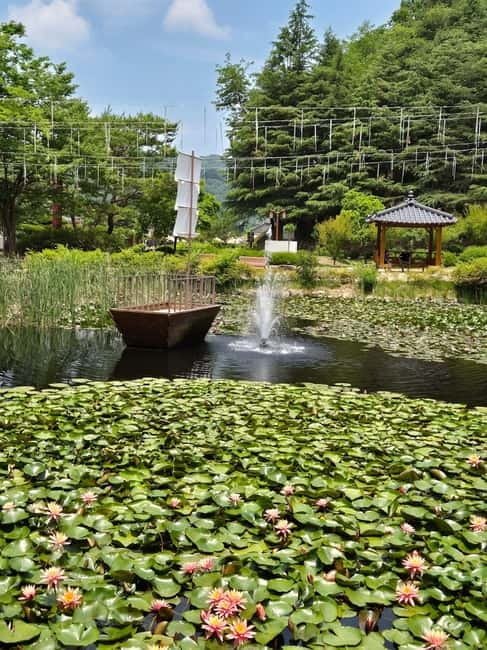
Buyongdae Observatory is only about 10 minutes from Byeongsan Seowon. The visit lasts around an hour and combines a short walk, free time, photography, and a guided explanation.
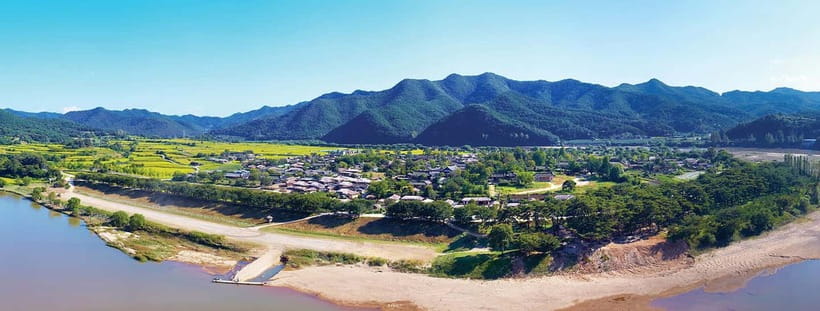
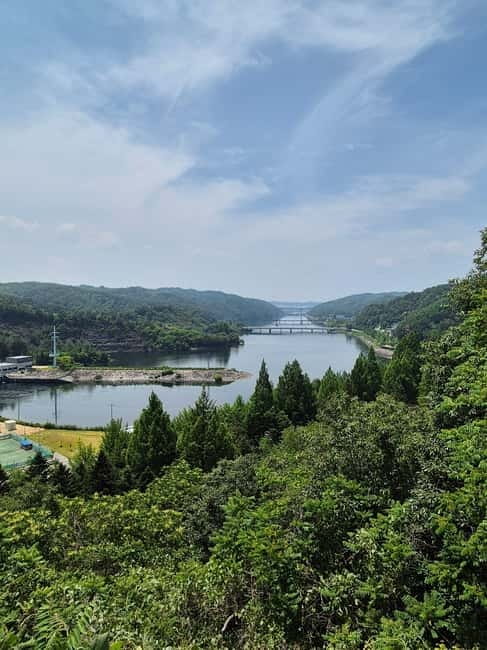
From this viewpoint, you can look across the Nakdong River toward the mountains and the traditional area around Hahoe. This is the stop that helps you understand the setting before you enter the village itself. From ground level, Hahoe can feel like a collection of historic homes. From above, the relationship between village, river, and hills becomes clear.
The walk is part of the appeal, but it also adds to the physical demands of the day. If the weather is hot or wet, the view may be less rewarding, so check the forecast and dress for outdoor conditions. A camera is useful here, but the broad river scene is also worth enjoying without immediately reaching for your phone.
A different way to spend a day from here:
- DMZ Insider Tour: 3rd Tunnel, NK Defector Meet & Red Bridge
★ 4.9 · 15,214 reviews - Seoul: DMZ Tour with Optional Suspension Bridge
★ 4.8 · 5,277 reviews - Seoul: DMZ The 3rd Tunnel and Suspension Bridge Tour
★ 5.0 · 4,656 reviews - Signature DMZ Tour: Exclusive Defector Talk & Suspension Bridge
★ 5.0 · 4,459 reviews
Lunch and Hahoe’s mask dance
The schedule includes a traditional Korean lunch before the cultural performance. Exact dishes are not specified, so you should expect regional Korean food rather than a fixed menu you can select in advance.
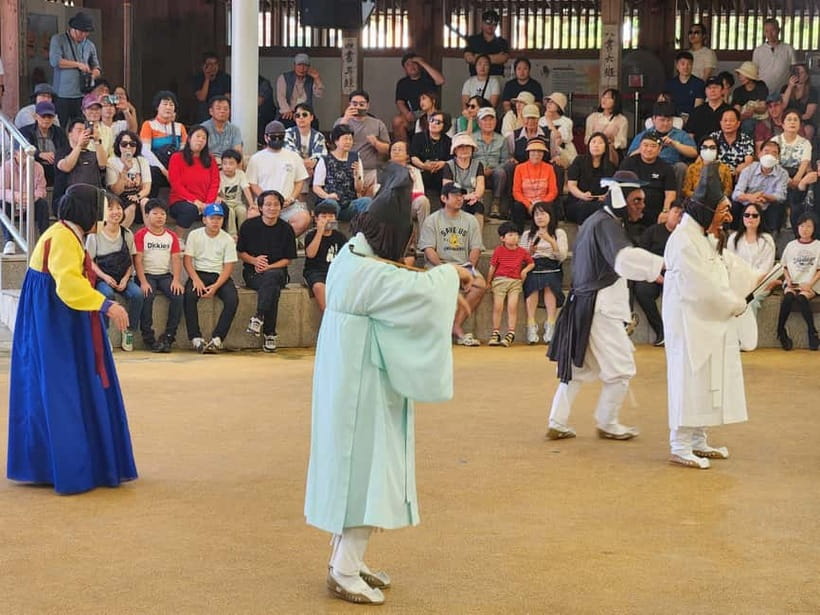
The Hahoe Byeolsin Gut Talnori is the emotional center of the day. This mask dance comes from the shamanic traditions of Hahoe Village. Dancers wear elaborate masks and perform with traditional music, using movement, character, and humor to express village beliefs and social life.
The performance is valuable because it is not presented as a museum display. It connects directly with the community traditions of Hahoe. The dance also gives you a different lens on Korean culture after the solemn temple and academy visits.
There is one very important scheduling rule: the mask dance is not performed on Mondays. Performances normally take place daily on other days, but you should confirm the schedule when booking. If the dance is your main reason for visiting Andong, avoid Monday.
The program also includes Seonyu Jullbul, a lantern play associated with the upper social class. From summer to fall beginning in 2025, it is held every other Saturday and runs late into the evening. It requires an advance reservation and an extra fee, so it is not part of the regular eight-hour experience.
Hahoe Folk Village: homes, halls, and local craft
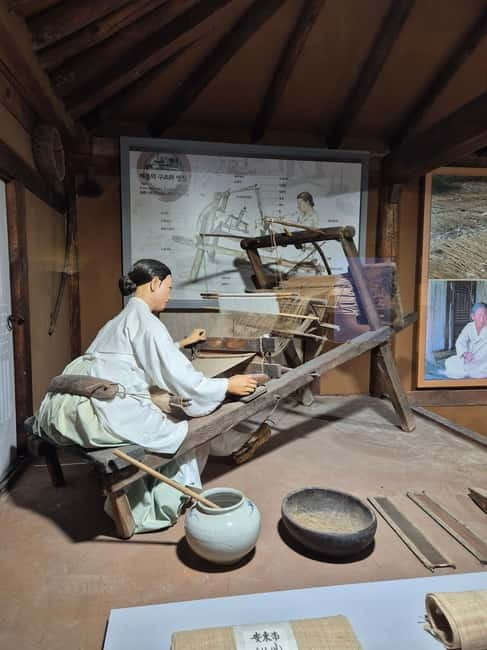
You’ll have about two hours at Andong Hahoe Folk Village, including guided sightseeing, free time, photographs, local snacks, shopping, and a visit to arts and crafts stalls.
Hahoe is worth seeing slowly. Its importance comes from the way the village preserves old family compounds, public spaces, and social traditions. You’ll visit or see places such as Yangjindang, Chungyodang, and Mansongjeong, each helping explain the community’s former structure.
The World Mask Museum adds useful context after the performance. Instead of seeing the Hahoe masks as isolated costumes, you can compare them with masks from other places and consider how mask traditions use humor, ceremony, and character to tell stories.
This is also your best chance to browse local snacks and crafts. Keep your expectations practical: two hours is enough for a guided look and some free time, but not for a slow, exhaustive exploration of every corner.
The village can involve a fair amount of walking, so wear shoes that you can comfortably use for most of the day. Sunscreen and water are sensible additions. A guide can also help you understand the difference between a private family compound, a study space, a pavilion, and a public gathering area.
Hwachun Seowon and Okyeonjeongsa
The cultural route also includes Hwachun Seowon and Okyeonjeongsa. These sites add another layer to Andong’s story after the main village visit.
Okyeonjeongsa is associated with the writing of Jingbirok, a famous work by Ryu Seong-ryong. Seeing the place connected with that text gives the historical setting more weight. You are not only looking at an old study hall or residence. You are connecting the building with the intellectual and political life of the Joseon period.
The supplied schedule does not give separate times for these sites, so your guide may fit them around the village and performance schedule. That flexibility is one advantage of a private group, though it also means the day can change according to opening conditions, traffic, and the timing of the dance.
Wolyeonggyo Bridge after the heritage sites
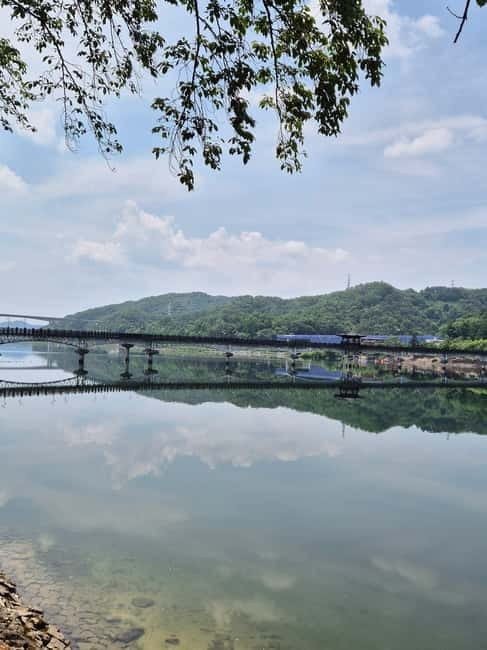
The final main stop is Wolyeonggyo Bridge, reached after about 20 minutes by van. The planned visit lasts around 90 minutes and may include regional food, local snacks, dinner, sunset views, and a walk.
Wolyeonggyo is known for its evening appearance and for the story behind its construction, which commemorates the devotion of Woni’s mother. The bridge is more than a photo stop. Its meaning is tied to family love, giving the final part of the day a personal note after all the larger themes of religion, scholarship, and public tradition.
Nakgangmulgil Park is another reason to keep this stop in the plan. The riverside setting offers a change of pace, and the bridge can look especially attractive as daylight fades.
There is a catch. The standard tour cannot stay late into the evening, so you may not get the full night view unless you reserve overtime in advance and pay an additional fee. If the illuminated bridge is essential to your plan, arrange this before the tour rather than hoping the schedule will stretch.
Is $401 good value for a private group?
The price is $401 per group of up to five people, not $401 per person. That makes the cost about $80 per person for a full group of five, before any optional overtime or excluded activities. For two people, the per-person cost is higher, but you are paying for a private vehicle, a guide, pickup, and a route that would be awkward to organize independently.
The value is strongest if you are traveling with three to five people. You get transport between widely separated sites, an English or Korean guide, the main heritage visits, the mask dance, and time at Hahoe and Wolyeonggyo.
Traditional Korean tea, an organic foot bath, and a gua sha experience are not included. Seonyu Jullbul also costs extra and needs advance booking. These additions are optional rather than shortcomings, but you should factor them into the final budget if they appeal to you.
Free cancellation up to 24 hours before departure and reserve-now, pay-later terms make the booking less rigid. Still, you should confirm the performance day and any overtime request before committing to the date.
Who will enjoy this Andong day most?
I would recommend this experience to anyone who wants Andong’s major cultural sights in one organized day without renting a car. It suits couples, families with older children, and small groups who value a private guide and flexible conversation during the drive.
It is especially good for first-time visitors to Andong. You’ll get an introduction to Buddhism, Confucian learning, village customs, traditional performance, and local scenery without having to work out the connections yourself.
It is less suitable if you want a slow temple retreat, a relaxed café day, or a late night beside the river. The schedule covers a lot, and the combination of walking, outdoor stops, and driving can be tiring. Young children under five and people with mobility impairments should choose another activity.
Several practical touches improve the day. Guide Greg has been praised for careful organization, including bottled water and a snack, and for explaining each stop in useful detail. You should still bring your own water, sunscreen, camera, and weather-appropriate clothing.
Should you book it?
Book this tour if you want Andong’s cultural highlights in one private day, especially if you are traveling with up to five people and do not have your own vehicle. The strongest reasons are the range of stops, the Hahoe mask dance, and the guide’s role in explaining places that can otherwise feel like a series of old buildings.
Choose your date carefully. Avoid Monday if you want the mask dance, and reserve overtime in advance if the night view of Wolyeonggyo Bridge is a priority. For a small group that wants history, scenery, performance, and straightforward transport, the $401 group price is a fair way to see a part of Korea that deserves more than a rushed stop.
FAQ
How long is the Andong tour?
The experience lasts eight hours, with pickup and return in the Andong area.
What language is the tour guide?
Guiding is available in English and Korean. Guide Greg may lead the tour, depending on the booking.
Does the tour include the Hahoe mask dance?
Yes, the Hahoe Byeolsin Gut Talnori mask dance is included, but there is no performance on Mondays.
Is Wolyeonggyo Bridge visited at night?
The tour includes a visit to Wolyeonggyo Bridge if possible, along with sunset and scenic viewing. The standard schedule cannot stay late into the evening, so reserve overtime in advance if you want a later night view.
What is not included?
Traditional Korean tea, the organic foot bath, and the gua sha experience are not included. The Seonyu Jullbul play also requires advance reservation and an additional fee.
Is the tour suitable for children or people with mobility impairments?
Children under five are not accepted, and the tour is not suitable for people with mobility impairments. It includes considerable walking, so comfortable shoes are recommended.
Recently added around South Korea
- Gyeongbokgung Palace Photo Session with your own phone★ 5.0 · 4 reviews
- Nami & Maple Road & Theatre des Lumieres Day Tour from Seoul★ 4.8 · 4 reviews
- Private Tour around Suwon UNESCO Fortress and Korea Folks Village★ 4.5 · 4 reviews
- Jisan Forest Resort: Ski Full-Day Tour or Shuttle from Seoul★ 5.0 · 4 reviews
- Seoul: Deoksugung Palace Night Tour★ 4.5 · 4 reviews
- N Seoul Tower + Namsan Cable Car Ticket (Collect in Myeongdong)★ 3.5 · 4 reviews
- Private Jeonju Hanok Village – Culinary tour★ 5.0 · 4 reviews
- Seoul Private Walking Tour with a Local★ 5.0 · 4 reviews