
Reviewed · BUSAN TOURS
Korean Pottery Town Tour with the pottery class from Busan
Busan’s best cultural outings often lead away from the city center. This six-hour trip takes you by subway to Onggi Village, a traditional pottery town where Korean artisans make the large earthenware vessels used for storage and fermentation. You will see village workshops, browse pottery, visit a local market, eat lunch, and make a piece yourself.
I like two things here: the outing reaches a place most foreign visitors miss, and the hands-on class gives the day a useful souvenir rather than another quick look at a display case. The included lunch of stir-fried small octopus with dumpling soup or noodles is another welcome touch.
The main catch is timing. About two hours of the day goes to subway travel, and pottery shipping costs extra if you cannot carry your piece home. The class is also unavailable on Mondays and Wednesdays, so check the date before booking.
Key points to know before you book

- Onggi Village offers a look at working Korean pottery traditions, not just a museum display.
- The pottery class lets you make one piece yourself, with international shipping available for an additional fee.
- A local market visit adds food and everyday life to the cultural program.
- Lunch is included, with stir-fried small octopus and a choice of dumpling soup or noodles.
- The group has a maximum of 15 people, keeping the outing smaller than a standard city tour.
- The route begins and ends at Bujeon Station, with subway travel taking about one hour each way.
Why Onggi Village makes a good day trip from Busan
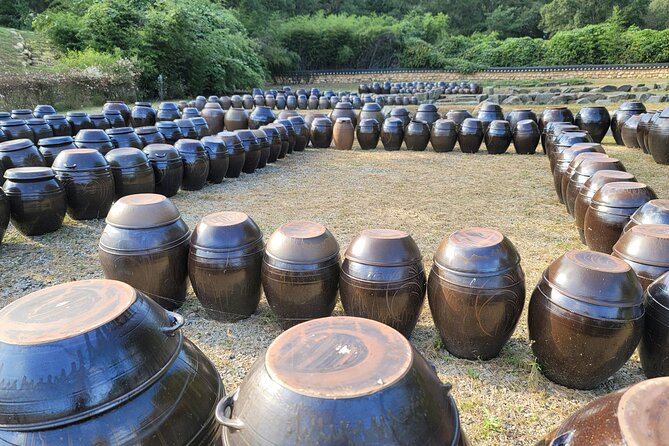
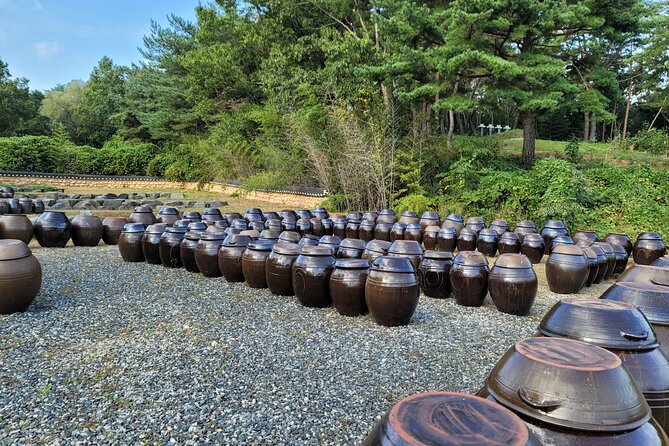
Onggi refers to traditional Korean earthenware pottery. These vessels have long been used for practical household purposes, including storing food. In Onggi Village, pottery is not treated only as an old craft preserved behind glass. The town brings together artisans who make and display Korean pottery, giving you a closer look at the work and the objects in their proper setting.
That difference matters. A city museum can explain Korean ceramics, but a pottery village lets you see how the craft fits into a community. You get the feel of a traditional Korean town, view finished pieces, and then try shaping clay yourself. The experience connects the object in front of you with the process that produced it.
I would choose this trip if you have already seen Busan’s main sights and want a quieter cultural outing. It is also a good option during a longer Busan stay, especially if you prefer local food and craft to another major attraction.
The tour is not designed as a fast checklist of landmarks. It gives you time in three different settings: the subway journey and neighboring area, the pottery village, and a local market with lunch. That slower rhythm is part of its value, though you should allow most of a day for the experience.
More hands-on workshops in Busan:
- Korean cooking class in Haeundae, Busan
★ 5.0 · 92 reviews - Busan Tailored Korean cooking class (Vegan OK)with market tour
★ 5.0 · 66 reviews - Busan: Small-Group Traditional Korean Food Cooking Class
★ 4.9 · 58 reviews
One hour by subway from Bujeon Station
The meeting point is Bujeon Station in Busan. From there, the group uses the subway to reach the pottery town, with the journey taking about one hour. The return also ends at the same meeting point.
That transport plan keeps the day practical and avoids the need to arrange a private vehicle. It also gives you a glimpse of how people move between Busan and nearby communities. The tradeoff is simple: this is not a tour where every minute is spent at a sight. The journey takes a meaningful share of the schedule.
Plan for a full six-hour outing, not merely a short workshop. Wear something comfortable for public transport and walking around the village and market. The tour includes bottled water, but you should still arrive ready for a day away from your hotel.
The group size is capped at 15 people. That is small enough for the guide to keep the schedule together and explain the pottery process without the feel of a large coach excursion. It also makes the class more manageable than a crowded public demonstration.
Seeing Onggi pottery in its own town
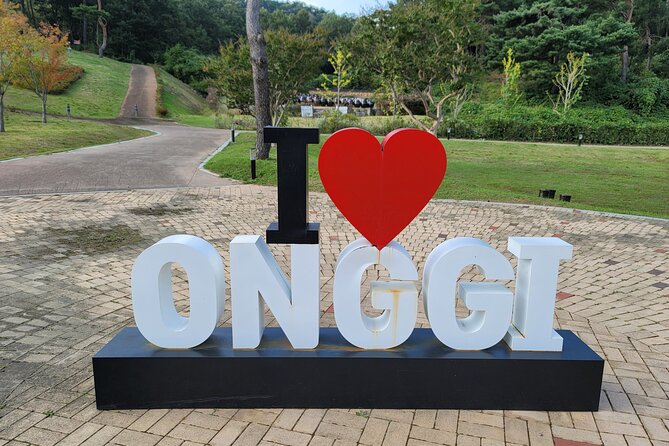
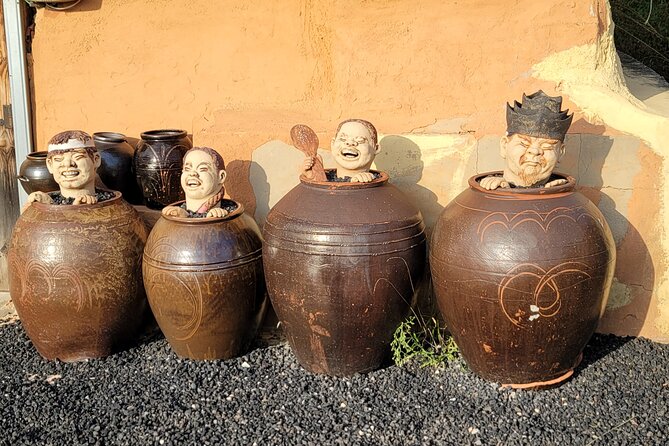
The pottery portion lasts about one hour and 30 minutes. During that time, you will explore the pottery market, see works made by local artisans, and take in the atmosphere of the traditional village.
The appeal is not just shopping. The outing helps you understand what Onggi pottery is, how it is made, and what it is used for. A guide can connect the finished vessels to Korean daily life and point out details you might miss on your own.
You might find the pottery market more interesting if you enjoy objects with a clear practical purpose. Onggi pieces are not simply decorative souvenirs. Their connection to food storage and household use gives the craft a place in ordinary Korean culture.
The tour also includes a museum and a walk through the village, according to the described program. That combination gives you several ways to see the craft: through finished artifacts, through the village setting, and through the people and workshops associated with the work.
Do not expect a large, polished attraction with a long list of formal exhibits. The charm lies in the small-town setting and the chance to see a part of Korea that many international visitors skip. If you need constant visual spectacle, the pottery section may feel quiet. If you enjoy crafts, local traditions, and carefully made objects, the pace should suit you.
Making your own pottery piece
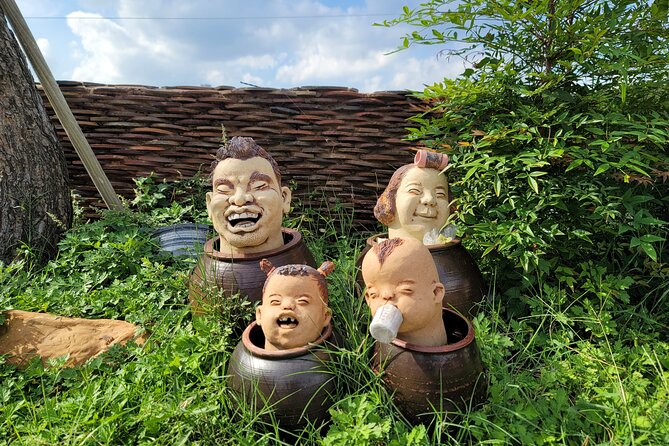
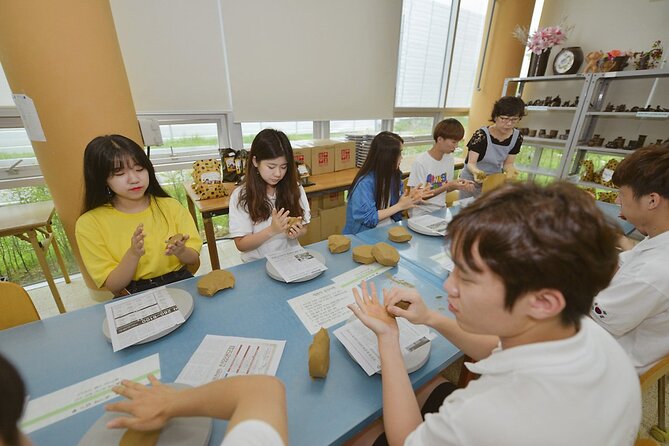
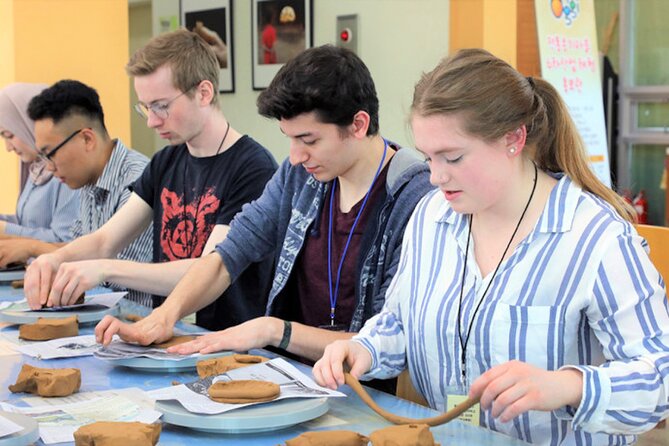
The pottery-making class is the most personal part of the day. Instead of only looking at Onggi, you get to work with the material and create one piece to take home.
This is useful for two reasons. First, it gives you a direct sense of the craft. Second, it leaves you with a reminder tied to a specific place, rather than a mass-produced item bought in a city shop.
The supplied information does not specify the exact shape, size, or firing process for the finished piece, so you should ask the guide how the work will be completed and collected. If the piece cannot travel with you, international shipping costs an additional KRW 40,000 per person, or KRW 50,000 for the United States.
That shipping charge is an important part of the real cost. The advertised price is $170 per person, but you may spend more if you want the pottery sent overseas. Ask about the shipping arrangement before you begin so you understand how the finished item will reach you.
The class is not available on Mondays and Wednesdays. This restriction can easily cause a problem for someone planning around a short stay in Busan, so check the operating day first. If making pottery is the main reason you are interested, do not book a date that excludes the class.
A few more Busan half-days to weigh up
- Busan: Gyeongju Guided Day Trip to Three Kingdoms Capital
★ 4.8 · 1,925 reviews - Small Group Full Day Busan Tour (Max 6 Pax)
★ 5.0 · 1,464 reviews - From Busan: Gyeongju UNESCO World Heritage Guided Day Tour
★ 4.8 · 1,250 reviews - Busan Private Tour with licensed tour guide + private vehicle
★ 5.0 · 1,143 reviews
Local markets, snacks, and a proper Korean lunch
Near the pottery village is a regular market that opens on dates ending in 3 and 8 each month. Namchang Market operates on the 3rd, 8th, 13th, 18th, 23rd, and 28th. If your tour falls on another date, the itinerary visits Gijang Market instead.
This market stop adds something a pottery-only excursion would lack. You can see everyday shopping, try traditional Korean snacks, and get a sense of the local food culture. Markets are often more revealing than formal attractions because they show what people buy, eat, and carry home.
The market visit and lunch take about one hour and 30 minutes together. That is enough time for a meaningful look without turning the day into a long food tour. You should expect a guided introduction rather than unlimited free time.
Lunch is included. The listed meal is stir-fried small octopus with either dumpling soup or noodles. This gives the outing a filling midday break and saves you from finding a restaurant in an unfamiliar neighborhood.
One useful point comes from the tour’s handling of dietary needs. The guide has arranged lunch to suit individual requirements in at least one previous booking, so tell the provider about restrictions in advance. The menu is specific, however, and the available alternatives should be confirmed before you go.
What the $170 price includes

At $170 per person, this is not a budget half-day activity. Its value depends on how much you want from the day. The price covers the guide, subway travel as part of the outing, bottled water, lunch, the village and market visits, and the pottery-making class when it is offered.
You are paying for a full cultural program rather than a short craft lesson. A self-guided visit might cost less, but it would not necessarily connect the pottery village, museum, market, meal, and workshop in one organized route. The guide also removes the work of figuring out the subway journey and finding the right local stops.
The strongest value comes if you care about authentic local settings and prefer a personal activity to a large sightseeing bus. The price is harder to justify if you only want to buy a ceramic souvenir or spend a few hours near central Busan.
Group discounts are available, which may improve the price for families or parties booking together. International shipping is not included, so add that possible charge to your budget. The experience is non-refundable and cannot be changed after booking, except when poor weather causes the provider to cancel it. In that case, you are offered another date or a full refund.
Confirmation is sent within 48 hours, subject to availability. Since the tour averages being booked 12 days ahead, planning early is sensible, especially if you need a particular date or want to avoid Monday and Wednesday.
Who will enjoy this Busan pottery tour
I would recommend this outing to you if you fit one or more of these descriptions:
- You want to see a part of Korea that receives fewer international visitors.
- You enjoy traditional crafts and want to make something yourself.
- You like local markets, Korean snacks, and practical food experiences.
- You have at least six hours available in Busan.
- You prefer a small group to a large organized excursion.
- You are happy to spend time on public transport to reach a less central place.
Families may appreciate the hands-on class, though the available information does not give a minimum age or specific child arrangements. Ask the provider if you are booking with young children.
This is also a good fit for cruise passengers with enough time in Busan. The day begins and ends at Bujeon Station, so you should confirm that the schedule works with your ship’s departure time. The guide has previously arranged the day for cruise passengers, including lunch and subway travel, but the tour data does not promise pickup at the port.
You may want to skip it if your Busan visit is very short, if you dislike subway travel, or if you need a flexible booking. The cancellation policy is strict, and the class does not run every day.
Practical planning for a smoother day
Check the date before you pay. You need to confirm two things: first, that the pottery class is operating, and second, which market you will visit. Namchang Market opens on the dates ending in 3 and 8. On other dates, the itinerary shifts to Gijang Market.
Bring enough room in your luggage for a handmade item, or budget for shipping. The international shipping charge is KRW 40,000 per person, rising to KRW 50,000 for the United States. Since the exact finished-piece arrangements are not specified, ask whether the pottery will be ready for immediate collection or sent later.
The tour requires good weather. If poor weather forces cancellation, you can select a different date or receive a full refund. Otherwise, the booking cannot be refunded or amended, so avoid booking until your schedule is firm.
Public transportation is part of the experience. Bujeon Station is the fixed start and end point, and the tour does not list hotel pickup. Make sure you can reach the station at the appointed time and allow room in your plans for the return journey.
Should you book the Onggi Village tour?
Book it if you want a day built around Korean craft, local food, and a less familiar corner of the Busan area. The best parts are the working pottery setting, the chance to make your own piece, the included lunch, and the small group of no more than 15 people.
Think twice if you are looking for central Busan sightseeing, a short activity, or a low-cost outing. The $170 price is fair only when you use the whole package, and the extra shipping fee can raise the final cost.
For the right schedule, this is a thoughtful choice. You return to Bujeon Station with more than a photograph: you have seen how Onggi fits Korean life, sampled food at a local market, and made a small object with your own hands.
FAQ
Where does the tour start and end?
The tour starts at Bujeon Station in Busan and ends back at the same meeting point.
How long does the experience last?
The experience lasts approximately six hours.
How does the group travel to Onggi Village?
The group uses the subway from Busan. The journey to the pottery town takes about one hour.
Is lunch included?
Yes. Lunch includes stir-fried small octopus with either dumpling soup or noodles. Bottled water is also included.
Which markets does the tour visit?
Namchang Market is visited when it is open, on the 3rd, 8th, 13th, 18th, 23rd, and 28th of the month. On other dates, the tour visits Gijang Market.
Is the pottery-making class available every day?
No. The pottery-making class is not available on Mondays and Wednesdays.
How much does it cost to ship the pottery overseas?
International shipping costs KRW 40,000 per person. Shipping to the United States costs KRW 50,000 per person.
Recently added around Busan
- Full Day Busan and Gyeongju Guided Tour★ 5.0 · 4 reviews
- Andong Hahoe Folk Village Day Tour From Busan★ 5.0 · 4 reviews
- Make your own Makgeolli (Rice Wine) in Busan★ 5.0 · 4 reviews
- Best Busan night views : Mountain observatory streets★ 5.0 · 4 reviews
- Busan: Naejangsan National Park Autumn Foliage One Day Tour★ 4.8 · 4 reviews
- Gyeongju private tour with an official tour guide (Unesco)★ 4.5 · 4 reviews
- 5 Highlights Pohang Tour from Busan (Group Tour)★ 5.0 · 5 reviews
- Busan: Winter Healing Park and (Gyeongju/Daegu) One Day Tour★ 5.0 · 5 reviews
Busan Tours, compared.

Gyeongju Guided Day Trip to Three Kingdoms Capital
Read the review →

Gyeongju UNESCO World Heritage Guided Day Tour
Read the review →
Busan Private Tour with licensed tour guide + private vehicle
Read the review →
Coastal Treasures Beach Train, Culture Village & More
Read the review →
Busan’s Cultural Wonders with Beach Train & Gamcheon Village etc
Read the review →
Gyeongju UNESCO World Heritage Guided Day Tour from Busan
Read the review →
Private Busan Tour -Explore Cultural Landmarks with a Local Guide
Read the review →Browse the lists this tour appears in