
Reviewed · BUSAN TOURS
Korean UNESCO World Heritage Tour including Gyeongju, Andong and Daegu(2N3D)
The best part of this three-day route is the way it links several hard-to-reach cultural sites into one clean journey. You move from Gyeongju’s Silla-era temples and royal tombs to Andong’s old village life, then finish at Haeinsa and Daegu. It is a fast lesson in Korea’s past, with plenty of scenery between stops.
I like the private vehicle and daily hotel pickup, since public transport between these places can be awkward. I also like the mix of major UNESCO sites and smaller local stops, especially the Andong Soju Museum and Seomun Market. The catch is the price: $988.49 per person is a serious outlay, and your two Daegu hotel nights and lunches are extra.
Key points to know before booking
- Gyeongju packs in the strongest concentration of major sights, including Seokguram, Bulguksa, Cheonmachong Tomb, and the Gyeongju National Museum.
- Andong Hahoe Folk Village gets three hours, enough time to see its traditional homes without treating it as a quick photo stop.
- Haeinsa is the spiritual high point, home to the Goryeo Daejanggyeong, also known as the Koreana Tripitaka.
- This is a true private tour, so only your group participates and the itinerary can be tailored.
- Daegu adds everyday local culture, with herbal medicine displays and food stalls at Seomun Market.
- The price covers transport and guiding, not accommodation or lunch, so budget for both before you commit.
Why this route works for a first look at traditional Korea
I would choose this tour if you want to see more than one Korean city but do not want to build a complicated rail and bus plan. The route covers Busan, Gyeongju, Andong, Haeinsa, and Daegu, with a private driver handling the long connections.
That convenience matters. Several of these sights are outside the main city centers, and the trip includes a mix of temple roads, rural connections, and city stops. You can look out the window, use the onboard Wi-Fi, and arrive at each place without worrying about transfers or signs in Korean.
The private format is also useful for families and small groups. You are not tied to the pace of strangers, and the tour notes that the schedule can be adjusted. That does not mean every stop can be changed at will, but it gives you more breathing room than a large coach trip.
The guide is an important part of the experience. The tour includes both a driver-guide and a professional guide, and Peter is one guide associated with the service. Ask about guide availability when booking if that matters to you. A good guide can explain the difference between Silla Buddhist art, Confucian village customs, and Korean food culture in a way that turns a string of sights into a connected story.
More Historical Tours in Busan
- From Busan: Gyeongju UNESCO World Heritage Guided Day Tour
★ 4.8 · 1,250 reviews - Gyeongju UNESCO World Heritage Guided Day Tour from Busan
★ 5.0 · 660 reviews - Old Korea Thousand History Tour of Gyeongju from Busan
★ 5.0 · 518 reviews
Day 1: Seokguram and Bulguksa set the tone
Your first morning begins at 8:00 am with pickup from your hotel. The day focuses on Gyeongju, the old Silla capital, and starts high above the city at Seokguram.
Seokguram: a small grotto with a major work of art
You have about one hour at Seokguram. This hermitage belongs to the Bulguksa temple complex and is listed by UNESCO together with Bulguksa.
The main draw is the Buddhist sculpture inside the stone grotto. The setting also matters: the hermitage overlooks the East Sea, giving the stop a sense of space before you return to the denser historical sites below.
This is not a huge complex, so an hour is a sensible amount of time. The experience is more about quiet attention to the sculpture and setting than about wandering through many buildings. If you prefer large temple grounds and lots of movement, Seokguram may feel brief. If you appreciate focused art and a mountain setting, it can be one of the most memorable stops.
Bulguksa: Silla architecture in full view
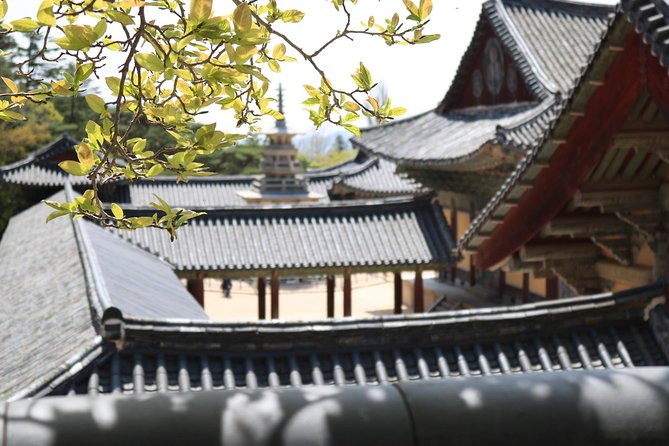
Next comes about 70 minutes at Bulguksa, the most famous Buddhist temple in Korea. Its name means Temple of the Buddha Land, and the complex preserves important Silla-era relics.
Pay close attention to the two stone pagodas, Dabotap and Seokgatap. They give you a useful contrast in form and design, while the temple buildings show how carefully the complex was planned.
An hour and ten minutes lets you see the key areas with a guide, though it is not enough for a slow, wandering visit. That is one reason the private format helps. Your guide can direct you to the main features instead of leaving you to sort out the site alone.
The temples are the emotional center of the Gyeongju day. You get the feeling of ancient Korea existing beside modern life, a quality that makes the city more than a collection of old stones.
A different way to spend a day from here:
- Busan: Gyeongju Guided Day Trip to Three Kingdoms Capital
★ 4.8 · 1,925 reviews - Small Group Full Day Busan Tour (Max 6 Pax)
★ 5.0 · 1,464 reviews - Busan Private Tour with licensed tour guide + private vehicle
★ 5.0 · 1,143 reviews - Busan: Coastal Treasures Beach Train, Culture Village & More
★ 4.7 · 832 reviews
Cheonmachong Tomb: inside a Silla burial mound
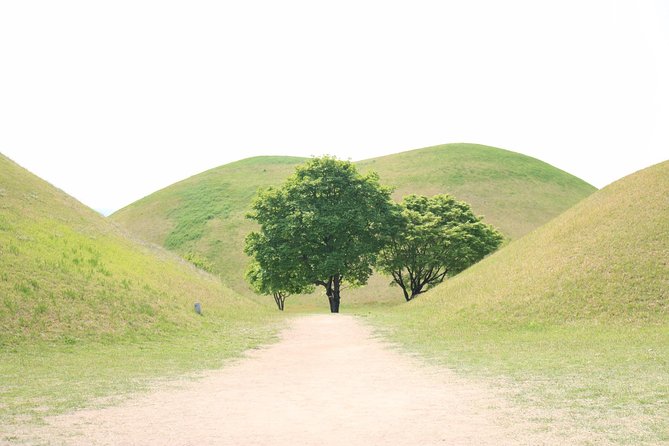
The next stop lasts about 70 minutes. Cheonmachong means Heavenly Horse Tomb, named for a painting of a heavenly horse found during excavation in 1973.
The tomb belonged to an unidentified Silla king. Rather than simply viewing a mound from outside, you can learn how royal burial sites were excavated and what they reveal about the kingdom’s wealth, beliefs, and craftsmanship.
This stop works best after Bulguksa. The temple shows religious life, while Cheonmachong points to royal power and burial customs. Together, they give you a broader picture of Silla society.
Gyeongju National Museum: finish with the objects
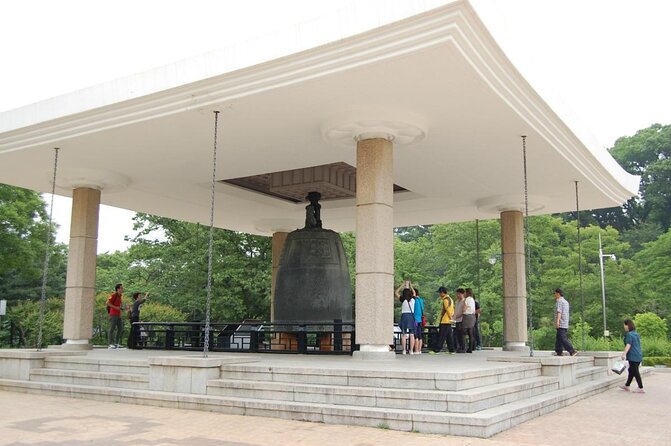
The Gyeongju National Museum receives about 80 minutes. It houses around 3,000 Silla relics, including King Seongdeok’s Bell, also called the Emille Bell, and National Treasure No. 29.
I like ending the day here because the museum gives names and detail to what you have already seen outdoors. After temples and tombs, the objects help explain the skill of Silla metalworkers, sculptors, and builders.
The schedule is full, but not reckless. You have time at four important sites, and the private car avoids the need to reset your route between them. Gyeongju is the day most focused on UNESCO-listed heritage, so history fans may wish they had an extra day in the city. This tour gives you a strong introduction rather than a complete survey.
Day 2: Andong brings old village life into focus
Day two shifts from royal Silla monuments to the customs and homes of traditional Korea. The main stop is Andong Hahoe Folk Village, followed by two smaller museums that explain local life and food culture.
Hahoe Folk Village: traditional homes beside the river
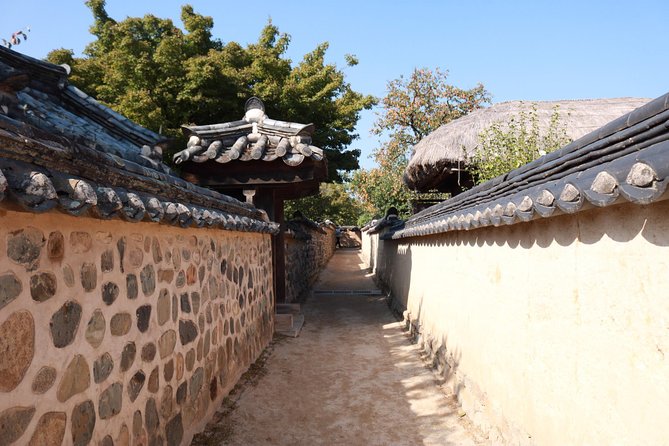
You have three hours at Hahoe Folk Village, the longest scheduled stop of the tour. That is a good call. The village is a UNESCO World Heritage site and remains associated with descendants of the Pungsan Ryu clan.
The appeal is not one single monument. It is the layout of the village, the preserved traditional houses, and the chance to see how a Korean clan community was organized over time. Take your time with the lanes and buildings rather than rushing from one marked point to the next.
Three hours also gives you room to pause. A short visit would reduce Hahoe to a backdrop for photographs, while the longer stay lets you notice the relationship between the homes and the surrounding countryside.
Your guide can help explain the role of Confucian customs and family lineage, which are central to Andong’s identity. This makes the village a useful counterpoint to Gyeongju. Gyeongju focuses on kings, temples, and tombs. Hahoe focuses on family, community, and daily tradition.
The tour does not list lunch as included, so plan to pay for your own midday meal. Ask your guide for practical advice on where to eat during the day.
Andong Folk Museum: customs in context
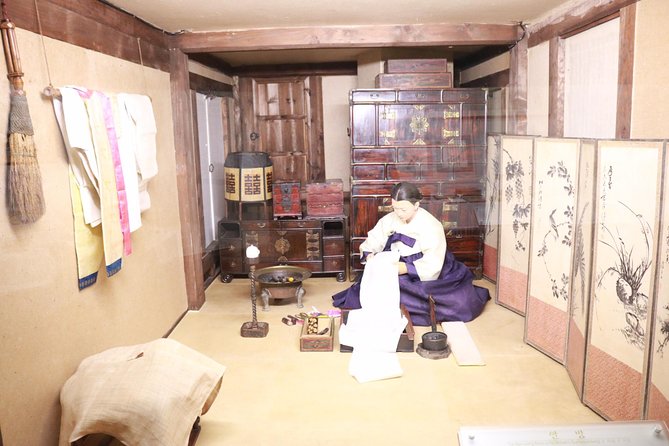
The Andong Folk Museum takes about one hour. Andong is known for Confucian culture, and the museum presents older lifestyles and important ceremonies through its exhibits.
This stop is worthwhile if you want context rather than more architecture. After seeing Hahoe’s houses, you can use the museum to understand the objects, customs, and social habits connected with them.
One hour is enough for an introduction. It is not a replacement for a specialist museum visit, but it adds meaning to the village before you move on.
Andong Soju Museum: Korea’s traditional liquor
The final stop lasts around 30 minutes. Andong soju is one of Korea’s best-known traditional liquors, and the museum explains how it is made.
You can see displays about traditional soju production, local foods, and different kinds of regional products. Tasting Andong soju is included as part of the visit.
This is a small stop, but it keeps the day from becoming all temples and formal culture. Food and drink are part of how a place expresses itself, and Andong soju gives you a direct link to local tradition.
If you do not drink alcohol, the museum still offers cultural interest, but this visit will naturally matter less to you. Tell the operator in advance if you need a vegetarian option for meals, since that can be arranged with notice.
Day 3: Haeinsa and Daegu finish with two different moods
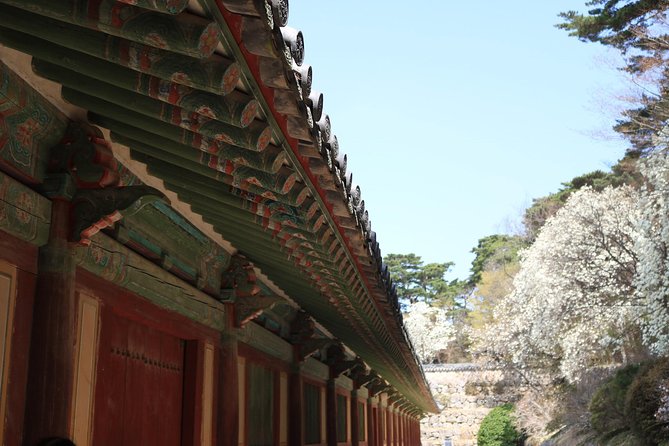
The final day combines a major Buddhist site with Daegu’s traditional medicine district and a large market. The contrast is useful: you begin in a mountain temple setting and finish amid shops, food, and city life.
Haeinsa Temple: the most powerful temple stop
Haeinsa is one of Korea’s Three Jewel Temples and sits on Mount Gaya. You have about 90 minutes here.
The temple is best known as the home of the Goryeo Daejanggyeong, also called the Koreana Tripitaka. This major Buddhist collection is central to Haeinsa’s importance, and your guide can explain why the temple has such a prominent place in Korean religious culture.
The setting adds to the visit. Haeinsa feels more removed from city life than Bulguksa, and the mountain location gives the stop a quieter tone. One especially strong way to experience it is on a misty morning, when the temple grounds feel hushed and the buildings appear to belong to another era.
You should know that 90 minutes is a focused visit. It gives you time to see the main areas and learn about the woodblocks, but not to explore every corner of the temple grounds at a slow pace. Still, this is likely to be the tour’s most uplifting stop if you respond to Buddhist architecture and mountain scenery.
Daegu Yangnyeongsi: traditional medicine in the city
Back in Daegu, you spend about 40 minutes at the Yangnyeongsi Herbal Medicine area. It is known for traditional oriental medical practices, and you can see different herbs while learning about older forms of medical care.
This is a compact visit, but it adds a side of Korea that temples and villages cannot provide. The displays connect plants, remedies, and long-standing health practices.
Do not expect a full medical consultation or a long museum session. Think of it as a short cultural introduction while walking through one of Daegu’s well-known traditional medicine districts.
Seomun Market: end with food and shopping
The last stop is Seomun Market, one of Korea’s largest and liveliest markets. You have about 50 minutes, with admission free.
The market sells local foods as well as clothing and fashion items. This is your chance to finish the tour in an ordinary commercial setting rather than another historical site.
Fifty minutes is enough for a look and a snack, but it goes quickly. If you find a food stall you like, you may need to choose between eating and browsing. Since lunch is not included, the market can be a practical place to buy food, though the schedule does not promise a long meal break.
What $988.49 per person really buys you
At $988.49 per person, this is not a budget sightseeing trip. The value depends heavily on the size of your group and how much you value private transport.
The price includes a private air-conditioned minivan, hotel pickup and drop-off, bottled water, onboard Wi-Fi, admission tickets, and guiding. It also removes the cost of figuring out transport between Busan, Gyeongju, Andong, Haeinsa, and Daegu.
For a couple, the total cost will feel high. For a family or small group, the price may make more sense when divided among the people in your vehicle. Group discounts are offered, so ask for the current terms before booking.
Your two nights of Daegu accommodation are not included. You also pay for lunch and any personal purchases. The tour operator can recommend places to stay, which is useful because the overnight plan is part of the practical puzzle.
The strongest value comes from time saved and places reached. These sites would be difficult to combine by public transport in only three days, especially if you are unfamiliar with Korean signs and regional connections. If you already speak Korean, enjoy independent planning, and have more time, you may prefer to arrange the route yourself.
Who should book this private 2N3D tour
I would recommend it to first-time visitors who want a guided introduction to Korea beyond Seoul and Busan. It is also a good match for families, older adults, and anyone who would rather spend three days looking out of a minivan window than changing buses with luggage.
History and temple enthusiasts will get the most from the route. Gyeongju offers the densest run of major heritage sites, while Hahoe and Haeinsa provide different experiences that keep the trip from feeling repetitive.
The tour may not suit you if you want long, unhurried visits at each location. The schedule covers a lot of ground, and several stops last about an hour. It also may not suit a solo visitor on a tight budget, since the private-tour price is much easier to justify with a group.
The private format gives you some flexibility, but confirm the details before paying. Ask where the tour will pick you up, which hotels in Daegu fit the route, who your guide will be, and how much time is available for meals. The tour can also start from Gyeongju or another city near Busan, which may help if your wider itinerary already takes you there.
Free cancellation is available up to 24 hours before the start time. After that point, the payment is not refunded, and late changes are not accepted.
FAQ
Where does the tour start?
The tour starts in Busan, with hotel pickup and drop-off provided. It begins at 8:00 am.
Is this a private tour?
Yes. Only your group participates, and the tour uses a private vehicle with an air-conditioned minivan.
Are hotels in Daegu included?
No. Accommodation in Daegu for two nights is not included. The operator can provide information and recommend places to stay.
Are meals included?
Lunch is not included. A vegetarian option is available if you advise the operator when booking.
What is included in the tour price?
The price includes bottled water, a driver-guide, a professional guide, hotel pickup and drop-off, private transport, an air-conditioned minivan, onboard Wi-Fi, and admission tickets for the listed attractions.
Can I cancel the tour?
You can cancel up to 24 hours before the local start time for a full refund. Cancellations or changes made less than 24 hours before the start time are not accepted for a refund.
Should you book it?
Book this tour if you want maximum cultural range with minimum transport planning. In three days, you see Silla temples and tombs, a Confucian village, a mountain Buddhist temple, traditional medicine displays, and a major food market.
Skip it if $988.49 feels too steep, you are traveling alone on a tight budget, or you want to linger at each site. For a small group that values a private guide, hotel transfers, and access to places that are awkward by public transport, the cost can be justified. The temples, Hahoe village, and Haeinsa provide the strongest reasons to go, while Daegu’s market and food culture give the trip a welcome everyday finish.
Recently added around Busan
- Busan Seafood Tour : Oyster village Tour with Oyster cuisines★ 5.0 · 3 reviews
- 1 Day Private Busan Guided Tour★ 4.5 · 3 reviews
- 2-DAYS Busan Customized and Included Night tour★ 5.0 · 3 reviews
- Full-Day Jinhae Cherry Blossom festival Private tour★ 5.0 · 3 reviews
- Busan Dialect Class with local snack★ 5.0 · 3 reviews
- Busan Bliss: Panoramic Yacht & Urban Exploration with Sky Capsule★ 5.0 · 3 reviews
- Busan day trip including Gamcheon culture village from Seoul by KTX train★ 5.0 · 3 reviews
- Suncheon one day tour from Seoul, Busan or Suncheon★ 5.0 · 3 reviews
Busan Tours, compared.
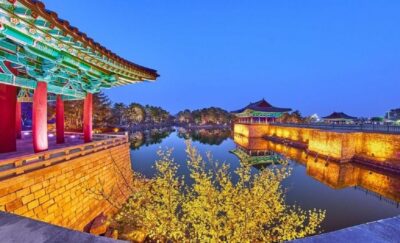
Gyeongju Guided Day Trip to Three Kingdoms Capital
Read the review →
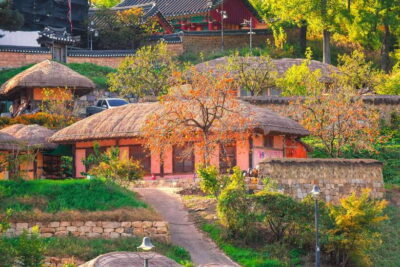
Gyeongju UNESCO World Heritage Guided Day Tour
Read the review →
Busan Private Tour with licensed tour guide + private vehicle
Read the review →
Coastal Treasures Beach Train, Culture Village & More
Read the review →
Busan’s Cultural Wonders with Beach Train & Gamcheon Village etc
Read the review →
Gyeongju UNESCO World Heritage Guided Day Tour from Busan
Read the review →
Private Busan Tour -Explore Cultural Landmarks with a Local Guide
Read the review →Browse the lists this tour appears in