
Reviewed · BUSAN TOURS
Busan Local Food Cooking Class with Market Tour
Busan’s food culture makes the most sense when you get your hands wet, and this class puts you in the kitchen before taking you to Bupyeong Kkangtong Market. Chef Heeyoung leads a small group through several Korean dishes, explains the customs behind them, and helps you see the market with a cook’s eye.
I like the hands-on cooking, not just a demonstration, and the useful finish: recipes to take home. I also like the blend of food and culture, with local rice wine and a Korean tea ceremony included. The main drawback is the price, $109.58 per person, which is a serious spend for four hours, especially if you mainly want a quick meal.
Key points
- Chef Heeyoung’s fluent English makes the cooking instructions and cultural explanations easy to follow.
- Fresh Busan seafood gives the class a strong local connection rather than a generic Korean menu.
- A meal, rice wine, and tea ceremony turn the lesson into a complete cultural experience.
- Bupyeong Kkangtong Market adds a guided look at ingredients, food customs, and local delicacies.
- Small groups of up to 10 people allow for personal help at the cooking table.
- Recipes and food recommendations help you use what you learn after returning home.
Why begin your Busan food trip in the kitchen
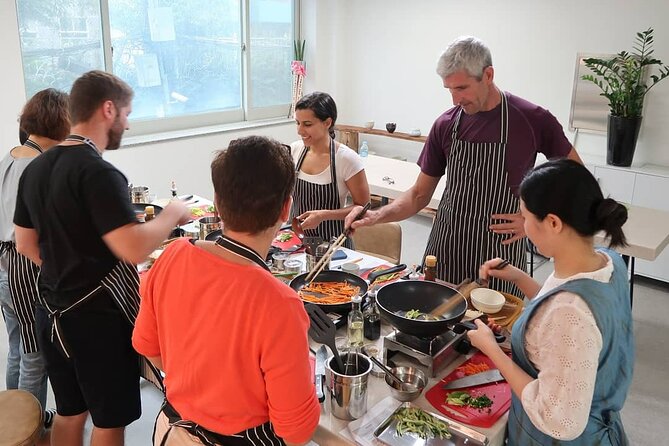
The best reason to book this activity early in your Busan stay is practical: it can teach you how to look at Korean food for the rest of your trip. Instead of simply ordering a dish, you’ll start noticing seafood, sauces, preparation methods, market ingredients, and the customs around a shared meal.
Chef Heeyoung is a professional Korean food chef who graduated from Korea’s most prestigious Korean cuisine culinary school. She speaks fluent English and leads the class with both structure and flexibility. That combination matters. You need clear instructions when working with unfamiliar recipes, but a cooking class is more enjoyable when the pace can adjust to the group.
The class runs for about four hours, beginning at 10 am. The meeting point is Busan Cooking Class, 2F, 15 Gudeok-ro 186beon-gil in Seo-gu. The location is near public transportation, but you should still allow time to find the building and reach the second floor. Your mobile ticket is accepted, and the activity ends back at the same meeting point after the market portion.
More Food Tours in Busan
- 4-Hours Hiking and Tasting Rice Wine in the Mountain of Busan
★ 5.0 · 79 reviews - Busan: Hiking and Tasting Rice Wine in the Hidden Village
★ 4.9 · 74 reviews - Busan: Small-Group Traditional Korean Food Cooking Class
★ 4.9 · 58 reviews
Cooking several Korean dishes with local seafood
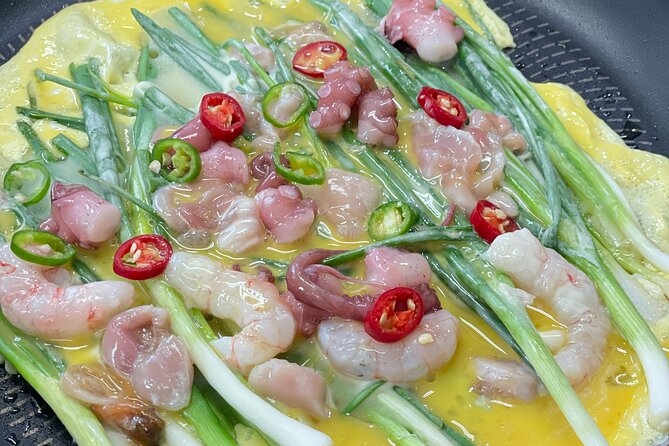
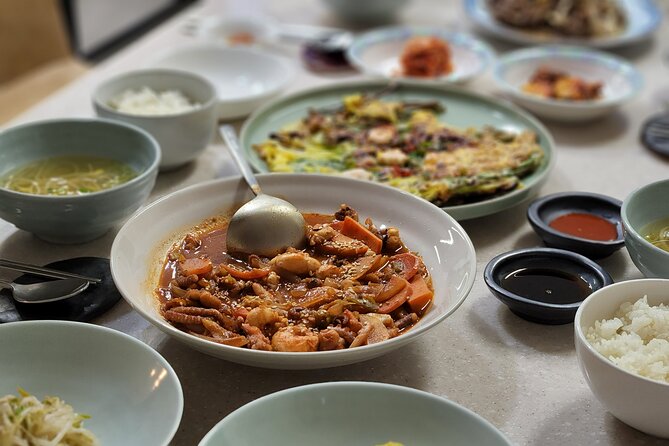
This is not a sit-back cooking show. You make and eat several typical Korean dishes under Heeyoung’s direction, using fresh seafood from Busan. The exact menu is not specified in the available information, so you should not book expecting one particular named dish. The useful point is that the food is tied to Busan’s coastal setting and Korean home-style cooking methods.
You’ll receive an apron, tableware, and all ingredients. That keeps the morning simple: you do not need to shop beforehand or bring cooking equipment. Heeyoung explains the techniques as you work, then gives you the recipes afterward so the class has value beyond the meal itself.
I especially like this format for people who have eaten Korean food but want to understand how it comes together. You can ask questions while chopping, seasoning, or assembling the dishes, rather than trying to remember a long talk after the fact. The small maximum of 10 people should also make it easier to get help when you need it.
The food lesson includes a broader lecture on Korean food culture. That may cover the customs and ideas behind the dishes, not just the mechanics of preparing them. The distinction is important. A recipe tells you what to do, while a cultural explanation gives you a better sense of why Korean meals are prepared and shared in certain ways.
Sharing the meal with rice wine and Korean tea
Once the cooking is finished, you eat what you have made. This gives the class a natural payoff, and it lets you judge the results while the techniques are still fresh in your mind. The meal is accompanied by local rice wine, adding another piece of Korean food culture to the morning.
Because rice wine is included, this part may not suit everyone. The supplied details do not explain whether a nonalcoholic substitute is available, so ask the provider ahead of time if you do not drink alcohol. The class may still be worthwhile without it, but you should clarify your needs before booking.
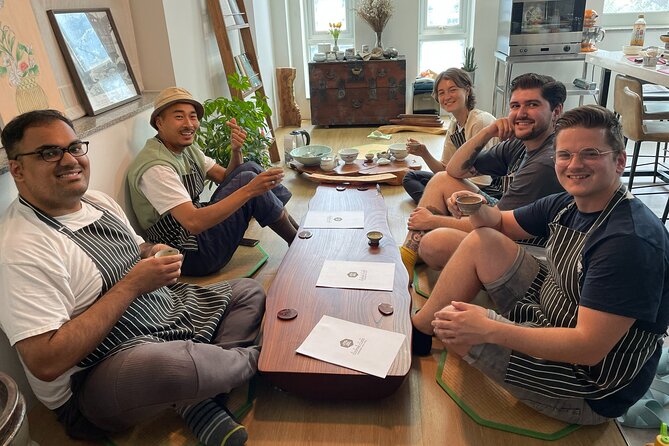
The experience ends its food lesson with a Korean traditional tea ceremony. This slows the pace after cooking and eating. You’ll learn about the customs of the ceremony rather than simply being handed a cup of tea, giving the morning a quieter cultural finish.
The tea portion is also one reason this activity feels different from a standard market food tour. You are not only tasting dishes and taking photos. You are learning how cooking, eating, drink, and hospitality fit together.
Walking through Bupyeong Kkangtong Market
After the meal, you visit Bupyeong Kkangtong Market with Heeyoung. The market is described as more than 100 years old and is a key stop for understanding Busan’s local food culture. Here, the focus shifts from preparing food to recognizing it in the place where people buy and sell it.
Heeyoung points out ingredients, explains local delicacies, and helps with translation. That language support can make a real difference in a Korean market. You can ask about foods you do not recognize, understand what ingredients are used for, and get more context than you would from walking through alone.
The market visit is not presented as a separate tasting crawl, so keep your expectations in check. The available details promise a guided market tour, ingredient explanations, food customs, and Busan food recommendations. They do not promise a set number of tastings or purchases. You may have chances to buy something for yourself, but personal expenses are not included.
I like the order of the day: first you work with ingredients, then you see a traditional market through that new understanding. The market should make more sense after the class, and the class should feel more rooted after you see where local food is sold.
More Market Tours in Busan
- Busan Seafood Tour : Jagalchi market Seafood Tour & Dinner
★ 5.0 · 74 reviews - Busan Tailored Korean cooking class (Vegan OK)with market tour
★ 5.0 · 66 reviews - Gamcheon Culture Village, Jagalchi fish market story telling Tour
★ 4.5 · 63 reviews - Busan history and market food tour with local chef
★ 5.0 · 58 reviews
What the English guidance adds
A cooking class can be frustrating when instructions are translated poorly or delivered too quickly. Here, Heeyoung’s fluent English is a major practical benefit. You can follow the steps, ask questions, and understand the food and cultural explanations without trying to guess what the instructor means.
The feedback available about the class places strong emphasis on Heeyoung’s teaching style. She is described as clear, friendly, professional, and willing to adjust the pace. One particularly useful detail is that she makes sure everyone understands what is happening and does not rush the group.
That matters for beginners. Korean cooking may involve unfamiliar ingredients and methods, and you may need a second explanation or a closer look at a technique. A small class and a patient instructor can make the difference between enjoying the process and feeling lost at the worktable.
The class can also suit experienced home cooks. You are not limited to basic tourist information, since the course is led by a chef trained in Korean cuisine and includes food history and culture. Still, it is worth remembering that the class lasts about four hours, not a full professional cooking course. You’ll gain practical recipes and cultural insight, not formal culinary certification.
Is $109.58 a fair price?
At $109.58 per person, this is not a budget activity. You are paying for more than ingredients and lunch, though. The price covers an English cooking class, equipment, ingredients, a food culture lecture, a traditional tea ceremony, a market visit with translation help, recipes, and Busan food recommendations.
The value depends on what you want from a food experience. If you only want to eat inexpensive Korean dishes, you can spend far less in Busan. If you want a guided lesson, a prepared meal, cultural explanation, and help making sense of a traditional market, the package is more defensible.
The maximum group size of 10 is another factor in the price. This is not advertised as a large demonstration with dozens of participants. You should have a better chance of receiving personal instruction and interacting with Heeyoung and the other people at the table.
The market tour adds value because translation and local explanations are hard to arrange on your own. You could visit Bupyeong Kkangtong Market independently, but you would not necessarily know which ingredients matter, what food customs to look for, or how to ask questions in Korean.
For me, the best value comes from booking this near the start of your Busan stay. You can use the food recommendations and market knowledge during later meals. Booking it as your final activity still gives you recipes and memories, but you lose the chance to apply what you learned around town.
Who will enjoy this four-hour class
This activity suits you if you want active participation rather than a sightseeing tour. You should be ready to chop, prepare, listen, and eat the results. It is also a good fit for anyone who wants a more personal introduction to Korean food than a restaurant meal can provide.
It works particularly well for:
- First-time visitors to Korea who want basic context for Korean food.
- Home cooks who would like recipes and techniques to use later.
- Couples, friends, and small groups looking for a shared activity.
- People who value clear English instruction.
- Food-focused visitors who plan to visit Busan markets.
- Anyone who wants a mix of cooking, meal time, tea, and local shopping.
It may be less suitable if you dislike seafood, do not want to cook, or prefer a short tasting tour. The available details center on fresh local seafood, so ask about the menu before paying if you have allergies, dietary restrictions, or strong dislikes. No special dietary arrangements are stated.
The rice wine may also be a consideration. Since the information does not specify alternatives, contact the provider before the class if alcohol is an issue for you.
Practical planning for the morning
The start time is 10 am, and the total duration is about four hours. Plan for the activity to occupy most of your morning and extend into early afternoon, especially since it includes cooking, eating, tea, and the market visit.
Wear something comfortable that you do not mind wearing in a kitchen. An apron is provided, along with tableware and ingredients, but the available information does not specify clothing, footwear, or kitchen facilities. If you have mobility concerns or food allergies, ask before booking rather than assuming the class can be adapted.
The activity begins and ends at the listed cooking studio, not at the market. That makes the return journey simpler, but it also means you should pay attention to the meeting address in Seo-gu. The experience is near public transportation, and the mobile ticket is convenient for showing your booking details.
Confirmation is sent within 48 hours of booking, subject to availability. Since the activity is often reserved about 52 days ahead, planning early is sensible if your Busan dates are fixed. The provider also requires a minimum number of participants, so the class could be canceled if that number is not reached.
Free cancellation is available up to 24 hours before the start time for a full refund. Changes or cancellations made less than 24 hours before the start are not accepted for a refund. Poor weather can also cause a cancellation, in which case you’ll be offered another date or a full refund.
What makes the experience worth remembering
The strongest feature is the way the morning connects several parts of Korean food culture. You prepare food, learn why it matters, eat it with rice wine, take part in a tea ceremony, and then visit a market where ingredients and local food customs become easier to recognize.
Heeyoung’s role is central. The supplied information consistently presents her as the person who makes the class understandable and personal, not just technically correct. Her English, cooking background, patience, and ability to engage the whole group are especially useful when participants have different levels of experience.
The recipes are another practical strength. Many food tours end when the meal is over. Here, you leave with something you can use at home, plus food recommendations that can guide the rest of your time in Busan.
The market stop keeps the class from feeling sealed off from the city. You get to see the food culture in a working traditional market, with help identifying ingredients and asking questions. Just remember that the market component is a guided orientation, not a guaranteed food-shopping allowance or fixed tasting menu.
Should you book the Busan cooking class?
Book it if you want to spend four hours learning, cooking, eating, and asking questions with an English-speaking Korean chef. It is especially worthwhile early in your Busan visit, when the recipes, market advice, and food context can improve the rest of your meals.
Think twice if $109.58 feels high for a half-day activity, if you want a quick market snack tour, or if seafood and rice wine are concerns. Ask about the menu and drink alternatives before booking.
For food-focused visitors, this is a strong choice because it offers skills and context, not just a plate of food. The small group, patient teaching, traditional tea ceremony, and visit to Bupyeong Kkangtong Market give the experience a useful local focus.
FAQ
How long does the Busan cooking class and market tour last?
The activity lasts approximately four hours, beginning at 10 am.
Where does the experience start and end?
It starts at Busan Cooking Class, 2F, 15 Gudeok-ro 186beon-gil, Seo-gu, Busan. The activity ends back at the same meeting point.
Is the class taught in English?
Yes. The cooking class is conducted in English, and chef Heeyoung speaks fluent English.
What is included in the price?
The price includes an apron, tableware, ingredients, the English cooking class, a Korean food culture lecture, a traditional Korean tea ceremony, Busan food recommendations, and recipes.
Is the market visit included?
Yes. After the cooking and meal, you visit Bupyeong Kkangtong Market with the chef. She explains ingredients, local delicacies, and food customs and can help with translation.
Can I cancel for a full refund?
You can cancel at least 24 hours before the experience start time for a full refund. Cancellations or changes made less than 24 hours before the start are not accepted for a refund.
More Food in Busan
- Busan Private Night Tour – City Lights & Food
★ 5.0 · 22 reviews - Busan Night Food Market with Night View points
★ 5.0 · 12 reviews - Busan: Food Crawl with Fish Market, Soju Tents & Local Snacks
★ 5.0 · 8 reviews - Busan Food Market Tour Seafoods and Street Foods
★ 5.0 · 8 reviews
More Cooking Classes in Busan
- Korean cooking class in Haeundae, Busan
★ 5.0 · 92 reviews - Local Home Korean Cooking Class & Market Adventure in Seoul
★ 5.0 · 1,024 reviews - Master Korean traditional cooking with a Kimchi chef
★ 5.0 · 385 reviews - Seoul: Korean Cooking Class at a Local Home and Market Tour
★ 5.0 · 348 reviews
Recently added around Busan
- Full Day Busan and Gyeongju Guided Tour★ 5.0 · 4 reviews
- Andong Hahoe Folk Village Day Tour From Busan★ 5.0 · 4 reviews
- Make your own Makgeolli (Rice Wine) in Busan★ 5.0 · 4 reviews
- Best Busan night views : Mountain observatory streets★ 5.0 · 4 reviews
- Busan: Naejangsan National Park Autumn Foliage One Day Tour★ 4.8 · 4 reviews
- Gyeongju private tour with an official tour guide (Unesco)★ 4.5 · 4 reviews
- 5 Highlights Pohang Tour from Busan (Group Tour)★ 5.0 · 5 reviews
- Busan: Winter Healing Park and (Gyeongju/Daegu) One Day Tour★ 5.0 · 5 reviews
Busan Tours, compared.

Gyeongju Guided Day Trip to Three Kingdoms Capital
Read the review →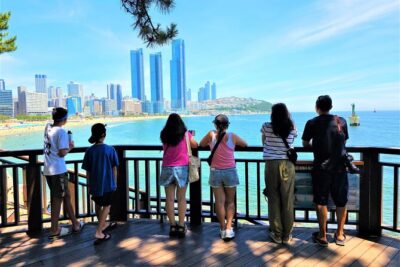
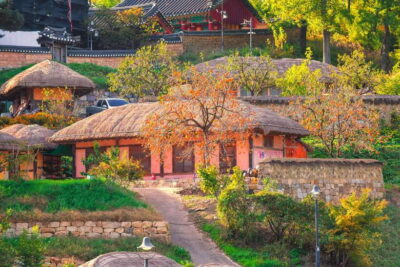
Gyeongju UNESCO World Heritage Guided Day Tour
Read the review →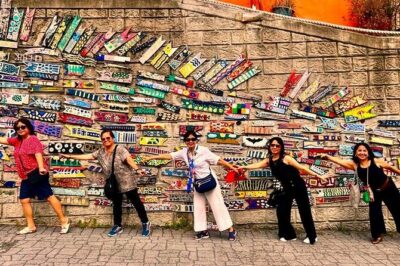
Busan Private Tour with licensed tour guide + private vehicle
Read the review →
Coastal Treasures Beach Train, Culture Village & More
Read the review →
Busan’s Cultural Wonders with Beach Train & Gamcheon Village etc
Read the review →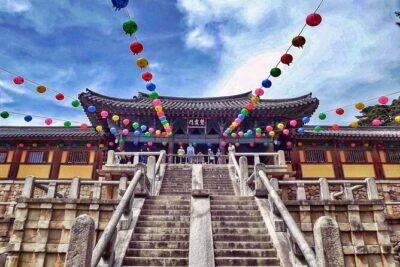
Gyeongju UNESCO World Heritage Guided Day Tour from Busan
Read the review →
Private Busan Tour -Explore Cultural Landmarks with a Local Guide
Read the review →Browse the lists this tour appears in