
Reviewed · SEOUL TOURS
Seoul: National Museum of Korea Guided Tour
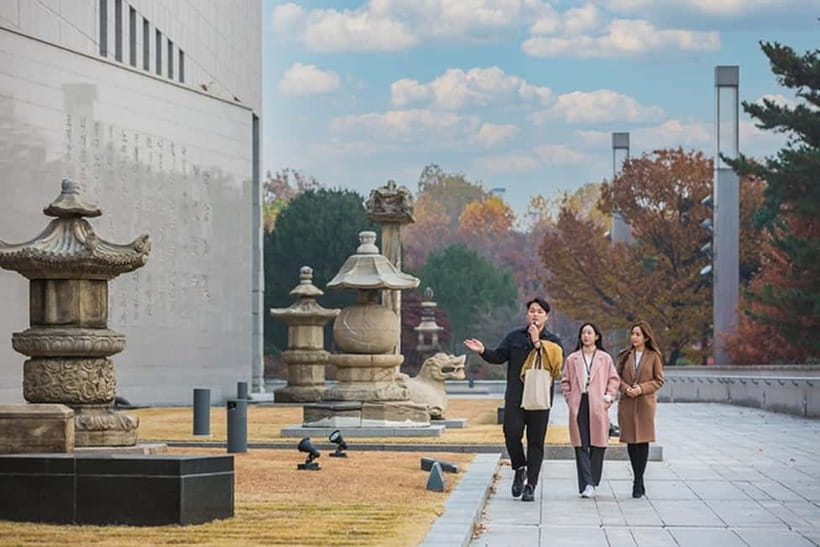
The most rewarding part of this National Museum of Korea tour is its focus beyond the grand entrance hall. In two hours, you’ll use Buddhist relics and ceramics to understand how Korean beliefs, art, and daily life developed over time, rather than simply walk past display cases.
I like the small group of up to 10, which leaves room for questions, and I like the guides’ clear, personal teaching style. Sue, Sally, Minju, and MJ are all praised for making complex subjects easy to follow. The main drawback is that the tour may be canceled if fewer than four people book, and weekend or holiday reservations cannot be confirmed.
Key points to know before you go
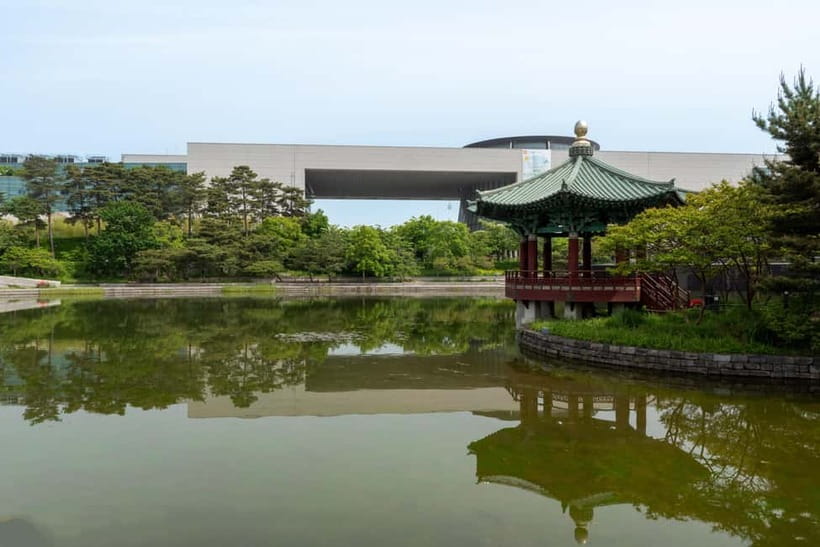
- The tour looks past the entrance hall: You’ll focus on objects and stories that many people miss on a first visit.
- Buddhism and ceramics shape the visit: These two subjects provide a practical way to understand Korean culture and daily life.
- You get an English-speaking guide: Guides including Sue, Sally, Minju, and MJ are praised for patient, detailed explanations.
- The group is limited to 10 people: That is a useful size for asking questions without losing the pace of the tour.
- Admission is included: The $38 price covers both the guide and entry to the National Museum of Korea.
- Plan around the booking rules: The tour requires at least four participants, and same-day cancellations or no-shows receive no refund.
Why this museum tour is worth your morning
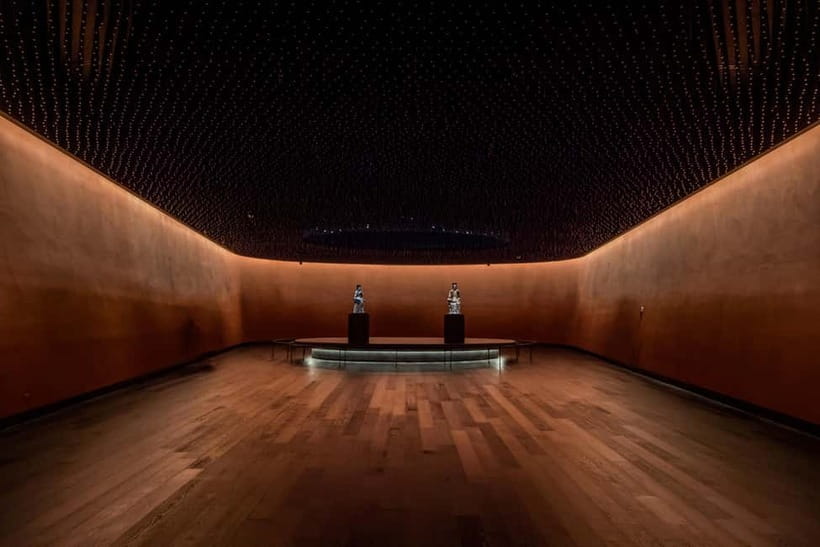
The National Museum of Korea can feel imposing when you first enter. The Great Hall and exhibition spaces give you a sense of scale, but the building alone will not explain why a particular vessel mattered, how Buddhism shaped Korean art, or why an ordinary-looking object can say so much about Korean life.
That is where this guided visit earns its price. Instead of trying to cover the entire museum, the tour follows a clear idea: Korean culture can be understood through its religious traditions and its treatment of clay, form, color, and practical objects.
You are not signing up for a general walk through every gallery. You are getting a two-hour introduction built around selected treasures and the stories behind them. That focus is useful because a museum this large can easily leave you with a long list of objects and very little sense of how they fit together.
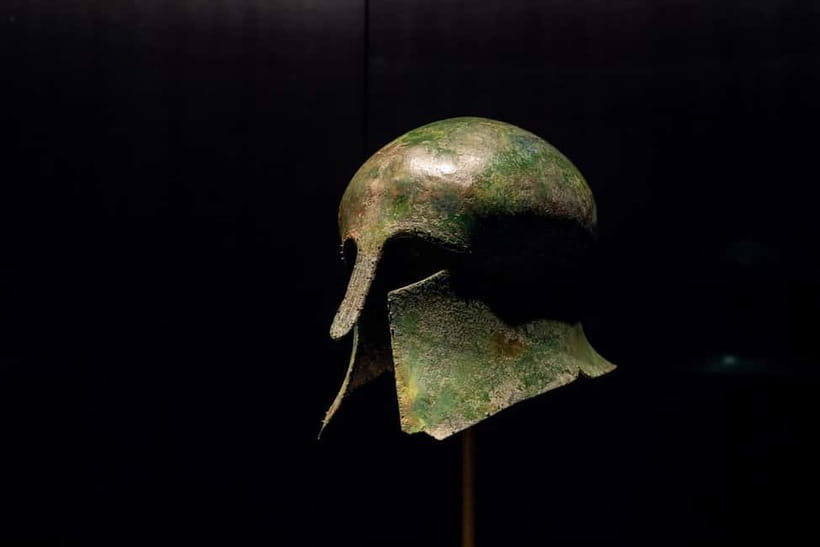
The tour also addresses an interesting gap between what people notice first and what they remember later. A museum survey found that the hand axe and comb-pattern pottery were among the most memorable exhibits, even though many people mainly recall the entrance hall. The point is simple: the first room is not the whole museum, and some of the most revealing objects may be those that seem modest at first glance.
More Museums in Seoul
- Seoul: War Memorial of Korea Private Guided Museum Tour
★ 4.9 · 29 reviews - DMZ Tour + The War Memorial of Korea Museum
★ 5.0 · 28 reviews - Color Pool Museum
★ 4.0 · 22 reviews
Meeting your guide at the Great Hall
You meet at the Great Hall on the first-floor lobby of the Exhibition Hall at the National Museum of Korea. The meeting point is specific, but you should still watch your email or WhatsApp for the final meeting time and any updated instructions.
The tour is conducted in English. Depending on the date, your guide may be Sue, Sally, Minju, or MJ. Their styles differ, but the strongest pattern is clear: you can expect explanations that go beyond labels and leave time for questions.
That matters in a museum setting. A written label may give you a date, material, and name. A guide can explain why the object was made, what it tells you about Korean society, and how it connects with the next display.
The group limit of 10 is another practical advantage. You will not have the private attention of a one-to-one guide, but a small group usually makes it easier to hear, ask questions, and keep the visit moving. The two-hour length is also sensible. It is long enough to build a coherent picture without turning the museum into an endurance test.
Buddhist art and the ideas behind the objects
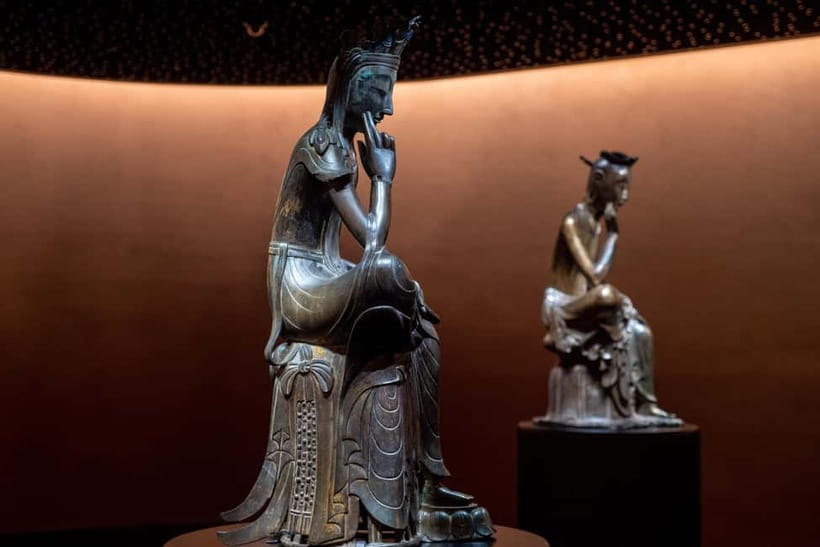
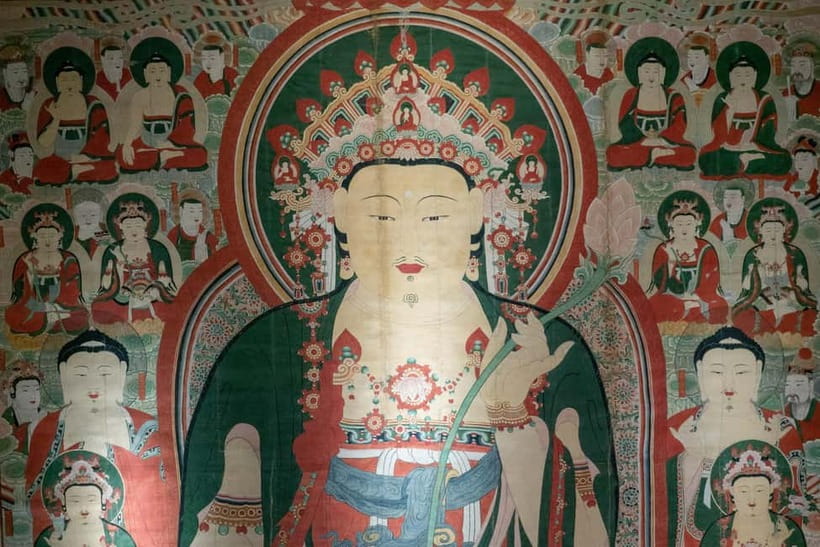
Buddhism is one of the two main threads of this tour. You will look at religious objects not only as art, but also as evidence of how spiritual ideas affected Korean culture.
This approach helps you read museum pieces in a more useful way. A sculpture or relic is not just an item from the past. It can show what people valued, how they expressed devotion, and how artistic choices were tied to religious practice.
Your guide should help connect the visual details with the larger story. You might find that posture, facial expression, materials, or decoration carry meaning that is easy to miss when you are looking on your own. The value is not in memorizing every technical term. It is in learning how to look at Korean religious art with a little more care.
I especially like this subject for first-time museum visitors because it gives you a way to compare objects. Instead of seeing isolated works, you begin to notice how Korean artists handled beauty, restraint, symbolism, and craftsmanship.
The tour also presents Buddhism as part of everyday culture, not as a subject sealed away in a religious gallery. That connection makes the visit more relevant to the rest of your time in Korea. You may start noticing similar ideas in architecture, traditional decoration, or other cultural sites.
Still, two hours can only introduce the subject. If you already have a strong interest in Korean Buddhist art, you may leave wanting more time with individual pieces. That is not a fault of the tour so much as a limit of its compact format.
Ceramics and Korean ideas about beauty
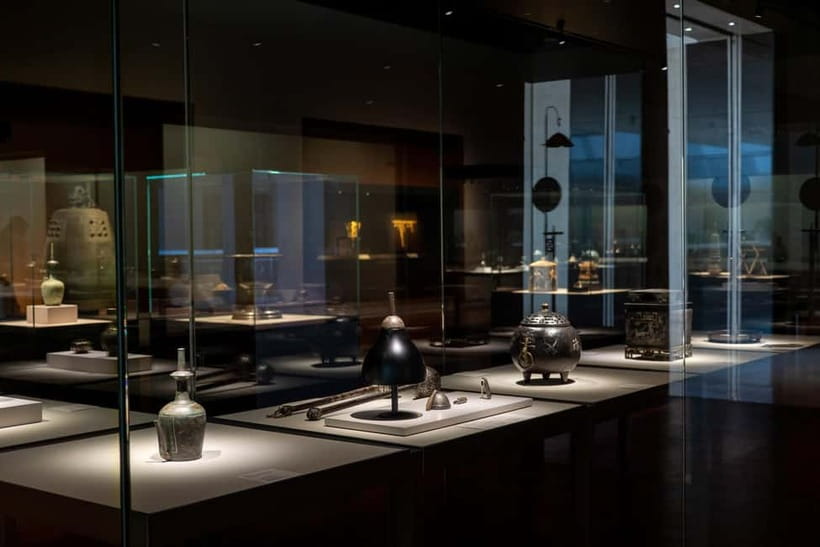
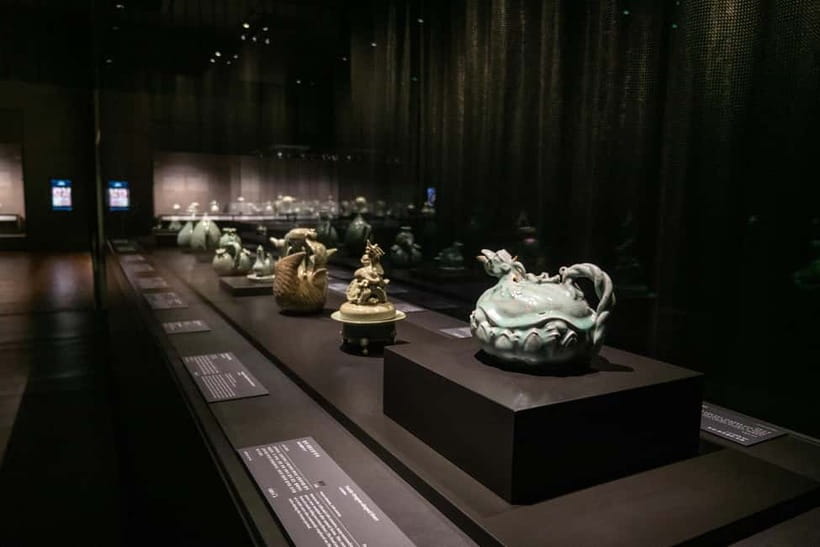
Ceramics provide the second main path through the museum. This section should appeal even if you do not normally seek out pottery museums, because the guide presents ceramics as part of Korean life rather than as fragile objects made only for display.
You will explore how ceramics reflect taste, skill, function, and changing cultural ideas. The discussion of Korean beauty is especially useful here. The tour invites you to consider why a simple shape, controlled decoration, or understated finish can carry such appeal.
This is also where the museum’s quieter objects can become memorable. The comb-pattern pottery mentioned in the museum survey is a good example of an artifact that may not look grand at first glance but can open a door into early Korean life. Its value comes from what it reveals about technique, use, and human activity, not from precious materials.
A guide can make that difference clear. On your own, you may see a bowl or vessel and move on. With context, you can think about who used it, why its form developed, and what its decoration says about the people who made it.
The ceramic displays also balance the Buddhist material nicely. Religious art can feel formal and symbolic, while pottery brings you closer to daily routines. Together, the two subjects show both the sacred and practical sides of Korean culture.
Do not expect a hands-on pottery workshop or a technical demonstration. This is a museum interpretation tour. You will look, listen, and discuss the objects. If your main interest is modern design or studio ceramics, the historical focus may not match every expectation, but the cultural background should still give you a stronger base for exploring Korean art.
A different way to spend a day from here:
- Best DMZ Tour Korea from Seoul (Red Suspension Bridge Optional)
★ 5.0 · 41,422 reviews - DMZ Tour: 3rd Tunnel, Option(Suspension Bridge, Boat) from Seoul
★ 5.0 · 21,373 reviews - DMZ tour south Korea from Seoul (NK experience hall, defector)
★ 5.0 · 20,599 reviews - Seoul: DMZ Tour with Optional Suspension Bridge
★ 4.8 · 5,277 reviews
The hand axe, comb-pattern pottery, and overlooked treasures
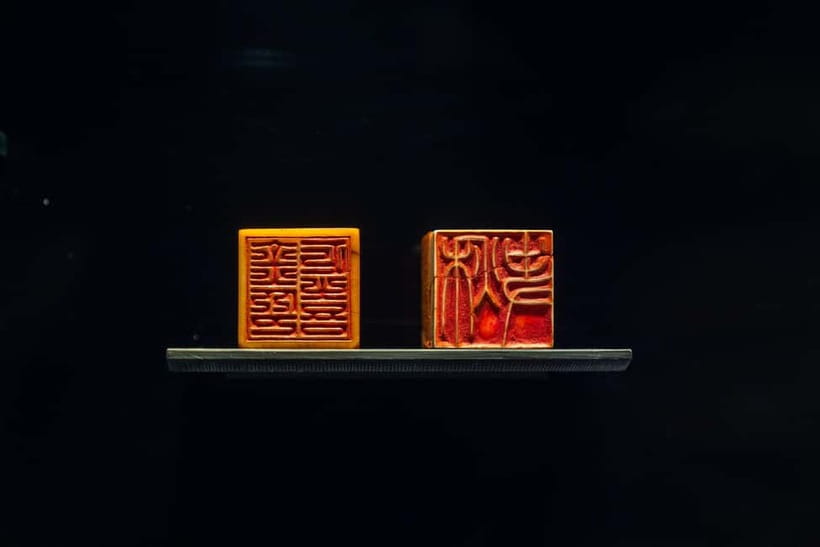
The tour’s promise to go beyond the entrance hall is more than a slogan. It directs your attention to artifacts that can be missed when you walk through a major museum without a plan.
The hand axe and comb-pattern pottery are especially useful examples. They remind you that Korean culture did not begin with royal treasures or polished ceremonial pieces. Early tools and pottery also carry stories about skill, survival, habits, and the gradual development of communities.
A good guide will help you slow down at these objects. You may learn to ask simple questions: What was this used for? What can its material tell us? How much effort went into making it? What does its design suggest about the people who handled it?
Those questions make the museum more active. You are not merely receiving dates and names. You are building a method for understanding artifacts.
This part of the tour may be most valuable for people who feel uncertain in museums. You do not need prior knowledge of Korean history or art. The explanations begin with visible details and use them to build a larger story.
The tradeoff is that you will not have time to study every gallery at length. If you want a broad, self-guided survey of the whole museum, you may prefer to spend several hours on your own. If you want a focused introduction that helps you decide what to revisit, the guided format makes good sense.
The guides’ teaching style
The strongest feature of this experience is the quality of the explanations. The guides are repeatedly praised for being clear, patient, and able to answer questions in detail.
Sue is described as explaining objects and their cultural setting in an engaging way. Sally is praised for giving a strong overview that encourages further exploration. Minju is noted for telling stories in a way that keeps the visit moving, while MJ brings a cross-cultural viewpoint shaped by Filipino, Chinese, Korean, and American backgrounds.
That range matters because history can be presented in more than one voice. MJ’s background, in particular, may help you think about Korean identity from several angles rather than treating the subject as a fixed, simple story.
You should also feel comfortable asking questions. One guide is praised for answering questions in great detail, and another for responding with patience and insight. That is a good sign for anyone who wants more than a prepared speech.
Of course, guide quality can vary with the individual and the day. The named guides are not guaranteed for every departure, so book this for the structure and subject as well as for a particular person. Still, the consistent praise for the guiding team is a strong reason to choose this experience over walking through the museum without help.
What $38 gets you
The price is $38 per person for two hours, with museum admission and a local English-speaking guide included. Whether that feels worthwhile depends on how you prefer to visit museums.
If you are comfortable reading labels, researching objects, and planning your own route, you can save money by exploring independently. The museum itself gives you the freedom to set your own pace, return to favorite pieces, and spend as long as you like in one section.
The guided tour earns its keep through interpretation. You are paying for a selected route, historical links, answers to questions, and help noticing details that might otherwise pass you by. For a first visit to the museum, that can be a fair exchange.
The small group also improves the value. A 10-person limit is not the same as a private tour, but it is more personal than a large crowd moving from room to room. If the guide is as engaging as Sue, Sally, Minju, or MJ, two concentrated hours can give you a useful foundation for a longer independent visit later.
I would be less likely to book it if I already knew the museum well or planned to spend a full day studying one specialized collection. For a short Seoul stay, though, the tour gives you a clear starting point without taking up an entire day.
Who should book this experience
This tour suits you best if you want Korean history explained in plain English and prefer a guided focus to an open-ended museum visit.
It is a good choice for:
- First-time visitors to the National Museum of Korea
- People interested in Buddhism, ceramics, and early Korean artifacts
- Museum visitors who want to ask questions
- Travelers with only two hours available
- Anyone who finds large museums hard to navigate alone
- Visitors who want cultural context rather than a quick photo stop
Families and mixed-interest groups may also find the selected themes useful because the discussion moves between religion, art, daily life, and early tools. The tour is not described as a children’s program, so parents should decide based on their children’s attention span and interest in museum objects.
You should think twice if you want complete freedom to wander, a specialist lecture on one narrow period, or a full-day museum study. The tour gives you an overview with detail, not an exhaustive scholarly treatment.
Timing, reservations, and practical cautions
The activity lasts two hours, but starting times vary, so check availability before booking. You should allow enough time to reach the Great Hall, locate the first-floor lobby, and check your messages for the confirmed meeting details.
Reservations cannot be confirmed on weekends and holidays. That makes weekday planning the safer option, especially if your Seoul schedule is tight.
The tour requires at least four participants. If fewer than four people book, the activity will be canceled and the notice will be sent by WhatsApp. Confirm that your contact details are correct and keep an eye on your phone.
You can cancel up to 24 hours before the tour for a full refund. Same-day cancellations and no-shows are not refunded. Travel insurance is not included, and you should tell the provider in advance about any allergies.
The reserve-now-and-pay-later option lets you hold a place without paying at the time of booking. That is helpful when you are arranging several Seoul activities, but it does not remove the minimum-participant condition or the same-day cancellation rule.
Should you book the National Museum of Korea tour?
Book it if you want a compact, well-explained introduction to Korean culture and would rather understand a few important themes than rush through dozens of galleries.
The best reasons are the small English-speaking group, the focus on Buddhism and ceramics, and the guides’ strong ability to explain objects in context. The $38 cost is reasonable when you value interpretation and questions, though independent museum visitors may prefer to spend less and set their own route.
Choose a weekday if possible, confirm the meeting details by email or WhatsApp, and keep the minimum group size in mind. If you do that, this tour can turn a huge museum from a grand building you briefly remember into a place filled with objects you actually understand.
FAQ
How long is the National Museum of Korea guided tour?
The tour lasts two hours.
How much does the tour cost?
The price is $38 per person.
Is museum admission included?
Yes. Admission to the National Museum of Korea is included, along with the local tour guide.
What language is the tour conducted in?
The live tour guide speaks English.
Where is the meeting point?
Meet at the Great Hall, on the first-floor lobby of the Exhibition Hall at the National Museum of Korea.
How many people are in the group?
The group is limited to 10 participants.
Can I cancel for a full refund?
Yes. You can cancel up to 24 hours in advance for a full refund.
What happens if I cancel on the day or do not attend?
No refund is issued for a same-day cancellation or a no-show.
Can the tour be canceled by the provider?
Yes. If fewer than four participants book, the tour will be canceled and notice will be sent by WhatsApp. Reservations also cannot be confirmed on weekends and holidays.
Is travel insurance included?
No. Traveler’s insurance is not included.
Recently added around Seoul
- Nami & Maple Road & Theatre des Lumieres Day Tour from Seoul★ 4.8 · 4 reviews
- Gyeongbokgung Palace Photo Session with your own phone★ 5.0 · 4 reviews
- Private Tour around Suwon UNESCO Fortress and Korea Folks Village★ 4.5 · 4 reviews
- Seoul: Deoksugung Palace Night Tour★ 4.5 · 4 reviews
- N Seoul Tower + Namsan Cable Car Ticket (Collect in Myeongdong)★ 3.5 · 4 reviews
- Jisan Forest Resort: Ski Full-Day Tour or Shuttle from Seoul★ 5.0 · 4 reviews
- Seoul Private Walking Tour with a Local★ 5.0 · 4 reviews
- Private Jeonju Hanok Village – Culinary tour★ 5.0 · 4 reviews
Seoul Tours, compared.
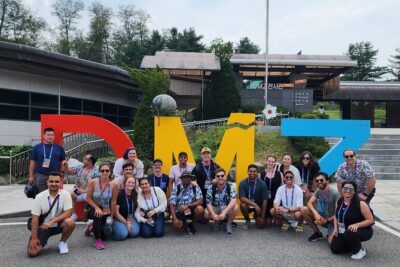
Best DMZ Tour Korea from Seoul (Red Suspension Bridge Optional)
Read the review →
DMZ Tour: 3rd Tunnel, Option(Suspension Bridge, Boat) from Seoul
Read the review →
DMZ tour south Korea from Seoul (NK experience hall, defector)
Read the review →

DMZ The 3rd Tunnel and Suspension Bridge Tour
Read the review →
Signature DMZ Tour: Exclusive Defector Talk & Suspension Bridge
Read the review →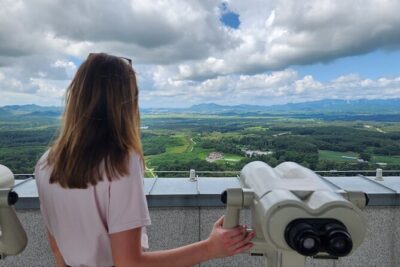
Thrilling Korean DMZ 3rd Tunnel Tour from Seoul + Red Bridge Rush
Read the review →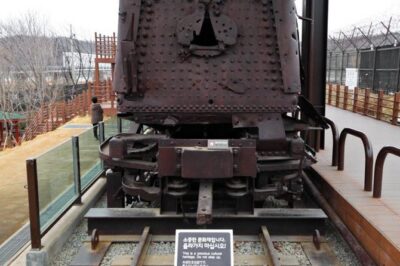
DMZ Past and Present: Korean Demilitarized Zone Tour from Seoul
Read the review →Browse the lists this tour appears in