

Reviewed · DMZ TOURS
Seoul: Half-Day DMZ Tour Led by a Retired Military Officer
The most compelling part of this DMZ tour is the guide. You are not getting only a textbook account of the Korean War and the divided peninsula. Guides such as Eddie, SJ, Tiger, and Jason served in or near the DMZ, so their explanations include the practical realities of military life, border tension, and the people caught between two countries.
I like the tour’s real-time choice of observatory, since the best view of North Korea depends on weather and visibility. I also like the chance to enter the Third Infiltration Tunnel, an uncomfortable but memorable reminder that this border was built for war, not sightseeing. The main consideration is physical: the tunnel involves steep walking and low ceilings, and the schedule can shift because the DMZ remains an active military area.
Key points before you book
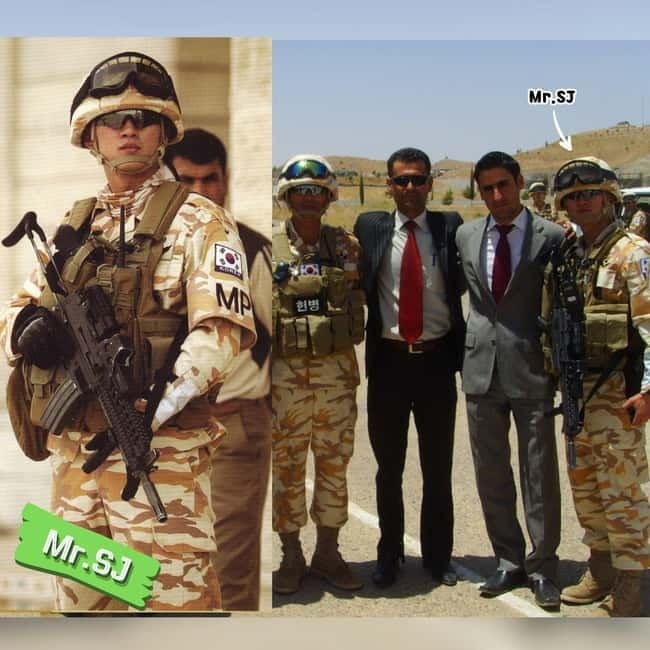
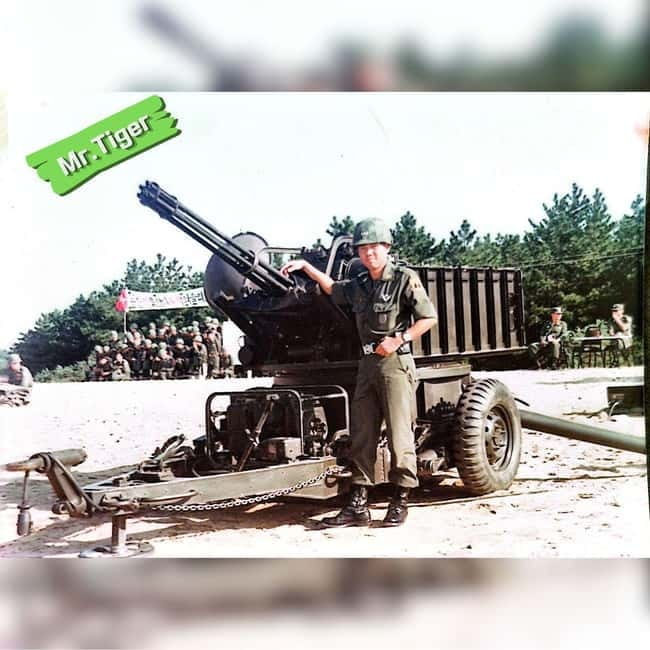
- A former military officer leads the tour: You may be guided by SJ, a former Special Forces major and Iraq veteran, Tiger, a former artillery commander, Eddie, an infiltration tunnel specialist, or Jason, a retired intelligence officer.
- The observatory is chosen for visibility: The route uses either Odusan or Dora Observatory, based on current conditions and local security information.
- Tunnel 3 is a real workout: Expect a long walk downhill, a low passage that requires crouching, and a climb back out.
- The history feels personal: Guides explain separated families, military routines, infiltration attempts, and the ongoing hope for peace.
- The route covers the major southern DMZ sights: You visit Imjingak, Mangbaedan Altar, the Freedom Bridge, the old steam locomotive, and the Third Infiltration Tunnel.
- It is a strong half-day value: At $57 per person, the package includes Seoul transport, admission, a guide, and the tunnel walk, but not lunch or insurance.
Why a retired officer changes the DMZ experience
The DMZ can be visited as a collection of observation decks, fences, memorials, and souvenir shops. That approach gives you photographs, but not always much sense of how the border works or why small details matter.
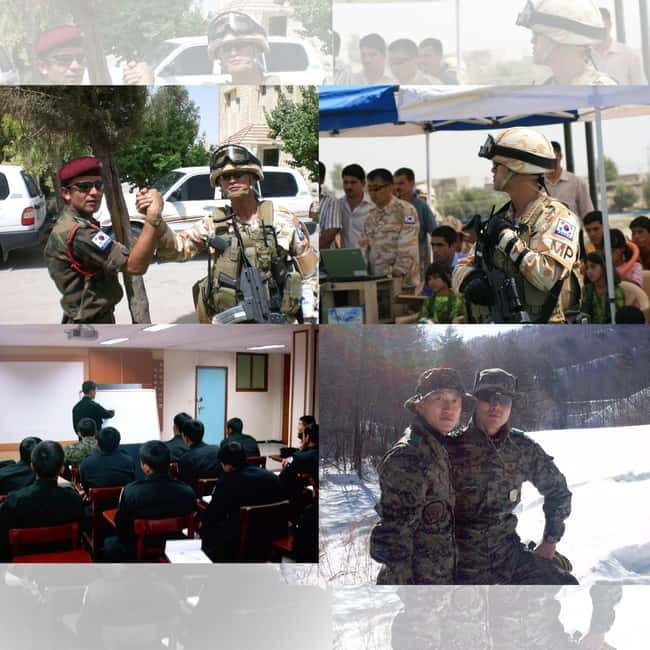
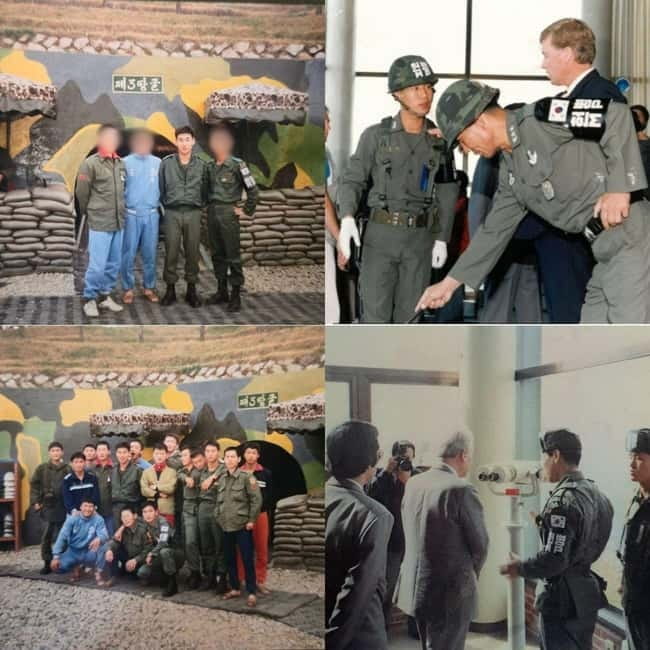
This tour puts a former South Korean servicemember in charge of the story. SJ served with the 707 Special Mission Battalion and brings military experience to the route. Tiger spent 20 years in an artillery battalion, including time as a commander near the front line. Eddie specializes in the infiltration tunnel and previously briefed American and Korean senior officials. Jason served for 31 years in South Korean intelligence before retiring as a lieutenant colonel.
You may be assigned any one of them, and the tone can vary. Eddie is known for drawing people into conversation and mixing serious information with humor. SJ tends to offer detailed explanations and personal stories. Tiger gives a strong account of South Korean history and military affairs. Jason is described as gentle, clear, and particularly good at explaining difficult subjects without making the tour feel like a lecture.
I value that range because the DMZ is not a simple story. It involves the Korean War, military deterrence, divided families, propaganda, failed negotiations, and the daily effort to keep a fragile peace. A guide who has served in that system can explain why access rules are strict and why a bus may wait for military permission.
More DMZ Tours in Seoul:
- Best DMZ Tour Korea from Seoul (Red Suspension Bridge Optional)
★ 5.0 · 41,422 reviews - DMZ Tour: 3rd Tunnel, Option(Suspension Bridge, Boat) from Seoul
★ 5.0 · 21,373 reviews - DMZ tour south Korea from Seoul (NK experience hall, defector)
★ 5.0 · 20,599 reviews
From Seoul to the guarded border
The trip begins at a designated Seoul meeting point, with options connected to areas such as Hongik University Station and Myeongdong. The bus ride toward the border takes roughly an hour, giving your guide time to set the scene and explain the day’s rules.
The transportation is one of the practical strengths here. You do not need to work out regional trains, local buses, or a taxi to the DMZ. Roundtrip transport from Seoul is included, and the coach is described as comfortable. The expected return is around 2:00 to 3:00 in the afternoon, though some departures have taken closer to seven hours from start to finish.
That variation matters. The DMZ is not an ordinary sightseeing district with fixed city-tour timing. Traffic, weather, maintenance, and military permission can change the order of stops or the return time. I would not schedule a flight, long-distance train, or important afternoon appointment too tightly after this outing.
For groups of ten or more, free hotel pickup in Seoul is included. Smaller groups should check the exact meeting point for the option they book. Bring your passport, since it is required for entry into the DMZ. Large bags and luggage are not allowed, so leave your main suitcase at your accommodation.
Choosing between Odusan and Dora Observatory

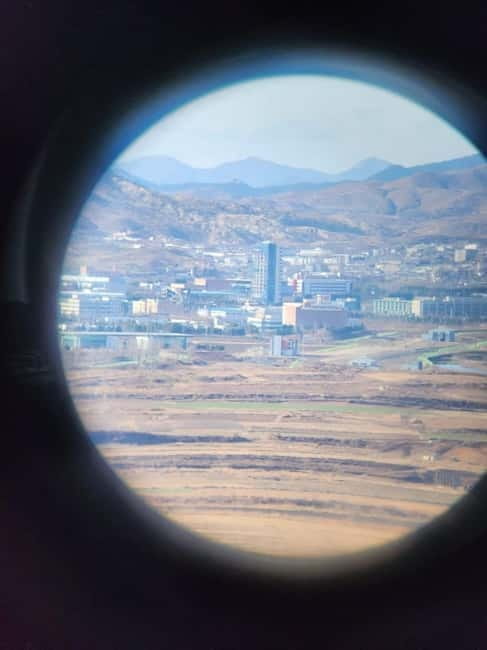
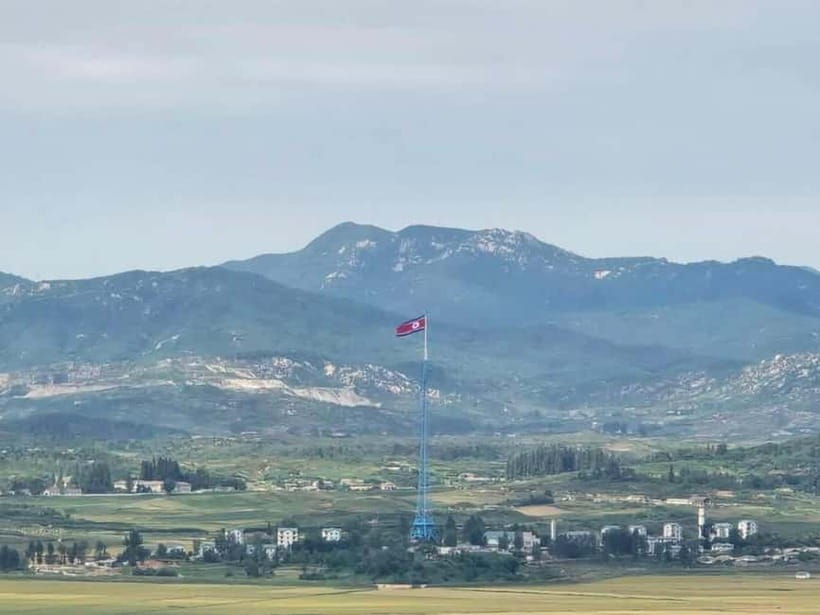
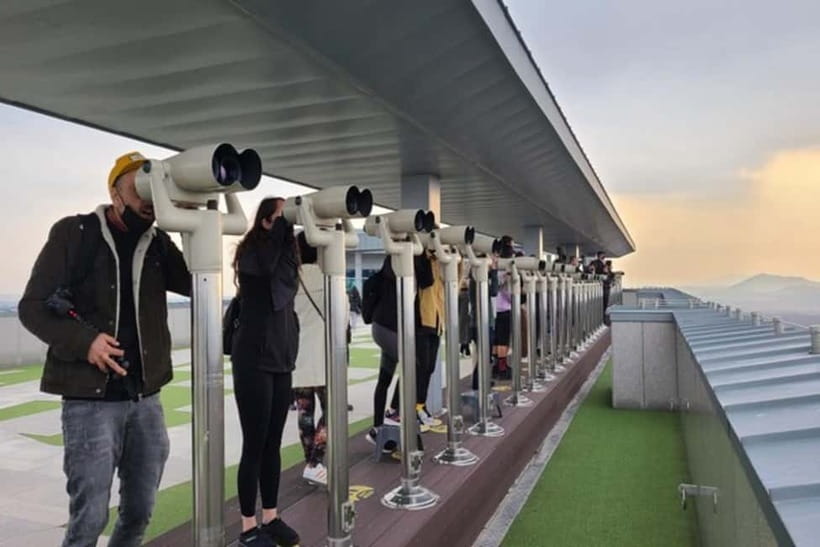
The observatory is often the emotional high point of the tour. You look across the border toward North Korea, usually with binoculars, and the scale can be surprising. This is not a dramatic wall separating two countries. It is a broad, controlled zone where ordinary-looking hills, fields, buildings, and roads carry enormous political weight.
The tour does not simply promise one fixed viewpoint. On the day of your visit, the operator checks conditions through security cameras and with local observatory staff. The group then goes to Odusan or Dora, depending on which offers the clearest view.
That is a smart arrangement. Fog, haze, rain, snow, and low cloud can make the difference between a useful view and a gray blur. Several visitors have wished for clearer weather, so I would choose a day with the best forecast if your schedule allows. Still, clear conditions are never guaranteed.
Odusan and Dora offer different settings and perspectives, but the important point is not collecting both observatories. The stated plan is to use the one with the better view that day. If you expected to visit both, note that the route can change and the observatory choice is made for visibility and access.
Your guide adds meaning to what you see. Eddie has described watching North Korean soldiers play table tennis in an attempt to show that life on their side was better. Small stories like that help you read the scene as more than distant countryside. You may also see people moving on the other side, though visibility depends entirely on conditions.
Entering the Third Infiltration Tunnel
The Third Infiltration Tunnel is the most physical part of the outing and, for many people, the most memorable. It was built by North Korea as a route for a possible attack into the South. It was not an escape tunnel, a distinction worth keeping clear.
You walk down into the tunnel and then back up again. Inside, the ceiling is low enough that you must crouch for much of the route. The path is steep, and the return climb can be tiring. Comfortable shoes are essential, and warm clothing helps because underground temperatures can feel cold even when Seoul is mild.
This is not suitable for people with mobility impairments, and it is a poor choice if steep hills or prolonged walking are difficult for you. The tunnel is not a gentle museum stroll. On the other hand, the physical effort gives the visit weight. You are not merely looking at a diagram of an infiltration route. You are moving through the cramped space itself.
Eddie’s experience with tunnel security gives this stop a special focus. He can explain how the tunnel was identified, how security operations worked, and why the passage was such a serious threat. The guide also keeps the group moving, which matters because the day includes several other sites.
Photography restrictions and access conditions can apply in military areas. Listen carefully to instructions, stay with the group, and do not assume every part of the tunnel or surrounding zone is open for independent exploration.
A few more Seoul half-days to weigh up
- Half-Day DMZ Tour Led by a Retired Military Officer from Seoul
★ 5.0 · 1,774 reviews - Seoul Half-Day City Highlight, Palace Tour with Hanbok
★ 4.9 · 764 reviews - Half-Day South Korea DMZ Small-Group Tour from Seoul
★ 5.0 · 43 reviews - Seoul: Highlights of Seoul Half-Day Tour
★ 5.0 · 22 reviews
Imjingak, Mangbaedan, and the Freedom Bridge

Imjingak Park gives the tour its most visible human and emotional side. It is a place connected to families separated by the division of Korea, and it includes memorial features that make the political conflict personal.
At Mangbaedan Altar, you hear about people who cannot visit ancestral graves or return to family homes in the North. The altar is linked to remembrance and longing, especially during traditional holidays. It is a quiet counterpoint to the military stories from the tunnel and observatory.
The Freedom Bridge carries another layer of meaning. Prisoners of war crossed here after the Korean War, and the bridge has become a symbol of return, separation, and the hope of future reunification. You also pass the preserved steam locomotive, damaged during the war and left as a physical reminder of the fighting.
These stops are not as visually dramatic as the observatory. Their value comes from context. Without an explanation, a bridge, altar, or rusting train can seem like a quick photo stop. With a former officer explaining the events and the families connected to them, the sites make the division easier to understand on a human scale.
The itinerary includes a guided visit to Imjingak and its related landmarks, including Mangbaedan and the Freedom Bridge. The exact time at each point can vary, so expect an efficient visit rather than a long, unhurried afternoon at the park.
A packed six hours, with little wasted time
The advertised duration is six hours, and the route is carefully packed. A typical day includes the Seoul transfer, one observatory, the DMZ access area, the Third Infiltration Tunnel, and Imjingak’s key memorial sites.
This makes the tour useful if you have limited time in Seoul. You get the main border experience without giving up an entire day. Several stops are close enough together to keep the route practical, while the guide explains the broader history during the bus rides.
The trade-off is pace. You will not have unlimited time at each location, and military procedures can affect the order. One person who wanted a later start also found the early departure tiring. I would treat the morning start as part of the deal and avoid planning this after a late night.
There are restrooms and opportunities to buy snacks along the way, but lunch is not included. Eat before departure or carry a small permitted snack if needed. Large bags are not allowed, so keep what you bring compact.
The group must also stay on schedule. If one person loses a passport, arrives late, or wanders away from the meeting point, the entire coach can be affected. Keep your passport secure and follow the guide’s instructions closely.
What the $57 price really covers
At $57 per person, this tour offers good value for an organized DMZ visit. The price includes roundtrip Seoul transportation, admission fees, an English-speaking guide, and the walk through the Third Infiltration Tunnel.
That bundle matters because the DMZ is not an easy place to visit independently. Access is controlled, the route can change, and transport connections are less straightforward than getting around central Seoul. You are paying for coordination as well as sightseeing.
The strongest value comes from the former military officer leading the day. A standard coach tour may show you the same broad sights, but this experience is designed around personal service experience and direct questions. If you want to understand why the military boundaries, observation procedures, and memorials matter, that added context is worth more than simply ticking off a viewpoint.
The price does not include lunch or travel insurance. Private groups are available, and the private option can add an afternoon visit to the War Memorial of Korea in Yongsan. That option suits you if you want more control over the pace or a fuller military history day, but the $57 shared experience is the better fit for most visitors seeking a focused morning and early afternoon.
When weather or military rules change the plan
The DMZ is an active military area. It can close without notice, even on the day you are scheduled to visit. If that happens, an alternative tour is provided, but the stated policy does not offer a refund for a sudden closure.
Sites can also be replaced because of maintenance or weather. The observatory may change from Odusan to Dora, and other stops can be adjusted if access is restricted. This uncertainty is not a flaw unique to this operator. It is part of visiting a live security zone.
Go with the right mindset. You are booking access to an important place, not a guaranteed photograph of North Korea. On a clear day, the view can be excellent. On a hazy day, the guide’s stories and the tunnel may become the stronger parts of the experience.
Who will enjoy this tour most
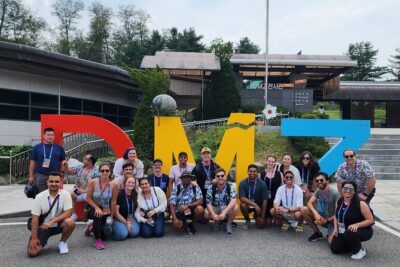
I would choose this tour if you want history explained through real military experience rather than a quick series of photo stops. It suits first-time visitors to Korea, families with older children, and anyone interested in the Korean War, modern geopolitics, or divided families.
Families can do well here, but children need to manage a long morning, strict rules, and the physical demands of the tunnel. Teenagers may find the military stories and underground passage especially engaging. The subject matter is serious, so younger children may not get much from the memorial sites.
You should reconsider it if you have mobility limitations, dislike early starts, need a guaranteed return time, or want a relaxed sightseeing day. The route is efficient and sometimes tiring. It is also not the right outing for anyone who wants complete freedom to wander.
The guides make a major difference. I would ask questions throughout the day, especially during the bus ride. Eddie is particularly good at keeping a group involved, while SJ, Tiger, and Jason each bring different service backgrounds and personal perspectives.
Should you book the retired-officer DMZ tour?
Yes, if you want a well-organized introduction to the DMZ with a guide who can explain the border from lived military experience. The combination of the observatory, Third Infiltration Tunnel, Freedom Bridge, Mangbaedan Altar, and steam locomotive gives you both the military and human sides of the division.
Book it with comfortable shoes, your passport, and realistic expectations about weather and access. Do not choose it if the tunnel’s steep walk and low ceiling would be unsafe or unpleasant for you.
For $57, the tour is a strong choice for a half-day in Seoul. Its real advantage is not simply reaching the DMZ. It is having someone like Eddie, SJ, Tiger, or Jason help you understand what you are seeing, why the border remains tense, and why the hope for peace still matters.
FAQ
How long does the DMZ tour take?
The advertised duration is six hours. The actual return can vary because of traffic, weather, site maintenance, and military permission to enter the DMZ. Expected drop-off is generally around 2:00 to 3:00 in the afternoon.
Which observatory will the tour visit?
The tour visits either Odusan Observatory or Dora Observatory. The choice is made on the day after checking visibility through security cameras and with local observatory staff.
Do I need my passport?
Yes. Every participant must bring a valid passport to access the DMZ.
Is lunch included?
No. Lunch is not included in the tour price. Restrooms and opportunities for snacks are available during the route.
Is the Third Infiltration Tunnel difficult to walk through?
Yes. The tunnel includes a steep walk down and back up, and the ceiling is low enough that you must crouch through much of the passage. Wear comfortable shoes, and avoid this part if steep walking is difficult for you.
What happens if the DMZ closes on the day of my tour?
The DMZ can close suddenly because it is a military area. If access is unavailable, an alternative tour is provided, but no refund is offered for that closure.
Recently added around Seoul
- Nami & Maple Road & Theatre des Lumieres Day Tour from Seoul★ 4.8 · 4 reviews
- Gyeongbokgung Palace Photo Session with your own phone★ 5.0 · 4 reviews
- Private Tour around Suwon UNESCO Fortress and Korea Folks Village★ 4.5 · 4 reviews
- Jisan Forest Resort: Ski Full-Day Tour or Shuttle from Seoul★ 5.0 · 4 reviews
- N Seoul Tower + Namsan Cable Car Ticket (Collect in Myeongdong)★ 3.5 · 4 reviews
- Seoul: Deoksugung Palace Night Tour★ 4.5 · 4 reviews
- Seoul Private Walking Tour with a Local★ 5.0 · 4 reviews
- Private Jeonju Hanok Village – Culinary tour★ 5.0 · 4 reviews
DMZ Tours, compared.
Best DMZ Tour Korea from Seoul (Red Suspension Bridge Optional)
Read the review →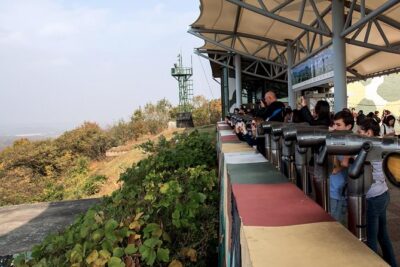
DMZ Tour: 3rd Tunnel, Option(Suspension Bridge, Boat) from Seoul
Read the review →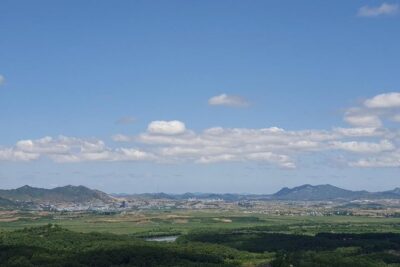
DMZ tour south Korea from Seoul (NK experience hall, defector)
Read the review →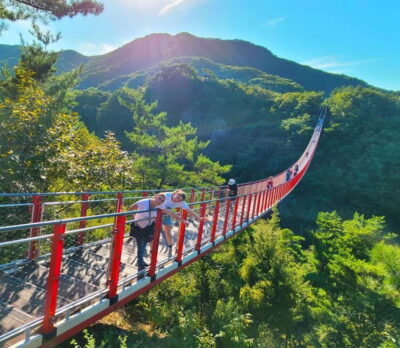
DMZ Insider Tour: 3rd Tunnel, NK Defector Meet & Red Bridge
Read the review →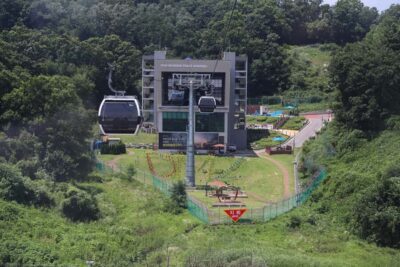
DMZ The 3rd Tunnel and Suspension Bridge Tour
Read the review →
Signature DMZ Tour: Exclusive Defector Talk & Suspension Bridge
Read the review →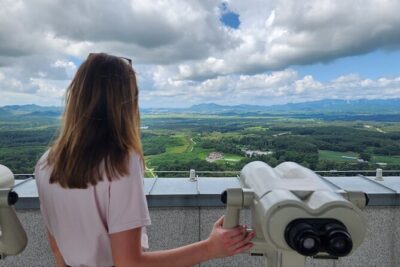
Thrilling Korean DMZ 3rd Tunnel Tour from Seoul + Red Bridge Rush
Read the review →Browse the lists this tour appears in