
Reviewed · DMZ TOURS
Seoul: DMZ Guided Tour with Suspension Bridge and Gondola
The most striking part of this day is the chance to look across an active political frontier from Dora Observatory, then walk through a tunnel built for a possible North Korean attack. I like the mix of serious history and real scenery, and I like that the guides, including Roy, Patrick, Sean Kim, and Ki, keep a long day lively without turning the subject into a joke.
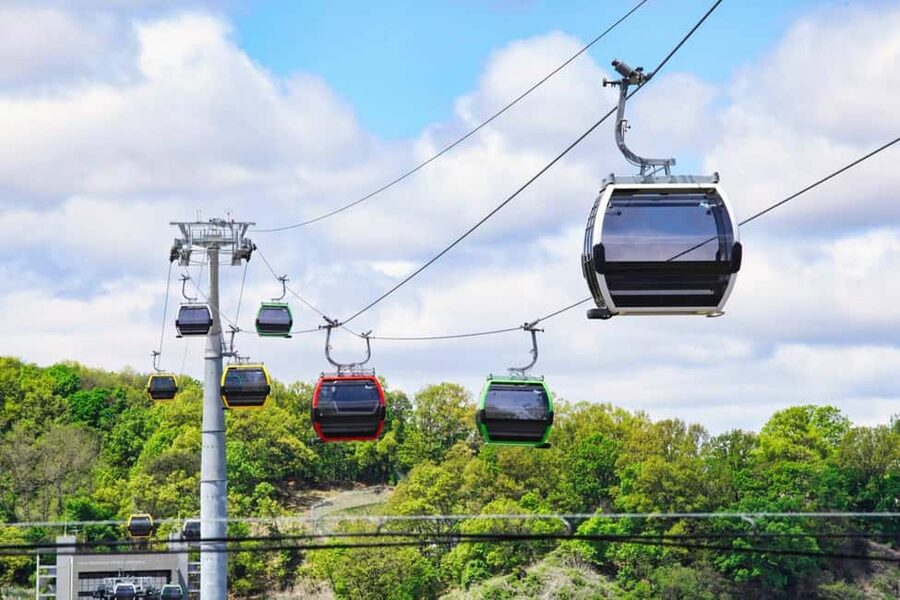
I also like the choice of add-ons. The Imjingak gondola gives you a closer view toward North Korea, while the Gamaksan Suspension Bridge adds a mountain setting and a change of pace. The drawback is the schedule: this is a packed 7 to 9-hour outing, with early meeting times, long road transfers, steep walking, and possible changes if weather or political conditions close part of the DMZ.
Key points to know before booking
- Dora Observatory gives you a rare view north: Bring your passport and use the available binoculars for the best chance of seeing across the border.
- The 3rd Tunnel is physically demanding: The route is steep in places and can feel tight, so comfortable shoes are essential.
- Monday follows a different plan: The usual itinerary changes to the 2nd Tunnel, Peace Observatory, and the northernmost train station in the DMZ.
- Add-ons change the feel of the day: Choose the suspension bridge for mountain views, or the gondola for a closer look toward North Korea.
- Timing matters: The group must keep moving, and late arrivals or no-shows cannot be refunded.
- The price is strong for a full day: At $48 per person, transport, guide service, and DMZ entry are included, though food and optional extras cost more.
Why this DMZ day feels different from a normal day trip
The Korean Demilitarized Zone is not simply a sightseeing stop. It is a 248-kilometer buffer between North and South Korea, created after the Korean War and still watched closely by military and United Nations authorities.
That tension is part of the experience. You are not walking into a museum built only to explain the past. You are visiting a frontier where the political division remains current, and where access can change with little warning.
I find the tour most rewarding when you treat it as a history day first and a photo outing second. You will get scenic views, shopping stops, and an optional bridge or gondola, but the strongest moments come from seeing how an unresolved conflict shapes ordinary places.
The standard plan works from convenient meeting points around Myeongdong or Hongdae. A private option can include pickup and drop-off at your Seoul hotel. Most of the day is spent moving between sites by van, with roughly an hour of road time at the beginning and end.
More DMZ Tours in Seoul:
- Best DMZ Tour Korea from Seoul (Red Suspension Bridge Optional)
★ 5.0 · 41,422 reviews - DMZ Tour: 3rd Tunnel, Option(Suspension Bridge, Boat) from Seoul
★ 5.0 · 21,373 reviews - DMZ tour south Korea from Seoul (NK experience hall, defector)
★ 5.0 · 20,599 reviews
The ride north from Seoul
The first drive takes about an hour. That may sound long, but it helps set the scale of the day. Seoul is a dense modern capital, while the DMZ area feels more open and controlled as you approach the border zone.
Your English-speaking guide explains the political background along the way. Strong guides make a real difference here because the sites can seem disconnected without context. Roy is known for energetic storytelling and humor, Patrick for clear explanations and steady organization, and Sean Kim for giving groups useful instructions and plenty of historical detail. Ki has also been praised for taking care with nervous visitors and explaining the tunnel clearly.
Do not treat the departure time casually. One late person can affect every stop because the day runs on a tight schedule. Drivers wait only five minutes after the scheduled pickup time, and late arrivals or no-shows are not refunded.
Gamaksan Suspension Bridge and the first change of pace
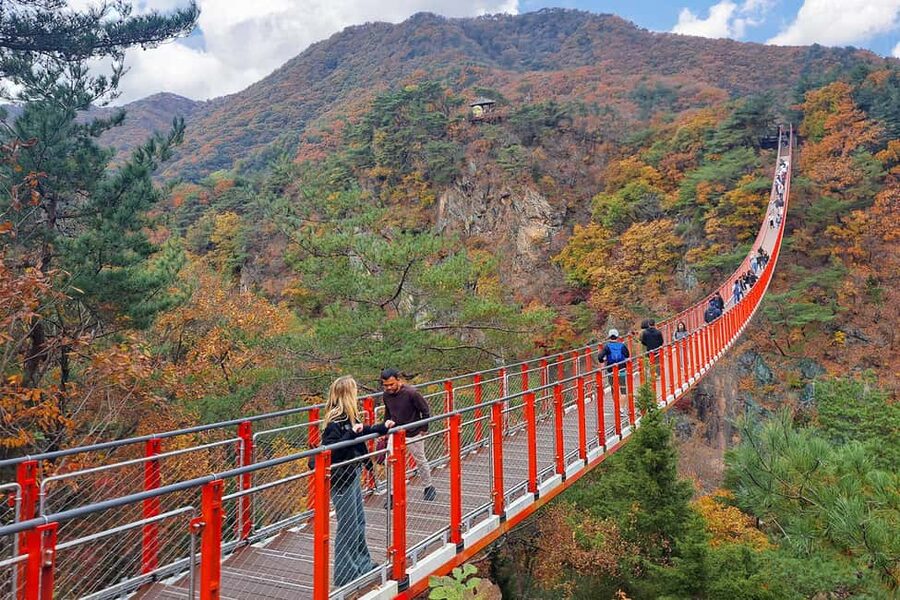
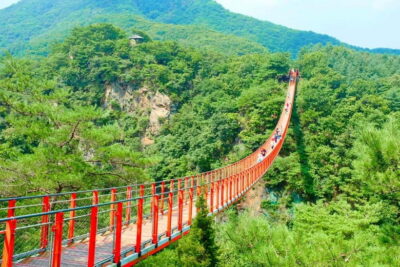
If you select the suspension bridge option, the day begins with about 30 minutes at Gamaksan Suspension Bridge. The bridge stretches 150 meters and offers mountain views in every season.
This is a useful opening stop because it gives you fresh air and scenery before the more solemn border sites. The bridge also adds a physical activity without requiring the same effort as the 3rd Tunnel.
Still, it is not the main reason to book the tour. If your priority is military history, the bridge is an extra attraction rather than an essential part of the DMZ visit. People who dislike heights may find the swinging movement uncomfortable, while those who enjoy viewpoints will appreciate the contrast between wooded mountains and the heavily controlled border zone.
Imjingak, where memory becomes public
The tour then reaches Imjingak for about an hour. This area is closely tied to the division of Korea, families separated by the border, and the long-running hope of reunification.
You get time to look around rather than simply step off the van for a quick photograph. Depending on your selected plan, this part of the day may connect with the Peace Gondola or nearby exhibits and visitor facilities.
Imjingak is also one of the easier places to find food and drinks, although meals are not included. Guides such as Sean Kim and Patrick have helped groups choose convenient places to eat, which matters because the schedule leaves little room for a leisurely restaurant stop.
The area can feel more commercial than the observatory or tunnel. There are shops and photo opportunities, but that does not make it pointless. Souvenirs and public displays show how the DMZ has become both a place of remembrance and a major part of South Korea’s public story about division.
More Suspension Bridge Tours in Seoul:
- Seoul: DMZ Tour with Optional Suspension Bridge
★ 4.8 · 5,277 reviews - Seoul: DMZ The 3rd Tunnel and Suspension Bridge Tour
★ 5.0 · 4,656 reviews - Signature DMZ Tour: Exclusive Defector Talk & Suspension Bridge
★ 5.0 · 4,459 reviews - Ultimate Korea DMZ Tour from Seoul (Gondola & Suspension Bridge)
★ 5.0 · 2,396 reviews
The Peace Gondola over the Imjingang River
The optional Peace Gondola is available except on Mondays. The ride crosses the Imjingang River and gives you a closer view toward North Korea from a different angle.
I like this option for people who want more than a distant observatory view. From above the river, you get a sense of the physical space between the two sides. The gondola is also a calmer break after the drive and before the tunnel visit.
Plan carefully, though. You can choose only one of the gondola and the North Korean defector session. Both are not available on Mondays, so check the exact option before paying.
The gondola is self-guided, with about an hour at the site. That gives you some freedom, but it also means you rely less on continuous commentary from the guide. If personal testimony matters most to you, the defector session may be the better choice. If views and a distinctive way to cross the river appeal more, choose the gondola.
Visitor center and Gallery Greaves
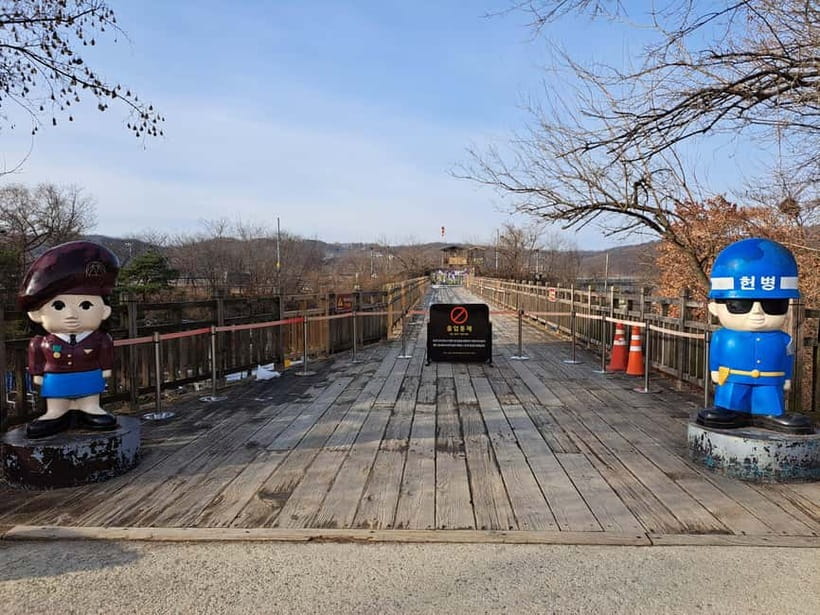
A visitor center stop provides a useful transition before the 3rd Tunnel. Some versions of the route also include Gallery Greaves, an exhibition space connected with the military history of the area.
Allow about 30 minutes here. This is not the longest stop, so listen carefully to the guide’s explanation and use the time to understand the rules for the next part of the day.
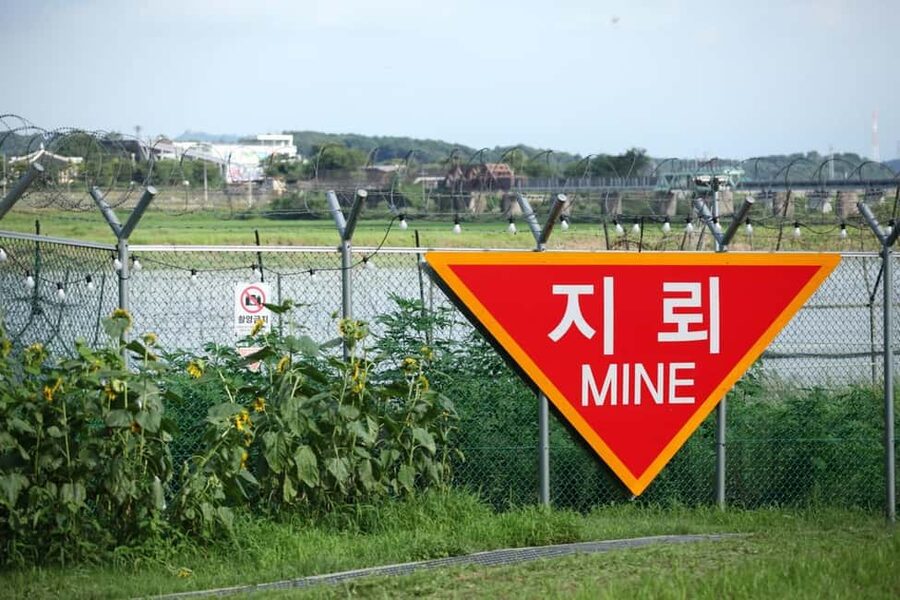
The DMZ is controlled territory, not an open public park. You may be told where to walk, where to take photographs, and when to stay with the group. Guides are especially useful here because a small mistake can delay the whole group or cause problems at a checkpoint.
Walking the 3rd Tunnel of Aggression
The 3rd Tunnel is the tour’s most demanding and memorable stop. Discovered in 1978, the tunnel is about 1,635 meters long, 2 meters wide, and 2 meters high. It was large enough to move an estimated 30,000 soldiers per hour.
The public route takes you underground for about an hour, but the key fact is not its size alone. This passage was built as part of a military plan, then discovered beneath the border area. Walking through it turns an abstract account of the Korean conflict into something you can feel in your legs, shoulders, and breathing.
The route includes a steep incline. You need proper footwear, and you should be honest about your fitness before choosing to go inside. The tour specifically warns people with claustrophobia or serious heart problems, and anyone who cannot manage the walk can remain outside.
The tunnel is not a comfortable attraction. The low ceiling and narrow passage can unsettle people who dislike enclosed places. One visitor with claustrophobia found the walk easier than expected, but that should not be treated as a promise. Your experience depends on your comfort with tight spaces and uphill walking.
I would wear sturdy walking shoes, carry water, and avoid bringing more than you need. Summer can be hot during the outdoor portions, while weather can make the approach slippery or tiring. This is the point in the day where comfort matters most.
Dora Observatory and the view into North Korea
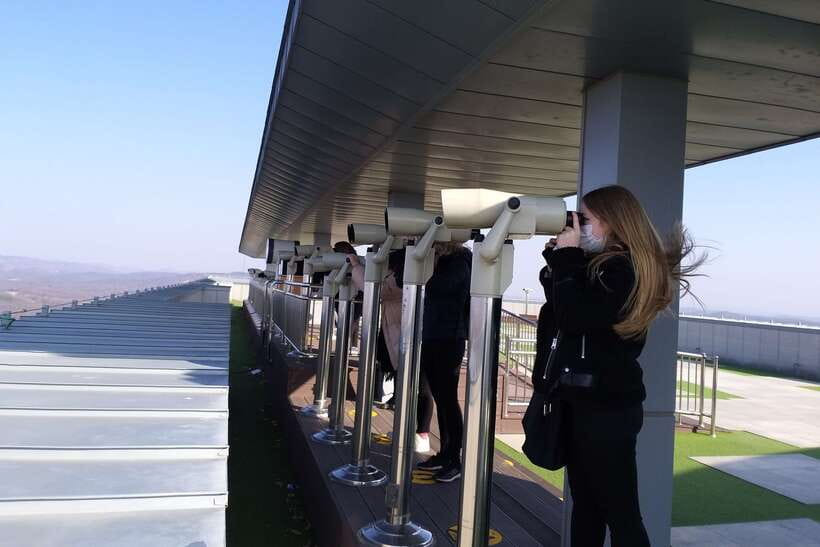
Dora Observatory gives the tour its strongest visual moment. On a clear day, you can look across the border into North Korea.
The view is weather dependent. Haze, rain, or cloud can reduce what you see, and the observatory may close for operational or political reasons. If that happens, the stop is replaced with another site, so you should not book this day solely for a guaranteed photograph of North Korea.
When visibility is good, binoculars help. Guides may have binoculars available, and an attentive guide can point out what you are looking at rather than leaving you to stare at a distant blur.
The emotional effect can be quiet. You may see mountains, fields, and settlements rather than dramatic military action. That ordinary view is exactly what makes the place powerful. Two political systems sit close together, yet the border controls every movement between them.
Give yourself time to look, but follow the photography rules. This is a restricted area, and instructions matter more here than at a normal observation deck.
Dorasan Station and the hope of reunification
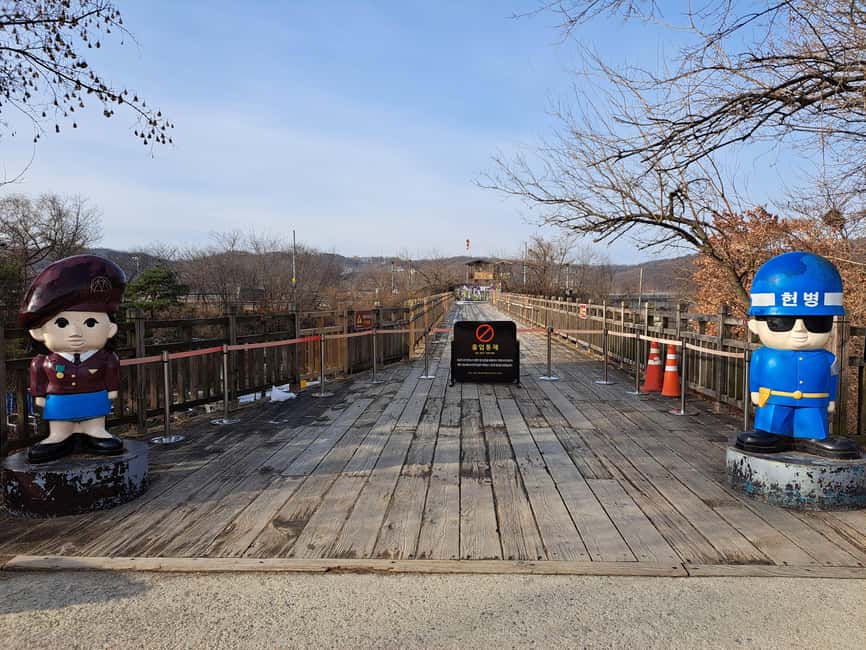
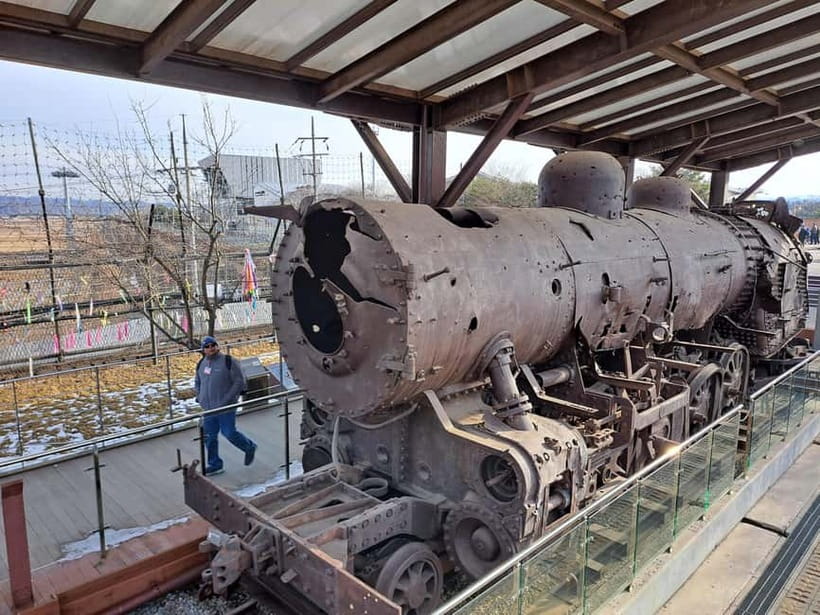
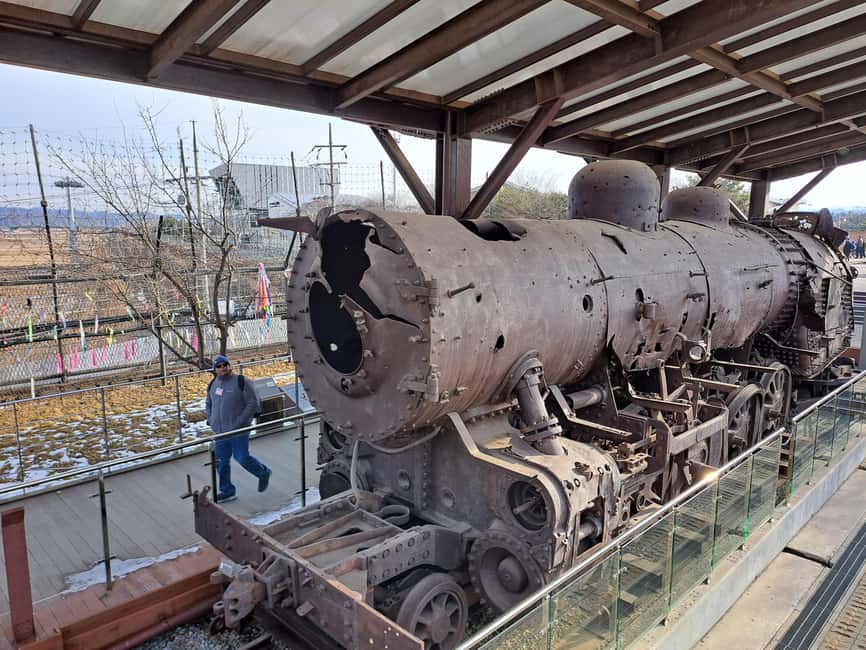
Dorasan Station is described as the last stop in South Korea, with Pyongyang Station about 205 kilometers farther north. The station is currently closed, but its purpose gives it unusual symbolic weight.
A railway station normally suggests movement and connection. Here, the tracks point toward a route that cannot currently operate as a normal passenger line. That makes Dorasan a useful place to think about the difference between political hope and present reality.
The station may not provide a long, active transport experience, but it helps complete the story begun at Imjingak and continued at the observatory. You are seeing infrastructure built with a future in mind, even though the border remains closed.
Unification Village and the shopping stop
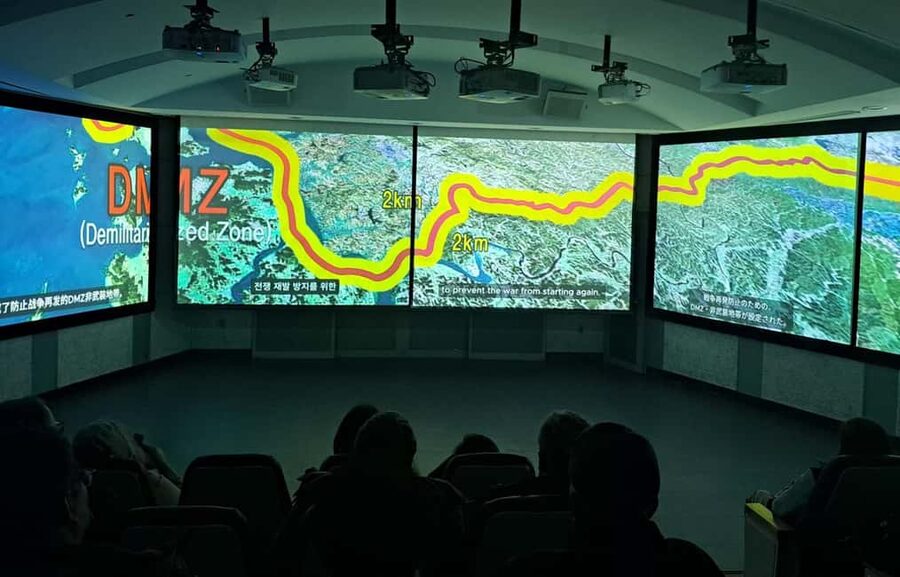
The final major stop is Unification Village, with about 40 minutes set aside for shopping. This is a practical stop for snacks and souvenirs, and it gives you a chance to use the restroom before the return drive.
Do not expect a quiet historical site throughout. The shopping element is part of the tour, and some people will find it useful while others may prefer more time at the observatory or tunnel.
I see it as a reasonable ending. After several hours of military history and controlled access, a short commercial stop gives you time to reset. Your guide may also help explain what is worth buying, as Patrick and Roy have done for past groups, including advice on purchases and help locating specific items.
What the guides add to the day
The guide is the difference between a series of checkpoints and a meaningful day. The best guides keep the group on time, explain why each place matters, and adjust when crowds, weather, or access rules cause trouble.
Roy has been particularly effective at combining humor with serious history. Patrick is praised for patient answers, clear English, and careful attention to group rules. Sean Kim is a good fit if you want detailed explanations, lunch suggestions, and help with photographs. Ki is a strong choice for people who want reassurance before tackling the tunnel.
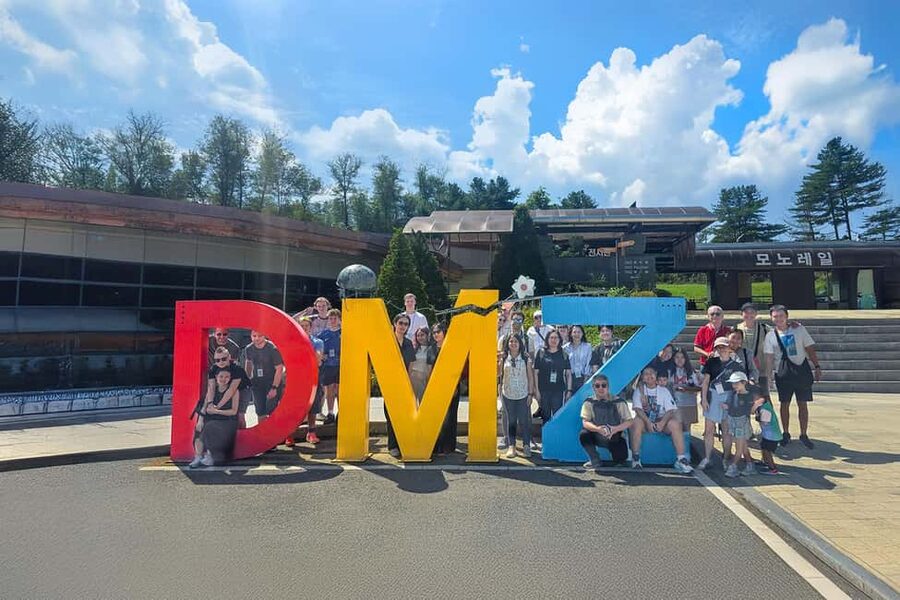
You cannot choose a specific guide in advance from the information provided, so book for the route and service rather than expecting one particular person. Groups may also be small or private, but the size depends on the option you select. One small group had eight people, while another group was merged into a much larger crowd.
That difference matters. A small group usually makes it easier to hear explanations and ask questions. A larger group may feel less personal, though an energetic guide can still keep the day moving.
How much value do you get for $48?
At $48 per person, this is a strong value for a 7 to 9-hour day. The cost includes Seoul transfers, an English-speaking guide, and DMZ entry. You are also paying for the planning required to handle controlled sites, changing access, and several distant stops.
A private option with hotel pickup and drop-off costs more than the basic shared arrangement, though the supplied price is for the $48 per-person experience. Optional extras, including the suspension bridge and gondola, are selected before checkout, so check the final total carefully.
Food and drinks are not included. You will find places to buy food at stops, but the day is too structured for a long, relaxed lunch. Carry water and a small snack if you need regular food breaks.
The value is strongest if you want several DMZ landmarks in one day without arranging transport yourself. It is less appealing if you prefer slow visits, long meals, or complete control over the schedule.
Monday changes the entire route
Do not assume Monday follows the standard plan. On Mondays, the tour visits the 2nd Tunnel, Peace Observatory, and the northernmost train station in the DMZ.
The gondola and North Korean defector session are also unavailable on Mondays. The suspension bridge may depend on the option selected, so check the exact Monday description before booking.
The alternate route is not necessarily worse. It simply gives you a different view of the border zone. If the 3rd Tunnel or gondola is your main reason for going, choose another day if your schedule allows.
Practical advice for a smoother day
Bring the passport for every person in your party, including infants. Each passport must have at least six months of validity, or you cannot join the tour.
Wear comfortable shoes with good support. The 3rd Tunnel has an intermediate hiking level, and the incline is the main physical issue. People with low fitness, heart problems, or claustrophobia should consider staying outside the tunnel or choosing another outing.
Keep your morning flexible. Weather, traffic, and political conditions can change the route because the DMZ is managed under United Nations oversight. If a closure forces a change, the operator may offer rescheduling or a refund.
You can cancel up to 24 hours ahead for a full refund, and the reserve-now, pay-later option helps if your Seoul plans are still shifting. Pets are not allowed.
Who should book this DMZ tour?
I would recommend it to you if you want a clear introduction to the Korean War, the division of the peninsula, and the present-day border. It suits first-time DMZ visitors, families with older children who can manage the walking, and anyone who prefers a guide to explain the political setting.
It is also a good choice if you want variety. You can combine a suspension bridge, river gondola, tunnel, observatory, station, village, and shopping stop in one day.
I would hesitate if you need a slow pace, dislike group schedules, or cannot manage steep walking. You should also avoid treating Dora Observatory as a guaranteed North Korean viewing platform. The weather may hide the view, and access can change.
Should you book it?
Book this tour if you want the most practical mix of major DMZ sites for $48, with transport and guide service handled for you. Choose the gondola for a closer river view, the suspension bridge for mountain scenery, or the defector session if personal stories matter most.
Before you pay, confirm the day of the week, add-ons, meeting point, group type, and passport requirements. If you accept the long transfers, firm schedule, and uncertain access, this is a thoughtful and good-value way to understand one of the world’s most heavily guarded borders.
FAQ
How long does the Seoul DMZ tour last?
The tour lasts about 7 to 9 hours, depending on traffic, local conditions, and the selected route.
What is included in the $48 price?
The price includes transfers from Seoul, an English-speaking professional guide, and DMZ entry tickets. Food, drinks, and selected optional add-ons are not included.
Do I need to bring my passport?
Yes. Every person must bring a passport, including infants. Passports must have at least six months of validity.
Is the 3rd Tunnel suitable for everyone?
No. The tunnel requires an intermediate level of hiking and includes a steep incline. It is not suitable for people with serious heart problems, low fitness, or claustrophobia.
Are the gondola and suspension bridge included?
They are optional add-ons selected before checkout. The gondola is unavailable on Mondays. The suspension bridge is offered only with the relevant selected option.
Can I meet a North Korean defector?
A defector session is available only with an option that includes it. It is unavailable on Mondays, and you cannot choose both the defector session and the gondola on the same tour.
What happens if the DMZ sites close?
Weather, traffic, or political conditions can cause last-minute changes because the DMZ is a United Nations-managed region. If a closure affects the route, you may be contacted about free rescheduling or a refund.
Recently added around Seoul
- Private Tour around Suwon UNESCO Fortress and Korea Folks Village★ 4.5 · 4 reviews
- Nami & Maple Road & Theatre des Lumieres Day Tour from Seoul★ 4.8 · 4 reviews
- Gyeongbokgung Palace Photo Session with your own phone★ 5.0 · 4 reviews
- Seoul: Deoksugung Palace Night Tour★ 4.5 · 4 reviews
- N Seoul Tower + Namsan Cable Car Ticket (Collect in Myeongdong)★ 3.5 · 4 reviews
- Jisan Forest Resort: Ski Full-Day Tour or Shuttle from Seoul★ 5.0 · 4 reviews
- Private Jeonju Hanok Village – Culinary tour★ 5.0 · 4 reviews
- Seoul Private Walking Tour with a Local★ 5.0 · 4 reviews
DMZ Tours, compared.
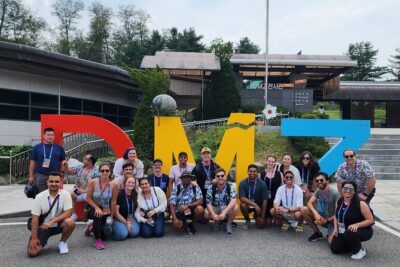
Best DMZ Tour Korea from Seoul (Red Suspension Bridge Optional)
Read the review →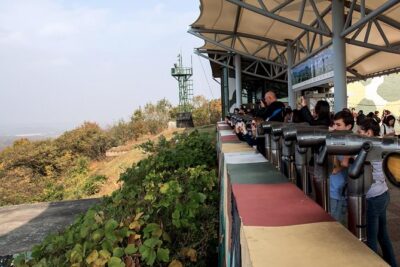
DMZ Tour: 3rd Tunnel, Option(Suspension Bridge, Boat) from Seoul
Read the review →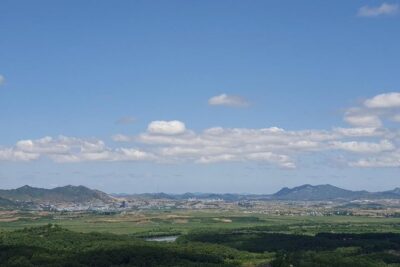
DMZ tour south Korea from Seoul (NK experience hall, defector)
Read the review →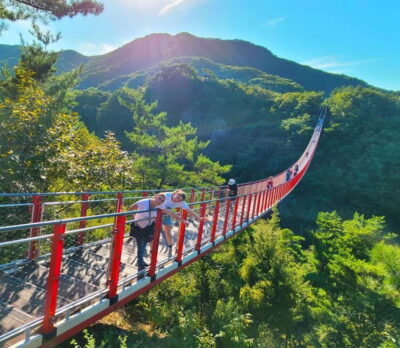
DMZ Insider Tour: 3rd Tunnel, NK Defector Meet & Red Bridge
Read the review →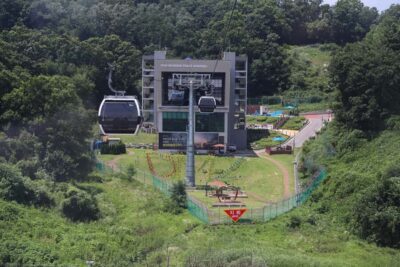
DMZ The 3rd Tunnel and Suspension Bridge Tour
Read the review →
Signature DMZ Tour: Exclusive Defector Talk & Suspension Bridge
Read the review →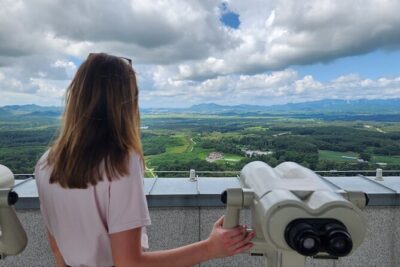
Thrilling Korean DMZ 3rd Tunnel Tour from Seoul + Red Bridge Rush
Read the review →Browse the lists this tour appears in