
Reviewed · SEOUL TOURS
Seoul: Deoksugung Palace Night Tour
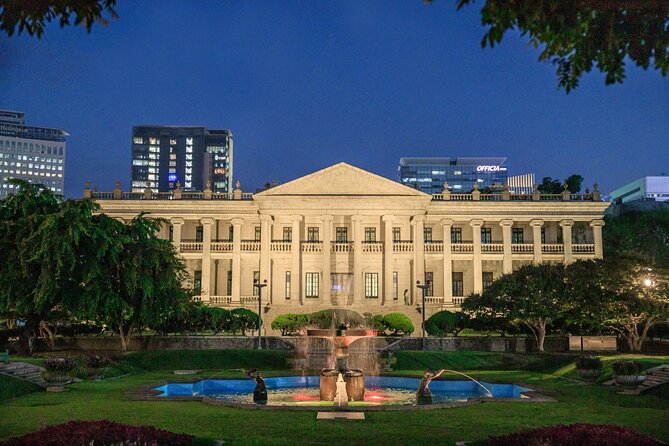
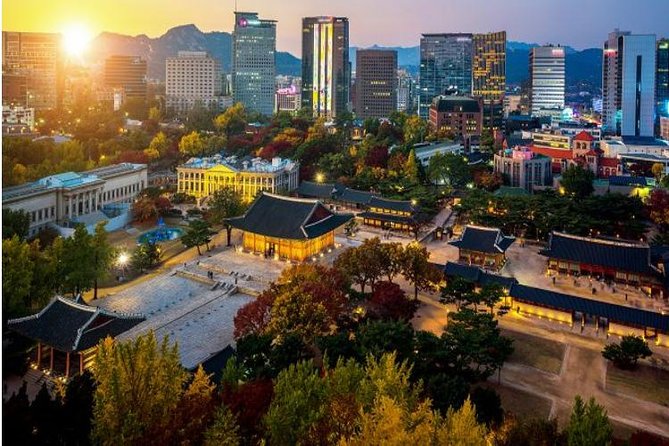
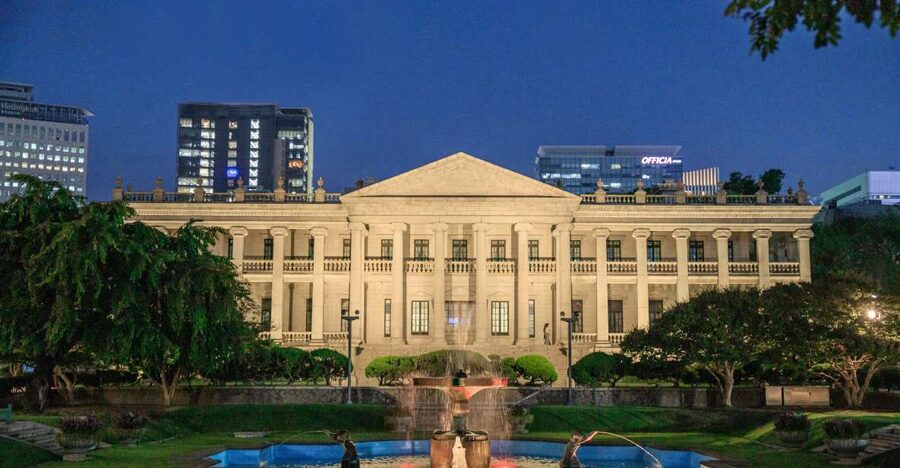
Deoksugung Palace is a fine place to see Korea’s old royal world collide with the modern age. In two hours, you move from the formal throne hall to the emperor’s coffee room, while your guide explains how King Gojong and the Daehan Empire struggled under Japanese control. The palace feels intimate, not like a giant complex you must rush through.
I like the clear route from City Hall Station and the mix of Korean and Western architecture. I also like that guides such as Sally Sung, Joy, and Alan have been praised for careful explanations, patient answers, and strong storytelling. The main drawback is that the tour may be canceled if fewer than four people book, and weekend or holiday reservations cannot be confirmed.
Key points to know before you book
- A modern-history tour, not just a palace walk: The focus is the short-lived Daehan Empire and King Gojong’s fight to retain Korean sovereignty.
- Four important buildings: See Daehanmun Gate, Junghwajeon, Seokeodang, Hamnyeongjeon, and Jungkwanheon Hall.
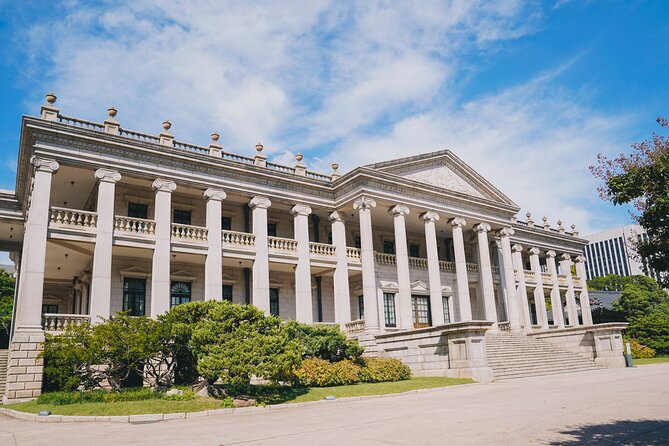
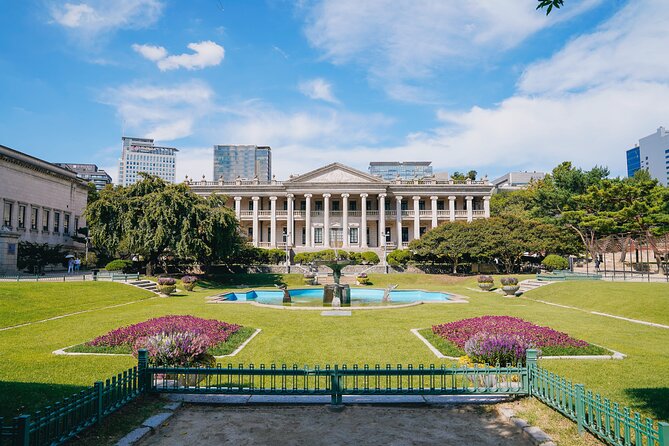
- A striking architectural mix: Korean royal design shares the grounds with Western-influenced features linked to the late imperial period.
- A well-regarded English guide: Sally Sung, Joy, and Alan are named guides associated with precise explanations, patient answers, and engaging delivery.
- Good value at $38: The fee includes the local guide and palace entrance, making the historical context the main part of what you pay for.
- Plan around the minimum group size: Fewer than four participants can lead to cancellation, with notice sent by WhatsApp.
Why Deoksugung tells a different Korean palace story
Seoul’s royal palaces are not all interchangeable. Deoksugung is especially useful for understanding Korea as it faced foreign pressure, rapid political change, and the arrival of Western customs.
The palace served as royal quarters for 13 years. That period was brief compared with the long eras associated with Korea’s older dynasties, but it was hugely important. King Gojong became the first and last emperor of the Daehan Empire, and much of the tour centers on his difficult effort to protect Korean sovereignty during Japanese occupation.
That gives the walk a more serious tone than a simple sightseeing loop. You will see attractive gates, halls, and courtyards, but the guide also connects them to loss of power and the hard choices facing the royal court. I like this approach because it keeps the palace from becoming a collection of names and roofs.
The timing adds another layer. The experience is described as a morning or evening walk, with starting times varying by availability. If you can choose, an evening visit may give the palace a quieter, more reflective mood, while a morning tour can fit neatly into a busy Seoul day. Check the available start time before booking rather than assuming every departure is at night.
More things to do after dark in Seoul:
- Seoul: Night Market Food Tour with Local Guide
★ 4.9 · 943 reviews - Seoul: Evening Dark History, Folklore & Ghost Story Walking Tour
★ 5.0 · 593 reviews - Seoul: Han River Night Picnic & Games with Cruise
★ 4.8 · 461 reviews
Meeting at City Hall and entering through Daehanmun
Your meeting point is outside Exit 1 of City Hall Station. That is practical for a first-time visitor because the station is easy to identify, and you do not need to find a meeting place deep inside the palace grounds.
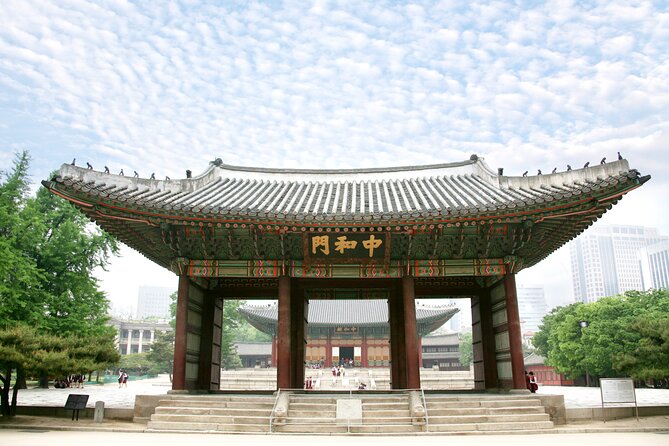
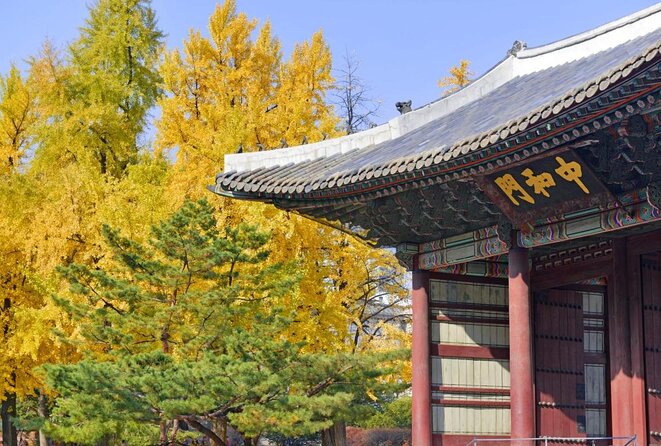
Your guide leads you through Daehanmun Gate, the main entrance. This first step matters because it frames the visit as a guided historical route rather than an unstructured stroll. You are not simply handed a ticket and sent in. The guide sets up the political story before taking you farther into the compound.
Bring comfortable shoes. Two hours on foot is not an extreme demand, but palace paths and courtyards are best enjoyed when you are not thinking about sore feet. The tour is wheelchair accessible, which is useful for visitors who need step-free access, though the supplied details do not specify the surface or route conditions at each building.
You can stay behind after the guided portion to take photos and look around at your own pace. That is one of the better practical features here. The two-hour route gives you structure, while the extra time lets you revisit a favorite courtyard without holding up the group.
Junghwajeon, the throne hall at the center of the route
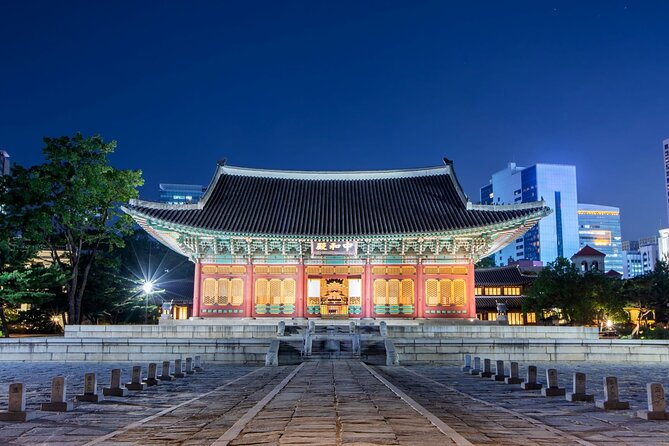
Junghwajeon is the main throne hall and likely the clearest place to understand royal ceremony. This is where the guide can explain how the court presented authority, how formal palace spaces were used, and why the Daehan Empire needed symbols of power during a period of outside pressure.
I would pay close attention here to the difference between appearance and reality. A throne hall projects control, but the story of Gojong’s reign is also a story of constrained power. The contrast makes the building more meaningful than a quick photo stop.
The tour’s strength is the explanation around the hall. Several comments about the guides point to accurate detail and answers to questions, so you should feel free to ask about the emperor, the empire, or the political setting. Sally Sung was specifically praised for giving detailed answers and responding precisely. That is useful at a place where a short label cannot explain much.
Do not expect a long lecture in one room. The visit moves through several sites in two hours, so the guide has to keep the story moving. If you want to ask about every architectural feature, save some questions for the end or for your time inside the palace after the tour.
Seokeodang and the personal side of King Gojong
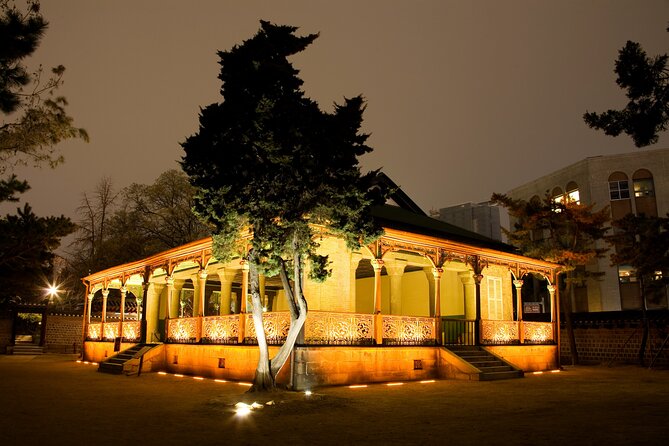
Seokeodang is described as King Gojong’s most beloved building. That detail gives the tour a more personal turn. Junghwajeon represents public authority, while Seokeodang can help you picture the king’s private preferences within a palace shaped by political crisis.
A stop like this is valuable because royal history can otherwise feel distant. Knowing that one building mattered especially to Gojong encourages you to look at it as a place connected to a person, not only as an architectural object.
The guide’s role is important here. A good explanation can make the palace’s separate buildings feel like parts of one life: formal duties, private space, danger, and attempts to preserve control. Alan’s storytelling was praised for being interesting and well told, while Joy was praised as an excellent guide. The listed guide may vary, but the booking includes a live English guide rather than an audio device or printed route.
The information does not promise a private tour, so expect to share the walk with other participants. That can be a benefit if you enjoy asking questions and hearing different points of interest. It can also mean that the pace is not entirely your own.
A few more Seoul half-days to weigh up
- Best DMZ Tour Korea from Seoul (Red Suspension Bridge Optional)
★ 5.0 · 41,422 reviews - DMZ Tour: 3rd Tunnel, Option(Suspension Bridge, Boat) from Seoul
★ 5.0 · 21,373 reviews - DMZ tour south Korea from Seoul (NK experience hall, defector)
★ 5.0 · 20,599 reviews - Seoul: DMZ Tour with Optional Suspension Bridge
★ 4.8 · 5,277 reviews
Hamnyeongjeon, the emperor’s bed chamber
Hamnyeongjeon was King Gojong’s bed chamber. This stop shifts the story again, from public ceremony and favored surroundings to the space associated with rest and private life.
I find bed chambers particularly helpful in palace visits because they make the scale of royal life easier to grasp. The emperor was a political figure, but he also needed ordinary human spaces within a court under strain. The guide can use this building to add texture to the story of Gojong’s 13 years at Deoksugung.
The tour does not claim to offer access to every interior or a long exploration of each room. You should think of Hamnyeongjeon as one carefully chosen stop on a compact historical route. The value comes from how the guide links it to the other buildings, not from spending a large amount of time in one chamber.
This is also where the two-hour length works well. You get enough time to form a picture of the palace without committing half a day to a single site. If you are visiting Seoul on a tight schedule, Deoksugung can provide a focused look at the late royal period.
Jungkwanheon Hall and the emperor’s coffee
Jungkwanheon Hall is one of the most unusual stops because it was the cafeteria where the emperor enjoyed coffee. That small detail brings Western influence into the palace story in a direct, memorable way.
Many palace tours focus only on traditional Korean forms. Deoksugung offers something more mixed. You see Korean-style architecture alongside Western influence, reflecting the changes taking place around the Daehan Empire. A coffee room may sound modest beside a throne hall, but it says a great deal about changing tastes, foreign contact, and the court’s attempt to function in a new era.
This is the sort of detail I would remember after the tour. It gives you a concrete image to carry through the rest of your Seoul sightseeing. Instead of thinking of modernization as an abstract political process, you can connect it to a room where the emperor adopted a new everyday habit.
The architectural contrast also makes Deoksugung a good choice for visitors who want more than traditional palace design. You are not looking only at one fixed style. You are seeing a royal compound shaped by both Korean tradition and outside influence.
How the guide shapes the experience
The guide is the main reason to choose this activity over simply entering Deoksugung on your own. The entrance fee gets you through the gate, but the guide supplies the sequence, context, and political meaning.
The strongest praise attached to the experience concerns guide quality. Sally Sung was credited with detailed information and precise answers. Joy was described as the best part of a beautiful and interesting tour. Alan was praised for presenting very good content in an interesting way. Another detailed comment points to an accurate description, helpful explanations, and patience.
Those qualities matter here because modern Korean history can be complicated. Japanese colonial rule, the Daehan Empire, and Gojong’s attempt to regain sovereignty are not subjects that fit neatly into a few signs. You need a guide who can explain the timeline without turning the walk into a dense classroom talk.
English is the tour language. If you like asking questions, do so. The experience is live, so it offers more flexibility than a recording. At the same time, the exact guide is not guaranteed in the information provided, and the tour may not run if fewer than four participants are booked.
What $38 gets you and who will find it worthwhile
The price is $38 per person. It includes the local tour guide and the entrance fee, but not travel insurance.
I consider that fair value if you want historical explanation rather than a basic palace admission. You are paying for a two-hour guided route, a live English speaker, and a focused look at one of the most politically important periods in Korea’s royal story. The value is strongest for first-time visitors who might otherwise see the buildings but miss why Deoksugung matters.
It is less compelling if you mainly want to wander alone, take photographs, or spend a long time studying architecture. You can stay after the tour, which softens this concern, but the main experience follows a set route and pace.
The tour suits:
- First-time Seoul visitors who want a concise palace introduction
- People interested in King Gojong and the Daehan Empire
- Anyone curious about Korean and Western design in the same royal setting
- Visitors who prefer a live English explanation
- Those with only two hours for a historical stop
You may want another plan if you are looking for a full-day palace program, a private guide, or detailed information about every building. None of those are promised here.
Booking details that can affect your plans
You can cancel up to 24 hours before the tour for a full refund. Same-day cancellations and no-shows receive no refund, so do not book this as a loose placeholder in your Seoul schedule.
The reserve-now, pay-later option lets you hold a place without paying at the time of booking. That is helpful while you arrange flights, hotels, and other activities, but you still need to watch the cancellation deadline.
Weekend and holiday reservations cannot be confirmed. The operator sends information about the meeting place and time by email or WhatsApp, and if the group has fewer than four participants, cancellation notice is sent by WhatsApp.
Those conditions are worth taking seriously. If your schedule depends on this exact walk, have a backup activity ready, especially for a weekend or holiday. Also check your messages before leaving for City Hall so you do not miss a change in meeting details.
Should you book the Deoksugung night tour?
Book it if you want a compact, guided look at the Daehan Empire, King Gojong, and the palace’s unusual blend of Korean and Western design. The route covers the main gate, throne hall, favored building, bed chamber, and coffee hall, giving you both public history and personal detail.
The strongest reason to go is the guide. Sally Sung, Joy, and Alan are associated with careful, patient, well-told explanations, and that is exactly what this palace needs. At $38, the tour is good value for a visitor who wants the story to come alive rather than simply collect photographs.
Skip it if you prefer complete independence or need a guaranteed departure with no minimum group requirement. For everyone else, this is a focused way to understand why Deoksugung is more than a pretty palace beside Seoul’s City Hall.
FAQ
Where does the Deoksugung Palace tour meet?
Meet your English-speaking guide outside Exit 1 of City Hall Station.
How long does the experience last?
The guided experience lasts two hours. Afterward, you may stay behind to explore and take photos at your own pace.
What language is the tour conducted in?
The live tour guide speaks English.
Is the palace entrance fee included?
Yes. The activity includes the entrance fee and a local tour guide.
What buildings will I see?
The route includes Daehanmun Gate, Junghwajeon throne hall, Seokeodang, Hamnyeongjeon, and Jungkwanheon Hall.
Can I cancel for a full refund?
Yes, you can cancel up to 24 hours in advance for a full refund. No refund is issued for a no-show or cancellation on the day of the tour.
What happens if fewer than four people book?
The tour may be canceled if fewer than four participants book. The cancellation notice is sent by WhatsApp.
Recently added around Seoul
- Gyeongbokgung Palace Photo Session with your own phone★ 5.0 · 4 reviews
- Private Tour around Suwon UNESCO Fortress and Korea Folks Village★ 4.5 · 4 reviews
- Nami & Maple Road & Theatre des Lumieres Day Tour from Seoul★ 4.8 · 4 reviews
- Jisan Forest Resort: Ski Full-Day Tour or Shuttle from Seoul★ 5.0 · 4 reviews
- N Seoul Tower + Namsan Cable Car Ticket (Collect in Myeongdong)★ 3.5 · 4 reviews
- Seoul: Deoksugung Palace Night Tour★ 4.5 · 4 reviews
- Private Jeonju Hanok Village – Culinary tour★ 5.0 · 4 reviews
- Seoul Private Walking Tour with a Local★ 5.0 · 4 reviews
Seoul Tours, compared.
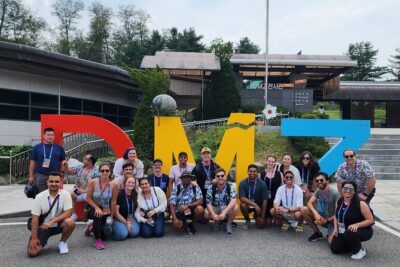
Best DMZ Tour Korea from Seoul (Red Suspension Bridge Optional)
Read the review →
DMZ Tour: 3rd Tunnel, Option(Suspension Bridge, Boat) from Seoul
Read the review →
DMZ tour south Korea from Seoul (NK experience hall, defector)
Read the review →
DMZ The 3rd Tunnel and Suspension Bridge Tour
Read the review →
Signature DMZ Tour: Exclusive Defector Talk & Suspension Bridge
Read the review →
Thrilling Korean DMZ 3rd Tunnel Tour from Seoul + Red Bridge Rush
Read the review →
DMZ Past and Present: Korean Demilitarized Zone Tour from Seoul
Read the review →Browse the lists this tour appears in