
Reviewed · DMZ TOURS
Private DMZ Tour from Sokcho near Seoraksan Mt.
The most striking thing about this tour is its setting: the Goseong DMZ on Korea’s east coast, about an hour from Seoraksan. Instead of pairing the border with Seoul’s crowded tourist circuit, you get a smaller, more personal day that links war history with food, village life, and mountain-and-coast scenery.
I like two things right away. First, Chan leads the day with stories about Korean history, culture, Buddhism, and daily life, not just military facts. Second, lunch and Goseong Wanggok Maeul give the tour a human scale. The main consideration is the long day and the possibility that poor weather or insufficient bookings could lead to a change or cancellation.
Key points to know before booking
- Goseong’s coastal DMZ feels different from Seoul-area tours, with fewer commercial stops and a quieter border setting.
- Chan is both guide and driver, using a comfortable, air-conditioned vehicle and adapting when possible to pickup needs.
- The itinerary moves beyond military history, adding a North Korean-style meal and a traditional hanok village.
- Lunch, entrance fees, taxes, and transport are included, which makes the $140.98 price easier to judge.
- The schedule is about seven hours, including driving, with the stated operating schedule on Wednesdays from 9 a.m. to 5 p.m.
- This is a private activity, so only your own group takes part.
Why Goseong offers a different DMZ day
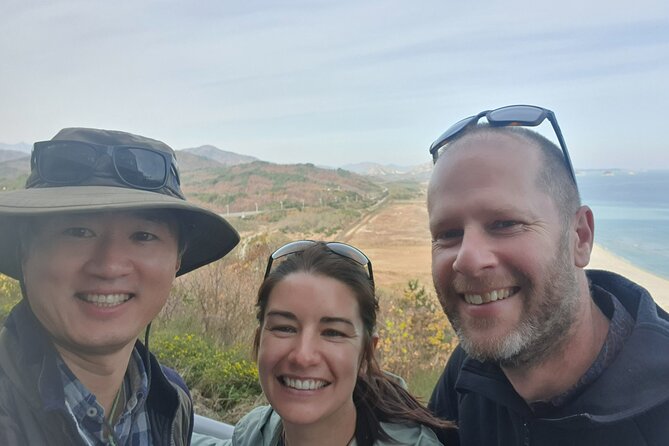
Most DMZ excursions from Seoul focus on the Gyeonggi-do side of the border. Those routes can be useful, but they often feel like a tightly managed string of familiar stops. Goseong gives you another angle, both geographically and emotionally.
Here, the border meets the east coast near Sokcho and Seoraksan National Park. You are not simply checking off a famous military zone. You are seeing a part of Gangwon-do that once belonged to North Korea before the Korean War, then learning how the division shaped the communities left behind.
That wider setting matters. The DMZ is not only a line on a map or a place for binoculars. It is also a story about separation, evacuation, lost homes, divided families, and people who rebuilt their lives in the south. Chan’s approach connects those large events to local customs and ordinary Korean life.
I especially like the tour’s balance. The observatory and museum give you the political and military background. Lunch and the old village then show how history continues through food, houses, family roots, and local identity.
The day is private, which changes the rhythm. You can ask questions without worrying about a busload of strangers, and Chan has room to explain details that a standard group tour might skip. The experience may be especially useful if you are curious about modern Korean history but also want to understand the place beyond its conflict.
More DMZ Tours in South Korea:
- Best DMZ Tour Korea from Seoul (Red Suspension Bridge Optional)
★ 5.0 · 41,422 reviews - DMZ Tour: 3rd Tunnel, Option(Suspension Bridge, Boat) from Seoul
★ 5.0 · 21,373 reviews - DMZ tour south Korea from Seoul (NK experience hall, defector)
★ 5.0 · 20,599 reviews
The drive from Sokcho to the border
The tour starts at 9 a.m. from 3988 Donghae-daero in Sokcho, and the full outing lasts about seven hours. Transport is in an air-conditioned vehicle, with the tour ending back at the meeting point.
The drive is part of the value. Goseong is roughly an hour from Seoraksan, so you can combine this tour with time in the national park during the same Sokcho stay. The route also gives Chan time to introduce the area and answer questions before you reach the restricted border zone.
Pickup is offered, and the tour has shown some flexibility with arrangements. A pickup from the Seoraksan National Park area was accommodated for one group, but you should confirm your exact pickup point before booking rather than assume every hotel or trailhead is covered.
The private format also helps if your group has a special timing need. One group finishing the Haeparang coastal trail received help fitting the tour around its plans. That does not mean every request can be accepted, but it shows why direct communication with Chan is useful.
Goseong Unification Observatory: looking north
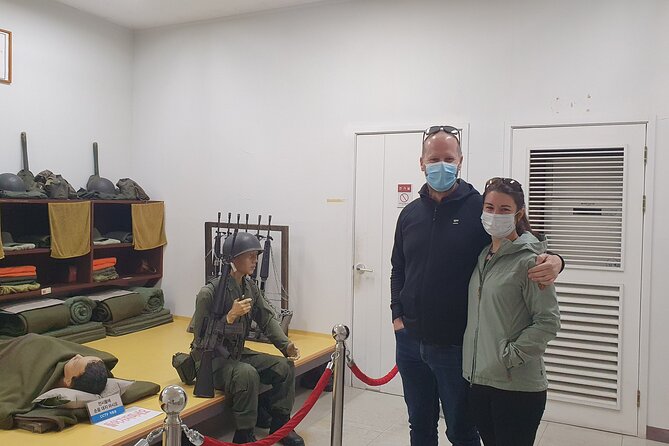
The first stop is the Korean War exhibition hall at Goseong Unification Observatory, with about 40 minutes scheduled. Starting with the war exhibition before looking across the border is a smart choice.
Without that background, an observatory can become a quick photo stop. With it, the view has more weight. You first see how the war damaged the peninsula and separated families, then stand near the border and consider the land in front of you.
The exhibition provides the emotional and historical frame for the rest of the morning. You can expect exhibits focused on the conflict and its human cost, rather than a light sightseeing presentation.
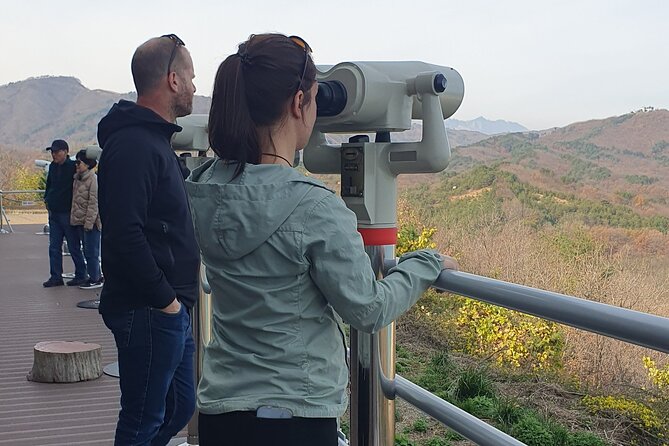
Afterward, the tour spends about an hour at the observatory itself. From this point, you look toward North Korean territory across one of the world’s most heavily guarded borders. The setting is powerful partly because it is so quiet. The land may appear still, but the political division remains active and unresolved.
Weather will affect this stop. Clear conditions should give you a better view, while haze, cloud, or rain can limit what you see. The tour requires good weather, so keep that in mind when planning a tightly packed itinerary.
Do not expect this to function like a casual scenic lookout. The observatory is a controlled border site, and the tone is more reflective than recreational. Chan’s explanations are important here because they help connect the distant view with the events and families described in the exhibition.
The DMZ Museum and the human cost of division
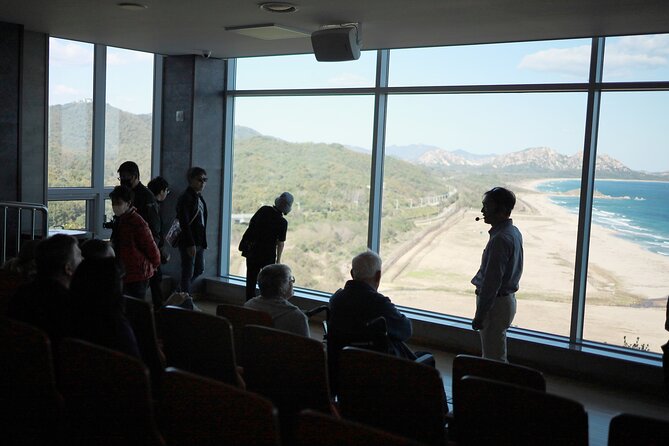
The DMZ Museum receives about an hour, and it is one of the strongest parts of the day for anyone who wants more than a quick border photograph.
The museum explains how the DMZ was formed after the Korean War and explores the pain caused by the division. Its subject is not only troop movements and armistice lines. It also deals with people separated from relatives, communities cut apart, and the long shadow of a conflict that has never been fully resolved.
I would allow yourself time to read and think here. The exhibits can be moving, and Chan’s commentary adds local context. Several parts of the tour are designed to show that the division is not just a past event. Its effects remain part of Korean society and family memory.
The museum also gives the observatory visit more meaning. You see the border first through a physical viewpoint, then return to the story behind it through documents, displays, and personal accounts. That sequence makes the day feel carefully shaped rather than randomly assembled.
If your interest is limited to military hardware or dramatic guard posts, this may not be the tour for you. The emphasis is on history, people, and interpretation. For me, that is a strength, but it requires a little patience and attention.
More Seoraksan park days:
- Seoul: Mt. Seoraksan National Park Autumn Foliage Day Tour
★ 4.3 · 15 reviews - Seoraksan National Park Ulsanbawi Hiking from Seoul
★ 5.0 · 15 reviews - Private Day Trip to Seoraksan National Park
★ 5.0 · 14 reviews - 2-Day Hike through the Scenic Valleys of Mt. Seoraksan from Seoul
★ 5.0 · 7 reviews
A North Korean-style lunch in Goseong
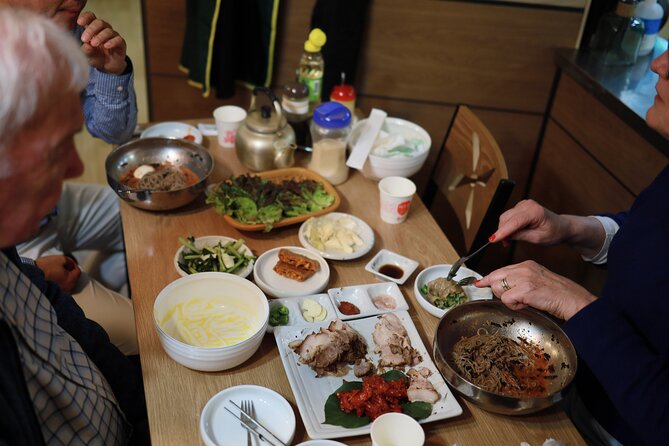
Lunch is included, and the meal is served at a local restaurant in Goseong. The food is presented as genuine North Korean cuisine, with vegetarian food available.
This is one of the tour’s most useful cultural touches. The area received many people who evacuated from the north, and food traditions became one way those communities preserved a link with their former homes. You are not simply stopping for fuel between attractions. You are learning about migration and memory through a local meal.
Buckwheat noodles are one dish associated with the lunch stop in the tour experience, and the meal has been described as both authentic and delicious. Exact dishes can vary, so do not expect a fixed restaurant menu unless Chan confirms it in advance.
You should tell the provider about dietary needs before the day begins. Vegetarian food is available, but the supplied information does not specify other dietary options or allergies.
Lunch also breaks up the heavier museum material. After spending the morning thinking about war and division, sitting down for a regional meal gives the day a more ordinary, social feeling. That shift is welcome, and it helps you see the region as a living community rather than only a border zone.
Coffee and tea are not included, so plan to pay separately if you want one.
Goseong Wanggok Maeul and traditional Korean houses
The final major stop is Goseong Wanggok Maeul, a traditional village visited for about an hour. This is not simply a recreated tourist street. The village is described as a place where residents maintain traditional homes rather than replacing them with modern buildings, with government support helping preserve the style.
That distinction matters. You get to see traditional Korean architecture in a living village setting, not only in a museum or palace compound. The houses reflect older ways of building and living, and Chan explains how the community works to retain them.
The stop also completes the tour’s larger story. At the observatory, you look toward a divided country. At lunch, you encounter food shaped by displacement. In the village, you see the physical traditions of Korean life continuing into the present.
The village may not suit you if you want a large attraction with many shops and staged performances. Its appeal is quieter. You are there to observe the homes, the layout, and the connection between preservation and daily life.
Because the tour runs as a private outing, you can ask about architecture, customs, and local history as you walk. Chan’s warmth and humor are often as important as the formal sites. His aim is to make the day feel like an outing with a local host while still giving you a serious account of the region.
Chan’s guiding style and the private format

Chan receives the strongest praise for his personal approach. He is described as friendly, attentive, humorous, and passionate about Korean history. He also speaks excellent English, which matters on a subject filled with political terms, historical dates, and sensitive cultural issues.
His role goes beyond driving between stops. He explains the DMZ, Korean culture, Buddhism, meditation, local communities, and the present situation on the peninsula. He also answers questions and adjusts his pace to the group.
You should still understand what a private tour means here. A private activity does not guarantee a completely custom itinerary. The listed route remains the backbone of the day, and the total duration includes driving. Its main benefit is personal attention, a comfortable vehicle, and the chance to shape the conversation around your interests.
The group may be smaller than four or five people, and only your own party participates. That makes the tour a good choice for solo visitors, couples, families, and friends who prefer not to spend a day on a large coach.
The vehicle has been described as clean and comfortable. Since the tour covers several sites and a fair amount of road time, that is not a minor detail. A cramped ride would change the feel of the day.
Is $140.98 a fair price?
At $140.98 per person, this is not the cheapest way to see a border attraction. The value depends on how you use the day.
The fee includes an air-conditioned vehicle, entrance fees, taxes, and lunch. You are also paying for a private guide-driver, a seven-hour schedule, and transport from Sokcho to the Goseong area and back. If you would otherwise need to arrange a car, meals, and separate admissions, the price becomes easier to justify.
The tour is particularly good value if you are already staying in Sokcho or visiting Seoraksan. You can see two major regional attractions without returning to Seoul for a standard DMZ excursion. The cost is less appealing if you are only interested in standing at an observatory for a short time, or if you already have a rental car and prefer to explore without a guide.
I would compare it with the cost of a full day of private transport in Korea, not with the price of a large group bus. The personal explanations, regional meal, and village visit are central to the experience.
Timing, weather, and practical details
The stated operating schedule lists Wednesday from 9 a.m. to 5 p.m., covering March 24, 2023 through January 22, 2027. Confirm the available date when booking, especially if your Sokcho stay is short.
Confirmation is normally sent at booking. If you book within one hour of departure, confirmation depends on availability and may arrive as soon as possible. Service animals are allowed, and the meeting point is near public transportation.
Most people can take part, but remember that the day involves several stops and walking around museum and village grounds. The information provided does not give a precise accessibility breakdown, so ask Chan about mobility needs before you reserve.
Free cancellation is available up to 24 hours before the start time. Changes or cancellations inside that window are not refunded. Poor weather can cause the experience to be moved or canceled, with a new date or full refund offered. The same applies if the minimum number of participants is not met.
Who should book this Sokcho DMZ tour?
I would choose this tour if you want a less commercial DMZ experience and are staying in Sokcho, Seoraksan, or along Korea’s east coast. It fits people who want history explained in plain language, plus food and architecture that show how the region lives today.
It also suits repeat visitors who have already seen a Seoul-area DMZ route and want another perspective. Families and solo visitors may appreciate the private vehicle and flexible conversation, while history-minded visitors will value the exhibition hall and museum.
I would think twice if your schedule is too tight for a seven-hour day, if you need guaranteed clear views, or if you prefer a self-guided military sightseeing trip. This experience is strongest when you give it time and allow the human stories to matter as much as the border view.
FAQ
How long does the Private DMZ Tour from Sokcho last?
The tour lasts approximately seven hours, including travel time, and ends back at the meeting point in Sokcho.
Where does the tour start?
The stated meeting point is 3988 Donghae-daero, Sokcho-si, Gangwon-do, South Korea.
Is pickup available?
Pickup is offered. A pickup from the Seoraksan National Park area has been accommodated, but you should confirm your exact pickup point before booking.
Is this a private tour?
Yes. Only your group participates in the activity. The group may be smaller than four or five people.
What is included in the price?
The price includes an air-conditioned vehicle, all fees and taxes, entrance fees for the listed attractions, and lunch.
Is vegetarian food available?
Yes. Vegetarian food is available at the North Korean cuisine lunch stop. Other dietary needs should be confirmed in advance.
What day and time does the tour operate?
The stated schedule lists Wednesday from 9 a.m. to 5 p.m. Confirm the available date at booking.
What happens if the weather is poor?
The experience requires good weather. If it is canceled because of poor weather, you will be offered another date or a full refund. The same options apply if the minimum number of participants is not met.
Should you book it?
Book this tour if you want the Goseong side of the DMZ, personal guiding from Chan, and a day that connects the border with North Korean food and traditional village life. Its strongest feature is not a single viewpoint. It is the way the stops build a fuller picture of Korea’s division.
Skip it if you want a quick Seoul-style DMZ visit or cannot spare most of a day. For a Sokcho itinerary, though, the combination of Goseong and Seoraksan makes this a thoughtful and practical choice.
Recently added around South Korea
- Gyeongbokgung Palace Photo Session with your own phone★ 5.0 · 4 reviews
- Nami & Maple Road & Theatre des Lumieres Day Tour from Seoul★ 4.8 · 4 reviews
- Private Tour around Suwon UNESCO Fortress and Korea Folks Village★ 4.5 · 4 reviews
- Jisan Forest Resort: Ski Full-Day Tour or Shuttle from Seoul★ 5.0 · 4 reviews
- Seoul: Deoksugung Palace Night Tour★ 4.5 · 4 reviews
- N Seoul Tower + Namsan Cable Car Ticket (Collect in Myeongdong)★ 3.5 · 4 reviews
- Private Jeonju Hanok Village – Culinary tour★ 5.0 · 4 reviews
- Seoul Private Walking Tour with a Local★ 5.0 · 4 reviews
DMZ Tours, compared.
Best DMZ Tour Korea from Seoul (Red Suspension Bridge Optional)
Read the review →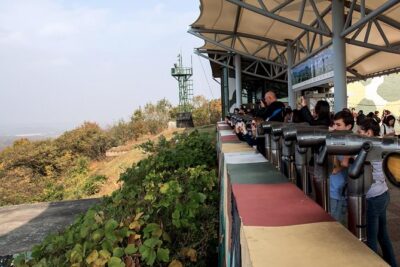
DMZ Tour: 3rd Tunnel, Option(Suspension Bridge, Boat) from Seoul
Read the review →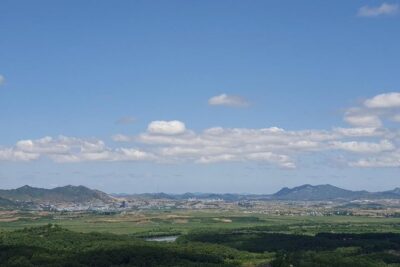
DMZ tour south Korea from Seoul (NK experience hall, defector)
Read the review →
DMZ Insider Tour: 3rd Tunnel, NK Defector Meet & Red Bridge
Read the review →
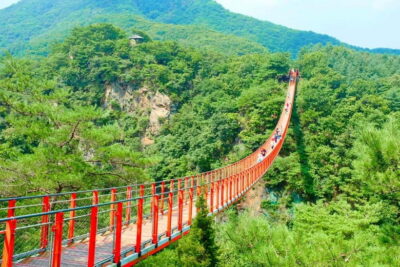
DMZ The 3rd Tunnel and Suspension Bridge Tour
Read the review →
Signature DMZ Tour: Exclusive Defector Talk & Suspension Bridge
Read the review →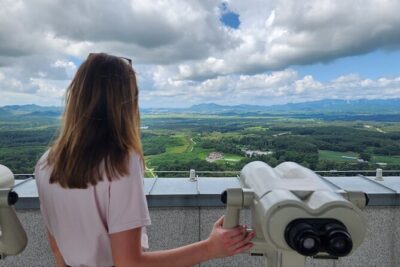
Thrilling Korean DMZ 3rd Tunnel Tour from Seoul + Red Bridge Rush
Read the review →Browse the lists this tour appears in