
Reviewed · SEOUL TOURS
Seoul’s Hidden Dark History Guided Tour of Seodaemun Prison
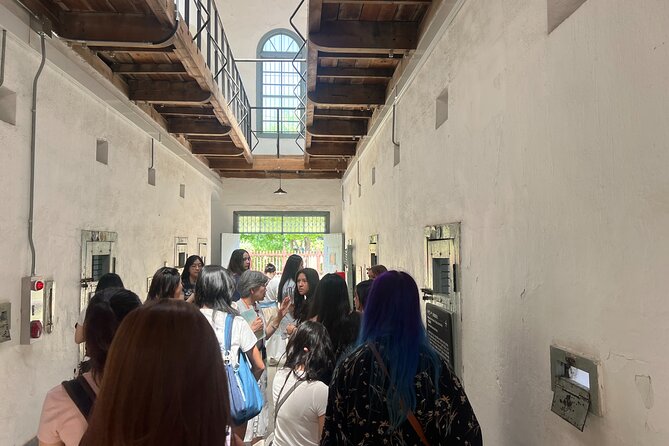
Seodaemun Prison is not a light sightseeing stop. Its cells, interrogation rooms, and execution grounds put Korea’s struggle for independence into physical space. You do not just read about colonial rule here. You walk through the places where activists were held, questioned, and killed.
I like the small maximum group of 10, which gives the guide room to explain difficult subjects without turning the visit into a crowded lecture. I also like the clear focus on Korean independence, especially the story of Yu Gwan-sun, a 17-year-old student who became a national symbol of courage. The main consideration is the subject matter: this is emotionally heavy, and the prison setting may not suit anyone looking for a cheerful afternoon activity.
Key points to know before booking
- Original prison spaces: Enter cells, interrogation rooms, and the execution grounds at Seodaemun Prison History Hall.
- A focused history lesson: Learn how Japanese colonial rule and Korean resistance shaped modern Seoul.
- Yu Gwan-sun’s story: Hear about the young activist whose role in the March 1st Movement made her an enduring national figure.
- Two connected stops: Begin at Dongnimmun Gate, then spend most of the visit inside the prison site.
- Small-group format: The tour accepts no more than 10 people, a useful size for questions and discussion.
- Good value for history-minded visitors: At $31.54, the price covers about two hours with a professional guide and admission to the prison hall.
Why Seodaemun Prison changes the way you see Seoul
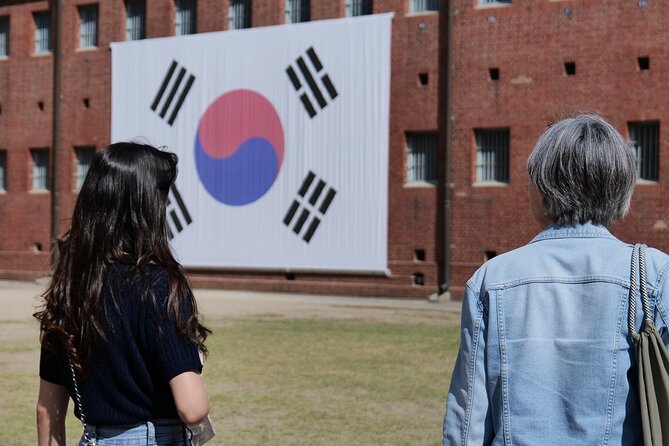
Seoul is easy to experience through royal palaces, shopping streets, cafés, and modern towers. Those places matter, but they do not explain the full story of the city. Seodaemun Prison gives you a more difficult piece of that story: the period when Korea was under Japanese colonial rule and independence activists were imprisoned and executed.
The prison was built in 1908 during Japanese occupation. Today, the site is a memorial and history museum. Its value comes from the setting. A classroom can explain imprisonment, resistance, and sacrifice, but original cells and prison grounds give those subjects a physical scale.
I think this makes the tour especially useful early in a Seoul visit. Once you understand the importance of the independence movement, later sights and museums can carry more meaning. You begin to notice that modern Korean identity was shaped not only by dynasties and traditions, but also by a hard fight for national freedom.
The experience is not designed to entertain you at every turn. It asks for attention and a little quiet reflection. That is exactly why it works for visitors who want something beyond the usual sightseeing circuit.
More Historical Tours in Seoul
- Seoul: Evening Dark History, Folklore & Ghost Story Walking Tour
★ 5.0 · 593 reviews - Hanbok Photoshoot and History Tour at Gyeongbokgung Palace
★ 5.0 · 276 reviews - From Seoul: Dae Jang Geum Park Historic K-Drama Set Tour
★ 4.9 · 143 reviews
Starting at Dongnimmun Gate
The tour begins at 2:00 pm at 102-6 Hyeonjeo-dong in Seodaemun-gu. The first stop is Dongnimmun Gate, where you spend about 20 minutes learning about the independence gate built by Korea in 1890.
This opening stop gives the tour an important frame. Before you enter the prison, you encounter a public symbol tied to Korean independence. The gate helps connect the wider political story with the buildings and people you will study next.
Twenty minutes is enough to introduce the site without taking too much time from Seodaemun Prison. I would arrive early, particularly because the meeting point is given as a street address rather than simply the name of a major attraction. The area is near public transportation, so you can reach it without arranging a private vehicle.
The gate itself is not the main event. Think of it as the introduction. The prison provides the longer, more intense visit, while Dongnimmun gives you the political setting.
Inside Seodaemun Prison History Hall
About 1 hour and 40 minutes is set aside for Seodaemun Prison History Hall. This is where the tour earns its price. Admission is included, and the guide leads you through spaces connected to imprisonment and colonial repression.
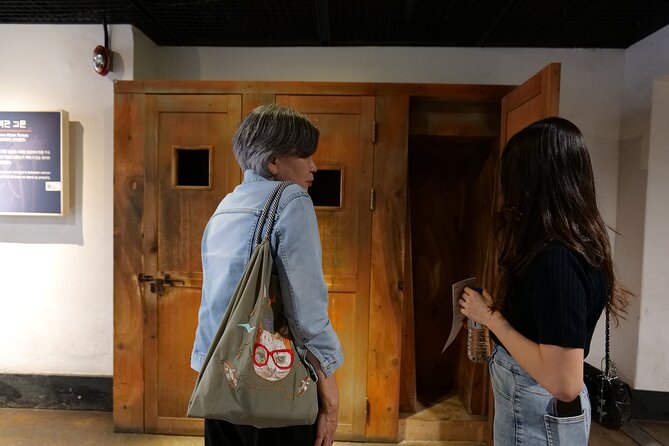
You can expect to enter original prison cells and underground interrogation rooms. These are not abstract exhibits. Their purpose is clear, and the guide’s job is to explain how these areas were used and why they remain important.
The cells show the controlled, confined side of prison life. The interrogation rooms shift the focus toward pressure and punishment. Together, the two areas help you understand that imprisonment was not simply a matter of locking people away. It was part of a system intended to suppress opposition.
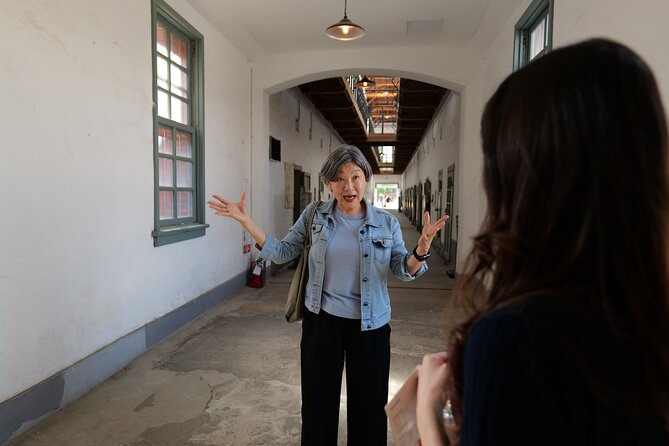
The visit also includes the execution grounds. This is likely to be the most difficult part of the tour. The setting asks you to think about the people who died there and the cost of resistance. A good guide can provide context without turning the site into a spectacle, and the listed guide profile is promising: your guide has more than 10 years of experience with Korean history.
That experience matters here because the subject is broad. A quick museum visit can leave you with dates and names but little sense of how the pieces connect. The guide can link the prison to the independence movement, the March 1st Movement, and the people who became symbols of national courage.
Yu Gwan-sun and the human side of resistance
The story of Yu Gwan-sun gives this tour a personal center. She was 17 when her courage during the March 1st Movement helped make her a national icon.
That detail matters. Large political movements can feel distant when reduced to official names and dates. Yu Gwan-sun’s age brings the human cost closer. You are asked to consider what it meant for a young student to take part in a movement for independence, and why her actions remained so powerful in Korean memory.
Her story also helps explain why Seodaemun Prison is more than an old building. The site is tied to individual choices, not only national events. People held here had families, hopes, and fears. The prison’s walls help turn the independence movement from a textbook subject into a human story.
The tour description does not provide the guide’s name, so you should not expect a named specialist listed in advance. What is clear is that the guide is a professional with over a decade of experience in Korean history. For this subject, that background is more important than a polished performance. You want careful explanations and room to ask questions.
A different way to spend a day from here:
- Best DMZ Tour Korea from Seoul (Red Suspension Bridge Optional)
★ 5.0 · 41,422 reviews - DMZ Tour: 3rd Tunnel, Option(Suspension Bridge, Boat) from Seoul
★ 5.0 · 21,373 reviews - DMZ tour south Korea from Seoul (NK experience hall, defector)
★ 5.0 · 20,599 reviews - Seoul: DMZ Tour with Optional Suspension Bridge
★ 4.8 · 5,277 reviews
What the small group adds
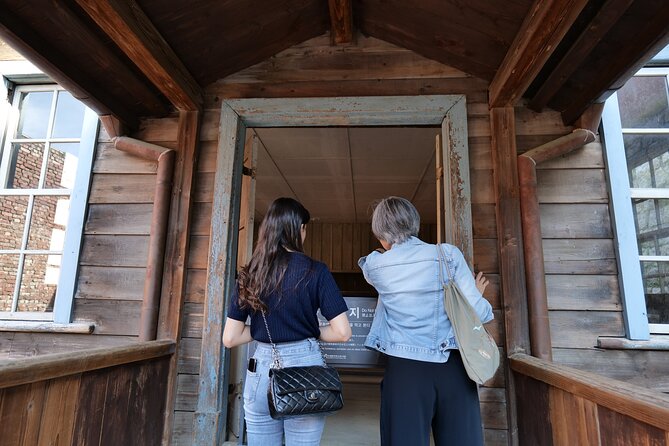
The group is limited to 10 people. That is one of the best features of the experience.
A small group can make a major difference at a site like this. You are likely to hear the guide more clearly, move through the prison with less confusion, and ask about details that catch your attention. History tours work best when they leave room for questions rather than forcing everyone through a script.
The small size also keeps the mood more respectful. Seodaemun Prison is a memorial site, not a place for noisy group energy. A group of 10 or fewer is better suited to the quiet tone of the grounds and the difficult nature of the subject.
Still, group tours are not private tours. The pace and focus will be shared with other members of the group. If you want to spend a long time studying individual displays or moving at your own speed, an independent visit may give you more freedom. You are paying here for structure, explanation, and the chance to place the exhibits in context.
Is $31.54 a fair price?
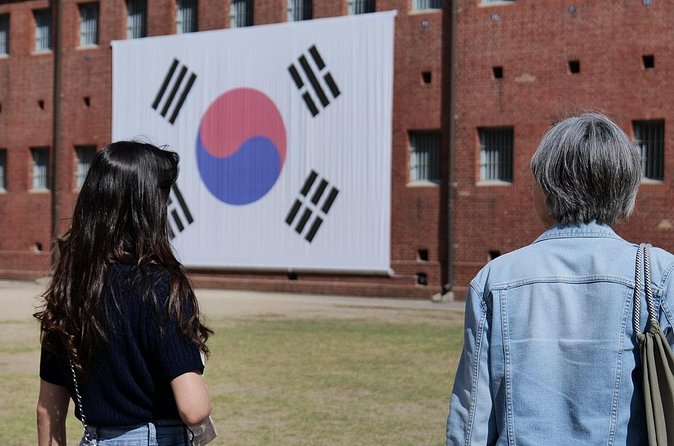
At $31.54 per person, this is reasonably priced for a two-hour guided visit that includes admission to Seodaemun Prison History Hall.
You are not paying only to enter a museum. The cost also covers the guide’s time and historical explanation, which is the main reason to book this rather than visit alone. The prison can be powerful without a guide, but the political background, the independence movement, and the stories of individual activists are easier to understand when someone connects them.
The price looks strongest for first-time visitors to Seoul who want a clear introduction to this part of Korean history. It is also useful if you have limited time and prefer a focused experience rather than trying to piece together information from wall panels.
The value is less obvious if you already have strong knowledge of Korea’s colonial period or plan to spend several hours reading every exhibit independently. In that case, the guided format may cover familiar ground. For most history-minded visitors, though, the small group and included admission make the fee sensible.
The experience is often booked about 31 days ahead, so planning early is wise if your Seoul dates are fixed. Free cancellation is available when you cancel at least 24 hours before the 2:00 pm start. Changes or cancellations inside that window are not accepted for a refund.
Timing, walking, and practical details
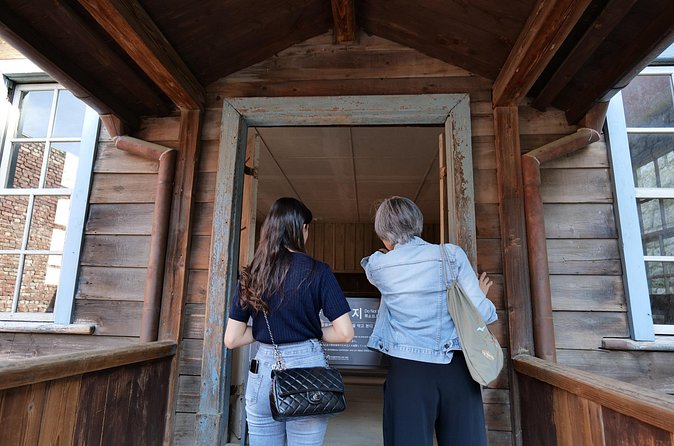
The full experience lasts about two hours. You begin at 2:00 pm and finish at Seodaemun Prison History Hall at 251 Tongil-ro in Seodaemun-gu. Since the start and end points are different, you should plan your onward route from the prison rather than backtracking to the opening meeting point.
The tour is near public transportation, which makes it practical to combine with other plans in Seoul. I would avoid scheduling a rushed palace visit, restaurant reservation, or evening show immediately afterward. The timing is short enough to fit into a day, but the subject deserves more mental space than a quick stop between unrelated attractions.
A moderate level of physical fitness is expected. The available information does not specify the number of stairs, exact walking distance, or the condition of every surface, so you should be prepared for movement through a historic prison site rather than a fully effortless indoor museum visit.
Wear comfortable shoes. That is basic advice for any Seoul walking tour, but it matters more when the visit includes several areas and nearly two hours at the site.
Who should take this tour
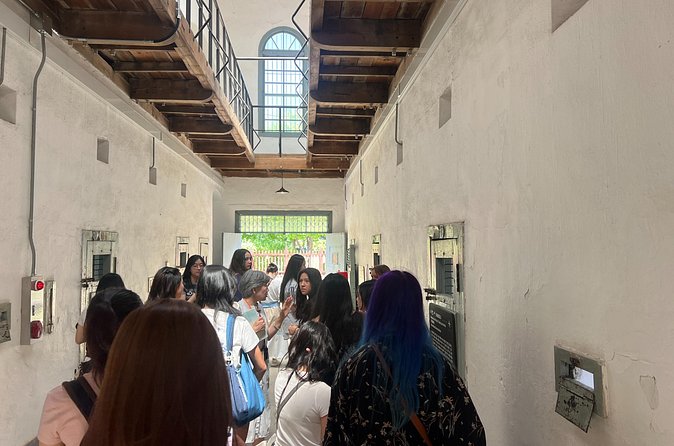
I would recommend this tour to you if you want to understand Seoul through its modern political history, not only through palaces and traditional culture. It suits adults, students, and families with older children who can handle a serious subject.
It is also a good choice if you prefer a guide-led experience. The material has enough context that a professional explanation can save time and prevent confusion. The group limit of 10 makes it more personal than a large coach tour.
You may want to skip it if your Seoul schedule is built around food, shopping, and light sightseeing. The prison’s purpose is remembrance, and the execution grounds and interrogation rooms can be upsetting. That does not make the tour unsuitable, but it does mean you should choose it with the right expectations.
The tour is especially worthwhile for anyone interested in the March 1st Movement, Korean independence activists, or the period of Japanese colonial rule. If Yu Gwan-sun’s story is already familiar to you, the prison setting can still add a more physical understanding of the period.
What makes this visit different from a normal museum stop
A conventional museum often places history behind glass. Seodaemun Prison lets you walk through the setting itself. That changes your attention. You notice the size of a cell, the purpose of an interrogation room, and the emotional weight of an execution ground in a way that a list of dates cannot fully convey.
The guide-led format adds another layer. Instead of treating each room as an isolated exhibit, you get a connected explanation of how the prison operated and why it became associated with the independence struggle.
The strongest part of the experience is its focus. It does not try to explain every part of Korean history in two hours. It concentrates on the prison, the colonial period, and the people who resisted. That narrow purpose gives the tour clarity.
The main limitation is also its focus. You will not get a broad survey of Seoul’s history, and you should not expect a general city tour. Book it for this particular story.
Should you book the Seodaemun Prison tour?
Book this tour if you want a serious, well-organized look at Korea’s independence movement and prefer to learn inside the historic setting. The included admission, two-hour format, experienced history guide, and maximum group of 10 give it solid value at $31.54.
I would not book it simply to fill an empty afternoon. The subject is too important, and at times too painful, for casual sightseeing. But if you want to see the forces that helped shape modern Korea, this is one of the more meaningful stops you can add to a Seoul itinerary.
The best reason to choose it is simple: you leave with more than a photograph of an old prison. You gain a clearer sense of the courage, suffering, and sacrifice behind Korea’s independence story.
FAQ
Where does the tour begin?
The tour begins at 102-6 Hyeonjeo-dong, Seodaemun-gu, Seoul, South Korea.
What time does the tour start?
The tour starts at 2:00 pm.
Where does the tour end?
The tour ends at Seodaemun Prison History Hall, 251 Tongil-ro, Seodaemun-gu, Seoul.
How long does the experience last?
The full tour lasts approximately two hours.
How many stops are included?
The tour includes Dongnimmun Gate and Seodaemun Prison History Hall.
Is admission to Seodaemun Prison included?
Yes. Admission to Seodaemun Prison History Hall is included.
What will I see inside the prison?
You will visit prison cells, underground interrogation rooms, and the execution grounds.
How large is the tour group?
The tour has a maximum of 10 travelers.
What happens if I need to cancel?
You can receive a full refund if you cancel at least 24 hours before the experience start time. Cancellations or changes made less than 24 hours before the start are not accepted for a refund.
Recently added around Seoul
- Seoul: Private Car Tour with Licensed Professional Guide★ 5.0 · 3 reviews
- Imjingak DMZ Private Tour for Incheon Airport and Cruise Guests★ 5.0 · 3 reviews
- Unique Native Experience : Han River Picnic, Board game, BBQ★ 5.0 · 3 reviews
- Seoul: Nami and K-Garden with Optional Alpaca Winter Tour★ 5.0 · 3 reviews
- BTS In The Soop Version: One Day Private VIP Tour★ 5.0 · 3 reviews
- DMZTour from Seoul:3rd Tunnel,North Korea View&UNESCO Valley★ 5.0 · 3 reviews
- Bukhansan mountain hiking tour – 6 hours★ 4.7 · 3 reviews
- Seoul City Private Tour (Optional layover)★ 5.0 · 3 reviews
Seoul Tours, compared.
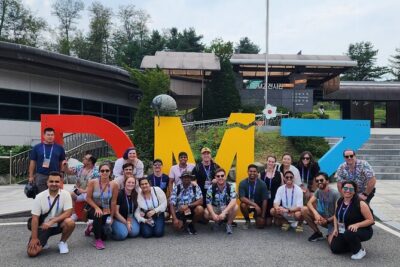
Best DMZ Tour Korea from Seoul (Red Suspension Bridge Optional)
Read the review →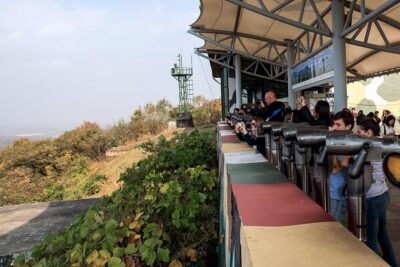
DMZ Tour: 3rd Tunnel, Option(Suspension Bridge, Boat) from Seoul
Read the review →
DMZ tour south Korea from Seoul (NK experience hall, defector)
Read the review →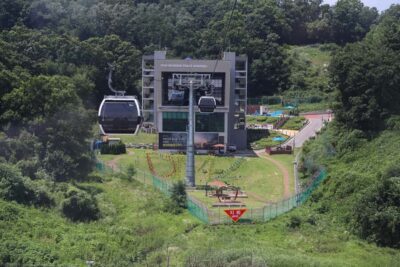
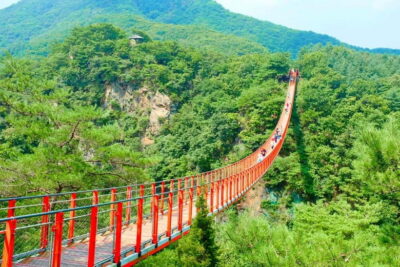
DMZ The 3rd Tunnel and Suspension Bridge Tour
Read the review →
Signature DMZ Tour: Exclusive Defector Talk & Suspension Bridge
Read the review →
Thrilling Korean DMZ 3rd Tunnel Tour from Seoul + Red Bridge Rush
Read the review →
DMZ Past and Present: Korean Demilitarized Zone Tour from Seoul
Read the review →Browse the lists this tour appears in