
Reviewed · SEOUL TOURS
Seoul High-Quality Night Photography
Seoul changes character after sunset. In one short walk, you can move from neon-lit Euljiro alleys and old printing shops to the calm water of Cheonggyecheon Stream, then finish among traditional hanok lanes. The real point is not simply seeing Seoul at night. It is having someone place you in the scene and record the city’s old and new sides in polished photographs.
I like the mix of local storytelling and practical photography. You learn why Euljiro became a printing district, hear how pojangmacha street stalls developed, and get guided into spots that work well on camera. I also like the clear photo package: 50 or more edited images per person, delivered by a downloadable OneDrive link.
The main consideration is timing. The stated duration is about 1 hour 10 minutes to 1 hour 35 minutes, while the description also refers to a two to three hour guided tour. Confirm the exact schedule before booking, especially if you want a relaxed walk rather than a quick series of photo stops.
Key points at a glance
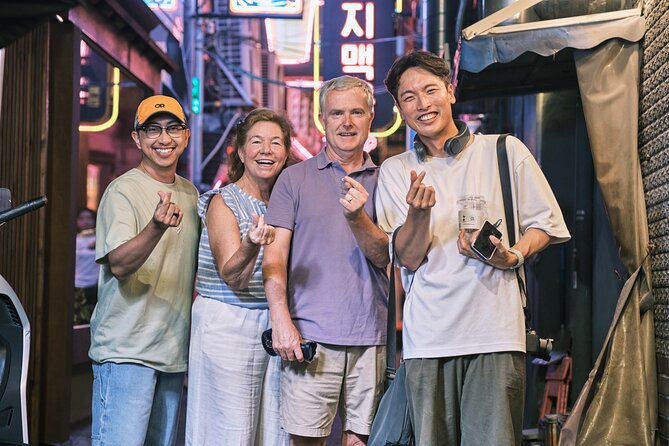
- Euljiro neon alleys: Pose among signs and narrow streets with a backdrop often compared to old Hong Kong.
- Cheonggyecheon after dark: Capture Seoul’s stream, bridges, and city lights while hearing how the waterway changed over time.
- Pojangmacha culture: Walk past traditional outdoor food stalls and learn the stories behind this casual Korean dining tradition.
- Hanok alley portraits: Photograph traditional Korean homes and learn how their structures are arranged.
- 50+ edited photos: The package gives you a substantial set of finished images rather than a handful of quick snapshots.
- English-speaking guide: One person combines cultural explanation with local route guidance, while a professional photographer handles the shoot.
Why Seoul works so well after dark
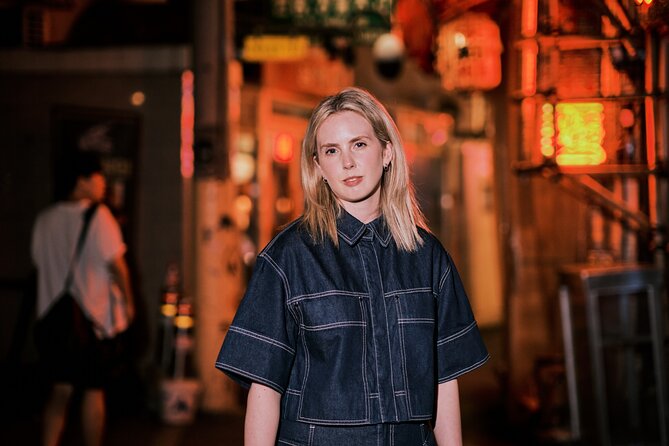
Seoul can feel old-fashioned and futuristic within the same city block. That contrast is especially clear at night, when shop signs glow, narrow lanes gain atmosphere, and the stream reflects the lights from nearby buildings.
This experience is built around that contrast. You are not being taken only to a famous viewpoint or asked to pose in front of one landmark. Instead, you move through several kinds of Seoul: the working district of Euljiro, the restored urban waterway of Cheonggyecheon, the street-food culture of pojangmacha, and the quieter residential character of hanok alleys.
I find that combination useful for two reasons. First, the photos should feel more personal than standard sightseeing pictures because the settings change. Second, the guide’s explanations give context to places that might otherwise look like attractive backdrops with no story attached.
The route is also a good match for anyone who wants photographs that feel connected to Seoul. You get neon, water, food stalls, and traditional architecture, rather than a single repeated style.
More photo shoots in Seoul:
- Hanbok Photoshoot and History Tour at Gyeongbokgung Palace
★ 5.0 · 276 reviews - Seoul: Professional Hanbok Photography at Gyeongbok Palace
★ 4.9 · 172 reviews - Street photoshoot and Seoul Hidden gem History Walking Tour
★ 5.0 · 68 reviews
Euljiro’s neon lanes and printing-district past
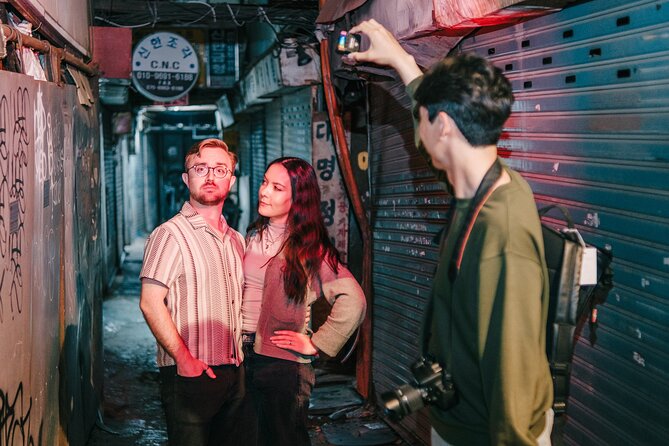
The first photo stop takes you into an alley filled with neon signs. The setting has a narrow, colorful look often associated with Hong Kong, but the important Seoul detail is what lies behind the glow: Euljiro’s connection to the printing trade.
The area is described as a former printing district, so the guide’s explanation of its modern history adds useful depth to the walk. You are not just photographing signs. You are seeing a part of the city shaped by small workshops and older commercial uses, now mixed with newer businesses and nightlife.
This is likely the most immediately photogenic section. Neon gives the photographer strong color and contrast, and the confined alleyways can make a portrait feel more urban than a wide city view. If you enjoy street photography or want photos with a distinctly Seoul mood, this stop should be a highlight.
There is one practical point to keep in mind. A neon alley is an active city setting, not a private studio. The area may feel tight, and the atmosphere comes from real streets rather than controlled lighting. That is a benefit if you want a sense of place, but it also means the shoot is shaped by the surroundings.
The guide’s role matters here. You can learn how the district changed while being directed toward positions that make the signs and architecture work together. The result should be more useful than simply handing a phone to a companion and hoping the light is right.
Cheonggyecheon Stream from a city bridge
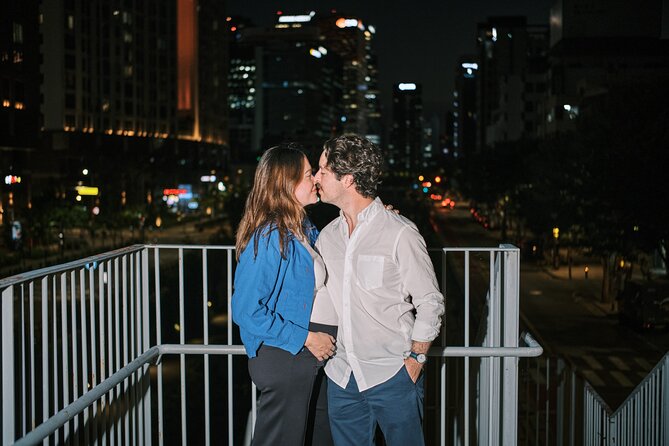
The next major setting is a bridge overlooking Cheonggyecheon Stream. This stop shifts the mood from close-up neon to a more open night view, with water, bridges, and city lighting providing a different type of background.
The guide explains the history and transformation of Cheonggyecheon. That makes this more than a scenic pause. The stream is presented as an example of how Seoul’s urban spaces have changed, and the bridge gives you a clear place to see that change while taking photographs.
For portraits, the setting offers variety. You might be photographed with the stream behind you, with the city lights framing the image, or with the bridge and surrounding structures adding lines to the composition. The water can also bring reflected light into the picture, giving the images a cooler, quieter feel than the warm signs of Euljiro.
I like this stop because it prevents the tour from becoming one long neon session. You get a second visual style and a chance to slow down. If you are choosing clothing for the shoot, consider colors that contrast with both dark water and bright city lights. The supplied information does not specify a dress code, so you can use your own judgment.
The main drawback is that the stream view may depend on the exact bridge position and available space. The tour promises a night-view photo shoot, but it does not provide a specific bridge name or guarantee a particular skyline composition. Expect a strong urban backdrop, not a carefully staged studio image.
Pojangmacha streets and the taste of everyday Seoul
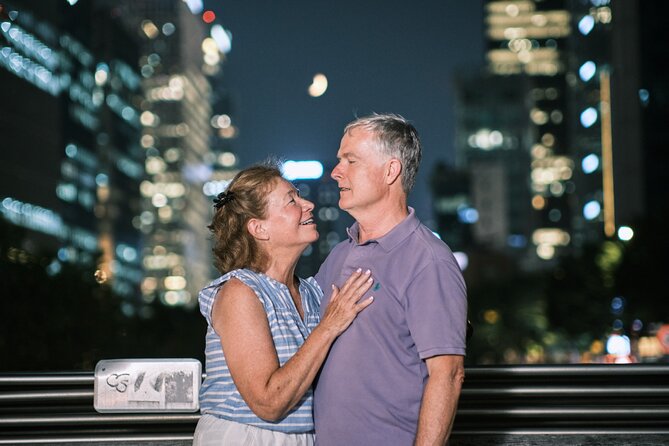
The walk continues through a traditional pojangmacha street. These outdoor food stalls are part of Seoul’s casual street-dining culture, and the guide explains their origins along with behind-the-scenes stories.
This is a valuable part of the experience because it brings human activity into the route. Euljiro supplies signs and old commercial streets. Cheonggyecheon supplies water and open space. Pojangmacha adds the warmth of food, conversation, and informal evening life.
Food and drinks are not included, so bring money if you want to buy something. The tour’s price covers the guide and photography, not personal expenses. That arrangement lets you decide whether to make a purchase, rather than building an unknown meal cost into the booking.
The information does not say that the tour includes a seated meal or tasting. I would treat this as a cultural and photographic stop first, with the option of personal spending if appropriate. If you are hungry, do not assume the food stalls form part of the paid package.
Photographically, the stalls may provide warm light and a more candid setting. Your photographer can use the signs, awnings, and street activity as part of the scene. It is also a chance to take a break from formal posing, though the experience still centers on your portraits and edited images.
More things to do after dark in Seoul:
- Seoul: Night Market Food Tour with Local Guide
★ 4.9 · 943 reviews - Seoul: Evening Dark History, Folklore & Ghost Story Walking Tour
★ 5.0 · 593 reviews - Seoul: Han River Night Picnic & Games with Cruise
★ 4.8 · 461 reviews - Small-Group Night Food Tour in Seoul with Korean BBQ
★ 5.0 · 304 reviews
Hanok alleys and traditional Korean house design
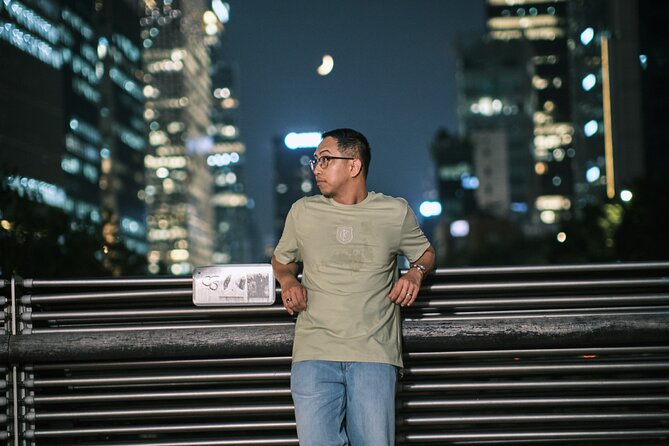
The final setting moves into picturesque hanok alleyways. Here, the guide explains the origins and structure of traditional Korean hanok houses before using the lanes as photo locations.
This stop gives the tour a quieter finish. Hanok architecture has a different visual language from Euljiro’s signs and Cheonggyecheon’s city lights. Lines, roof shapes, wooden details, and close-set lanes can make the photographs feel more classic and restrained.
The architectural explanation is important. Without context, a hanok alley can look like a pleasant old street and little more. Learning how traditional Korean houses are arranged helps you notice the details around you, even if you are mainly focused on getting a good portrait.
You should also understand that this is an alley setting, not a museum visit. No entrance fee is specified for the hanok stop, and the tour description does not promise access inside a house. The photo opportunities are in the lanes, with the architecture forming the background.
I like the way this stop rounds out the visual story. You begin with a district shaped by modern industry and neon, pass through a transformed stream corridor, see street food culture, and finish with traditional homes. That range gives the final photo collection more variety.
What the professional photo service adds
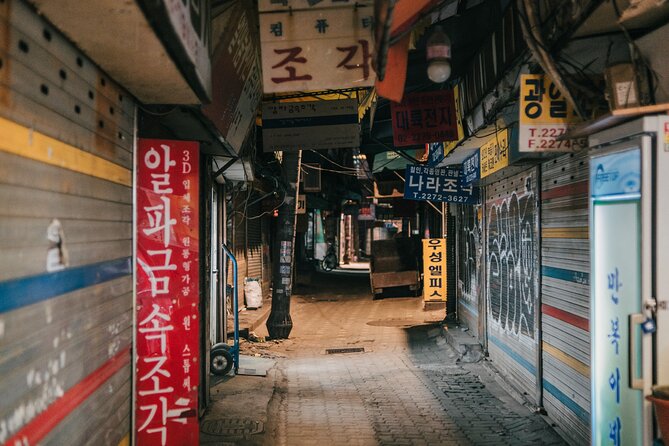
The strongest practical feature is the professional photographer. You are not expected to know how to pose, frame a portrait, or judge difficult night lighting on your own. The photographer’s job is to make the locations work for you.
That matters at night because bright signs, dark alleys, water reflections, and mixed street lighting can be difficult to handle with a quick phone camera. A professional shoot should help with positioning and image selection, though the supplied details do not name the photographer or specify the camera equipment.
You receive 50 or more high-quality edited photos per person. That is a generous quantity for a short experience, particularly if you want several settings rather than one formal portrait. The word edited is also important: the finished images are intended to be processed before delivery, not simply handed over as unaltered files.
The download arrives through a Microsoft OneDrive link, which is available for one month. Save the images during that period. Do not assume the link will remain active forever, and do not wait until the end of a long trip to download your files.
The package is designed around individual photographs, but the supplied information does not explain whether couples, families, or groups receive special arrangements. If you are booking for more than one person, check how the 50-plus image count applies to each participant and how much posing time each person receives.
Price, timing, and what you are really paying for
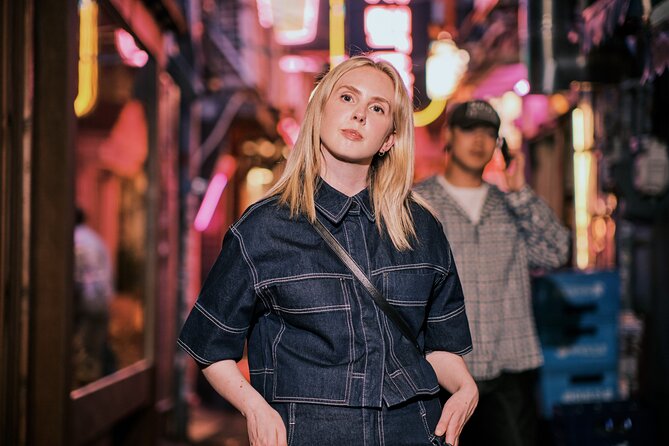
At $84.59 per person, the cost is not simply a walking tour fee. You are paying for an English-speaking cultural guide, a professional photographer, multiple scenic locations, and at least 50 edited images.
That can be good value if photographs are a major reason for your Seoul visit. A standard evening walk may explain the neighborhoods, but it will not normally provide a finished personal photo collection. On the other hand, if you mainly want restaurant recommendations or a long food-focused outing, this is not the best use of your budget because meals and drinks are separate.
The stated average booking time is 14 days in advance. That suggests you should reserve ahead if your dates are fixed, particularly if you want the experience on a specific evening. No group size is provided, so I would not assume a private tour or a small-group format without checking.
The timing needs special attention. The summary gives an approximate duration of 1 hour 10 minutes to 1 hour 35 minutes. The longer overview describes the activity as a two to three hour guided tour. That is a meaningful difference, not a minor wording issue. Ask for the confirmed duration when booking so you can plan dinner, transport, and any later plans.
A mobile ticket is included, which keeps the entry process simple. No separate attraction entrance fees are specified, but the terms say entrance fees, if applicable, are not included.
Who will get the most from this Seoul photo walk
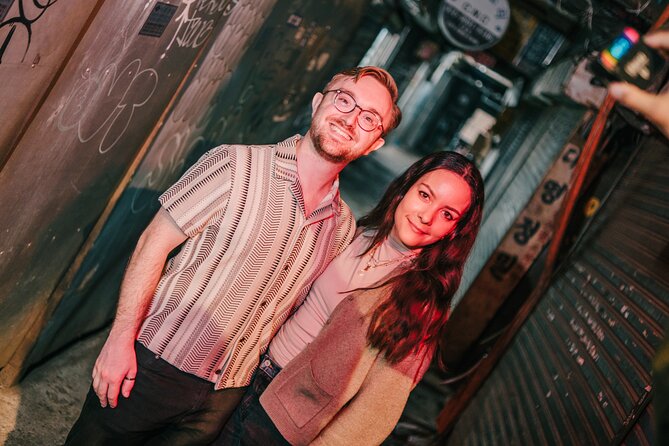
I would choose this experience if you want three things at once: a short introduction to several Seoul neighborhoods, local explanations, and polished personal photographs.
It suits couples who want a shared set of evening portraits, solo visitors who do not have a reliable photographer, and friends who want images that show more than a landmark selfie. It also fits first-time visitors who want an introduction to Euljiro, Cheonggyecheon, pojangmacha culture, and hanok architecture without spending a full day on a formal city tour.
You should think twice if you dislike posing or prefer to explore at your own pace. The route is built around photography, so stopping for direction and repeated shots is part of the experience. It is also not a food tour, and the supplied details do not include tastings.
For the best result, arrive ready for changing settings. You will move from narrow neon streets to a bridge, food-stall lanes, and traditional alleys. Comfortable shoes should help, though no specific clothing or footwear requirement is provided.
Should you book Seoul High-Quality Night Photography?
Book it if you want a compact evening experience that turns Seoul’s contrasts into a personal photo set. The combination of Euljiro’s neon, Cheonggyecheon’s night view, pojangmacha culture, and hanok lanes gives you more visual range than a single-location shoot.
The price makes the most sense when you value the 50 or more edited photos and would otherwise struggle to get good pictures of yourself. Skip it if you want a long, unstructured night out, a meal included, or a tour devoted mainly to food.
Before paying, confirm the actual duration and ask how the photo time is divided among participants. With that point clear, this is a useful choice for seeing Seoul through several distinct moods while bringing home images that preserve the evening.
FAQ
Where does the photography experience take place?
It takes place in Seoul, South Korea, with stops in neon-filled Euljiro alleys, around Cheonggyecheon Stream, along a pojangmacha street, and in hanok alleyways.
How long does the tour last?
The stated approximate duration is 1 hour 10 minutes to 1 hour 35 minutes. The activity description also refers to a two to three hour tour, so confirm the exact schedule before booking.
Is a guide included?
Yes. An English-speaking cultural guide is included.
Is a professional photographer included?
Yes. The experience includes a professional photoshoot at multiple scenic locations.
How many photos will I receive?
You will receive 50 or more high-quality edited photos per person.
How are the photos delivered?
The photos are provided through a downloadable Microsoft OneDrive link. The link is available for one month.
Are food and drinks included?
No. Personal expenses such as food and drinks are not included.
Are entrance fees included?
Entrance fees are not included if they apply.
Recently added around Seoul
- Nami & Maple Road & Theatre des Lumieres Day Tour from Seoul★ 4.8 · 4 reviews
- Gyeongbokgung Palace Photo Session with your own phone★ 5.0 · 4 reviews
- Private Tour around Suwon UNESCO Fortress and Korea Folks Village★ 4.5 · 4 reviews
- Jisan Forest Resort: Ski Full-Day Tour or Shuttle from Seoul★ 5.0 · 4 reviews
- N Seoul Tower + Namsan Cable Car Ticket (Collect in Myeongdong)★ 3.5 · 4 reviews
- Seoul: Deoksugung Palace Night Tour★ 4.5 · 4 reviews
- Seoul Private Walking Tour with a Local★ 5.0 · 4 reviews
- Private Jeonju Hanok Village – Culinary tour★ 5.0 · 4 reviews
Seoul Tours, compared.
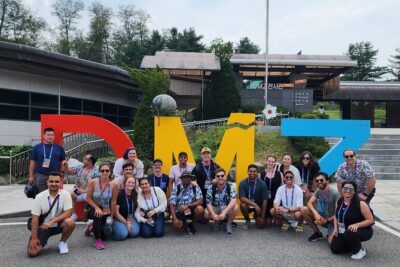
Best DMZ Tour Korea from Seoul (Red Suspension Bridge Optional)
Read the review →
DMZ Tour: 3rd Tunnel, Option(Suspension Bridge, Boat) from Seoul
Read the review →
DMZ tour south Korea from Seoul (NK experience hall, defector)
Read the review →
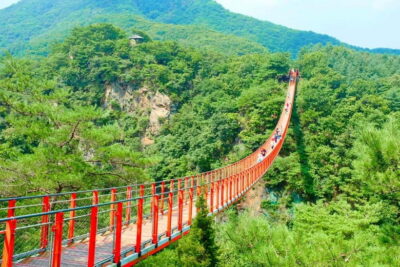
DMZ The 3rd Tunnel and Suspension Bridge Tour
Read the review →
Signature DMZ Tour: Exclusive Defector Talk & Suspension Bridge
Read the review →
Thrilling Korean DMZ 3rd Tunnel Tour from Seoul + Red Bridge Rush
Read the review →
DMZ Past and Present: Korean Demilitarized Zone Tour from Seoul
Read the review →Browse the lists this tour appears in