
Reviewed · SEOUL TOURS
Seoul E-bike Tour
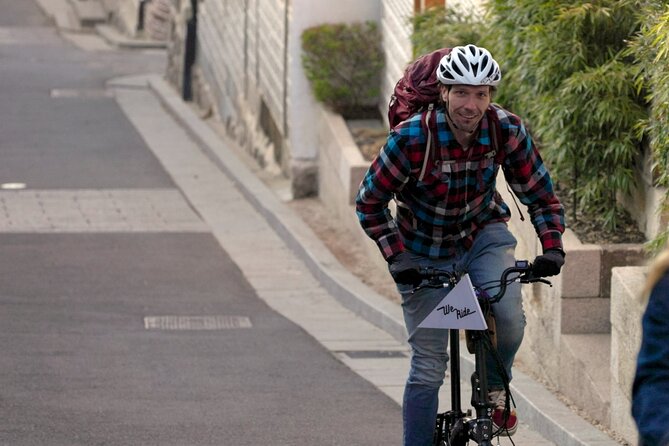
Seoul’s best first look may come on two wheels. This three-hour e-bike tour links palace gates, old neighborhoods, a traditional market, and a temple without asking you to walk across the city or fight Seoul’s steepest streets on a regular bicycle.
I especially like the smart morning timing, which can put you at Gyeongbokgung Palace in time for the changing of the guard, and the stop at Tongin Market for local Korean snacks. The small groups, capped at 15 people, also give guides such as TJ, Taejin, Vincent, Hagar, Jun, and Harry room to help with riding and answer questions.
The main thing to consider is pace. You see many places, but most stops last only 10 to 15 minutes. This is an excellent orientation tour, not a substitute for spending a full morning inside a palace or slowly exploring Bukchon.
Key points before you book
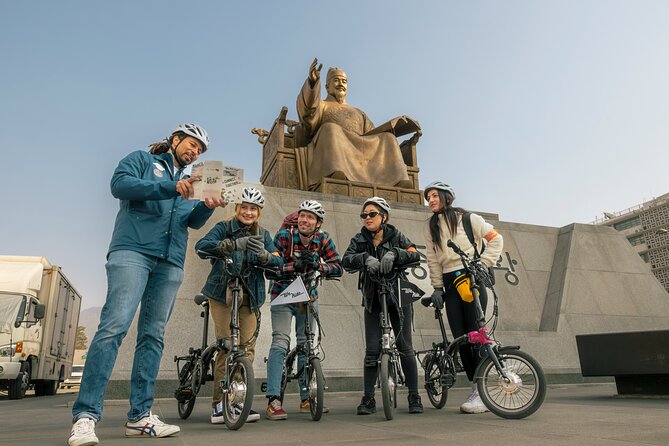
- A fast Seoul introduction: Cover Cheonggyecheon, Gyeongbokgung, Tongin Market, Seochon, the Blue House, Bukchon, and Jogyesa in about three hours.
- Electric assistance matters: The motor makes hills and longer stretches manageable, especially around Bukchon and the older city districts.
- Food is part of the tour: Korean snacks from Tongin Market are included, with tteokbokki and rice cakes among the treats served on some outings.
- Morning routes avoid the worst crowds: Early departures help you ride before traffic builds and may line up with the palace guard ceremony.
- Guides add practical value: Guides handle front and back riding positions, explain Seoul’s past and present, take photographs, and offer suggestions for the rest of your stay.
- Plan for the basics: Arrive 20 to 30 minutes early, bring a reusable water bottle, and expect a moderate level of physical activity.
Why an e-bike works so well in central Seoul
Seoul is a large city, but many of its most important sights are packed into the Jongno area. The problem is that the route between them is not always easy on foot. You can walk from palace streets to Bukchon, but hills, traffic crossings, and long city blocks quickly eat into a short visit.
An electric bicycle solves much of that. You still pedal, but the motor takes the strain out of climbs and lets you cover more ground than a walking tour. You get a street-level view of Seoul, with time to notice shop signs, narrow lanes, walls, parks, and neighborhood life that a bus cannot reach.
The tour is designed for riders with moderate physical fitness. You do not need to be a serious cyclist, and the bikes are described as easy to ride, but this is still an active outing. You will be riding in an urban setting and stopping, starting, and climbing at times.
The group maximum is 15 people. That is not an ultra-small private tour, but it is small enough for guides to watch the group and offer help. Some departures use two guides, with one riding at the front and another at the back. That setup is useful in a city where roads and bike lanes can be busy.
More bike rides around Seoul:
- From Seoul: Nami Island, K-drama Garden & Rail Bike Day Tour
★ 4.6 · 724 reviews - Day Trip to Nami Island with Rail bike and The Garden of Morning Calm
★ 4.5 · 459 reviews - Nami+Alpaca+Garden of Morning Calm (+Rail Bike Option)
★ 5.0 · 300 reviews
Getting ready at Jongno Town
You meet at We Ride Korea Bicycle Tours and Rentals at Le Meilleur Jongno Town, 19 Jong-ro, in Seoul’s Jongno District. The advertised tour lasts about three hours, but you must arrive 20 to 30 minutes before departure.
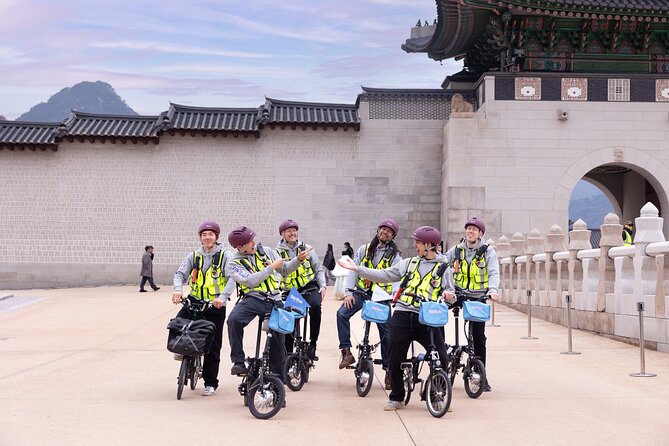
That early arrival is not wasted time. The team fits your bike, provides a helmet and vest, and gives you safety instructions before the group sets off. If you arrive at the start time, you are already late for the preparation period.
Bring a reusable bottle. Water is not included, and you must either bring your own or buy one from the operator before riding. A refill station is available along the route, and the outing includes a bathroom break, which makes the planning more considerate than the bare itinerary might suggest.
The tour includes the e-bike, safety equipment, a local guide, insurance, and market snacks. Lunch is not included. The food stop is meant as a tasting break, not a full meal, so eat something beforehand if you normally need a proper breakfast.
Cheonggyecheon Stream and the old city center
The first sightseeing stop is Cheonggyecheon Stream, once a main waterway through the city. You pause here for about 10 minutes while the guide explains its place in Seoul’s development and points out the streamside setting.
This is a short stop, but it helps set the tone. Seoul is a modern capital, yet its older layers are often close beneath the present-day streets. The stream gives you a calm opening before the route moves toward the palace district.
Do not expect a long walk along the water. The value is the guide’s explanation and the chance to get oriented. You will have more time later if you decide to return on your own.
Gyeongbokgung Palace and the changing of the guard
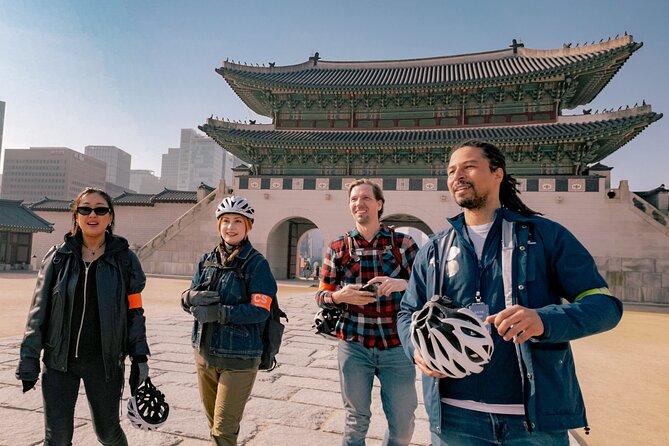
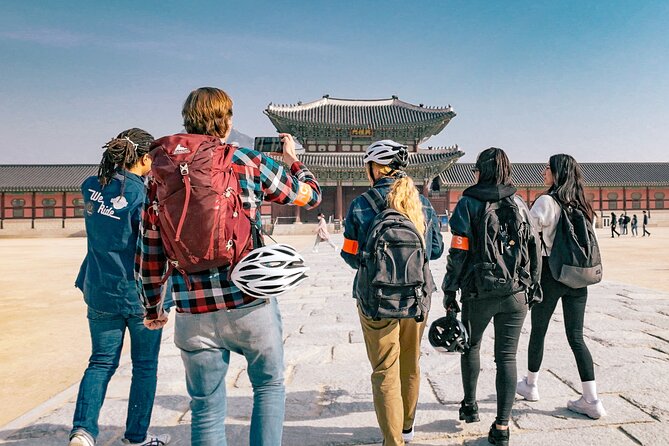
Gyeongbokgung is Seoul’s most famous palace, and the tour stops at one of its major gates for roughly 10 minutes. The focus here is on the exterior and the palace setting rather than a full palace visit.
Timing can make this part particularly rewarding. Several outings have arrived in time to watch the changing of the guard, with the guides positioning the group for photographs. This depends on the departure time and the day’s schedule, so treat it as a possible bonus rather than a guaranteed part of every outing.
The short stop works well for a first visit because you get the iconic gate, a quick dose of royal history, and a chance to mark the palace for a later, longer visit. If Gyeongbokgung is one of your main priorities, note that you will not have time here to explore the full grounds or interiors.
That tradeoff is central to this tour. You collect a strong overview of Seoul’s historic center, then decide which places deserve a return visit.
A few more Seoul half-days to weigh up
- Seoul: City Highlights eBike Tour
★ 4.9 · 168 reviews - Afternoon E-bike tour and “Happy Hour” food and drinks
★ 5.0 · 46 reviews - Market Food Tour & Evening E-bike Ride in Seoul
★ 5.0 · 28 reviews - ENKO Electric Bike Ride on The Han River Bike Path in Seoul
★ 5.0 · 18 reviews
Tongin Market, where the ride turns into lunch-sized tasting
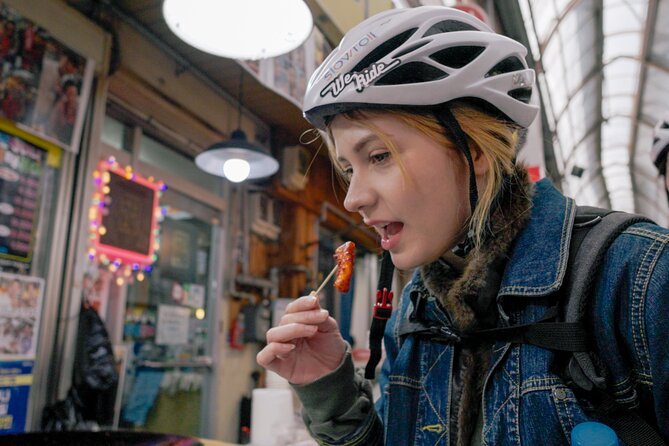
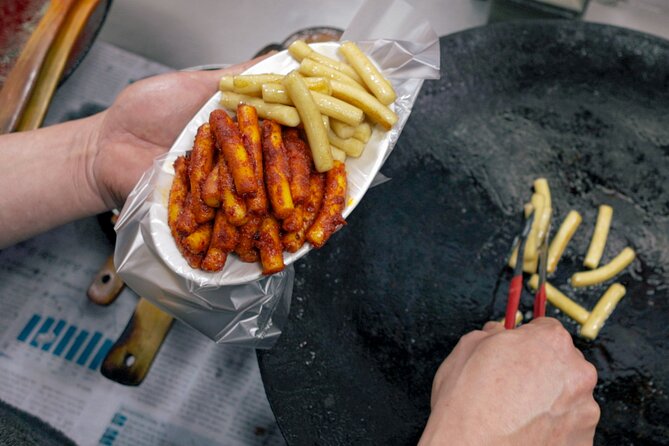
Tongin Market is one of the most useful stops because it brings in everyday food culture, not just monuments. The guides recommend Korean street food and provide local snacks from the market.
Tteokbokki, the spicy rice-cake dish, is a recurring favorite, and some outings include several kinds of rice cakes. Vegan snack options have also been provided on some tours, but you should confirm any dietary needs when booking if this matters to you.
The stop lasts about 10 minutes, so think of it as a tasting rather than a market expedition. You will not have much time to browse every stall. Still, a small bite in a traditional market gives the route a human scale and breaks up the sightseeing.
I like this balance. The tour does not simply rush you from one famous photograph to another. It gives you something to taste and a reason to notice how Seoul’s food culture fits into its neighborhoods.
Seochon and a taste of older Seoul
From Tongin Market, the route continues through Seochon, an old district near the palace. The group sees an ancient city defense area and passes the oldest surviving gate in the city wall. There is also an optional hot drink and a short walk.
Seochon is a good place to slow down mentally, even if the stop itself is brief. The neighborhood helps connect royal Seoul with the smaller lanes and older buildings that grew around it. Depending on the route and seasonal conditions, you may also pass through less familiar streets rather than sticking only to the main tourist corridors.
The optional drink is a nice touch, particularly on a cool morning, but it should not be treated as a guaranteed café break of a set length. The tour’s main purpose remains riding and sightseeing.
The Blue House and the city’s political past
The route continues to the Blue House, the former presidential residence. You stop for about 10 minutes and learn about this prominent site in modern Korean public life.
This stop adds a different layer to the tour. Gyeongbokgung represents royal Korea, while the Blue House points to the country’s more recent political story. The value is less about entering and touring a building and more about seeing how close Seoul’s royal, civic, and political landmarks sit to one another.
As with several stops, the visit is a photo and explanation break. If you want a detailed interior visit, this tour will not provide it.
Bukchon Hanok Village and the climb made easier
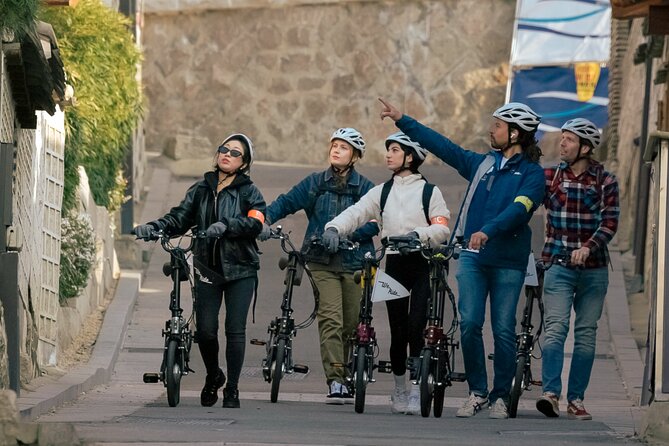
Bukchon Hanok Village is one of the tour’s visual high points. Its traditional hanok homes, tiled roofs, and sloping lanes make it one of Seoul’s most recognizable neighborhoods. The group stops for about 15 minutes for photographs.
This is where the e-bike earns its keep. Bukchon is hilly, and the electric assistance makes the climb far less demanding than it would be on a standard bicycle. You still need to ride carefully and respect the residential character of the area, but you are not spending your energy just getting uphill.
The short stop gives you a sample, not a full neighborhood visit. Bukchon rewards slow exploration, and you may want to return later on foot. The tour is useful here because it shows you the area quickly, identifies good photo locations, and removes the burden of reaching it from the flatter central streets.
One particularly interesting addition on some routes is a traditional hanok home, where the guide explains the architecture and the underfloor heating system used in Korean homes. That kind of detail gives the buildings more meaning than a quick photograph alone.
Jogyesa Temple and a quieter finish
Jogyesa Temple provides a calm final sightseeing stop. The tour allows about 15 minutes here, enough to look around, take photographs, and hear about the temple’s place in Korean Buddhist life.
Ending at Jogyesa is sensible. After the palace, market, old lanes, and hillier roads, the temple offers a quieter change of mood. You are still in central Seoul, but the pace feels different.
The tour then returns to the We Ride Korea meeting point. This makes the outing easy to combine with the rest of a day in Jongno, though you should allow time after the scheduled finish if you have a strict reservation elsewhere.
The guides make the short stops count
The strongest part of the experience is the guiding. Names associated with the team include TJ, Taejin, Vincent, Hagar, Jun, Harry, and Limmi. The exact guide lineup can vary, but the important practical point is that the team combines safety help with cultural explanation.
Guides have been praised for keeping groups together, placing a lead rider at the front and another at the rear, and making the city feel manageable for people who are not used to cycling in Seoul. That matters more than a polished speech. You want someone who notices a hesitant rider, handles a crossing sensibly, and keeps the route moving without making you feel rushed.
The guides also take photographs during the ride. This is useful because you can stay present instead of constantly stopping to manage a phone. Photos are shared afterward, according to the tour information and outing details.
Guide quality can never be fully separated from the individual person leading your departure. Still, the repeated pattern here is clear: expect help with local history, food suggestions, photo spots, and practical recommendations for what to see and eat after the ride.
How much value do you get for $120?
At $120 per person, this is not Seoul’s cheapest way to see the sights. You are paying for the e-bike, equipment, insurance, a guide, route planning, small-group attention, and the ability to cover several districts in one morning.
The value is strongest if your time is limited. In three hours, you reach places that would take much longer to connect on foot. You also avoid the effort of arranging bike rental, choosing safe streets, finding the right palace gate, and working out how to fit a market and temple into the same route.
The food included is a bonus, not the main reason to book. You should not compare this with a full food tour or a private palace guide. Compare it with the cost of a half-day private orientation, plus the time and effort needed to move between sights.
For a first morning in Seoul, I think the price can make sense, especially if you want a broad introduction and plan to revisit your favorite places later. It is less compelling if you prefer lingering at one site, already know central Seoul well, or are looking mainly for a serious cycling workout.
Timing, weather, and who should book
The early start is one of the tour’s practical strengths. Seoul’s roads can become more difficult as the day progresses, while morning departures give you a better chance of calmer riding and a palace ceremony.
The route changes with seasonal highlights, so the exact feel of the ride may vary. Good weather is required. If poor weather cancels the outing, you are offered another date or a full refund.
You should have moderate physical fitness and be comfortable riding an electric bicycle in an urban area. The bikes reduce effort, but they do not remove the need to balance, steer, stop, and pay attention.
This tour suits:
- First-time visitors who want a quick orientation
- People with only a few days in Seoul
- Families or mixed-age groups who can manage moderate activity
- Anyone interested in history, food, and neighborhoods rather than only major monuments
- Cyclists who want assistance on Seoul’s hills
- Visitors who value photos and practical suggestions for the rest of their stay
It may not suit you if you want long, quiet visits inside every attraction, a full meal, or a private route built entirely around your interests.
Booking details worth remembering
Your confirmation is provided at booking, and mobile tickets are available. Service animals are allowed, and the meeting point is near public transportation.
The activity ends back where it begins, at the Jongno meeting point. Free cancellation is available if you cancel at least 24 hours before the local start time. Changes or cancellations inside that window are not accepted for a refund, and weather cancellations are handled with a new date or full refund.
The most important preparation is simple: arrive early, wear clothes suitable for riding, and bring water. The operator supplies the bike, helmet, vest, insurance, guide, and market snacks.
Should you book the Seoul E-bike Tour?
I would book this tour early in a Seoul visit, especially if you have three hours free in the morning. It gives you a useful mental map of Jongno, introduces you to palace Seoul and its older neighborhoods, and saves your legs on the hills.
Book it for movement, context, snacks, and a wide view of the city. Do not book it expecting deep exploration of Gyeongbokgung, Bukchon, or the Blue House. The best plan is to use the ride as your introduction, then return to the places that catch your interest.
At $120, it earns its keep through time saved, careful routing, electric assistance, and strong guide support. Bring a bottle, arrive 20 to 30 minutes early, and let the morning show you which parts of Seoul deserve a closer look.
FAQ
How long does the Seoul E-bike Tour last?
The riding and sightseeing experience lasts about three hours. You must arrive 20 to 30 minutes before the scheduled start for bike fitting, safety instructions, and preparation.
Where does the tour start and finish?
The tour starts at We Ride Korea Bicycle Tours and Rentals at Le Meilleur Jongno Town, 19 Jong-ro, Jongno District, Seoul. It ends back at the same meeting point.
What is included in the price?
The price includes use of an e-bike, helmet, safety vest, comprehensive insurance, a local guide, and Korean snacks from the traditional market visited during the tour.
Do I need to bring water?
Yes. You must bring a reusable water bottle or purchase one from the operator before the tour. A refill station is available along the route.
How many people can join the tour?
The tour has a maximum of 15 participants. Some outings use two guides to help lead and watch the group.
What happens if the weather is poor?
The experience requires good weather. If the operator cancels because of poor weather, you can choose another date or receive a full refund. You can cancel for a full refund if you do so at least 24 hours before the local start time.
Recently added around Seoul
- Nami & Maple Road & Theatre des Lumieres Day Tour from Seoul★ 4.8 · 4 reviews
- Gyeongbokgung Palace Photo Session with your own phone★ 5.0 · 4 reviews
- Private Tour around Suwon UNESCO Fortress and Korea Folks Village★ 4.5 · 4 reviews
- N Seoul Tower + Namsan Cable Car Ticket (Collect in Myeongdong)★ 3.5 · 4 reviews
- Jisan Forest Resort: Ski Full-Day Tour or Shuttle from Seoul★ 5.0 · 4 reviews
- Seoul: Deoksugung Palace Night Tour★ 4.5 · 4 reviews
- Private Jeonju Hanok Village – Culinary tour★ 5.0 · 4 reviews
- Seoul Private Walking Tour with a Local★ 5.0 · 4 reviews
Seoul Tours, compared.
Best DMZ Tour Korea from Seoul (Red Suspension Bridge Optional)
Read the review →
DMZ Tour: 3rd Tunnel, Option(Suspension Bridge, Boat) from Seoul
Read the review →
DMZ tour south Korea from Seoul (NK experience hall, defector)
Read the review →
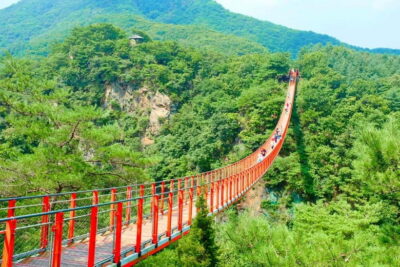
DMZ The 3rd Tunnel and Suspension Bridge Tour
Read the review →
Signature DMZ Tour: Exclusive Defector Talk & Suspension Bridge
Read the review →
Thrilling Korean DMZ 3rd Tunnel Tour from Seoul + Red Bridge Rush
Read the review →
DMZ Past and Present: Korean Demilitarized Zone Tour from Seoul
Read the review →Browse the lists this tour appears in