
Reviewed · DMZ TOURS
South Korea Demilitarized Zone, DMZ Tour from Seoul
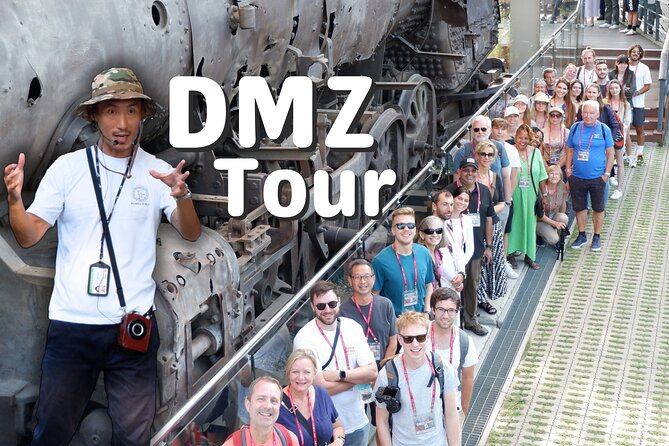
The Korean DMZ is not a theme park or a simple border photo stop. It is a heavily controlled strip of land shaped by war, separation, and the uneasy peace that followed. This early tour takes you from Seoul to Imjingak Park, the Third Tunnel, and Dora Observatory, where you can look toward North Korea and learn why this border still matters.
I like the early start because it helps you beat some of the crowds and military scheduling pressure. I also like the guides’ role: Winnie, Kenny, Grace, Stella, and Thomas Bae are repeatedly praised for clear English, humor, and strong historical explanations. The main drawback is the very early pickup, often around 6:00 to 6:50 a.m., plus the fact that the military can change or cancel the route without warning.
Key points to know before you book
- The Third Tunnel is the physical highlight: You walk downhill into a narrow former infiltration tunnel, then climb back out.
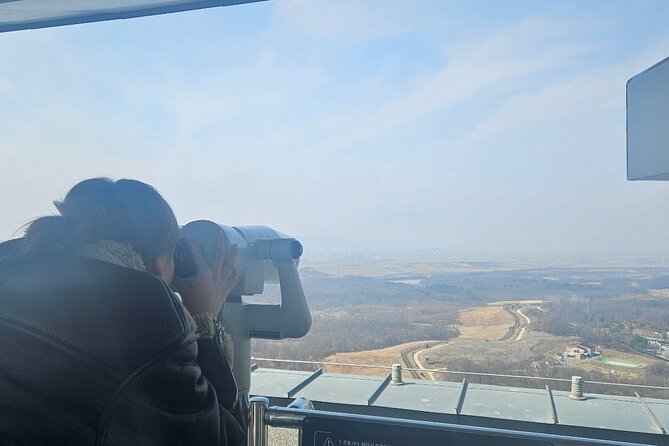
- Dora Observatory gives you a view toward North Korea: On a clear day, you may see Gaeseong, Songaksan, a Kim Il-Sung statue, and a cooperative farm.
- Early departure matters: A morning schedule can mean lighter crowds and a better chance of keeping the military-controlled itinerary on time.
- The guides make the history easier to follow: Kenny, Winnie, Grace, Stella, and Thomas Bae are noted for lively explanations and good English.
- There is no forced shopping stop: Your time is used for the DMZ program rather than an added retail visit.
- Bring your passport and sensible shoes: Passport checks are part of the process, and the tunnel requires a moderate level of fitness.
Why this Seoul DMZ tour is worth your morning
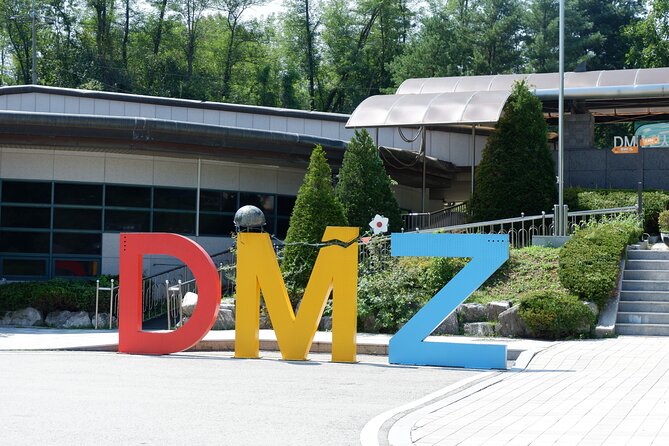
For many people, a visit to the Demilitarized Zone is the one day trip from Seoul that puts modern Korean life into perspective. Seoul’s towers, cafés, and polished neighborhoods can make the division of the peninsula feel distant. At the DMZ, it becomes physical: checkpoints, military rules, observation posts, warning signs, and a tunnel cut beneath the border area.
This tour costs about $30 per person, which is low for a seven-and-a-half-hour outing that includes transportation, admission fees, and a professional guide. You are paying for a full day outside Seoul without having to coordinate several difficult stops on your own.
The price is especially fair because the route includes the main sights most first-time visitors want: Imjingak Park, the DMZ exhibition area, the Third Tunnel, and Dora Observatory. The tour does not include the Joint Security Area, or JSA, so you should not book it expecting the formal blue conference buildings often associated with older DMZ programs.
The biggest value comes from the explanation between stops. A good guide can connect the Korean War, the division of North and South Korea, the tunnel discoveries, and current border restrictions. Kenny is often praised for making serious history understandable without turning the bus ride into a dry lecture. Winnie is described as both funny and attentive, while Grace is known for using videos and facts on the bus to make the journey more engaging.
More DMZ Tours in Seoul:
- Best DMZ Tour Korea from Seoul (Red Suspension Bridge Optional)
★ 5.0 · 41,422 reviews - DMZ Tour: 3rd Tunnel, Option(Suspension Bridge, Boat) from Seoul
★ 5.0 · 21,373 reviews - DMZ tour south Korea from Seoul (NK experience hall, defector)
★ 5.0 · 20,599 reviews
The early start from Seoul
This is not a sleep-in excursion. Pickup is arranged from your selected meeting point, and many departures begin between roughly 6:00 and 6:50 a.m. Hotel pickup and drop-off are not included, so you need to reach the designated location yourself.
That early hour is inconvenient, but it serves a purpose. The DMZ is controlled by the military, not by the tour company. Traffic, public holidays, visitor limits, military training, official visits, fog, snow, storms, and government orders can all affect access. Starting early gives the group more time to handle those limits.
You travel in an air-conditioned vehicle, which matters because the drive from Seoul and the movement between stops can take up much of the day. The vehicle also gives the guide room to explain the history before you reach the restricted area. Reviews of the experience repeatedly praise guides for using the ride well rather than leaving the group to sit quietly.
The group can be large, with a stated maximum of 500 people. Actual vehicle size and group arrangements can vary, but you should not expect a private or intimate tour. The tradeoff is cost: a group tour keeps the price down and makes transportation far easier than arranging a private car for a military-controlled area.
Imjingak Park and Pyeonghoa-Nuri Park
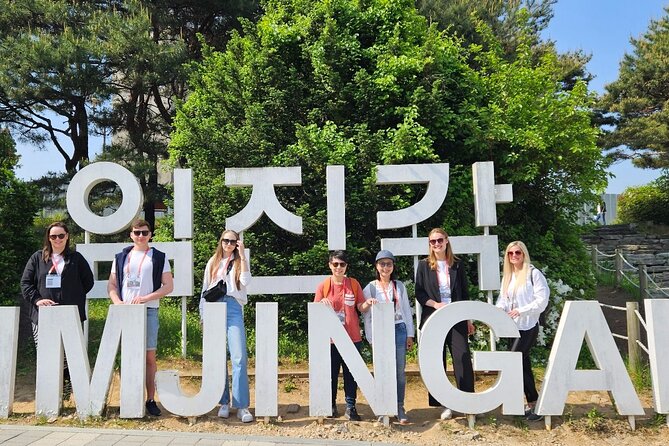
The first major stop is Imjingak, about 7 kilometers from the Military Demarcation Line. The park was built in 1972, during a period when families separated by the Korean division still hoped that reunification might one day be possible.
Imjingak is useful as an introduction because it presents the human side of the conflict. This is not yet the most restricted part of the route, so you have room to get your bearings and understand why the area became a center for Korean War memorials and reunification-related tourism.
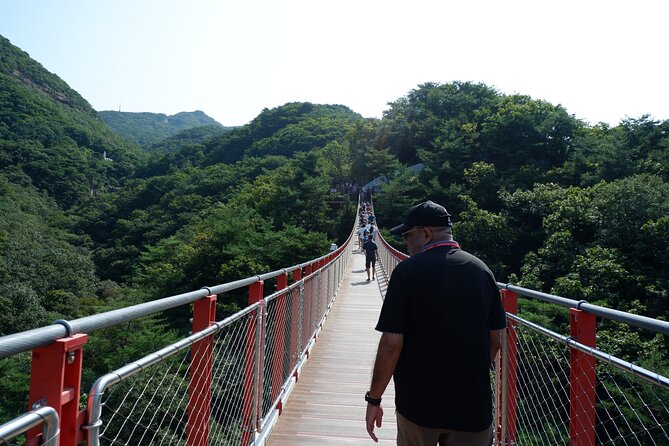
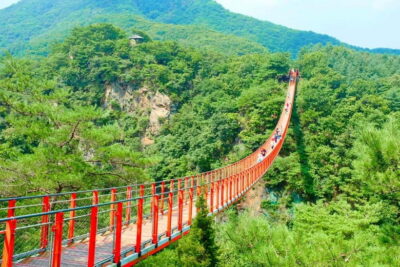
Allow about an hour here. Depending on the day’s arrangement, you may have time for nearby sights such as the Peace Park or a suspension bridge. Some departures have also included an optional gondola ride, but you should treat those additions as schedule-dependent rather than guaranteed parts of the core tour.
Imjingak can feel more open and visitor-friendly than the later DMZ stops. You may find refreshments and souvenirs available, which is useful if you have not eaten since dawn. Still, I would bring a small snack and drink because the day moves quickly and lunch is not included.
The DMZ exhibition and passport checkpoint
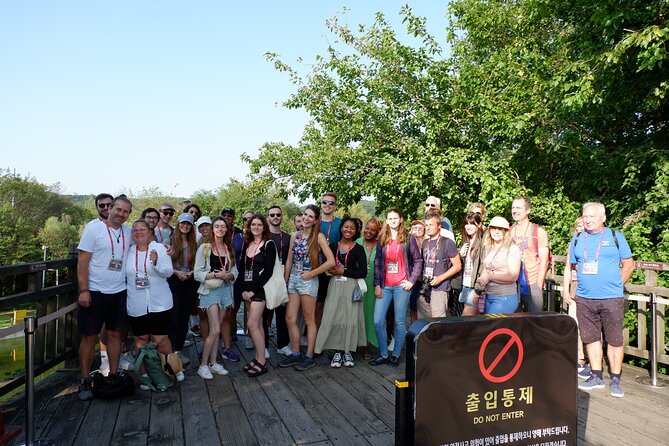
After Imjingak, the group moves toward the controlled DMZ area. Soldiers may check your passport, so carry your current valid passport with you. A photograph or copy is not described as an acceptable substitute, and you should follow the guide’s instructions carefully at every checkpoint.
The DMZ exhibition hall provides a short video and displays about the division of Korea and the painful history behind it. The visit lasts about 30 minutes. It is not a large museum, but it gives you essential context before the tunnel and observatory.
This stop matters because the DMZ can otherwise become a series of dramatic photo opportunities without much understanding. The exhibition helps explain why access is restricted, how the border came to exist, and why reunification remains such a sensitive subject.
Rules can change quickly. Photography restrictions may apply, including limits on taking pictures toward North Korea. One visitor found that photography was not allowed at the observatory on the day of the tour, even though the view was visible. The guide was able to provide previously taken images of the same area, but you should be prepared for the possibility that you cannot photograph everything you see.
More day trips out of Seoul:
- Thrilling Korean DMZ 3rd Tunnel Tour from Seoul + Red Bridge Rush
★ 5.0 · 3,097 reviews - DMZ Past and Present: Korean Demilitarized Zone Tour from Seoul
★ 5.0 · 2,481 reviews - Ultimate Korea DMZ Tour from Seoul (Gondola & Suspension Bridge)
★ 5.0 · 2,396 reviews - DMZ Tour from Seoul – Optional Suspension Bridge Experience
★ 5.0 · 1,918 reviews
Walking into the Third Tunnel
The Third Tunnel is the most active part of the day. South Korea discovered it in 1978, and it is described as about 1,635 meters long, 2 meters wide, and 2 meters high. The tunnel is around 52 kilometers from Seoul.
The basic idea is sobering. The tunnel was built underground and interpreted as an attempted route for military infiltration. Estimates suggest that around 30,000 soldiers could have moved through it in an hour. The exact details are best explained by your guide on the day, but the physical design tells its own story.
You walk downhill into the tunnel, then turn around and make the same climb back up. In places, the ceiling is low enough that taller people need to crouch. A hard hat is useful, not decorative. Wear proper walking shoes, and avoid flip-flops, slippers, and high heels.
The return climb is the part that catches people off guard. The route is not described as requiring athletic ability, but a moderate fitness level is advised. If you have knee, balance, or mobility concerns, consider how comfortable you are with a steep downhill walk followed by an uphill climb in a confined space.
The tunnel is not the place for a leisurely stroll. You will have about 40 minutes for the stop, including the approach and return. The tight passage and military purpose make it memorable, but they also mean this is less comfortable than the other stops.
Dora Observatory and the view toward North Korea
At Dora Observatory, you look across the border toward North Korea. The listed sights include Gaeseong, Songaksan, the Kim Il-Sung statue, and the Cooperation Farm at Geumamgol.
The quality of the view depends heavily on weather. Dense fog, storms, heavy snow, and other conditions can affect the route or make distant sights hard to see. Even on a clear day, the observatory is more about scale and perspective than close-up viewing. Bring realistic expectations: you are looking across a controlled border, not sightseeing in a neighboring city.
The observatory stop lasts about 30 minutes. The walk to the viewing area can include an uphill section, another reason to wear supportive shoes. Listen closely to the guide because the names and locations can be difficult to identify from the viewing platform alone.
Photography rules are subject to change. You may be able to take pictures, or you may be told not to point cameras toward particular areas. Treat military instructions as final. The experience is still worthwhile without a perfect photograph, since the main point is understanding what the border separates and how close the two Koreas remain geographically.
Dorasan Station and possible route changes
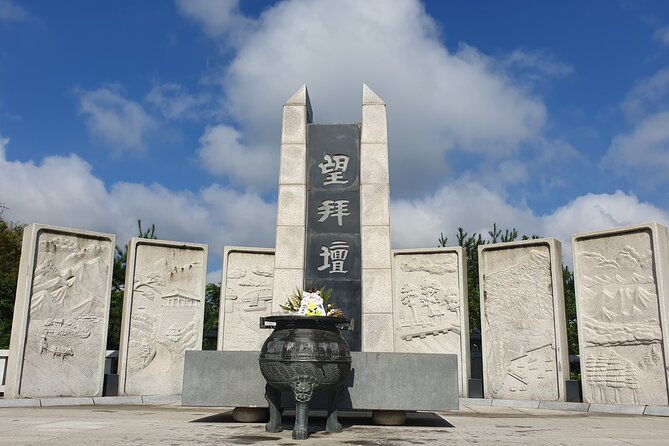
Dorasan Station is listed among the tour’s main highlights, although the detailed stop schedule emphasizes Imjingak, the DMZ exhibition, the Third Tunnel, and Dora Observatory. The station is tied to the hope of future connection between North and South Korea, making it a natural part of a tour focused on division and reunification.
Because the area is military-controlled, the schedule can change. On some days, limits on the number of people allowed into the DMZ may affect which stops are possible. Public holidays can bring especially high demand and tighter capacity.
If access is restricted, the alternative route may include Imjingak Park, Art Space BEAT 131, Odusan Unification Observatory, the War Memorial of Korea, and dismissal near City Hall or Myeongdong. This is not an equivalent substitute for the Third Tunnel or Dora Observatory, so you should book knowing that the official itinerary is never fully guaranteed.
The operator states that military closures and other events may lead to cancellations or changes without a refund. The separate cancellation policy allows you to cancel up to 24 hours before the start time for a full refund. If poor weather or an unmet minimum causes the operator to cancel, you may be offered another date, another experience, or a full refund. Military-related changes during the outing are a different matter, so read the conditions before booking.
What to eat, wear, and carry
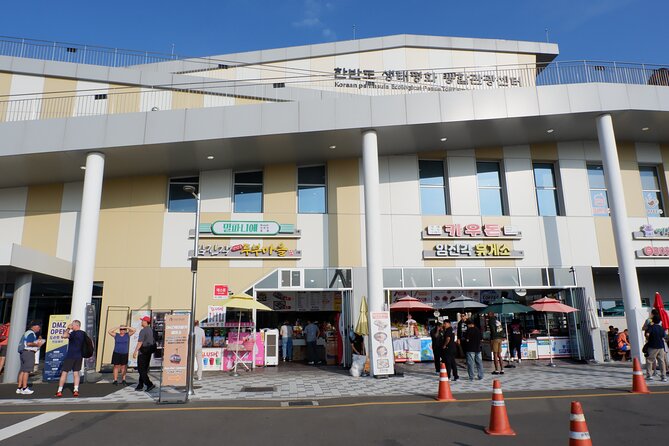
Lunch is not included. You may find chances to buy refreshments at stops, but I would carry water and a snack from Seoul. The early meeting time makes breakfast easy to overlook.
Your passport is essential. Keep it accessible but secure, since soldiers may check it before you enter the controlled area.
Wear walking shoes with a firm sole. The Third Tunnel has a steep return climb and low sections that require crouching. The observatory may also involve an uphill walk. Flip-flops, slippers, and heels are specifically discouraged.
An air-conditioned vehicle makes the ride comfortable, but conditions at outdoor stops can vary. A light layer is useful, especially for an early start and exposed viewing areas. Photography equipment is fine when permitted, but do not assume every stop allows photos.
Who will enjoy this tour most
I would recommend this tour to first-time visitors to Seoul who want a clear introduction to the Korean division without spending several days on military history. It suits history fans, families with older children, and anyone working with a short Seoul itinerary.
The guides’ friendly style also helps. Winnie has been praised for keeping both an 8-year-old and a 70-year-old comfortable, while Kenny is known for mixing jokes with serious explanations. That does not remove the physical demands of the tunnel, but it suggests the tour can work well for a mixed-age group when everyone can manage the walking.
You may want a different experience if you dislike early mornings, large groups, fixed schedules, or the possibility of last-minute changes. The tour is not ideal for anyone seeking a quiet, private visit or a guaranteed JSA entry.
Is $30 a fair price?
Yes, assuming the main DMZ route operates. For about $30, you receive round-trip transportation from a Seoul meeting point, admission fees, an air-conditioned vehicle, and a guide for roughly 7.5 hours.
The value drops if military restrictions force a major route change, especially if the Third Tunnel and Dora Observatory are unavailable. Still, the alternative itinerary includes other sites connected to Korean division and war history, and the guide remains an important part of the day.
You also avoid the common frustration of a shopping stop. That keeps the schedule focused on the stated purpose of the outing. Lunch, insurance, and hotel transfers are not covered, so add those costs and a little planning time when comparing this tour with more expensive options.
Should you book the Seoul DMZ tour?
Book it if you want the main DMZ sights at a low price, prefer a guided historical explanation, and can handle an early morning plus the Third Tunnel walk. Winnie, Kenny, Grace, Stella, and Thomas Bae are all associated with the kind of warm, clear guiding this tour needs.
Skip it if the JSA is your main goal, if you need a private itinerary, or if a military closure would ruin the day for you. The best attitude is flexible: arrive with your passport, good shoes, and an understanding that the border sets the rules.
For most first-time visitors to Seoul, I think this is a strong use of one morning and afternoon. It gives you more than a distant glimpse of North Korea. It lets you feel the awkward distance between two countries that remain close enough to see, yet politically worlds apart.
FAQ
How long does the DMZ tour from Seoul last?
The tour lasts approximately 7 hours and 30 minutes. Some departures run from about 6:30 a.m. to 3:00 p.m., though exact times can vary.
What places are included?
The main route includes Imjingak Park, the DMZ exhibition area, the Third Tunnel, Dora Observatory, and Dorasan Station as a listed highlight. Military access and scheduling can change the final order or selection of stops.
Is the Joint Security Area included?
No. The visit to the Joint Security Area, or JSA, is not included in this experience.
Do I need my passport?
Yes. You must bring a current valid passport on the day of the tour because soldiers may check passports before entry into the DMZ area.
Is lunch included?
No. Lunch is not included. Refreshments may be available at stops, but bringing your own snack and drink is recommended.
Does the tour include hotel pickup and drop-off?
No. Pickup is arranged from your selected designated meeting point. Hotel pickup and drop-off are not included.
How difficult is the Third Tunnel?
You should have a moderate fitness level. The route includes a downhill walk, a return uphill climb, and low sections where taller people may need to crouch. Supportive walking shoes are recommended.
Can the tour be canceled or changed?
Yes. The DMZ is operated by the military, so weather, traffic, government orders, military training, official visits, strikes, and other unforeseen events can change or cancel the itinerary. If you cancel at least 24 hours before the start time, you can receive a full refund under the stated cancellation policy.
Recently added around Seoul
- Nami & Maple Road & Theatre des Lumieres Day Tour from Seoul★ 4.8 · 4 reviews
- Gyeongbokgung Palace Photo Session with your own phone★ 5.0 · 4 reviews
- Private Tour around Suwon UNESCO Fortress and Korea Folks Village★ 4.5 · 4 reviews
- N Seoul Tower + Namsan Cable Car Ticket (Collect in Myeongdong)★ 3.5 · 4 reviews
- Jisan Forest Resort: Ski Full-Day Tour or Shuttle from Seoul★ 5.0 · 4 reviews
- Seoul: Deoksugung Palace Night Tour★ 4.5 · 4 reviews
- Seoul Private Walking Tour with a Local★ 5.0 · 4 reviews
- Private Jeonju Hanok Village – Culinary tour★ 5.0 · 4 reviews
DMZ Tours, compared.
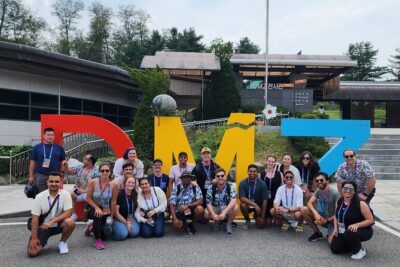
Best DMZ Tour Korea from Seoul (Red Suspension Bridge Optional)
Read the review →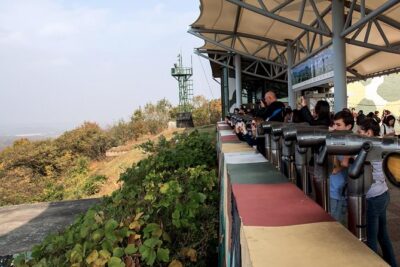
DMZ Tour: 3rd Tunnel, Option(Suspension Bridge, Boat) from Seoul
Read the review →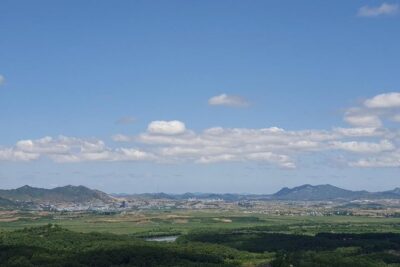
DMZ tour south Korea from Seoul (NK experience hall, defector)
Read the review →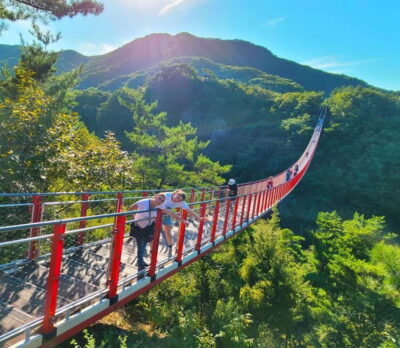
DMZ Insider Tour: 3rd Tunnel, NK Defector Meet & Red Bridge
Read the review →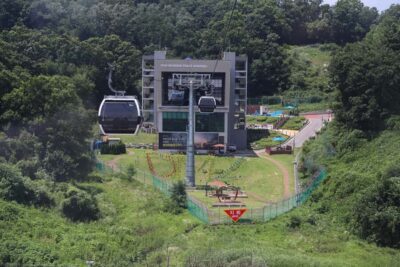
DMZ The 3rd Tunnel and Suspension Bridge Tour
Read the review →
Signature DMZ Tour: Exclusive Defector Talk & Suspension Bridge
Read the review →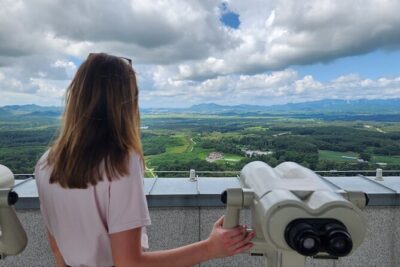
Thrilling Korean DMZ 3rd Tunnel Tour from Seoul + Red Bridge Rush
Read the review →Browse the lists this tour appears in