
Reviewed · SEOUL TOURS
Master Korean traditional cooking with a Kimchi chef
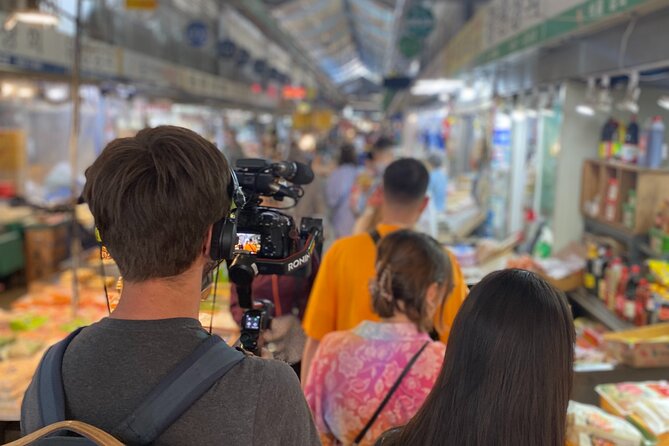
Seoul’s Gyeongdong Market is the star of this cooking class. Before you chop, stir, and sit down to eat, you walk through one of the city’s biggest food and herbal markets with your chef, buying ingredients for the day’s menu. I like that the market visit gives you a clear sense of where Korean cooking begins, and I like the hands-on format, which lets you prepare small portions of every dish rather than watch a long demonstration. The main thing to check is the day you book, since the menu changes sharply from kimchi to samgyetang, bibimbap, bulgogi, or desserts.
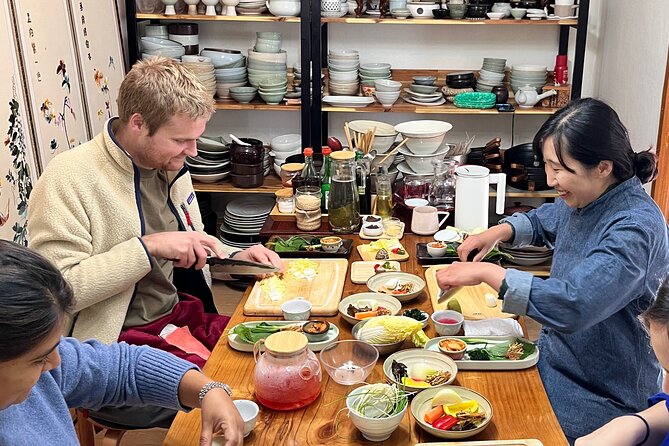
I also like the intimate setup, usually limited to seven participants, and the chance to cook in a Korean-style home or nearby cooking studio instead of a restaurant classroom. English instruction has been described as clear, and Chef Minseon is especially noted for her patience and friendly teaching. The meeting point can be tricky to find if you do not know the area, so arrive early at Jegidong Station Exit 2 and keep your confirmation details handy.
Key points to know before booking
- The market comes first: Walk through Gyeongdong Market and buy the ingredients used in your class.
- Your menu depends on the day: Thursday focuses on kimchi, while Tuesday and Saturday combine bulgogi, japchae, and doenjang jjigae.
- You cook the meal yourself: This is a hands-on class, not a demonstration where you simply watch.
- The group is kept small: The experience is described as limited to seven people, creating plenty of room for help at the stove.
- Dietary choices are available: Vegan and halal options can be arranged.
- You eat what you make: Lunch, dinner, or dessert is included depending on the class selection and time.
Why the market walk makes this class worthwhile
Many Korean cooking classes begin after the ingredients have already been measured and laid out. That is convenient, but it skips an important part of food culture. Here, you start at Gyeongdong Market, also called Seoul Oriental Medicine Market, where food stalls and traditional medicinal goods share the same broad market area.
Your chef leads the way and explains the ingredients as you shop. You might see unfamiliar vegetables, spices, sauces, dried goods, and medicinal products before they appear on your cutting board. The market is also a useful place to learn how Korean cooks think about ingredients: not simply as isolated items, but as parts of a meal with contrasting colors, textures, heat, sweetness, and fermented flavor.
The market can feel large and confusing, which is part of its appeal and part of the practical challenge. You are not being led through Seoul’s best-known sightseeing district. You are heading into a working neighborhood where the focus is food and daily trade. That makes the walk feel more connected to ordinary Seoul life than a polished food tasting route.
Allow yourself enough time to reach the station and meeting point. The official start is 10 a.m. at Jegidong Station Exit 2. One participant had trouble finding the meeting place, though Chef Minseon helped them locate the group. That is a good reason to arrive a little before 10, rather than racing through the station at the last minute.
More Cooking Classes in Seoul:
- Local Home Korean Cooking Class & Market Adventure in Seoul
★ 5.0 · 1,024 reviews - Seoul: Korean Cooking Class at a Local Home and Market Tour
★ 5.0 · 348 reviews - Seoul: Korean Cooking at Seoul Cooking Club!
★ 5.0 · 311 reviews
Inside the Korean-style cooking space
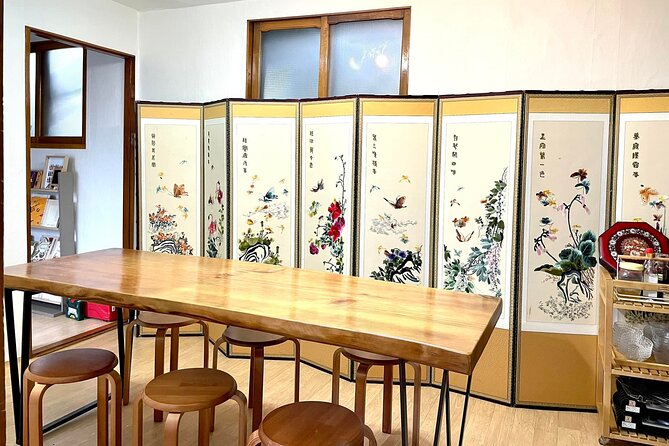
After shopping, the group walks to the cooking venue in a nearby neighborhood. The experience describes it as a traditional Korean-style house, while some class descriptions refer to a modern, well-equipped studio close to the market. Either way, the point is to move from the market into a dedicated kitchen where you can work at a comfortable pace.
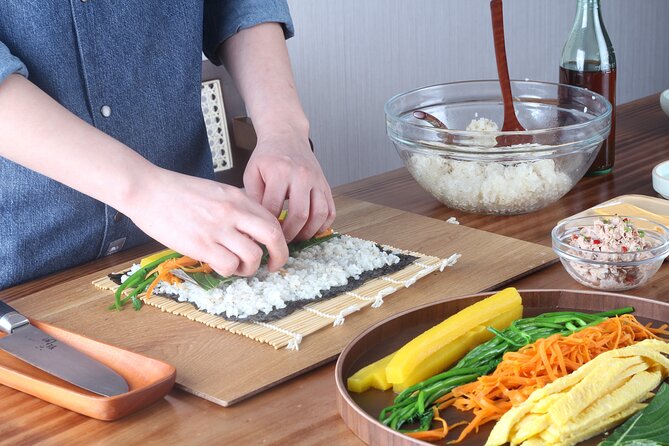
You receive instruction on the dishes planned for your chosen day. The best feature here is the amount of participation. Each person prepares portions of the full menu, rather than taking part in only one small task while the chef does the rest. That matters if you want to repeat the recipes at home.
The instructors focus on practical steps and keep an eye on the group as you work. You can expect help with preparation, seasoning, and cooking techniques. The class is suitable for people who do not consider themselves cooks, since the teaching is described as patient and easy to follow. You still need to take part, so this is not the right choice if you want a completely passive food tour.
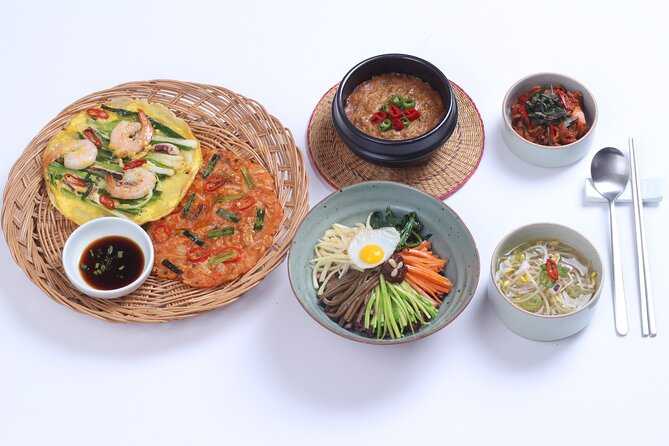
The menu is made up of three different items, although some participants have prepared four dishes during a session. The exact number can depend on the day’s plan and how the cooking is organized. Expect a generous amount of food, with enough for a full meal and, in some cases, leftovers to take away.
Choose the right day for your Korean meal
The day you select is the most important booking decision. The class does not offer one fixed menu every day.
Monday: samgyetang
Monday’s class focuses on samgyetang, a traditional Korean chicken and ginseng soup. This is a useful choice if you want to learn about a well-known comfort dish and the balance between broth, aromatics, and filling ingredients.
A few more Seoul half-days to weigh up
- Best DMZ Tour Korea from Seoul (Red Suspension Bridge Optional)
★ 5.0 · 41,422 reviews - DMZ Tour: 3rd Tunnel, Option(Suspension Bridge, Boat) from Seoul
★ 5.0 · 21,373 reviews - DMZ tour south Korea from Seoul (NK experience hall, defector)
★ 5.0 · 20,599 reviews - Seoul: DMZ Tour with Optional Suspension Bridge
★ 4.8 · 5,277 reviews
Tuesday and Saturday: bulgogi, japchae, and doenjang jjigae
These days offer a broad introduction to Korean home cooking. Bulgogi brings marinated meat and sweet-savory seasoning. Japchae introduces glass noodles with vegetables, while doenjang jjigae shows you how fermented soybean paste gives a stew its deep flavor.
Together, these dishes create a full meal with different textures and cooking methods. If you want the widest sample of everyday Korean food, Tuesday or Saturday is likely the strongest pick.
Thursday: kimchi
Thursday is the day to choose if kimchi is your main reason for booking. The class centers on making kimchi, giving you a closer look at one of Korea’s defining foods and its fermentation tradition.
Do not assume that every day includes a full kimchi-making session. The schedule specifically assigns kimchi to Thursday, so check the date before paying if this is the dish you want.
Friday: bibimbap
Friday’s class prepares bibimbap. You learn how separate vegetables, seasonings, and other ingredients come together in one bowl. The class is also a good fit if you want a dish that is relatively simple to recreate at home.
Traditional ingredients are used, and the hands-on approach lets you see how the individual parts are prepared before they are combined. It is a colorful and practical introduction to Korean cooking without requiring a long list of complicated techniques.
Sunday: Korean desserts
Sunday is reserved for a variety of Korean desserts. Choose this option if you prefer sweets to a savory lunch. A participant also described sampling traditional Korean donuts during the market portion, though you should treat that as an occasional part of the outing rather than a guaranteed inclusion.
Because the dessert class is different from the savory sessions, confirm exactly what is included when you book. The general format remains the same: market visit, cooking instruction, and time to eat what you prepare.
What the three and a half hours feel like
The experience lasts about three hours and 30 minutes, beginning at 10 a.m. The morning starts at Jegidong Station, followed by the market walk and shopping. Once the ingredients are gathered, you move to the cooking space for preparation and instruction.
The pace is active but not rushed. You will spend time walking, listening, chopping, seasoning, cooking, and eating. Morning tea is included on all class days, giving the group a short chance to settle in and get acquainted.
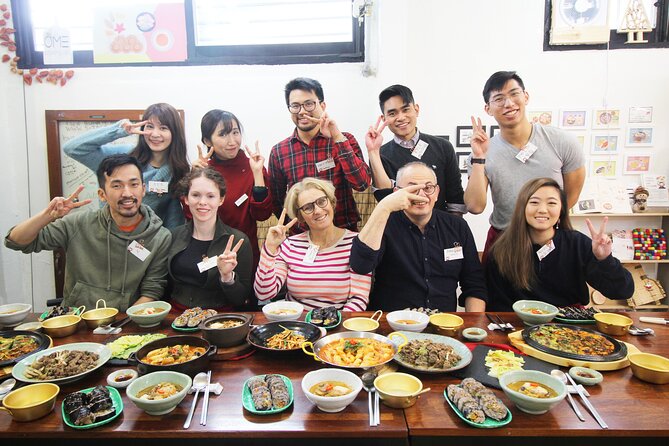
At the end, everyone sits down to share the finished meal. This final table time is more than a quick taste. It gives you a chance to compare results, ask last questions, and talk with the chef and other participants. The class ends back at the station meeting point, so you can continue sightseeing from there.
The timing works well for a morning activity followed by an afternoon in Seoul. It is less convenient if you have a tightly packed morning schedule, since the market and meal are central to the experience and should not be hurried.
The teaching style and English support
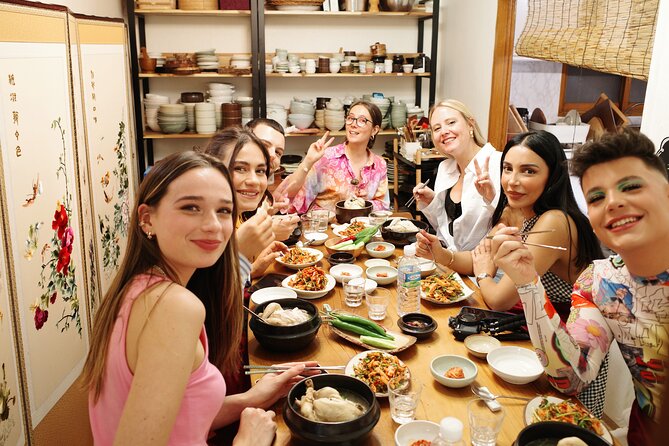
The chef acts as both guide and instructor. That gives the experience a natural flow: you hear about an ingredient in the market, then use it in the kitchen a short time later.
Chef Minseon is named repeatedly in the available information and is described as friendly, communicative, patient, and clear in English. Other instructors may lead the class depending on the date, so her presence should not be treated as guaranteed unless the provider confirms it.
The class is designed to keep people involved. The chef introduces participants, explains the ingredients, and helps individuals as they work. That is valuable in a small kitchen, where a short correction at the right moment can make the difference between a dish that tastes balanced and one that needs rescuing.
You also receive a recipe book in some versions of the class. Since this detail is not presented as a guaranteed inclusion for every booking, ask about it if taking recipes home matters to you. Either way, the dishes are intended to be manageable outside the class, not restaurant tricks requiring specialist equipment.
Value at $85 per person
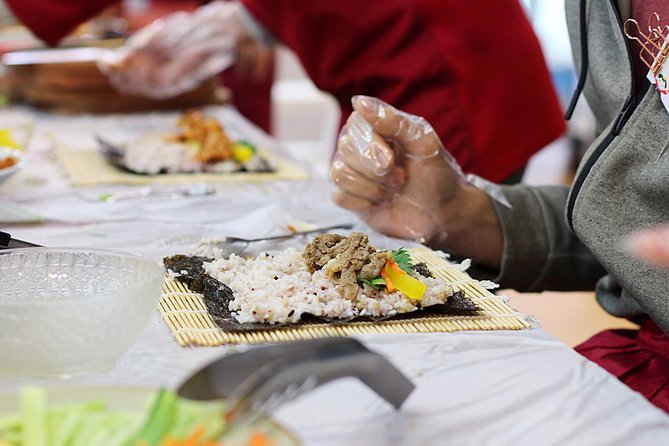
At $85, this is not the cheapest meal in Seoul. You are paying for more than lunch, though. The price covers a local guide, the market walk, the ingredients, the cooking lesson, tea, and the meal or dessert you prepare.
The value is strongest if you would otherwise book both a food tour and a cooking class. You get a look at a major local market, cultural context from the chef, practical instruction, and a substantial meal in one three-and-a-half-hour outing.
The small-group format also matters. With a limit of seven people, the chef can watch how each person handles the recipes and offer individual help. The booking information also refers to a maximum of 10 people per booking and describes the activity as private, with only your group participating. Those details do not line up perfectly with the small-group limit, so confirm the expected group size when booking, especially if privacy is important to you.
The cost may feel high if your only goal is to eat Korean food. Seoul offers plenty of inexpensive meals. This class earns its price through the market access, instruction, and the ability to recreate the food later.
Dietary needs, ages, and practical limits
Vegan and halal options are available, but you should request your preference when booking rather than wait until the morning of the class. The menu changes by day, so also confirm which dishes can be adapted for your needs.
Participants over 14 are charged the adult price. Up to one child may join each class, but children under six are not accepted for safety reasons. This makes the experience workable for some families, though the hands-on kitchen format may suit older children and teenagers better.
Subway station pickup and drop-off are not included. You meet at Jegidong Station and return to the same meeting point at the end. The location is near public transportation, but you are responsible for reaching the station.
Mobile tickets make it easy to carry your confirmation on your phone. Confirmation is sent within 48 hours of booking, subject to availability. Since the activity requires a minimum number of participants, the provider may offer another date or a full refund if the class cannot run.
Free cancellation is available up to 24 hours before the start time. Cancellations or changes made inside that 24-hour window are not refunded or accepted.
Who will enjoy this class most
I would choose this experience if you want a food activity with real participation and a clear link to local life. It suits solo participants, couples, families with older children, and small groups who enjoy learning by doing.
It is particularly good for you if:
- You want to visit a market outside Seoul’s standard sightseeing circuit.
- You prefer cooking to a restaurant meal alone.
- You want recipes that can be attempted at home.
- You need vegan or halal food arrangements.
- You enjoy meeting a small group around a shared table.
- You want to understand Korean sauces, fermented flavors, and staple ingredients.
It may not suit you if you dislike walking, have limited time before another appointment, or want to choose the menu freely. The day determines the food, and the market portion is part of the class rather than an optional extra.
Is the Korean cooking class worth booking?
Yes, for most food-focused visitors who want more than a single meal. The market visit gives the class a strong sense of place, and the hands-on cooking makes the experience useful after you leave Seoul. You also get a full meal, tea, a local guide, and a small-group setting for $85.
Book Thursday if kimchi is your priority. Choose Tuesday or Saturday for the broadest savory menu, Friday for bibimbap, Monday for samgyetang, and Sunday for Korean sweets. Arrive early at Jegidong Station Exit 2, confirm your dietary needs and group size, and leave the rest of the morning free. This is a practical, friendly introduction to Korean food that sends you home with more than a full stomach.
FAQ
Where does the Korean cooking class start?
The class starts at Jegidong Station Exit 2 in Seoul, near the Seoul Oriental Medicine Market.
What time does the experience begin?
The start time is 10 a.m. You should arrive a little before then so you can find the meeting point without rushing.
How long does the experience last?
The experience lasts approximately three hours and 30 minutes.
What market do you visit?
The itinerary includes Gyeongdong Market, also known as the Seoul Oriental Medicine Market.
Do I cook the dishes myself?
Yes. This is a hands-on class. You prepare portions of the menu with help from the chef and then eat the finished food.
What dishes are made on Thursday?
Thursday’s class focuses on kimchi.
What dishes are made on Tuesday and Saturday?
Tuesday and Saturday classes include bulgogi, japchae, and doenjang jjigae.
Are vegan and halal options available?
Yes. Vegan and halal options are available, but you should arrange your preference when booking.
Is food included?
Yes. Lunch, dinner, or dessert is included, depending on the class selection and time. Morning tea is included on all tours.
Can I cancel for a full refund?
Yes. You can cancel at least 24 hours before the start time for a full refund. Cancellations or changes made less than 24 hours before the start time are not accepted or refunded.
Recently added around Seoul
- Nami & Maple Road & Theatre des Lumieres Day Tour from Seoul★ 4.8 · 4 reviews
- Gyeongbokgung Palace Photo Session with your own phone★ 5.0 · 4 reviews
- Private Tour around Suwon UNESCO Fortress and Korea Folks Village★ 4.5 · 4 reviews
- N Seoul Tower + Namsan Cable Car Ticket (Collect in Myeongdong)★ 3.5 · 4 reviews
- Jisan Forest Resort: Ski Full-Day Tour or Shuttle from Seoul★ 5.0 · 4 reviews
- Seoul: Deoksugung Palace Night Tour★ 4.5 · 4 reviews
- Seoul Private Walking Tour with a Local★ 5.0 · 4 reviews
- Private Jeonju Hanok Village – Culinary tour★ 5.0 · 4 reviews
Seoul Tours, compared.
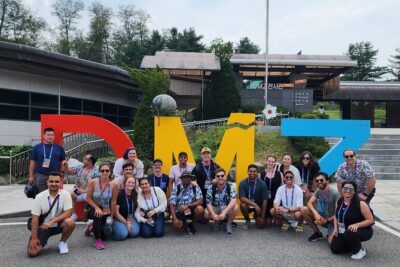
Best DMZ Tour Korea from Seoul (Red Suspension Bridge Optional)
Read the review →
DMZ Tour: 3rd Tunnel, Option(Suspension Bridge, Boat) from Seoul
Read the review →
DMZ tour south Korea from Seoul (NK experience hall, defector)
Read the review →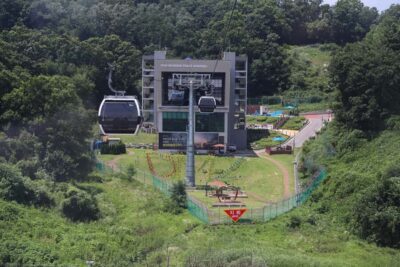

DMZ The 3rd Tunnel and Suspension Bridge Tour
Read the review →
Signature DMZ Tour: Exclusive Defector Talk & Suspension Bridge
Read the review →
Thrilling Korean DMZ 3rd Tunnel Tour from Seoul + Red Bridge Rush
Read the review →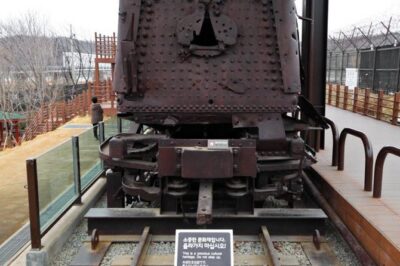
DMZ Past and Present: Korean Demilitarized Zone Tour from Seoul
Read the review →Browse the lists this tour appears in