
Reviewed · DMZ TOURS
DMZ Tour w/ North Korea Experience Hall & Opt. Suspension Bridge
The most striking part of this DMZ tour is the chance to walk through the Third Tunnel, a narrow route secretly built by North Korea beneath the border. You also look across the divide from Dora Observatory, where telescopes point toward North Korea’s propaganda village. It is an unusual day trip, part museum visit, part border crossing, and part hard reality check.
I like two things here. First, the operator handles the difficult logistics, including transport, admission, and the rules that govern access to the DMZ. Second, the North Korea Experience Hall adds useful context before or around the border stops, so the visit feels like more than a quick photo stop.
The main drawback is that the route can change with little notice because the DMZ is an active military area. You may also face an early pickup, crowds, and a strenuous walk through the tunnel. The optional bridge is weather-dependent, and Dora Observatory can close during security restrictions.
Key points to know before you book
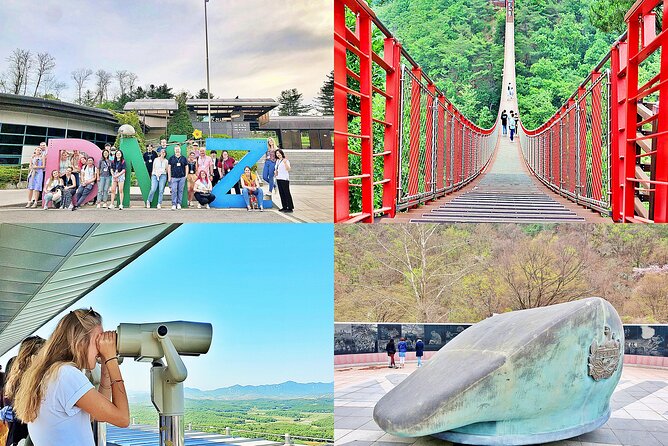
- Walk 500 meters inside the Third Tunnel: The tunnel slopes down sharply, and the return climb can be demanding.
- See North Korea from Dora Observatory: Telescopes offer views toward Kijŏng-dong and its large flagpole on clear days.
- Learn more at the North Korea Experience Hall: This newer stop gives you a more focused look at life and politics north of the border.
- Choose the suspension bridge option carefully: Gamaksan Chulleong Bridge adds about an hour, but it can close for rain, snow, or military controls.
- Bring your passport: A current valid passport is required on the day of the tour.
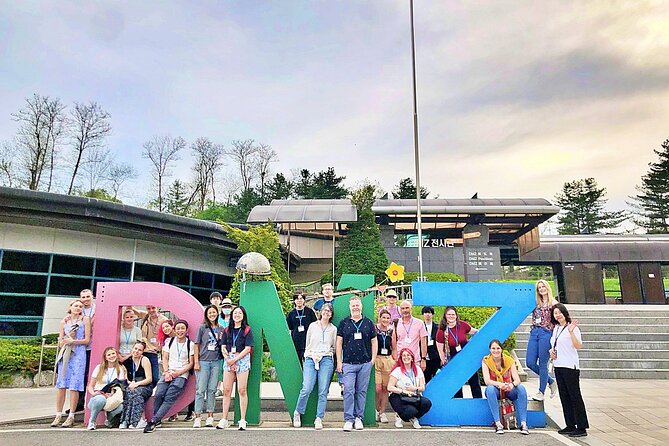
- Expect a group of up to 40 people: The day is organized and efficient, but it is not a private tour.
Why this Seoul day trip is different
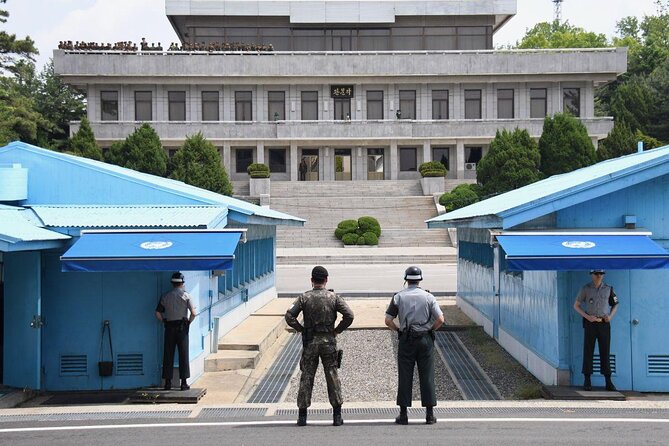
The DMZ is only about 52 kilometers from Seoul, yet it feels far removed from the city’s cafés, palaces, and shopping streets. You are visiting a border zone that remains politically sensitive and militarily controlled. That fact shapes the entire day.
You cannot simply wander into the DMZ on your own. A guided tour is required, and the operator manages the transport, entrance procedures, and changing access rules. For $55 per person, the value is less about luxury and more about making a difficult visit possible without spending hours arranging each part yourself.
I would think of this as a long educational excursion rather than a relaxed sightseeing trip. The advertised duration is about 7 hours and 30 minutes, with the day beginning and ending around City Hall Station. Delays or shortened visits can happen if military controls, weather, or other conditions affect access.
The tour generally includes a professional guide, transport from designated central Seoul pickup points, and admission fees for the included stops. Food, drinks, lunch, hotel pickup, and hotel drop-off are not included. Bring money for refreshments, since there is no proper lunch break built into the schedule.
More DMZ Tours in Seoul:
- Best DMZ Tour Korea from Seoul (Red Suspension Bridge Optional)
★ 5.0 · 41,422 reviews - DMZ Tour: 3rd Tunnel, Option(Suspension Bridge, Boat) from Seoul
★ 5.0 · 21,373 reviews - DMZ tour south Korea from Seoul (NK experience hall, defector)
★ 5.0 · 20,599 reviews
Starting at City Hall and heading north
The meeting point is at City Hall Station in central Seoul. Some limited pickup locations may be available, but you should not expect collection from an airport, cruise port, or any hotel you choose. Read the final meeting instructions closely, since early departure times are common.
This matters because DMZ entry can be limited by capacity and security procedures. A booking time that appears to be later may sometimes be adjusted earlier so the group has a better chance of entering. One practical lesson is simple: keep the morning flexible and check your messages before bed.
Transport is by vehicle or bus, and some groups may transfer into a larger tour bus after the first pickup. The journey gives your guide time to explain the Korean War, the division of the peninsula, and the difference between the DMZ as a military zone and the Civilian Control Zone around it.
Guides named in feedback include Junie, Brian, Mr. Young, Veronica, Youngmi, and Sookhee. The strongest experiences depend heavily on the guide assigned to your group. Junie is described as clear and attentive, while Brian and Mr. Young are noted for mixing historical explanation with humor. English ability can vary, so the quality of commentary is not completely predictable.
Imjingak Peace Park and the Freedom Bridge
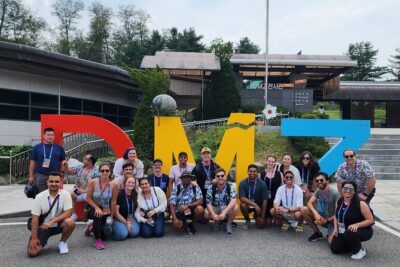
Imjingak Pyeonghwa-Nuri Park is usually the first major stop. It was created as a place of comfort for people separated from their homes and families in North Korea after the Korean War. The park’s purpose gives the visit a human scale before you reach the military zone.
You see monuments connected with the war, including the Freedom Bridge and a soldiers’ memorial. The Freedom Bridge was used by prisoners of war and returning soldiers after the fighting ended. Even if you have limited time here, the site helps explain why the DMZ is not merely a Cold War curiosity.
I like this stop because it gives you space to pause. The border story can otherwise become a string of military facts and observation points. At Imjingak, the focus turns toward families, missing relatives, remembrance, and the long separation of ordinary people.
The usual visit lasts about 30 minutes. That is enough to see the main memorial areas, but not enough for a slow wander through every part of the park. Comfortable shoes help from the beginning, since the full day includes regular walking.
The North Korea Experience Hall
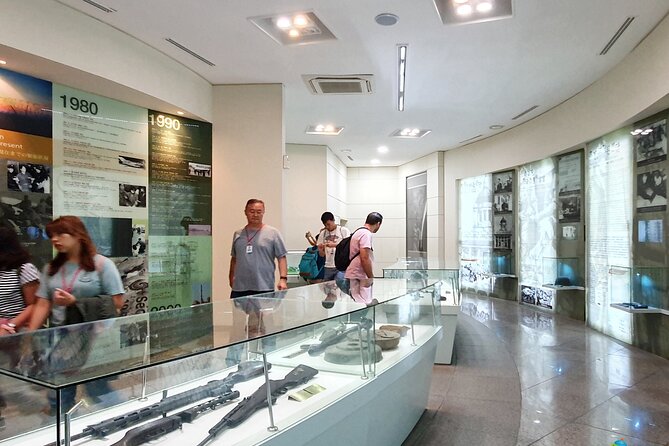
The North Korea Experience Hall is one of the more useful additions to this route. It is designed to give you a clearer, more educational introduction to North Korea, rather than leaving you to form an impression from a distant village seen through binoculars.
Expect exhibits and material focused on North Korea’s society, history, and political setting. The exact presentation can change, but the stop helps bridge the gap between the memorials at Imjingak and the controlled views from Dora Observatory.
I find this especially helpful if you know little about the peninsula beyond the headlines. It gives your guide a place to explain the division in more detail and helps you understand why the border remains tense decades after the 1953 armistice.
The stop lasts about 30 minutes and does not require a separate admission fee. On Mondays, public holidays, or days when the regular DMZ sites are closed, this hall becomes part of a special replacement route. That flexibility is useful, though you should accept that the exact sequence may change without notice.
More Suspension Bridge Tours in Seoul:
- Seoul: DMZ Tour with Optional Suspension Bridge
★ 4.8 · 5,277 reviews - Seoul: DMZ The 3rd Tunnel and Suspension Bridge Tour
★ 5.0 · 4,656 reviews - Signature DMZ Tour: Exclusive Defector Talk & Suspension Bridge
★ 5.0 · 4,459 reviews - Ultimate Korea DMZ Tour from Seoul (Gondola & Suspension Bridge)
★ 5.0 · 2,396 reviews
Dora Observatory and the view into North Korea
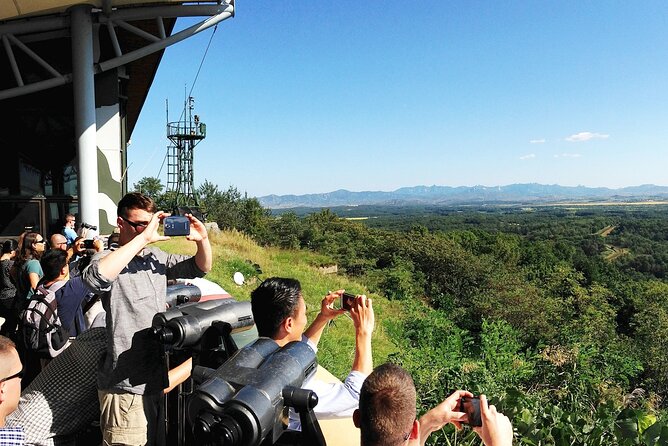
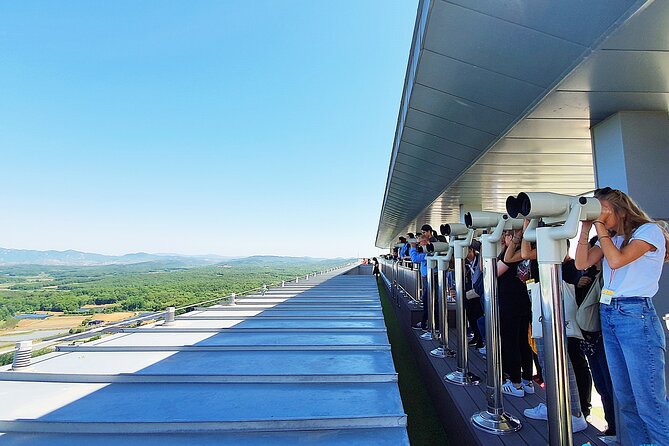
Dora Observatory provides one of the day’s most unusual moments. From the viewing area, you look north through telescopes toward North Korean territory. On a clear day, you may see Kijŏng-dong, often described as a propaganda village, and its prominent flagpole.
Do not expect a close or detailed view of daily life. This is a distant border view, and weather can make the scene hazy. The telescopes are the key feature, with different heights to make viewing easier for people of different sizes.
The importance of Dora Observatory is not simply what you can see. It makes the division physical. You are looking at a country that is close enough to appear across the fields, yet access and communication between the two sides remain tightly controlled.
The scheduled visit lasts around 40 minutes. That can feel short if the viewing area is crowded, especially when several tour groups arrive together. Follow your guide’s instructions and move efficiently between the viewing area and the bus.
Dora Observatory is also one of the stops most vulnerable to closure. Military operations, weather, or security concerns can block access. In recent periods, restrictions connected with border tensions, including balloon activity, have affected observation access. If this happens, the operator may substitute Odusan Unification Observatory, the DMZ Peace Gondola, or another approved site.
Walking through the Third Tunnel
The Third Tunnel is the physical heart of the tour. North Korea built it in the 1970s as part of an effort to create a route into South Korea. It was discovered in 1978, and its location is only about 52 kilometers from Seoul.
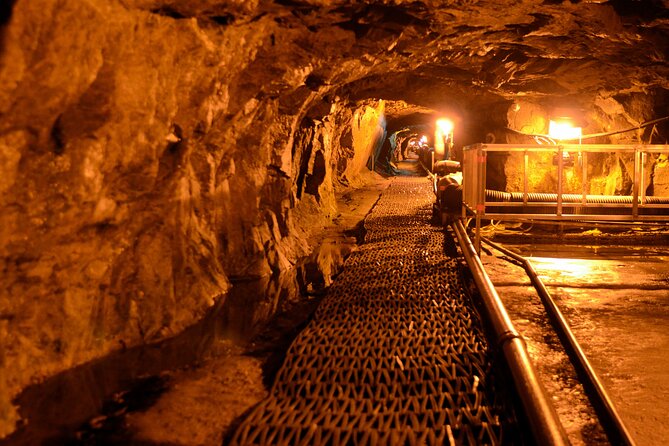
You receive a safety helmet before entering. The walking section inside the tunnel extends about 500 meters, although the route is not a flat stroll. You first go down a long, steep slope, then walk through the low tunnel toward the restricted section. The return climb is the harder part.
The tunnel is narrow enough that many people need to watch their head and pace. Its scale and purpose make it memorable, but there are no grand displays inside. The effect comes from the cramped passage, the underground setting, and the knowledge that it was built for military use.
You can wait outside if you have claustrophobia or do not feel able to manage the slope. The tour information specifically warns that the tunnel is not recommended for people with claustrophobia or limited physical fitness. Older visitors may prefer to remain above ground rather than struggle with the descent and climb.
Wear walking shoes with a good grip. Avoid assuming that a normal city sightseeing outfit will be enough, especially if you have knee, balance, or breathing problems. This is the one stop where physical comfort can shape your entire day.
The DMZ Exhibition Hall and Unification Village
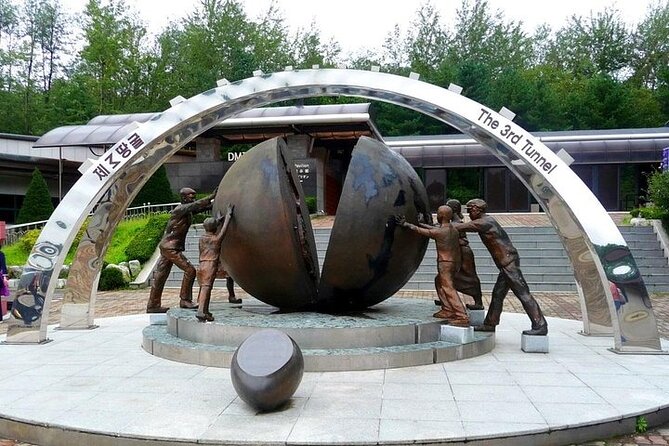
The tunnel visit is paired with the DMZ Exhibition Hall, where you can see Korean War relics and watch a short film about Korea’s division. This gives you the background that the tunnel itself cannot provide.
The exhibition is not a large museum, so do not expect hours of displays. Its value is in making the military site easier to understand. After seeing the underground passage, you can connect it to the broader story of the war, the armistice, and the continuing separation of North and South Korea.
The route also includes views or visits connected with Unification Village. This is an area where South Korean residents live close to the border under unusual rules and security conditions. Access and viewing details can vary, so listen to the guide rather than expecting a fully independent visit.
Together, the tunnel, exhibition hall, and village show three sides of the DMZ: military planning, public memory, and present-day life near the border.
Adding Gamaksan Chulleong Suspension Bridge
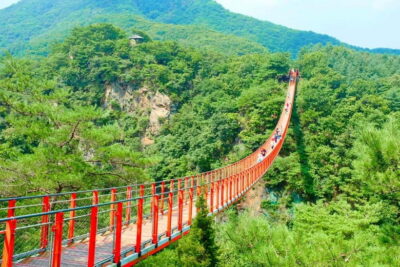
The optional Gamaksan Chulleong Suspension Bridge changes the mood of the day. After several hours of war memorials and border history, you head into a mountain setting and cross one of South Korea’s longest suspension bridges.
The bridge opened in 2016 and is associated with Gamaksan Mountain. The crossing offers a high view over the surrounding area and a more active finish to the tour. It is a good choice if you want scenery and a physical activity in addition to the DMZ sites.
I would not treat it as a minor add-on. The bridge visit takes about one hour, and you should expect additional walking. Anyone with a fear of heights can wait at the viewing point instead of crossing.
The bridge is not guaranteed. Heavy rain, snow, or military security controls can lead to closure. In that case, the itinerary may include the Odusan Unification Observatory, DMZ Peace Gondola, Gloster Hill Memorial Park, or the War Memorial of Korea. These substitutions are sensible, but they will not provide the same experience as crossing the bridge.
Check the option you select at booking so you understand whether the suspension bridge is part of your chosen tour. The base price is advertised at $55, while the bridge is described as an upgrade or optional version.
Timing, group size, and the real value
A 7.5-hour day is a fair amount of time for the distance and security requirements involved. The tour does not simply drive to the border, take one photograph, and return. You visit a park, an educational hall, an observatory, a tunnel, and possibly a bridge.
The group can include up to 40 people. That keeps the price reasonable, but it also means you need to stay close to your guide and respect meeting times. Large groups may create queues at telescopes, tunnel entrances, and transport points.
The strongest value comes from convenience. Your guide handles a route that can change because of military decisions, while admission and round-trip central Seoul transport are included. At $55, I consider it a sensible price for a first DMZ visit, especially if you have only a few days in Seoul.
The trade-off is limited independence. You cannot linger wherever you want, and the day follows a set schedule. If you prefer private transport, long museum visits, or a slower pace, a small-group or private option may suit you better.
There is no guaranteed lunch break. You may find cafés or places to buy coffee during parts of the route, but I would eat before departure and carry water and a small snack if permitted. The day is active enough that hunger can become more annoying than the border procedures.
How to prepare for security and weather changes
Bring your current valid passport. Without it, you may not be allowed to enter the DMZ portion of the tour. Keep it accessible, but secure, and follow all photography and movement rules given by your guide.
Wear comfortable shoes and clothing suitable for walking. The tunnel has a steep route, and the bridge option adds more time on foot. The observatory can also feel exposed in poor weather, so a light layer is useful depending on the season.
Plan for changes. Monday, public holiday, military closure, and bad weather schedules may use the special route instead of the standard Third Tunnel and Dora Observatory itinerary. The replacement visits can include the North Korea Experience Center, Imjingak Park, DMZ Peace Gondola, Gloster Hill Memorial Park, and the suspension bridge.
The tour operates year-round, but that does not mean every stop operates every day. I would book this tour for its overall subject and route, not for one single guaranteed viewpoint.
For cancellations, you can receive a full refund if you cancel at least 24 hours before the local start time. Changes or cancellations within 24 hours are not accepted for a refund. If poor weather causes the operator to cancel, you should be offered another date or a full refund.
Who should book this DMZ tour?
I would choose this tour if you want a well-organized first visit to the border and prefer having the complicated transport and access rules handled for you. It suits adults, families with older children, and anyone interested in Korean War history, modern politics, and the human cost of division.
It is also a good fit if you want more than a distant observatory view. The Third Tunnel provides the most physical and memorable part of the day, while Imjingak and the North Korea Experience Hall give the visit emotional and historical context.
I would think twice if you have severe claustrophobia, a strong fear of heights, or difficulty with steep walking. You can wait outside the tunnel or at the bridge viewpoint, but skipping those sections removes two of the tour’s main features.
You should also avoid booking it as a tightly timed final-day activity before an evening flight. Departure times can shift, and the DMZ may cause delays. Give yourself a generous buffer afterward.
FAQ
Where does the tour start and end?
The listed meeting point is City Hall Station in Seoul, and the tour ends there as well. Limited pickup may be available from designated locations, but airport and cruise port pickup are not provided.
How long does the DMZ tour last?
The experience lasts approximately 7 hours and 30 minutes. The timing can be shorter or longer depending on weather, security checks, and the situation at the DMZ.
Is a passport required?
Yes. You must bring a current valid passport on the day of the tour.
What sites are included on the standard route?
The standard course includes Imjingak Pyeonghwa-Nuri Park, the North Korea Experience Hall, Dora Observatory, the Third Tunnel, the DMZ Exhibition Hall, and Unification Village-related sites.
Is the suspension bridge included?
Gamaksan Chulleong Suspension Bridge is offered as an optional upgrade. It can close because of heavy rain, snow, or security controls, in which case another approved attraction may replace it.
How difficult is the Third Tunnel?
The tunnel requires walking about 500 meters and includes a steep descent and return climb. It is not recommended for people with claustrophobia, elderly visitors who may struggle with the slope, or anyone with limited physical fitness.
Is food included?
No. Food, drinks, and lunch are not included. There is no clearly scheduled lunch break, so eating before the tour is a practical idea.
What happens if the main DMZ sites are closed?
On Mondays, public holidays, or closure days, the operator may use a special route. Possible replacements include the DMZ Peace Gondola, Gloster Hill Memorial Park, Odusan Unification Observatory, the War Memorial of Korea, and the North Korea Experience Hall.
Should you book it?
Yes, if you want a practical and reasonably priced introduction to the DMZ from Seoul. The strongest reasons are the Third Tunnel, the North Korea Experience Hall, and the chance to look toward North Korea from Dora Observatory, all without solving the border logistics yourself.
Book with realistic expectations. This is a controlled group excursion, not a quiet private visit, and the exact route can change. Bring your passport, wear sturdy shoes, eat beforehand, and allow extra time after the tour. If those conditions work for you, this is one of the more worthwhile history-focused day trips you can make from Seoul.
Recently added around Seoul
- Nami & Maple Road & Theatre des Lumieres Day Tour from Seoul★ 4.8 · 4 reviews
- Gyeongbokgung Palace Photo Session with your own phone★ 5.0 · 4 reviews
- Private Tour around Suwon UNESCO Fortress and Korea Folks Village★ 4.5 · 4 reviews
- N Seoul Tower + Namsan Cable Car Ticket (Collect in Myeongdong)★ 3.5 · 4 reviews
- Jisan Forest Resort: Ski Full-Day Tour or Shuttle from Seoul★ 5.0 · 4 reviews
- Seoul: Deoksugung Palace Night Tour★ 4.5 · 4 reviews
- Private Jeonju Hanok Village – Culinary tour★ 5.0 · 4 reviews
- Seoul Private Walking Tour with a Local★ 5.0 · 4 reviews
DMZ Tours, compared.
Best DMZ Tour Korea from Seoul (Red Suspension Bridge Optional)
Read the review →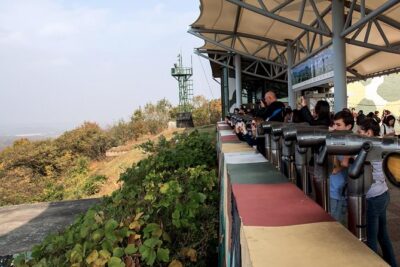
DMZ Tour: 3rd Tunnel, Option(Suspension Bridge, Boat) from Seoul
Read the review →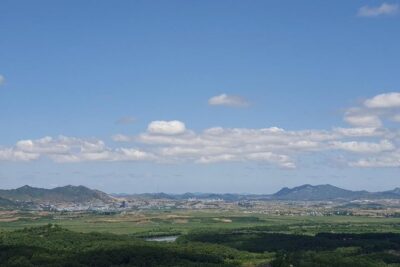
DMZ tour south Korea from Seoul (NK experience hall, defector)
Read the review →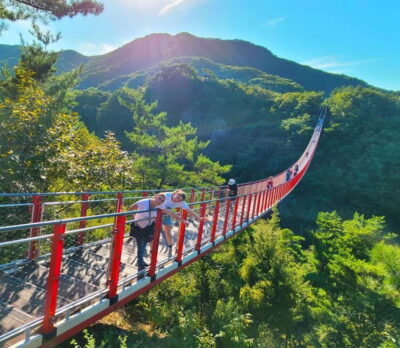
DMZ Insider Tour: 3rd Tunnel, NK Defector Meet & Red Bridge
Read the review →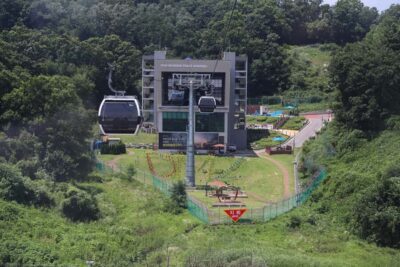
DMZ The 3rd Tunnel and Suspension Bridge Tour
Read the review →
Signature DMZ Tour: Exclusive Defector Talk & Suspension Bridge
Read the review →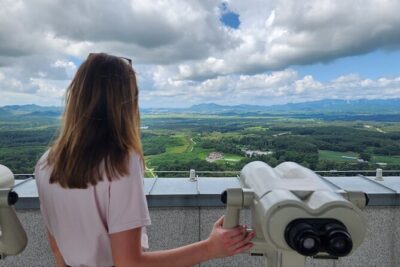
Thrilling Korean DMZ 3rd Tunnel Tour from Seoul + Red Bridge Rush
Read the review →Browse the lists this tour appears in