
Reviewed · DMZ TOURS
DMZ Tour with Pistol Shooting Experience from Seoul
The most striking part of this day is the sharp change in mood: you begin with Korean War memorials and border history, pass through a military checkpoint, look across the DMZ toward North Korea, then return to Seoul for pistol target practice. This is a useful choice if you want a DMZ day trip with several major sights but cannot join a JSA visit.
I like the mix of serious history and unusual activity. The Third Infiltration Tunnel gives you a physical sense of the division, while Dora Observatory offers a distant view of North Korean territory. I also like that the tour avoids shopping stops and includes transportation, a guide, and the shooting experience for $35.
The main caution is the military control of the DMZ. Routes and stops can change without notice, and the tour can be canceled because of military activity, weather, traffic, or government orders. Some of the tunnel walking is demanding, and guide quality may vary, so this is best for visitors comfortable with a tightly timed group outing.
Key points to know before booking
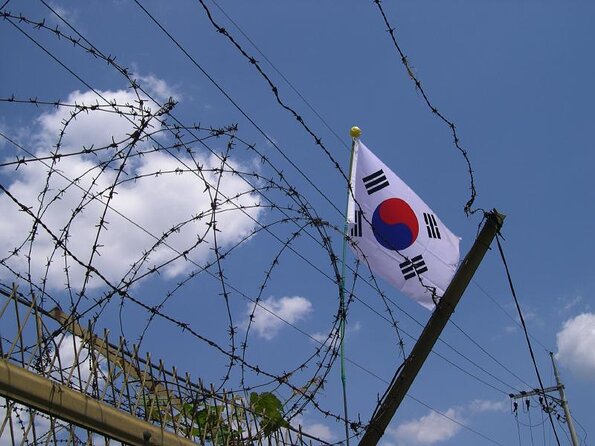
- The Third Infiltration Tunnel requires moderate fitness: You walk downhill into a narrow tunnel, then back uphill to the surface.
- Dora Observatory provides the clearest border view: Binoculars let you look toward North Korea, including the propaganda village and, when conditions allow, Kaesong.
- Your passport is checked by soldiers: Bring your current passport on the day of the tour. A photo or copy is not listed as an acceptable substitute.
- The pistol session takes place in Myeongdong: It happens after the DMZ portion and is open to participants age 14 and older.
- The $35 price covers the core experience: Transportation, a professional guide, admission to the listed sights, and pistol practice are included, but lunch and hotel transfers are not.
- Military rules can change the itinerary: An alternative may include Imjingak Park, Art Space BEAT 131, Odusan Unification Observatory, the War Memorial of Korea, and shooting practice.
A long border day starting in Myeongdong
The tour begins and ends at Myeongdong Station, a practical meeting point in central Seoul. You meet your guide and group there, board an air-conditioned vehicle, and spend the morning heading north toward the border.
The full outing lasts about seven and a half hours. That sounds generous, but the time includes transport, military checks, several short visits, and the return to Seoul. You should treat this as a full-day commitment rather than a quick morning excursion.
Hotel pickup and drop-off are not included. You are asked to provide your hotel name, address, and phone number when booking, but the actual meeting and return point is Myeongdong Station. Plan your morning carefully, since a late arrival could be difficult once the group has left.
The group can include up to 30 people. That keeps the price low, though it also means you should expect a set schedule rather than a private tour. The guide needs to keep everyone together at military-controlled sites, so free time is limited.
More DMZ Tours in Seoul:
- Best DMZ Tour Korea from Seoul (Red Suspension Bridge Optional)
★ 5.0 · 41,422 reviews - DMZ Tour: 3rd Tunnel, Option(Suspension Bridge, Boat) from Seoul
★ 5.0 · 21,373 reviews - DMZ tour south Korea from Seoul (NK experience hall, defector)
★ 5.0 · 20,599 reviews
Imjingak Park and the Freedom Bridge
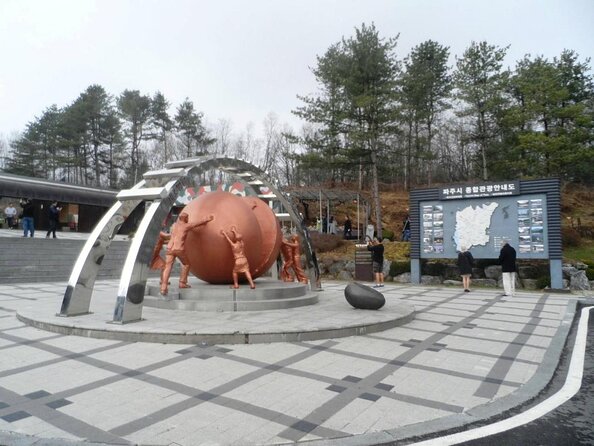
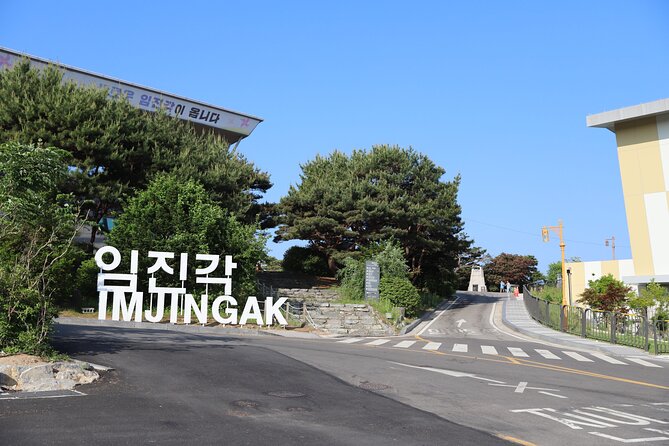
The first stop is Imjingak Pyeonghoa-Nuri Park, about 7 kilometers from the Military Demarcation Line. Imjingak was built in 1972 as a place connected to the hope of eventual Korean unification, and it is closely tied to the Korean War and separated families.
You have about 20 minutes here. That is enough to see the main memorial area and orient yourself, but not enough for a slow visit to every display or feature. Use the time for the most important photographs, then listen closely as the guide explains why this place matters.
The route also passes the Freedom Bridge and the Unification Village. These sights help connect the abstract idea of a divided peninsula with real roads, rail lines, families, and communities affected by the border. You will not simply be looking at a line on a map. You will be moving through a region shaped by that division.
This stop works best as an introduction. The later tunnel and observatory visits are more dramatic, but Imjingak gives them context. Without it, the border can feel like a string of military attractions. With it, the places become part of a story about war, separation, and the long hope for reunification.
The DMZ exhibition hall and military checkpoint
Before entering the main DMZ area, soldiers check passports. Bring your valid current passport and keep it accessible. This is not a casual museum day, and the military retains control over access and timing.
The DMZ Theater and Exhibition Hall provides a short video and exhibits about the division of Korea and the Korean War. You have around 30 minutes for this part. It is a compact orientation, useful if you do not already know the basic timeline.
I appreciate this stop because it gives you background before the physical sites. The tunnel is easier to understand once you know why it was built and why the discovery mattered. The exhibition also helps explain the tension behind ordinary-looking roads and hills near the border.
Expect the tone to be more educational than polished or entertaining. You are there to understand the area, not to find a large museum with hours of galleries. If you like to read every panel, the schedule may feel brisk.
Walking into the Third Infiltration Tunnel
The Third Infiltration Tunnel is the most physical part of the tour. South Korea discovered it in 1978. The tunnel is about 1,635 meters long, 2 meters wide, and 2 meters high, with an estimated capacity of roughly 30,000 soldiers per hour.
You walk into a section of the tunnel beneath the demarcation line. The low ceiling and narrow passage make the military purpose feel immediate. This is not the kind of site you understand fully from a photograph. Walking through it gives you a better sense of the scale and effort involved.
The scheduled visit lasts about 40 minutes. That time includes getting to the tunnel, walking through the permitted section, and returning. The route can be tiring because the tunnel slopes downward on the way in and upward on the way out. The tour calls for a moderate level of physical fitness, and that advice is worth taking seriously.
Wear practical shoes and be ready for a confined space. The tunnel is not a good fit if you have difficulty with steep walking, low ceilings, or narrow passages. You should also avoid assuming that the full 1,635-meter length is open for public walking. The visit takes place in the authorized section.
This is the stop most likely to stay with you. Dora Observatory gives you a distant view, but the tunnel puts you close to the hidden mechanics of the conflict.
More day trips out of Seoul:
- Thrilling Korean DMZ 3rd Tunnel Tour from Seoul + Red Bridge Rush
★ 5.0 · 3,097 reviews - DMZ Past and Present: Korean Demilitarized Zone Tour from Seoul
★ 5.0 · 2,481 reviews - Ultimate Korea DMZ Tour from Seoul (Gondola & Suspension Bridge)
★ 5.0 · 2,396 reviews - DMZ Tour from Seoul – Optional Suspension Bridge Experience
★ 5.0 · 1,918 reviews
Looking into North Korea from Dora Observatory
At Dora Observatory, you look north through binoculars toward North Korean territory. The view can include a North Korean propaganda village, Songaksan, the Kim Il-Sung Statue, the Cooperation Farm at Geumamgol, and the city of Kaesong when visibility allows.
You have about 30 minutes here. Weather and haze matter, so the view is never guaranteed to be sharp. Even on a clear day, you are looking across a controlled border from a distance, not entering North Korea or walking through the nearby settlements.
The propaganda village is an especially unusual sight. It was built to present a prosperous image of North Korea, but from the observatory you see it as part of a carefully watched border zone. The guide’s explanation is important here because the visual details can be hard to interpret on your own.
Dora Observatory provides the emotional high point of the day for many people, but it may also test your patience. You may spend part of the stop waiting for access to binoculars or looking through haze. Keep your expectations realistic and treat the view as a chance to understand the geography, not as a guaranteed close-up photograph.
Dorasan Station and the idea of a future railway
Dorasan Train Station was built with the hope that rail service could someday connect the two Koreas. Its purpose gives the station a strange, unfinished quality. It is both a functioning symbol of connection and a reminder that the hoped-for link remains limited by politics and security.
The station is part of the wider DMZ sightseeing program, though the supplied timing does not list a separate duration for this stop. Your time there may depend on military instructions and the pace of the day.
I find Dorasan valuable because it shows a different side of the border. The tunnel represents secrecy and attempted infiltration. The observatory represents surveillance and distance. The station represents an official hope for contact and movement.
Do not expect a normal rail journey. The point is the station’s role and symbolism, not boarding a train north. It works best when you pay attention to the explanation rather than treating it as a quick photo stop.
Returning to Seoul for pistol target practice
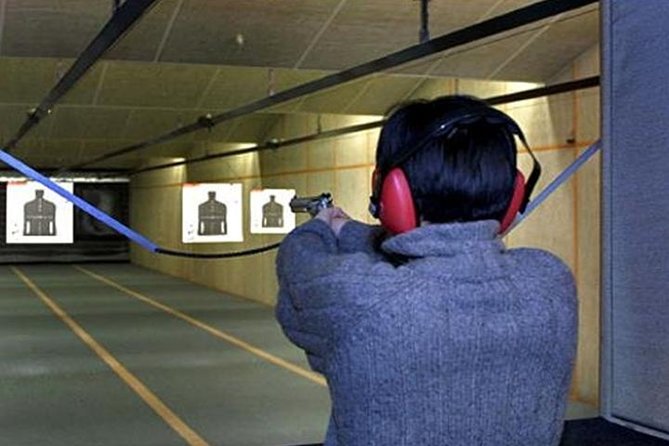
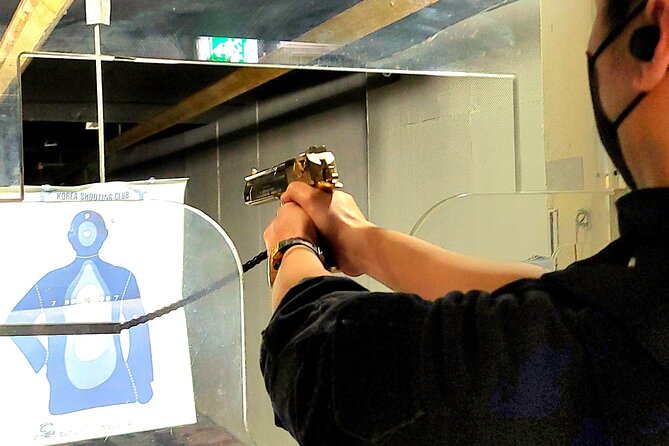
After the DMZ visit, the group returns to Seoul and goes to Myeongdong Real Gun Shooting Range. The pistol experience is included in the price and takes about 20 minutes. Participants must be at least 14 years old.
This final activity changes the pace of the day. After several hours of memorials, checkpoints, tunnels, and border views, target practice offers a direct, hands-on finish. It also gives the tour a clear identity among Seoul DMZ outings, since many border trips end after the historic sights.
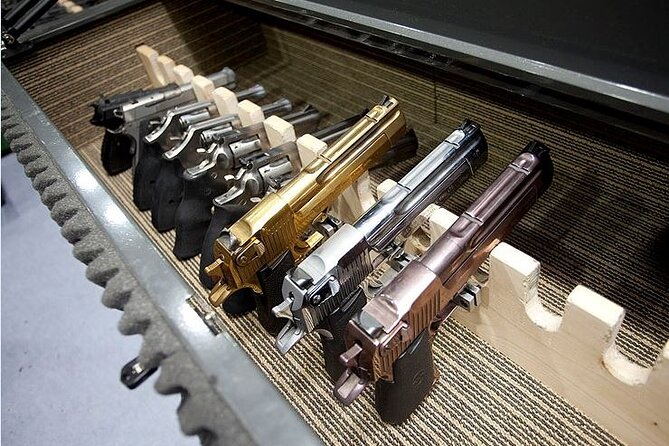
You should see the shooting session as a short add-on rather than a full firearms course. The supplied details do not specify the pistol model, number of rounds, or level of instruction, so do not book it expecting a long technical lesson.
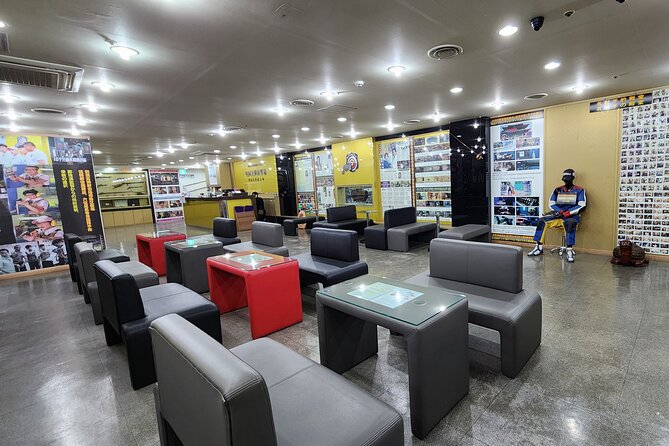
The shooting gallery is in the Myeongdong area, close to the tour’s meeting and drop-off point. That makes the end convenient if you plan to continue sightseeing or have dinner nearby. The tour does not include food or drinks, so you will need to arrange lunch and refreshments yourself during the day.
What the $35 price really covers
At $35, this is an inexpensive way to combine several DMZ sights with transportation from Seoul. You are paying for an air-conditioned vehicle, a professional guide, admission to the listed attractions, and pistol target practice.
The value is strongest if you want variety. A separate trip to the DMZ can involve transport planning, military access rules, and uncertainty about which sites you can enter. Here, those pieces are organized into one day, and the guide handles the movement between stops.
The tradeoff is time. You get several destinations, but none receives a long, relaxed visit. The 20-minute Imjingak stop, 30-minute exhibition visit, 40-minute tunnel visit, and 30-minute observatory stop create a useful overview rather than a slow study.
Lunch, food, drinks, and hotel transfers are extra. You should budget for those costs and arrive prepared for a day away from central Seoul. The tour does not stop at shopping centers, which is a plus if you want history rather than retail detours.
Guide quality and the importance of communication
The guide can make a large difference on this tour. Jinny is described as helpful, well informed, and able to answer questions in English. Julie is described as enthusiastic and strong at explaining the Korean War, and she also helped make the shooting range enjoyable.
There has also been an English-language experience that fell short, with unclear explanations and too little time to read signs. That makes one practical point clear: do not rely only on the guide’s commentary. Read what you can during the stops, ask direct questions early, and stay close to the group when moving through military areas.
Good guides add real value here. The DMZ’s sights are not self-explanatory, and the difference between an observation point, a military boundary, a tunnel, and a symbolic train station is easier to grasp with context.
Military changes, cancellations, and backup routes
The DMZ is operated by the military, so the schedule can change without prior notice. Roadworks, traffic, storms, dense fog, heavy snow, government orders, military training, strikes, or visits by senior officials can affect the day.
If the standard route is unavailable, the alternative may include Imjingak Park, Art Space BEAT 131, Odusan Unification Observatory, the War Memorial of Korea, and pistol shooting. This gives you a useful backup, but it is not the same experience as visiting the Third Infiltration Tunnel and Dora Observatory.
The operator says it may cancel or alter part of the route because of circumstances beyond its control, and refunds are not guaranteed in those cases. For your own planning, avoid putting an important evening reservation immediately after the tour.
For ordinary cancellations, free cancellation is available up to 24 hours before the start time. Changes or cancellations within 24 hours are not accepted for a refund.
Who should book this Seoul DMZ tour?
I would choose this tour if you want a low-cost introduction to the DMZ, prefer an organized day from Seoul, and like the idea of adding pistol practice. It suits visitors who want the major border sights without shopping stops or the higher price of a private tour.
It is also a good option for families with teenagers age 14 and older, provided everyone can manage the tunnel walk and is comfortable with the shooting activity. The combination of history and activity gives the day enough variety for people who might find a museum-only excursion too slow.
I would look elsewhere if you want a private guide, long photo stops, deep museum time, or guaranteed access to every border site. The group may reach 30 people, the timing is firm, and military orders can change the route.
FAQ
Is a passport required for this tour?
Yes. You must bring a current valid passport on the day of travel because soldiers check passports before entry to the DMZ.
Where does the tour begin and end?
The tour begins at Myeongdong Station in Seoul and returns to Myeongdong. Hotel pickup and drop-off are not included.
How long does the tour last?
The tour lasts approximately 7 hours and 30 minutes, including transportation between Seoul and the DMZ and the pistol shooting session.
What is included in the $35 price?
The price includes a professional guide, air-conditioned transportation, admission to the listed stops, and the pistol shooting experience. Lunch, food, drinks, and hotel transfers are not included.
Can children take part in the pistol shooting?
Participants must be at least 14 years old.
Can the DMZ itinerary change?
Yes. The military may change or cancel the route without prior notice because of military training, weather, traffic, government orders, or other unforeseen conditions. An alternative route may include Imjingak Park, Art Space BEAT 131, Odusan Unification Observatory, the War Memorial of Korea, and pistol practice.
Should you book it?
Book this tour if you want the Third Infiltration Tunnel, Dora Observatory, and a shooting range in one affordable day. Bring your passport, wear comfortable shoes, pack food or plan for a meal before or after the trip, and accept that the military controls the schedule.
The best reason to choose it is value. You get a serious look at Korea’s division, a view toward North Korea, and an unusual Seoul activity without a shopping detour. Just keep your plans flexible and understand that this is a brisk group tour, not a private, leisurely border expedition.
Recently added around Seoul
- Nami & Maple Road & Theatre des Lumieres Day Tour from Seoul★ 4.8 · 4 reviews
- Gyeongbokgung Palace Photo Session with your own phone★ 5.0 · 4 reviews
- Private Tour around Suwon UNESCO Fortress and Korea Folks Village★ 4.5 · 4 reviews
- N Seoul Tower + Namsan Cable Car Ticket (Collect in Myeongdong)★ 3.5 · 4 reviews
- Jisan Forest Resort: Ski Full-Day Tour or Shuttle from Seoul★ 5.0 · 4 reviews
- Seoul: Deoksugung Palace Night Tour★ 4.5 · 4 reviews
- Seoul Private Walking Tour with a Local★ 5.0 · 4 reviews
- Private Jeonju Hanok Village – Culinary tour★ 5.0 · 4 reviews
DMZ Tours, compared.
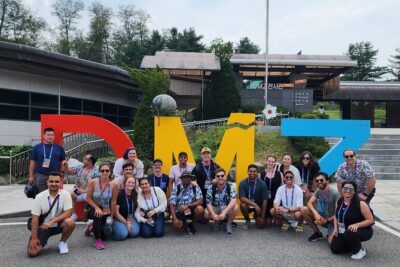
Best DMZ Tour Korea from Seoul (Red Suspension Bridge Optional)
Read the review →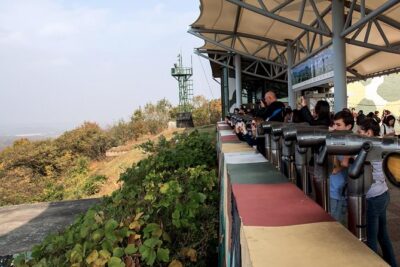
DMZ Tour: 3rd Tunnel, Option(Suspension Bridge, Boat) from Seoul
Read the review →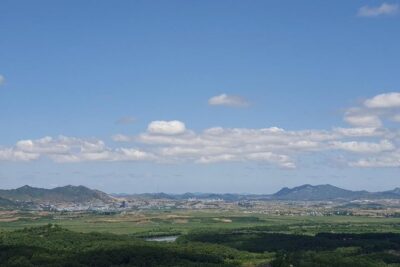
DMZ tour south Korea from Seoul (NK experience hall, defector)
Read the review →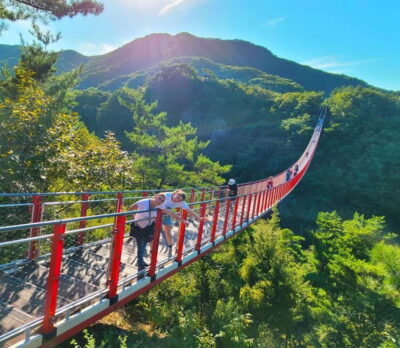
DMZ Insider Tour: 3rd Tunnel, NK Defector Meet & Red Bridge
Read the review →
DMZ The 3rd Tunnel and Suspension Bridge Tour
Read the review →
Signature DMZ Tour: Exclusive Defector Talk & Suspension Bridge
Read the review →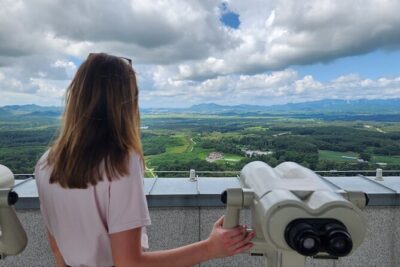
Thrilling Korean DMZ 3rd Tunnel Tour from Seoul + Red Bridge Rush
Read the review →Browse the lists this tour appears in