
Reviewed · SEOUL TOURS
Seoul: Deoksugung Palace Night Tour
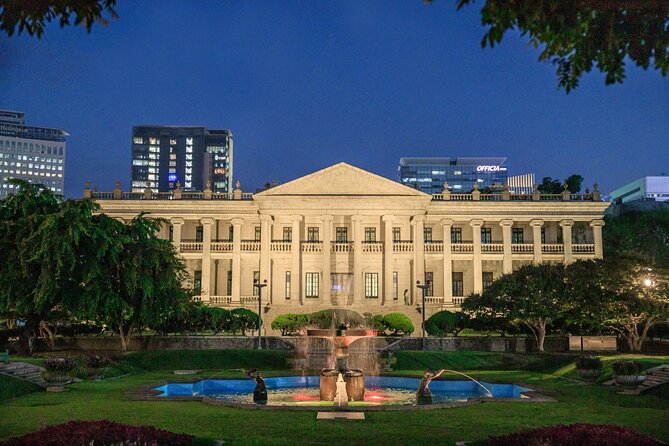
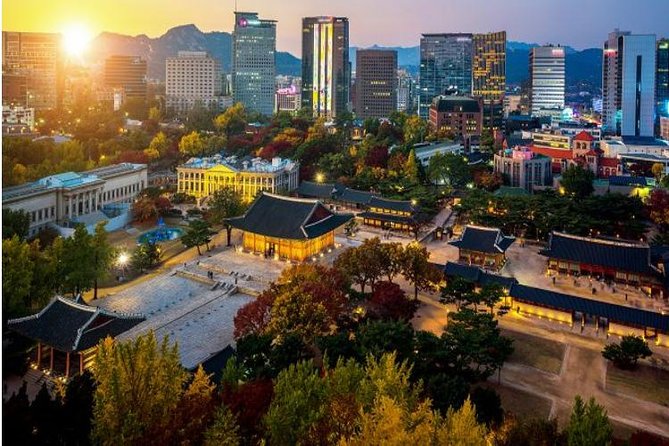
Deoksugung Palace feels most revealing after sunset, when its courtyards grow quiet and its buildings take on a softer look. This is the palace where old Korean royal design meets Western architecture, a clear sign of the Korean Empire’s uneasy push toward modern life. The evening setting gives the visit a calm mood, while your guide explains the politics and pain behind the stone walls.
I like two things here. First, the route covers the palace’s key buildings without wasting your two-hour visit. Second, guides such as Alan Han and Mr. Lee have been praised for turning difficult history into clear stories. The main drawback is the minimum group requirement: if fewer than four people book, the tour can be canceled.
Key points to know before booking
- Night lighting changes the palace experience: Deoksugung looks different at dusk than it does in full daylight.
- The Korean Empire is the main story: Learn about the short period when Korea was trying to modernize under pressure from foreign powers and Japan.
- Traditional and Western buildings share one palace: Junghwajeon and Seokjojeon show two very different architectural ideas.
- Meet near City Hall Station: The starting point is easy to reach by Lines 1 and 2.
- English and Chinese explanations are offered: You can ask the professional guide questions during the walk.
- The group can be as large as 20 people: A small booking may also mean cancellation if the minimum of four is not met.
Why Deoksugung works so well at night
Many visitors begin with Seoul’s larger royal sites, but Deoksugung offers a more compact and unusual story. It was used as a main palace during the Korean Empire, a period about a hundred years ago when Korea was attempting to move into the modern world while facing intense outside pressure.
That history is written into the buildings. Traditional halls sit close to Western-style structures, creating a palace compound unlike the others in Seoul. You are not simply looking at old roofs and painted beams. You are seeing a royal court trying to decide how much of the past to protect and how much of the new world to accept.
The night timing matters. The tour begins at about 6:30 p.m., with the meeting point listed near Exit 1 of City Hall Station. As daylight fades, palace buildings are lit against the darker courtyards. You get a quieter setting than you might expect in central Seoul, though the palace remains close to City Hall and Gwanghwamun.
I also like the location because it makes the tour easy to fit into an evening. You do not need to travel far from central Seoul, and the famous stone wall beside Deoksugung gives you another attractive sight before or after the tour. The route ends inside the palace area at Jeonggwanheon, so plan your onward route before you arrive.
More things to do after dark in Seoul:
- Seoul: Night Market Food Tour with Local Guide
★ 4.9 · 943 reviews - Seoul: Evening Dark History, Folklore & Ghost Story Walking Tour
★ 5.0 · 593 reviews - Seoul: Han River Night Picnic & Games with Cruise
★ 4.8 · 461 reviews
Meeting at City Hall Station
The directions place the meeting point at Exit 1 of City Hall Station, serving Seoul Subway Lines 1 and 2. The listed meeting time is 6:20 p.m., while the tour start time is shown as 6:30 p.m. Treat the earlier time as the one to follow. Arriving late is a bad gamble because joining after the group has started is not allowed.
You should receive meeting details by email or WhatsApp. The provider also asks for a name and a contact number, or a messaging contact such as WeChat or Line, that works in Korea. Give accurate details. The provider does not accept responsibility if you miss the tour because the number is wrong or cannot be reached in Korea.
This is a mobile-ticket experience, so keep your booking information easy to access. The group size can reach 20 people. That is large enough that a late arrival would disrupt the guide and the rest of the group, which explains the strict start-time rule.
The palace is near public transportation, and most people can participate. Still, the experience requires outdoor walking and depends on good weather. Pets are not allowed, and there is no stated place to leave them.
Junghwajeon, the throne hall
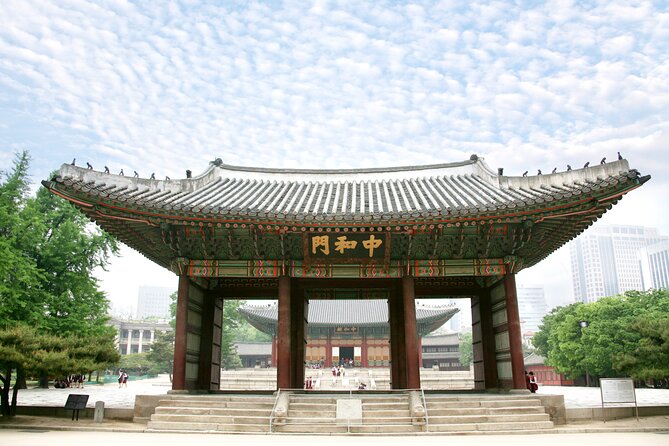
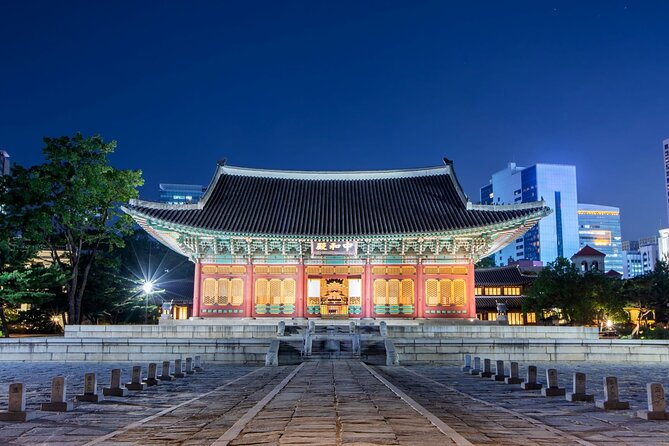
The first major stop is Junghwajeon, the palace’s main throne hall. This is where the formal royal image comes into focus: court ceremony, authority, and the public face of the monarchy.
On a self-guided visit, you can admire the building and move on. With the guide, you get the political setting around it. The tour connects the hall to the Korean Empire and to the final chapter of the Joseon royal system, helping you understand why Deoksugung became so important when Gyeongbokgung was no longer serving as the main palace.
Expect the guide to focus on architecture as well as events. That balance is useful because the palace is not only a place where history happened. Its layout, halls, courtyards, and decorative details also show how royal power was presented.
If you want to ask questions, Junghwajeon is a good place to do it. The tour is designed for interaction, and you can ask about the buildings, the royal family, or the change from Joseon to the Korean Empire.
Seokjojeon and the palace’s Western face
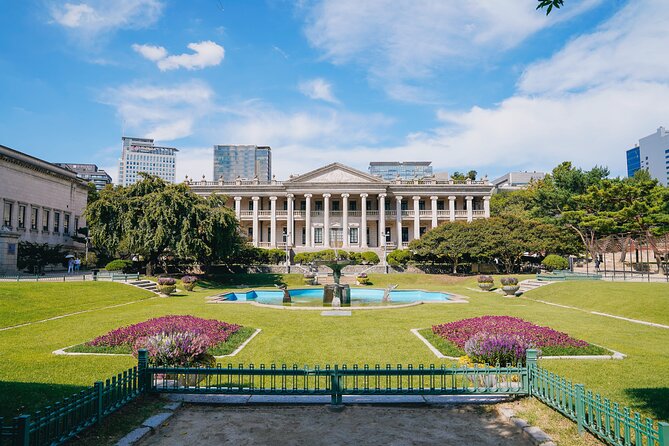
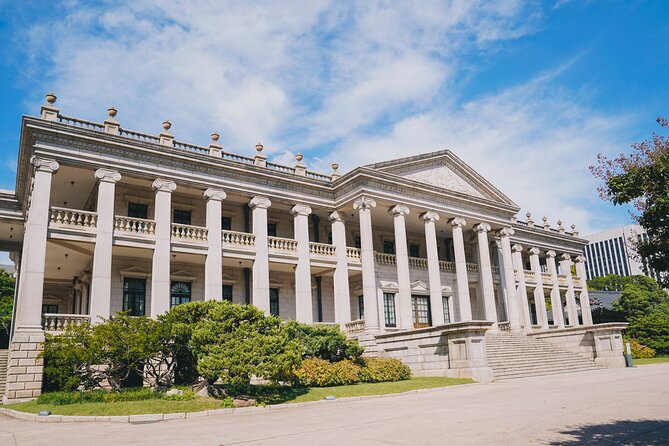
Seokjojeon is the tour’s sharpest visual contrast. It is a Western-style building inside a Korean royal palace, and it makes the period’s attempt at modernization visible without much explanation.
This is the building to watch if architecture interests you. Instead of treating Deoksugung as a collection of traditional halls, the guide shows how the palace includes two design traditions in one compound. That unusual combination is one of the strongest reasons to choose this tour instead of walking through a palace alone.
The building also raises harder questions. Was Western design a sign of progress, a political necessity, or a threat to established royal customs? The tour uses Seokjojeon to explain the tension rather than presenting modernization as a simple success story.
The evening light should work especially well here, since the Western stone exterior has a different character from the painted wooden halls. Exact lighting conditions can vary, so do not expect every building to look identical from one night to the next.
A few more Seoul half-days to weigh up
- Best DMZ Tour Korea from Seoul (Red Suspension Bridge Optional)
★ 5.0 · 41,422 reviews - DMZ Tour: 3rd Tunnel, Option(Suspension Bridge, Boat) from Seoul
★ 5.0 · 21,373 reviews - DMZ tour south Korea from Seoul (NK experience hall, defector)
★ 5.0 · 20,599 reviews - Seoul: DMZ Tour with Optional Suspension Bridge
★ 4.8 · 5,277 reviews
Seokeodang and King Gojong’s personal connection
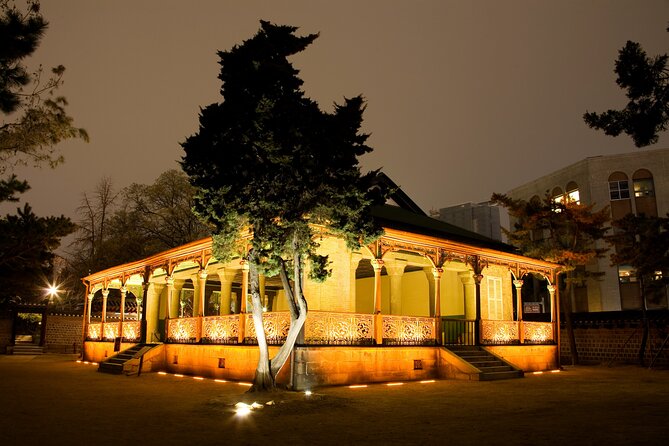
Seokeodang is described as the building most beloved by King Gojong. That detail shifts the tour away from grand state ceremony and toward the personal side of palace life.
King Gojong ruled during one of Korea’s most troubled transitions. Learning which building he favored gives your guide a way to discuss his preferences, his position within the palace, and the pressure surrounding the royal court. It also gives you a smaller, more human stop between the larger architectural sights.
This is one reason a guide adds value here. A sign can identify Seokeodang, but it may not explain why the building mattered to Gojong or how that preference fits into the wider story. The guide’s narration helps connect a modest-looking structure with the person who lived and ruled around it.
Hamnyeongjeon, the king’s bedchamber
Hamnyeongjeon was the king’s bedchamber. The building offers a more private view of palace life, away from the formal setting of the throne hall.
Use this stop to listen for details about how the king’s personal quarters differed from public royal spaces. The tour’s focus on architecture gives you a chance to notice the relationship between function and design, rather than seeing every hall as a similar ceremonial building.
The bedchamber also keeps the history grounded. The Korean Empire can sound like a distant political label, but a room associated with sleep, daily routine, and private life makes the era easier to picture. The tour’s two-hour length allows these smaller details to sit alongside the larger story without turning the visit into a long lecture.
Jeonggwanheon and the end of the walk
The route ends at Jeonggwanheon, also written as Jungkwanhun in the itinerary. It is described as a cafeteria, and the tour finishes there rather than back at the subway meeting point.
That ending is practical. You can ask final questions, confirm anything you missed, and then leave with the palace story still fresh. Since the end point is listed at 99 Sejong-daero, near the palace, check your map before the tour so you know where to go next.
The end location also reflects Deoksugung’s mixed character. A palace tour here is not only about the largest and most formal buildings. It includes spaces tied to everyday use, private life, Western influence, and changing royal habits.
Do not assume the end point means refreshments or a meal are included. The available details identify Jeonggwanheon as a cafeteria, but they do not state that food or drinks are part of the $35 fee.
The stone wall and the mood after sunset
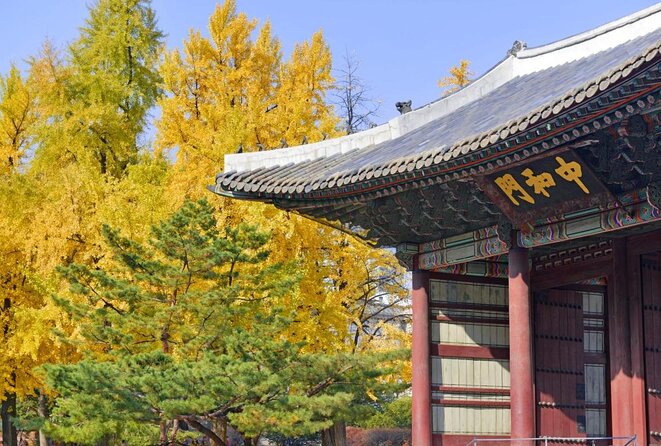
The stone wall beside Deoksugung is one of Seoul’s best-known palace walks. It is worth allowing a few extra minutes around the tour, either before meeting the guide or after the visit ends.
The wall matters because it links the palace to the city around it. Deoksugung is not isolated in a large park. It sits in central Seoul, close to government buildings, major roads, City Hall, and Gwanghwamun. The wall gives you a slower edge beside that urban setting.
Night is the right time if you prefer atmosphere over a fast checklist. The palace becomes more peaceful, and the lighting brings out details that can be easy to miss in bright daylight. The tradeoff is that nighttime means you may not see every architectural color as clearly as you would in the morning.
The tour is also available as a morning or night experience according to the description, but the specific booking details provided here are for the evening schedule. Confirm the exact time and meeting instructions before setting out.
What the $35 price buys you
At $35 per person, this is not the cheapest way to walk around a palace. The value depends on how much you want from the history.
If you only want to photograph the buildings and read signs at your own speed, a self-guided visit may suit you better. If you want to understand why a Western-style building shares space with royal Korean halls, the fee pays for context, organization, and questions answered on the spot.
The strongest value comes from the guide’s storytelling. Alan Han led one particularly personal visit when he was the only person booked, giving a detailed explanation of the end of the Joseon dynasty and the architecture. Another guide, Mr. Lee, was praised for punctuality, strong preparation, and vivid storytelling. You cannot guarantee a particular guide, but these names show the kind of human-led interpretation the experience aims to provide.
The tour also keeps the commitment manageable. Two hours is long enough to cover the main stops, but short enough to fit before dinner or another evening plan. The maximum group size is 20, so the experience may feel more like a group walk than a private lesson. Private tours require a separate estimate by email.
Who should book this palace walk
I would choose this tour if you want a clear introduction to the Korean Empire, care about architecture, or find large palace compounds difficult to understand without a guide. It is especially useful for people who have already visited other Seoul palaces on their own and want more meaning from the details.
It also suits an evening in central Seoul. The subway access is straightforward, the route is only about two hours, and the palace wall gives you an attractive place to continue walking.
You may want to skip it if you dislike fixed meeting times, outdoor tours in uncertain weather, or guided interpretation. Recording and filming are not allowed, so this is not the right choice if your main goal is to make video content.
The tour requires at least four participants. If that number is not reached, the provider can cancel and offer another date, another experience, or a full refund. That condition is important if your Seoul schedule is tight.
Booking details and cancellation terms
The listed price is $35 per person, and bookings are made an average of about 45 days ahead. That suggests you should reserve early if the evening fits your plans, while still checking the final meeting instructions close to the date.
You can cancel for a full refund up to 24 hours before the local start time. Cancellations or schedule changes made less than 24 hours before the start are not accepted for a refund.
Bad weather can also cancel the experience. In that case, you are offered a different date or a full refund. If the minimum number is not reached, the same basic choice applies.
The provider does not allow filming or recording during the tour. English and Chinese explanations are offered, so confirm the language you need when booking.
Should you book Deoksugung at night?
Book it if you want more than attractive palace photos. The combination of night lighting, Korean Empire history, and mixed Korean-Western architecture gives Deoksugung a clear identity among Seoul’s royal sites.
The $35 fee makes the most sense for anyone who values a guide’s explanation and the chance to ask questions. I would be cautious if your date is inflexible, since the tour can be canceled below four participants. For a well-timed evening near City Hall, though, this is a focused and useful way to understand one of Korea’s most complicated royal settings.
FAQ
Where does the Deoksugung Palace night tour begin?
The meeting point is near Exit 1 of City Hall Station, served by Seoul Subway Lines 1 and 2. The listed address is 362-1 Taepyeongno 2-ga, Jung District, Seoul.
What time does the tour start?
The start time is listed as 6:30 p.m. The meeting instructions also mention 6:20 p.m., so plan to arrive by the earlier time.
How long does the tour last?
The tour lasts approximately two hours.
Where does the tour end?
The tour ends at Jeonggwanheon, listed at 99 Sejong-daero, Jung District, Seoul.
What languages are available?
The tour offers explanations in English and Chinese.
How much does the tour cost?
The listed price is $35 per person.
How many people can join the tour?
The activity has a maximum of 20 participants. It requires at least four participants to operate.
What happens if fewer than four people book?
The provider can cancel the tour and offer a different date, another experience, or a full refund. The cancellation notice is sent by WhatsApp.
Is Deoksugung Palace open on Mondays?
Deoksugung Palace is closed on Mondays. On that day, you can book the provider’s Gyeongbok Palace tour instead.
Can I cancel for a full refund?
Yes. You must cancel at least 24 hours before the experience start time for a full refund. Bad weather cancellations can also result in a different date or a full refund.
Recently added around Seoul
- Gyeongbokgung Palace Photo Session with your own phone★ 5.0 · 4 reviews
- Private Tour around Suwon UNESCO Fortress and Korea Folks Village★ 4.5 · 4 reviews
- Nami & Maple Road & Theatre des Lumieres Day Tour from Seoul★ 4.8 · 4 reviews
- N Seoul Tower + Namsan Cable Car Ticket (Collect in Myeongdong)★ 3.5 · 4 reviews
- Jisan Forest Resort: Ski Full-Day Tour or Shuttle from Seoul★ 5.0 · 4 reviews
- Private Jeonju Hanok Village – Culinary tour★ 5.0 · 4 reviews
- Seoul Private Walking Tour with a Local★ 5.0 · 4 reviews
- Samaksan Cable Car and Nami Island Day Escape with Railbike★ 4.0 · 4 reviews
Seoul Tours, compared.
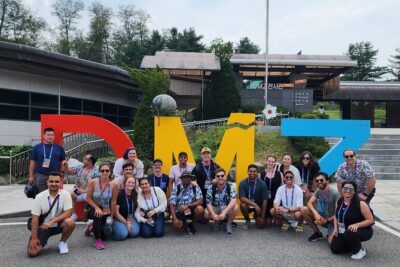
Best DMZ Tour Korea from Seoul (Red Suspension Bridge Optional)
Read the review →
DMZ Tour: 3rd Tunnel, Option(Suspension Bridge, Boat) from Seoul
Read the review →
DMZ tour south Korea from Seoul (NK experience hall, defector)
Read the review →
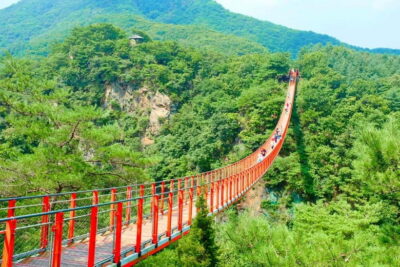
DMZ The 3rd Tunnel and Suspension Bridge Tour
Read the review →
Signature DMZ Tour: Exclusive Defector Talk & Suspension Bridge
Read the review →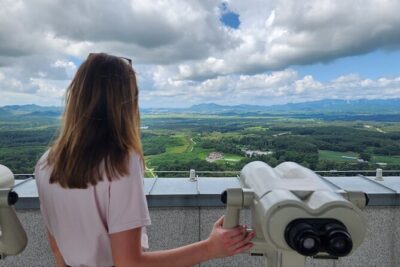
Thrilling Korean DMZ 3rd Tunnel Tour from Seoul + Red Bridge Rush
Read the review →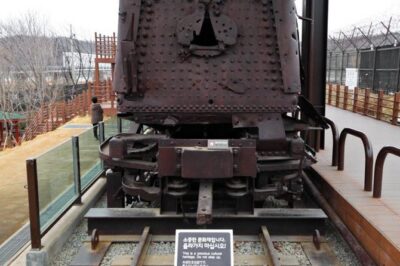
DMZ Past and Present: Korean Demilitarized Zone Tour from Seoul
Read the review →Browse the lists this tour appears in