
Reviewed · DMZ TOURS
DMZ Past and Present: Korean Demilitarized Zone Tour from Seoul
The most striking part of this DMZ tour from Seoul is the abrupt change from city life to a tightly controlled border zone. In one morning or afternoon, you can see wartime artillery, walk toward the Freedom Bridge, squeeze through a tunnel dug beneath the border, and look into North Korea from Dora Observatory.
I like the way the tour combines real places with clear historical explanation, rather than leaving you to stare at a fence without context. I also like the $37 price, which covers the coach, guide, and admission fees. The main drawback is the Third Tunnel: it is narrow, steep, and physically demanding, and the border area can change access rules or timing.
Key points to know before booking
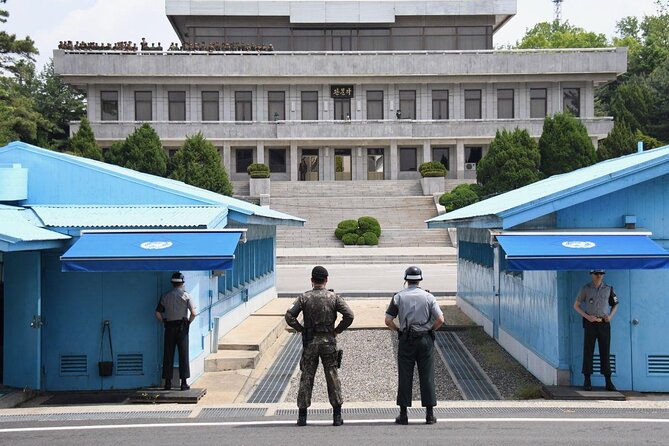
- The Third Tunnel is the physical challenge: You walk about 400 meters at an 11-degree gradient, then return uphill through a narrow passage.
- Dora Observatory offers a genuine view north: Binoculars let you look toward North Korea and the village of Kijongdong.
- Guide quality matters: AJ, Katie, Grace, Chloe, Sadie, Erica, Yeoni, Felicity, and others are praised for lively explanations and strong English.
- Imjingak puts the conflict in human terms: Artillery and the Freedom Bridge connect military history with the fate of Korean prisoners of war.
- Pickup and drop-off need checking: Pickup is offered in downtown Seoul, but drop-off is in central Seoul, and the booking details contain mixed wording about pickup inclusion.
- Bring your passport: A current valid passport is required on the day, though you do not need to send a copy when booking.
Why this Seoul DMZ tour is worth your time
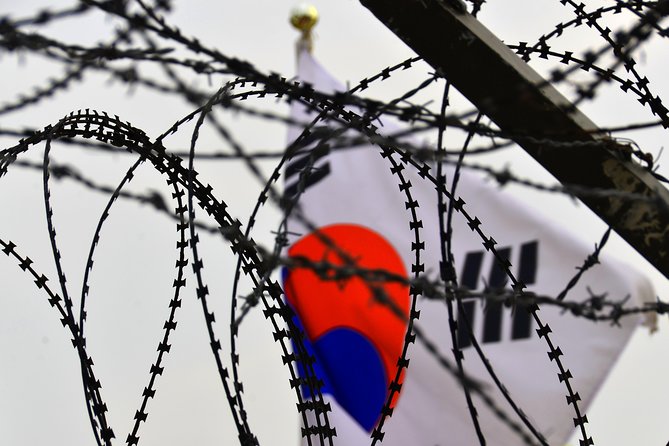
The Korean Demilitarized Zone is not a normal sightseeing stop. It is an active border area shaped by the Korean War and the uneasy peace that followed. You do not simply visit a museum and move on. You travel north from Seoul, pass through controlled access points, and reach places that you cannot visit independently.
That guided access is the central value. A private visit is not a practical option here, and the meaning of each stop is easy to miss without explanation. The tour gives you transport, admission, and a guide who can explain what you are seeing without turning the day into a dry lecture.
The experience lasts about six and a half hours. At $37 per person, that is a fair deal for an organized half-day trip from Seoul. You are paying for more than a seat on a bus. The price includes the guide, air-conditioned coach, and admission fee. Lunch and the optional tram are not included.
The group can reach up to 40 people, so this is not a quiet private outing. Still, the tour is structured enough to keep moving, and several guides are praised for managing the pace well. AJ is repeatedly singled out for humor and clear explanations. Katie receives similar praise for energy and for making a difficult subject easier to follow. Grace, Chloe, Sadie, Erica, Yeoni, Felicity, Miel, and L. Shin are also named positively for friendliness, strong English, or useful background.
More DMZ Tours in Seoul:
- Best DMZ Tour Korea from Seoul (Red Suspension Bridge Optional)
★ 5.0 · 41,422 reviews - DMZ Tour: 3rd Tunnel, Option(Suspension Bridge, Boat) from Seoul
★ 5.0 · 21,373 reviews - DMZ tour south Korea from Seoul (NK experience hall, defector)
★ 5.0 · 20,599 reviews
Leaving Seoul for the Imjin River
The tour begins with hotel pickup in downtown Seoul, with pickup arrangements and times confirmed before departure. Some bookings offer two pickup times, which is useful if you dislike a very early start. Clear meeting instructions may be sent through WhatsApp, so check your messages carefully before the day.
Your air-conditioned coach carries you from Seoul toward the border. The ride is part of the lesson. The DMZ is close enough to reach on a half-day trip, yet the political distance between Seoul and North Korea remains enormous.
A guide usually sets the scene during the journey. You learn why the border was created after the Korean War in the 1950s and how the DMZ divides North and South Korea. I find this early explanation important because the later stops are not isolated attractions. The artillery, bridge, tunnel, and observatory all tell different parts of the same unresolved story.
The coach format also keeps the logistics simple. You do not need to work out public transport to Imjingak, navigate restricted zones, or arrange separate admission. The tradeoff is that you follow the group schedule. If you want to linger for an hour over one photograph, this is not the right format.
Imjingak and the meaning of Freedom Bridge
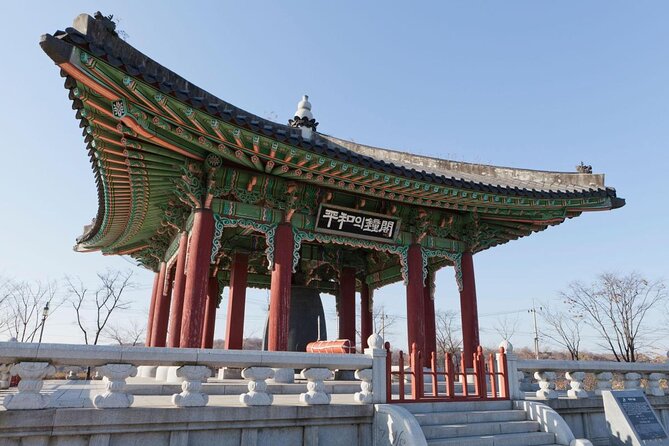
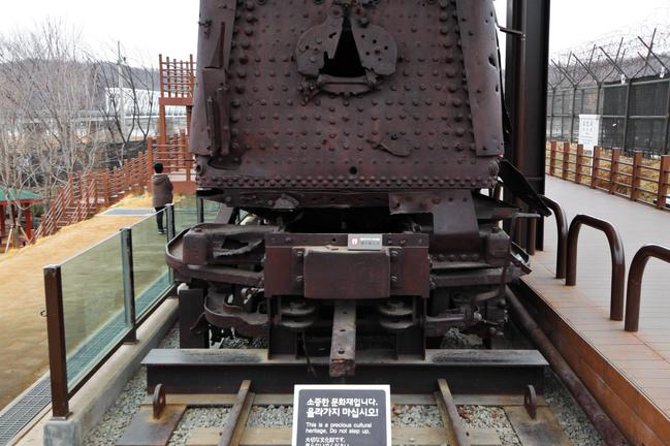
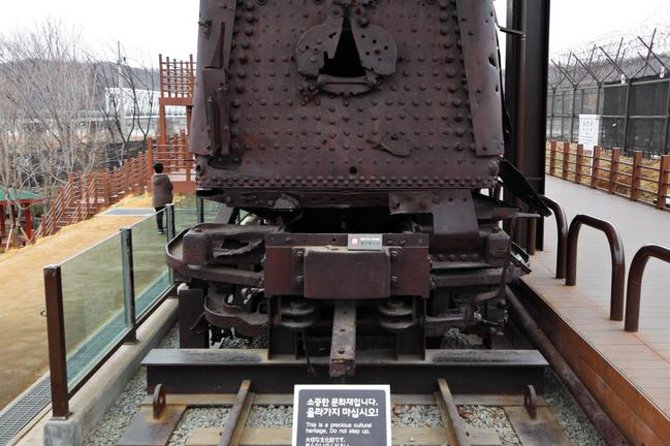
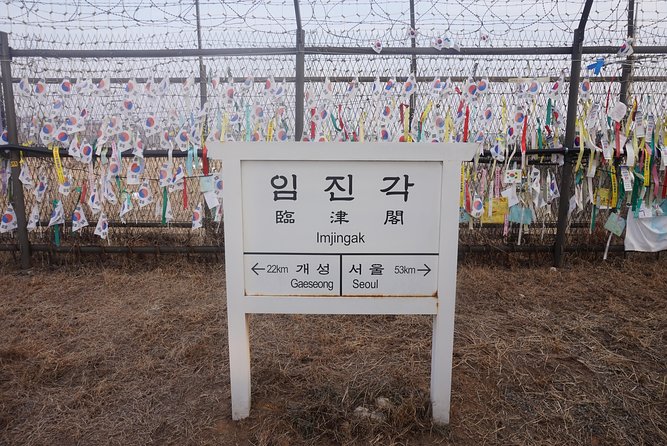
The first stop is Imjingak Pyeonghoa-Nuri Park, near the Imjin River. The visit is short, listed at about 15 minutes, so you should move with purpose. The park includes artillery and other war artifacts connected with the Korean conflict.
This is a useful opening because it brings the war out of textbooks. Military hardware makes the conflict tangible, while the nearby river and border setting remind you that the division still affects ordinary Korean families. Listen closely to the guide here, since the stop is brief and the background gives the objects their meaning.
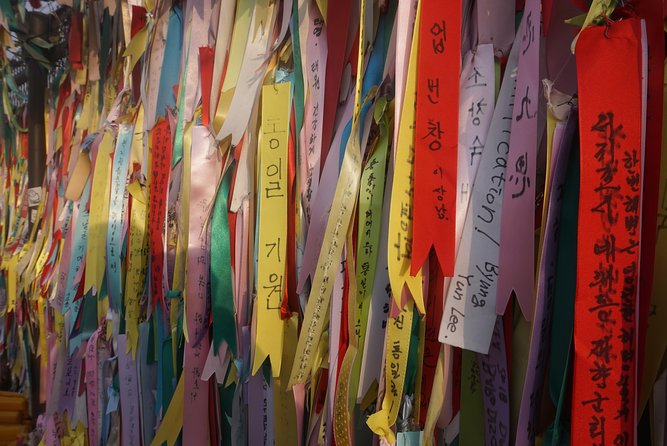
You then walk toward Freedom Bridge. Nearly 13,000 prisoners of war crossed this bridge on their way to freedom in South Korea. The name sounds hopeful, but the place also carries the sadness of separation and return. It is a reminder that the border is not only a military line. It cuts through family memory and national identity.
The short time here is the main limitation. Imjingak has more to see than this tour can cover in a few minutes, so do not expect a long independent visit. The benefit is that the tour does not spend the whole day at one site. You get a compact introduction before moving to the most unusual stop.
Walking through the Third Infiltration Tunnel
The Third Infiltration Tunnel is the tour’s most memorable physical experience. It lies beneath the border and is one of four known tunnels attributed to North Korea. The tunnel is believed to have been planned for military infiltration, making the walk more than an underground novelty.
The access route is about 400 meters long and includes an 11-degree gradient. The information also describes the walk as steep and narrow. You should wear comfortable shoes and clothes, and be ready for a moderate physical effort. The tunnel route is especially awkward for taller people. One person who was about 5 feet 7 inches reported hitting the ceiling several times, though a hard hat is provided.
Expect to bend your head and watch your footing. The route can feel demanding on the way back because you are walking uphill. If you have limited mobility or dislike confined spaces, this is the part to think about most carefully. The tour description says most people can participate, but that does not mean the tunnel feels easy for everyone.
The tunnel is also where the tour becomes most personal. At the observatory, you look across a wide distance. Here, you are physically below the border, in a passage built for a military purpose. That contrast makes the stop powerful.
Allow yourself time to recover after the walk. The schedule is designed to keep the group together, so you will not have unlimited time to move slowly. Tell your guide if you are struggling, and do not treat the tunnel as a race. The point is to understand the site, not to prove anything.
A DMZ Museum visit is also described as part of the experience, with photographs and war artifacts on display. Because the detailed stop schedule highlights Imjingak, the tunnel, and Dora Observatory, confirm the exact museum timing on your departure. Access and routing in the border area can affect the order of visits.
More day trips out of Seoul:
- Thrilling Korean DMZ 3rd Tunnel Tour from Seoul + Red Bridge Rush
★ 5.0 · 3,097 reviews - Ultimate Korea DMZ Tour from Seoul (Gondola & Suspension Bridge)
★ 5.0 · 2,396 reviews - DMZ Tour from Seoul – Optional Suspension Bridge Experience
★ 5.0 · 1,918 reviews - Half-Day DMZ Tour Led by a Retired Military Officer from Seoul
★ 5.0 · 1,774 reviews
Looking north from Dora Observatory
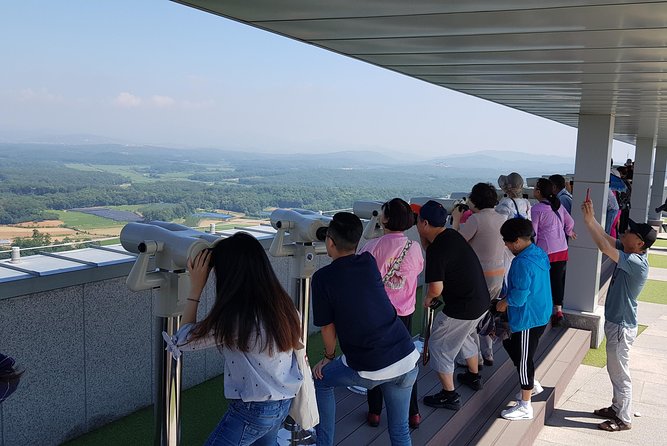
Dora Observatory gives you the clearest visual encounter with North Korea. From the viewing area, you can use binoculars to look across the DMZ toward the North Korean side. The guide points out what to watch for and explains aspects of life across the border.
The village of Kijongdong is specifically mentioned as a feature you may see. Do not expect a close-up city view. The experience is about distance, restricted access, and the strange fact that a country can be visible yet largely unreachable. Weather and visibility will affect how much you can make out.
This stop is short, around 15 minutes, so the binoculars matter. Get into position, listen for the guide’s directions, and take your turn without rushing. The viewing area can feel busy when several people are trying to see the same landmarks.
I like this stop because it avoids pretending that the DMZ is a standard lookout point. You are not promised a dramatic panorama every time. Instead, you get a controlled glimpse across one of the world’s most guarded borders, with historical and political context supplied on the spot.
Some bookings also include time for questions and answers, and one participant added a session with a North Korean defector. That option is not clearly listed as a standard inclusion, so treat it as an additional possibility rather than something guaranteed with every departure.
Guides can shape the entire day
The quality of the guide is one of the strongest reasons to choose this tour. The subject is heavy, and a guide who explains it in plain language can make the difference between a meaningful visit and a sequence of rushed stops.
AJ is praised for being humorous, approachable, and well informed about Korean history. Katie is described as energetic and engaging, with a good pace and useful insights. Grace is praised for friendly explanations and strong storytelling, while Chloe is noted for clear descriptions and a warm manner.
Sadie is repeatedly described as efficient, professional, friendly, and well informed. Erica is praised for excellent English, thoughtful answers, and suggestions for things to do around Seoul. Yeoni is described as entertaining and thorough. Felicity, Miel, L. Shin, and other guides also receive positive attention.
You cannot choose a specific guide at booking based on the information provided. The practical lesson is to value the tour format, but understand that your exact experience may depend partly on who leads your group. Japanese or Chinese-speaking guides require at least four participants, so those language departures may not operate for smaller bookings.
Timing, group size, and what the $37 covers
A six-and-a-half-hour trip is long enough to reach the DMZ and see its main sites without taking an entire day from Seoul. The itinerary is tightly planned, which is necessary in a controlled border area. Several stops are short, but that also allows you to cover Imjingak, the tunnel, and the observatory in one outing.
The maximum group size is 40 people. That is a sizeable coach group, and you should expect some waiting while everyone exits, gathers, or takes turns at the binoculars. The upside is the low price and straightforward transport. The downside is less personal attention than you would receive on a private tour.
The $37 rate is strongest for visitors who want the essentials. It includes:
- An expert guide
- Air-conditioned coach transport
- Admission fees
You pay separately for lunch, and the tram is not included. The drop-off is in central Seoul rather than necessarily at your hotel. The provided details also use conflicting wording about hotel pickup, so confirm your exact pickup point and whether it is included for your selected departure before paying.
Cancellation is flexible if your plans change early. You can receive a full refund by canceling at least 24 hours before the start time. Cancellations or changes made inside that window are not accepted for a refund.
Passport, clothing, and practical preparation
Bring your current valid passport on the day. You do not need to send a passport copy in advance, but you cannot treat the passport requirement casually. Border access depends on identification and security rules.
Wear comfortable shoes with a decent grip. The tunnel is steep, narrow, and about 400 meters long, with the return walk adding to the effort. Loose, comfortable clothing is more useful than anything stylish.
A current passport is the one firm document requirement provided. Most people can take part, but the tunnel deserves an honest self-assessment. If bending, walking uphill, or moving through a confined passage is difficult for you, ask about the route before booking.
Bring patience as well as a camera. The observatory view may be limited by weather, and the timing at each location is controlled. You are visiting a sensitive border, not a normal open-air attraction.
Who should book this DMZ experience?
I would recommend this tour to first-time visitors to Seoul who want a clear introduction to the Korean conflict and the modern border. It suits people who value historical context, organized transport, and access to restricted places more than a relaxed day with lots of free time.
It is also a strong choice for anyone curious about North Korea but realistic about what the visit provides. You will not enter North Korea, and you may see only distant views from Dora Observatory. The reward is the chance to look across the border from South Korea and understand why the line remains so significant.
Families with older children may find it worthwhile, provided everyone can manage the tunnel. People who dislike tight spaces, steep walks, or group schedules should consider a different Seoul outing.
Should you book the Seoul DMZ tour?
Book it if you want the main DMZ sights in one organized half-day, especially the Third Infiltration Tunnel and Dora Observatory. The low price, included coach, admission, and guide make it good value, while the repeated praise for guides such as AJ, Katie, Grace, Sadie, Erica, and Chloe suggests that the commentary is a major part of the experience.
Skip it if you need a private pace, dislike confined spaces, or expect a long, quiet view into North Korea. Also confirm pickup details and the exact museum or tram arrangements before booking. For most visitors who want a practical first look at the border, this is a worthwhile and unusually memorable trip from Seoul.
FAQ
How long does the DMZ tour from Seoul last?
The tour lasts approximately 6 hours and 30 minutes, including travel between Seoul and the DMZ stops.
What places does the tour visit?
The main stops are Imjingak Pyeonghoa-Nuri Park, Freedom Bridge, the Third Infiltration Tunnel, and Dora Observatory. A DMZ Museum visit is also described as part of the experience.
Can I see North Korea on this tour?
Yes. At Dora Observatory, you can use binoculars to look across the DMZ toward North Korea and the village of Kijongdong, although visibility depends on conditions.
Do I need a passport?
Yes. You must bring a current valid passport on the day of the tour. You do not need to send a copy of it in advance.
How difficult is the Third Infiltration Tunnel?
The route involves about 400 meters of walking at an 11-degree gradient through a steep, narrow tunnel. Comfortable clothes and shoes are recommended, and participants should be physically fit enough for the walk.
Is hotel pickup included?
The tour information describes downtown Seoul hotel pickup, but another section lists hotel pickup and drop-off as not included. Confirm the exact pickup arrangement for your selected booking. Drop-off is in central Seoul.
Is lunch included?
No. Lunch is not included in the tour price.
Can I cancel for a full refund?
Yes, if you cancel at least 24 hours before the experience start time. Cancellations or changes made less than 24 hours before the start time are not accepted for a refund.
Recently added around Seoul
- Nami & Maple Road & Theatre des Lumieres Day Tour from Seoul★ 4.8 · 4 reviews
- Gyeongbokgung Palace Photo Session with your own phone★ 5.0 · 4 reviews
- Private Tour around Suwon UNESCO Fortress and Korea Folks Village★ 4.5 · 4 reviews
- Seoul: Deoksugung Palace Night Tour★ 4.5 · 4 reviews
- N Seoul Tower + Namsan Cable Car Ticket (Collect in Myeongdong)★ 3.5 · 4 reviews
- Jisan Forest Resort: Ski Full-Day Tour or Shuttle from Seoul★ 5.0 · 4 reviews
- Seoul Private Walking Tour with a Local★ 5.0 · 4 reviews
- Private Jeonju Hanok Village – Culinary tour★ 5.0 · 4 reviews
DMZ Tours, compared.
Best DMZ Tour Korea from Seoul (Red Suspension Bridge Optional)
Read the review →
DMZ Tour: 3rd Tunnel, Option(Suspension Bridge, Boat) from Seoul
Read the review →
DMZ tour south Korea from Seoul (NK experience hall, defector)
Read the review →
DMZ Insider Tour: 3rd Tunnel, NK Defector Meet & Red Bridge
Read the review →
DMZ The 3rd Tunnel and Suspension Bridge Tour
Read the review →
Signature DMZ Tour: Exclusive Defector Talk & Suspension Bridge
Read the review →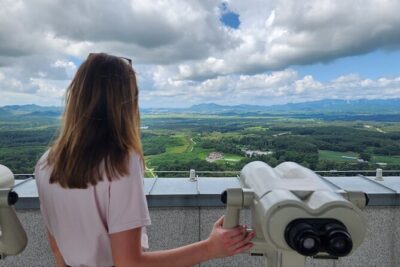
Thrilling Korean DMZ 3rd Tunnel Tour from Seoul + Red Bridge Rush
Read the review →Browse the lists this tour appears in