
Reviewed · DMZ TOURS
Ultimate Korea DMZ Tour from Seoul (Gondola & Suspension Bridge)
The most striking part of this day is the mix of solemn history and unexpectedly beautiful scenery. You can walk near the Civilian Control Line, peer toward North Korea from Dora Observatory, ride the Peace Gondola across the Imjin River, and finish among wooded hills and a long suspension bridge.
I like the way the tour gives the Korean War real human meaning at the Bridge of Freedom and Mangbaedan Memorial Altar. I also like having transport, military checkpoint guidance, and historical context handled for you. The catch is pace: the Third Tunnel requires a demanding uphill walk, and the day includes many stops in a group that can reach 150 people.
Key points at a glance
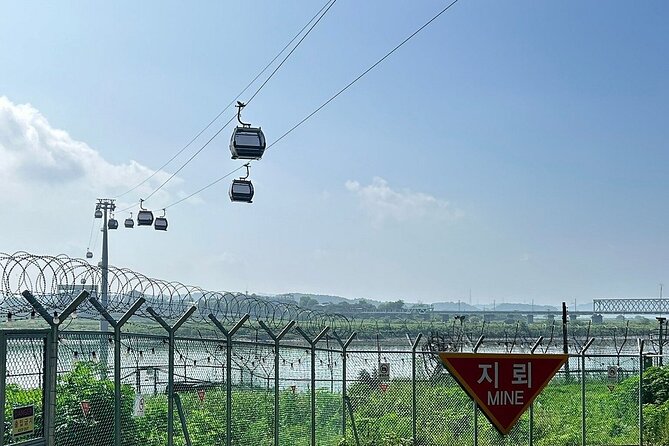
- Peace Gondola crossing: Ride beyond the Civilian Control Line for a high view over the Imjin River and nearby DMZ area.
- Third Tunnel visit: Walk through a North Korean infiltration tunnel, then face the steep return climb.
- Dora Observatory: Use telescopes to look toward North Korea, subject to military rules and weather.
- Imjingak’s memorials: See the Bridge of Freedom, a damaged steam locomotive, Mangbaedan altar, and the 21-ton Peace Bell.
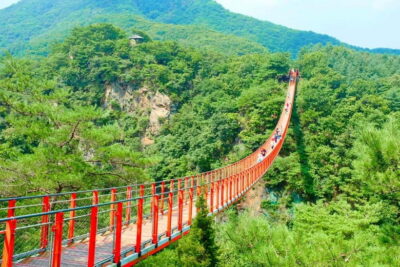
- Scenic suspension bridge: Add Gamaksan Chulleong Bridge or Majang Lake for a change from military history.
- Central Seoul transport: Meet at Myeongdong, Seoul City Hall, or Hongdae, then return to one of those areas.
Why this DMZ day trip is worth your time
The Korean Demilitarized Zone is not a normal sightseeing district. It is a 4-kilometer-wide buffer created after the 1953 armistice, and access is controlled by the military. That makes independent touring difficult, especially if you want to reach the Third Tunnel, Dora Observatory, and the area beyond the Civilian Control Line in one day.
This tour’s main strength is its structure. You spend roughly seven and a half hours moving between memorials, observation points, military checkpoints, and outdoor attractions. On the bus, your guide can explain how the division of Korea shaped families, villages, railways, and modern politics. Guides named in the tour feedback include Nancy, Emily, Diane, Hana, Kelly, Crystal, Gogo, Jenny, Ray, Alex, Moon, and Alice. The exact guide depends on the date, but the repeated praise centers on clear explanations, strong organization, humor, and care around military rules.
I would book this if you want a broad first visit rather than a single museum or viewpoint. You get a lot in one day, but you should not expect long, quiet stretches at each stop. The tour has to keep moving to meet security requirements and reach several sites before closing or crowding becomes an issue.
The price of about $35 per person is attractive for a full day with an air-conditioned vehicle, entrance fees, and a guide. You still need to pay for lunch, and hotel drop-off is not included. At that price, the value is mainly in transport and access. You would spend far more effort arranging the same chain of military-zone stops on your own, even if local transport were cheaper.
More DMZ Tours in Seoul:
- Best DMZ Tour Korea from Seoul (Red Suspension Bridge Optional)
★ 5.0 · 41,422 reviews - DMZ Tour: 3rd Tunnel, Option(Suspension Bridge, Boat) from Seoul
★ 5.0 · 21,373 reviews - DMZ tour south Korea from Seoul (NK experience hall, defector)
★ 5.0 · 20,599 reviews
Starting from Myeongdong, City Hall, or Hongdae
You choose one of three central Seoul meeting points: Myeongdong Subway Station Exit 9, Seoul City Hall Subway Station Exit 6, or Hongdae Subway Station Exit 3. These locations make the tour practical if you are staying in central Seoul or near a subway line.
The day may begin earlier than the posted time when demand is high. That early start matters because the DMZ has restricted access and the bus must fit several checkpoints into one schedule. Arrive ready to leave promptly, with your passport, military ID card, or South Korea-issued ARC available for inspection.
The bus returns to Hongdae, Seoul City Hall, or Myeongdong rather than to your hotel. Think of this as a useful feature, not only a limitation. You can finish near cafes and shops in Hongdae, palaces and civic sights around City Hall, or the shopping and street-food area of Myeongdong.
Imjingak Park turns division into something personal
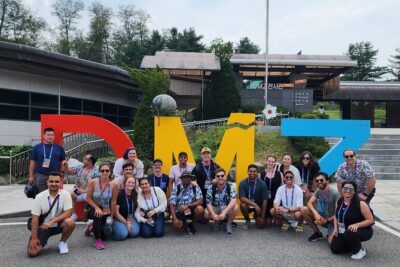
Imjingak Pyeonghwa-Nuri Park is the emotional starting point. The park presents reunification through memorials, artwork, exhibits, colorful pinwheels, and open space near the Imjin River. It is more than a place to take a quick border photo.
Look for the Bridge of Freedom, the old steam locomotive associated with Jangdan Station, the Peace Bell, and Mangbaedan Memorial Altar. Each object gives the division a human scale. The Bridge of Freedom carried 12,773 prisoners back to South Korea after the armistice, while Mangbaedan is used by families with relatives in North Korea, especially around major holidays.
The old locomotive is especially effective. It is a rusted reminder that the Gyeongui rail line once connected areas now separated by a heavily guarded border. The 21-ton Peace Bell, cast in 2002, adds a more hopeful note, though the message of reunification can feel solemn rather than cheerful here.
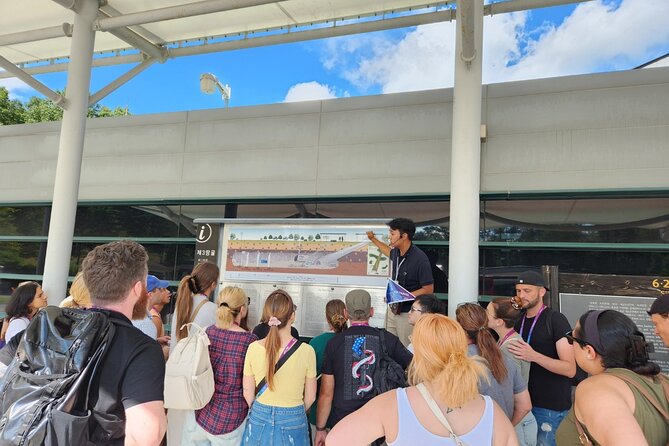
You have about 30 minutes at the park and separate short visits to nearby memorials. That is enough to see the major objects and hear an explanation, but not enough for a slow museum visit. If you prefer reading every display, you may feel hurried.
The Peace Gondola offers a different view of the DMZ
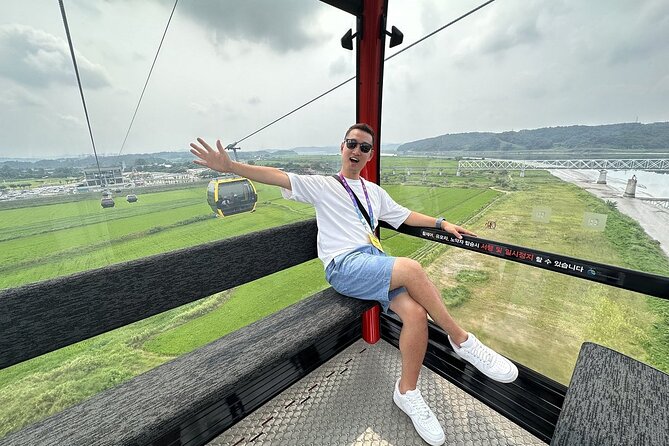
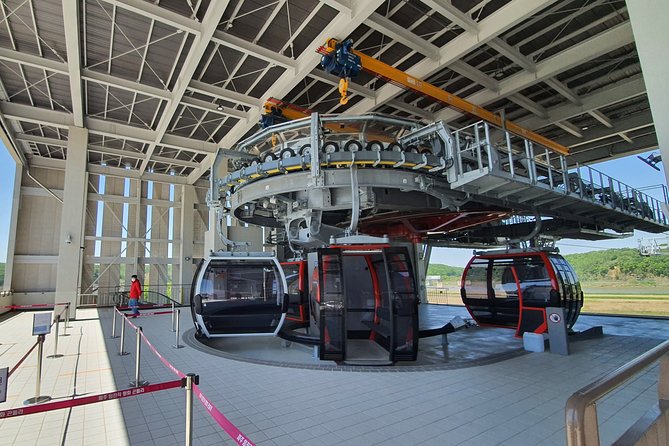
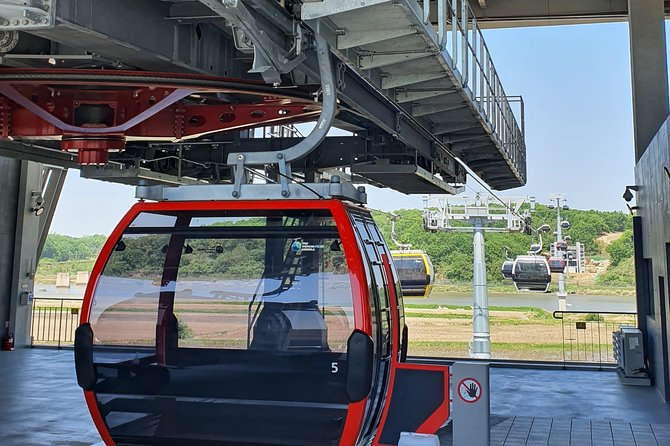
The Paju Imjingak Peace Gondola is the tour’s most unusual feature. Completed in 2020, it crosses the Imjin River and reaches beyond the Civilian Control Line. From the cabin, you get a raised view of the river and surrounding territory rather than the close, ground-level perspective offered by the tunnel and memorials.
The ride lasts about an hour as part of the stop. It gives your legs a break after walking around Imjingak and before the more demanding parts of the day. It also adds a little lift, quite literally, to a tour that otherwise focuses on war, separation, and security.
The gondola is described as optional, so check the exact booking terms for your departure. Some departures may handle it as an add-on or include it differently. Military restrictions still apply, and you should follow your guide’s instructions about photography. One useful rule for the whole day is simple: do not assume that a distant view means you can photograph it.
More Suspension Bridge Tours in Seoul:
- Seoul: DMZ Tour with Optional Suspension Bridge
★ 4.8 · 5,277 reviews - Seoul: DMZ The 3rd Tunnel and Suspension Bridge Tour
★ 5.0 · 4,656 reviews - Signature DMZ Tour: Exclusive Defector Talk & Suspension Bridge
★ 5.0 · 4,459 reviews - DMZ; NK Defector, 3rd Tunnel, Suspension Bridge,Hotel pickup
★ 4.9 · 2,055 reviews
Crossing the checkpoint makes the border real
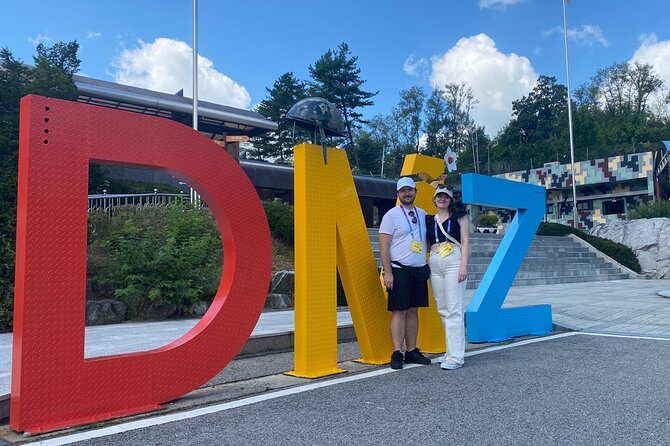
The bus stops at the Unification Bridge military checkpoint for ID verification. Soldiers inspect the vehicle, and you need your passport, military ID card, or South Korea-issued ARC ready. This is not decorative border theater. It is an active security procedure, and the schedule can change if military access changes.
The bus then crosses the Imjin River, an area where wildlife and birds have had room to survive since the armistice. You may see birds or other wildlife from the vehicle, but this is not a dedicated nature tour. The important point is the contrast: a guarded military zone has also become a quiet refuge because development and ordinary traffic are restricted.
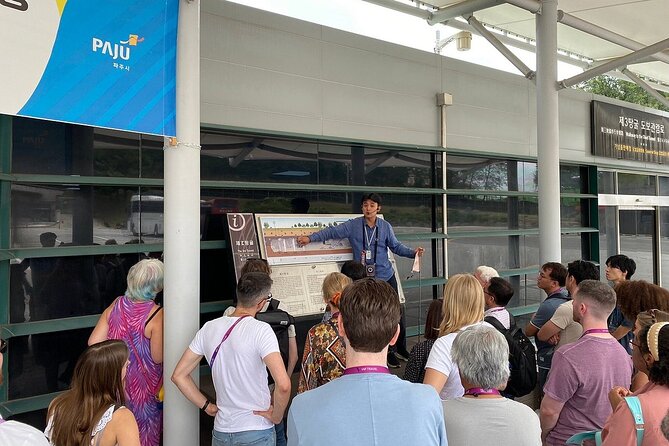
Your guide is particularly useful here. Nancy, for example, is praised for explaining when photographs are allowed and for keeping the group out of trouble with military rules. That kind of practical direction is more valuable than another dramatic speech about the border.
The Third Tunnel is the hardest and most memorable stop
The Third Tunnel, also called the Third Infiltration Tunnel, is the physical centerpiece of the tour. North Korea dug it beneath the border, and the tunnel was later discovered by South Korea. The visit lets you walk into the passage and approach a blocked section near the Military Demarcation Line.
This is not a gentle stroll. The route includes a long descent and, more notably, a steep uphill walk on the way back. The tunnel is narrow in places, and you may need to walk with your head lowered. Several people find the return climb much harder than expected, so wear comfortable shoes and do not treat the stop as a quick photo opportunity.
The payoff is not a grand view. In fact, the final sight may be limited to a barricade or a view through a small opening. The value comes from standing inside a military tunnel and understanding how close the threat once came to Seoul. If you dislike confined spaces or strenuous climbs, the displays and museum area near the site may be more rewarding than entering the tunnel itself.
This is the point where the tour’s family-friendly label needs a little qualification. Older children may find the tunnel fascinating, but anyone with mobility concerns should ask about the route before booking. The supplied information indicates no alternative access for people with disabilities, and the uphill sections can be serious.
Dora Observatory brings North Korea into view
Dora Observatory offers one of the closest official viewing points toward North Korea from the South Korean side. Rebuilt in 2018, it sits on Dorasan and provides telescopes aimed across the border.
The view depends on weather, visibility, and military instructions. You might see fields, hills, buildings, or only a hazy horizon. Do not expect a cinematic scene every time. The observatory’s importance is the act of looking across a line that remains politically and militarily charged.
Photography rules can be strict. Certain areas may prohibit photos of North Korea, and the guide will tell you when cameras must stay away. This can frustrate anyone hoping to document every view, but it is part of visiting a live security zone rather than a standard scenic overlook.
Your guide’s explanation makes a major difference. A well-prepared guide can point out what you are seeing and explain why some areas remain empty or heavily controlled. Without that context, the observatory could be over in a few minutes.
Tongilchon adds a glimpse of life near the control line
Tongilchon-gil leads to Tongilchon Jangdankong Maeul, a village near the Civilian Control Line. The stop is connected with Jangdan soybeans, a local agricultural product associated with the area’s protected farmland.
This visit breaks up the military sites with a more ordinary view of border life. You may have an opportunity to buy North Korean products or regional goods, depending on the operating arrangements that day. Treat the shopping stop as optional flavor rather than the main reason to choose the tour.
It also offers a practical pause in a tightly scheduled day. After the tunnel and observatory, a village stop gives you time to browse, use facilities, and reset before the final outdoor attraction.
Choose the right suspension bridge finish
The tour lists two optional suspension bridge possibilities: Gamaksan Chulleong Bridge and Majang Lake Suspension Bridge. Both add scenery and exercise, but they are not interchangeable.
Gamaksan Red Suspension Bridge is 150 meters long and 1.5 meters wide. It was built in 2018 near the DMZ to honor Korean War heroes. The wooded setting and height provide a strong visual change after the memorials and observation posts. You should expect walking on hills, and the bridge may bounce slightly as people cross.
Majang Lake’s bridge is longer at 220 meters and spans a reservoir. It was built in 2017, and its setting is more recreational, with water and trees below. The crossing can feel exposed if you dislike height, but it offers some of the prettiest scenery on the schedule.
The itinerary marks these bridge stops as optional, so confirm which one applies to your departure. If you have limited energy, save some for this section. The bridge visit can be the most enjoyable finish, but it loses its appeal if you are already worn out from the Third Tunnel.
What the guides add to a tightly packed day
The best part of the tour may be the guide’s ability to turn a series of short stops into one connected story. Nancy receives repeated praise for warmth, energy, useful tips, and keeping the group on time. Emily is noted for strong explanations and a courteous manner, while Diane is praised for personal stories and clear historical background.
Hana is described as especially good at explaining the meaning of each location and connecting North and South Korea to the wider story. Alex, also identified as MJ, is praised for managing a group while sharing personal and family context. These details matter because the DMZ can feel confusing without a guide who explains what you are seeing and why it matters.
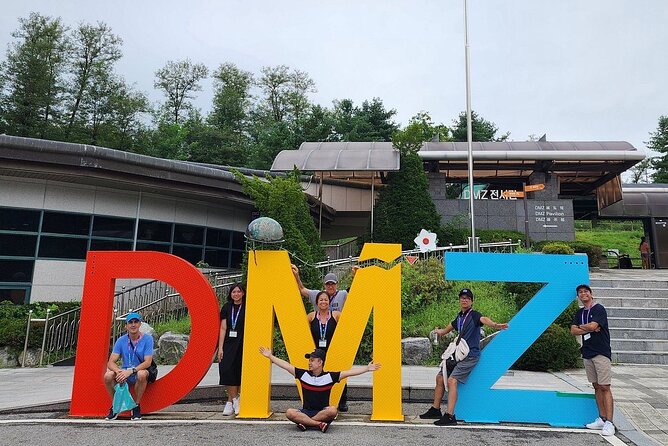
Expect a group tour, not a private outing. The maximum listed group size is 150, although individual departures can be smaller. At every stop, listen for the meeting time and stay near the guide. One late person can delay the entire bus, and the military schedule leaves little room for improvisation.
Practical advice before you book
Wear shoes with good grip. You will encounter hills, the Third Tunnel’s confined walking route, and potentially a suspension bridge. Pack water and a small snack since lunch is not included, and keep your passport or accepted identification accessible rather than buried in your luggage.
Allow time for the ride to and from Seoul. The listed duration is about seven and a half hours, but traffic, security checks, and changing access rules can affect the day. The tour may leave earlier than the posted time when the DMZ is busy.
Most people can take part, but the physical demands deserve honest attention. The two longer uphill walks are not always obvious from the sales description. If you have mobility limits, ask before paying, since the available information indicates no suitable alternative for the restricted tunnel and bridge sections.
The tour offers free cancellation up to 24 hours before the start time. Cancellations or changes made less than 24 hours ahead are not accepted for a refund.
Who should choose this DMZ tour?
I would choose it for a first visit to Seoul’s DMZ, especially if you want history, a military-zone viewpoint, the Third Tunnel, a gondola ride, and a scenic bridge in one organized day. It suits families with active older children, couples, and solo visitors who prefer not to manage checkpoints and restricted transport alone.
I would think twice if you want a slow, reflective day with long museum visits. The schedule is full, the group may be large, and the tunnel climb is real work. Anyone hoping to photograph North Korea freely may also be disappointed by military restrictions.
Should you book it?
Book this tour if variety and value matter most. For about $35, you receive transport, guide service, and listed admission costs while covering a remarkable range of sites. The Peace Gondola and suspension bridge make it more varied than a basic DMZ bus trip, while Imjingak, the Third Tunnel, and Dora Observatory supply the serious historical core.
Skip it if you need step-free access, dislike confined spaces, or prefer to linger at each memorial. For everyone else, this is a practical and memorable way to understand the divided Korean Peninsula without spending a second day arranging transport and permissions.
FAQ
How long does the Ultimate Korea DMZ Tour last?
The tour lasts approximately 7 hours and 30 minutes.
Where can I meet the tour in Seoul?
You can meet at Myeongdong Subway Station Exit 9, Seoul City Hall Subway Station Exit 6, or Hongdae Subway Station Exit 3.
Is transportation included?
Yes. Round-trip transportation in an air-conditioned vehicle is included.
Is lunch included?
No. Lunch is not included in the tour price.
Do I need identification for the military checkpoint?
Yes. Bring your passport, military ID card, or South Korea-issued ARC for ID verification at the Unification Bridge checkpoint.
Does the tour visit the Third Tunnel?
Yes. The itinerary includes a visit to the Third Tunnel, also called the Third Infiltration Tunnel or Third Tunnel of Aggression.
Are the gondola and suspension bridge included?
The itinerary identifies the Peace Gondola and suspension bridge stops as optional. Check the exact inclusions for your selected departure before booking.
Where does the tour end?
The tour drops you at Hongdae, Seoul City Hall, or Myeongdong. Hotel drop-off is not included.
More day trips out of Seoul
- Thrilling Korean DMZ 3rd Tunnel Tour from Seoul + Red Bridge Rush
★ 5.0 · 3,097 reviews - DMZ Past and Present: Korean Demilitarized Zone Tour from Seoul
★ 5.0 · 2,481 reviews - DMZ Tour from Seoul – Optional Suspension Bridge Experience
★ 5.0 · 1,918 reviews - Half-Day DMZ Tour Led by a Retired Military Officer from Seoul
★ 5.0 · 1,774 reviews
Recently added around Seoul
- Nami & Maple Road & Theatre des Lumieres Day Tour from Seoul★ 4.8 · 4 reviews
- Gyeongbokgung Palace Photo Session with your own phone★ 5.0 · 4 reviews
- Private Tour around Suwon UNESCO Fortress and Korea Folks Village★ 4.5 · 4 reviews
- Seoul: Deoksugung Palace Night Tour★ 4.5 · 4 reviews
- N Seoul Tower + Namsan Cable Car Ticket (Collect in Myeongdong)★ 3.5 · 4 reviews
- Jisan Forest Resort: Ski Full-Day Tour or Shuttle from Seoul★ 5.0 · 4 reviews
- Seoul Private Walking Tour with a Local★ 5.0 · 4 reviews
- Private Jeonju Hanok Village – Culinary tour★ 5.0 · 4 reviews
DMZ Tours, compared.
Best DMZ Tour Korea from Seoul (Red Suspension Bridge Optional)
Read the review →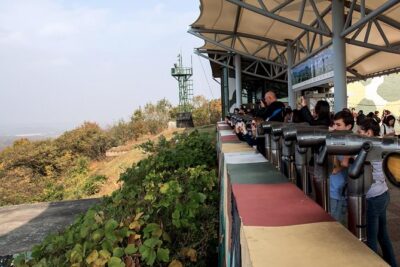
DMZ Tour: 3rd Tunnel, Option(Suspension Bridge, Boat) from Seoul
Read the review →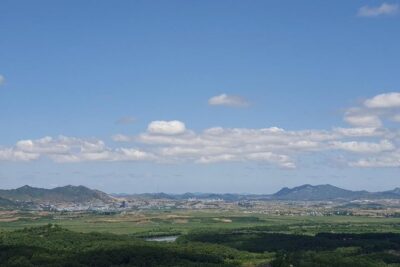
DMZ tour south Korea from Seoul (NK experience hall, defector)
Read the review →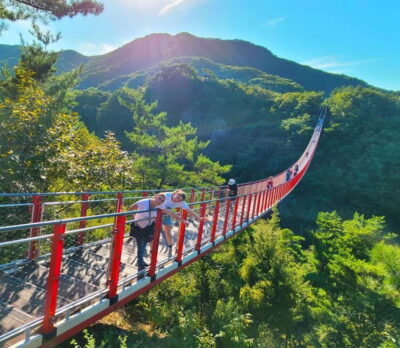
DMZ Insider Tour: 3rd Tunnel, NK Defector Meet & Red Bridge
Read the review →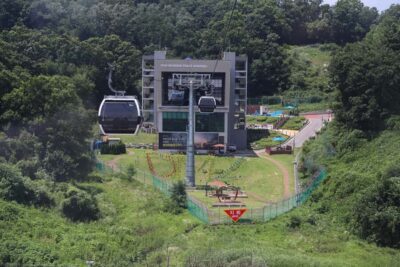
DMZ The 3rd Tunnel and Suspension Bridge Tour
Read the review →
Signature DMZ Tour: Exclusive Defector Talk & Suspension Bridge
Read the review →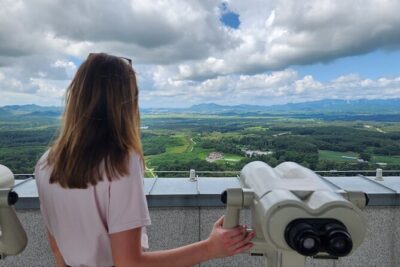
Thrilling Korean DMZ 3rd Tunnel Tour from Seoul + Red Bridge Rush
Read the review →Browse the lists this tour appears in