
Reviewed · DMZ TOURS
From Seoul: Cost-Benefit DMZ Shuttle Bus tour
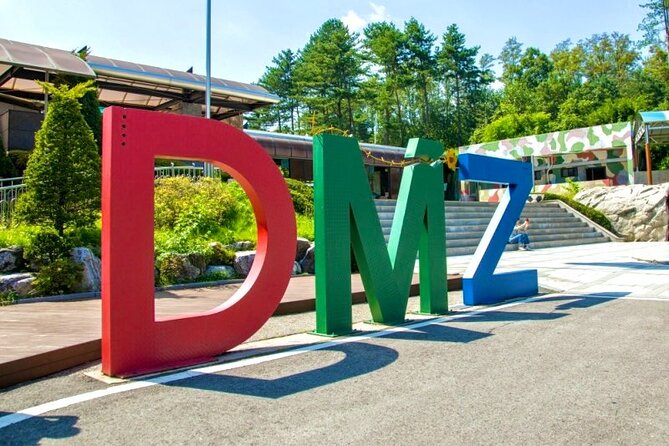
The Third Tunnel gives this Seoul day trip its sharpest edge. Built for a possible North Korean invasion, it is not just a history stop. It is a physical reminder of how close the conflict once came to becoming even more dangerous. You also visit Dora Observatory, Imjingak Park, Dokgae Bridge, and the Beat 131 Bunker Exhibition Hall.
I like the low $31 tour price and the direct shuttle from central Seoul. I also like having simple English information during the ride, since the journey to the border is part of the lesson. Guides Han and Jo are praised for answering questions and explaining the setting clearly.
The main catch is that the $10 DMZ admission fee is extra, and the day can stretch to 10 hours depending on local conditions. A large group of up to 100 people may also feel less personal than a small guided outing.
Key points to know before booking
- The Third Tunnel adds a powerful physical sense of the conflict, not just another photo stop.
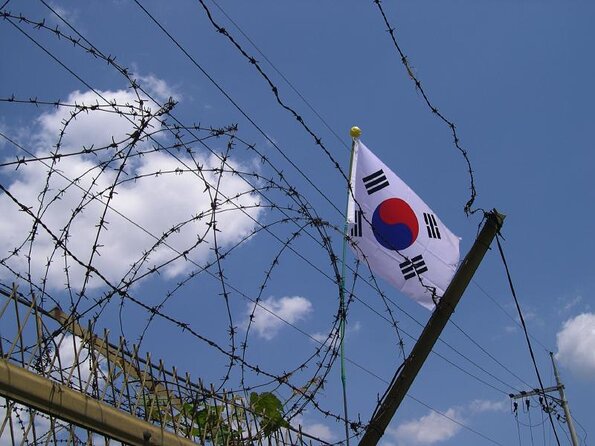
- Dora Observatory and Imjingak Park show different sides of the DMZ, from military tension to peace symbolism.
- Guide Han is specifically praised for clear, kind explanations, with Jo also helping answer questions.
- The $31 price covers the shuttle and staff guidance, but DMZ admission costs another $10.
- The tour leaves from 92 Sejong-daero in central Seoul and returns to the same meeting point.
- You need your passport, and the schedule can change with weather or local conditions.
Why this Seoul DMZ tour is worth considering
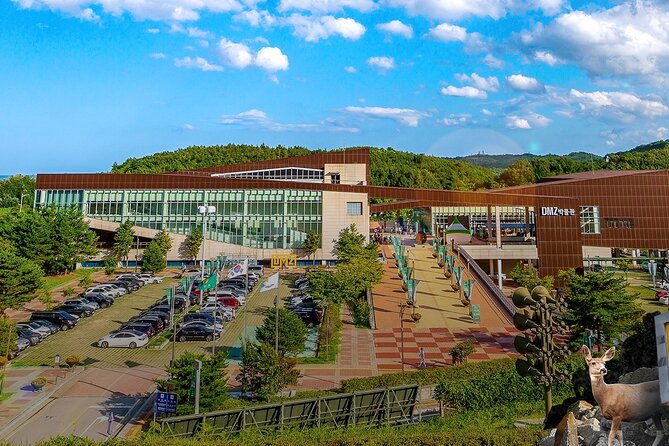
The DMZ is one of the few places where modern history feels close at hand. The Korean War ended with an armistice on July 27, 1953, after three years and one month of fighting. That agreement stopped the shooting, but it did not create a formal peace treaty. The Demilitarized Zone remains a symbol of that unfinished story.
I like this tour because it gives you more than a distant view of the border. You see places connected to the war, the division of Korea, and the hope for peace. The bus ride also matters. It gives guides time to explain what you are seeing before you arrive, which helps the stops make sense instead of becoming a string of unfamiliar names.
At $31 per person, the value is straightforward. You receive an air-conditioned vehicle, transport from Seoul, and English staff for simple instructions. You still pay the $10 DMZ admission charge, and lunch is not included, so your real cost will be higher. Even so, the base price is modest for a full-day outing that reaches an area you cannot treat like an ordinary independent sightseeing stop.
The experience lasts about eight to 10 hours. The published schedule allows around 50 minutes for the transfer from Seoul and about seven hours in the DMZ and Imjingak area. Local conditions can extend the day, so keep your evening plans flexible.
More DMZ Tours in Seoul:
- Best DMZ Tour Korea from Seoul (Red Suspension Bridge Optional)
★ 5.0 · 41,422 reviews - DMZ Tour: 3rd Tunnel, Option(Suspension Bridge, Boat) from Seoul
★ 5.0 · 21,373 reviews - DMZ tour south Korea from Seoul (NK experience hall, defector)
★ 5.0 · 20,599 reviews
Meeting the shuttle at 92 Sejong-daero
The tour begins at 92 Sejong-daero, Jung District, Seoul. You meet the guide there, and once the group has arrived, the shuttle heads directly toward the DMZ.
That direct transfer is one of the tour’s practical strengths. You do not need to arrange separate rail, bus, or taxi connections to reach the border area. The air-conditioned vehicle also gives you a comfortable place to sit during the long ride.
English support is described as simple instructions rather than a full lecture service. That distinction matters. You should expect help with meeting times, movement between stops, and basic information, but this may not be the same as a highly detailed academic tour.
Guides Han and Jo are the names to look for. Han receives particular praise for being kind and informative, and for taking time to answer questions. Jo is also noted for helping with questions. If you want to get more from the day, listen during the drive and ask about anything that needs clarification.
The group limit is 100 people. That is a fairly large possible group, so you should expect a practical shuttle experience rather than a quiet, intimate walk with a guide. The advantage is the lower cost. The tradeoff is less individual attention.
Entering the DMZ and understanding the setting

The DMZ is described as the only place in the world of its kind. That wording points to its unusual character: it is a heavily controlled border area created by war, yet it is also presented as a symbol of peace and a connection between the Korean Peninsula and nature.
You will not experience the DMZ as an ordinary park. The area has rules, controlled access, and a schedule shaped by local conditions. Your passport is required, so keep it with you and make sure the name on your booking matches your identification.
The value of a guided visit becomes clear here. The border is not self-explanatory. Without context, a lookout, bridge, or bunker can seem like a series of stark military sites. With an explanation of the 1953 armistice and the division that followed, each stop carries more meaning.
You should also stay alert to changes. The tour can be canceled for poor weather or if the minimum number of participants is not met. In either case, you are offered another date or experience, or a full refund. This is useful protection, but it also means the DMZ is not a place where every plan is completely fixed.
The Third Tunnel, a close look at invasion plans
The Third Tunnel is likely to be the most memorable stop for many people. It was built for invasion by North Korea, and its existence shows the practical lengths taken to prepare for another attack.
This is where the history becomes physical. Rather than only hearing about military tension, you are connected to a structure created beneath the border area. The tunnel gives the conflict a sense of scale and effort that a museum display alone cannot provide.
Expect this stop to feel more serious than scenic. It is about military planning, fear, and the possibility of another offensive. The tour description does not provide details about the walking conditions or how much time you spend inside, so you should follow the guide’s instructions and be ready for a more active part of the day.
The Third Tunnel also helps explain why the DMZ remains closely managed. This is not simply a historic site preserved for visitors. It is part of a sensitive border zone, and access depends on local rules.
More day trips out of Seoul:
- Thrilling Korean DMZ 3rd Tunnel Tour from Seoul + Red Bridge Rush
★ 5.0 · 3,097 reviews - DMZ Past and Present: Korean Demilitarized Zone Tour from Seoul
★ 5.0 · 2,481 reviews - Ultimate Korea DMZ Tour from Seoul (Gondola & Suspension Bridge)
★ 5.0 · 2,396 reviews - DMZ Tour from Seoul – Optional Suspension Bridge Experience
★ 5.0 · 1,918 reviews
Dora Observatory and the view across the border
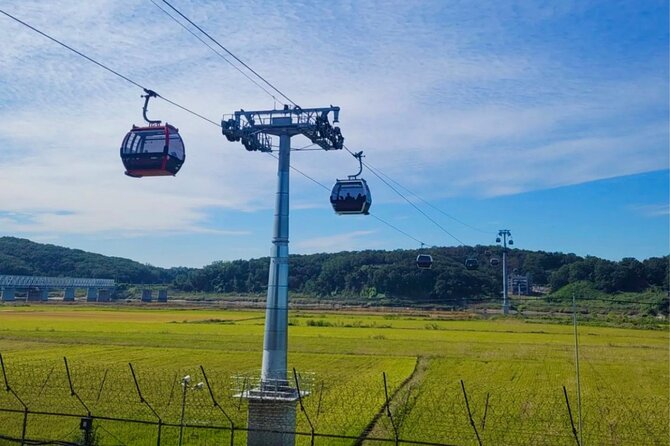
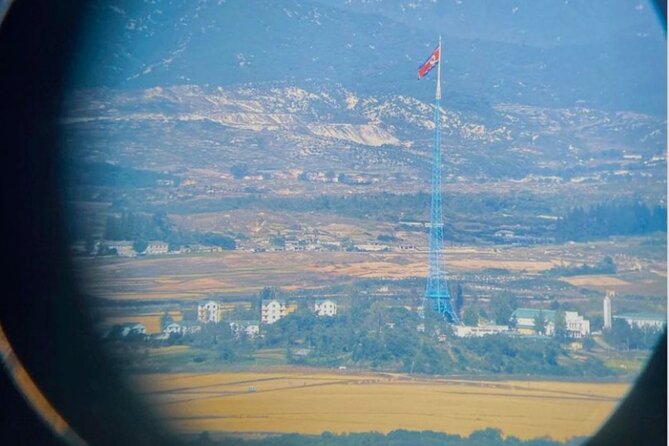
Dora Observatory offers a different experience. Here, you look outward across the DMZ rather than downward into a tunnel. The stop connects the landscape you can see with the political division you have been learning about.
The appeal is not just the view itself. It is the chance to consider how a border can divide people, towns, and a peninsula while appearing quiet from a distance. The setting may seem calm, but the history behind it is not.
I would treat this as a listening stop. Pay attention to the guide’s explanation of what you can see and why the site matters. The information provided does not promise a particular level of visibility or a guaranteed view on every day, so weather and conditions may affect what you can make out.
Dora Observatory works well alongside the Third Tunnel. The tunnel shows what happened below ground, while the observatory gives you a wider sense of the divided peninsula.
Imjingak Park and the signs of peace
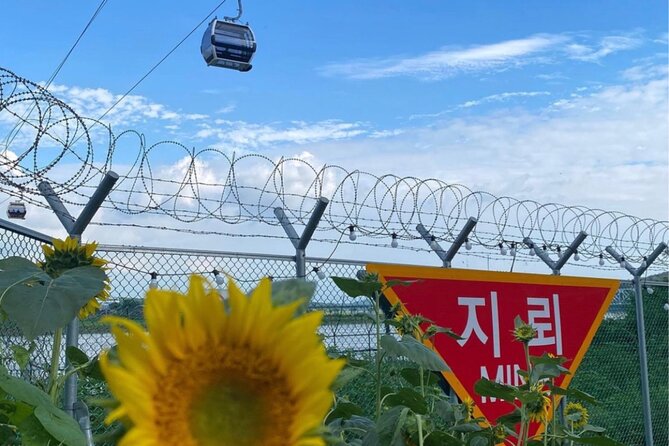
Imjingak Park adds a more public and symbolic side to the day. The DMZ is often associated with danger and military control, but Imjingak presents it as a place connected to peace and remembrance.
This contrast is important. You move from invasion infrastructure and border observation to a setting built around the hope that the division will someday end. The tour also includes Pyeonghwa Nuri Park, whose name means peace, reinforcing that theme.
These places may appeal most to you if you want the day to include more than military history. They connect the DMZ to families separated by the division and to the broader wish for reconciliation. The supplied information does not specify every exhibit or memorial feature you will see, so your guide’s explanation will shape how much detail you receive.
Imjingak also helps break up the more intense parts of the visit. After the Third Tunnel and Dora Observatory, a peace-focused park gives the day a different emotional rhythm.
Dokgae Bridge and the DMZ Peace Gondola area
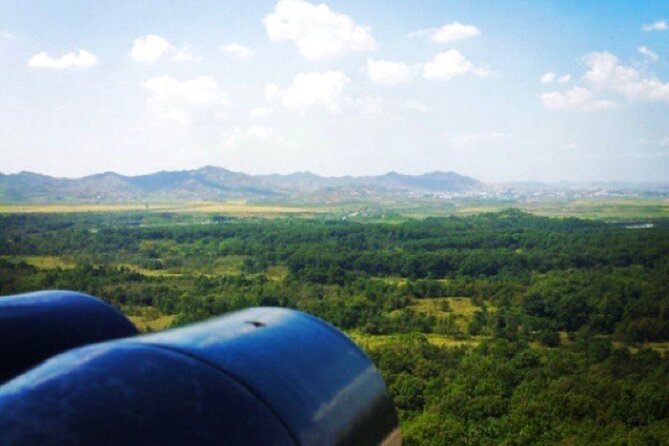
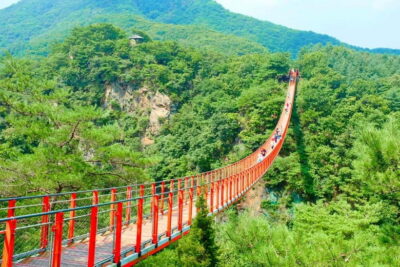
Dokgae Bridge is another key stop tied to movement and division. Bridges normally connect places. Here, the name fits the larger story of a peninsula that remains divided despite its shared culture and history.
The tour also lists the DMZ Peace Gondola among the key sights. The information confirms that the gondola is part of the DMZ visit, but it does not state that a ride is included in the base price. It is wise to ask the guide how the gondola fits into the day and whether any separate payment or local arrangement applies.
That small bit of checking can prevent confusion. The same advice applies to DMZ admission, which costs $10 extra and must be arranged with guidance from the tour staff.
Together, Dokgae Bridge and the gondola area add variety to the day. You are not spending all seven hours at one tunnel or one lookout. Instead, you move through places that show the border as a military zone, a memorial setting, and a possible route toward connection.
Beat 131 Bunker Exhibition Hall
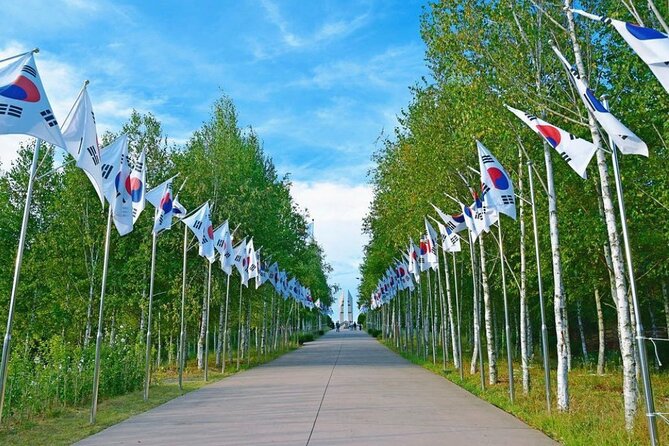
The Beat 131 Bunker Exhibition Hall gives the tour an indoor exhibition stop. A bunker is a fitting setting for learning about a conflict shaped by military readiness, divided territory, and the fear of renewed fighting.
This stop can add useful detail to the outdoor sites. At Dora Observatory, you view the border. At the Third Tunnel, you encounter an invasion route. At Beat 131, the exhibition setting can help tie those pieces together through displays and interpretation.
The supplied details do not list the exhibition contents, so I would not book this tour expecting a particular collection or presentation. Think of it as one of several stops that build a wider picture of the DMZ.
How the price compares with the day you receive
The $31 base rate is the strongest reason to consider this outing. For that amount, you receive a shuttle from Seoul, an air-conditioned vehicle, and staff support during a full-day visit. The transport alone removes much of the planning burden.
The extra $10 admission fee is important. Add lunch, which you must arrange yourself, and the final expense will be above the advertised starting price. Still, the outing remains positioned as a budget-friendly way to reach the DMZ.
The value depends on what you want from a guide. If you mainly need transport and basic instructions, this package should suit you well. If you want long lectures, a very small group, or highly personalized commentary at every stop, the maximum group size of 100 may be a limitation.
I also like that guide Han is praised for answering questions, with Jo helping as well. That suggests the experience can be more useful when you speak up. Do not wait until the end of the day if you are unsure about a site or its history.
Who should book this DMZ outing
I would choose this tour if you want a reasonably priced first visit to the DMZ from Seoul. It suits you best if you value the major sights, simple English support, and a full day that handles the transport.
It is also a good fit for visitors who want both sides of the story: the war and the hope for peace. The Third Tunnel and Beat 131 Bunker address military history, while Imjingak Park, Pyeonghwa Nuri Park, Dokgae Bridge, and the Peace Gondola area connect the visit with reconciliation.
You may want another type of experience if you dislike long days, large groups, or schedules that can change. The tour is not ideal for someone who needs a guaranteed finish time, since local conditions may extend it to 10 hours.
Bring your passport, keep your evening open, and plan for the separate admission charge. Most people can participate, and the tour is near public transportation, but the information does not promise special accessibility arrangements for every stop.
Should you book the Cost-Benefit DMZ Shuttle Bus?
Book it if you want the main DMZ sights without paying for a high-end private tour. The $31 starting price, central Seoul meeting point, air-conditioned shuttle, and clear route make it a practical choice.
The best reason to go is the mix of places. You see an invasion tunnel, a border observatory, peace parks, a bridge, a bunker exhibition hall, and the Imjingak area in one long day. The main cautions are the extra $10 admission fee, the missing lunch, the possible 100-person group, and the chance of a 10-hour schedule.
If you are comfortable with those limits, this is a sensible and affordable way to place the Korean War and the divided peninsula in a real setting. Guides Han and Jo add useful human help, especially when you have questions. Just arrive prepared, carry your passport, and let the day unfold at the pace required by the border.
FAQ
How much does the Cost-Benefit DMZ Shuttle Bus tour cost?
The tour costs $31 per person. DMZ admission is not included and costs an additional $10.
How long does the tour last?
The experience lasts approximately eight to 10 hours. The schedule may extend to 10 hours depending on local conditions.
Where does the tour start?
You meet the guide at 92 Sejong-daero, Jung District, Seoul, South Korea.
Where does the tour end?
The activity ends back at the original meeting point in Seoul.
Is lunch included?
No. Lunch is not included in the tour price.
Do I need my passport?
Yes. A passport is required for this DMZ tour.
Is the tour conducted in English?
English staff provide simple instructions, and guides Han and Jo can help answer questions.
What happens if bad weather cancels the tour?
If poor weather causes cancellation, you are offered a different date or experience, or a full refund.
Recently added around Seoul
- Gyeongbokgung Palace Photo Session with your own phone★ 5.0 · 4 reviews
- Private Tour around Suwon UNESCO Fortress and Korea Folks Village★ 4.5 · 4 reviews
- Nami & Maple Road & Theatre des Lumieres Day Tour from Seoul★ 4.8 · 4 reviews
- N Seoul Tower + Namsan Cable Car Ticket (Collect in Myeongdong)★ 3.5 · 4 reviews
- Jisan Forest Resort: Ski Full-Day Tour or Shuttle from Seoul★ 5.0 · 4 reviews
- Seoul: Deoksugung Palace Night Tour★ 4.5 · 4 reviews
- Private Jeonju Hanok Village – Culinary tour★ 5.0 · 4 reviews
- Seoul Private Walking Tour with a Local★ 5.0 · 4 reviews
DMZ Tours, compared.
Best DMZ Tour Korea from Seoul (Red Suspension Bridge Optional)
Read the review →
DMZ Tour: 3rd Tunnel, Option(Suspension Bridge, Boat) from Seoul
Read the review →
DMZ tour south Korea from Seoul (NK experience hall, defector)
Read the review →
DMZ Insider Tour: 3rd Tunnel, NK Defector Meet & Red Bridge
Read the review →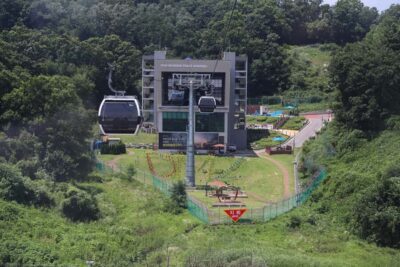
DMZ The 3rd Tunnel and Suspension Bridge Tour
Read the review →
Signature DMZ Tour: Exclusive Defector Talk & Suspension Bridge
Read the review →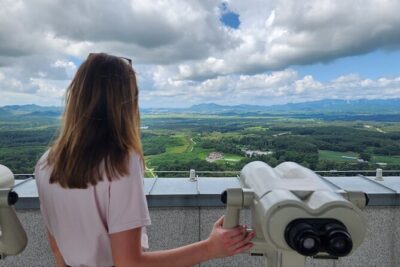
Thrilling Korean DMZ 3rd Tunnel Tour from Seoul + Red Bridge Rush
Read the review →Browse the lists this tour appears in