
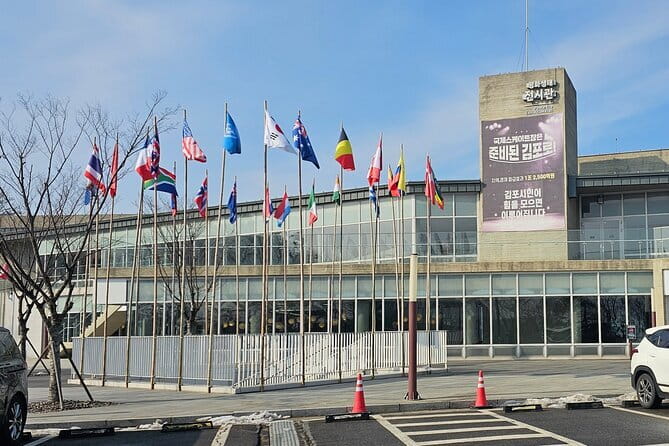
Reviewed · DMZ TOURS
[Small Group] Aegibong and DMZ Closest Views of North Korea
The most striking part of this day is the view from Aegibong Peace Ecopark, where North Korean villages and farmland sit unusually close across the border. This is not a distant glimpse through haze. From Jogang Observatory, you can look across the river toward the daily setting on the other side, subject to weather and visibility.
I like the way this tour combines the serious history of Imjingak and the 3rd Infiltration Tunnel with the quieter, more personal view from Aegibong. I also like the attention to timing: guides such as Sophia have been praised for getting small groups through key stops before the larger buses arrive. The main consideration is the long day and the moderate physical effort, especially the sloping walk through the tunnel.
Key points to know before booking
![[Small Group] Aegibong and DMZ Closest Views of North Korea - Key points to know before booking](https://up.introducingkorea.com/wp-content/uploads/small-group-aegibong-and-dmz-closest-views-of-north-korea-1.jpg)
- Aegibong gives you the closest views of North Korea: See villages, fields, and surrounding hills from Jogang Observatory.
- The 3rd Infiltration Tunnel is a physical visit: You descend into a former invasion route built by North Korea, so expect walking and an uphill return.
- The tour covers two very different border experiences: Imjingak explains division and reunification, while Aegibong gives you a direct visual sense of the border.
- English-speaking guides add needed context: Eunice, Sophia, Mimi, and Jung have been praised for clear explanations and thoughtful storytelling.
- Transportation and entry fees are included: You pay extra for lunch, drinks, and personal purchases.
- The day ends in central Seoul: Drop-off is in Myeongdong, with an estimated arrival around 16:00.
Why Aegibong changes the usual DMZ day
![[Small Group] Aegibong and DMZ Closest Views of North Korea - Why Aegibong changes the usual DMZ day](https://up.introducingkorea.com/wp-content/uploads/small-group-aegibong-and-dmz-closest-views-of-north-korea-2.jpg)
Many DMZ outings focus on military history, observation posts, and the tense space between North and South Korea. This one adds Aegibong Peace Ecopark in Gimpo, a stop that gives the day a more immediate human scale.
At Aegibong, North Korea is not just a marked zone on a map. You can look toward villages and farmland from a peaceful park near the border. The view helps you think about the division in practical terms: fields continue, homes remain visible, and ordinary life carries on just across a heavily controlled boundary.
The park also has walking paths and exhibits about the area. You are not simply rushed to a lookout, take a photograph, and leave. The setting offers time to consider what the border means, though the exact clarity of the view will depend on weather.
That makes this tour a good choice if you want more than a standard military-history excursion. You get the famous DMZ stops, but Aegibong provides the most distinctive visual moment of the day.
More Small Group Tours in Seoul
- Small Group Tour to DMZ & Suspension Bridge with Hotel Pickup
★ 5.0 · 1,568 reviews - Small-Group Royal Palace and Seoul City Tour (hotel pick-up)
★ 5.0 · 1,474 reviews - Seoul: Small-Group DMZ Tour with North Korea Experience Hall
★ 4.7 · 1,399 reviews
Imjingak and Pyeonghwa Nuri: starting with memory
The day begins at Imjingak Pyeonghwa Nuri Park, a large unification and security complex near the DMZ. The area includes Imjingak Pavilion, the North Korea Center, Unification Park, and monuments connected with the Korean War and the division of Korea.
Allow about two hours here. That is useful because Imjingak is not a single viewpoint. It is a collection of memorials, public spaces, and historical displays, and you need time to move between them without treating the stop as a quick photo break.
Pyeonghwa Nuri Park also hosts events and has open grounds where the political message of peace and reunification is easy to see. Some parts feel solemn, while others are more spacious and public. That contrast matters: the site is both a memorial area and a place where South Koreans gather around the idea of a future without division.
Your guide provides the historical thread. Jung has been praised for helping visitors understand the DMZ in a clear way, while Eunice has been singled out for explaining both sides of Korea with warmth and care. Guide assignments can change, but the most useful part of their job is connecting the monuments to the Korean War and the armistice that followed.
You should bring your passport. An identity check is required before crossing the Unification Bridge into the restricted area. This is a real security procedure, not a theatrical part of the tour, so keep your passport accessible and expect the pace to pause briefly.
Crossing the Unification Bridge into the restricted zone
The bridge crossing marks a clear change in atmosphere. You leave the more open public area around Imjingak and enter a controlled zone shaped by military rules and decades of tension.
The ID check is one reason this trip feels different from an ordinary historical sightseeing day. Access depends on the required documents and operating conditions, and the tour takes place within an area where procedures matter.
An air-conditioned vehicle handles the transportation between locations. The private transportation is especially useful here because the stops are spread across the northern part of the Seoul area and border region. You are not working out separate bus connections between a memorial park, a tunnel, an observatory, and Aegibong.
The advertised group limit is up to 40 people, so small group does not necessarily mean an intimate party of only a handful of people. Still, the experience can feel more organized when your guide controls the timing. Sophia has been praised for arranging the visit so the group reached stops ahead of larger tour buses.
The DMZ Theater and Exhibition Hall
![[Small Group] Aegibong and DMZ Closest Views of North Korea - The DMZ Theater and Exhibition Hall](https://up.introducingkorea.com/wp-content/uploads/small-group-aegibong-and-dmz-closest-views-of-north-korea-4.jpg)
The DMZ Theater and Exhibition Hall gives you background before the more dramatic parts of the visit. The focus includes the Korean War, the armistice agreements, the continuing division, and efforts toward peace.
This stop is valuable because the DMZ can otherwise become a string of unusual sights without enough context. The theater and exhibits help explain why the border exists, how the conflict stopped without a formal peace treaty, and why the area remains heavily restricted.
I would pay attention here even if you already know the broad outline of the Korean War. The later visits to the tunnel and observatory make more sense when you understand the armistice and the security arrangements that followed.
The schedule is full, so this is not a long museum visit with unlimited time. Treat it as the foundation for the rest of the day. Your guide can fill in the details as you move from one site to the next.
More DMZ Tours in Seoul:
- Best DMZ Tour Korea from Seoul (Red Suspension Bridge Optional)
★ 5.0 · 41,422 reviews - DMZ Tour: 3rd Tunnel, Option(Suspension Bridge, Boat) from Seoul
★ 5.0 · 21,373 reviews - DMZ tour south Korea from Seoul (NK experience hall, defector)
★ 5.0 · 20,599 reviews - Seoul: DMZ Tour with Optional Suspension Bridge
★ 4.8 · 5,277 reviews
The 3rd Infiltration Tunnel is the day’s physical challenge
![[Small Group] Aegibong and DMZ Closest Views of North Korea - The 3rd Infiltration Tunnel is the day’s physical challenge](https://up.introducingkorea.com/wp-content/uploads/small-group-aegibong-and-dmz-closest-views-of-north-korea-5.jpg)
The 3rd Infiltration Tunnel was built by North Korea as a route for an invasion of South Korea and discovered in 1978. Of the four tunnels found so far, it is the closest to Seoul, about 52 kilometers away.
You spend about an hour and a half at the tunnel area. The distinctive part is the descent into the passage itself. You will need a moderate level of physical fitness, and the return involves walking back up the slope.
This is not a comfortable, effortless attraction. The tunnel is narrow and the route requires physical exertion, but that is also why it leaves such a strong impression. A map or exhibit can explain the plan. Walking into the passage gives you a bodily sense of the scale and purpose of the construction.
The stop has been particularly praised by people who enjoyed seeing several different aspects of the DMZ in one day. The tunnel is often the moment that makes the history feel tangible. It is also the place where sensible footwear matters most.
Give yourself time and do not treat the downhill section as the hard part. The return is where you may feel the effort. If you have knee, mobility, or stamina concerns, consider this carefully before booking, since the tour specifically asks for moderate physical fitness.
Dora Observatory and the controlled view north
![[Small Group] Aegibong and DMZ Closest Views of North Korea - Dora Observatory and the controlled view north](https://up.introducingkorea.com/wp-content/uploads/small-group-aegibong-and-dmz-closest-views-of-north-korea-6.jpg)
Dora Observatory is the classic DMZ viewpoint on this route. From here, you may see Panmunjeom, the village of Daeseong-dong inside the DMZ, nearby mountains, and farmland, depending on the weather.
The observatory sits close to Panmunjeom and offers a broad view of the border area. It is a very different experience from the tunnel. Below ground, you consider a secret military route. Here, you stand above ground and try to read the geography of a divided peninsula.
Visibility is the key variable. On a clear day, the view can be memorable. Haze, cloud, or poor weather may reduce what you can see, and the tour provider notes that the experience requires good weather. You should come for the setting and the meaning as much as for a perfect photograph.
Your guide helps identify what you are looking at. Without that explanation, distant villages and fields can blur together. With context, the view becomes a lesson in how close the two countries are despite the political distance.
Aegibong Peace Ecopark and Jogang Observatory
![[Small Group] Aegibong and DMZ Closest Views of North Korea - Aegibong Peace Ecopark and Jogang Observatory](https://up.introducingkorea.com/wp-content/uploads/small-group-aegibong-and-dmz-closest-views-of-north-korea-7.jpg)
After the main DMZ stops, the tour heads to Aegibong Peace Ecopark in Gimpo. The park combines nature, walking paths, historical exhibits, and border views. It is presented as a place of peace, but its location gives that message real weight.
The most important stop within the park is Jogang Observatory. This is where you get the closest and clearest stated views of North Korea on the tour. You may see villages and farmland across the border, along with the surrounding hills and river area.
The visit lasts about an hour at Aegibong Peace Ecopark and another hour at the Starbucks Aegibong Peace Ecopark stop, which includes the observatory area. The naming in the schedule can look confusing, but the practical point is that you should expect a substantial visit to the park and its viewing facilities, not just a quick stop at a café.
The Starbucks reference also signals that you can have a short break in a modern setting, but coffee is not included. Budget separately if you want a drink, and remember that lunch is also not part of the package.
I like the change of pace here. After the monuments, security checks, exhibits, and tunnel, Aegibong gives you room to walk and think. The park does not erase the seriousness of the border. It makes the idea of peace feel less abstract.
Guides make the history easier to follow
![[Small Group] Aegibong and DMZ Closest Views of North Korea - Guides make the history easier to follow](https://up.introducingkorea.com/wp-content/uploads/small-group-aegibong-and-dmz-closest-views-of-north-korea-8.jpg)
A strong guide matters on this tour because the sights are powerful but not self-explanatory. Sophia has been praised for clear organization and careful timing. Eunice has received especially warm feedback for being personable, explaining difficult subjects clearly, and adding stories to the day.
Mimi has also been praised for combining learning with a sense of fun, while Jung has been noted for providing useful historical context. These comments point to the main strength you should look for: a guide who can explain security rules without making the day feel stiff, and history without turning it into a lecture.
The guide is also useful when you are trying to understand what you see at the observatories. A distant village, a military boundary, or a stretch of farmland needs explanation. The experience gains much of its value from those connections.
Guide assignments are not guaranteed, so I would not book solely for one named person. Still, the recurring praise for the guiding style is a good sign for anyone who wants interpretation rather than a simple shuttle between attractions.
What $120 includes, and what it does not
At $120 per person, this is not the cheapest way to visit the DMZ. The price becomes easier to assess when you consider the scope of the day: private transportation, an air-conditioned vehicle, an English guide, and admission fees listed for the itinerary.
You are covering several separated sites over eight to nine hours. That saves you from arranging transportation to Imjingak, the restricted area, the tunnel, Dora Observatory, and Aegibong on your own. The border procedures also make an organized tour practical.
Lunch is not included, and neither are coffee, tea, or personal expenses. Plan for those costs rather than assuming the price covers the full day. The supplied schedule does not identify a fixed lunch restaurant or a meal allowance, so you should confirm how and when the meal break is handled before departure.
The group limit can reach 40 people. That is worth noting because the title suggests a small-group experience, but the maximum is larger than what many people picture when they hear small group. The timing may still reduce crowd pressure at some stops, which is one of the most useful operational features of the tour.
Timing, pickup, and the return to Seoul
The experience lasts about eight to nine hours. The listed route begins at Imjingak Pyeonghwa Nuri Park, while pickup is offered, so confirm your exact pickup instructions when you book.
The day ends around Aegibong Peace Ecopark at about 15:00, with estimated arrival in Myeongdong around 16:00. That makes the tour practical if you want your evening free for dinner or another Seoul activity, though traffic can affect any road journey.
Drop-off is in Myeongdong, in central Seoul. If your hotel is elsewhere, you will need to arrange the final part of your journey yourself. The tour is near public transportation, but the provided details specifically promise drop-off in Myeongdong rather than at multiple hotels.
Wear shoes suitable for walking, especially for the 3rd Infiltration Tunnel. Keep your passport with you for the ID check, and remember that weather can affect the views and the operation of the tour.
Free cancellation is available up to 24 hours before the start time for a full refund. Changes or cancellations inside that window are not accepted for a refund. If poor weather or an insufficient minimum number of participants cancels the tour, you are offered another date or experience, or a full refund.
Who should book this DMZ and Aegibong tour
I would choose this experience if you want both historical explanation and a direct view toward North Korea. The combination is stronger than a route built around only one observatory or only one memorial site.
It suits first-time visitors to the DMZ, people interested in the Korean War and the armistice, and anyone who wants an organized day with transportation included. It also suits you if Aegibong is the main attraction, since the park adds a closer view than the usual DMZ lookout.
I would think twice if you dislike fixed schedules, long road journeys, security checks, or physical walking. The tunnel requires effort, and the border area operates under rules that can limit spontaneity. You also need to accept that weather may spoil the clearest North Korea views.
FAQ
How long does the tour last?
The tour lasts approximately eight to nine hours.
Where does the tour begin?
The listed starting point is Imjingak Pyeonghwa Nuri Park at 148-40 Imjingak-ro, Munsan-eup, Paju-si, Gyeonggi-do, South Korea. Pickup is offered, so confirm the exact arrangement when booking.
Where does the tour end?
Drop-off is in Myeongdong, in Seoul’s Jung District. The tour is expected to finish at Aegibong Peace Ecopark around 15:00, with estimated arrival in Myeongdong around 16:00.
Do I need to bring my passport?
Yes. An ID check takes place before crossing the Unification Bridge, and you are instructed to bring your passport.
Is transportation included?
Yes. The tour includes private transportation in an air-conditioned vehicle.
Is an English-speaking guide included?
Yes. An English guide is included. Guides associated with this experience include Jung, Sophia, Eunice, and Mimi, though the assigned guide can vary.
Are admission fees included?
Yes. Admission fees listed in the itinerary are included.
Is lunch included?
No. Lunch is not included in the tour price.
Do I need good physical fitness?
You should have a moderate level of physical fitness. The 3rd Infiltration Tunnel involves walking and a descent and return route.
Can weather cancel the tour?
Yes. The experience requires good weather. If it is canceled because of poor weather, you are offered a different date or a full refund.
What is the cancellation deadline?
You can cancel at least 24 hours before the experience start time for a full refund. Cancellations or changes made less than 24 hours before the start time are not accepted.
Should you book it?
Book this tour if you want the full DMZ picture: memorials at Imjingak, a restricted-area crossing, the 3rd Infiltration Tunnel, Dora Observatory, and the close North Korea views at Aegibong.
The best reason to choose it is the contrast between the tunnel and Jogang Observatory. One takes you into the hidden mechanics of the conflict. The other lets you look across at villages and farmland that make the division feel immediate.
At $120, it offers solid value for a full day with transportation, entry fees, and an English guide. Just allow for lunch and drinks, bring your passport, prepare for the tunnel walk, and keep your expectations flexible if the weather limits visibility.
Recently added around Seoul
- Nami & Maple Road & Theatre des Lumieres Day Tour from Seoul★ 4.8 · 4 reviews
- Gyeongbokgung Palace Photo Session with your own phone★ 5.0 · 4 reviews
- Private Tour around Suwon UNESCO Fortress and Korea Folks Village★ 4.5 · 4 reviews
- N Seoul Tower + Namsan Cable Car Ticket (Collect in Myeongdong)★ 3.5 · 4 reviews
- Jisan Forest Resort: Ski Full-Day Tour or Shuttle from Seoul★ 5.0 · 4 reviews
- Seoul: Deoksugung Palace Night Tour★ 4.5 · 4 reviews
- Private Jeonju Hanok Village – Culinary tour★ 5.0 · 4 reviews
- Seoul Private Walking Tour with a Local★ 5.0 · 4 reviews
DMZ Tours, compared.
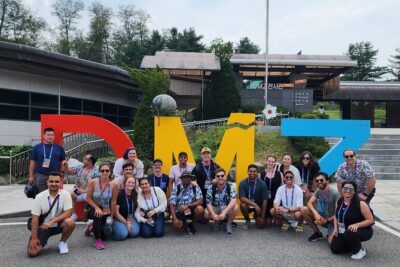
Best DMZ Tour Korea from Seoul (Red Suspension Bridge Optional)
Read the review →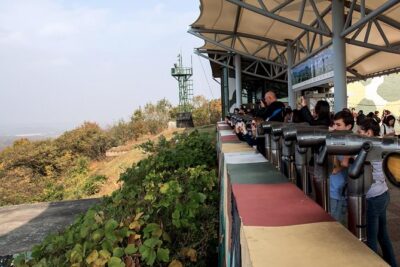
DMZ Tour: 3rd Tunnel, Option(Suspension Bridge, Boat) from Seoul
Read the review →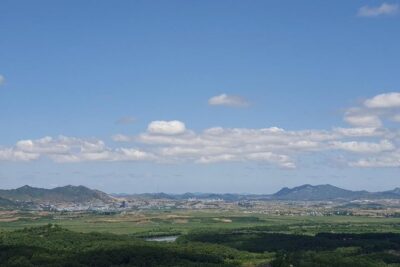
DMZ tour south Korea from Seoul (NK experience hall, defector)
Read the review →
DMZ Insider Tour: 3rd Tunnel, NK Defector Meet & Red Bridge
Read the review →
DMZ The 3rd Tunnel and Suspension Bridge Tour
Read the review →
Signature DMZ Tour: Exclusive Defector Talk & Suspension Bridge
Read the review →
Thrilling Korean DMZ 3rd Tunnel Tour from Seoul + Red Bridge Rush
Read the review →Browse the lists this tour appears in