
Reviewed · GYEONGBOKGUNG PALACE TOURS
Walking Tour with Gyeongbokgung Palace, Bukchon, Insadong
Gyeongbokgung Palace gives this Seoul walk its sense of place. You begin at the Joseon court, then move through Bukchon’s traditional hanok lanes and finish in Insadong, where old crafts, shops, tea, and lunch bring the past into daily life. It is a tidy way to see three major sights without spending half the day figuring out directions.
I like the small group size, capped at 15, and the way the guides make the final stop practical rather than decorative. Bomi has helped visitors order at a local restaurant, while JH assisted with translation in Insadong shops. The main drawback is the unclear meal and admission arrangement: some details say lunch and entrance are included, while others say lunch is your expense and palace admission is not included. Confirm both before booking.
Key points to know before you book
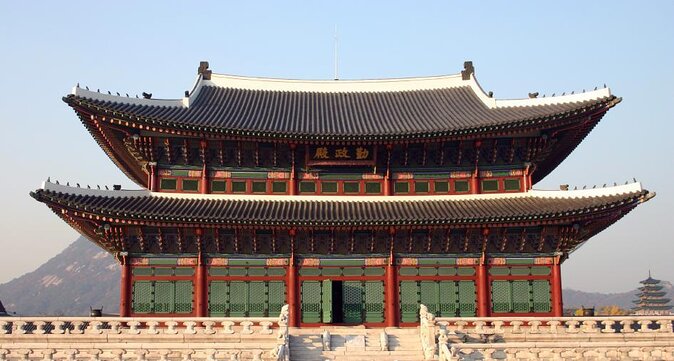
- Gyeongbokgung is the main event: Allow about 90 minutes for the palace and its grounds.
- Bukchon is a real neighborhood: You walk through traditional streets, not a single enclosed attraction.
- Insadong finishes the tour: The guide helps with lunch ordering, then you are free to eat and pay on your own.
- The group is limited to 15 people: That gives you a better chance to ask questions and hear the guide.
- Expect a moderately active morning: You walk between historic districts and should be comfortable on your feet.
- Check what is included: The supplied details conflict about lunch and entrance fees.
Why this Seoul walking tour works
Seoul can feel enormous on a first visit. Modern towers, broad roads, crowded shopping streets, and old palace gates all share the same city. This tour gives you a clear thread through the older center: royal power at Gyeongbokgung, residential tradition in Bukchon, and arts and food in Insadong.
I like the order of the route. You start with the most formal sight, then move into smaller streets and finish with time to eat and shop. The sequence helps you understand how the city changes from court life to ordinary homes to a commercial district built around traditional culture.
The tour takes about three hours and 20 minutes to four hours. It begins at 9:30 a.m. and ends around 1:30 p.m. in Jongno District, near Insadong Culture Street. You do not return to your hotel, so plan your afternoon from the end point.
A local guide leads the walk, and personal audio earphones are listed as included. That can matter inside a large palace, where a group may spread out among courtyards and buildings. With a maximum of 15 people, the guide should also have a reasonable chance to keep the group together and answer questions.
More Gyeongbokgung Palace visits:
- Best Seoul City Tour (Gyeongbokgung Palace,Insadong,Namsan Tower)
★ 5.0 · 1,647 reviews - Seoul City Sightseeing Tour Including Gyeongbokgung Palace, N Seoul Tower, and Namsangol Hanok Village
★ 5.0 · 1,423 reviews - Seoul: Hanbok Rental with Gyeongbokgung Palace Entry
★ 4.6 · 611 reviews
Starting at Gyeongbokgung Station Exit 5
Your meeting point is Exit 5 of Gyeongbokgung Station on Subway Line 3. This is a useful start for a Seoul sightseeing day because you meet beside the palace rather than spending time on a hotel pickup route.
There is no hotel pickup or drop-off. I see that as a fair trade for a central meeting point, but you need to allow time to reach the station. The directions are specific, so use the station exit number rather than simply searching for Gyeongbokgung Palace and hoping to find the group.
The tour requires a moderate level of fitness. You will walk through palace grounds, village streets, and Insadong, with some time on uneven or sloped streets possible. The supplied information does not give a detailed accessibility assessment, so anyone with mobility concerns should ask the provider before paying.
Gyeongbokgung Palace in about 90 minutes
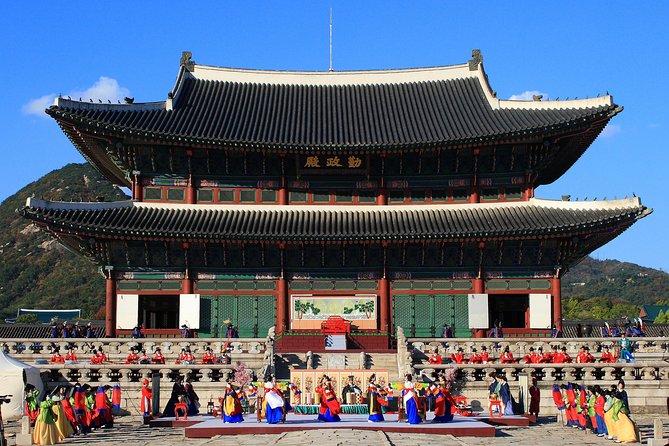
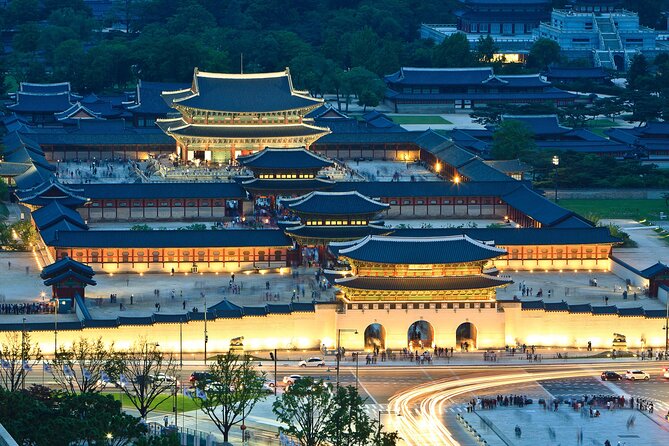
Gyeongbokgung was the grand royal seat of the Joseon Dynasty, and it gives the morning a strong historical opening. Its scale helps you understand the power of the court better than a short photo stop would. You move through palace grounds with a guide instead of simply walking past gates and ornate roofs.
The planned palace visit lasts about one hour and 30 minutes. That is enough time for a guided overview and a look at the main areas, though it is not a full-day museum visit. The National Folk Museum and National Palace Museum are located inside the larger palace complex, but the schedule does not promise extended time in either one.
This is where the guide matters most. A palace can become a procession of courtyards if you do not know what you are looking at. Guides such as JH and Bomi have explained Korean dynasties, palace history, and the meaning of the buildings in a way that gives the site a human scale.
Bomi, in particular, has been patient with questions and helped a group see the whole palace. That detail is useful if you want more than a quick photo near one famous gate. Ask questions early, especially if you are interested in royal life, rebuilding, architecture, or the changes that followed the Joseon period.
There is an important cost question here. The stop description says the admission ticket is not included, while the included section also lists an entrance fee. Those statements do not agree. I would contact the provider and ask whether your $65 price covers the Gyeongbokgung admission, and if not, how much extra to bring.
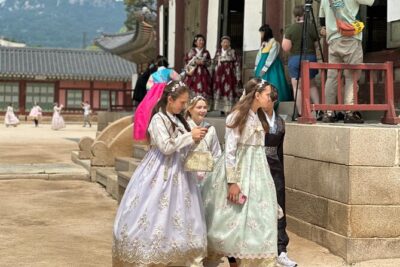
The palace section is also described as a photoshoot tour. That suggests good opportunities for pictures, but the supplied details do not promise rented traditional clothing, a professional photographer, or staged portraits. Bring your own camera or phone and expect the guide to point out photo-friendly areas during the walk.
Moving into Bukchon Hanok Village
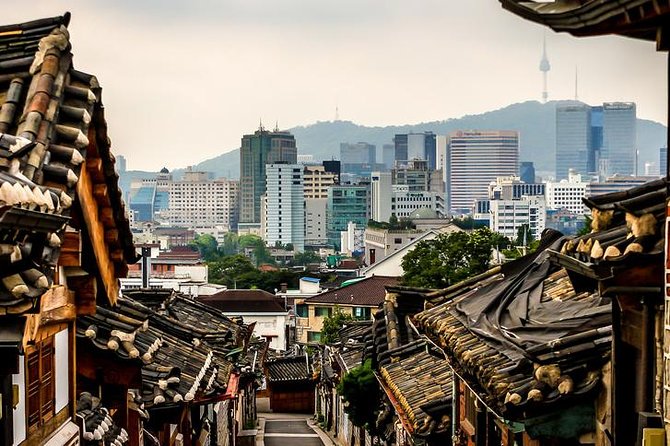
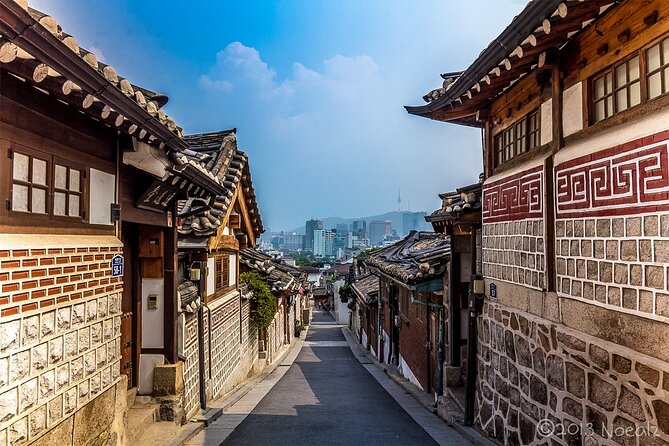
The group shifts to Bukchon at roughly 11:20 a.m. Bukchon is known for its traditional Korean hanok homes, narrow streets, small shops, and views through the old neighborhood. The change from palace grounds to residential lanes is one of the best parts of the route.
You first get about 20 minutes in one Bukchon area, followed by roughly 40 minutes exploring the village streets. The timing adds up to about an hour, though walking conditions and the group’s pace can affect the exact schedule.
Bukchon is not a single building with a simple entrance. It is a lived-in neighborhood, so the experience depends on walking quietly and paying attention to the setting. You can admire the timber details, tiled roofs, and steep lanes, but you should also remember that homes are part of the scene. A guide can help you focus on the architecture without treating the area like a theme park.
The short visit means you should keep your expectations in check. This is an introduction to Bukchon, not a slow afternoon of wandering every alley. If you want extensive photography or time in every shop, you may wish to return on your own after the tour.
The walking route is useful because you do not have to work out how Bukchon connects with Gyeongbokgung and Insadong. Seoul’s older districts sit close together, but their lanes can be confusing. The guide provides the bridge between them, and the audio earphones should help you follow explanations while walking.
More Bukchon and Insadong walks:
- Seoul: Gyeongbok Palace, Bukchon Village, and Gwangjang Tour
★ 4.9 · 2,321 reviews - Seoul: Gyeongbok Palace, Bukchon Village, and Gwangjang Tour
★ 5.0 · 1,044 reviews - Seoul Highlights: Gyeongbok Palace, Insadong & N Seoul Tower
★ 4.7 · 726 reviews - Korean Palace and Market Tour in Seoul Including Insadong and Gyeongbokgung Palace
★ 4.0 · 174 reviews
Insadong, tea, shops, and lunch
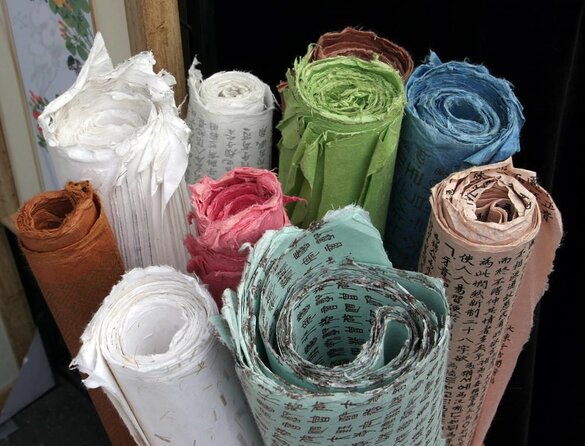
After Bukchon, the group walks toward Insadong at about 1 p.m. Insadong Street is known for shops selling traditional goods, and it makes a natural end point for a tour focused on Korean culture.
This final hour is less structured than the palace visit. The guide helps with meal ordering and may assist with translation in the shops. JH has helped visitors communicate in Insadong stores, and Bomi found a small local lunch place and helped with ordering. Those are practical services, especially if you are not comfortable reading a Korean menu.
The guide then leaves, and you are free to enjoy your meal and settle the bill yourself. That means the tour does not end with a group meal where everyone pays together. It also means you can take your time in the restaurant, browse Insadong, or leave when you are ready.
The meal details need clarification before booking. The overview says the four-hour experience includes lunch and tea, but the inclusion section says lunch is not included, and the stop description labels lunch as your own expense. I would assume you pay for lunch unless the provider confirms otherwise. The same caution applies to tea, since the general description mentions a traditional tea house but the detailed inclusions do not clearly explain whether tea is covered.
This is still a useful finish. Insadong gives you a chance to buy traditional goods and continue exploring after the guide departs. If you prefer a tightly managed tour from beginning to end, the self-paid lunch may feel less polished. If you like having help with the difficult first order and then freedom to choose, it works well.
What the guide adds to the experience
The strongest part of this tour is the personal guidance. The route itself is easy to name: palace, village, shopping street. The value comes from understanding how those places connect.
JH has provided background on Gyeongbokgung, Bukchon, and Insadong, then helped with translation in the shops. Bomi has answered questions patiently, covered the palace thoroughly, kept the walk at a comfortable pace, and helped arrange lunch. Guide assignments can change, so you should not book on the assumption that one specific person will lead your departure, but these examples show the sort of help you can expect from a strong guide.
The small-group format also matters. Fifteen people is not private touring, but it is much easier to hear one guide than in a large coach group. You can ask about Korean dynasties, hanok design, local customs, or food without waiting through a long line of questions.
Personal earphones are included. That is a small feature, but it helps when traffic, crowds, or distance makes the guide harder to hear. Keep in mind that the tour remains a walking experience, not an audio tour you can follow at your own pace.
Is $65 a fair price?
At $65 per person, this tour is priced as a guided half-day introduction to central Seoul. The value is strongest if you want history explained, help navigating the old districts, and assistance with lunch and shopping language.
The price is harder to judge because the meal and entrance details conflict. If palace admission, tea, and lunch are all included, the package looks more attractive. If you pay separately for palace entry and lunch, the fee mainly covers the guide, route planning, audio equipment, and small-group service.
I would not reject the tour on price alone. A good guide can save you time and turn three separate sights into a coherent morning. But I would ask for a written breakdown of what the $65 covers before booking, especially because the tour requires a passport number from one person in the group to confirm the reservation.
Group discounts are available, which may improve the price for families or larger parties. Children must be accompanied by an adult. Minimum numbers apply, so a departure can be canceled after confirmation if too few people book. In that case, an alternative or full refund is offered.
Who should book this experience?
I would choose this walk if you are visiting Seoul for the first time and want a strong introduction to the old city without spending a full day at museums. It suits people who prefer context and conversation to rushing from one photo stop to another.
It is also a good fit if you are uneasy about ordering food, asking questions in shops, or finding your way through Bukchon’s lanes. The guide’s help in Insadong adds real practical value.
Families can consider it, provided children can manage a moderate walking route and remain with an adult. The 9:30 a.m. start also leaves your afternoon open for another part of Seoul.
I would look elsewhere if you want a private tour, extensive museum time, a professional photoshoot, or a long meal included from start to finish. The group can reach 15 people, the palace visit is limited to about 90 minutes, and the guide leaves after helping with the meal order.
Free cancellation is available if you cancel at least 24 hours before the start time. Changes or cancellations inside that window are not accepted for a refund.
My verdict on the Gyeongbokgung, Bukchon, and Insadong walk
I would book this tour for its route and its guide-led approach. Gyeongbokgung gives you the grand setting, Bukchon supplies the intimate streets, and Insadong adds food and shopping. Together, they make a sensible first morning in Seoul.
Before paying, confirm two points: the exact entrance fee policy and whether lunch or tea is covered. Once those costs are clear, the decision is simple. Book it if you want a small-group introduction with history, directions, and help ordering lunch. Skip it if you prefer exploring at your own pace or need a fully private, fully inclusive experience.
FAQ
Where does the tour begin?
The tour begins at Gyeongbokgung Station, Exit 5, on Subway Line 3 in Seoul. The meeting time is 9:30 a.m.
Where does the tour end?
The walk ends in Insadong, at Insa-dong Culture Street in Jongno District. The guide helps with meal ordering and then leaves, so you can finish your meal and depart when convenient.
How long does the experience last?
The tour lasts approximately three hours and 20 minutes to four hours. The planned end time is around 1:30 p.m.
Is lunch included?
The supplied details are inconsistent. The overview says lunch and tea are included, while the detailed information says lunch is your own expense and lists lunch as not included. Confirm this directly with the provider before booking.
Is the Gyeongbokgung entrance fee included?
The details also conflict about admission. The stop description says the entrance ticket is not included, while the included section lists an entrance fee. Ask the provider to confirm whether palace admission is covered by the $65 price.
How many people can join the tour?
The maximum group size is 15 people. Minimum numbers apply, and the experience may be canceled after confirmation if too few people book. A different option or a full refund is offered if that happens.
More Walking Tours in Seoul
- Seoul moonlight walking tour with local historian
★ 5.0 · 940 reviews - Seoul: Nighttime Hidden Gems Walking Tour
★ 5.0 · 775 reviews - Seoul: Evening Dark History, Folklore & Ghost Story Walking Tour
★ 5.0 · 593 reviews - Seoul: Dark Side of the City and Ghost Stories Walking Tour
★ 4.8 · 484 reviews
Recently added around Seoul
- Nami & Maple Road & Theatre des Lumieres Day Tour from Seoul★ 4.8 · 4 reviews
- Gyeongbokgung Palace Photo Session with your own phone★ 5.0 · 4 reviews
- Private Tour around Suwon UNESCO Fortress and Korea Folks Village★ 4.5 · 4 reviews
- N Seoul Tower + Namsan Cable Car Ticket (Collect in Myeongdong)★ 3.5 · 4 reviews
- Jisan Forest Resort: Ski Full-Day Tour or Shuttle from Seoul★ 5.0 · 4 reviews
- Seoul: Deoksugung Palace Night Tour★ 4.5 · 4 reviews
- Private Jeonju Hanok Village – Culinary tour★ 5.0 · 4 reviews
- Seoul Private Walking Tour with a Local★ 5.0 · 4 reviews
Gyeongbokgung Palace Tours, compared.
Best Seoul City Tour (Gyeongbokgung Palace,Insadong,Namsan Tower)
Read the review →
Seoul City Sightseeing Tour Including Gyeongbokgung Palace, N Seoul Tower, and Namsangol Hanok Village
Read the review →
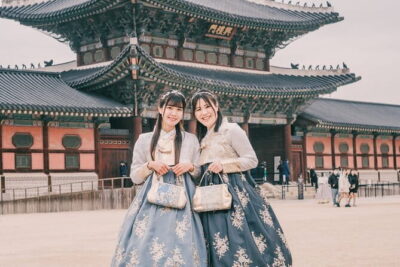
Hanbok Photoshoot and History Tour at Gyeongbokgung Palace
Read the review →
Korean Palace and Market Tour in Seoul Including Insadong and Gyeongbokgung Palace
Read the review →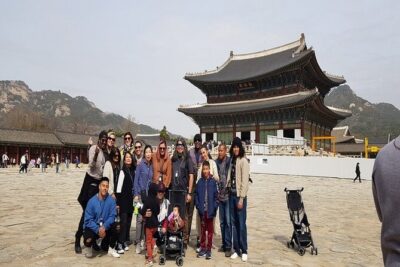
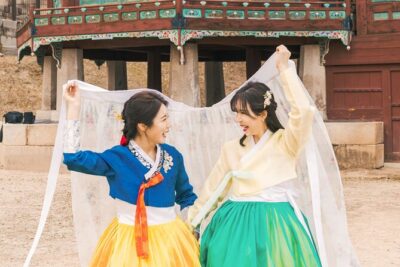
Gyeongbokgung Palace Hanbok Rental Experience in Seoul
Read the review →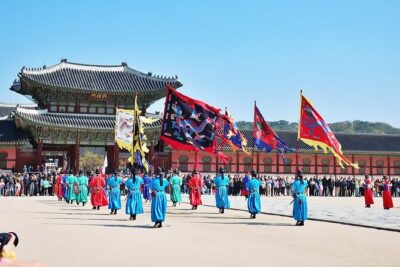
Small-Group Seoul Tour with Gyeongbokgung Palace (hotel pick-up)
Read the review →Browse the lists this tour appears in