
Reviewed · BUSAN TOURS
UNESCO Tongdosa Temple + Gourmet Eonyang Style Bulgogi Lunch
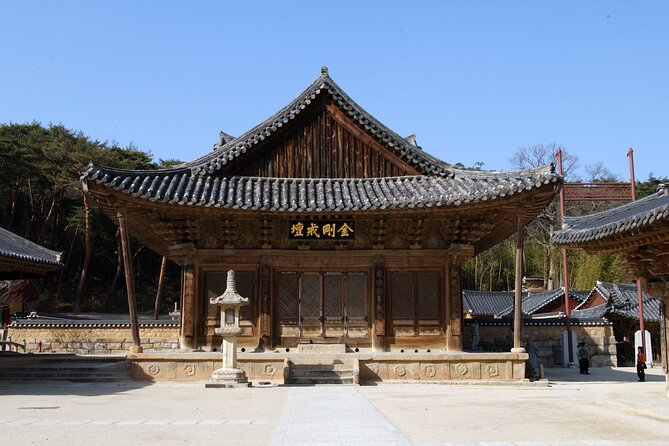
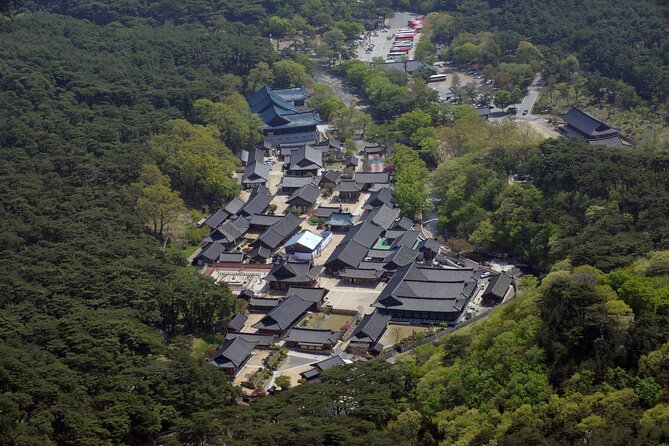
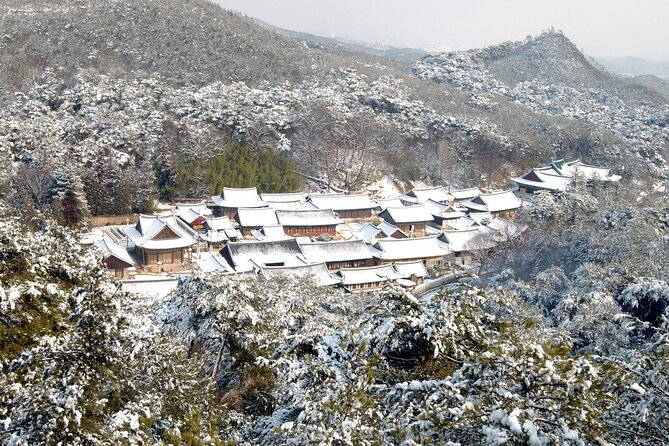
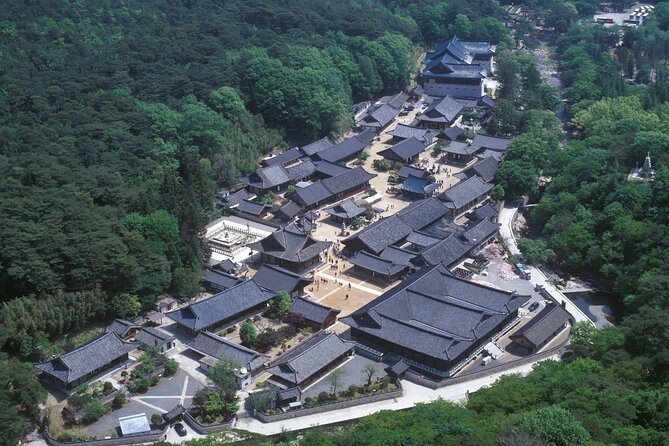
Tongdosa Temple is the main event here: a 1,300-year-old Buddhist center set beside mountains and a stream, with the Sarira of Sakyamuni Buddha at its heart. The visit gives you a quieter side of South Korea, far from Busan’s busy waterfront and shopping streets. The private vehicle also makes the one-hour journey simple.
I like two things in particular. First, an English-speaking guide can explain the temple’s gates, buildings, and Buddhist meaning as you walk. Second, the Eonyang lunch adds a local food stop rather than sending you straight back to Busan. The possible drawback is price: at $212 per person, this is costly unless you value privacy, door-to-door transport, and a guide focused on your group.
Key points to know before booking
- Tongdosa preserves Buddhist relics: The temple was founded in 646 during the Silla kingdom and is regarded as one of Korea’s three most important temples.
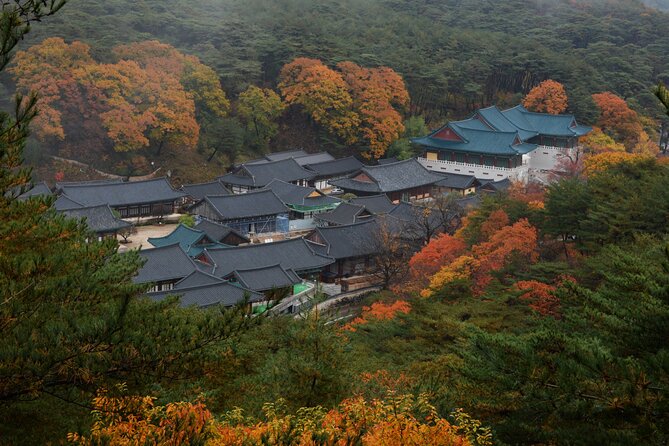
- The setting is part of the experience: Expect old pavilions, mountain views, and a stream as you walk toward the temple buildings.
- Private means private: Only your group takes part, with an air-conditioned vehicle, Wi-Fi, and an English-speaking licensed guide.
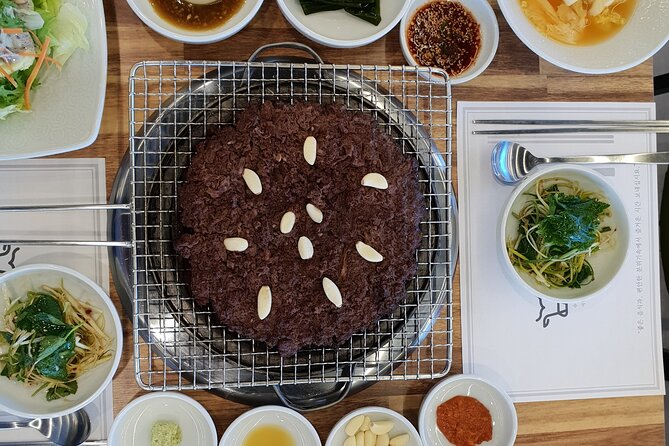
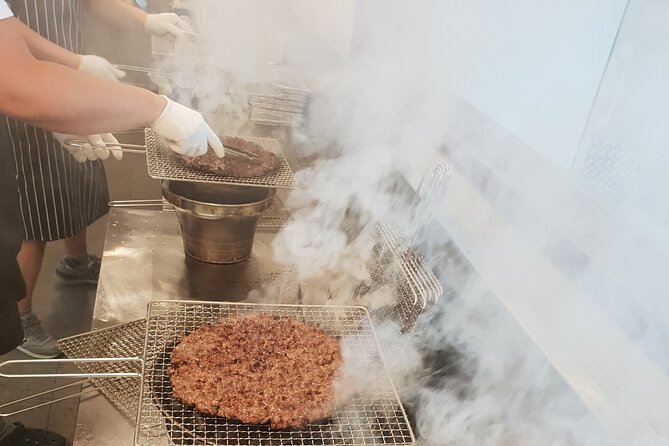
- Eonyang Bulgogi is different: This local style is formed into dry pieces and grilled over charcoal at the table, rather than served as a saucy stir-fry.
- Lunch is listed at 22,000 Korean won: That covers 180 grams of Bulgogi, while extra food and drinks cost more.
- Plan for a relaxed half-day: The experience lasts about four to five hours, with roughly two hours at each main stop and driving between Busan, Tongdosa, and Eonyang.
Why Tongdosa makes a better half-day than another city sight
Busan has plenty of easy sightseeing. You can visit beaches, markets, temples, and lookout points without leaving the city. Tongdosa asks for a little more road time, but it gives you something different: a major Buddhist site with a calm, wooded setting and a strong religious purpose.
The temple was founded in 646 by the monk Jajang during the Silla kingdom. Its importance comes from the Sarira of Sakyamuni Buddha enshrined there. That makes Tongdosa more than a collection of pretty halls. It is a working place of Buddhist devotion and a destination for Korean monks seeking enlightenment.
You do not need to be religious to appreciate the visit. The temple offers a useful window into how Buddhism shaped Korean culture, architecture, and daily practice. Your guide can connect the physical details to that larger story, which is especially helpful if you do not read Korean or know the symbols used at Buddhist temples.
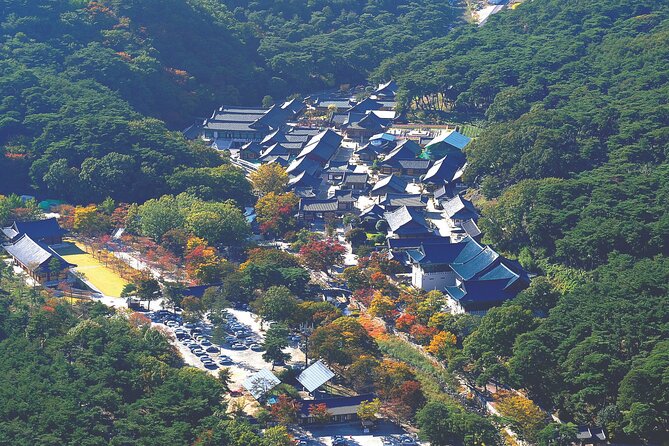
The temple received UNESCO World Heritage status in 2018. That designation gives the site international recognition, but it does not turn the visit into a polished museum stop. You are still walking through an old temple compound, passing pavilions and streams in a mountain setting. The sense of place is the reward.
More lunch stops around Busan:
- Busan Tour: Gamcheon Village & Haedong Yonggungsa Temple + Lunch
★ 5.0 · 119 reviews - Busan Beomeosa Temple & Hongbeopsa Temple with temple lunch
★ 5.0 · 11 reviews - Seoul City Private Full-Day Tour Including Lunch
★ 5.0 · 469 reviews
The drive from Busan in a private Wi-Fi vehicle
The trip to Tongdosa takes about 50 minutes by car from Busan. That is a practical reason to choose a private tour. You avoid working out a separate route and can spend the ride listening to your guide instead of checking connections.
The vehicle is air-conditioned and equipped with Wi-Fi. Those details matter more than they may sound. A private car gives you a comfortable base for the half-day, particularly if your group includes older family members or anyone who prefers not to manage public transport outside the city.
Pickup is offered, but the supplied details do not specify every pickup point or exact pickup window. Confirm those details when booking. The same applies to the vehicle size, since the tour is private but the maximum group capacity is not stated.
The private format also changes the pace. You are not sharing the day with a busload of strangers, so your group can ask questions as you go. Past guides have included Jina, William, Solomon, BK, Mina, and Jun. You are not guaranteed a particular person, but the experience is designed around live explanation rather than an audio guide or a printed route.
One guide, BK, included coffee stops during the drive on a particularly leisurely outing. Do not assume coffee is a fixed part of every departure, but the detail gives you a useful sense of the tour’s flexible style. This is not built as a race through two stops.
Walking through Tongdosa’s gates and pavilions
Allow about two hours at Tongdosa Temple. That gives you enough time to approach the compound, pass through its gates, hear the story of its foundation, and look at the buildings without treating the temple as a quick photo stop.
The three gates deserve attention. A guide can explain their meaning and show how the approach prepares visitors for the sacred area. Mina, for example, was noted for explaining the meaning of these gates clearly. This kind of context is valuable because the architecture can otherwise blur into a series of decorated roofs and wooden halls.
The route is also visually rewarding. You walk beside a stream and through a setting surrounded by mountains. Old pavilions give the site its character, and the water and trees soften the formality of the temple grounds. One outing included a riverside walk to the entrance, with the guide meeting the group there. Ask your guide about this option if you want a slower approach.
The central religious focus is the Sarira of Sakyamuni Buddha. The temple is regarded as one of Korea’s three most important temples because of this relic. The information provided does not promise that you will see the relic directly, so keep your expectations sensible. The value lies in understanding why Tongdosa carries such weight in Korean Buddhism.
Two hours is generous for the visit, but it is not excessive if you listen to the explanations and take time with the setting. The experience may feel less satisfying if you want a long independent photography session or a full-day study of every building. The guide-led format keeps the visit moving while giving you a clear introduction.
What the guide adds beyond the buildings
A temple visit can be pretty but thin if no one explains what you are seeing. Here, the guide is a central part of the value. You receive live commentary about Tongdosa, its Buddhist role, and Korean culture rather than simply being dropped at the entrance.
The strongest praise has centered on guides who explain the temple in clear English. William was described as friendly and well informed, while Solomon was credited with making Tongdosa the high point of a Busan stay. Jun took time to explain the temple’s long story in detail, and Mina was praised for fluent English and a clear explanation of the three gates.
Those details matter because the tour’s subject is not just scenery. You are learning why the temple was built, why the relic matters, and how the compound fits into Korea’s Buddhist tradition. Ask questions as you walk. A private tour gives you a better chance to pause over a point that interests you.
The guide quality can naturally vary by departure. The named guides come from individual outings, so do not book expecting one specific person unless the operator confirms that arrangement. Still, the repeated emphasis on English explanation suggests that interpretation is meant to be a major part of the service.
A few more Busan half-days to weigh up
- Busan: Gyeongju Guided Day Trip to Three Kingdoms Capital
★ 4.8 · 1,925 reviews - Small Group Full Day Busan Tour (Max 6 Pax)
★ 5.0 · 1,464 reviews - From Busan: Gyeongju UNESCO World Heritage Guided Day Tour
★ 4.8 · 1,250 reviews - Busan Private Tour with licensed tour guide + private vehicle
★ 5.0 · 1,143 reviews
Eonyang Bulgogi, a local lunch with a different style
After Tongdosa, the tour continues to Eonyang-eup for lunch. The town is known for Eonyang Bulgogi, a regional form of Korea’s famous beef dish. The meal is not the familiar saucy Bulgogi many visitors encounter elsewhere.
Eonyang Bulgogi is dry and grilled over charcoal at the table. The meal includes 180 grams of Bulgogi and is listed at 22,000 Korean won per person. Extra food and drinks are not included, so budget for anything beyond the stated lunch.
The restaurant is intended to be one of the town’s best-known choices, which can mean a wait. That is an important tradeoff. You may spend part of the two-hour lunch period waiting for a table or food, but the stop is meant to focus on a regional specialty rather than a generic meal near a tourist attraction.
The food has earned strong praise. One guide-led outing described the lunch as the best meal of a stay in Korea, and another finished with an exceptional restaurant experience. I would treat those comments as encouragement, not a guarantee of identical service or taste on your day. Restaurant crowds, menu choices, and timing can affect the meal.
You should also note a small inconsistency in the supplied description. The overview refers to Bulgogi as an own-expense highlight, while the inclusions specify that the 22,000 won Bulgogi lunch is included. The clearest reading is that the standard 180-gram lunch is covered, while extra food and drinks are not. Confirm this point with Korea Discovery Tour before paying if it affects your budget.
Timing, pace, and the return to Busan
The experience is advertised at roughly four to five hours. The two listed stops each allow about two hours, and the drive from Busan to Tongdosa takes around 50 minutes. Eonyang is about one hour from Busan after lunch, so the exact total depends on pickup, traffic, the temple approach, and any restaurant wait.
That timing makes this a half-day outing, but it is a full half-day rather than a quick morning photo run. If you have a tightly scheduled afternoon activity in Busan, leave a generous cushion. A famous restaurant may involve waiting, and the tour’s relaxed character is part of its appeal.
The route is efficient in one sense because Tongdosa and Eonyang are combined. You do not spend a separate day reaching the temple and then another day seeking the regional Bulgogi. On the other hand, the route includes a fair amount of road time, especially after lunch. If you dislike car journeys, a city-based Busan tour may suit you better.
Parking fees and highway tolls are included. That removes two common small costs from a private road excursion. The air-conditioned vehicle also gives you an easier ride than arranging separate taxis or navigating an unfamiliar regional route.
Is $212 per person fair value?
At $212 per person, this is not a budget temple visit. The price buys a private experience rather than a simple admission ticket. You are paying for an air-conditioned vehicle, pickup, highway tolls, parking, a licensed English-speaking guide, live commentary, and the convenience of combining Tongdosa with Eonyang in one outing.
The lunch inclusion improves the value, assuming the 22,000 won Bulgogi meal is included as specified. Extra dishes and drinks still cost more, but the main meal is accounted for. Group discounts are offered, so the price may make more sense for a larger party than for one or two people.
I would judge the price by your alternatives. If you want to see Tongdosa independently, you might prefer to arrange transport yourself and keep costs lower, but you would give up the private guide and the cultural explanation. The tour is aimed at people who value time, comfort, and interpretation more than the lowest possible fare.
For a solo visitor, $212 is a serious spend. For a family or small group splitting the benefits of a private vehicle, it may feel more reasonable. The strongest case for booking is not the meal alone. It is the complete package: direct transport from Busan, a temple that many city itineraries skip, and a guide who can make the religious details understandable.
Who will enjoy this outing most
I would choose this experience if you have already seen Busan’s main sights and want a cultural day outside the city. It also suits first-time visitors who want a guided introduction to Korean Buddhism without handling regional transport.
The outing works well for couples, families, and small groups who prefer a private car and their own questions. Most people can participate, and service animals are allowed. The information does not provide a detailed accessibility assessment, so ask about walking surfaces, steps, and vehicle arrangements if those points matter to you.
You should think twice if you want a very cheap excursion, a large amount of free time, or a full restaurant tour. The schedule centers on one temple and one lunch, not a long list of attractions. Its pleasure comes from a calm pace and focused explanation.
Book at least a little ahead if possible. The experience is booked an average of 36 days before departure, which suggests that advance planning is sensible, especially for a preferred date. Free cancellation is available up to 24 hours before the local start time. After that point, refunds are not offered and changes are not accepted.
Should you book Tongdosa and Eonyang?
Book it if you want a private cultural excursion from Busan and care about the story behind the places you visit. Tongdosa offers serious Buddhist meaning, handsome old buildings, mountain and stream scenery, and a sense of Korea beyond the city. Eonyang adds a distinctive charcoal-grilled meal instead of a routine stop.
Skip it if $212 per person feels too high for a half-day or if you would rather spend your time inside Busan. The long drive and possible restaurant wait are real considerations. For a small group that values comfort and a guide, though, the combination is well judged, and Tongdosa gives you a memorable reason to leave the city.
FAQ
How long does the Tongdosa and Eonyang tour last?
The experience lasts approximately four to five hours.
How far is Tongdosa Temple from Busan?
The drive from Busan to Tongdosa takes about 50 minutes by car.
How much time is planned at Tongdosa Temple?
The temple portion is scheduled for about two hours.
Is lunch included in the tour price?
The inclusions specify a 22,000 Korean won lunch with 180 grams of Bulgogi per person. Additional food and drinks are not included.
What type of Bulgogi is served in Eonyang?
Eonyang Bulgogi is a dry style that is grilled over charcoal at the table.
Is the tour private?
Yes. Only your group participates in the private tour or activity.
Is an English-speaking guide provided?
Yes. The tour includes an English-speaking licensed guide.
Is transportation included?
Yes. You travel in a private air-conditioned vehicle, with Wi-Fi, parking fees, and highway tolls included. Pickup is offered.
Can I cancel for a full refund?
You can cancel up to 24 hours before the experience’s local start time for a full refund. Cancellations or changes made less than 24 hours before departure are not refunded or accepted.
Recently added around Busan
- Full Day Busan and Gyeongju Guided Tour★ 5.0 · 4 reviews
- Andong Hahoe Folk Village Day Tour From Busan★ 5.0 · 4 reviews
- Make your own Makgeolli (Rice Wine) in Busan★ 5.0 · 4 reviews
- Best Busan night views : Mountain observatory streets★ 5.0 · 4 reviews
- Busan: Naejangsan National Park Autumn Foliage One Day Tour★ 4.8 · 4 reviews
- Gyeongju private tour with an official tour guide (Unesco)★ 4.5 · 4 reviews
- 5 Highlights Pohang Tour from Busan (Group Tour)★ 5.0 · 5 reviews
- Busan: Winter Healing Park and (Gyeongju/Daegu) One Day Tour★ 5.0 · 5 reviews
Busan Tours, compared.
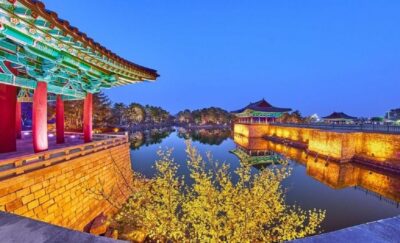
Gyeongju Guided Day Trip to Three Kingdoms Capital
Read the review →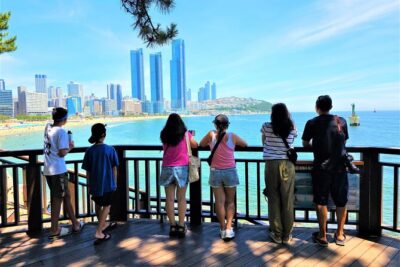
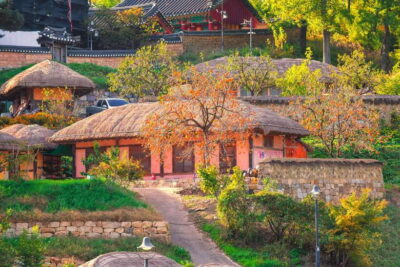
Gyeongju UNESCO World Heritage Guided Day Tour
Read the review →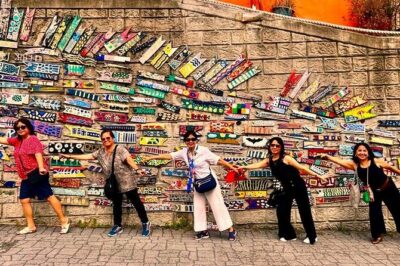
Busan Private Tour with licensed tour guide + private vehicle
Read the review →
Coastal Treasures Beach Train, Culture Village & More
Read the review →
Busan’s Cultural Wonders with Beach Train & Gamcheon Village etc
Read the review →
Gyeongju UNESCO World Heritage Guided Day Tour from Busan
Read the review →
Private Busan Tour -Explore Cultural Landmarks with a Local Guide
Read the review →Browse the lists this tour appears in