
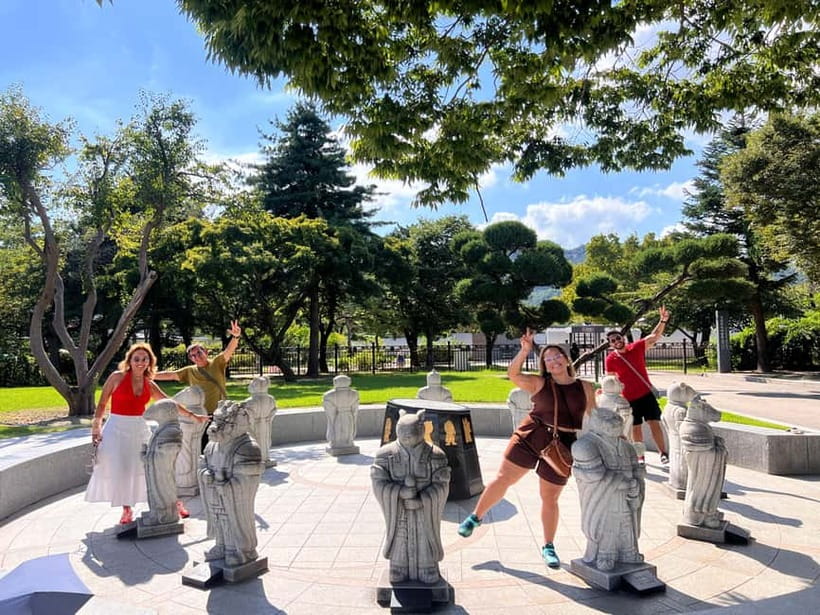
Reviewed · GYEONGBOKGUNG PALACE TOURS
Time Travel in Seoul: Gyeongbokgung, Folk Museum & Bukchon
Seoul’s past comes into focus on this compact walk from Gyeongbokgung Palace to the quieter lanes of Bukchon Hanok Village. Mina, the guide for this experience, connects palace architecture, everyday Korean traditions, and present-day neighborhood life without making you choose between a history lesson and a pleasant afternoon out.
I especially like the six-person limit, which gives Mina room to answer questions and adjust the pace. The final tea stop is another strong point: you can sit in a traditional hanok café, take in a palace view from upstairs if available, and let your feet recover. The main consideration is the walking. Backstreets, alleys, and palace grounds are not a good fit for people with mobility impairments.
Key points
- Mina’s personal touch: Expect an English-speaking guide who offers restaurant and shopping suggestions, helps with photos, and may recommend places to visit after the tour.
- A three-part history lesson: Gyeongbokgung presents royal Korea, the Folk Museum explains daily life, and Bukchon shows traditional homes still used as living spaces.
- Small-group access: With a maximum of six people, questions and conversation are easier than on a large bus or crowd-based walk.
- Quieter Bukchon routes: The walk focuses on backstreets, cultural spaces, galleries, artisan shops, and traditional hanok houses beyond the busiest paths.
- Tea with a view: The included drink at a hanok café gives the tour a calm finish, with an upstairs palace view available at the café mentioned by the guide.
- Good afternoon timing: Three hours covers major sights while leaving you time for lunch, shopping, or another Seoul activity.
Why this short Seoul tour works
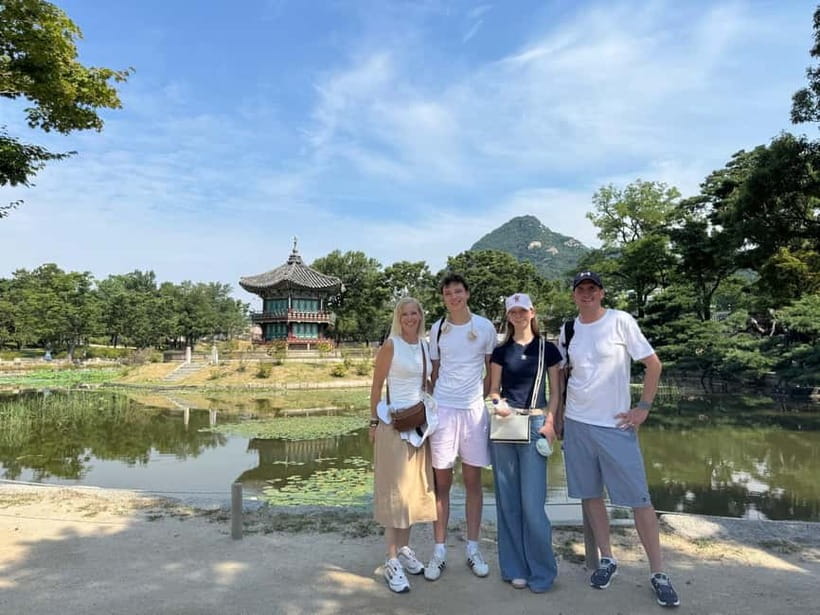
Many Seoul visitors see Gyeongbokgung, Bukchon, and the Folk Museum as separate stops. This tour links them into one clear story. You begin with royal power, move into the customs and objects of ordinary life, then walk through a neighborhood where traditional houses still shape the streets.
That sequence matters. A palace can feel like a grand collection of gates and courtyards if you do not know what you are seeing. Bukchon can become a photo stop if you only follow the busiest lane. Here, Mina provides the context that ties the places together.
I also like the scale. A group of six is small enough for a real exchange. You can ask about a palace detail, pause for a photo, or request suggestions for food and shopping without holding up a crowd. The tour is not a private walk, but it should feel more personal than a standard city group outing.
The activity costs $54 per person and lasts three hours. That price includes the certified English-speaking guide, entry to both Gyeongbokgung and the National Folk Museum, visits to several traditional hanok houses, and one tea or coffee. You still pay for your own meal and transportation to the meeting point, but the package covers the key admissions and the café stop.
For me, the value comes from the combination rather than any one sight. You are paying for access, interpretation, neighborhood navigation, and practical local advice in a small group. If you already know Seoul well and prefer to wander alone, the cost may be less appealing. If this is your first visit, the structure can save time and prevent Bukchon from becoming a confusing series of alleys.
More Museums in Seoul
- Seoul: War Memorial of Korea Private Guided Museum Tour
★ 4.9 · 29 reviews - DMZ Tour + The War Memorial of Korea Museum
★ 5.0 · 28 reviews - Color Pool Museum
★ 4.0 · 22 reviews
Starting at Gyeongbokgung Station Exit 4
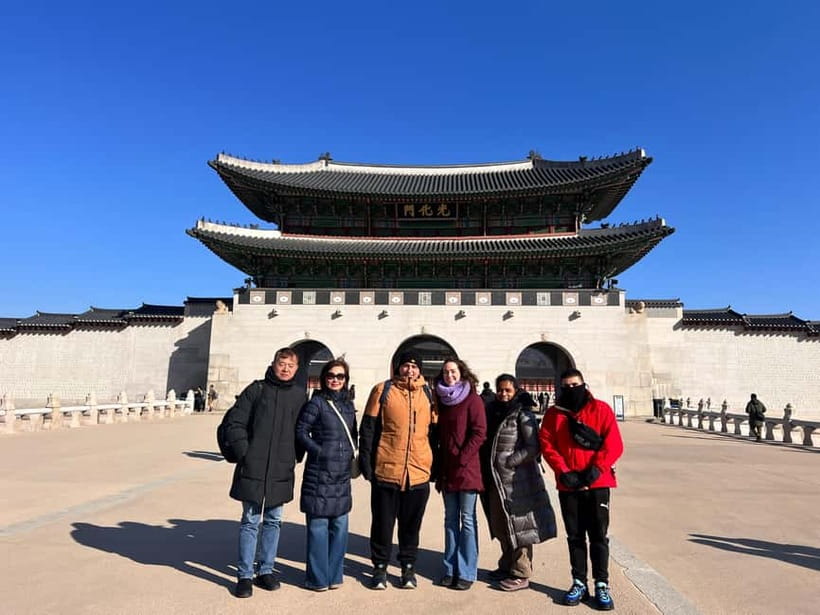
The meeting point is outside Gyeongbokgung Station on Line 3, Exit 4. Mina will be holding a sign marked Minari Travel. This is a practical starting point because you do not need to search for a café, hotel lobby, or palace gate before the group begins.
Plan to arrive ready to walk. Wear shoes you can comfortably use for three hours, and bring a camera if you want photos of the palace grounds and traditional streets. The tour runs in rain or shine, so an umbrella or raincoat is sensible in wet weather.
The activity does not include transport to or from the meeting point. You will need to arrange that part yourself, but beginning at a subway exit keeps the arrival simple. Check the available start times when booking, since the exact departure time can vary.
Gyeongbokgung Palace and the Joseon court
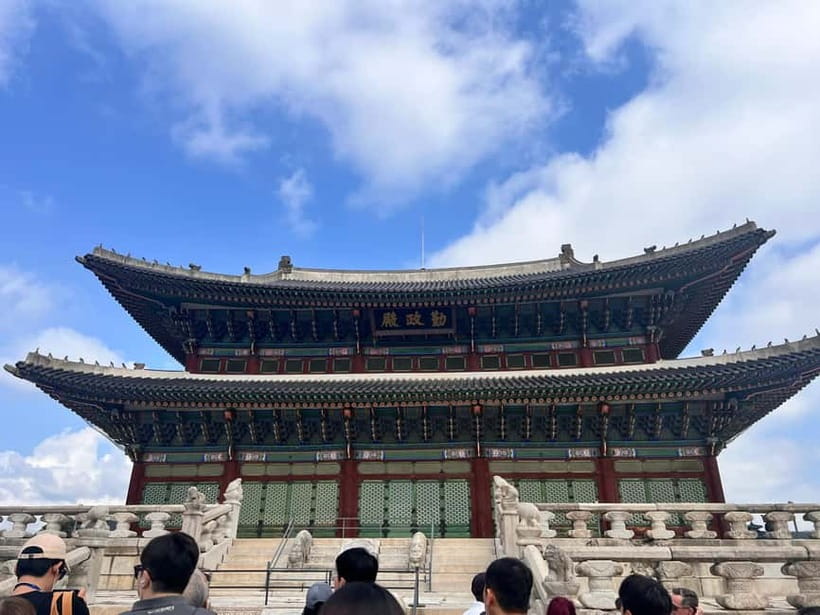
The first hour takes place at Gyeongbokgung Palace, the largest and grandest of the Joseon Dynasty’s royal palaces. This is the tour’s broadest historical setting, with open courtyards, formal buildings, gates, and architectural details that are easier to appreciate with a guide beside you.
Mina covers stories of kings and queens as well as the design of the complex. That combination is useful. Palace architecture is not just decoration, and a guide can help you see how the buildings expressed royal authority and court life.
You should expect a guided walk with time for photographs. The palace grounds are a major sight, but they are also exposed and potentially tiring, especially in hot weather. One particularly thoughtful detail from Mina’s summer tours is that she has provided water, a fan, and an umbrella for people in the group during very hot conditions. You should still bring your own water and prepare for the weather.
The palace portion lasts about one hour. That is enough time for a focused introduction, though not enough to inspect every building or corner. I see this as a strength for a three-hour city tour. You get the setting and the main stories without spending the entire afternoon on one site.
If palace history is your main reason for visiting Seoul, you may want a longer, palace-only visit on another day. If you want to understand how the palace connects to the rest of the city, this opening section does the job well.
The National Folk Museum in 30 minutes
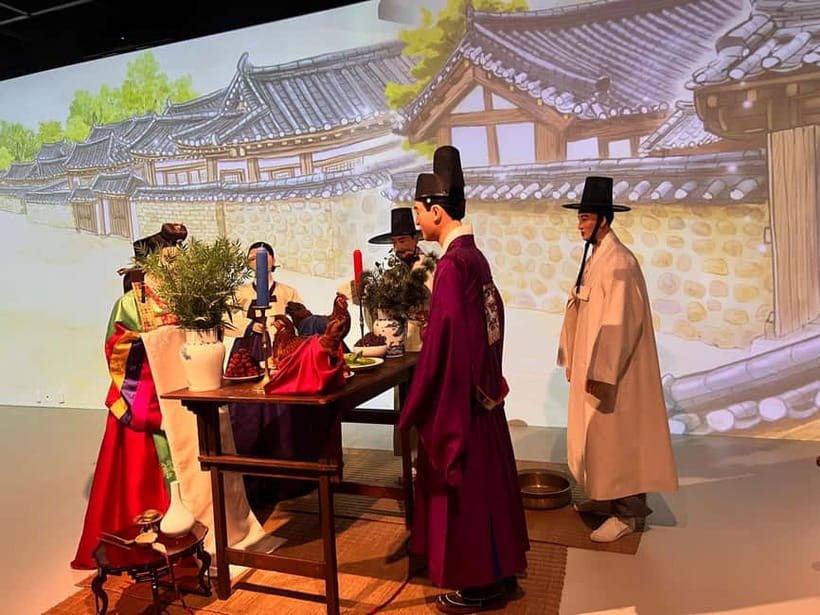
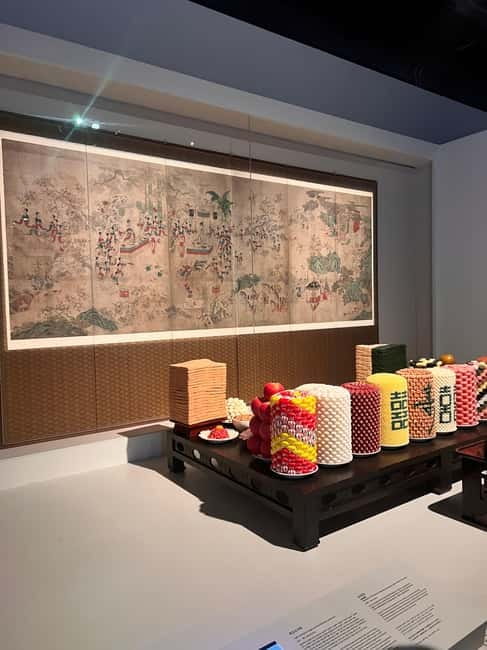
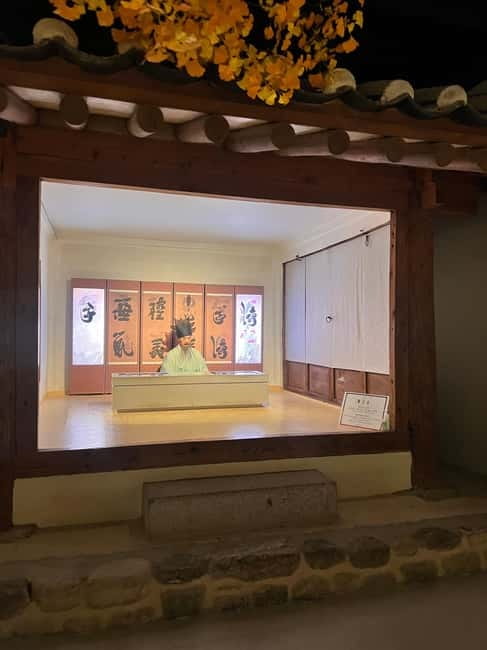
Next comes the National Folk Museum of Korea, with about 30 minutes for a guided visit. The museum shifts the focus from rulers and court buildings to the way Korean people lived across past generations and into modern times.
The displays use everyday objects and traditions to explain social life. That gives you a useful counterpoint to Gyeongbokgung. After seeing the world of kings and queens, you get a look at customs and material culture tied to ordinary households and communities.
Half an hour is brief, so do not expect to see every exhibition in detail. The benefit is focus. Mina can point out the parts that best support the story of the day, then move you on before the museum becomes a long indoor stop.
This section is especially helpful if you are new to Korean history. It gives you context for details you may notice later in Bukchon, such as the form of hanok homes and the way traditional practices continue in modern Seoul.
More Gyeongbokgung Palace visits:
- Best Seoul City Tour (Gyeongbokgung Palace,Insadong,Namsan Tower)
★ 5.0 · 1,647 reviews - Seoul City Sightseeing Tour Including Gyeongbokgung Palace, N Seoul Tower, and Namsangol Hanok Village
★ 5.0 · 1,423 reviews - Seoul: Hanbok Rental with Gyeongbokgung Palace Entry
★ 4.6 · 611 reviews - Hanbok Photoshoot and History Tour at Gyeongbokgung Palace
★ 5.0 · 276 reviews
Bukchon Hanok Village beyond the busiest lanes
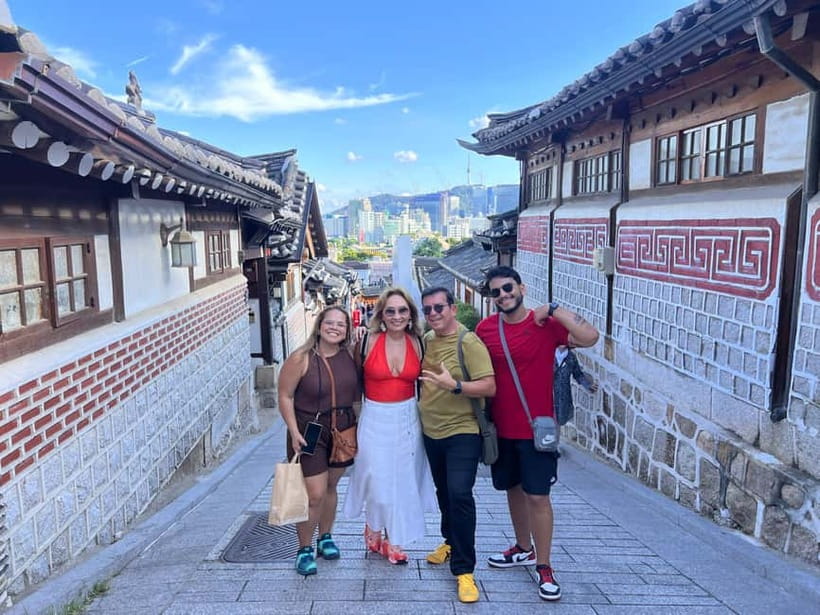
The final 90 minutes take you into Bukchon Hanok Village, where the experience becomes more local and less formal. Instead of treating Bukchon as a quick photo stop, Mina leads you through quieter backstreets and alleys.
You visit a selection of traditional hanok houses that remain connected to local culture. The route also includes cultural spaces, galleries, and artisan shops tucked into the neighborhood. The appeal is not simply seeing old buildings. It is noticing how traditional forms sit beside an active city district.
Bukchon is still a real residential area, and that means the walk calls for care. Keep your voice down near homes, follow Mina’s instructions, and avoid treating every doorway as a photo opportunity. A good guide helps you see the character of the place while respecting the people who live there.
The streets can be uneven or hilly, and the tour specifically involves alleys and backstreets. That is why comfortable clothing and shoes matter. The experience is not suitable for people with mobility impairments, and anyone who dislikes walking on narrow streets should consider that before booking.
The smaller group helps here. Mina can explain why a particular hanok matters, point out a cultural detail, and answer questions without competing with a large crowd. You also have a better chance of moving at a comfortable pace. The pace has been described as neither rushed nor slow, which is exactly what you want after the palace and museum.
The hanok café finish
The tour closes with one tea or coffee at a hanok café. This is more than a token drink. After two hours of walking and historical information, sitting down gives you a chance to sort out what you have seen.
The café has a view toward the palace, and the upstairs seating offers the best outlook when available. Ask Mina about it when you arrive. The combination of old-style architecture, a warm drink, and a view back toward Gyeongbokgung makes a fitting end to the route.
The included drink is tea or coffee, not a meal. You should plan lunch or a larger snack separately. Still, the stop adds real value because it changes the rhythm of the tour. You are not simply being led from one attraction to another. You get a quiet pause before returning to Seoul’s streets.
Mina also gives useful suggestions for what to do next. She has helped people find lunch spots, recommended places to eat and shop, and offered ideas for the rest of the afternoon. That makes this a good early-trip activity. You can use the advice immediately rather than receiving a generic list at the end of your visit.
Mina’s guiding style and the small-group advantage
The strongest part of this tour is Mina’s role. She is described as patient, friendly, attentive, and generous with practical help. Her work goes beyond reciting dates. She answers questions, shares small details, takes photos, and points out local places that are easy to miss when you walk alone.
That personal attention is especially useful for solo visitors and couples who want conversation without booking a private tour. A maximum of six participants keeps the setting intimate while preserving the lower price of a shared experience.
The feedback is unusually consistent, with ten five-star ratings and repeated praise for Mina’s care, explanations, comfortable pacing, and local suggestions. One particularly personal touch was a city postcard drawn by Mina, featuring figures linked to Korean culture. Small gestures like that cannot be guaranteed, but they help explain why the tour feels more personal than a basic sightseeing circuit.
You should also know that the guide may tailor the experience to conditions. On a very hot day, Mina supplied water, a fan, and an umbrella. That is encouraging, but Seoul weather can change quickly, so you should still dress properly and bring rain protection.
Who will get the most from the $54 price
At $54, this tour is best for you if you want three major Seoul sights tied together by one guide. Admissions to Gyeongbokgung and the Folk Museum are included, as are the hanok visits and one café drink. You are also paying for route planning and local orientation in a group limited to six people.
I would recommend it for:
- First-time visitors who want a clear introduction to old Seoul.
- Solo visitors who prefer a small social setting.
- Couples who want history plus relaxed neighborhood wandering.
- People who enjoy photos, architecture, cafés, and local shopping suggestions.
- Anyone with only an afternoon free.
I would think twice if you want a long, slow palace study, a food-focused tour, or a completely private experience. The tour does not include meals, and three hours means each major stop receives a selected treatment rather than a full examination.
The walking also deserves an honest warning. You will cover palace grounds, museum paths, and Bukchon alleys. Bring good shoes, dress for the weather, and do not book this activity if mobility limitations make backstreets difficult.
Planning the rest of your afternoon
One of the practical strengths of the schedule is that it ends after three hours. You can use it as a first activity, then follow Mina’s suggestions for lunch, shopping, or further sightseeing.
The tour itself does not provide transportation afterward, so you will decide where to go next. The end in Bukchon puts you in a useful area for continuing on foot, but the supplied details do not promise a particular final address beyond the hanok café. Ask Mina for the best onward plan based on your interests.
The route also works well early in a Seoul visit because it gives you basic cultural reference points. Later, when you see hanok architecture, traditional objects, or palace-style design elsewhere, you will have a stronger sense of what you are looking at.
Should you book this Gyeongbokgung and Bukchon tour?
I would book this tour if you want history, local context, and a gentle café break in one well-sized outing. Mina’s patience, practical suggestions, and attention to small details are its biggest assets, and the six-person cap keeps the experience personal.
The $54 price is fair when you use the included admissions and value a guide who can connect three very different parts of Seoul. Skip it if you want to explore entirely alone, avoid walking, or spend hours inside the palace and museum.
For most first-time visitors with comfortable shoes and a free half-day, this is a smart way to meet Seoul’s older side without giving up the rest of your day.
FAQ
Where does the tour begin?
It begins outside Gyeongbokgung Station on Line 3 at Exit 4. The guide will be holding a sign that says Minari Travel.
How long does the tour last?
The tour lasts three hours.
What language is the tour conducted in?
The live tour guide speaks English.
How many people can join the group?
The group is limited to a maximum of six participants.
Are entrance fees included?
Yes. Entry to Gyeongbokgung Palace and the National Folk Museum of Korea is included.
Is a drink included?
Yes. You receive one tea or coffee at a hanok café in Bukchon Hanok Village.
What should I bring?
Wear comfortable shoes and clothing suitable for walking. Bring a camera, plus an umbrella or raincoat in case of bad weather. The tour runs rain or shine.
More Bukchon and Insadong walks
- Seoul: Gyeongbok Palace, Bukchon Village, and Gwangjang Tour
★ 4.9 · 2,321 reviews - Seoul: Gyeongbok Palace, Bukchon Village, and Gwangjang Tour
★ 5.0 · 1,044 reviews - Seoul Highlights: Gyeongbok Palace, Insadong & N Seoul Tower
★ 4.7 · 726 reviews - Korean Palace and Market Tour in Seoul Including Insadong and Gyeongbokgung Palace
★ 4.0 · 174 reviews
Recently added around Seoul
- Nami & Maple Road & Theatre des Lumieres Day Tour from Seoul★ 4.8 · 4 reviews
- Gyeongbokgung Palace Photo Session with your own phone★ 5.0 · 4 reviews
- Private Tour around Suwon UNESCO Fortress and Korea Folks Village★ 4.5 · 4 reviews
- N Seoul Tower + Namsan Cable Car Ticket (Collect in Myeongdong)★ 3.5 · 4 reviews
- Jisan Forest Resort: Ski Full-Day Tour or Shuttle from Seoul★ 5.0 · 4 reviews
- Seoul: Deoksugung Palace Night Tour★ 4.5 · 4 reviews
- Seoul Private Walking Tour with a Local★ 5.0 · 4 reviews
- Private Jeonju Hanok Village – Culinary tour★ 5.0 · 4 reviews
Gyeongbokgung Palace Tours, compared.
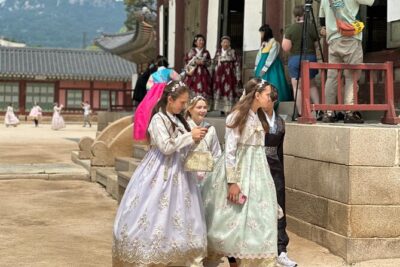
Best Seoul City Tour (Gyeongbokgung Palace,Insadong,Namsan Tower)
Read the review →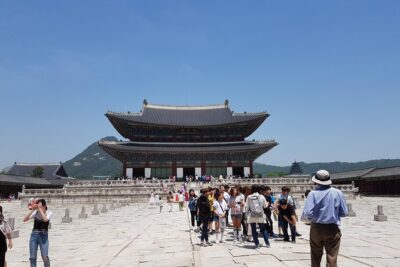
Seoul City Sightseeing Tour Including Gyeongbokgung Palace, N Seoul Tower, and Namsangol Hanok Village
Read the review →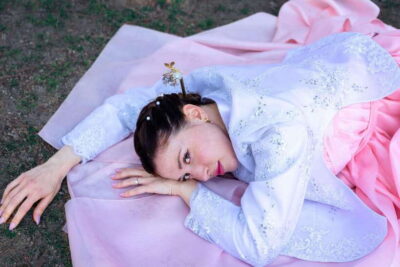
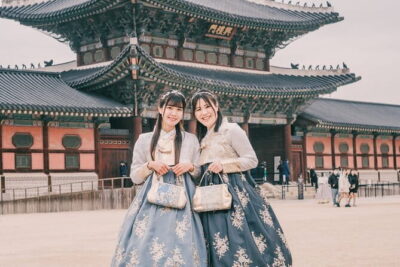
Hanbok Photoshoot and History Tour at Gyeongbokgung Palace
Read the review →
Korean Palace and Market Tour in Seoul Including Insadong and Gyeongbokgung Palace
Read the review →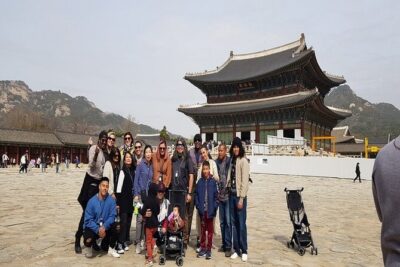
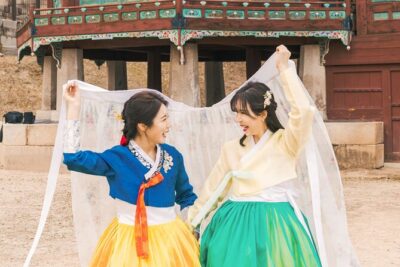
Gyeongbokgung Palace Hanbok Rental Experience in Seoul
Read the review →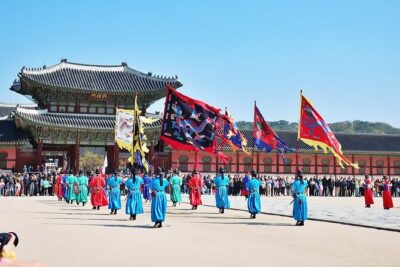
Small-Group Seoul Tour with Gyeongbokgung Palace (hotel pick-up)
Read the review →Browse the lists this tour appears in