
Reviewed · HIKING & TREKKING
Korean Cemetery and Folklore Trek
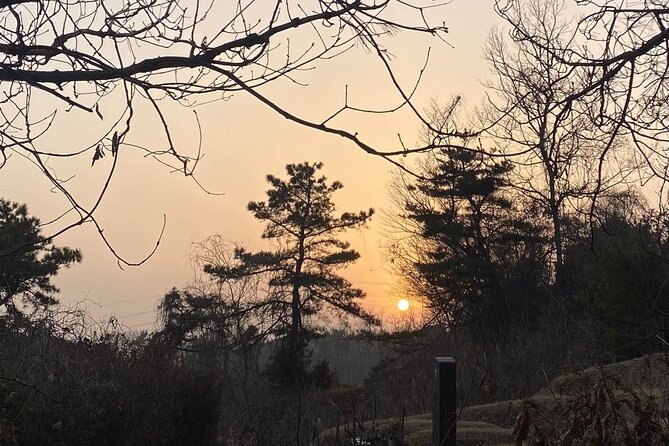
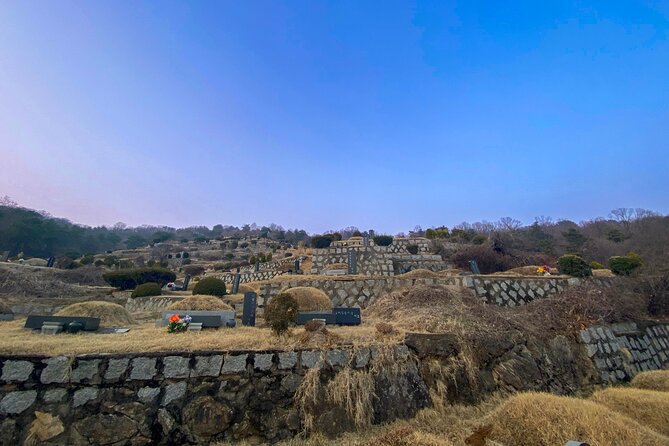
Yongmi-ri Cemetery offers a side of Korea that most Seoul visitors never see. In the mountain air beyond the city, you walk through an active cemetery while hearing about Korean burial customs, legends, and beliefs about the afterlife. It is quiet, respectful, and far removed from Seoul’s crowded streets.
I like the small maximum group of six, which gives the walk a personal feel. I also like that guide Shawn brings both research and personal experience to the stories, making the tour more than a simple explanation of graves and rituals. The main drawback is the limited season: you can book it only from September through November, and the moderate physical fitness requirement means this is not a casual sightseeing stop.
What makes this walk different
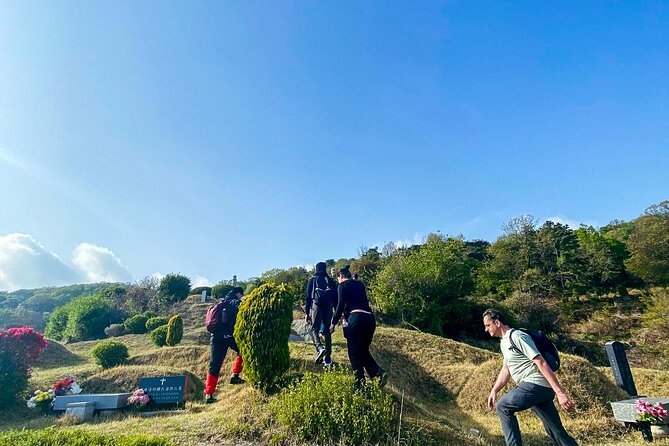
- An active Korean cemetery: You see a place connected to present-day local life, not a staged cultural display.
- Folklore with personal insight: Shawn explains burial customs, legends, and traditions about the afterlife.
- A quiet mountain setting: The four-hour outing gives you a calm break from Seoul’s crowded center.
- A six-person limit: The small group allows more room for questions and conversation.
- Bus fare included: Public transportation between the meeting point and cemetery is covered.
- A short seasonal window: The tour operates only from September through November.
Leaving Seoul for Yongmi-ri Cemetery
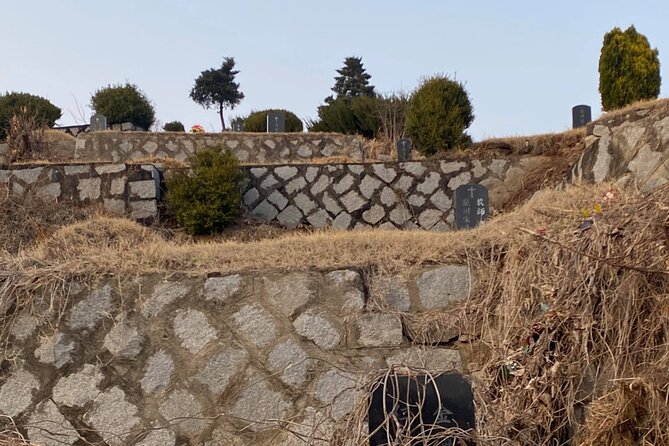
The tour begins at 2:30 p.m. at Exit 8 of Samsong Station in Goyang-si. That location matters because the cemetery is outside the center of Seoul, and the included public bus ride takes care of the basic connection between the meeting point and the cemetery.
You do not need to arrange a private car. The fare for the public bus to and from the meeting point is included in the price, though the activity is not private transportation. That keeps the cost reasonable, but it also means you should arrive at the stated meeting point on time and be ready to follow the group’s transport plan.
The journey away from central Seoul is part of the change in mood. You begin near a major urban area, then move toward a quieter mountain setting. The point is not to rush from one famous attraction to another. Instead, you get a few hours to see how Korean customs connect with ordinary places beyond the main sightseeing circuit.
The tour ends back at the meeting point. That makes planning easier if you have dinner or another evening activity in Seoul, though you should allow some flexibility after a four-hour tour rather than scheduling something at the exact end time.
More Hiking Tours in South Korea:
- Seoul: Guided City Wall Sunset Hike with Korean Dinner
★ 4.9 · 227 reviews - Private Hiking tour to Bukhansan Peak(Baegundae: 836.5m) with Mountain Expert
★ 5.0 · 113 reviews - Fortress Night Hike & Snack at a Local Market
★ 5.0 · 112 reviews
Entering an active cemetery respectfully
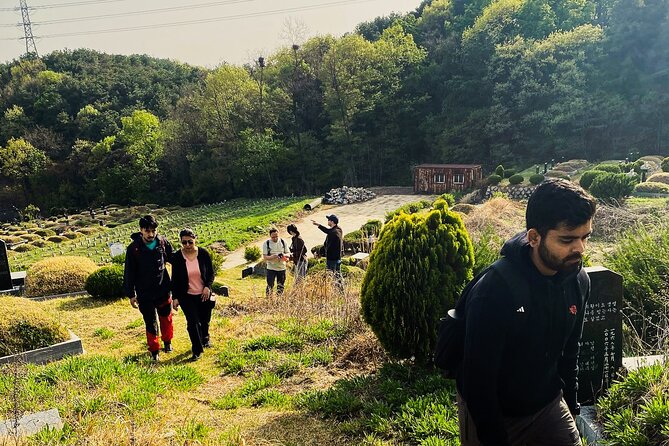
The main stop is Yongmi-ri Cemetery, where your guide leads a respectful walk and explains the customs surrounding the dead. This is an active cemetery, not a museum or a performance created for visitors. That distinction shapes the entire experience.
You should approach the outing with care. The focus is observation and listening, not taking over the setting. Your guide provides the cultural context, while you remain aware that this is a real place connected to families and local traditions.
For me, the value lies in the questions the setting raises. How does a society honor the dead? What does a burial place say about family, memory, and the afterlife? Korean customs can feel unfamiliar if you have seen only the country’s palaces, markets, and modern city life. This walk gives those customs a physical setting.
The cemetery is in the mountains, so the surroundings offer a calmer pace than central Seoul. The tour description does not promise a particular viewpoint or a difficult mountain route, so you should not book it as a scenic hike first and a cultural tour second. The central attraction is the cemetery and the stories connected to it.
Folklore, burial customs, and the afterlife
The tour’s strongest feature is the way it connects the physical cemetery with Korean folklore. Your guide discusses local traditions about death and the afterlife, along with legends and folktales tied to burial customs.
This kind of subject benefits from a guide who can explain meaning rather than simply point out objects. Shawn has been praised for combining research with personal experience, which gives the conversation a more intimate tone. You can expect the tour to go beyond a list of facts, with room for cultural interpretation and individual questions.
Folklore also gives you a better sense of how traditions live in people’s imaginations. A cemetery can tell you about formal customs, but legends show how communities think about death, memory, and what may come after life. That makes the walk useful for anyone interested in Korean culture beyond food, shopping, and palaces.
The subject is not light entertainment. Some people will find the focus thoughtful and moving. Others may prefer a more cheerful or conventional afternoon activity. I would choose this outing when you want time for reflection and are comfortable discussing death in a respectful setting.
Why the group size matters
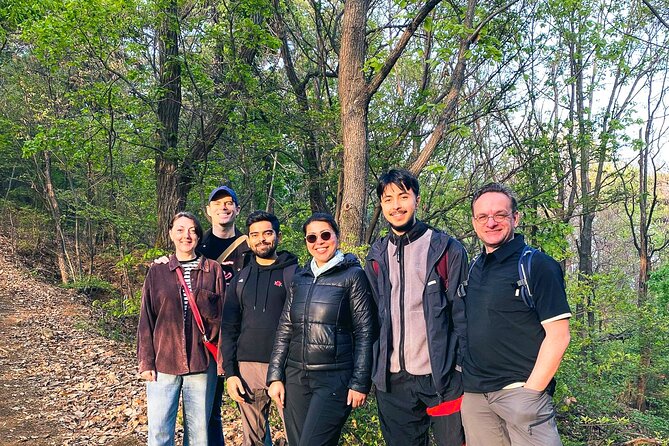
The group is limited to six people. That is a real benefit here, since the setting calls for a quiet pace and the subject works best as a conversation rather than a large lecture.
With a small group, you have a better chance to hear the guide clearly and ask questions about customs that may not make sense at first. The format also suits Shawn’s personal approach. The information can feel more direct when the guide has time to respond instead of repeating a fixed speech for a crowd.
A small group does not guarantee a private tour. You are still sharing the experience with other people, and the operator does not list private transportation. Still, six participants is much more manageable than a large coach group, especially on a walk through an active cemetery.
The small capacity also helps explain why the tour is often booked well ahead of time. It is booked, on average, 73 days in advance. If your Seoul dates fall between September and November, I would check availability early rather than treating this as a last-minute option.
A different way to spend a day from here:
- Best DMZ Tour Korea from Seoul (Red Suspension Bridge Optional)
★ 5.0 · 41,422 reviews - DMZ Tour: 3rd Tunnel, Option(Suspension Bridge, Boat) from Seoul
★ 5.0 · 21,373 reviews - DMZ tour south Korea from Seoul (NK experience hall, defector)
★ 5.0 · 20,599 reviews - DMZ Insider Tour: 3rd Tunnel, NK Defector Meet & Red Bridge
★ 4.9 · 15,214 reviews
Is the $66 price good value?
At $66 per person, this is not the cheapest way to spend four hours near Seoul. The value comes from the guide-led access to a place and subject that would be difficult to understand on your own.
Your fee includes all taxes and fees, plus the public bus fare to and from the meeting point. You are paying mainly for the guide’s interpretation, the carefully planned route, and the chance to visit an active cemetery in a respectful way. Since the group has no more than six people, the price is easier to justify for visitors who value personal discussion.
You are not paying for private transport, meals, or a long list of attractions. If you want maximum sightseeing per dollar, this may feel expensive. If you want a focused cultural experience that reveals a less familiar part of Korea, the cost is more reasonable.
I would compare it with the price of a standard city tour. A conventional tour may cover more stops, but this outing offers a rarer subject and a quieter setting. Its worth depends on your interests, not on the number of sights checked off.
Fitness, weather, and the September to November season
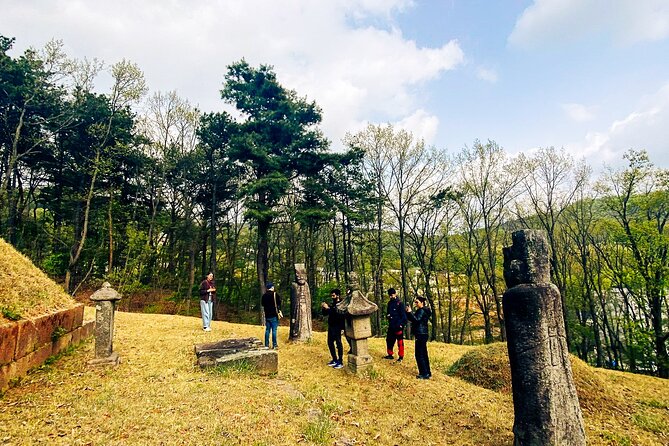
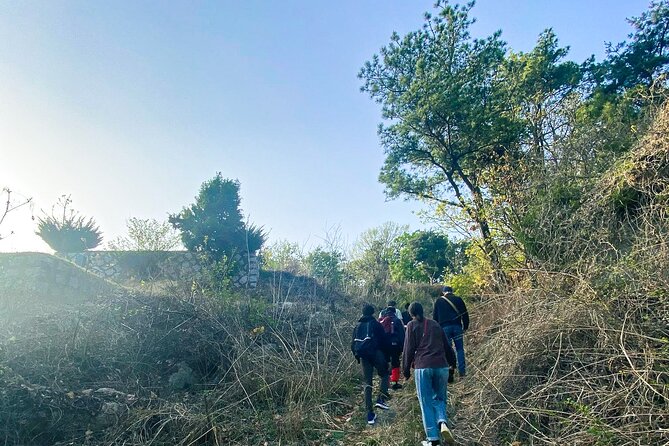
The operator recommends a moderate level of physical fitness. You should be comfortable with a four-hour outing that includes walking in a mountain cemetery. The available information does not give a precise distance, number of stairs, or trail grade, so ask for current route details if those points matter to you.
Wear practical walking shoes and clothing suited to the weather. The tour runs in autumn, from September through November, but conditions can still change. The activity requires good weather, and poor conditions can lead to a new date or a full refund.
The seasonal schedule is both a limitation and part of the appeal. Autumn is the only time this experience operates, so you cannot simply fit it into any Seoul itinerary. On the other hand, the cooler months may make a moderate outdoor walk more comfortable than a summer outing.
The 2:30 p.m. start gives you the morning and early afternoon for other plans. I would avoid booking a distant attraction immediately before it, since you need to reach Samsong Station by the meeting time. The afternoon timing also means the light and weather may change during the walk, so practical clothing matters more than dressing for a polished city tour.
Who should book this experience?
I would recommend the Korean Cemetery and Folklore Trek to you if you want a quieter cultural experience and have already seen, or are less interested in, Seoul’s major urban attractions. It suits people who enjoy folklore, religious customs, local traditions, and thoughtful conversations.
It is also a good fit for solo visitors and couples who prefer small groups. The six-person limit can make it easier to meet other curious people without the noise of a large tour.
You may want to skip it if you are looking for food tastings, palaces, shopping, or a broad overview of Korean culture. It is also a poor match if walking on uneven or mountainous ground is difficult for you. The operator lists a moderate fitness requirement, and the tour is not designed as a simple bus excursion.
Families should consider the subject carefully. The activity is respectful and educational, but its focus on cemeteries, death, and the afterlife may not suit every child. The available details do not specify a minimum age, so confirm that point before booking with children.
Practical details before you reserve
Confirmation is provided when you book, and the tour uses a mobile ticket. Service animals are allowed, and the meeting point is near public transportation.
The start point is Samsong Station Exit 8 in Goyang-si, South Korea. The activity returns to that same meeting point after about four hours. Bus fare is included, but private transportation is not, so you should plan around the stated meeting location rather than expect hotel pickup.
Free cancellation is available if you cancel at least 24 hours before the start time. Cancellations or changes made within 24 hours are not refunded or accepted. Since the tour depends on good weather, a weather cancellation gives you the choice of another date or a full refund.
My booking verdict
Book this tour if you want to understand Korea through its customs and stories, not just its famous sights. The active cemetery, mountain setting, small group, and Shawn’s mix of research and personal insight create a focused experience with real cultural value.
Skip it if you want a fast-paced sightseeing tour or if a four-hour walk centered on death and burial customs sounds uncomfortable. For the right visitor, $66 is a fair price for a rare, carefully guided look at Korean traditions. Just plan ahead, check the weather, and reserve early during the short September to November season.
FAQ
Where does the Korean Cemetery and Folklore Trek begin?
The tour begins at Samsong Station Exit 8 in Goyang-si, South Korea.
What time does the tour start?
The stated start time is 2:30 p.m.
How long does the experience last?
The tour lasts approximately four hours.
Where does the tour end?
The activity ends back at the meeting point at Samsong Station.
Is transportation included?
Public bus fare between the cemetery and the meeting point is included. Private transportation is not included.
What cemetery does the tour visit?
The tour visits Yongmi-ri Cemetery.
Is Yongmi-ri Cemetery an active cemetery?
Yes. The experience includes a respectful visit to an active Korean cemetery.
What does the guide discuss?
The guide explains Korean burial customs, folklore, legends, local traditions, and beliefs about the afterlife.
How many people can join the tour?
The group has a maximum of six travelers.
What months does the tour operate?
This seasonal activity runs from September through November.
Recently added around South Korea
- Gyeongbokgung Palace Photo Session with your own phone★ 5.0 · 4 reviews
- Nami & Maple Road & Theatre des Lumieres Day Tour from Seoul★ 4.8 · 4 reviews
- Private Tour around Suwon UNESCO Fortress and Korea Folks Village★ 4.5 · 4 reviews
- Seoul: Deoksugung Palace Night Tour★ 4.5 · 4 reviews
- N Seoul Tower + Namsan Cable Car Ticket (Collect in Myeongdong)★ 3.5 · 4 reviews
- Jisan Forest Resort: Ski Full-Day Tour or Shuttle from Seoul★ 5.0 · 4 reviews
- Private Jeonju Hanok Village – Culinary tour★ 5.0 · 4 reviews
- Seoul Private Walking Tour with a Local★ 5.0 · 4 reviews
Hiking & Trekking, compared.
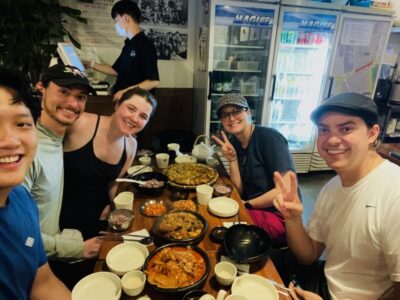
Guided City Wall Sunset Hike with Korean Dinner
Read the review →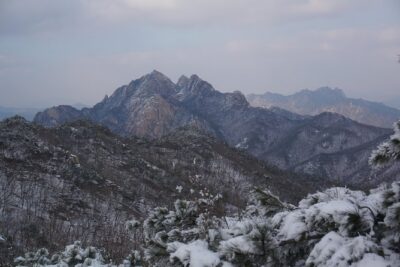
Private Hiking tour to Bukhansan Peak(Baegundae: 836.5m) with Mountain Expert
Read the review →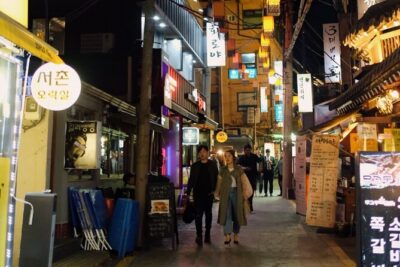
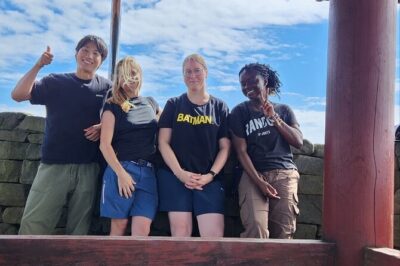
4-Hours Hiking and Tasting Rice Wine in the Mountain of Busan
Read the review →
Hiking and Tasting Rice Wine in the Hidden Village
Read the review →
Seoul Mountain Hike: Temples, Folklore & Traditional Meal
Read the review →
Private Hiking to Bukhansan & Korean Style Spa(Include Lunch)
Read the review →
Browse the lists this tour appears in