
Reviewed · JEONJU TOURS
Jeonju – Southern Korea (Private tour)
Jeonju’s best introduction is not a single sight. It is a full day of old houses, local food, and hands-on traditions. This private walking tour moves from poetry and paper to royal history, handmade fans, rice wine, tea, kimchi, and two substantial meals.
I like the way the day mixes important sights with things you can taste and make yourself. I also like the chance to see Jeonju through food, especially the Hanjeongsik lunch, kimchi class, and final bibimbap or bean sprout soup.
The main catch is the pace. Thirteen stops in about eight hours means you will spend much of the day on your feet, and transportation to or from attractions is not included. This works best if you want a busy cultural day rather than a slow wander.
Key Points
- Kimchi with a local master: You make kimchi during a 50-minute class, then eat Jeonju specialties prepared by the same master.
- Three distinct food experiences: Lunch brings a full Korean spread, the tea stop offers a quiet family-hosted ceremony, and dinner ends with bibimbap or bean sprout soup.
- Jeonju’s craft traditions: The fan culture center and Hanji Museum show how everyday objects became respected Korean arts.
- Royal and Confucian landmarks: Gyeonggijeon Shrine and Jeonjuhyanggyo Confucian School give the day historical weight beyond food.
- A hilltop view: Omokdae and Imokdae provide a break from indoor stops and a broad look over the Hanok Village.
- Private, but not necessarily small: Only your group participates, with a maximum of 15 people per booking.
A Full Day in Jeonju Hanok Village
Jeonju Hanok Village is the heart of this experience. The meeting point is at 99 Girin-daero, and the tour begins at 10:00 a.m. You return to the same meeting point at the end of the day.
The structure is useful for a first visit. Instead of asking you to choose between a museum, a shrine, a cooking lesson, and lunch, the guide links them into one route. You get a broad introduction to Jeonju, though the tradeoff is a fairly tight schedule.
The tour is described as a private activity, so only your own group takes part. The booking limit is 15 people, which is worth checking if you are traveling with a larger family or organized group. A private format should make questions and food requests easier, but it does not automatically mean the day will be quiet or leisurely.
Your guide is included throughout, and the guide may be multilingual. No individual guide name is confirmed in the booking details, so I would not reserve this experience expecting a particular person.
A few more South Korea half-days to weigh up
- Jeonju Hanok Village Full-Day Tour:Jangtaesan Autumn Foliage
★ 4.7 · 45 reviews - Jeonju Hanok Village Full-Day Tour: Jangtaesan Autumn Foliage
★ 5.0 · 16 reviews - Jeonju Hanok Village and Maisan Tapsa Temple Day Tour From Seoul
★ 5.0 · 12 reviews
Poetry in Korean at Chae Myeong-sun Poetry Museum
The first stop is the Chae Myeong-sun Poetry Museum, scheduled for 20 minutes. Its focus is Korean poetry written in Korean rather than Chinese characters.
That detail matters because it gives you a small window into language and identity, not just another display of old objects. A guide can help explain why writing systems matter in Korean culture, especially if you cannot read the script yourself.
Twenty minutes is enough for an introduction, but not for a long literary visit. I would treat this as a focused opening stop that sets the tone for the rest of the day.
Handmade Fans at Jeonju Fan Culture Center
The next 20-minute visit looks at Jeonju’s handmade fans. You learn how fans combine art, traditional skill, and graceful design.
This is a good stop for understanding craft as part of daily life. A fan is practical, but the center presents it as an object shaped by careful workmanship and cultural taste. I like that the tour does not limit Korean tradition to palaces and ceremonies.
Again, the time is short. You will get the main idea and see the craft tradition, but you should not expect a long workshop or time to study every object in detail.
Jeondong Catholic Church and Sacred Ground
Jeondong Catholic Church receives 30 minutes. It is described as one of Korea’s first Western-style churches and was built on ground considered sacred.
The church adds a different layer to the day. After poetry and handmade objects, you shift to religion, architecture, and the arrival of Western influence in Korea. Its location within the historic village area makes it an easy contrast with the surrounding traditional buildings.
The tour includes admission, but the itinerary does not promise a special service or interior access beyond the regular visit. Dress for a respectful religious site, and keep your expectations centered on viewing and explanation rather than a long architectural study.
A different way to spend a day from here:
- Best DMZ Tour Korea from Seoul (Red Suspension Bridge Optional)
★ 5.0 · 41,422 reviews - DMZ Tour: 3rd Tunnel, Option(Suspension Bridge, Boat) from Seoul
★ 5.0 · 21,373 reviews - DMZ tour south Korea from Seoul (NK experience hall, defector)
★ 5.0 · 20,599 reviews - DMZ Insider Tour: 3rd Tunnel, NK Defector Meet & Red Bridge
★ 4.9 · 15,214 reviews
Hanjeongsik Lunch with a Table Full of Side Dishes
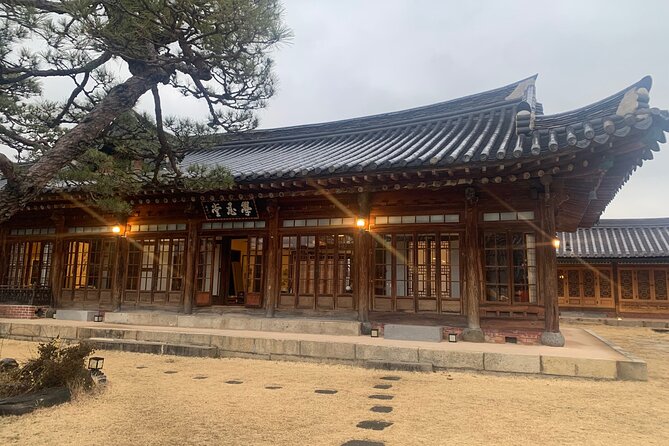
Lunch is one of the strongest reasons to consider this tour. You receive Hanjeongsik, a full Korean meal served with many colorful side dishes, during a 50-minute stop.
This is more than a quick bowl of food. Hanjeongsik lets you sample several tastes and textures in one sitting, which is useful if you are still learning how Korean meals are organized. Your guide can also help you understand what to eat first, what to mix, and which dishes are shared.
Fifty minutes gives you time to eat, but not necessarily to linger over a long restaurant meal. You should also tell the operator about vegetarian needs when booking. A vegetarian option is available, but the request must be made in advance.
Korean Rice Wine at the Traditional Wine Museum
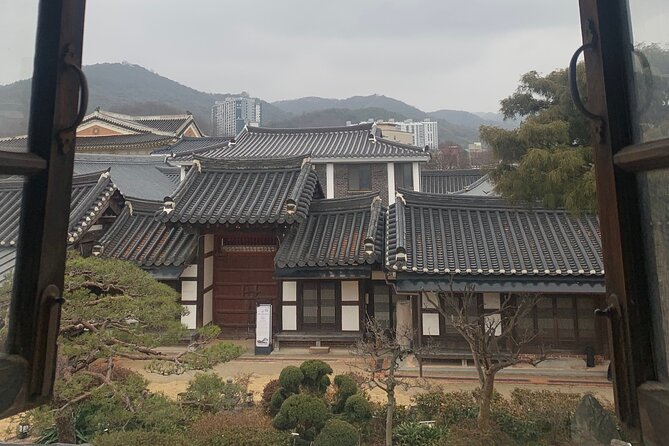
The Jeonju Korean Traditional Wine Museum takes about 30 minutes. Here you learn about older Korean brewing practices and taste regional rice wines.
This stop works well after lunch because it connects food with production and custom. Rice is not only a staple on the table. It also becomes part of Korea’s drinking traditions, and tasting helps make that connection clear.
Alcoholic drinks are not included in the tour price and can be purchased separately. That distinction is important. If you do not drink, you can still visit the museum, while anyone interested in tasting should plan for an extra charge.
Gyeonggijeon Shrine and the Founder of Joseon
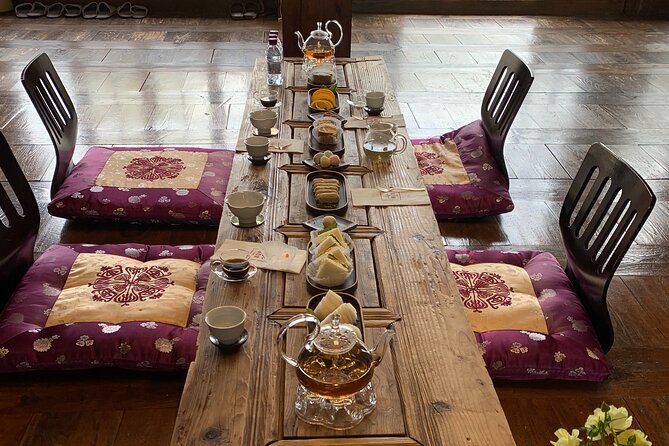
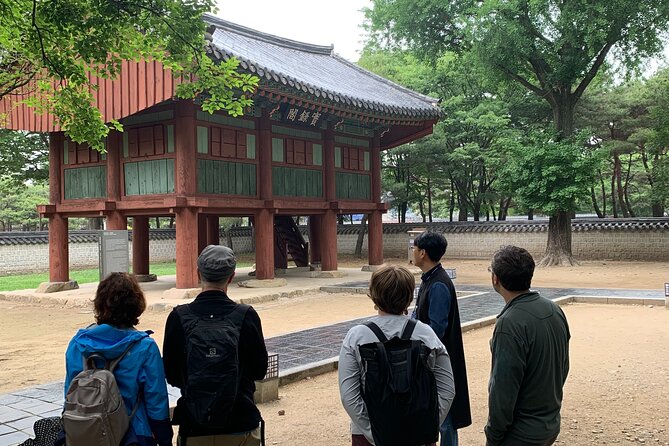
At Gyeonggijeon Shrine, you spend about 40 minutes seeing the portrait of King Taejo, founder of the Joseon Dynasty.
This is one of the day’s key history stops. The shrine gives context to the political story behind Jeonju and helps explain why the city has such an important place in Korean heritage. Your guide can connect the portrait and shrine to the dynasty rather than leaving you with a name and a date.
The visit is likely to appeal most to you if you enjoy history and ceremonial spaces. If your main goal is food, this is the point where the day becomes more clearly a cultural tour with food woven through it.
Hanji, Korea’s Traditional Paper
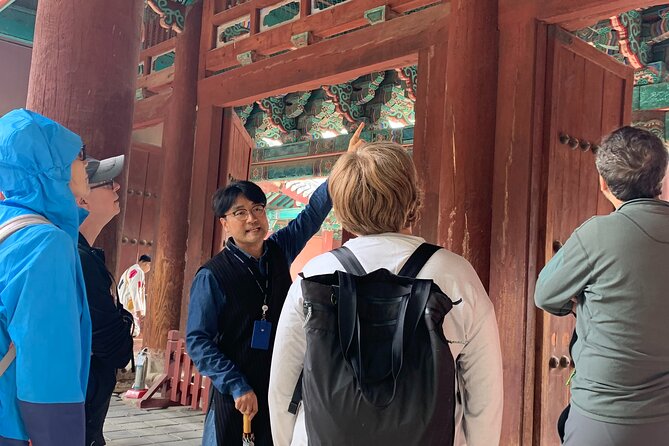
The Hanji Museum receives 30 minutes. Hanji is traditional Korean paper, and the museum presents the long craft behind it.
I like this stop because it expands the day beyond architecture and cuisine. Paper may sound ordinary at first, but traditional paper-making shows how a basic material can carry design, skill, and cultural memory.
The schedule suggests an introduction rather than an extended making session. You should expect to see and learn about Hanji, not necessarily produce a paper object yourself.
The Yangban Way of Life
The Yangban Culture Museum takes 30 minutes and examines the refined lifestyle of the noble class during the Joseon period.
This stop can help you read the traditional houses around the village with more care. Rather than seeing only attractive roofs and courtyards, you get a sense of the social class that shaped particular customs, spaces, and manners.
The word Yangban refers to the traditional noble class, so this visit is useful if you want social context alongside the visual appeal of the Hanok Village. Thirty minutes keeps the stop manageable, but the guide’s explanation will matter a great deal here.
Views from Omokdae and Imokdae
Omokdae and Imokdae provide 40 minutes at historic hilltop pavilions. The main reward is a panoramic view across the Hanok Village.
This is an important change of rhythm. Much of the day takes place indoors or along village streets, so the climb and open view give you fresh air and a chance to see how the traditional buildings fit together.
Comfortable shoes are essential. The tour requires a moderate level of fitness, and the day includes repeated walking plus the hilltop visit. The tour runs in all weather, so rain protection, sun protection, and sensible clothing are your responsibility.
Jeonjuhyanggyo Confucian School
The 30-minute visit to Jeonjuhyanggyo Confucian School takes you into an old academy where Confucian scholars once studied.
This stop adds an educational side to the itinerary. It gives you a place to think about the values that shaped Joseon society, including learning, discipline, and social order. The quiet setting should appeal to you if you prefer historic places with a clear purpose rather than only grand decoration.
As with the other short museum and heritage stops, the visit depends on the guide making the setting understandable. The school itself may be calm and atmospheric, but the background is what turns it into a meaningful part of the day.
Tea in a Former Noble Residence
The Noble Family Tea Experience lasts 50 minutes. You relax in an old noble residence while descendants of the noble family host a traditional tea ceremony.
This is one of the more personal parts of the experience. The tea ceremony offers a slower pause after the museums, shrine, hill, and school. It also gives you a chance to see how hospitality and formal manners are expressed in a historic home.
Do not expect a modern café stop. The value is in the setting and the ceremony, not simply in receiving a hot drink. Since this is hosted by family descendants, the stop also offers a direct connection to the house and its story.
Making Kimchi with a Kimchi Master
The 50-minute kimchi class is the most hands-on activity of the day. You work with a local kimchi master and learn the basic process behind one of Korea’s best-known foods.
A class is more useful than simply eating kimchi because you leave with a better sense of how the dish is prepared. You can ask questions while making it, and the private format should make it easier to discuss ingredients or food preferences with the guide.
The supplied details do not specify exactly which style of kimchi you make or whether you take a portion home. I would ask those questions before booking if that matters to you.
Dinner: Bibimbap and Bean Sprout Soup
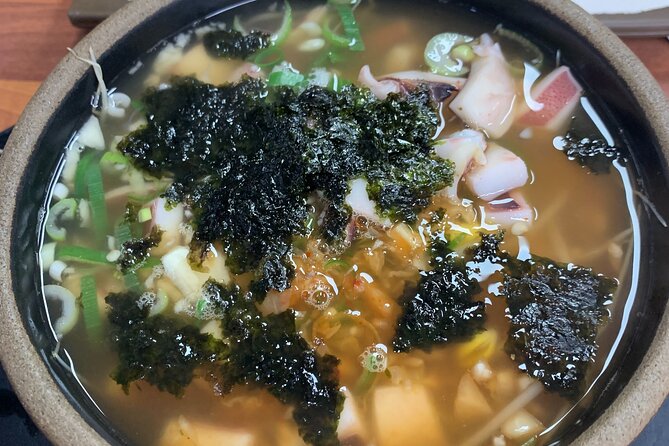
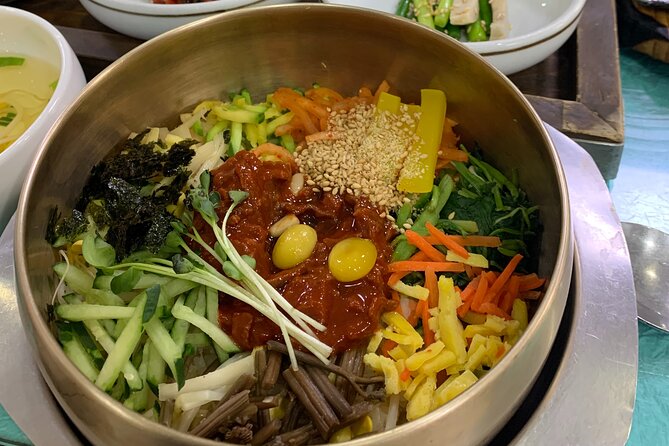
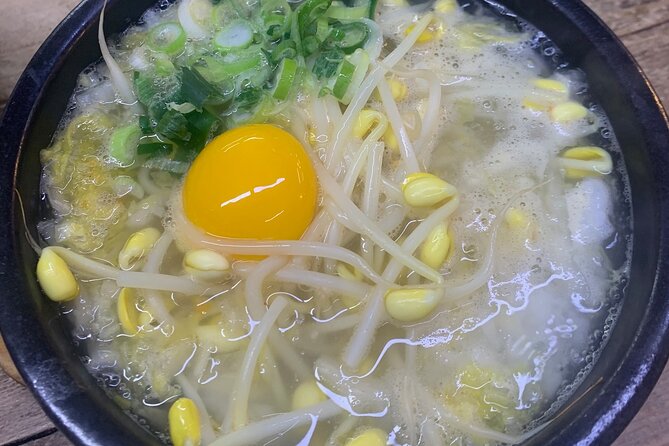
The day ends with a 50-minute Jeonju dinner. The choices are classic Jeonju bibimbap or bean sprout soup with rice, prepared by the kimchi master.
Bibimbap gives you the famous mixed rice dish associated with Jeonju, while bean sprout soup offers a simpler, comforting finish. Ending with these foods makes sense after a day spent learning how local ingredients and traditions come together.
Lunch and dinner are both included, which adds real value to the $75 price. You are not paying only for a guide and sightseeing. You receive two meals, a cooking class, tea, and admission to the listed stops. The only clear food-related extra is alcohol.
Is $75 Good Value?
At $75 for about eight hours, this is strong value if you plan to visit several of these places and eat independently anyway. The price includes a professional guide, lunch, dinner, the kimchi class, and admission tickets for the scheduled attractions.
The cost looks less attractive if you want only a short food walk. A large share of the day goes to museums, religious sites, historic buildings, and the hilltop view. That is not a flaw, but it means you should book this as a Jeonju culture-and-food day, not as a restaurant crawl.
Transportation is not included. The meeting point and ending point are both in Jeonju Hanok Village, and the stops are arranged as a walking route, but you must handle your own journey to and from the meeting point. Nearness to public transportation helps, though the details do not specify the exact route you should take.
Who Will Get the Most from This Day?
I would recommend this tour to a first-time Jeonju visitor who wants help with both food and context. The guide removes much of the language pressure, explains unfamiliar customs, and can provide food recommendations for the rest of your Korean trip.
It also suits you if you like variety. In one day you move through poetry, fans, Catholic architecture, royal history, traditional paper, noble culture, Confucian education, tea, kimchi, and local dishes.
I would be more cautious if you dislike structured schedules or cannot walk comfortably for much of the day. The tour includes many stops, a hilltop visit, and two meals within eight hours. It may feel rushed to anyone who prefers to spend half a day in one museum or restaurant.
The private format is useful for families, couples, and small groups with shared interests. A maximum of 15 people is allowed per booking, so confirm the arrangement if your group is large.
Practical Details Before You Book
Confirmation is sent when you book, and free cancellation is available up to 24 hours before the local start time for a full refund. Changes or cancellations inside that 24-hour window are not accepted for a refund.
The tour requires at least two people and may be canceled if that minimum is not met. If the operator cancels for that reason, you are offered another date or experience, or a full refund.
The experience operates in all weather. Wear comfortable walking shoes and dress for the forecast. Service animals are allowed, and vegetarian food is available if you request it in advance.
Should You Book the Jeonju Private Tour?
Book it if you want Jeonju explained as a living food and cultural center, not just photographed as a pretty traditional village. The combination of Hanjeongsik, tea, kimchi, bibimbap, museums, and historic sites gives you a useful first look at the city for $75.
Skip it if you want a slow, food-only outing or if transportation from your accommodation is a problem. For everyone else, this is a practical choice when you have one full day in Jeonju and want a guide to handle the cultural details while you concentrate on eating, walking, and learning.
FAQ
Where does the Jeonju tour start?
The tour starts at Jeonju Hanok Village, at 99 Girin-daero, Wansan-gu, Jeonju, Jeonbuk State, South Korea. The start time is 10:00 a.m.
Where does the tour end?
The experience ends back at the meeting point in Jeonju Hanok Village.
How long does the experience last?
The tour lasts approximately eight hours.
Is transportation included?
No. Transportation to and from the attractions is not included. You are responsible for getting to and from the meeting point.
Are meals included?
Yes. Lunch and dinner are included. Lunch is Hanjeongsik with many side dishes, and dinner includes Jeonju bibimbap or bean sprout soup with rice.
Is the kimchi class included?
Yes. A kimchi-making class with a kimchi master is included in the tour.
Can I request vegetarian food?
Yes. A vegetarian option is available, but you should advise the operator when booking.
What happens if I cancel?
You can receive a full refund if you cancel at least 24 hours before the experience start time. Cancellations made less than 24 hours before the start time are not refunded.
Recently added around South Korea
- Gyeongbokgung Palace Photo Session with your own phone★ 5.0 · 4 reviews
- Nami & Maple Road & Theatre des Lumieres Day Tour from Seoul★ 4.8 · 4 reviews
- Private Tour around Suwon UNESCO Fortress and Korea Folks Village★ 4.5 · 4 reviews
- Jisan Forest Resort: Ski Full-Day Tour or Shuttle from Seoul★ 5.0 · 4 reviews
- Seoul: Deoksugung Palace Night Tour★ 4.5 · 4 reviews
- N Seoul Tower + Namsan Cable Car Ticket (Collect in Myeongdong)★ 3.5 · 4 reviews
- Private Jeonju Hanok Village – Culinary tour★ 5.0 · 4 reviews
- Seoul Private Walking Tour with a Local★ 5.0 · 4 reviews
Jeonju Tours, compared.
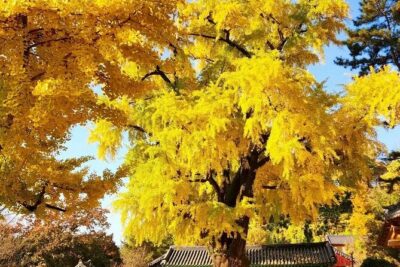
Jeonju Hanok Village Full-Day Tour:Jangtaesan Autumn Foliage
Read the review →Jeonju Hanok Village Full-Day Tour: Jangtaesan Autumn Foliage
Read the review →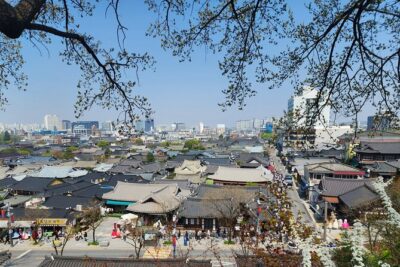
Jeonju Hanok Village and Maisan Tapsa Temple Day Tour From Seoul
Read the review →
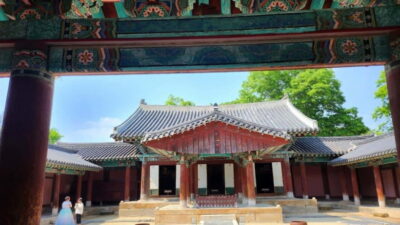
Essence of Jeonju, Hanok Village & Maisan Mountain
Read the review →Browse the lists this tour appears in