
Reviewed · GYEONGBOKGUNG PALACE TOURS
Gyeongbokgung Palace, Jogyesa Temple and Bukchon village
Seoul’s best first-day introduction is a walk through its old royal and cultural heart. This tour links Jogyesa Temple, Gyeongbokgung Palace, Gwanghwamun Square, and Bukchon village, giving you a clear sense of how Buddhist, royal, and residential traditions fit into modern Seoul. Guide Lee is especially good at making the history friendly, relaxed, and easy to follow.
I like the small cultural touches, including a traditional herbal drink at the palace and, on some outings, a Korean board game during the break. I also like the route’s variety: you move from temple calm to royal grandeur, then into Bukchon’s hilly lanes and traditional architecture. The main consideration is that this is a walking tour, and the Bukchon section includes slopes and uneven streets.
Key points at a glance
- Three hours through four major sights: Cover Jogyesa Temple, Gwanghwamun Square, Gyeongbokgung Palace, and Bukchon village in one organized walk.
- A useful first visit to Seoul: The route gives you basic context for Korean history, language, customs, and palace life.
- Gyeongbokgung admission included: You do not need to arrange a separate palace ticket.
- Traditional tea adds a local pause: The herbal drink gives the tour more character than a simple photo stop.
- Guide Lee earns high marks: She is praised for patience, clear explanations, friendly conversation, and thoughtful extras.
- Expect hills in Bukchon: Comfortable shoes matter, and the tour is not suitable for mobility scooters.
Why this Seoul walking tour works for first-time visitors
Seoul can feel enormous when you first arrive. Its subway system is excellent, but a map alone does not explain why a Buddhist temple sits near modern shopping streets, why a broad civic square leads to a palace gate, or why traditional homes still line the lanes behind central roads.
This walk gives you that orientation on foot. You begin near Anguk Station, a useful central location, and see several of Seoul’s most important cultural sights without having to arrange separate admissions or work out the route yourself. The experience is listed at $82 per person, which is not a bargain-priced stroll, but the price includes a guide, Gyeongbokgung Palace entry, and traditional herbal tea.
I see the value mainly in the explanations. A palace ticket lets you enter, but it does not necessarily help you understand the Joseon Dynasty, King Sejong, Korean Buddhism, or the role of traditional homes in today’s city. A good guide connects those pieces. Lee’s calm, patient approach is a strong fit if you prefer asking questions rather than simply following a flag through a crowd.
The tour is conducted in English. It returns to the starting meeting point, so you can plan another Seoul activity afterward without needing a complicated transfer.
More Gyeongbokgung Palace visits:
- Best Seoul City Tour (Gyeongbokgung Palace,Insadong,Namsan Tower)
★ 5.0 · 1,647 reviews - Seoul City Sightseeing Tour Including Gyeongbokgung Palace, N Seoul Tower, and Namsangol Hanok Village
★ 5.0 · 1,423 reviews - Seoul: Hanbok Rental with Gyeongbokgung Palace Entry
★ 4.6 · 611 reviews
Meeting at Anguk Station Exit 6
The official meeting point is Anguk Station Exit 6. This is important because the experience description focuses on Jogyesa Temple, while the stated meeting point is at Anguk Station. Confirm the exact meeting instructions with the operator before setting out, especially if you are unfamiliar with Seoul’s subway exits.
You then follow the guide toward the traditional and historic center of the city. The route is best understood as a connected walk rather than a series of isolated attractions. You get movement, explanation, and time to look around, not just a quick stop at each site.
No hotel pickup or drop-off is included. That keeps the tour centered on public transport and walking, but it also means you should allow time to reach Anguk Station on your own. Seoul’s subway makes this practical, though you will want to arrive with enough time to find Exit 6.
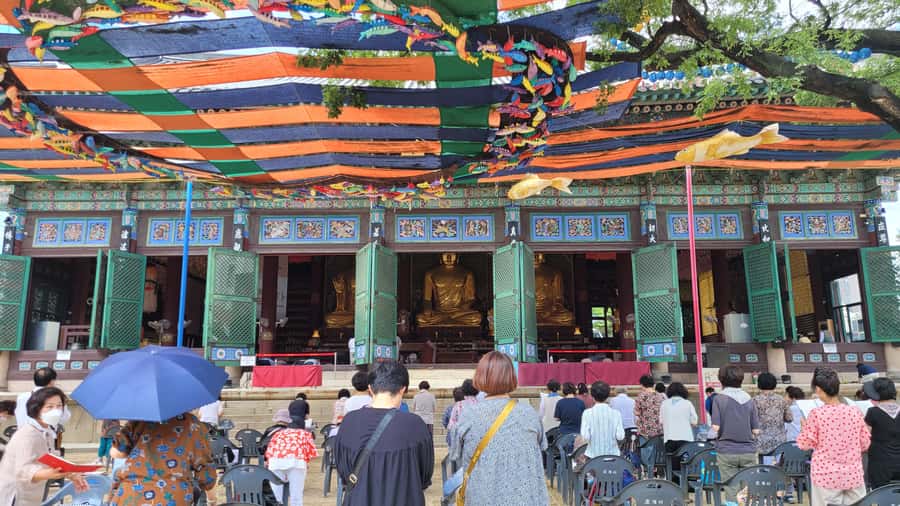
Jogyesa Temple and the calm side of central Seoul
Jogyesa is the head temple of the Jogye Order of Korean Buddhism. Its setting helps you see a quieter side of central Seoul, even though the surrounding area has tea houses, restaurants, shops, and the traditional atmosphere of Insadong.
A guide can make this visit more meaningful by explaining how the temple functions within Korean Buddhism and by pointing out details you might otherwise pass without noticing. The goal is not simply to take a photograph of the entrance. It is to understand why this place matters to Korean religious life.
I like starting with Jogyesa because it sets a gentle pace. Instead of opening with palace gates and a long list of dates, you begin with a place associated with reflection and worship. You also get an early introduction to Korean cultural customs before moving into the political history of the Joseon court.
Keep your expectations practical. The temple is one part of a larger walking route, not a long religious retreat. The tour then moves on to Gwanghwamun Square, so anyone wanting extended quiet time for personal reflection may find this stop brief.
Gwanghwamun Square and King Sejong
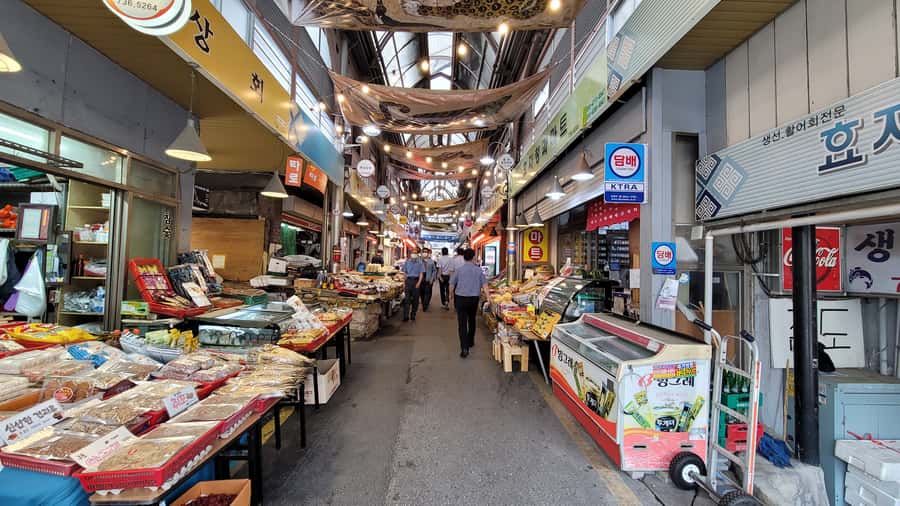
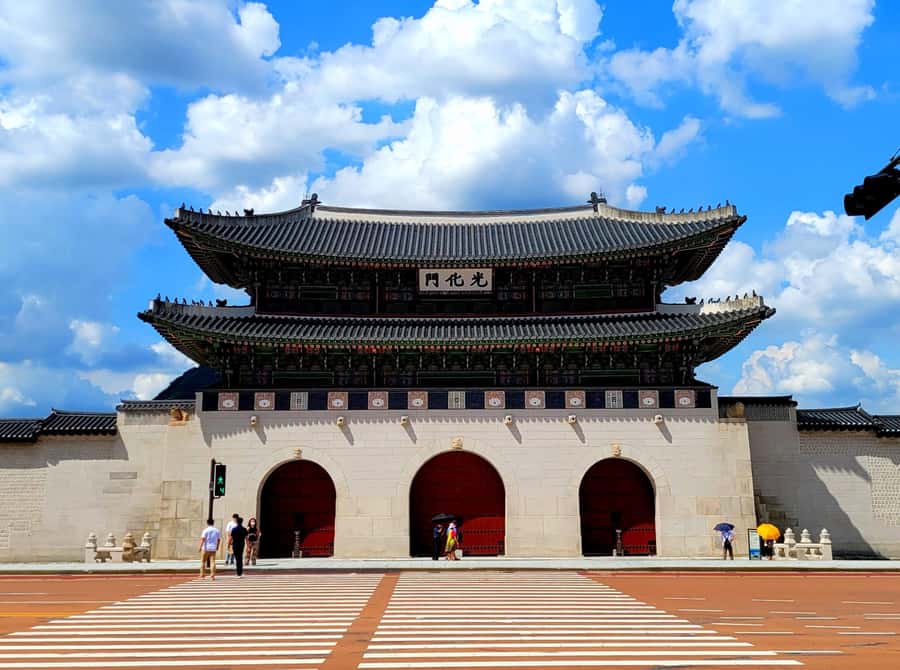
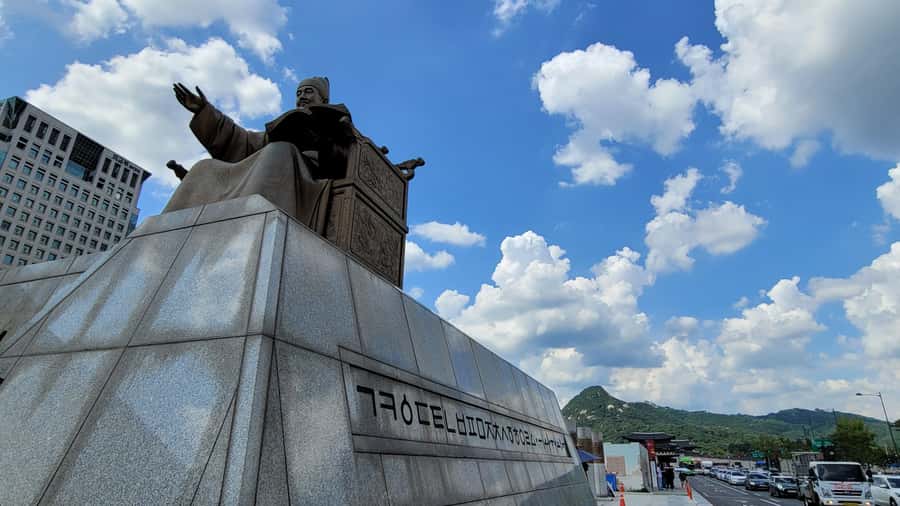
The next major point is Gwanghwamun Square, where you see the statue of King Sejong. He is closely linked with the creation of Hangul, the Korean alphabet, so this is a good place for the tour’s language and culture theme to come together.
The statue is more than a standard landmark photo. It gives the guide a natural opening to explain Korean writing, royal leadership, and the way language shapes national identity. If you are new to Korea, this context helps you read signs and notice the importance of Hangul during the rest of your trip.
The square also changes the mood of the walk. Jogyesa offers a temple setting, while Gwanghwamun is broad and civic. You can see how Seoul’s historic center has room for both old institutions and modern public life.
The stop is especially useful for first-time visitors because it provides a reference point for later sightseeing. Once you understand the connection between King Sejong, the Joseon court, and Gyeongbokgung Palace, the next section feels less like a collection of impressive buildings and more like a connected story.
More Bukchon and Insadong walks:
- Seoul: Gyeongbok Palace, Bukchon Village, and Gwangjang Tour
★ 4.9 · 2,321 reviews - Seoul: Gyeongbok Palace, Bukchon Village, and Gwangjang Tour
★ 5.0 · 1,044 reviews - Seoul Highlights: Gyeongbok Palace, Insadong & N Seoul Tower
★ 4.7 · 726 reviews - Korean Palace and Market Tour in Seoul Including Insadong and Gyeongbokgung Palace
★ 4.0 · 174 reviews
Gyeongbokgung Palace, the Joseon royal center
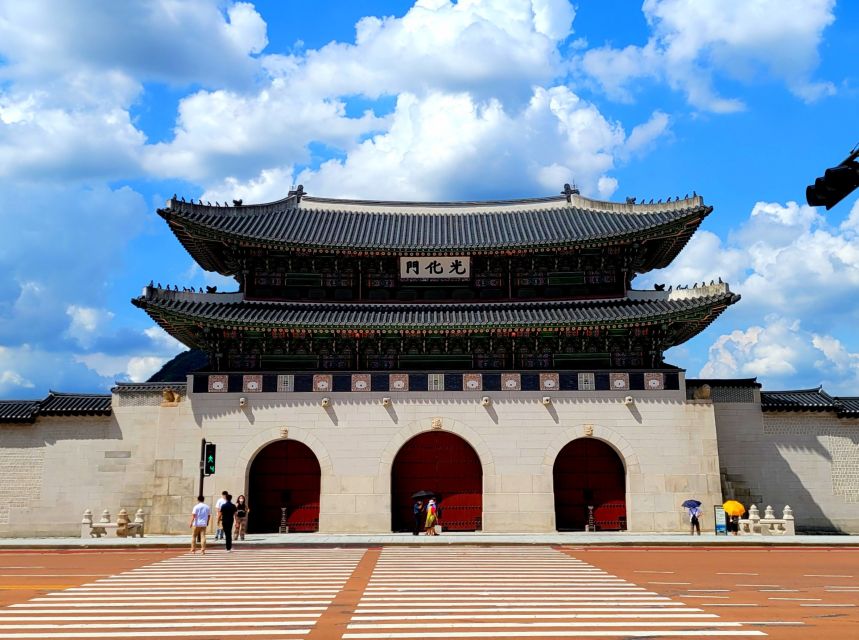
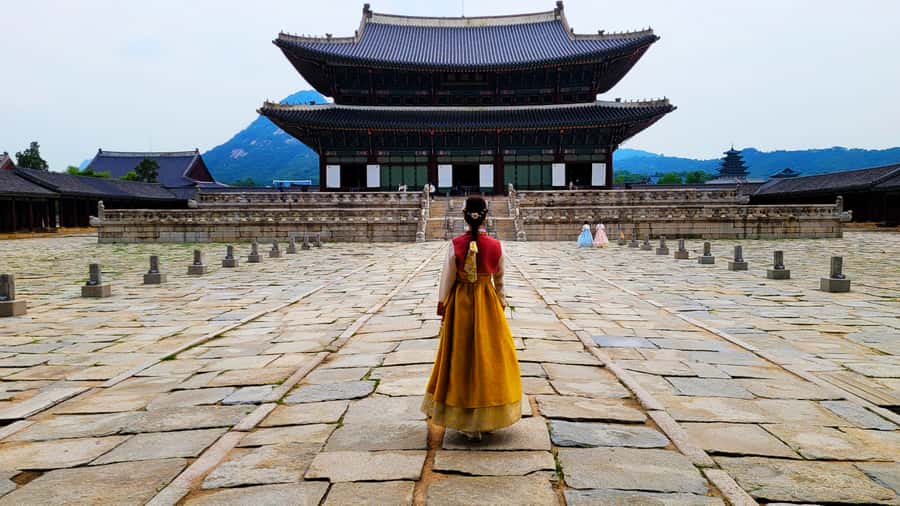
Gyeongbokgung is the heart of the tour. Established in 1395, it was the main palace of the Joseon Dynasty. Its courtyards, gates, halls, and open spaces give you a sense of the scale and order of the royal compound.
Your admission ticket is included, which is a useful part of the $82 price. You avoid one extra purchase and can focus on the guide’s explanation as you move through the palace grounds.
The palace is best appreciated with historical framing. Dates and royal names can blur together when you are on vacation, but a guide can explain the purpose of the buildings and the broader role of the Joseon court. You learn about Korea’s past while walking through the actual spaces where royal government and ceremony took place.
The tour also includes a traditional herbal tea or drink at the palace. I consider this one of the better details in the experience. It creates a pause after the walking and turns the palace visit into a cultural encounter rather than a nonstop sequence of photos.
A break at a palace café may also include a Korean board game, an extra that guide Lee has used to make the cultural discussion more playful. This is the sort of small addition that can work well for families and younger visitors, though it should not be treated as a guaranteed part of every departure.
Gyeongbokgung is a large site, so you should not expect to see every corner. The advantage of a guided visit is that you spend your limited time on the key areas and receive an explanation along the way. The trade-off is less freedom to linger wherever you choose.
Bukchon village and Seoul’s traditional homes
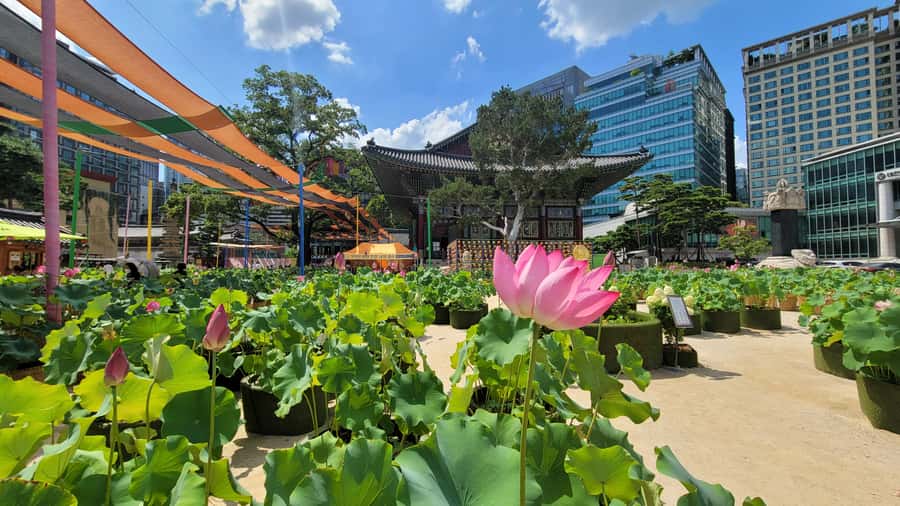
From the palace area, the tour continues into Bukchon traditional village. This is where the experience shifts from royal architecture to the look and feel of an old residential neighborhood.
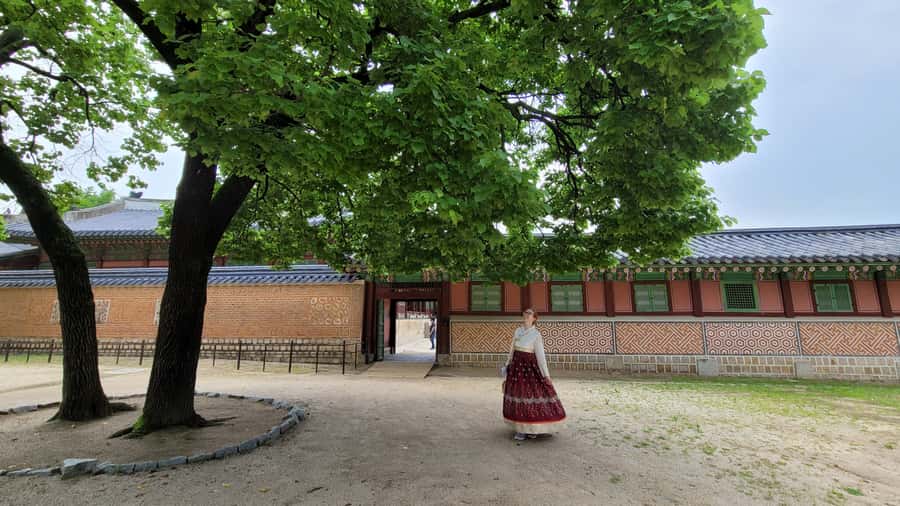
Bukchon is known for its traditional Korean homes and lanes. The architecture provides a strong contrast with Seoul’s towers and busy commercial districts. You can pause for photographs, admire rooflines and wooden details, and see how traditional design survives within the modern capital.
The walking here is described as moderate, with some hills. Comfortable shoes are essential. You will get more from the stop if you move at a steady pace and leave room to look around instead of treating the village as a race to the next viewpoint.
The village section is also the place where expectations matter most. Bukchon is a lived-in area, not just an open-air museum. Your guide can help you appreciate the buildings and explain their place in Seoul’s past, but you should keep your voice down and respect residents.
The route provides a strong visual finish, with traditional architecture and views across the surrounding city. If you want a longer historical explanation at every lane or an extra village stop, this tour may feel a little quick. Its strength is the broad introduction, not an exhaustive study of Bukchon.
Guide Lee’s friendly, flexible approach
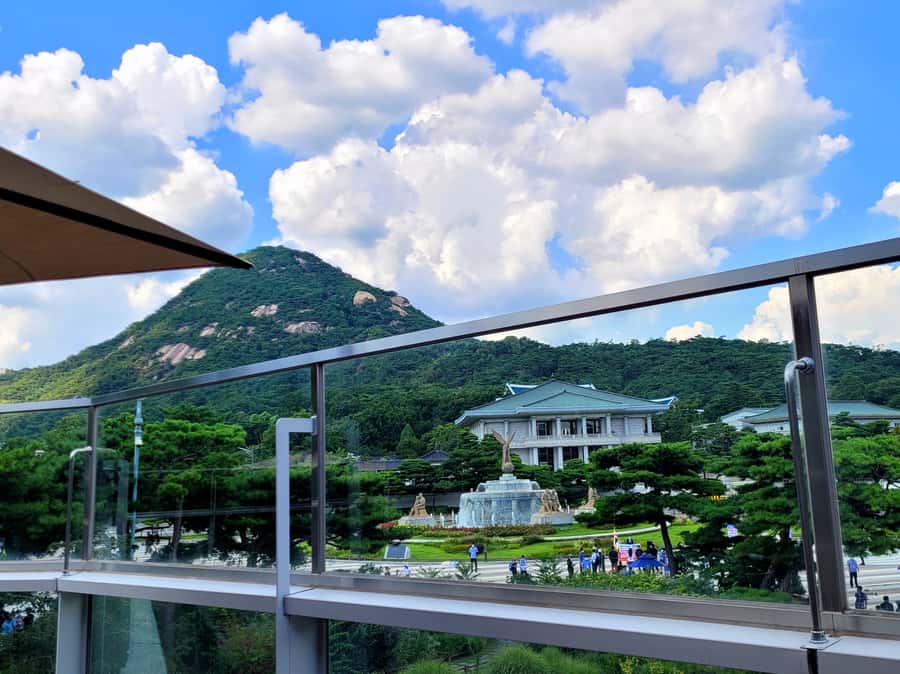
The guide can make or break a history walk. Lee receives especially strong praise for being professional, patient, friendly, and willing to discuss questions. She is also described as punctual and attentive to the needs of families.
That matters because this itinerary crosses several subjects. You may ask about Buddhism at Jogyesa, Hangul at Gwanghwamun, royal life at Gyeongbokgung, and architecture in Bukchon, all in one outing. A guide who can move between those topics without turning the walk into a lecture will make the time pass easily.
Lee also communicates by email for meeting arrangements, which is useful if you do not have a Korean phone number. Do not assume every detail can be handled through local calls. Check your email before the tour and keep the meeting information accessible.
The atmosphere is described as relaxed and playful rather than stiff. That can suit families, couples, and solo visitors who want more than dates and building names. At the same time, you should remember that the listed language is English only, so this is not the right choice if you need another language.
Is $82 a fair price?
At $82 per person, this is a midrange guided walking experience rather than a low-cost sightseeing walk. The price includes the English-speaking guide, Gyeongbokgung Palace admission, and a traditional herbal tea.
The value depends on what you want from Seoul. If you only need directions and photographs, you can visit these areas independently for less. If you want a clear story, a planned route, and help understanding details you might miss alone, the price is easier to justify.
The three-hour format is also useful. You cover several major sights without giving up an entire day, and the tour ends back at the meeting point. That makes it practical for the beginning of a Seoul stay, when you want orientation, or for a short visit when time is limited.
Food is not included, and there is no hotel transfer. You should budget separately for meals and your transport to Anguk Station. Those exclusions are normal for a central walking tour, but they matter when comparing the total cost with a larger sightseeing package.
Who should book this experience?
I would recommend this tour to first-time visitors who want Seoul’s major historic sights explained in one manageable outing. It is also a good match for families, since the guide’s patient manner and possible board-game break add variety for younger participants.
Book it if you enjoy walking, asking questions, and seeing how different parts of Korean culture connect. The combination of temple, civic square, palace, and traditional village gives you a useful base for exploring Seoul on your own afterward.
You may want another option if you have limited mobility, dislike hills, or prefer a private itinerary with lots of time at each stop. Pets and mobility scooters are not allowed, and the route requires comfortable walking shoes. Alcohol and drugs are prohibited, and the operator accepts no responsibility for loss, illness, injury, accidents, or property damage, so normal care with belongings and personal safety is important.
The tour can be canceled up to 24 hours in advance for a full refund, and you can reserve now and pay later. That gives you some flexibility while your Seoul plans are still taking shape.
Should you book the Jogyesa, Gyeongbokgung, and Bukchon walk?
Book this experience if you want a friendly three-hour introduction to Seoul’s historic center, with admission and a cultural drink included. The best reason to choose it is the guide-led connection between places that can otherwise feel separate: Buddhism at Jogyesa, King Sejong and Hangul at Gwanghwamun, Joseon royalty at Gyeongbokgung, and traditional homes in Bukchon.
I would be less likely to book it if you want a slow palace study, a food tour, or a completely flat route. For most first visits, though, the mix is well chosen, and Lee’s patient style adds real value. Wear supportive shoes, arrive at Anguk Station Exit 6 early, and leave the rest of your day open for a meal or further sightseeing near the center.
FAQ
Where does the tour start?
Meet your guide at Anguk Station Exit 6.
Where does the tour end?
The activity ends back at the meeting point.
Is Gyeongbokgung Palace admission included?
Yes. The entrance ticket to Gyeongbokgung Palace is included.
Is a traditional drink included?
Yes. A traditional herbal tea is included as part of the experience.
What language is the tour conducted in?
The tour is conducted in English.
What should I bring?
Bring comfortable shoes because the experience is a walking tour and the Bukchon village section includes moderate walking. Pets, mobility scooters, alcohol, and drugs are not allowed.
Recently added around Seoul
- Nami & Maple Road & Theatre des Lumieres Day Tour from Seoul★ 4.8 · 4 reviews
- Gyeongbokgung Palace Photo Session with your own phone★ 5.0 · 4 reviews
- Private Tour around Suwon UNESCO Fortress and Korea Folks Village★ 4.5 · 4 reviews
- Jisan Forest Resort: Ski Full-Day Tour or Shuttle from Seoul★ 5.0 · 4 reviews
- N Seoul Tower + Namsan Cable Car Ticket (Collect in Myeongdong)★ 3.5 · 4 reviews
- Seoul: Deoksugung Palace Night Tour★ 4.5 · 4 reviews
- Private Jeonju Hanok Village – Culinary tour★ 5.0 · 4 reviews
- Seoul Private Walking Tour with a Local★ 5.0 · 4 reviews
Gyeongbokgung Palace Tours, compared.
Best Seoul City Tour (Gyeongbokgung Palace,Insadong,Namsan Tower)
Read the review →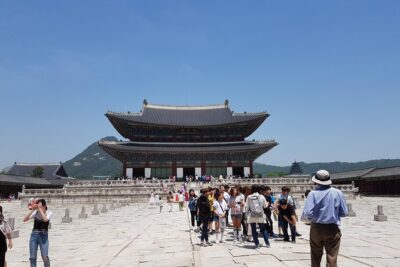
Seoul City Sightseeing Tour Including Gyeongbokgung Palace, N Seoul Tower, and Namsangol Hanok Village
Read the review →
Hanbok Photoshoot and History Tour at Gyeongbokgung Palace
Read the review →
Korean Palace and Market Tour in Seoul Including Insadong and Gyeongbokgung Palace
Read the review →
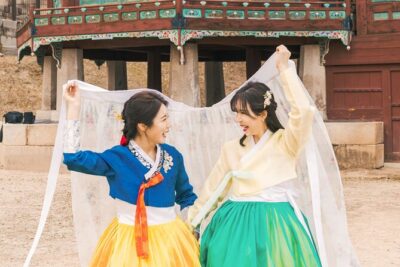
Gyeongbokgung Palace Hanbok Rental Experience in Seoul
Read the review →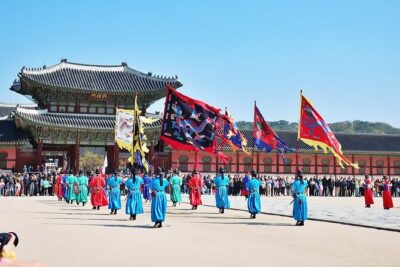
Small-Group Seoul Tour with Gyeongbokgung Palace (hotel pick-up)
Read the review →Browse the lists this tour appears in