
Reviewed · BUSAN TOURS
Busan: Winter Healing Park and (Gyeongju/Daegu) One Day Tour
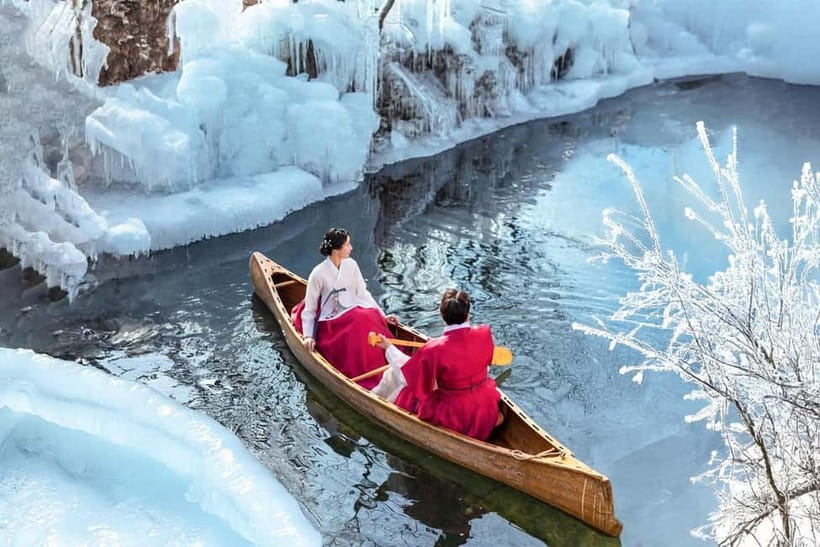
Kookmin Healing Park is the star here: a snowy outdoor playground where you can take a sled ride, walk beside frozen scenery, and pay extra for a canoe on the ice-lined water. I like that you get two very different day-trip choices, Gyeongju for temples and old streets, or Daegu for market food and winter nature. I also like the guides’ personal touch. Amy took excellent photos and gave useful suggestions, while Lee explained the sights clearly.
The catch is the clock. You have about 11 hours including transport from Busan, so each stop is a taste rather than a slow visit. The Daegu route also changes its final nature stop according to ice conditions, and the canoe costs extra in cash.
Key points to know before you book
- Kookmin Healing Park begins the day with snow, sledding, and optional canoeing.
- The Gyeongju route links Bulguksa Temple, Gyochon Village, Hwangridan Street, and Woljeong Bridge.
- The Daegu route gives you lunch time at Seomun Market, with street food and local shops.
- The final Daegu winter stop may be Songhae Park or Biseulsan Recreational Forest.
- English, Chinese, and Korean-speaking staff guide the day.
- The $65 price includes transport and admissions, but not meals, insurance, or the canoe.
Kookmin Healing Park turns winter into the main event
The day starts with a change of pace from Busan. Instead of heading straight for a famous palace or museum, you first reach Kookmin Healing Park in Gyeongju, where winter weather shapes the experience.
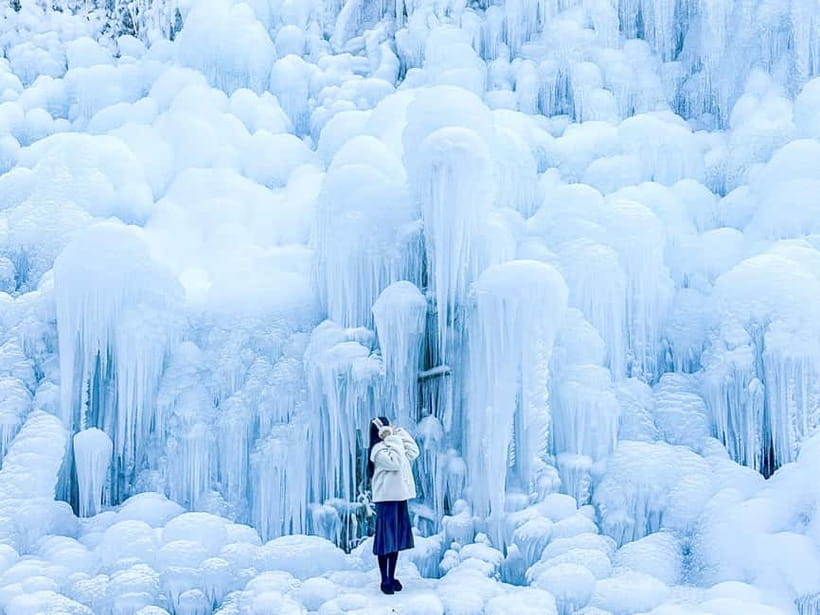
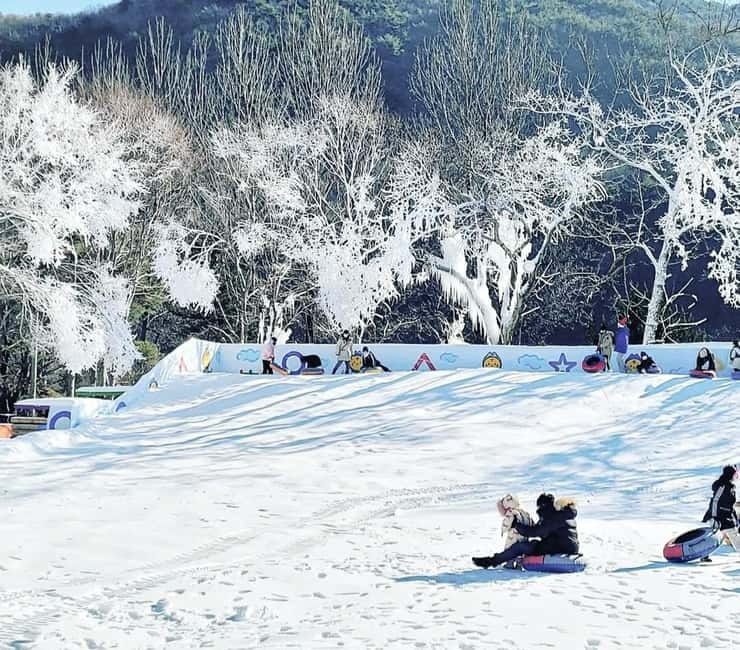
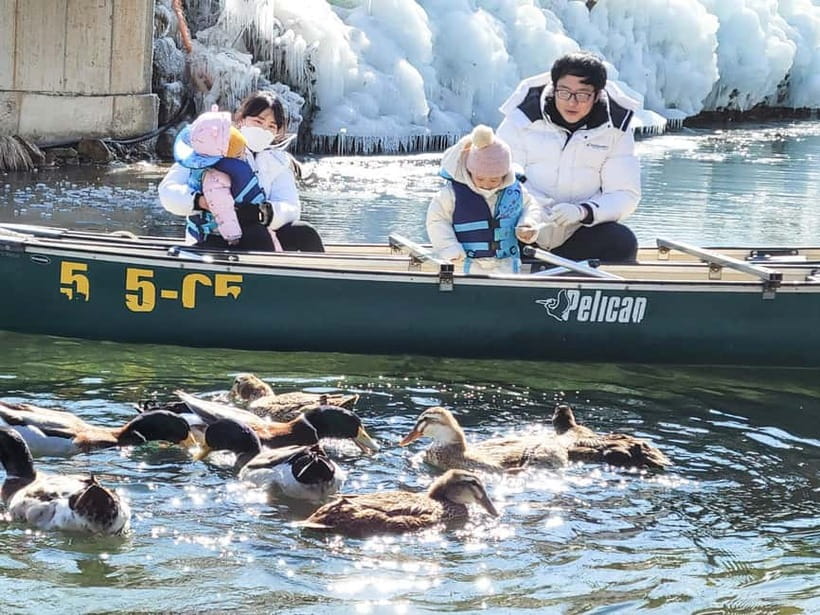
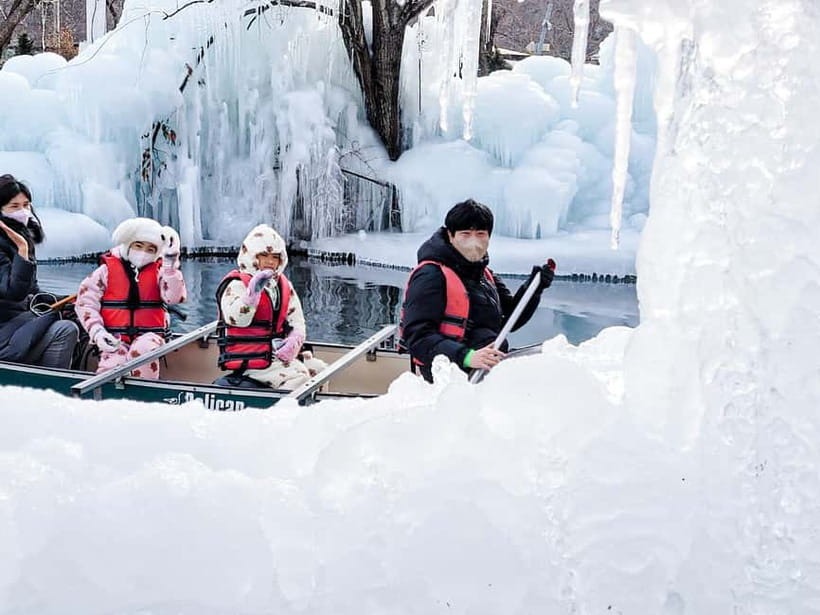
When conditions are right, the park looks like a snowy play area. You can take a sled ride, walk among icy scenery, and enjoy the quiet of frozen water and trees. This is not simply a photo stop. The sledding gives the visit some energy, while the walking paths let you slow down and take pictures.
The optional canoe ride is one of the best reasons to bring some extra cash. Canoe use costs KRW 30,000 for a one to four-seat canoe or KRW 50,000 for a five to eight-seat canoe. The fee is paid on site in cash, and it is not included in the tour price.
I would treat the canoe as a group activity rather than an essential part of the admission. If you are sharing the cost with family or friends, the price becomes easier to justify. If you are alone and watching every won, sledding and walking still give you a full visit.
Winter conditions matter here. Snow and ice are the point, so the exact appearance of the park can change with the weather. Wear shoes with a good grip and bring gloves. The supplied information does not promise a particular depth of snow, so book this for the outdoor winter setting, not for a guaranteed postcard scene.
A few more Busan half-days to weigh up
- Busan: Gyeongju Guided Day Trip to Three Kingdoms Capital
★ 4.8 · 1,925 reviews - 1-Day Busan Shore Excursion – City Highlights for Cruise Guests
★ 4.5 · 36 reviews - 7 Highlights Gyeongju City One Day Small Group Tour from Busan
★ 5.0 · 24 reviews
Pick Gyeongju for temples, old lanes, and evening lights
The Gyeongju option is the stronger choice if Korean history is your main reason for leaving Busan. After the park, the route moves through several of the city’s best-known cultural stops.
Bulguksa Temple offers the day’s strongest history lesson
Bulguksa is a major Gyeongju sight and was designated a UNESCO World Cultural Asset in 1995. The temple is valued for both its buildings and its stone work, so you get more than a scenic courtyard.
This is where a guide adds real value. The details of Korean temple design and stone relics are easier to appreciate when someone explains what you are looking at. The tour includes a professional guide, with English, Chinese, and Korean support, so you can ask questions rather than simply walk through.
Allow yourself time to look closely. The group schedule means you will not have unlimited hours, but the stop gives the Gyeongju route its cultural center. If you prefer markets, cafés, and relaxed streets to monuments, the Daegu option may suit you better.
Gyochon Traditional Village shows Gyeongju at a human scale
Gyochon Traditional Village centers on the Gyeongju Choi Clan, a family known for preserving its wealth over 12 generations and producing influential figures. The appeal here is different from Bulguksa. You are looking at a traditional village setting connected to family life and local history, not a single grand monument.
The stop helps break up the temple visit. You can walk through the village, see how the setting feels at street level, and hear about the family that shaped its identity. It is also a useful pause before the more modern atmosphere of Hwangridan Street.
Do not expect a long independent wander. This is a structured one-day visit, and traffic can affect the timing. Keep your guide in sight and be ready to move on when the group does.
A different way to spend a day from here:
- Small Group Full Day Busan Tour (Max 6 Pax)
★ 5.0 · 1,464 reviews - From Busan: Gyeongju UNESCO World Heritage Guided Day Tour
★ 4.8 · 1,250 reviews - Busan Private Tour with licensed tour guide + private vehicle
★ 5.0 · 1,143 reviews - Busan: Coastal Treasures Beach Train, Culture Village & More
★ 4.7 · 832 reviews
Hwangridan Street brings food, coffee, and a younger mood
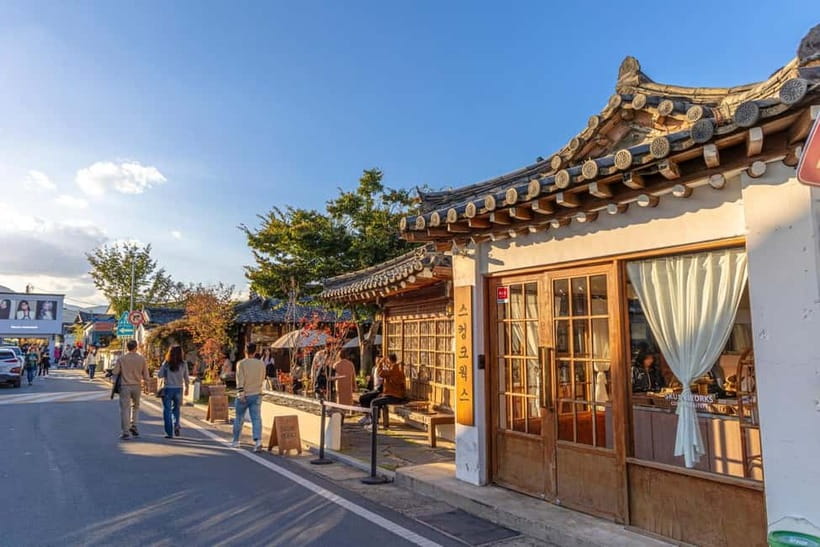
Hwangridan Street changes the tone again. Its mix of street food and trendy cafés gives you a chance to eat, browse, and take a break from formal sightseeing.
Meals are not included, so this is a good place to spend some of your food budget. You can choose what appeals to you instead of being tied to a fixed restaurant. The trade-off is that you pay personally and have limited time, so do not wander too far from the meeting point.
I like this part of the route because it keeps the day from becoming a string of monuments. Gyeongju is not only ancient sites. Hwangridan Street shows how the city presents its past alongside current food and café culture.
Woljeong Bridge gives you a memorable final stop
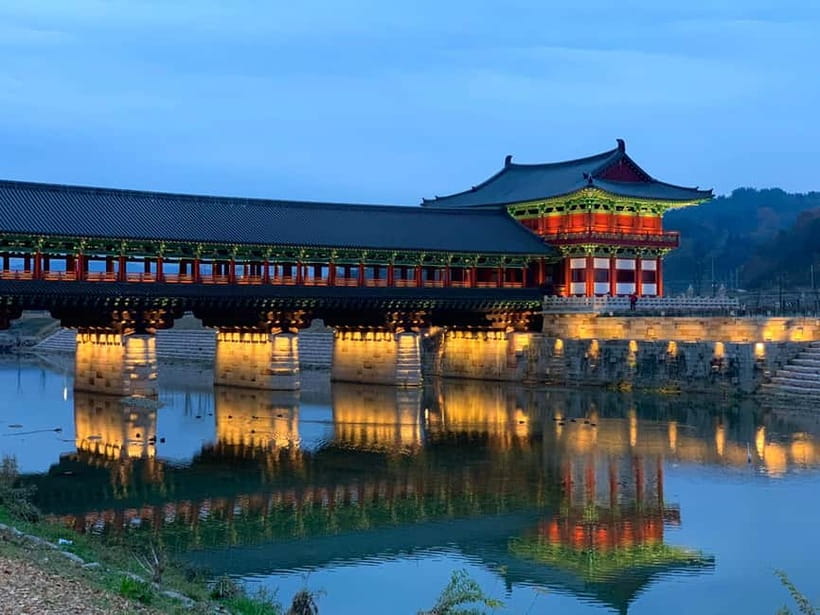
The final Gyeongju stop is Woljeong Bridge, a historic crossing built with stone arches. Its age and construction make it a useful example of older engineering, but the visual appeal is just as important.
The bridge works well at the end of the route because it offers a clear, recognizable view before the return to Busan. You get a final chance for photographs and a short walk, subject to the group schedule and traffic.
The Gyeongju route is busy by design. In one day, you see a temple, a traditional village, a food street, and a historic bridge. That variety is its strength, but anyone hoping to study each site at length should plan a separate Gyeongju visit.
Pick Daegu for market food and changeable winter scenery
The Daegu option is less focused on historic monuments and more flexible in mood. After Kookmin Healing Park, you head to Seomun Market, then finish at one of two winter nature sites.
Seomun Market is the practical lunch stop
Seomun Market is a good place to handle lunch because meals are not part of the tour. The market has street food, local dishes, crafts, and other goods, giving you choices at different prices.
This is a more active food stop than a formal meal. You can sample something small, sit down for a proper lunch, or browse while deciding. Since the tour schedule continues, keep your meal simple and track the meeting time.
The market also gives you a direct look at everyday commerce. If your ideal day includes tasting local food and seeing how a city’s market works, Daegu offers a stronger fit than the Gyeongju route.
The final nature stop depends on the ice
The Daegu route ends at either Okyeon Reservoir’s Songhae Park, known for its ice wall, or Biseulsan Recreational Forest. The choice depends on ice conditions.
At Songhae Park, the frozen wall is the main attraction. At Biseulsan, you may walk along icy trails, see a frozen stream, and enjoy mountain air. The exact site is not guaranteed, so you should choose this route because you like winter nature in general, not because you need one specific photo location.
This change is sensible from a safety and scenery point of view, but it does make the day less predictable. Weather also affects the broader schedule, along with road traffic between Busan, Gyeongju, and Daegu.
What the $65 price really covers
At $65 per person, this is a good-value day if you want round-trip transport from Busan and several admissions handled for you. Busan is a practical base, but reaching these inland sights independently can require more planning, transfers, and time spent checking routes.
The price includes transportation, admission fees, and tour staff. It does not include meals, insurance, personal purchases, or the optional canoe. Budget extra for lunch at Hwangridan Street or Seomun Market, plus the canoe if you want that experience.
The value is highest for a first visit. You can see several places in one long day without arranging separate transport, and a guide can put the historical stops into context. The value is lower if you already have easy access to a car or if you want to spend a full morning at one temple.
The 11-hour duration is important. This is a full day, not a casual half-day outing. You leave room for traffic, weather changes, and the distance back to Busan. Wear comfortable shoes, carry water, and keep your phone charged for photographs and meeting updates.
Guides add useful help, not just commentary
The tour supports English, Chinese, and Korean. Guides named Amy, Sophie, and Lee have led recent departures, and their roles go beyond pointing out buildings.
Amy is especially useful if you care about photographs and practical suggestions. She took good photos during the day and helped participants decide what to see and do. Lee explained the historical sites clearly and also took photos. Sophie was attentive and caring, which matters on a long winter day when people need help staying organized.
Guide quality can vary by departure, but these details suggest a friendly, hands-on style. You should still ask questions early, especially at Bulguksa, where the background can make the temple more meaningful.
Because the group must keep moving, do not rely on the guide to solve every personal preference. If you want extra time at a café, a longer meal, or a slower temple visit, a private outing gives you more control.
Practical choices that will make the day easier
Your meeting point can vary by the option you book, so check the exact pickup instructions before departure. The two routes do not necessarily use the same starting arrangements.
Infants travel free, but no seat is provided. If you are bringing a baby stroller, tell the operator in advance. That matters on a day involving transport, outdoor paths, and changing winter conditions.
Dress for the coldest part of the day, not just Busan’s weather. Kookmin Healing Park and the Daegu nature sites can feel colder around ice and open paths. Waterproof footwear is a smart choice, especially if you plan to walk near frozen water.
Keep cash available for the canoe. The fee is paid on site, and card payment is not listed as an option. You will also need personal money for lunch, snacks, and any purchases at Hwangridan Street or Seomun Market.
The tour offers free cancellation up to 24 hours before departure and a reserve-now, pay-later option. Those terms help if your Busan schedule depends on weather, though you should still check the starting time and availability before booking.
Which route fits your travel style?
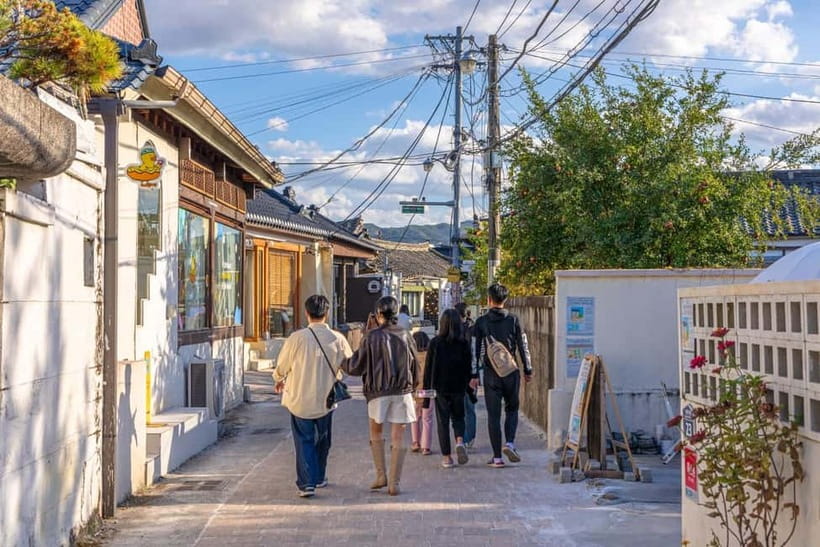
Choose Gyeongju Winter if you want a broad introduction to Korea’s old capital. Bulguksa gives you major religious and artistic heritage, Gyochon Village adds family and village history, Hwangridan Street supplies food and cafés, and Woljeong Bridge finishes the day with a memorable old structure.
Choose Daegu Winter if you prefer food, shopping, and outdoor scenery with less emphasis on monuments. Seomun Market makes lunch easy, and the final ice site gives you a quieter finish. Accept that the final location may change.
Both routes share the strongest feature: Kookmin Healing Park. The sledding and optional canoe ride give the day a playful start before the cultural or food-focused second half. That mix is especially useful if your group has different interests.
Should you book this winter day trip?
Book it if you want to see more than Busan without arranging trains, buses, admissions, and local transport yourself. At $65, the combination of long-distance transport, entrance fees, guiding, and several stops is fair value, especially for a first visit to the region.
Pick the Gyeongju route for history and variety. Pick Daegu for market food and a flexible winter nature stop. Add the canoe if you are sharing the cost and want the most unusual activity of the day.
Skip it if you dislike early starts, long road days, changing weather plans, or fixed group timing. You will not have enough time for a slow, deep visit at every stop. For everyone else, this is a lively winter escape with real variety and helpful guides, particularly Amy, Sophie, or Lee.
FAQ
How long does the tour last?
The tour lasts about 11 hours, or 810 minutes, including transportation and visits to the selected attractions.
Can I choose between Gyeongju and Daegu?
Yes. The two options are Healing Park plus Gyeongju Winter, or Healing Park plus Daegu Winter. The meeting point may vary by the option selected.
What is included in the $65 price?
Round-trip transportation from Busan, English and Chinese-speaking staff, and admission fees are included. Tour support is also available in Korean.
Is the canoe ride included?
No. The Kookmin Healing Park canoe is optional and paid for in cash on site. A one to four-seat canoe costs KRW 30,000, while a five to eight-seat canoe costs KRW 50,000.
Are meals included?
No. You pay for your own meals and personal purchases. The Daegu route provides time at Seomun Market for lunch, and the Gyeongju route includes time around Hwangridan Street.
Can the Daegu winter destination change?
Yes. The final stop may be Songhae Park at Okyeon Reservoir or Biseulsan Recreational Forest, depending on ice conditions. The schedule can also change because of traffic and weather.
Recently added around Busan
- Make your own Makgeolli (Rice Wine) in Busan★ 5.0 · 4 reviews
- Best Busan night views : Mountain observatory streets★ 5.0 · 4 reviews
- Busan: Naejangsan National Park Autumn Foliage One Day Tour★ 4.8 · 4 reviews
- Gyeongju private tour with an official tour guide (Unesco)★ 4.5 · 4 reviews
- 5 Highlights Pohang Tour from Busan (Group Tour)★ 5.0 · 5 reviews
- Full Day Private car tour to UNESCO Gyeongju&Yangdong village★ 5.0 · 5 reviews
- Jinju Namgang Yudeung Festival Bus tour from Busan★ 5.0 · 6 reviews
- Jinhae Pink Cherry Blossom One Day Tour From Busan★ 4.0 · 6 reviews
Busan Tours, compared.
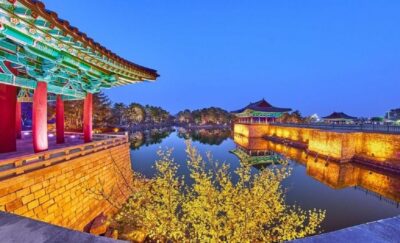
Gyeongju Guided Day Trip to Three Kingdoms Capital
Read the review →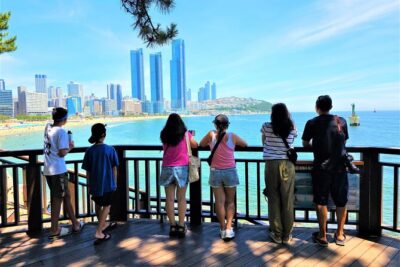
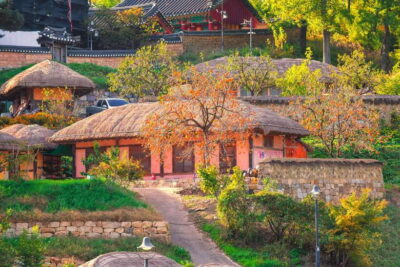
Gyeongju UNESCO World Heritage Guided Day Tour
Read the review →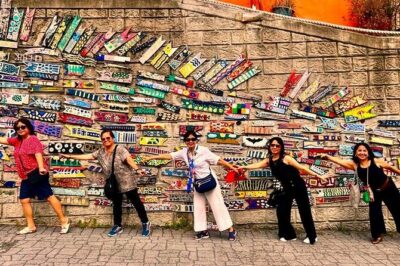
Busan Private Tour with licensed tour guide + private vehicle
Read the review →
Coastal Treasures Beach Train, Culture Village & More
Read the review →
Busan’s Cultural Wonders with Beach Train & Gamcheon Village etc
Read the review →
Gyeongju UNESCO World Heritage Guided Day Tour from Busan
Read the review →
Private Busan Tour -Explore Cultural Landmarks with a Local Guide
Read the review →Browse the lists this tour appears in