
Reviewed · BUSAN TOURS
Jinju Namgang Yudeung Festival Bus tour from Busan
Jinju’s Namgang River turns into a long ribbon of light during this evening tour from Busan. You visit Jinjuseong Fortress and the riverfront festival with guide Suyang, who carries lanterns and extra lighting to help you take better night photos. It is a fine way to see a major Korean festival without sorting out the late return trip yourself.
I like the small group limit of 14, which gives you a better chance to ask questions and stay with your guide in a crowded festival area. I also like the included Korean snack, apple, traditional lantern, and tote bag. The main drawback is the price, $125 per person, with dinner still on your own and no refund for a personal cancellation.
Key points to know before you book
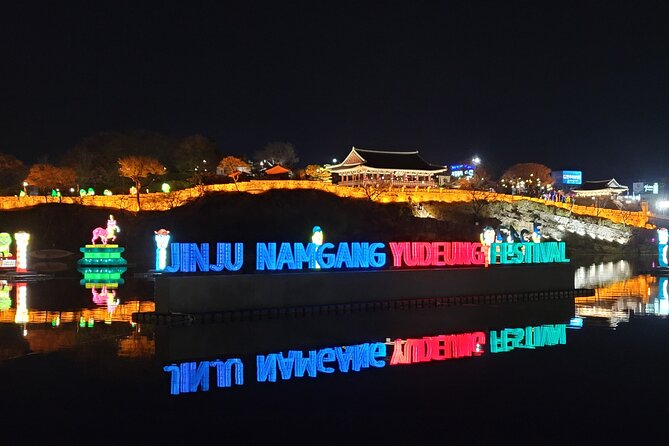
- Floating lanterns on the Namgang River: The festival grew from wartime signal lanterns used near Jinjuseong Fortress during the Imjin War.
- Suyang provides night-photo help: He carries lighting and a flashlight, a useful touch when the riverfront gets dark and crowded.
- Up to 14 people: This is a small bus group, not a large coach excursion.
- A late evening is possible: Some tours continue until around midnight, while one reported return reached Busan at about 10 p.m.
- Dinner is not included: You receive a traditional Korean snack and an apple, but you need to plan your evening meal.
- Weather matters: The activity requires good weather, and a weather cancellation brings a new date or full refund.
Why Jinju’s lantern festival is worth the trip
The Jinju Namgang Yudeung Festival is not simply a row of decorative lights. Its central idea comes from the Jinjuseong Fortress Battle during the Imjin War, fought from 1592 to 1598. Floating lanterns were sent along the Namgang River as a military tactic to stop opposing troops from crossing the water at night.
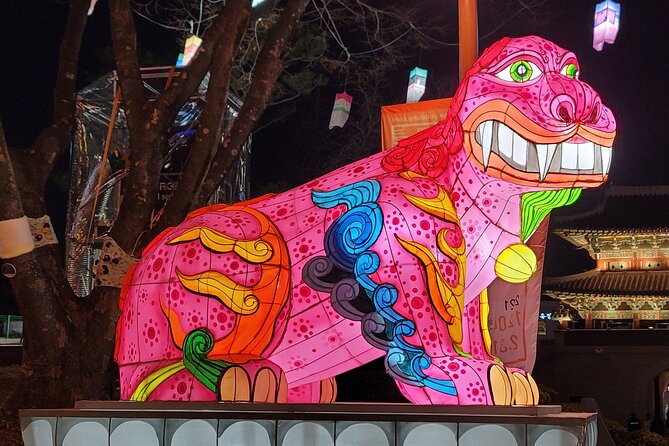
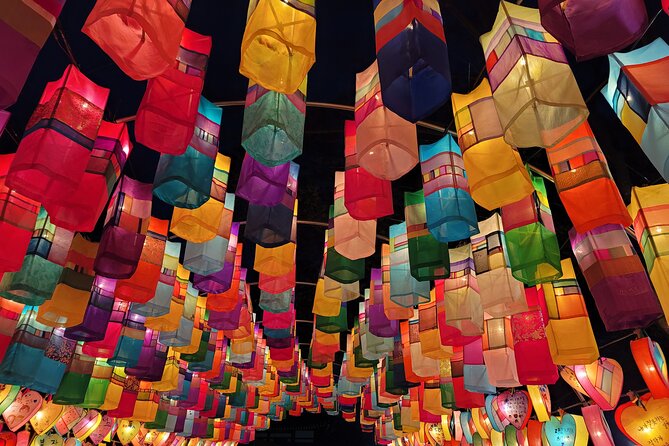
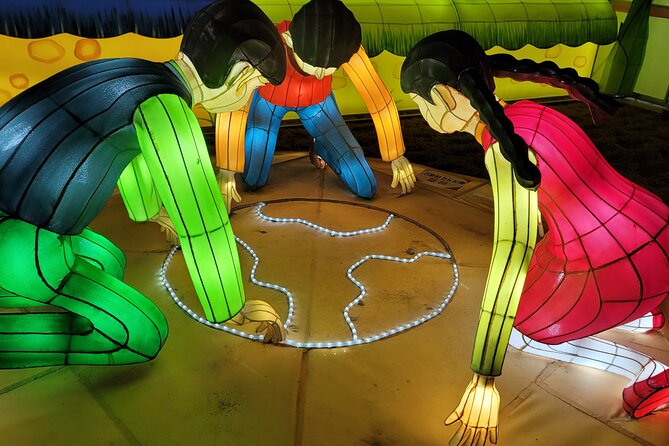
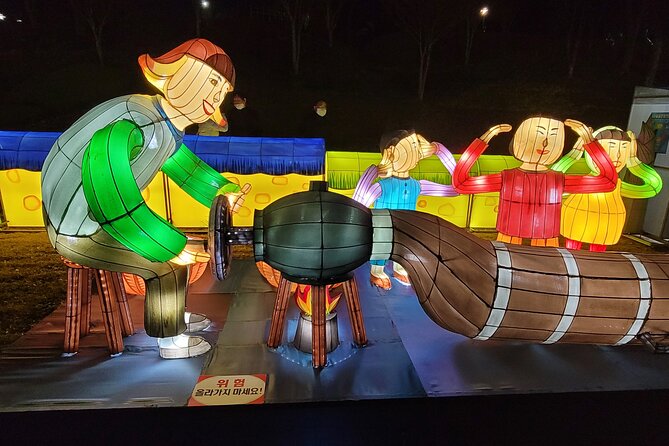
Today, those lanterns create a much more peaceful scene. Lights drift along the river, lantern figures line the festival area, and local students create lanterns for a parade. You also have the chance to see fireworks, a water lighting show, cultural performances, and other festival programs.
I find the historical link useful because it gives the evening some shape. You are not just walking through a temporary light display. The river, fortress, and lanterns belong to the same story, and the guide can help connect those pieces as you move around the site.
The festival is also a strong choice if you want a special evening outside Busan but do not want to build a complicated rail and local transport plan. The bus takes care of the long transfer, while Suyang handles the route and keeps an eye on the evening schedule.
A few more Busan half-days to weigh up
- Busan: Gyeongju Guided Day Trip to Three Kingdoms Capital
★ 4.8 · 1,925 reviews - Small Group Full Day Busan Tour (Max 6 Pax)
★ 5.0 · 1,464 reviews - From Busan: Gyeongju UNESCO World Heritage Guided Day Tour
★ 4.8 · 1,250 reviews
Meeting at Dongnae Station at 3:30 p.m.
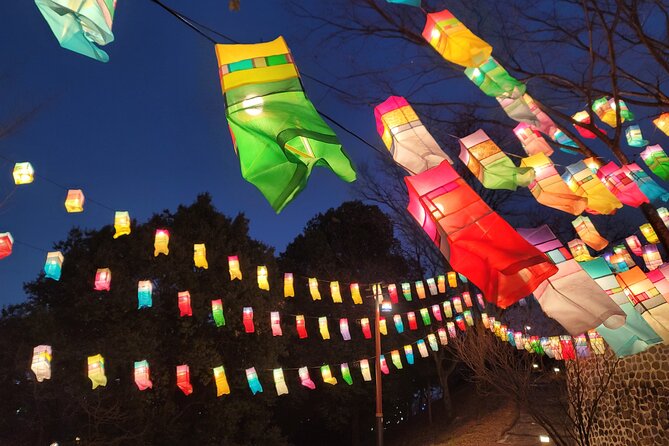
The tour begins at Dongnae Station Exit 1 at 3:30 p.m. That start time is designed to get you to Jinju before the main night scenes, though the experience lasts about eight to nine hours and timing can shift with festival crowds and the number of programs you see.
You should arrive ready for a long evening. A phone with enough battery is important, since the festival is built around photographs and night views. Comfortable shoes also make sense because the experience takes place around the fortress and riverfront, where you may walk for several hours.
The air-conditioned vehicle is one of the tour’s practical strengths. The ride from Busan to Jinju takes you away from the city for a while, and you do not need to worry about driving, parking, or finding your way back after the fireworks and light displays.
The vehicle is limited to 14 participants. That is small enough for a more personal outing, but you should still expect a group experience rather than a private tour. At a festival of this scale, the small size can make it easier to regroup when paths fill with people.
Jinjuseong Fortress and the story behind the lights
The main stop is Jinjuseong, the fortress tied to the origin of the festival. Its position beside the Namgang River explains why this place mattered during the Imjin War. The river was not just a pretty setting. It was part of the defensive system, and the floating lanterns helped prevent a nighttime crossing.
The fortress gives the festival a sense of place. You can see the traditional setting behind the modern light displays, then follow the river to the floating lanterns. The combination works best after dark, when the lamps reflect on the water and the fortress area becomes part of the view.
Suyang’s role matters here. The tour is designed around a professional guide accompanying the group through the festival area, rather than simply dropping you off and giving you a meeting time. Suyang speaks English and Mandarin, according to the supplied tour details, and has been praised for being easy to communicate with and willing to answer questions about Korea.
That small-group format is especially useful at Jinjuseong. You can ask about the fortress, the lantern tradition, or the festival schedule without trying to catch a guide’s attention from the back of a large crowd.
Floating lanterns, student designs, and festival programs
The floating lanterns along the Namgang are the evening’s main visual draw. They give you the classic Jinju image: points of light moving across the dark river, with the night view opening out around them.
A lantern parade created by local students adds a more local touch. These are not only large, professionally produced displays. Student-made lanterns bring personal ideas and community participation into the festival. For you, that means the event feels connected to Jinju residents rather than built only for visitors.
The program also includes a fireworks show, water lighting show, cultural performances, and other events. The exact sequence and timing can vary, so you should not assume every program will happen at a fixed hour. Festival crowds and weather can affect how much you see.
Suyang has sometimes planned the evening until midnight so the group could spend more time exploring each area. That flexibility is a real benefit if you want the full festival atmosphere. At the same time, the late finish may not suit you if you need an early night or have a morning flight.
One tour returned participants to Busan at around 10 p.m., while another evening extended close to midnight. Treat the return time as flexible rather than guaranteed. The tour ends at a different place from the starting point, with planned drop-offs at Busan Seobu Sasang Terminal, Seomyeon Station, and Busan Station for convenience.
A different way to spend a day from here:
- Busan Private Tour with licensed tour guide + private vehicle
★ 5.0 · 1,143 reviews - Busan: Coastal Treasures Beach Train, Culture Village & More
★ 4.7 · 832 reviews - Busan’s Cultural Wonders with Beach Train & Gamcheon Village etc
★ 4.5 · 663 reviews - Gyeongju UNESCO World Heritage Guided Day Tour from Busan
★ 5.0 · 660 reviews
The photo service is more useful than it sounds
Night festivals often look better in person than they do in phone pictures. Faces become dark, bright lights can wash out the background, and river reflections make exposure tricky. This is where Suyang’s lighting help adds real value.
He brings lanterns and a flashlight, and the tour includes professional lighting for photographs. The aim is not a formal photography session. Instead, you can ask for help getting a clear picture with the river, lights, or fortress behind you.
That is a thoughtful feature for couples, families, and small groups. One person does not have to stand apart from the group to take every photograph, and you do not have to rely only on a stranger’s quick snapshot.
The lighting is also useful when rain or darkness makes the riverside harder to walk. A little rain has occurred during past tours, and the guide used lighting to help participants continue taking pictures. Still, this is a weather-dependent activity, so poor conditions can lead to cancellation.
Bring a phone or camera, but keep your expectations sensible. The tour provides lighting, not guaranteed professional portraits or edited photographs.
What you receive for $125
The price is $125 per person. That is not a bargain bus ride, but the value depends on how much you would otherwise need to arrange yourself.
Your fee covers the air-conditioned vehicle, admission, taxes and other listed fees, a Korean traditional lantern, Korean traditional snack, one apple, and a souvenir tote bag. It also covers the guide and the organized return to several useful Busan drop-off points.
Dinner is not included. Since the tour starts in the afternoon and may run late, you should eat before departure or plan to buy food during the festival if opportunities arise. The included snack and apple are helpful, but they are not a full meal.
The price makes more sense for you if you value convenience, a small group, English or Mandarin communication, and help with night photographs. It is less appealing if you are comfortable arranging your own transport, entering the festival independently, and finding your way back to Busan late at night.
Admission being included removes one small decision at the gate. More important, the bus saves you from managing a long evening transfer after the crowds have gathered. For a once-a-year festival, that may justify the cost.
What the small group changes
A maximum of 14 people gives this experience a different feel from a standard sightseeing coach. You can usually ask Suyang questions during the visit, and the guide can keep the group together while moving between the fortress and river areas.
The trade-off is that you still need to follow a group plan. You may not be able to spend as long as you wish at every display, especially if the guide needs to move everyone to a performance or return point.
Past tour arrangements have been adjusted around guest preferences, including a longer stay until midnight. That suggests you should communicate clearly with Suyang before or during the outing if you have a strong preference about the evening schedule. Do not assume that a late finish is automatic.
Crowds are another factor. The first day of a festival can be especially busy, and one evening involved a very large crowd. A small tour group helps, but it cannot make the riverfront quiet. Stay aware of the meeting instructions and keep your phone charged.
Snacks, souvenirs, and the missing dinner
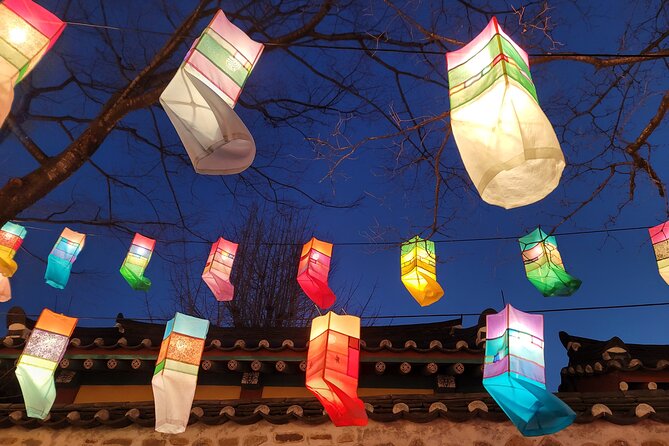
The traditional Korean snack and apple are small but useful additions. They give you something to eat during a long evening and add a local detail to the trip. The traditional lantern is more than a simple giveaway because it fits the festival’s theme and can be part of your photographs.
The tote bag is a practical souvenir for carrying the lantern and any small purchases. None of these extras should be the reason you book, but they make the $125 package feel more complete.
Dinner needs planning. The tour does not include a meal, and the supplied information does not promise a specific restaurant stop or a set food break. Eat a proper meal before the 3:30 p.m. meeting time, or bring enough money and time to find food during the festival.
If you have dietary needs, the listed snack should not be treated as a full or customized meal. The safest plan is to bring food you know you can eat.
Weather, cancellation, and practical limits
This activity requires good weather. If the operator cancels because of poor conditions, you are offered another date or a full refund. That protection applies to a weather cancellation, not to changing your mind.
Personal cancellations and amendments are non-refundable. The rule is strict, so check the forecast and your Busan schedule before paying.
Most people can participate, and the meeting point is near public transportation. Still, expect a long evening around a crowded riverside festival. If walking on uneven or muddy ground is difficult for you, rain may make the experience more tiring. A past evening had muddy conditions along the riverside after rain.
Confirmation is sent within 48 hours of booking, subject to availability. The tour is generally booked well ahead, with an average booking lead time of 33 days. That is a useful warning for anyone visiting during the festival period. Do not leave this decision until the last day if the dates are fixed.
Who should book the Jinju evening
I would choose this tour if you are based in Busan and want to see the Jinju festival without handling the transport yourself. It suits couples and small groups who care about night photographs, as well as solo visitors who would rather have a guide nearby than explore the festival alone.
It is also a good fit if you enjoy cultural context. The connection between the lanterns, the Namgang River, and Jinjuseong Fortress gives the evening more meaning than a standard light show.
You should think twice if you need a firm return time, want a full dinner included, or dislike crowded public events. The schedule can extend late, and festival conditions may be wet or muddy. The non-refundable rule also makes this a poor choice for an uncertain schedule.
Should you book this Jinju lantern tour?
Book it if the festival is a priority and you want a well-supported evening from Busan. Suyang’s personal help, small group, lighting for photos, included admission, and several Busan drop-off points solve the hardest parts of the outing.
Skip it if $125 feels high for a bus transfer and festival visit, or if you would rather explore without a set group plan. For most visitors with only a short Busan stay, though, the tour offers a practical way to see Jinju’s floating lanterns, fortress, performances, and night views in one memorable evening.
FAQ
Where does the tour begin?
The tour begins at Dongnae Station Exit 1 in Busan.
What time does the tour start?
The scheduled start time is 3:30 p.m.
How long does the experience last?
The tour lasts approximately eight to nine hours.
Where does the tour end?
The tour ends at a different location from the starting point. Planned return stops include Busan Seobu Sasang Terminal, Seomyeon Station, and Busan Station.
What is the maximum group size?
The tour accepts a maximum of 14 participants.
Is admission included?
Yes. Admission tickets, fees, and taxes are included.
Is dinner included?
No. Dinner is not included. A Korean traditional snack and one apple are provided.
What other items are included?
You receive an air-conditioned vehicle, a Korean traditional lantern, and a souvenir tote bag.
Is the tour available in bad weather?
The activity requires good weather. If the operator cancels because of poor weather, you are offered another date or a full refund.
Can I cancel for a refund?
No. The experience is non-refundable and cannot be changed for personal reasons. A refund is available if the activity is canceled because of poor weather.
Recently added around Busan
- Full Day Busan and Gyeongju Guided Tour★ 5.0 · 4 reviews
- Andong Hahoe Folk Village Day Tour From Busan★ 5.0 · 4 reviews
- Make your own Makgeolli (Rice Wine) in Busan★ 5.0 · 4 reviews
- Best Busan night views : Mountain observatory streets★ 5.0 · 4 reviews
- Busan: Naejangsan National Park Autumn Foliage One Day Tour★ 4.8 · 4 reviews
- Gyeongju private tour with an official tour guide (Unesco)★ 4.5 · 4 reviews
- 5 Highlights Pohang Tour from Busan (Group Tour)★ 5.0 · 5 reviews
- Busan: Winter Healing Park and (Gyeongju/Daegu) One Day Tour★ 5.0 · 5 reviews
Busan Tours, compared.
Gyeongju Guided Day Trip to Three Kingdoms Capital
Read the review →
Gyeongju UNESCO World Heritage Guided Day Tour
Read the review →
Busan Private Tour with licensed tour guide + private vehicle
Read the review →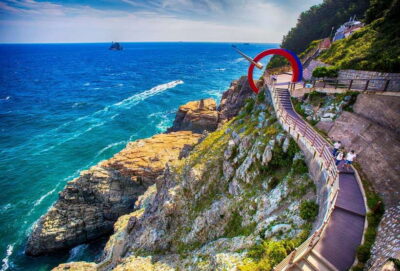
Coastal Treasures Beach Train, Culture Village & More
Read the review →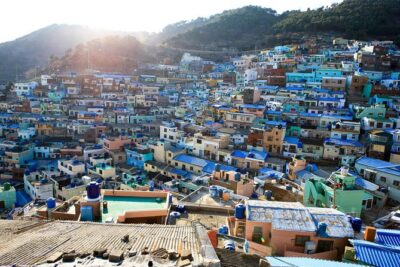
Busan’s Cultural Wonders with Beach Train & Gamcheon Village etc
Read the review →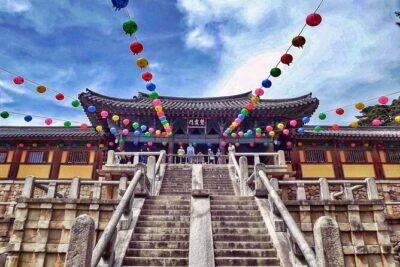
Gyeongju UNESCO World Heritage Guided Day Tour from Busan
Read the review →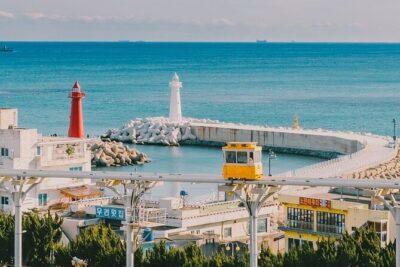
Private Busan Tour -Explore Cultural Landmarks with a Local Guide
Read the review →Browse the lists this tour appears in