
Reviewed · BUSAN TOURS
From Busan to Gyeongju UNESCO Legacy Tour with National Museum
Gyeongju was the capital of the Silla Kingdom for nearly a thousand years, and this day trip packs its major sights into one long, useful outing from Busan. You’ll walk through bamboo groves, temple courtyards, old hanok streets, royal tombs, and a beautifully lit bridge.
I like the wide mix of places, from the quiet Ahopsan Forest to the excellent Gyeongju National Museum. I also like that guides such as DK, Yaho, Kang, Chris, and Yaya are praised for clear English, historical storytelling, careful driving, and flexible timing. The tradeoff is simple: this is a full 12-hour day, and some stops may feel brief.
Key things to know before booking
- Ahopsan Forest adds a peaceful start: The privately owned bamboo forest has been protected for more than 400 years, but admission costs extra.
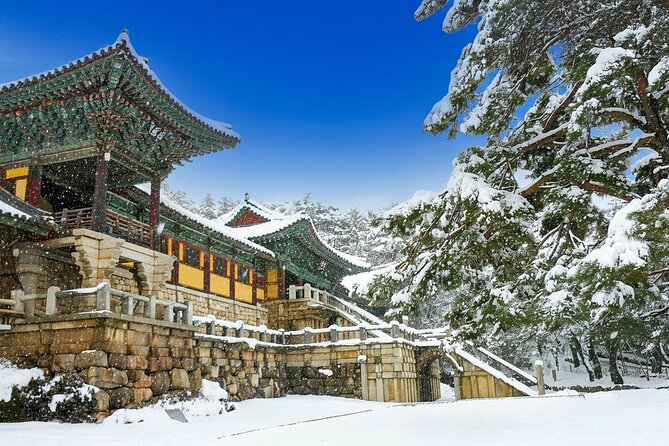
- Bulguksa Temple is the historic centerpiece: You get about two hours at this UNESCO-listed Buddhist site, with admission included.
- The tour covers both Silla and Joseon-era sites: Gyochon Village and Choe Jun’s House add a different layer to the day.
- Spring brings route changes: From March 24 to April 12, Dalmaji Hill may replace Ahopsan Forest, while Daereungwon may replace the National Museum if the blossoms are suitable.
- Woljeonggyo Bridge closes the day: Allow up to two hours for the bridge and its surroundings, often a memorable time for photographs.
- The price is strong for a long day: At $48.08 per person, transport, a guide, fuel, tolls, parking, and Bulguksa admission are included.
Why this day trip works from Busan
Gyeongju is easy to admire on a map and harder to organize in practice. Its historic places are spread across a broad area, so reaching the temple, museum, tombs, village, and bridge by public transport takes planning and time.
This tour solves that problem with round-trip transport from Busan in an air-conditioned vehicle. You do not have to work out several bus connections or decide which attractions fit together. The route also takes you beyond the most famous temple, giving you a better sense of how Gyeongju’s royal, religious, and family history fit together.
The schedule lasts about 12 hours. That means an early start, a long ride, many walks, and a return to Busan after a full day outdoors. You should book it for access and ease, not for a slow, scholarly visit to every site.
The maximum group size is listed as 99 people, though some departures may operate in a smaller van. Several guide experiences describe small groups and comfortable vans, but group size can vary. If you care strongly about a quiet small-group setting, confirm the arrangement before booking.
More Museums in Busan:
- Busan: Gyeongju UNESCO Legacy Tour with National Museum
★ 5.0 · 172 reviews - Seoul: War Memorial of Korea Private Guided Museum Tour
★ 4.9 · 29 reviews - DMZ Tour + The War Memorial of Korea Museum
★ 5.0 · 28 reviews
Ahopsan Forest and the route into Gyeongju
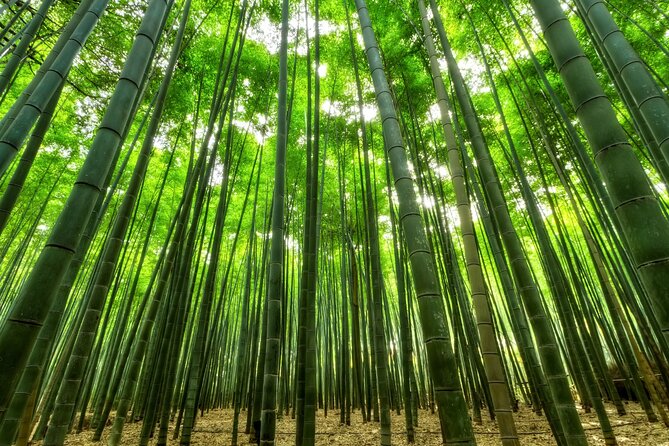
The usual first stop is Ahopsan Forest, a privately owned bamboo woodland in Busan. You get about 90 minutes among dense bamboo groves, with a calm, shaded atmosphere that feels far removed from city traffic.
This is one of the tour’s more unusual choices. Many Busan to Gyeongju outings focus only on palaces and temples. Ahopsan gives you a nature stop before the historical sites begin, and it is especially useful if reaching the forest independently would be awkward.
Admission is not included. You should also wear practical shoes. One detailed account warns that muddy ground can spoil white sneakers, and another points out that the forest includes some uphill walking. The pace can be slow, but anyone with walking difficulties should take that incline seriously.
During the stated cherry blossom period, March 24 to April 12, Ahopsan may be replaced by Haeundae’s Dalmaji Hill. The change depends on bloom and weather conditions, and the preferred option is not guaranteed. Dalmaji offers a short, 30-minute walk with coastal views and cherry trees rather than bamboo shade.
This seasonal choice changes the character of the morning. Ahopsan is quieter and more atmospheric. Dalmaji is shorter, more open, and better for a quick coastal photo stop when the blossoms are at their best.
Gyochon Village and Choe Jun’s House
Gyeongju Gyochon Traditional Village gives you an hour among traditional Korean homes and historic streets. The hanok buildings offer a clear contrast with the grand scale of Bulguksa Temple and the open lawns around the royal tombs.
The village is tied to the Gyeongju Choi family, one of Korea’s respected old families. Choe Jun’s House, visited for about an hour, was the family residence for more than 300 years. It offers a more domestic view of the past, focused on a prominent household rather than kings, monks, and burial mounds.
I like this part of the route because it slows the story down. You see how elite family life was arranged, not just the monuments left by rulers. The traditional buildings also give you time for photographs and a little wandering without an entrance charge for the village or house.
Do not expect a large open-air museum with hours of exhibits. The appeal is the setting, architecture, and guide’s explanation. Your experience will depend on how much context the guide provides and how much time the group spends walking between the buildings.
The strongest guide feedback centers on this kind of storytelling. DK is praised for energy, humor, and clear explanations. Yaho is described as attentive, funny, and especially good at giving historical background while keeping the group moving. Kang is repeatedly praised for patience and care, including helping people manage rainy conditions.
Gyeongju National Museum and Silla treasures

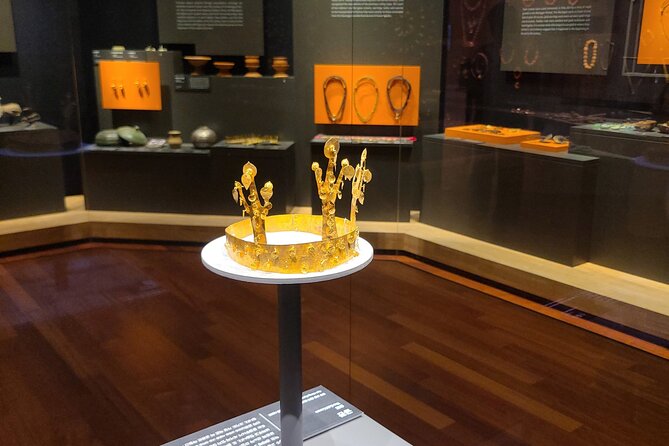
The Gyeongju National Museum is normally part of the day, with about an hour inside. It is the best stop for making sense of the Silla Kingdom’s long rule and the objects found around the ancient capital.
A temple can show you stone pagodas and carved details, but a museum helps explain what daily life, religion, craft, and royal power looked like. I would pay close attention to your guide’s introduction here, since one hour is enough for a focused visit but not enough to see everything at length.
The schedule may offer Donggung Palace and Wolji Pond instead of the museum for visitors who prefer not to visit it. Entry to Donggung Palace and Wolji Pond is not included. This alternative is especially appealing if you want more outdoor ruins and evening scenery, while the museum is the better choice if you want objects and historical context.
There is a practical point here: the supplied route information lists Daereungwon Tomb Complex as a possible spring alternative to the National Museum, while another section names Donggung Palace and Wolji Pond as an alternative. Ask your guide or the operator which option applies to your departure. During cherry blossom season, Daereungwon is dependent on bloom conditions.
A few more Busan half-days to weigh up
- Busan: Gyeongju Guided Day Trip to Three Kingdoms Capital
★ 4.8 · 1,925 reviews - Small Group Full Day Busan Tour (Max 6 Pax)
★ 5.0 · 1,464 reviews - From Busan: Gyeongju UNESCO World Heritage Guided Day Tour
★ 4.8 · 1,250 reviews - Busan Private Tour with licensed tour guide + private vehicle
★ 5.0 · 1,143 reviews
Daereungwon and the tombs of Silla royalty
Daereungwon is a royal tomb complex with grassy burial mounds and stone walls. You get about an hour to walk through the grounds, and the scale of the mounds makes clear how much power and labor the Silla court could command.
The tombs are not dramatic in the same way as a palace roof or temple gate. Their strength is their simplicity. Rounded green mounds rise from the city, linking ordinary streets with a royal past that is more than a thousand years old.
In spring, cherry blossoms can soften the scene and make Daereungwon one of the day’s best photo stops. But bloom timing is unpredictable. You should treat the seasonal substitution as a possibility rather than a promise.
If Daereungwon is included, wear shoes suitable for walking on grass and paved paths. The one-hour visit is enough to see the main grounds, though anyone wanting to study every mound or pause for long photographs may want more time.
Bulguksa Temple, the tour’s major landmark
Bulguksa Temple receives about two hours, making it one of the least rushed major stops. Admission is included, which helps the $48.08 price feel more useful.
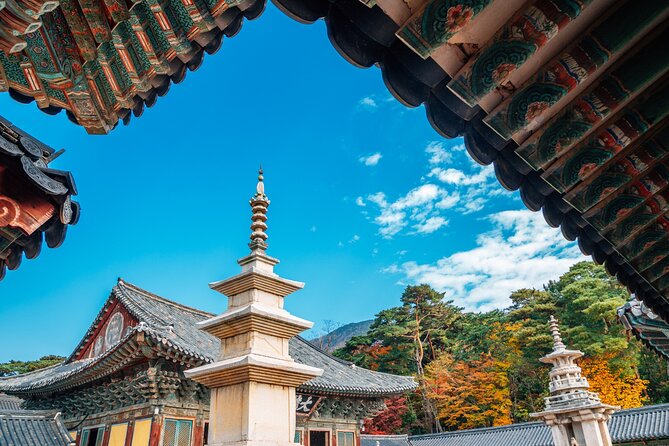
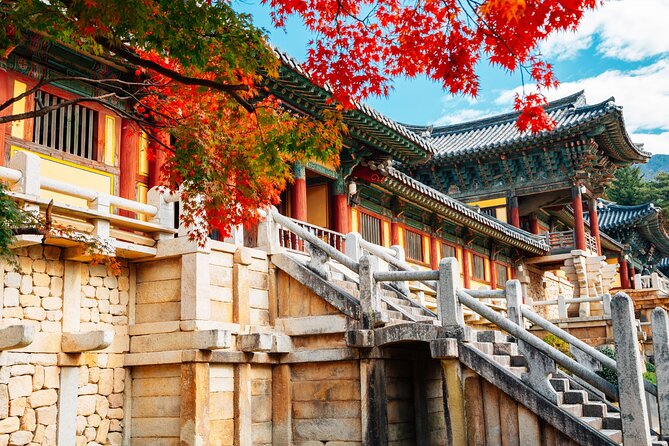
The temple began in 528 during the Silla period and was rebuilt in 774. It is listed by UNESCO and is known for its Buddhist art, stonework, stairways, pagodas, and carefully arranged courtyards.
Two hours gives you room to look beyond the first gate. Notice the relationship between the stone terraces, wooden halls, and elevated approach. The site is not just a pretty collection of buildings. Its design expresses Buddhist ideas through movement, height, balance, and ritual space.
This is also the point where a good guide makes a real difference. Guides named in the feedback are praised for explaining the meaning behind the sites rather than simply identifying them. Yaho, DK, Kang, and Chris are each described as passionate about Korean history, while Chris is also praised for adjusting the start time around holiday traffic.
Bulguksa involves walking and some steps. The tour is suitable for most people, but it is not a ride-up, ride-down sightseeing day. Bring water, wear comfortable shoes, and keep some energy for the final bridge stop.
Woljeonggyo Bridge at the end of the day
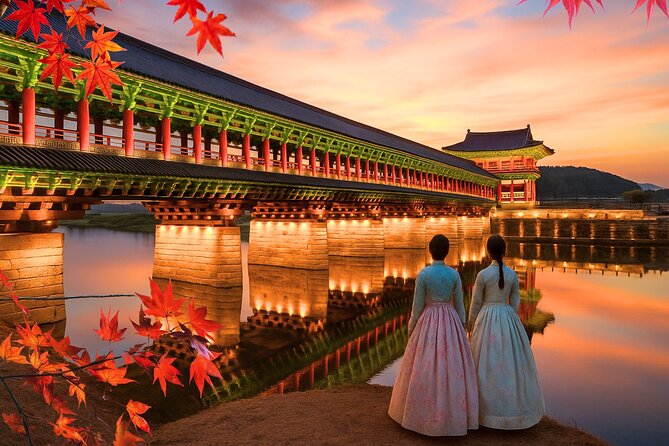
Woljeonggyo Bridge is a reconstruction of a royal bridge first built in 760 during the Unified Silla period. It once connected the royal palace area with the southern part of Gyeongju.
The tour allows up to two hours here, which is generous compared with several other stops. The bridge’s wooden structure and surrounding water make it particularly attractive later in the day, when lights can transform the scene.
This is a fitting finish. After seeing the temple, tombs, museum, and traditional homes, you end with a structure built for movement and connection. The bridge also gives you a chance to slow down after a busy schedule.
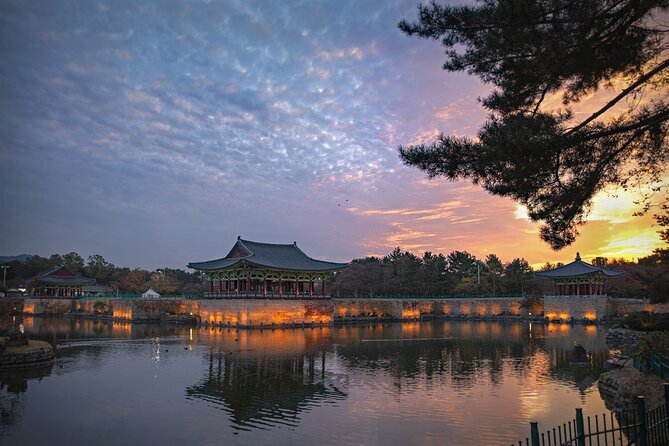
Some departures may include Donggung Palace and Wolji Pond as an alternative to the museum, and evening views of the pond and bridge are a memorable combination. Since the exact seasonal route can change, confirm the day’s final plan with your guide.
How the guides shape the day
The tour uses English or Chinese-speaking professional guides. The strongest praise goes to the human side of the experience: clear English, good humor, safe driving, practical help, and an ability to adjust the pace.
DK is repeatedly described as energetic, organized, and passionate. Yaho is praised for learning names, helping with photographs, keeping people engaged, and changing the order when rain appears. Kang receives especially warm comments for patience, historical explanations, and small acts of care, such as driving guests to a convenience store for umbrellas.
Chris is described as organized and fluent in English, with a talent for adjusting departure times when traffic may threaten the schedule. Yaya is praised for an easygoing manner, flexible pacing, and helping the group find a traditional Korean buffet for lunch.
Guide quality can vary by departure, so these names are useful but not a guarantee of who will lead your tour. What you can reasonably expect is a guide-led day rather than a simple shuttle service. The guide normally visits the sights with you, explains the background, answers questions, and helps keep the group on schedule.
Lunch, walking, and what to bring
Lunch and dinner are not included. A guide may recommend or arrange a restaurant, but you should budget separately and ask about the day’s meal plan. One account describes a traditional Korean buffet, but that should not be treated as a fixed inclusion.
You will spend much of the day walking. Ahopsan can include an uphill section, Bulguksa has steps, and the village, tombs, museum, and bridge all require time on foot. Comfortable shoes matter more than dressing for photographs.
Pack a small umbrella or rain layer, especially outside the dry summer months. The tour requires good weather and may be rescheduled or refunded if poor weather causes cancellation, but light rain can still affect your comfort. A guide may adjust the route, as Yaho and Chris have done, but flexibility has limits on a tightly planned day.
The vehicle is air-conditioned, and tolls, parking, and fuel are covered. You still pay for personal expenses, optional admissions, meals, insurance, and Ahopsan Forest entry.
Is $48.08 a fair price?
For $48.08 per person, this is good value if you want to see several far-flung Gyeongju sights without arranging transport yourself. The price covers round-trip transportation, a professional guide, road costs, parking, fuel, and admission to Bulguksa.
It is less attractive if you prefer slow museum visits, long meals, or a flexible independent schedule. The tour’s strength is coverage. In one day, you can see a bamboo forest or spring viewpoint, traditional homes, royal tombs, a UNESCO temple, and a major bridge.
The cost does not cover everything. Ahopsan Forest admission is extra, Donggung Palace and Wolji Pond admission is extra when that option applies, and meals are your responsibility. Still, the included transport is the key saving. Gyeongju’s sights are spread out, and private taxis between them can quickly cost more than this tour.
Who should book this Gyeongju tour?
I would choose this trip if you have limited time in Busan and want one efficient day devoted to Korean heritage. It suits first-time visitors, solo visitors who want company, and anyone who would rather leave the driving and route planning to someone else.
It is also a good fit if you want context, not just photographs. The combination of guide commentary, museum exhibits, temple architecture, family homes, and tombs gives you a more rounded look at Silla and Joseon-era Korea.
I would hesitate if you dislike early starts, long vehicle rides, fixed schedules, or walking over uneven ground. You may also prefer a dedicated Gyeongju tour if the National Museum, Donggung Palace, or Bulguksa deserves several hours of your attention.
The tour has a 4.9 rating from 87 reviews and a 99 percent recommendation rate, with one serious complaint about a missed pickup. That isolated report makes it wise to confirm the pickup instructions and stay reachable before departure. Most practical feedback points to smooth pickup, comfortable transport, and careful timing, but any busy shared tour carries some risk of delay.
Final verdict: a smart first day in Gyeongju
Book this tour if you want broad coverage, helpful explanations, and a simple way to reach Gyeongju from Busan. The best parts are the variety, the included Bulguksa admission, and the guides’ repeated strengths in English communication, safe driving, humor, and historical storytelling.
Do not book it expecting a leisurely private tour. You will cover a lot of ground in about 12 hours, and the seasonal substitutions can change the balance between forest, blossoms, museum, and tombs.
For most short-stay visitors, the convenience is worth it. Bring good shoes, extra meal money, clothes suited to changing weather, and realistic expectations about pace. You should return to Busan tired, but with a much clearer sense of why Gyeongju matters.
FAQ
How long does the tour last?
The tour lasts approximately 12 hours, including transportation between Busan and Gyeongju.
What is included in the price?
The price includes an air-conditioned vehicle, an English or Chinese-speaking professional guide, round-trip transport, toll fees, parking fees, fuel, and admission to Bulguksa Temple.
Is lunch included?
No. Lunch and dinner are not included, so you need to pay for meals and personal expenses separately.
Is Ahopsan Forest admission included?
No. Admission to Ahopsan Forest is not included in the tour price.
Can I visit Donggung Palace and Wolji Pond instead of the museum?
Donggung Palace and Wolji Pond are offered as an alternative for guests who prefer not to visit the Gyeongju National Museum. Entry is not included.
Does the itinerary change during cherry blossom season?
From March 24 to April 12, Dalmaji Hill may replace Ahopsan Forest, and Daereungwon Tomb Complex may replace the National Museum if bloom conditions are suitable. These options depend on weather and availability.
What happens if the tour is canceled?
If poor weather or an insufficient minimum number of participants causes cancellation, you will be offered another date or experience, or a full refund. You can also cancel for a full refund up to 24 hours before the start time.
Recently added around Busan
- Full Day Busan and Gyeongju Guided Tour★ 5.0 · 4 reviews
- Andong Hahoe Folk Village Day Tour From Busan★ 5.0 · 4 reviews
- Make your own Makgeolli (Rice Wine) in Busan★ 5.0 · 4 reviews
- Best Busan night views : Mountain observatory streets★ 5.0 · 4 reviews
- Busan: Naejangsan National Park Autumn Foliage One Day Tour★ 4.8 · 4 reviews
- Gyeongju private tour with an official tour guide (Unesco)★ 4.5 · 4 reviews
- 5 Highlights Pohang Tour from Busan (Group Tour)★ 5.0 · 5 reviews
- Busan: Winter Healing Park and (Gyeongju/Daegu) One Day Tour★ 5.0 · 5 reviews
Busan Tours, compared.
Gyeongju Guided Day Trip to Three Kingdoms Capital
Read the review →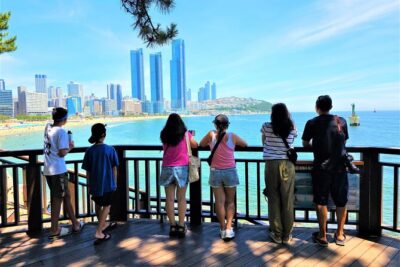
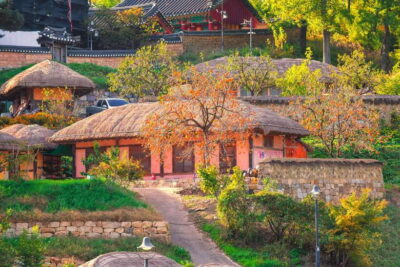
Gyeongju UNESCO World Heritage Guided Day Tour
Read the review →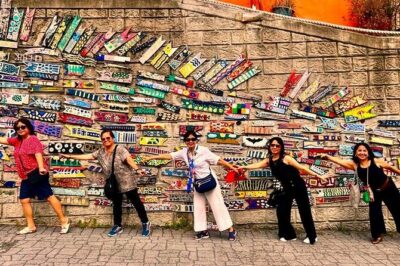
Busan Private Tour with licensed tour guide + private vehicle
Read the review →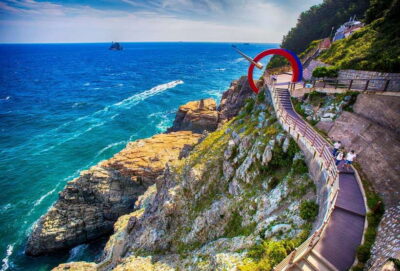
Coastal Treasures Beach Train, Culture Village & More
Read the review →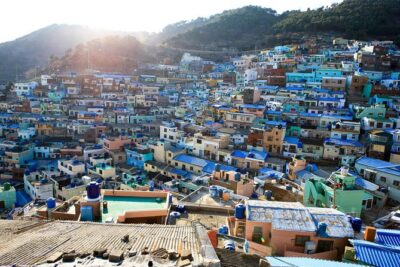
Busan’s Cultural Wonders with Beach Train & Gamcheon Village etc
Read the review →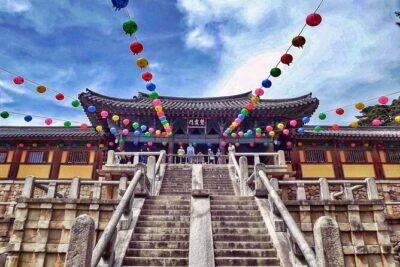
Gyeongju UNESCO World Heritage Guided Day Tour from Busan
Read the review →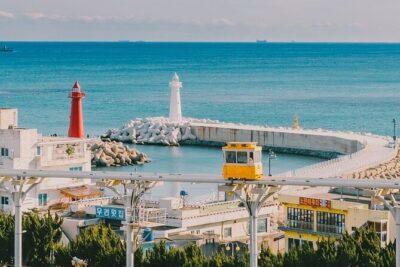
Private Busan Tour -Explore Cultural Landmarks with a Local Guide
Read the review →Browse the lists this tour appears in