
Reviewed · CITY TOURS
Gwangju City Tour : Where old meets new (private)
Gwangju’s story is told through May 18 Democracy Square, hillside recreation, old missionary buildings, tea, food, and ordinary shopping streets. This private day tour gives you a useful mix of the city’s past and present without keeping you inside a standard sightseeing loop.
I like the way the tour pairs serious history with lighter stops, especially the Asia Culture Center, Jisan’s lift and monorail rides, and the tea house. I also like having guide Veronica shape the day around weather and your interests. The main drawback is that lunch and personal insurance are not included, and the schedule is full for one long day.
Key points at a glance
- May 18 history without a full history-only schedule: You begin at the square and Asia Culture Center, then continue into art, food, nature, and shopping.
- Private transport and a flexible guide: Your group travels together, with room to adjust the plan when weather or personal interests call for a change.
- Jisan Recreation Area takes 2.5 hours: The lift and monorail rides are included, making this the main nature break of the day.
- Lunch is local and paid separately: You choose from selected Gwangju dishes and pay on the spot, so budget extra for the meal.
- Two useful shopping choices: Finish at NH Hanaro Mart for ingredients and packaged goods, or choose Yangdong Market for a traditional market setting.
- A strong introduction to Gwangju: The tour suits first-time visitors who want context, local food, and daily life rather than only famous landmarks.
Why this private Gwangju day works
Gwangju is South Korea’s fifth-largest city, but it feels far removed from the pressure and scale of Seoul. The city has a strong food culture, a close relationship with Mt. Mudeungsan, and a civic identity shaped by the May 18 Democratic Uprising of 1980.
This tour gives you a broad first look. You are not spending eight hours on monuments alone. Instead, you move from a place of national importance to a cultural center, a cafe neighborhood, a mountain recreation area, a local meal, a tea house, a historic district, and a supermarket or traditional market.
That variety is the biggest reason to consider booking it. If you are visiting Gwangju for the first time, you get enough background to understand the city, plus practical help with food and shopping. The private format also matters. Your group is the only group on the activity, and guide Veronica has adjusted the day for weather and personal preferences.
The start time is 9:30 am, and the day lasts about eight to nine hours. That means you should expect a proper full-day outing, not a quick orientation. Private transportation saves time between stops and makes the long route more manageable.
A few more South Korea half-days to weigh up
- Busan Private Tour with licensed tour guide + private vehicle
★ 5.0 · 1,143 reviews - Private DMZ Tour (No Shopping): 3rd Tunnel & Suspension Bridge
★ 5.0 · 607 reviews - Jeju Island English Private & Flexible Tour any number anywhere
★ 5.0 · 561 reviews
May 18 Democracy Square and the Asia Culture Center

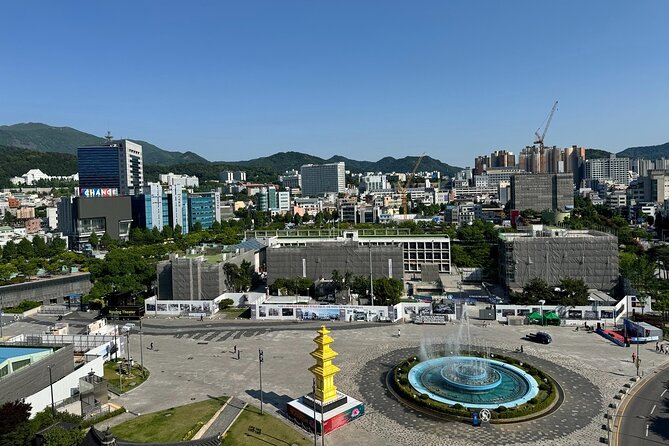
The day opens at May 18 Democracy Square, the symbolic center of Gwangju. In May 1980, citizens gathered here during the May 18 Democratic Uprising. The square became the final stronghold for people who stood against military rule, and its meaning remains central to the city.
You have about 20 minutes here. That is enough for an introduction and a moment to take in the setting, but it is not a full treatment of the uprising. If May 18 is your main reason for visiting Gwangju, book the separate Gwangju May 18 Tour instead. This day tour gives you context, but it moves on quickly.
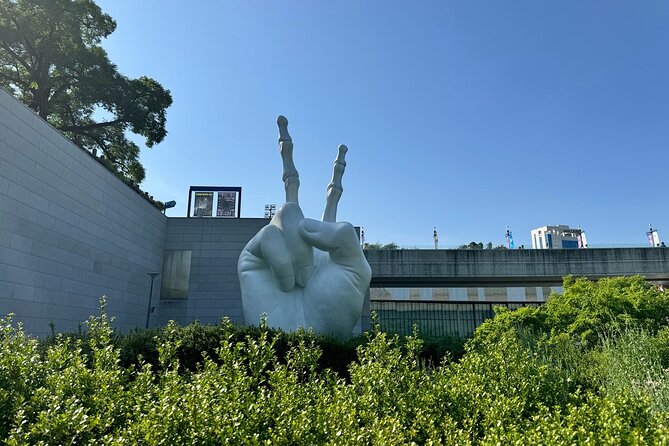
Next comes the Asia Culture Center, located beside the square. You spend about 30 minutes here, with admission included at no extra cost. The center is one of Asia’s largest cultural complexes and was built on the site connected to the uprising.
This pairing is well judged. The square gives you the civic story, while the culture center shows how Gwangju has developed a modern arts identity around that past. You should not expect enough time for every gallery or performance space. Think of this as a focused introduction rather than a complete museum visit.
Dongmyeong-dong and the city’s changing character
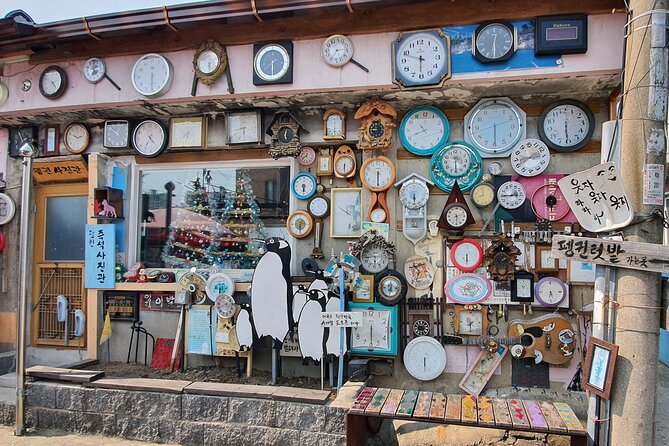
Dongmyeong-dong Cafe Street adds a different side of Gwangju. The neighborhood was once one of the city’s most prestigious areas. As residents moved into newer apartment complexes, the old streets became quieter, then started to return as cafes and small businesses appeared.
You have about 20 minutes here. That is a short stop, but it helps you see how Gwangju changes without erasing every older layer. You might find the pause especially useful after the serious opening stops. It gives you time to walk, look at the buildings, and see how an older area can take on a new role.
Do not book this tour expecting a long cafe crawl. Coffee or tea in a cafe is included, but the stop is brief. Its value is less about one particular drink and more about seeing a neighborhood in transition.
Jisan Recreation Area: two and a half hours outdoors
Jisan Recreation Area receives the longest single block of time, about two hours and 30 minutes. The former Jisan Amusement Park opened in 1978 as a family leisure complex, and the area remains linked to outdoor recreation and mountain views.
The included lift and monorail rides are the main practical attraction. The old lift carries you through the forest, while the monorail adds another way to see the setting. These rides give the tour a welcome change of pace after the city center and provide an easy way to reach higher ground without turning the outing into a demanding hike.
I like this part because it shows Gwangju’s connection to Mt. Mudeungsan without requiring a separate mountain excursion. You get time to enjoy the setting rather than rushing out for a photograph. The trade-off is weather. The tour requires good conditions, and outdoor rides may be less enjoyable in rain, poor visibility, or strong wind.
Wear comfortable shoes and plan for some walking, even though the lift and monorail reduce the physical effort. The tour information says most people can participate, but the day still involves several stops and a long period away from your hotel or transport base.
More City Tours in South Korea:
- Best Seoul City Tour (Gyeongbokgung Palace,Insadong,Namsan Tower)
★ 5.0 · 1,647 reviews - Small-Group Royal Palace and Seoul City Tour (hotel pick-up)
★ 5.0 · 1,474 reviews - Seoul City Sightseeing Tour Including Gyeongbokgung Palace, N Seoul Tower, and Namsangol Hanok Village
★ 5.0 · 1,423 reviews - Seoul Half-Day City Highlight, Palace Tour with Hanbok
★ 4.9 · 764 reviews
A Gwangju lunch chosen with local help
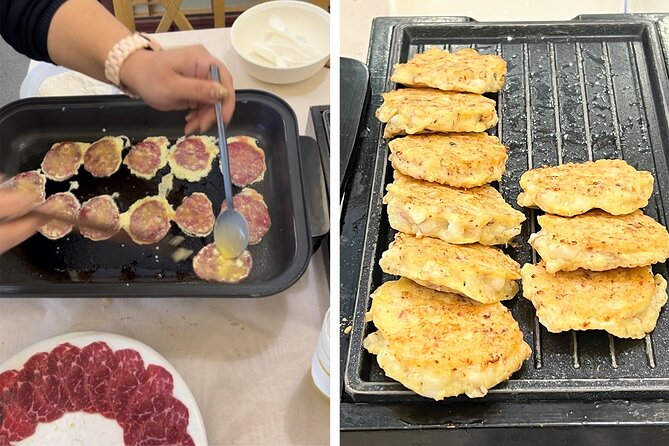
Lunch lasts about one hour and 10 minutes. It is not included in the $135 price, and you pay for your own meal at the restaurant.
That arrangement gives you more control than a fixed group menu. Gwangju is known for generous portions and local food, and the guide selects popular dishes that people in the city enjoy. Veronica has recommended restaurants and dishes that worked well for the people on the tour, which is useful if you are unsure what to order.
The practical advantage is guidance. You can ask what a dish is, how much to order, and what suits your taste. The practical drawback is that the final cost depends on your choice. If you are comparing this outing with a tour that includes lunch, add a meal allowance to the advertised price.
This is also one reason a private tour can be better than a large group excursion. You do not have to follow a one-size-fits-all menu. You can tell the guide if you prefer something mild, want to try a local specialty, or need to keep the meal simple.
Chasaengwon tea house and Korea’s tea story
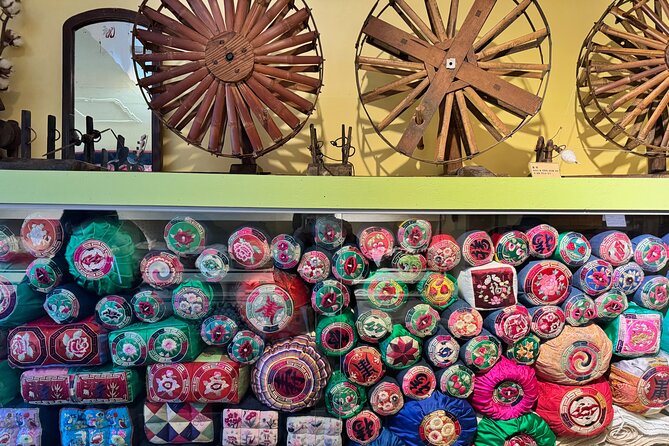
The stop listed as Chasaengwon tea house lasts about one hour and 10 minutes. Coffee or tea is included, giving you a slower break in the middle of a packed day.
The tea connection has a particular Gwangju angle. Hankook Tea Co. was founded in 1951 and is described as Korea’s first commercial tea company. It was also the first company in Korea to produce matcha, or powdered tea, and yellow tea. Its work preserving Korean tea traditions adds substance to what could otherwise be just a refreshment stop.
You can treat this as both a rest and a chance to taste something tied to Korean food culture. If you are interested in tea, ask the guide about the differences among the teas and what makes them distinct. The information provided does not promise a formal tasting class, so keep expectations practical: this is a tea house visit with included coffee or tea, not a specialist workshop.
The timing is helpful. By this point, you have already seen the city center, cafes, and mountain area. A quiet drink gives you a chance to recharge before the final cultural district and shopping choices.
Yangnim-dong’s missionaries, buildings, and art
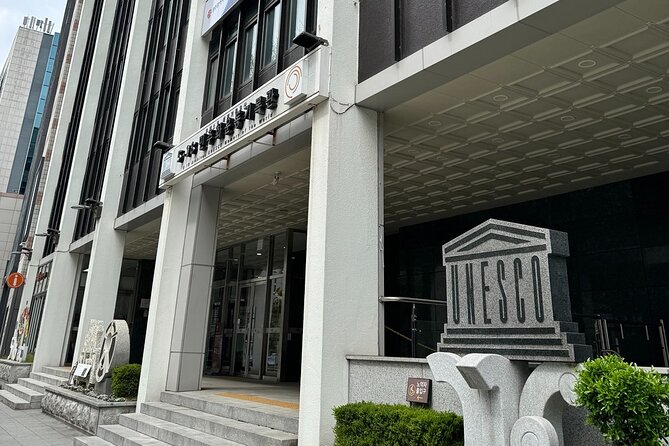
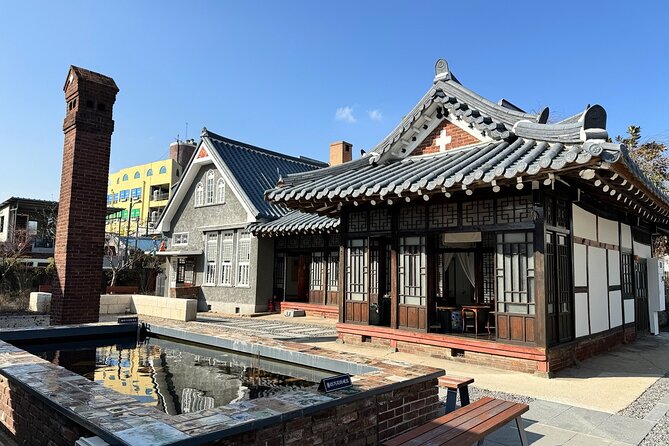
Yangnim-dong History and Culture Village takes about one hour. This district brings together architecture, art, and the story of Southern Presbyterian missionaries who settled here in the early 20th century.
The missionaries came from the United States to spread Christianity, and their presence shaped the neighborhood’s buildings and institutions. The district offers a different historical lens from May 18. One story concerns modern Korean democracy and civic courage. The other concerns religion, foreign contact, and the growth of a city during the early 20th century.
This is a good stop for you if you like walking through older neighborhoods rather than viewing history only inside museums. It also gives the tour visual variety after the more contemporary Asia Culture Center.
The hour will pass quickly. You will likely get an introduction to the district and time to look around, but do not expect to see every building or art space. As with Dongmyeong-dong, the purpose is to give you a sense of place, not to complete an exhaustive neighborhood tour.
Supermarket or Yangdong Market
The final hour gives you a choice. At NH Nonghyup Hanaro Mart, you can shop for Korean cooking ingredients, snacks, coffee, tea, and cosmetics. Your guide helps you identify authentic products, which is particularly handy if you cannot read Korean labels or want practical souvenirs rather than decorative items.
A supermarket is not a grand final sight, but it can be one of the most useful. You see what local people buy, and you can take home foods that are easy to pack. Tea, snacks, coffee, and cosmetics also make simple gifts. Keep in mind that purchases are your own expense.
If you prefer a more traditional setting, choose Yangdong Market instead. It is described as the largest traditional market in Gwangju and Jeollanam-do, where local people shop for daily goods. The market option should appeal to you if you prefer stalls, food, and everyday commerce over the neat shelves of a large store.
The two choices serve different purposes. Hanaro Mart is better for organized shopping and packaged products. Yangdong Market is better for atmosphere and a closer look at ordinary retail life. Tell the guide your preference before the final stop so the day ends in the way you want.
What $135 per person really buys
At $135 per person, this is not a cheap hop-on sightseeing ride. You are paying for a full private day, private transportation, a guide, included admission costs, and the lift and monorail rides. Coffee or tea is included too.
The value improves if you are traveling with family or friends and can use the available group discount. A private vehicle and guide are also more valuable in Gwangju than in a compact city center where you can easily walk between major sights.
The price is harder to justify if you want only the May 18 sites or only a food tour. You would use just part of what this outing offers. It makes more sense for someone who wants a broad introduction to Gwangju in one day and does not want to arrange separate transport, restaurants, nature stops, and shopping.
Lunch, personal insurance, and shopping are extra. Factor those costs in before booking. The tour is also booked about 71 days ahead on average, so planning early is sensible if your South Korea schedule is fixed.
Who will get the most from this day
I would choose this tour if you are staying in Gwangju for a short visit and want help making sense of the city. It works well for families, couples, first-time visitors, students studying in South Korea, and anyone who prefers a private pace.
It is especially useful if you want to see beyond Seoul and Busan. One person on the tour had chosen Gwangju as another destination without knowing quite what to expect, and the day provided a strong introduction to the city’s history and character. That is exactly the situation this tour handles best.
You should think twice if you dislike full schedules, outdoor stops, or shopping. The day covers a lot of ground, and Jisan depends on good weather. Also, anyone seeking a detailed account of the May 18 Democratic Uprising should select the dedicated May 18 tour instead.
The tour is listed as suitable for most people, allows service animals, and is near public transportation. Pickup is offered, and confirmation arrives at booking. Since this is a private activity, only your own group participates.
Should you book the Gwangju City Tour?
Book it if you want one well-rounded day that connects Gwangju’s democratic history, culture, food, mountain setting, tea, older neighborhoods, and practical shopping. The strongest feature is the mix, along with Veronica’s ability to adjust the route for weather and personal interests.
Skip it if your priority is an in-depth May 18 history lesson, a serious mountain hike, or a tightly focused food experience. For most first-time visitors, though, the combination gives you a clear feel for why Gwangju matters and how people live there today.
You can cancel for a full refund up to 24 hours before the 9:30 am start. If poor weather forces cancellation, you are offered another date or a full refund. That policy helps, since the outdoor portion is an important part of the day.
FAQ
Where does the tour take place?
The tour takes place in Gwangju, South Korea.
How long does the experience last?
The tour lasts approximately eight to nine hours.
What time does the tour start?
The scheduled start time is 9:30 am.
Is this a private tour?
Yes. Only your group participates in the activity.
Is pickup available?
Yes, pickup is offered.
Is transportation included?
Private transportation is included.
Are the lift and monorail rides included?
Yes. The lift and monorail rides are included in the tour price.
Is lunch included?
No. Lunch is not included. You choose your meal and pay for it on the spot.
Can I choose between a supermarket and a traditional market?
Yes. You can choose NH Nonghyup Hanaro Mart or Yangdong Market for the final shopping stop.
What happens if bad weather cancels the tour?
If poor weather causes cancellation, you are offered a different date or a full refund. You can also cancel up to 24 hours before the start time for a full refund.
Recently added around South Korea
- Gyeongbokgung Palace Photo Session with your own phone★ 5.0 · 4 reviews
- Nami & Maple Road & Theatre des Lumieres Day Tour from Seoul★ 4.8 · 4 reviews
- Private Tour around Suwon UNESCO Fortress and Korea Folks Village★ 4.5 · 4 reviews
- Jisan Forest Resort: Ski Full-Day Tour or Shuttle from Seoul★ 5.0 · 4 reviews
- Seoul: Deoksugung Palace Night Tour★ 4.5 · 4 reviews
- N Seoul Tower + Namsan Cable Car Ticket (Collect in Myeongdong)★ 3.5 · 4 reviews
- Private Jeonju Hanok Village – Culinary tour★ 5.0 · 4 reviews
- Seoul Private Walking Tour with a Local★ 5.0 · 4 reviews
City Tours, compared.
Best Seoul City Tour (Gyeongbokgung Palace,Insadong,Namsan Tower)
Read the review →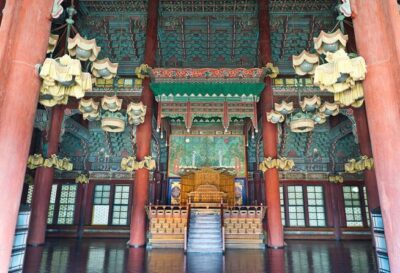
Small-Group Royal Palace and Seoul City Tour (hotel pick-up)
Read the review →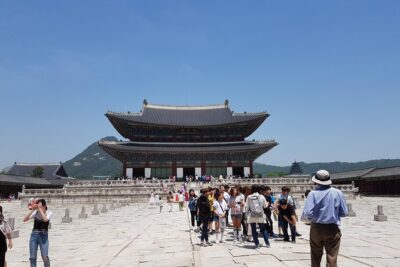
Seoul City Sightseeing Tour Including Gyeongbokgung Palace, N Seoul Tower, and Namsangol Hanok Village
Read the review →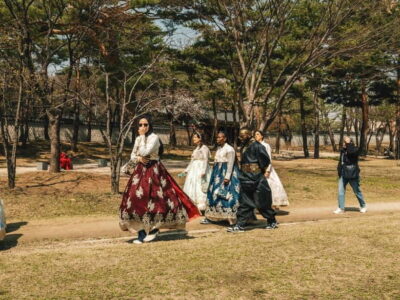
Seoul Half-Day City Highlight, Palace Tour with Hanbok
Read the review →
Dark Side of the City and Ghost Stories Walking Tour
Read the review →
Seoul City Private Full-Day Tour Including Lunch
Read the review →
Seoul City Half Day Tour-Gyeongbok Palace Guard Changing Ceremony
Read the review →
Browse the lists this tour appears in